
Key Takeaways
- Dehumidifier energy consumption is primarily determined by wattage, usage time, and specific operational modes.
- Refrigerant-based units are highly effective in tropical climates, often providing better efficiency than desiccant alternatives.
- Understanding your electricity rate is critical for calculating daily operating expenses effectively.
- Optimized placement and consistent filter maintenance significantly reduce unnecessary energy draw.
- Modern systems like the Aerofy DualCore 20 utilize advanced compressors to minimize power usage while maintaining humidity control.
Understanding power requirements
Homeowners often wonder about their ecological footprint, frequently asking how much electricity does a dehumidifier use. Power requirements vary significantly based on the internal mechanism and the capacity required for your living environment. Most residential units operate within a standard range, but the efficiency can differ wildly based on how well the device handles high moisture levels.
Standard wattage range
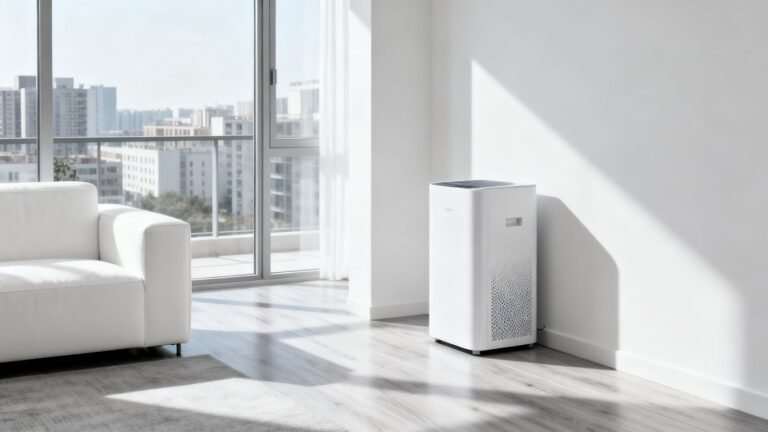
Most portable residential units typically draw between 300 and 700 watts during active operation. This range accounts for the power needed to run the compressor, the fan motor, and the electronic control panel. While smaller tabletop units might consume only 20 to 50 watts, they usually lack the moisture removal capability required for typical tropical homes. It is essential to verify wattage specifications before purchase to ensure your home electrical system stays balanced.
Refrigerant versus desiccant technology
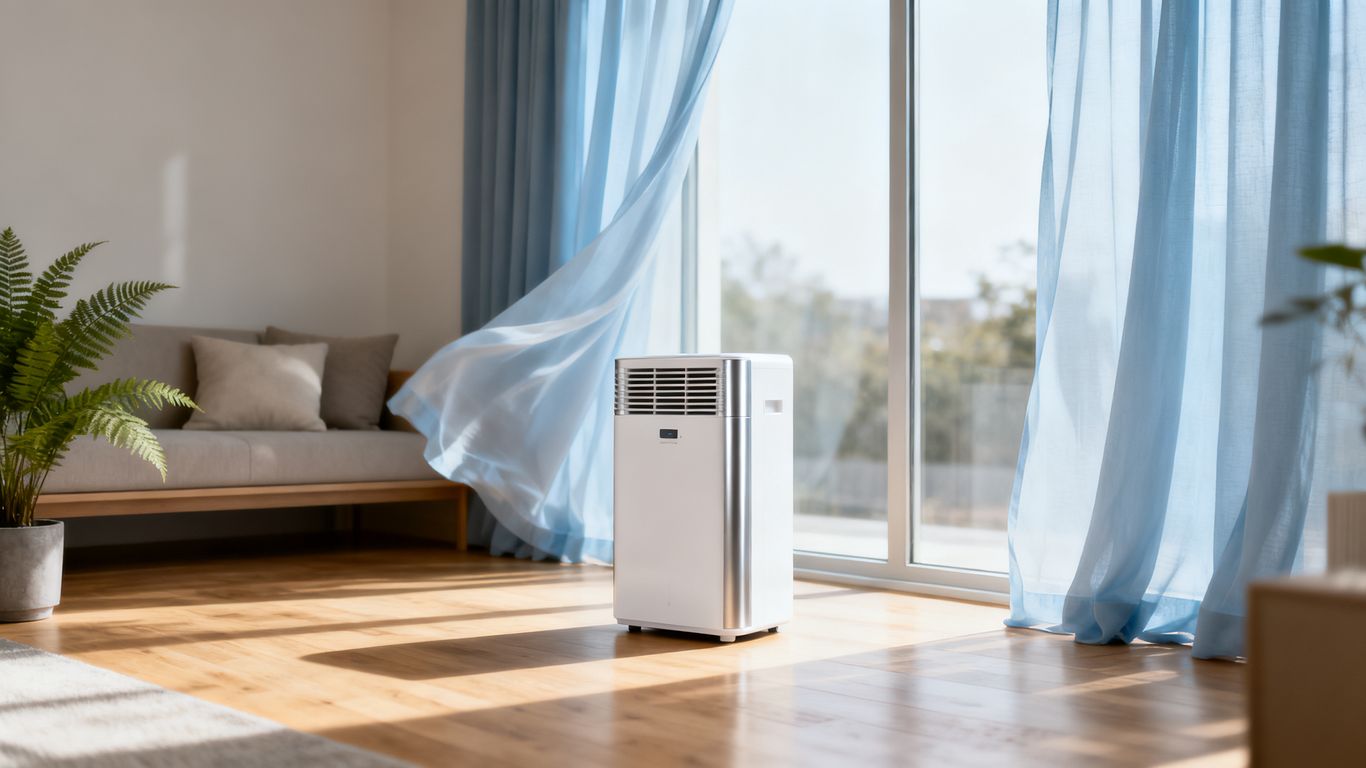
Refrigerant dehumidifiers operate similarly to a refrigerator by cooling coils to condense water from the atmosphere. These units are highly effective in warm, humid regions where temperature management is part of the overall air-quality strategy. Desiccant models, by contrast, use a chemical moisture-absorbing material, which usually consumes less power but works differently. The Aerofy DualCore 20 utilizes high-performance rotary compressor technology to tackle moisture, providing a balanced solution that captures excessive water vapor efficiently compared to older designs found in the market.
Interpreting energy labels and ratings
Energy labels provide a window into expected performance under laboratory test conditions. While these figures help compare models, actual energy consumption depends on how the equipment responds to your home’s unique climate. Factors such as the unit’s ability to maintain a target humidity level, often managed by integrated humidistats, determine how frequently the device cycling on and off. Check for certifications that ensure better power management, as these machines are built to balance moisture extraction with minimal electrical waste.
Calculating actual operating costs
Estimating the expense of running your unit over a year can provide clarity on your budget. By breaking down consumption into kilowatt-hours, you can translate manufacturer specifications into a real-world monthly bill impact. This is particularly important in regions where electricity pricing fluctuates based on peak usage hours or high-consumption tiers.
Determining your residential electricity rate
Your electricity bill provides the ultimate answer to your cost inquiries, listed as your price per kilowatt-hour (kWh). You can often find this rate on your most recent statement from the energy provider. While some households might focus on online gaming or recreational internet use, such as browsing CasinoMate Australia for entertainment, managing home utility costs remains a shared concern for most residents.

Formula for daily and monthly estimates
To calculate your estimated cost, you must first know the wattage of your appliance. Divide the wattage by 1,000 to reach the kWh value, then multiply by the number of hours the device runs daily. From there, you multiply the result by your local electricity rate.
| Daily Usage (h) | Power Use (kW) | Cost per kWh | Estimated Daily Cost |
|---|---|---|---|
| 8 | 0.40 | $0.25 | $0.80 |
| 12 | 0.40 | $0.25 | $1.20 |
| 24 | 0.40 | $0.25 | $2.40 |
This simple math allows you to see how different operating schedules affect your monthly bottom line. Adjusting your usage patterns—such as opting for night-time operation—can sometimes result in measurable savings depending on your billing structure.
Impact of localized energy pricing
Localized energy pricing structures often feature different tiers based on how much electricity a household consumes. In some instances, adding a high-wattage appliance might push your consumption into a more expensive pricing bracket. Selecting energy-efficient models is not just about the device’s own draw; it is about protecting your entire household from reaching those higher-cost thresholds.
Variables affecting energy draw
Energy consumption is rarely constant because the machine is constantly reacting to the environment. The harder the compressor has to work, the more power it pulls from the local grid. Several environmental and operational variables play a direct role in how much load the device exerts on your home system.
Daily ambient humidity levels
When the outside humidity is high, your unit remains in active mode for longer durations. A humid day requires the machine to constantly condense water vapor to maintain your preferred air quality, which directly increases the recorded kWh usage. In these conditions, a robust, well-engineered machine is vital for maintaining comfort without constant power spikes.
Target moisture settings
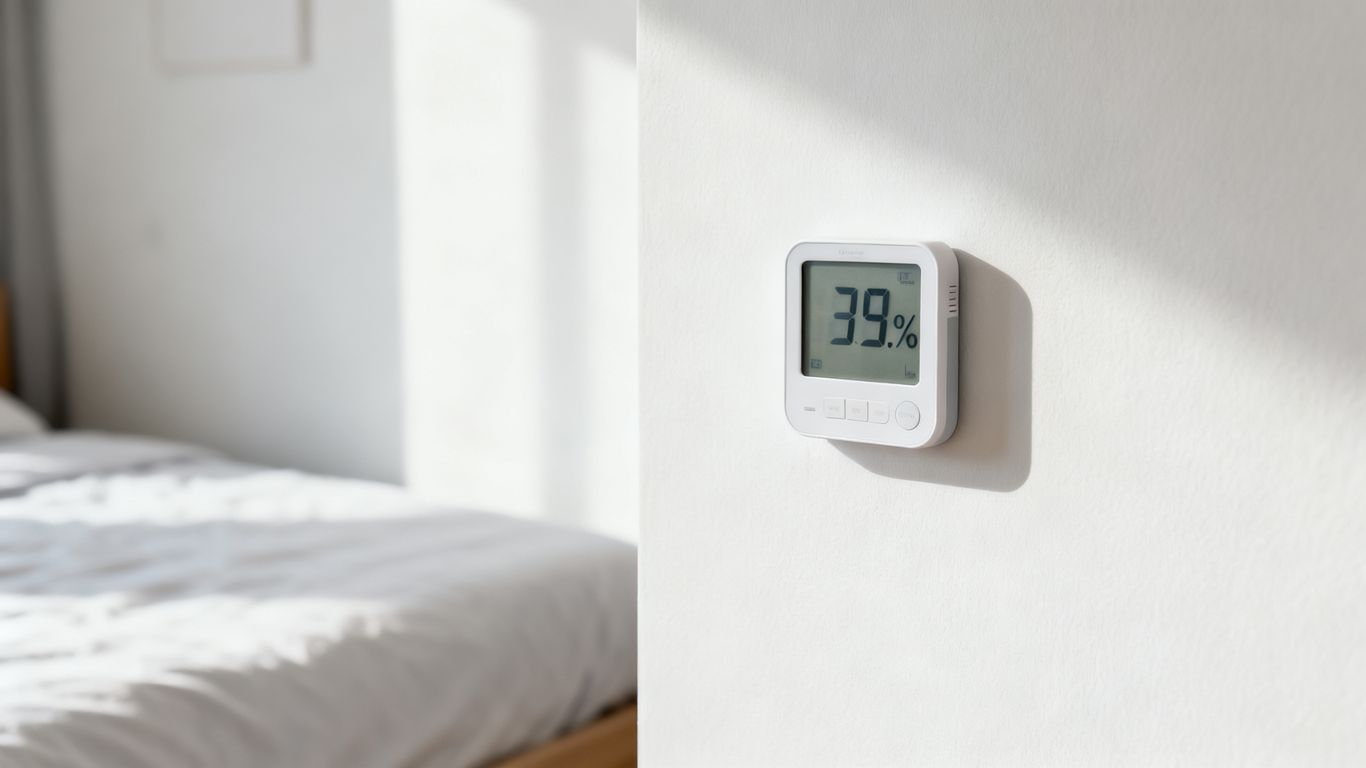
Setting a very low target humidity level forces the compressor to run almost continuously, never allowing it to idle or switch to a lower power mode. Most experts recommend setting your unit to an ideal range between 40% and 50% relative humidity. Keeping within this comfortable buffer prevents the unit from working harder than necessary to strip air of moisture that effectively does not need to be removed.
Room size and airflow limitations
Equipment must be matched to the square footage of the targeted space to avoid inefficiency. If a unit is too small for a large basement or living area, it will labor indefinitely to reach the target humidity. Conversely, poor airflow hinders moisture collection, causing the machine to cycle longer than it should. You can improve overall performance by taking the following steps:
- Ensure there is at least 30cm of clearance around the appliance for air intake.
- Avoid placing the unit behind curtains or under low furniture which can trap airflow.
- Keep room doors closed when the unit is active to prevent unconditioned air from infiltrating.
- Group units strategically if managing a large open-plan living area or high-moisture laundry room.
Applying these organizational changes ensures the compressor moves air efficiently rather than fighting against restricted pathways.
Comparing dehumidifier types
Choosing the right technology is the most important decision for long-term energy management. Different designs handle heat and moisture in ways that either save or cost you money relative to their performance output.
Compressor-based model efficiency
Compressor-based models are the industry leader for tropical regions. By utilizing modern R290 refrigerant, these units provide reliable moisture extraction while simultaneously lowering the environmental impact of the process compared to older chemical-based refrigerants. These units work brilliantly when temperatures hover above 15°C, making them the default choice for most homes in Singapore.
Desiccant dehumidifier power usage
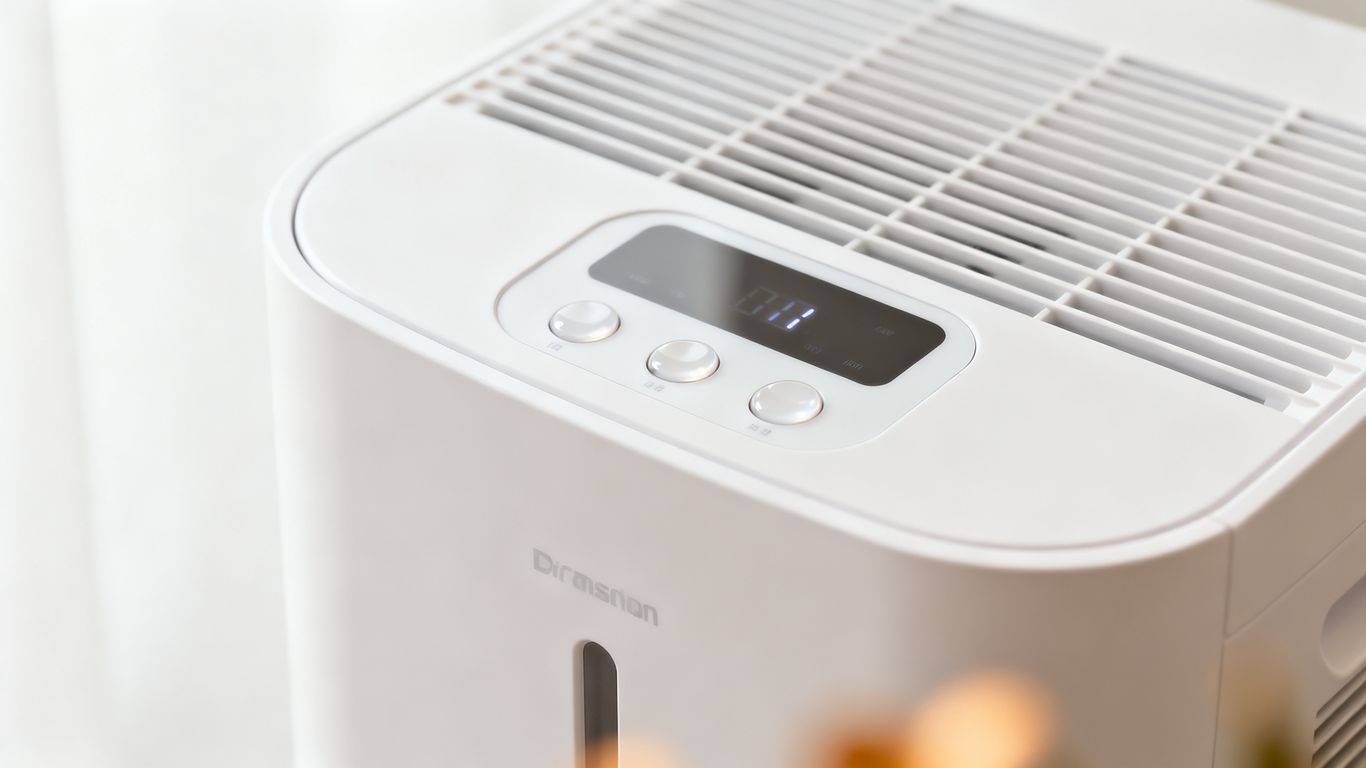
Desiccant models heat the desiccant wheel to release moisture, which results in a consistent power draw regardless of ambient temperature. While this makes them useful in cold storage or garage settings, they are often less efficient for general home use in hot climates. The continuous heating element can add ambient temperature, which might feel uncomfortable during a humid summer day.
Whole-house versus portable unit consumption
Portable units offer the flexibility to tackle specific rooms, such as the master bedroom or a storage closet. Whole-house systems, tied into existing HVAC infrastructure, often operate at a different scale entirely. While they simplify maintenance, they require significantly higher energy inputs to manage the entire floor plate of a property at once.
Scenario Time
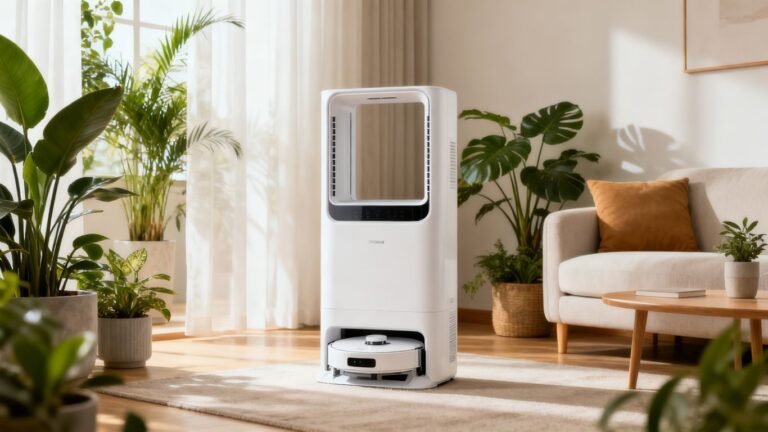
Imagine Sarah, who lives in a high-rise apartment in Singapore. She recently noticed a musty smell in her wardrobe and realized she was frequently fighting the dampness. Sarah chose the Aerofy DualCore 20 because it sits compactly in her room while performing dual tasks of purification and moisture control at once. By setting the unit to 45% moisture during the day, she saves significantly on her monthly bill compared to when she used an older, oversized unit that ran near-constantly.
Tips for reducing energy usage
Efficiency is often a matter of habit rather than just the hardware you own. By aligning your maintenance and usage habits with the design intentions of your equipment, you can see a noticeable difference in how much energy is consumed daily.
Utilizing internal humidistat controls
Modern devices include smart humidistat controls that allow the machine to monitor the air and adjust output dynamically. These systems prevent excessive usage by stopping the compressor once the air reaches the desired dryness. Always rely on internal sensors to manage cycles instead of keeping the unit running at 100% capacity manually.
Optimized equipment placement
Proper placement plays a huge role in how much energy is required to circulate air. Ideally, you should position your unit in an area with good natural airflow. If you are using your device for specialized tasks like laundry drying, consider moving the unit into a restricted space to speed up the process, which allows you to switch the device off sooner than you would in a large living room.
Maintenance routines for filter efficiency
Dirty filters create resistance, forcing the internal fan and motor assembly to work far harder to draw in the humid air. Regular maintenance—such as vacuuming the exterior grilles and cleaning the internal filter mesh—ensures the air passes through without obstruction. This simple habit keeps your energy draw lower and extends the mechanical life of components like the rotary compressor.
Conclusion
Managing your dehumidifier energy consumption is an ongoing process of choosing the right equipment and maintaining it correctly. By understanding exactly what is driving your power draw, you are empowered to make smart adjustments that keep your living space dry and comfortable without a surprise on your utility bill.
Frequently Asked Questions
Does keeping the windows open affect energy usage?
Yes, keeping windows open allows more humid air to enter, which forces your dehumidifier to run significantly longer and consume more electricity to keep up.
Should I turn off the unit at night?
If you want to maximize energy savings, you can turn the unit off at night, but you should ensure your model has a restart function to maintain your desired humidity levels automatically.
What temperature is most efficient for a dehumidifier?
Most refrigerant-based units operate most efficiently at temperatures between 20°C and 30°C, which is typical for many homes.
Can I use my dehumidifier with an air conditioner?
Yes, using a dehumidifier alongside an air conditioner can help manage humidity levels much faster, potentially allowing the air conditioner to run less frequently.
How often should I check the water tank?
Checking the water tank daily ensures the unit does not automatically shut down when full, allowing you to maintain a consistent environment without interruption.
Do higher fan speeds use more electricity?
Yes, a faster fan speed consumes more power, so it is often better to use high speed for rapid drying and switch to a lower speed for ongoing maintenance.
Is it worth upgrading to a new model?
If your older unit consumes significantly more power based on your measurements, a newer model with advanced compressor technology will often pay for itself within a few years of operation.