
Key Takeaways
Finding the right appliance is essential for maintaining a healthy and comfortable living environment in humid climates. By understanding your space, the technology required, and the maintenance involved, you can make an informed investment that protects your home and respiratory health.
- Accurately measuring room size ensures you select a unit with the correct extraction capacity.
- Refrigerant models are highly efficient for most warm temperatures, while desiccant units excel in unheated spaces.
- Prioritizing energy-efficient features helps manage long-term utility costs and environmental impact.
- Consistent maintenance, such as filter cleaning, is mandatory to keep the system performing effectively.
- Integrating smart features like remote monitoring allows for seamless climate control from anywhere.
Understanding your moisture removal needs
Selecting the right moisture solution starts with assessing your specific environment to avoid buying an oversized or underpowered machine. It is helpful to conduct a quick environmental audit of your home before browsing, as the difference between a minor dampness issue and a chronic mold problem will dictate the performance requirements of your purchase. When evaluating which dehumidifier is best for your specific setup, focus on the unique characteristics of your floor plan and air quality goals.
Measuring relative humidity levels in your space
Before you invest in any hardware, you must verify the actual moisture content of your indoor air. Using a simple hygrometer is the most effective way to identify the baseline humidity levels in different rooms throughout your day. If you find consistent readings above 60%, you are likely dealing with an environment that promotes mold growth and mildew, requiring a dedicated solution like a high-performance Aerofy DualCore 20.
Determining the square footage requirements
Capacity calculations are central to ensuring your chosen unit can handle the volume of air in your home. A common mistake is buying a device intended for a studio apartment for a large open-concept living area, which keeps the unit running non-stop without hitting your target humidity level. Always match the pint rating of the machine to your room size as recommended by manufacturer guides to optimize run times and energy usage.
Identifying primary sources of excess dampness
Understanding where your moisture originates helps you decide whether you need an industrial-grade solution or a more lifestyle-oriented, dual-purpose approach for your living space. Typical contributors to household dampness include:
- Poorly ventilated laundry rooms that trap steam after dryer cycles.
- Ground-level basements or garages with significant moisture seepage through walls.
- High-occupancy bedrooms that increase local humidity through respiration and lack of circulation.
- Moist air infiltration from leaky windows or poorly sealed exterior door frames.
By tracking these sources, you can decide if you need to buy now a dedicated moisture management system or one that integrates air purification to handle both stagnant moisture and airborne particulates.
Types of dehumidifiers explained
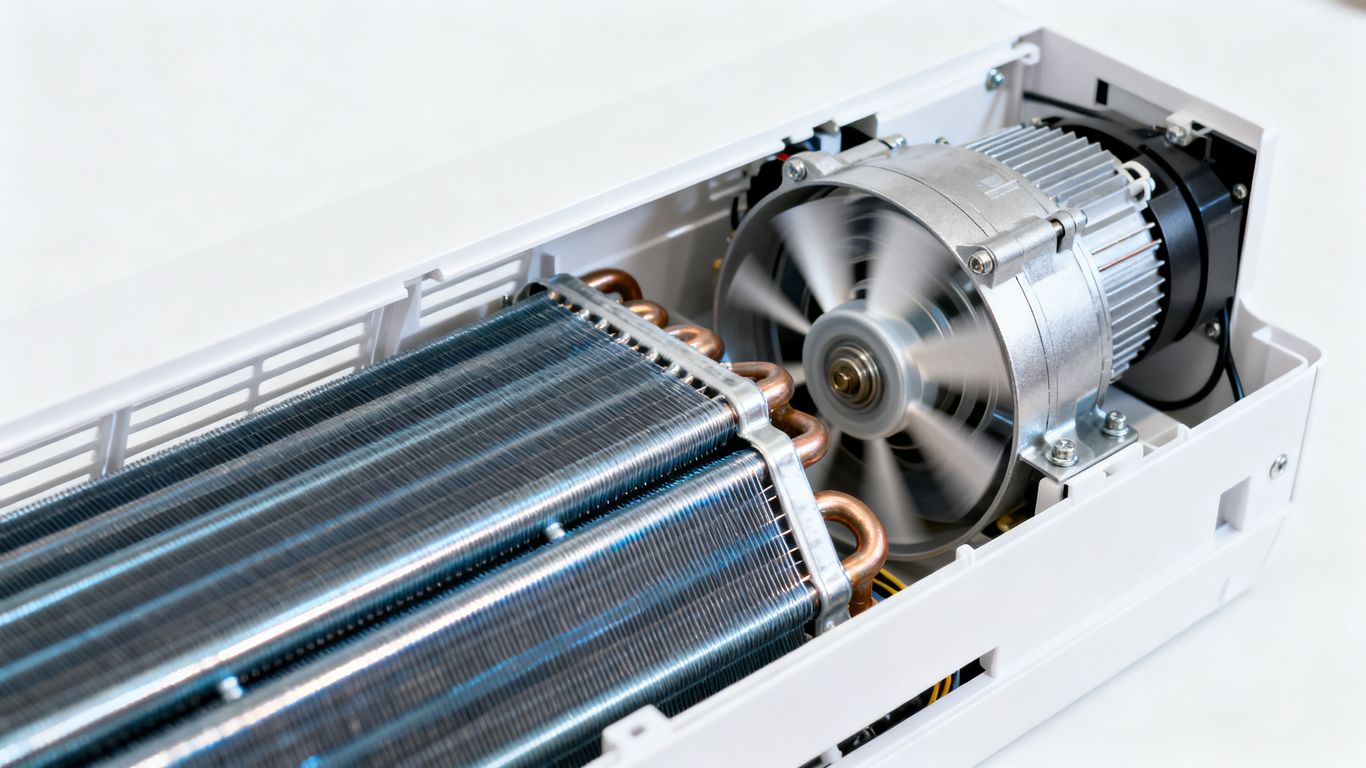
Not all moisture removal technologies are built to perform the same way in every environment, which is why matching the machine type to your climate is crucial. While basic appliances may seem similar, the underlying engineering determines how well it handles your local ambient temperatures. Understanding whether your space remains warm or experiences cooler drops is key to picking the right system.
Refrigerant dehumidifiers for standard warm climates
Most modern homes in tropical regions benefit significantly from refrigerant-based systems that use a rotary compressor to cool metal fins, causing moisture to condense and exit the air. These units are highly effective in warmer areas, where the temperature is stable enough to allow for efficient moisture extraction. Because they are engineered for the tropics, these systems provide excellent results in high-heat zones.
Desiccant models for unheated basements and garages
If you have a storage space or garage that does not maintain a consistent indoor temperature, a desiccant model might be the superior choice. These machines move air through a moisture-absorbing chemical wheel, which continues to function effectively even when temperatures drop significantly in the evening or throughout winter. While they do not use a compressor, they are specialized tools designed for specific environmental challenges where refrigerant units might lose efficiency.
Whole-house versus portable standalone systems
Choosing between a large-scale integration and a portable unit involves deciding whether you want to treat the air throughout your entire property or focus on specific rooms that suffer during peak seasons. The table below outlines how these two categories typically compare for homeowners.
| Feature | Portable Units | Whole-House Solutions |
|---|---|---|
| Capacity | Lower (10-30 pints) | Higher (50+ pints) |
| Installation | Plug-and-play | Requires HVAC integration |
| Mobility | Integrated wheels | Fixed placement |
Selecting a system that fits your international relocation needs or long-term residence plan often balances these convenience factors against raw capacity requirements.
Key performance features to prioritize
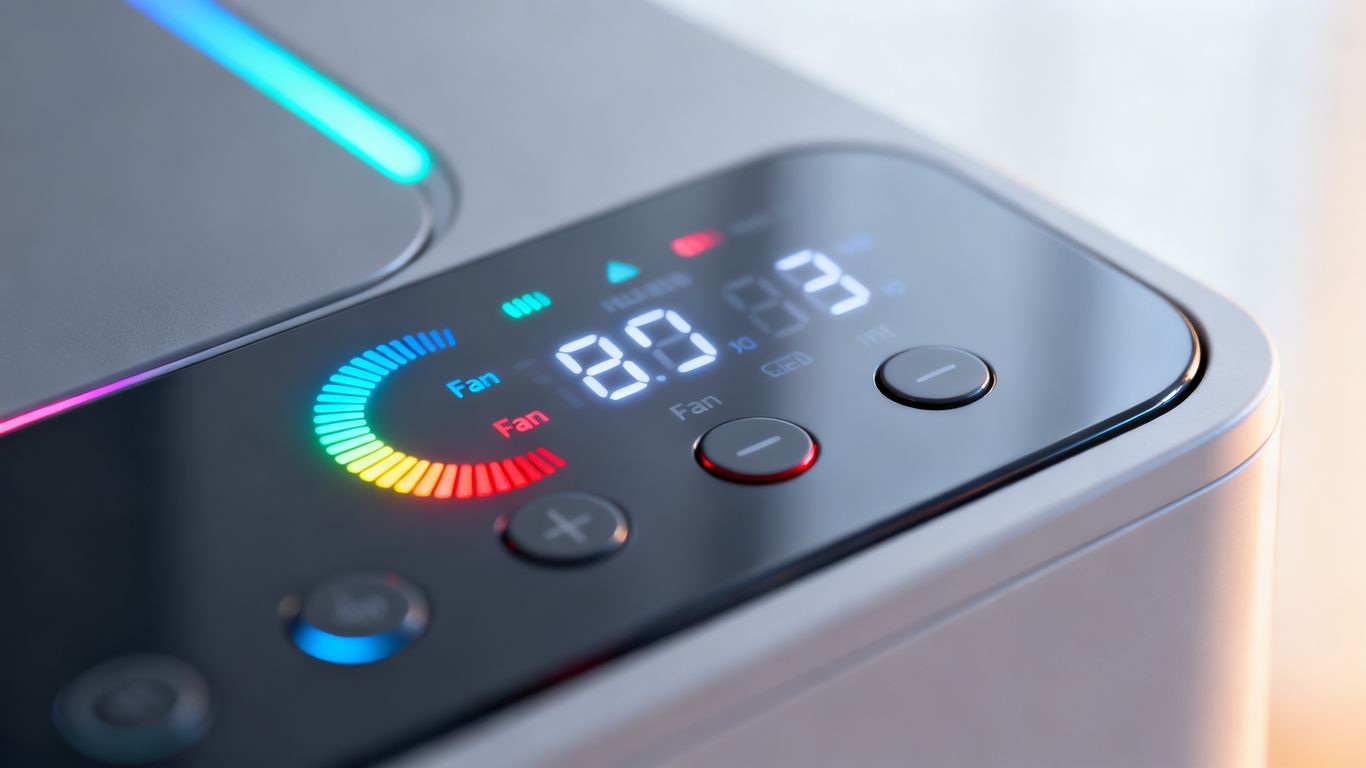
Performance is more than just raw power, and focusing on features like tank volume and circulation efficiency ensures your device remains a functional part of your home layout. When you evaluate the internal components, look for high-grade materials and airflows that effectively process the room’s volume without putting excessive stress on the motor. By prioritizing these specific metrics, you can confidently compare popular models and bypass devices that are purely aesthetic.
Evaluating pint capacity and tank volume
Your unit’s pint capacity tells you how much water it can remove in a single 24-hour cycle, which is a critical metric for preventing mold in high-moisture rooms. Pair this with a collection tank size that matches your lifestyle; if you only have time to check your machine once a day, a larger internal tank is non-negotiable. Small tanks in high-dampness areas will trigger the auto-shutoff far too frequently, forcing regular, manual interruptions to your workflow.
The importance of quiet operation and decibel ratings
Noise levels are often overlooked until the device is actually installed, but if you plan to place your unit in a bedroom or office, sound management is vital. Look for units that use high-quality compressors with vibration-dampening feet to keep noise below 45 decibels during operation. Even the most efficient machine becomes a burden if it dictates the atmosphere of your space with a constant, droning mechanical roar.
Energy efficiency and Energy Star certification
Because these devices often run for extended periods, checking for energy-efficient ratings is a smart way to manage your long-term operating costs. A machine that uses premium components for moisture removal will typically consume less electricity over time, making it much more affordable to run as a permanent fixture in your home. These energy savings often pay for the price difference between a cheap, low-end unit and a refined, purpose-built appliance within a few seasons.
Convenience and maintenance considerations
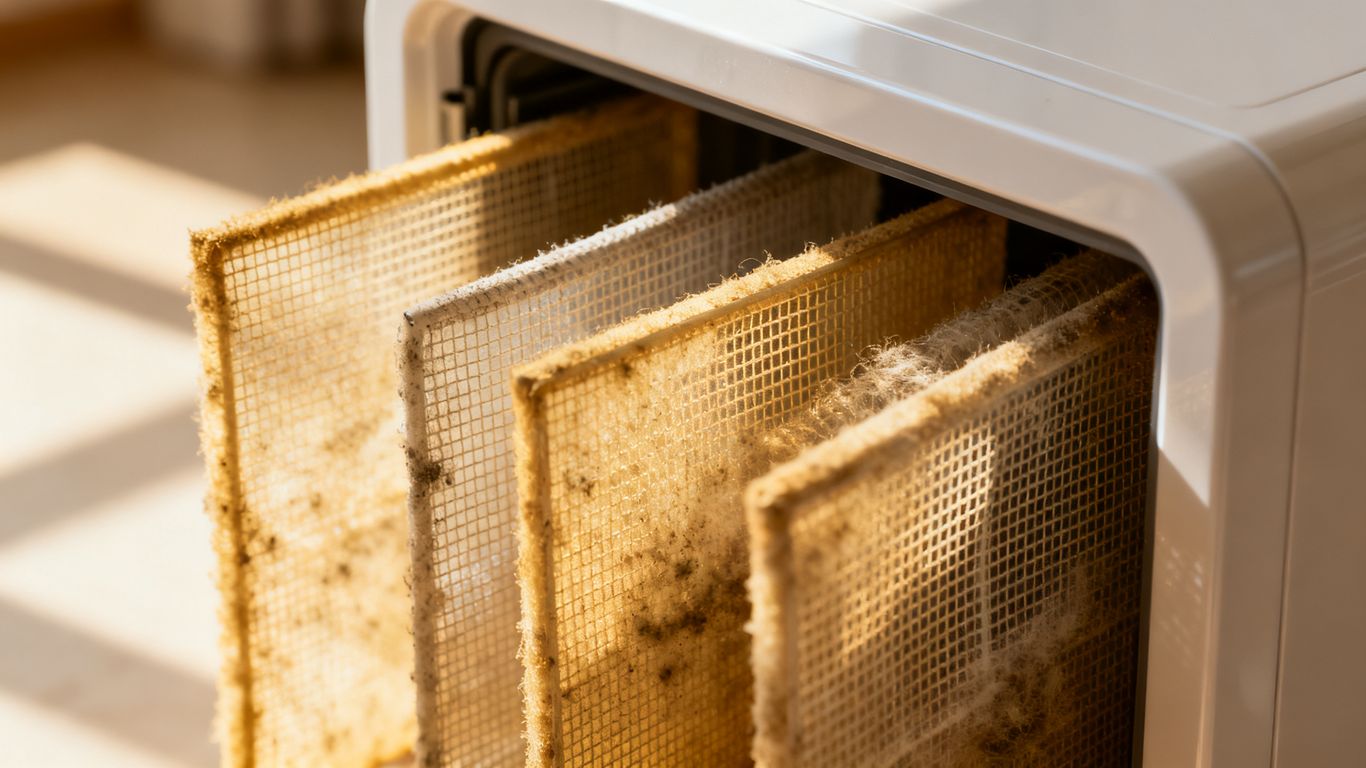
Convenience features represent the difference between a chore you avoid and a helpful automated part of your household management. When you choose a system with intuitive drainage options and simple, tool-less filter replacements, you are far more likely to adhere to the maintenance schedule required for peak performance. Think of these elements as the foundation for your consistent air quality results over many years of ownership.
Benefits of continuous gravity drain and pump features
If you are setting up your device in a basement or a laundry area, a continuous drain hose makes a massive difference by bypassing the internal collection bucket entirely. For setups where the drain isn’t naturally positioned near a floor outlet, an integrated internal pump is an excellent utility that allows you to push water up and out of the unit. These options are perfect for hands-off operation, turning the unit into a set-and-forget solution for your home.
Recommended filter replacement and cleaning cycles
Air quality is only as good as the cleanliness of your filtration system, which acts as the first barrier against dust and contaminants. Manufacturers generally recommend rinsing your mesh air filters every two to four weeks depending on your local dust levels, while HEPA filters should be replaced according to the manufacturer’s intervals. Neglecting these cycles clogs the airflow, forces the compressor to work harder, and significantly reduces the total moisture removal rate of your unit.
Portability features like integrated handles and wheels
While fixed units have their place, the ability to roll your appliance between rooms can be a legitimate advantage for multi-floor homes that have shifting dampness patterns throughout the year. Quality heavy-duty casters and recessed ergonomic handles are functional details that make a significant, tangible difference the first time you need to move the machine. These mobility features allow you to get the most value out of your purchase by directing its power exactly where it is needed most.
Smart technology integration in modern units
Modern households are becoming increasingly connected, and the shift toward intelligent moisture control means you can track and iterate on your environment from your phone. Understanding how these features actually benefit you helps you decide if a smart interface is worth the premium over a basic analog adjustment. It allows you to monitor your home’s air performance metrics in real time.
Wi-Fi connectivity and remote mobile app controls
Remote access via a mobile application provides an incredible level of oversight, letting you adjust target humidity or check if the tank is full while you are at work. This connectivity is particularly helpful if you want to prime a room before arriving home or simply prefer the convenience of adjusting performance levels without walking to the physical unit. Having alerts pushed to your device ensures you never miss a maintenance event.
Integrated humidistats for automatic set-point cycles
An internal humidistat that tracks the ambient air and cycles the compressor automatically is the backbone of efficient operation. By setting your preferred target, you prevent the machine from over-drying the air, which can cause its own set of health issues like dry, irritated skin or cracked woodwork. The system simply engages when the moisture rises above your set-point and goes into standby as soon as the target is reached, saving total energy consumption.
Smart sensors for real-time air quality monitoring
Advanced sensors embedded in modern units can detect not just humidity, but also shifts in internal air quality by measuring particle presence alongside moisture levels. These readings provide a clearer picture of whether your space requires more aggressive ventilation or just standard dehumidification. By tying these sensors into the logic of the machine, it automatically adapts its fan speed to create a more consistent, healthier microclimate for your residents.
Conclusion
Investing in a quality system ensures that your home stays dry, healthy, and protected from the cumulative effects of tropical humidity. By focusing on essential capacity requirements, proper maintenance, and modern efficiency features, you can solve persistent dampness issues and enjoy a much higher standard of comfort in your daily life.
Frequently Asked Questions
What is appropriate indoor humidity level for my home?
Generally, keeping your indoor relative humidity between 30% and 50% is best for both structural integrity and personal health, as this range effectively prevents mold and mildew.
Can a dehumidifier operate safely in a bedroom at night?
Yes, running a unit in a bedroom is perfectly fine provided you choose a model with a low-decibel rating and good vibration control to ensure it does not disturb your sleep.
Should I leave the dehumidifier on all day?
Using your unit continuously is safe and often recommended if you are in a very damp climate, provided you have a continuous drainage solution to handle the water output.
Why does my machine have a smell after long-term use?
Musty odors are usually caused by mold or bacteria growth inside the damp collection tank or on dirty filters, which can be resolved through a thorough cleaning of those components.
How often must I clean my air filter?
Cleaning your air filter every two to four weeks is standard practice to maintain optimal airflow and ensure the unit continues to extract moisture effectively.
Can my unit replace a home air conditioner?
While they both lower humidity, a dehumidifier lack the thermal refrigeration cycles required to drop the actual air temperature, so it should be used as a supplementary appliance.
What is the primary difference between refrigerant and desiccant units?
Refrigerant units use a compressor to condense moisture effectively at standard warm temperatures, while desiccant units use chemical wheels to remove moisture in cooler, unheated environments.