Key Takeaways
Keeping your bathroom environment dry is a crucial step in maintaining your home’s hygiene and preventing long-term structural issues. Use these points as your guide to selecting the right technology for your space.
- Bathrooms trap moisture that leads to mold growth on walls and ceilings.
- High-capacity units are often too large for small footprint bathrooms.
- Proper airflow is the most underrated factor in moisture removal performance.
- Routine maintenance of intake filters prevents heat buildup and efficiency losses.
- Integrated dual-function units can save space in cramped apartment bathrooms.
Understanding why bathrooms need dehumidification
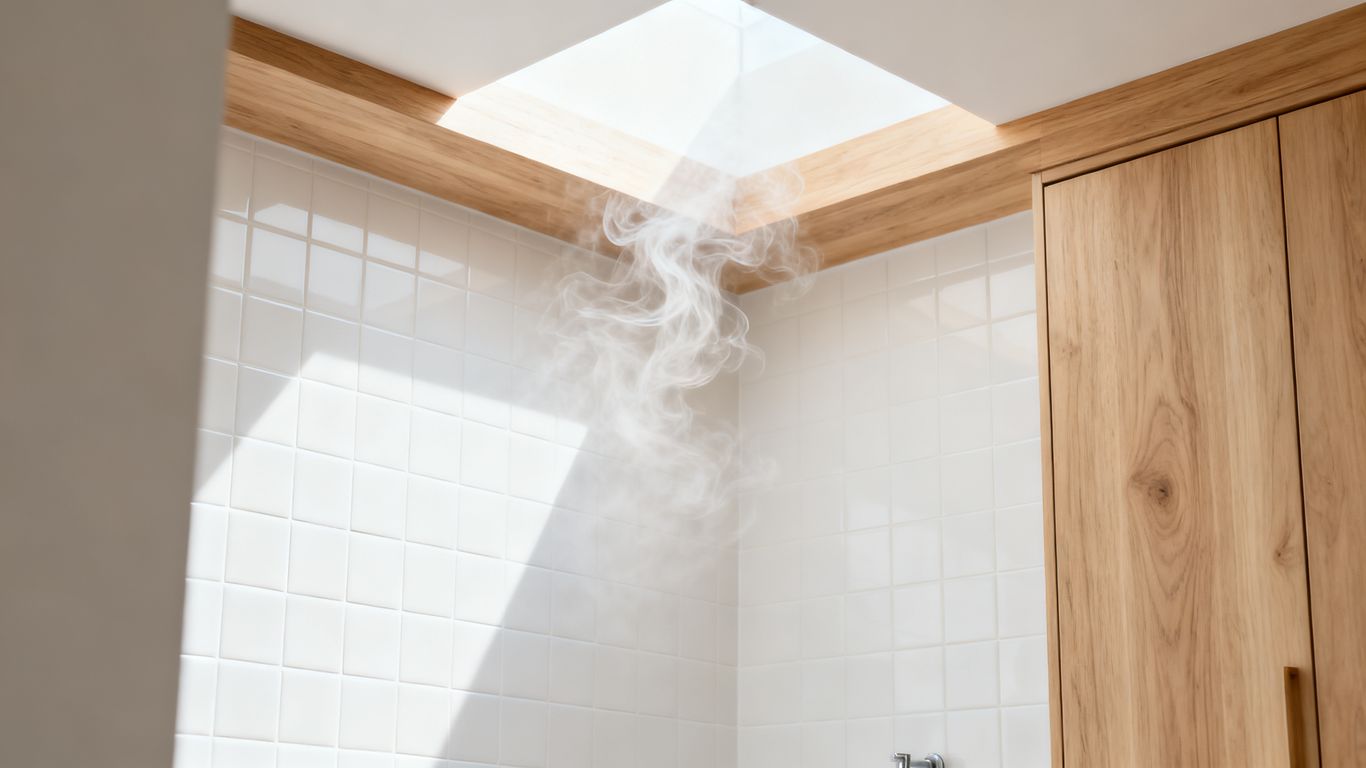
Bathrooms are naturally humid zones due to daily shower and sink usage, which often surpasses what standard ventilation can handle. When moisture remains trapped, it settles on porous surfaces like grout and drywall, creating persistent water damage risks. A small dehumidifier for bathroom use helps mitigate these issues by pulling moisture from the air before it condenses on your surfaces.
The relationship between humidity and mold growth
Excess moisture acts as a signal for mold to begin its colonization process. Mold spores are present everywhere, but they only thrive when relative humidity stays above a certain threshold for extended durations.
Health benefits of maintaining optimal moisture levels
Lowering the humidity serves as a deterrent to dust mites and allergens that thrive in damp conditions. Creating a drier environment contributes directly to improved indoor air quality, which is especially important for households with respiratory sensitivities.
Protecting bathroom fixtures and hardware from water damage
Persistent steam leads to corrosion on metal faucets and hidden rot behind vanity cabinets. By keeping the air dry, you protect the structural integrity of your home’s most vulnerable room from long-term decay.
Essential features to look for in a bathroom dehumidifier
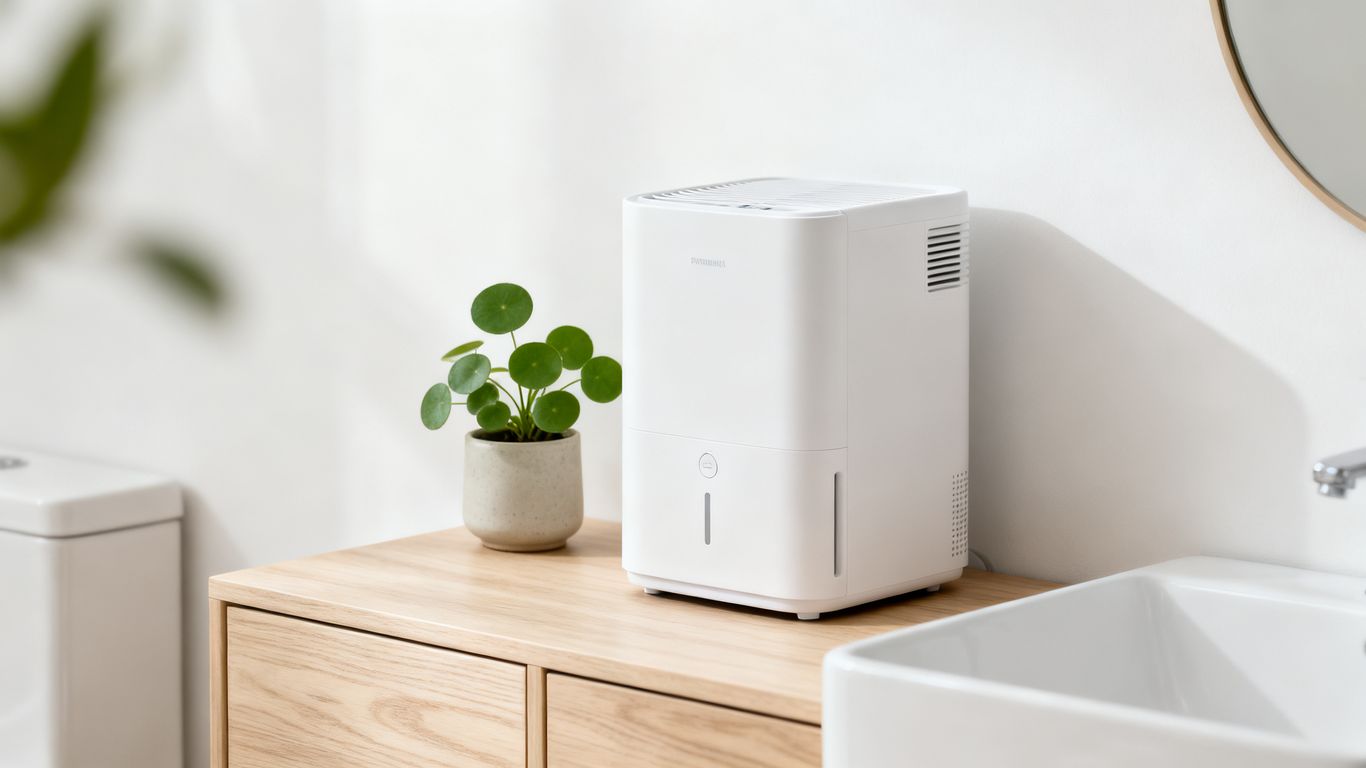
Finding the right appliance requires balancing raw moisture removal statistics against the reality of your floor space. Many users find a device like the Aerofy DualCore 20 to be an ideal choice because it integrates dehumidification with air purification in one compact chassis. Choosing the wrong size often leads to excessive noise or insufficient drying cycles.
Calculating the required pint capacity for your square footage
Most bathrooms fall under the compact category, making excessive capacity unnecessary. However, ensure the device you choose is rated for the specific local climate conditions of your region to prevent the unit from running full-time without result.
The importance of compact design and portability
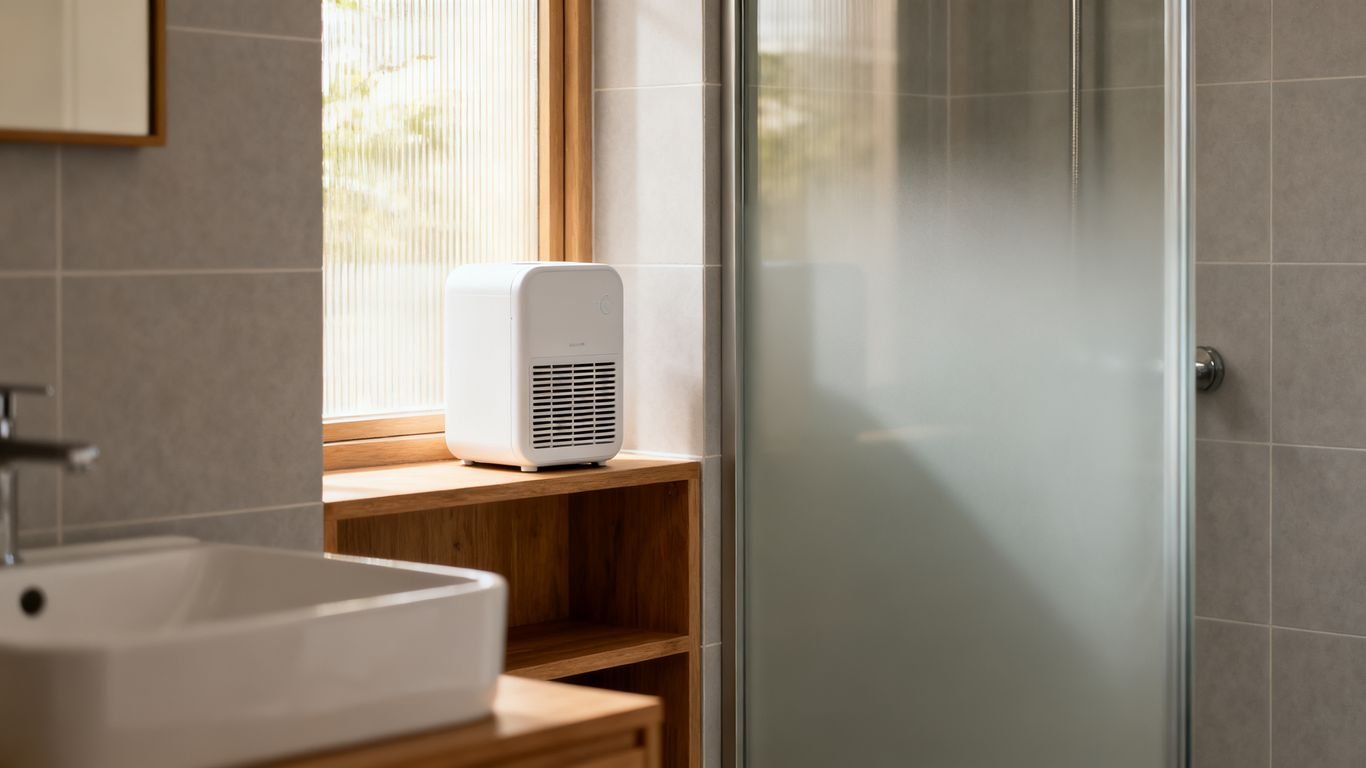
Small bathrooms have limited floor real estate, so footprint efficiency is key. A compact unit allows you to place the moisture control tool on a vanity or shelf without blocking walkways while still performing efficiently.
Evaluating noise levels for a quiet bathroom environment
Operating a loud appliance in a small room can become distracting quickly. For those who prefer subtle operation, checking the decibel rating is a sensible step toward ensuring your dehumidifier remains unobtrusive throughout the day.
Understanding water tank capacity and drainage options
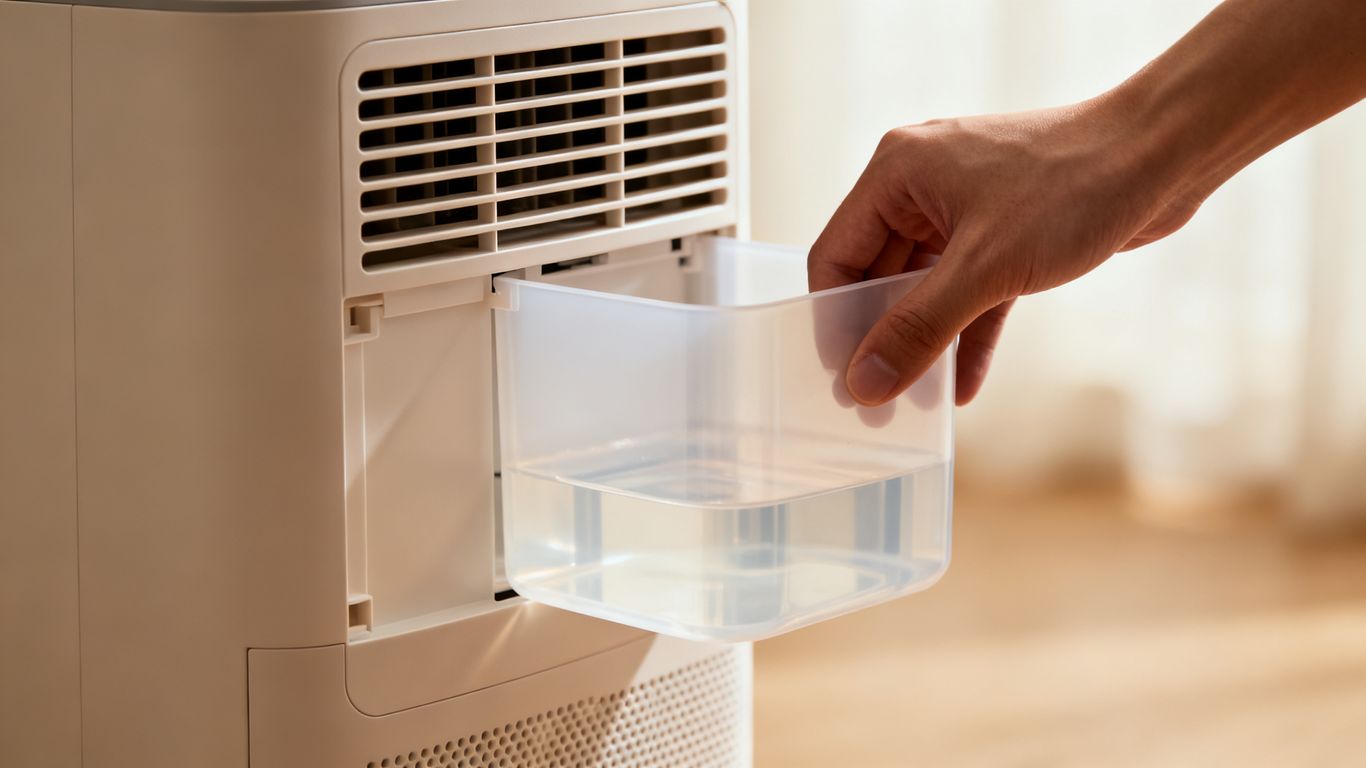
Managing water capture is critical when you rely on a helper appliance for daily moisture removal tasks. If you are trying to learn about international sizing systems or navigating complex journeys to statehood for your own projects, you likely appreciate tools that work reliably without requiring manual intervention every few hours.
Selecting between continuous drainage and manual tanks
Most portable devices feature a standard tank, but these fill up quickly in high-humidity climates. Selecting a model that supports a direct gravity-fed hose allows you to bypass the tank and drain directly into your sink or shower drain.
Tips for managing frequent tank emptying in small spaces
To ensure your device operates at peak capacity, keep this simple checklist for your maintenance routine:
- Check the water tank level daily to avoid mid-cycle shutoffs.
- Clean the internal float switch every month to ensure accurate shut-off sensing.
- Position the unit on a flat surface to improve drainage flow into the tank.
- Rinse the air intake screen weekly to keep airflow unrestricted.
Benefits of a direct hose connection for high-humidity usage
Continuous drainage is a highly recommended configuration for anyone living in a perpetually tropical climate. By establishing a direct hose path, you remove the risk of overflows while allowing the device to run in a Maintenance mode that consistently keeps your space within the ideal humidity range.
Placement and maintenance tips for optimal performance

Your equipment’s position determines how effectively it can grab moisture from the entire room. Placing a unit in a corner usually limits its intake, while an open location near a high-traffic area often works best to pull air effectively.
Ideal locations for maximum moisture extraction
Airflow dynamics dictate that a dehumidifier should never be obstructed. Keeping the unit at least twelve inches away from walls and curtains ensures the condenser gets enough air intake, which prevents overheating while keeping your energy consumption steady.
Ensuring adequate airflow around the unit
Good airflow is the secret to getting the most out of your purchase. The Aerofy DualCore 20 is designed with internal cooling systems that require clear space around the inlet to pull air from both sides effectively, ensuring damp air isn’t just recirculated in a tight loop.
Regular maintenance schedules for filters and internal components
Dust trapped in your filter will eventually cause the machine to work harder to pull the same amount of moisture. Integrating a monthly cleaning habit helps sustain the lifespan of critical components like the rotary compressor, which Aerofy has engineered specifically for the heat of the tropics.
Safety considerations for wet environments
Working with electricity in a bathroom environment requires a sensible approach to safety. Water and power are famously incompatible, so your device must be built with redundant protections that handle accidental splashes or high ambient humidity safely.
Evaluating automatic shut-off features for tank overflows
Look for a unit that includes a physical float switch meant to trigger an instant power kill when the tank is near capacity. This layer of protection is essential for preventing water from spilling onto your floor if the dehumidifier finishes its cycle during the night.
Electrical safety ratings and water protection standards
Verify the product documentation for IP ratings if you plan to keep your unit near the shower basin. Never attempt to use a standard living room dehumidifier in a wet bathroom zone without ensuring it meets the required safety standards for humid locations.
The role of GFCI outlets in bathroom appliance safety
If your home wiring is older, it is worth the investment for your home and safety to ensure your bathroom is equipped with GFCI-protected outlets. These ground fault circuit interrupters cut power immediately if they detect any irregularity, which is your most effective guard against electrical current travel from appliances.
Troubleshooting common bathroom dehumidifier issues
Sometimes, even well-engineered equipment needs attention to keep running smoothly. Most issues are minor and relate directly to the environment or blockage, rather than a failure of the machine itself.
Diagnosing why a unit stops collecting water
| Problem | Potential Cause | Fix |
|---|---|---|
| Not collecting water | Clogged filter | Rinse filter screen |
| High humidity readout | Sensor interference | Wipe sensor area |
| Excessive noise | Uneven surface | Stabilize unit base |
Addressing vibrations or rattling sounds during operation
A rattling sound often originates from the fan blades hitting internal dust or a loose grille. Simply clearing the intake gaps often solves this, but if the noise persists, ensure the unit is sitting on a level surface as even a slight tilt can cause internal vibrations during high-speed modes.
Steps to resolve sensor errors and humidity reading inaccuracies
Bathroom sensors are notoriously prone to mist accumulation which causes inaccurate readings. If your display looks hazy or gives strange numbers, clear the area with a soft, dry cloth and let the unit reset for twenty minutes in a ventilated area before resuming power.
Conclusion
Taking control of your bathroom environment through targeted dehumidification protects your home from the long-term impact of mold and moisture. By applying proper placement, scheduling regular filter maintenance, and selecting a unit purpose-built for the challenging humidity of your local climate, you ensure a dry, healthy space for years to come.
Frequently Asked Questions
How often should I empty the water tank in a small bathroom?
Frequency largely depends on your usage habits and ambient humidity, but most compact tanks in bathrooms require daily checking to prevent overflows during long showers.
Can I leave my dehumidifier on while I am at work?
Most modern units designed for home use include auto-shutoff features that make them safe to run while unattended, provided they are placed in a well-ventilated area.
Does high humidity in the bathroom affect my hair and skin?
Excessive moisture changes the way your skin and hair retain dampness, and for many people, living in a drier environment helps reduce the feeling of clamminess and persistent oiliness.
What is the ideal humidity percentage for a bathroom?
Aiming for a relative humidity between 40% and 50% is generally considered the sweet spot for suppressing mold growth without causing the room to feel overly dry.
Should a dehumidifier be placed inside the shower enclosure?
No, placing a unit directly inside the water stream or spray area is dangerous and will cause electrical hazards regardless of the internal safety features.
Will a dehumidifier eliminate the need for an exhaust fan?
While a dehumidifier is excellent for pulling moisture from the air, it does not replace the ventilation provided by an exhaust fan, which should still be used during showers to vent steam directly outside.
Are smaller dehumidifiers just as effective as larger models?
Modern compact units have seen significant performance improvements, but you must ensure your chosen pint capacity matches your specific room size to see comparable extraction results to larger home systems.