Key Takeaways
Understanding how to control moisture is essential for a healthy home, especially in tropical climates where excess humidity is a constant challenge. Dehumidifiers provide a path to better air quality and structural protection through consistent, automated operation.
- Dehumidifiers act as a primary defense against mold and mildew proliferation.
- Maintaining indoor humidity between 30% and 50% optimizes comfort and health.
- Choosing the right technology requires matching your climate and room size.
- Regular maintenance of filters is critical for sustained unit efficiency.
- Advanced units provide dual-functionality for drying and air purification.
How a dehumidifier functions
Most modern dehumidifiers serve as the backbone of moisture control, removing water vapor from your home by cycling air through specialized internal components. These devices work quietly in the background to lower humidity levels, ensuring that your living space remains dry and comfortable even during the wettest seasons of the year. By understanding the mechanical cycle, you can better appreciate how Aerofy units manage environmental conditions for tropical residential needs.
The refrigeration process
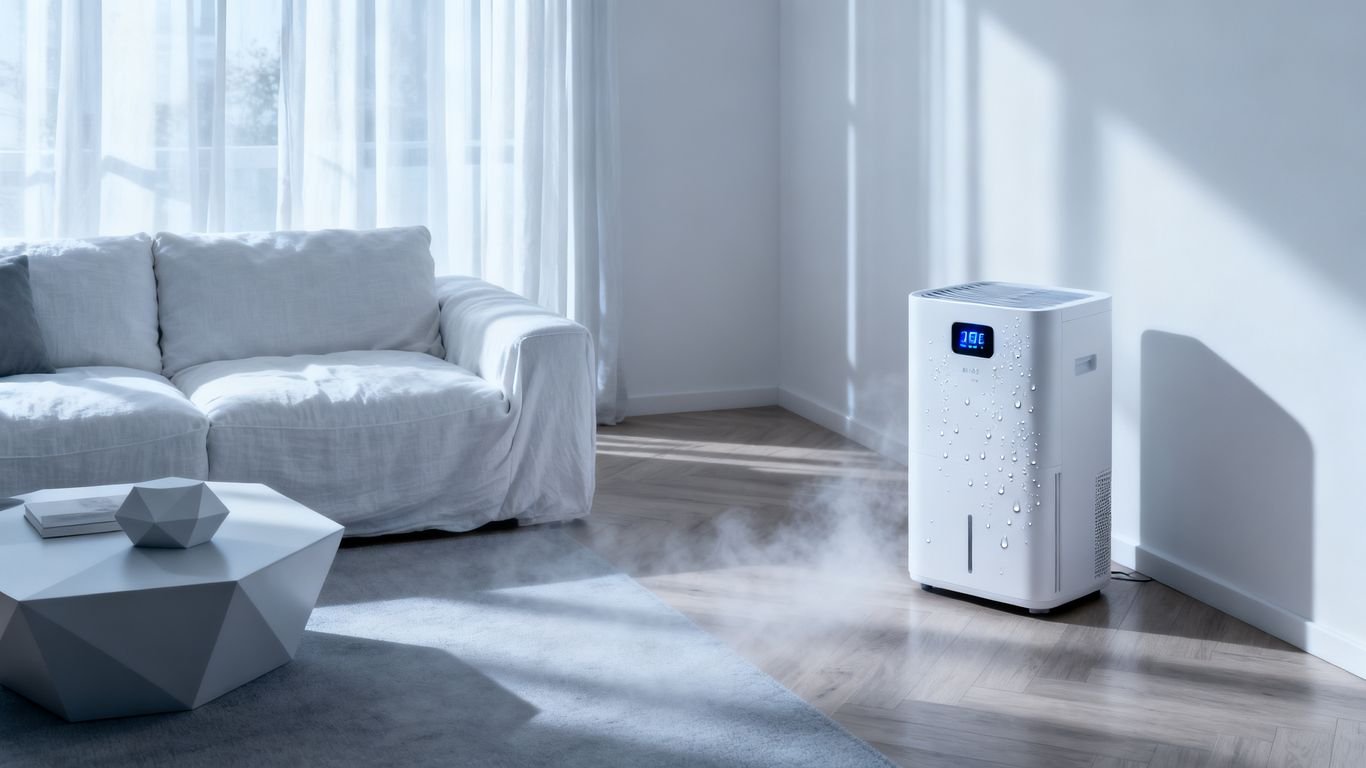
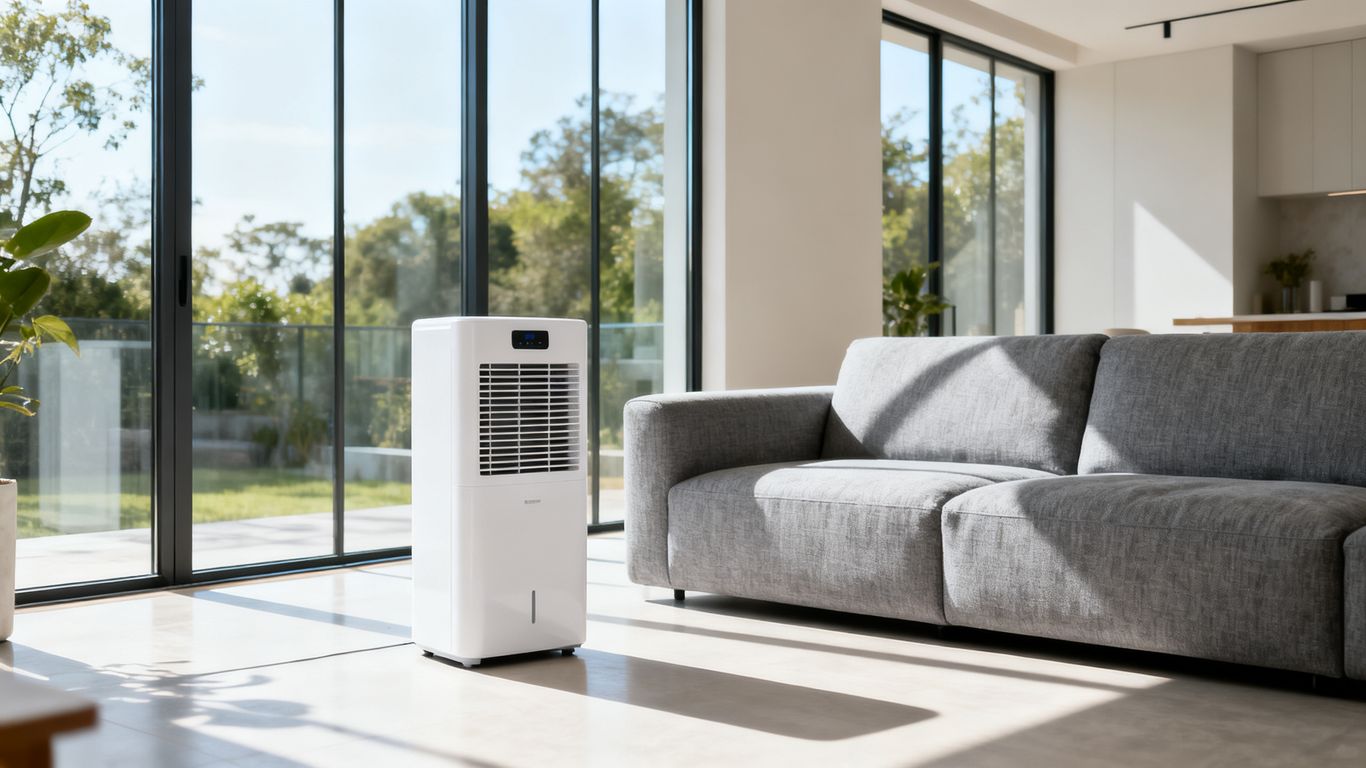
A dehumidifier pulls air from the room using a powerful fan, directing it over refrigerated coils to force condensation. As the air touches these cold surfaces, it sheds its moisture content, which is then captured in a collection tank or drained away. This process is highly effective for large living areas prone to dampness.
Desiccant dehumidification explained
Some systems utilize a desiccant material, which acts like a chemical sponge to absorb water vapor directly from the air stream. Unlike compressor models, these are often quieter and function well in cooler environments where refrigeration coils might struggle to maintain efficiency. This technology is a cornerstone of how a professional home dehumidifier maintains a specific environment.
Understanding relative humidity levels
Relative humidity is the ratio of water vapor in the air compared to the maximum amount the air can hold at a given temperature. Experts from Trane recommend keeping indoor air between 30% and 50% to prevent the growth of harmful biological agents. Maintaining this balance is key to ensuring that you are not breathing excessively saturated air which contributes to discomfort and structural decay.
Key benefits of using a dehumidifier
| Humidity Issue | Impact on Home | Dehumidifier Benefit |
|---|---|---|
| Dampness | Musty odors | Removes air moisture |
| Mold Growth | Spores in air | Prevents proliferation |
| Dust Mites | Respiratory flare-ups | Lowers survival rate |
Preventing mold and mildew growth
High humidity provides the perfect breeding ground for fungi that can damage walls, clothing, and interior surfaces. By continuously extracting water vapor, a unit reduces the conditions these organisms require to thrive, effectively stopping them in their tracks before they become a visible threat in your corners and closets.
Reducing dust mites and allergens
Dust mites require at least 65% humidity to survive and reproduce at a rapid rate. By keeping your indoor climate well below this threshold, you naturally reduce the population of these microscopic irritants, protecting your household from persistent morning congestion or skin irritation.
Improving indoor air quality
Stagnant, heavy air often feels oppressive and encourages the buildup of volatile compounds and trapped pollutants. Investing in a dehumidifier system helps to circulate and refresh your indoor air, making it feel lighter and significantly more breathable for everyone residing in the property.
Protecting structural integrity and furniture
Wooden floors, cabinetry, and expensive furniture can swell, warp, or crack when exposed to extreme moisture levels over time. You can buy now to ensure your property remains free from long-term damage, maintaining the resale value and beauty of your home for years to come.
Identifying signs of excess humidity

Detecting condensation on windows
Water beads on the glass surfaces of your windows are a primary indicator that the indoor dew point has been exceeded. This chilling reminder of heavy moisture suggests that the air is saturated enough to cause water to pull out of the gas phase and collect on cold, non-porous materials like glass and metal frames.
Spotting musty odors or damp spots
A lingering, sour smell in closets, basements, or guest rooms is a major red flag for deep-set dampness. If you find dark patches appearing in corners or behind furniture, it is usually a sign that moisture has been trapped for some time, requiring immediate attention to prevent structural decay.
Noticing peeling wallpaper or paint
When moisture builds up behind wall coverings, the glue loses its integrity and paint begins to bubble or flake off the drywall. This is a common consequence of chronic humidity that has breached the surface and started to compromise the underlying wall material in your living zones.
Assessing respiratory discomfort indoors
High-humidity environments impact how the body regulates temperature and can aggravate asthma or sinus conditions significantly. Many residents feel a sense of heavy, thick air, or notice persistent wheezing and eye irritation that seems to vanish once they step into a drier, climate-controlled space.
Choosing the right unit for your space

Assessing room size and moisture capacity
Capacity is measured by how many liters of water a unit can pull from the air daily, which must be scaled to your square footage. It is better to have professional hardwood floor tools for your home maintenance, but for humidity, you need a unit that won’t cycle off and on constantly, as this wastes efficiency and reduces the lifespan of the compressor.
Compressor versus desiccant technology
Compressor units are the industry standard for high-temperature areas, while desiccant models are quieter and perform optimally in cooler, temperate basements. Understanding this distinction is vital, as choosing the incorrect cooling technology will lead to frustration when the unit fails to adequately reduce the moisture levels in a specific climate scenario.
Features to prioritize like smart sensors and drainage
Look for systems that include real-time humidity sensors, as these allow the machine to turn off automatically when the desired percentage is reached. An integrated continuous drainage hose is also a significant convenience, removing the need for manual tank emptying and ensuring 24/7 protection.
Portability versus permanent installation needs
Determine whether you need a dedicated appliance for one damp basement or a portable model that can follow you from the bedroom to the laundry room. 💡 Real-World Scenario: Imagine a humid Tuesday night in Singapore; an Aerofy owner can move their unit from the living room to their home office, ensuring that their electronics and paper files remain perfectly protected against the heat and moisture of the evening.
Best practices for operating a dehumidifier
Placement for optimal airflow
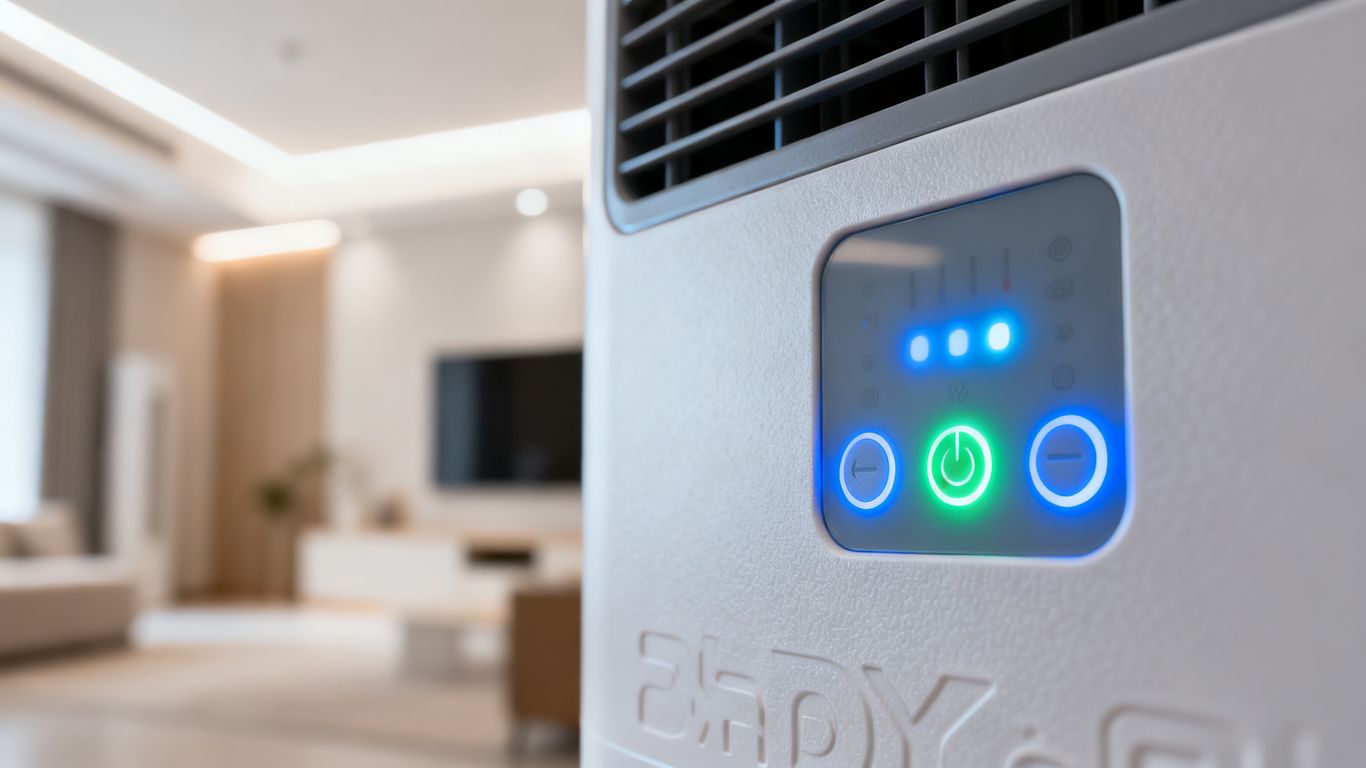
For any unit to function, it needs clear access to the air circulating in the room, so avoid blocking it with curtains, furniture, or thick carpeting. We suggest keeping the unit in a central location, several feet from wall surfaces, to allow the intake fan to draw in the maximum volume of moist air per hour.
Maintaining water tanks and filters
Regular cleaning is not just a suggestion; it keeps the unit running with its full energy-saving potential intact. Simply washing the mesh filters every few weeks and emptying the tank before it causes an automatic shut-off alert is crucial for the efficient lifecycle of your appliance.
Setting the appropriate target humidity percentage
A common mistake involves setting the target too low, which forces the unit to work overtime without providing added benefit beyond the 40% threshold. Aiming for a consistent 45-50% range in most living areas is the perfect balance for comfort while keeping energy consumption low.
Energy-efficient usage strategies
- Keep all doors and windows in the room closed during operation.
- Ensure the internal fan speed stays at a balanced setting.
- Turn the unit off when windows are open for ventilation.
- Place units on flat, stable surfaces to prevent noise vibrations.
By following these operational habits, you will maximize the return on your investment and enjoy a significantly more comfortable indoor climate throughout the wet season.
Conclusion
Maintaining an ideal humidity range is a simple but transformative way to protect your health, your home, and your comfort. By selecting the right technology and maintaining it properly, you can effectively manage the moisture levels in your home, preventing the common pitfalls of dampness, mold, and poor air quality for years to come.
Frequently Asked Questions
Can a dehumidifier replace an air conditioner?
A dehumidifier is not designed to lower air temperature like an air conditioner does, though removing air moisture can make a room feel slightly cooler.
Do I need to keep windows and doors closed while the unit is running?
You should keep windows and doors closed to prevent new humid air from flowing into the space, which forces the machine to work harder.
When should I empty the water collection tank?
Most units will automatically turn off when the tank is full, but it is best to check it daily to ensure peak performance.
How much energy does a dehumidifier consume?
Energy use varies by model size and usage patterns, but modern, efficient units are generally well-suited for regular home use without dramatic electricity bill spikes.
Does a dehumidifier help with asthma?
By controlling allergens like dust mites and preventing mold growth that often triggers asthma attacks, a dehumidifier can create a breathe-easy environment.
Can I use a dehumidifier in a basement?
Yes, basements are often the most common places for high humidity and are excellent environments for using these appliances to prevent water damage.
How often should I clean the filter?
We recommend inspecting and cleaning your filter at least twice a month to ensure the intake airflow remains unobstructed and efficient.