Key Takeaways
A dehumidifier bag is a great, efficient tool for controlling moisture in small, confined residential spaces. Understanding how these products work and where to place them can significantly protect your home and belongings.
- Desiccant materials like calcium chloride are effective at trapping excess airborne moisture.
- Proper placement in closets, vehicles, and storage areas maximizes moisture absorption.
- Choosing between disposable and reusable designs depends on your sustainability and maintenance preferences.
- Monitoring saturation indicators ensures you replace or recharge bags before they leak.
- Combining passive bags with electric units can help in areas with severe humidity issues.
How dehumidifier bags work
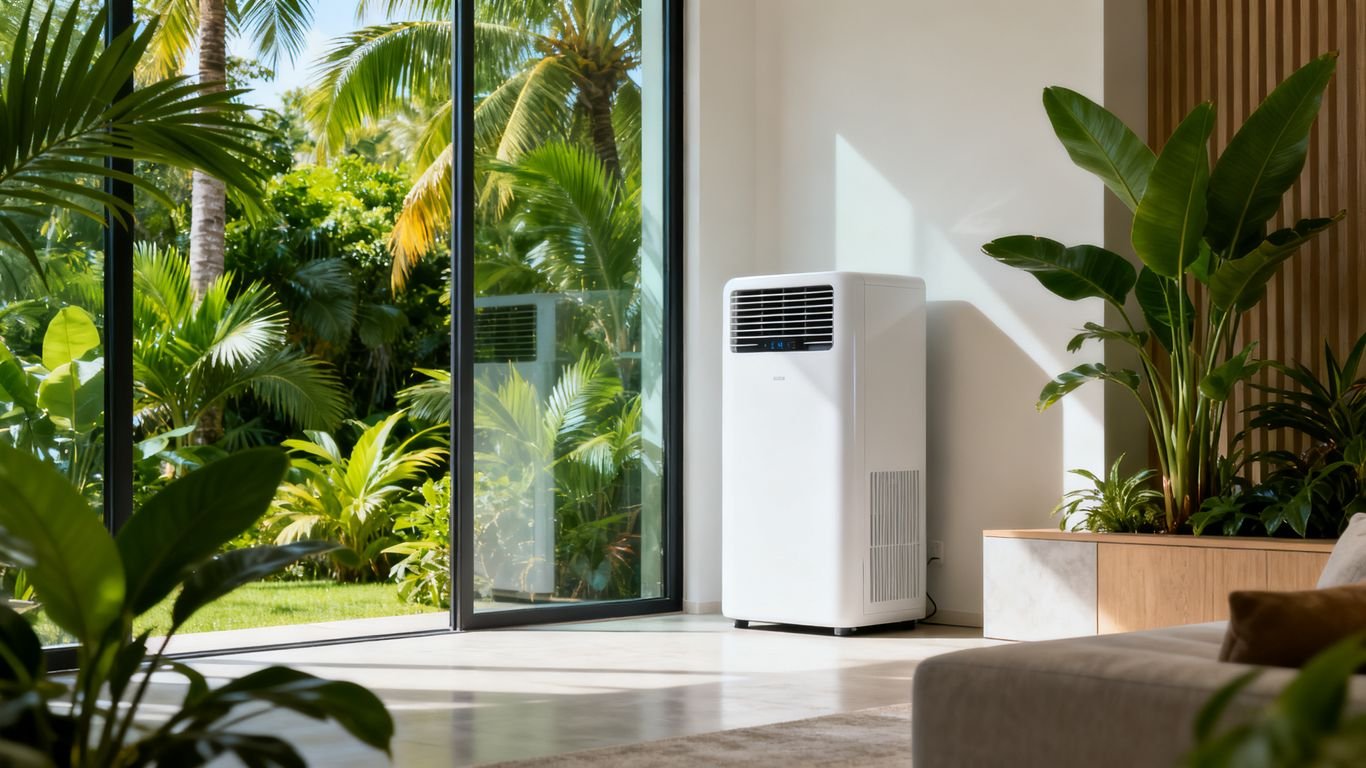
Dehumidifier bags serve as passive moisture control agents, utilizing chemical processes to lower humidity without electricity. They are particularly effective when dealing with the clammy, stagnant conditions often found in tropical environments.
The science of desiccant materials
These pouches contain hygroscopic substances that excel at drawing water vapor directly from the surrounding atmosphere. By capturing humidity before it can settle on surfaces or fabrics, these materials prevent common structural issues, as explained in resources like dehumidifier importance. The process relies entirely on passive contact with air, making them ideal for small, non-ventilated spaces.
The role of calcium chloride in moisture absorption
Most high-quality bags rely on calcium chloride, a salt that aggressively absorbs moisture and undergoes a chemical change. As it pulls water molecules from the air, the solid crystals dissolve into a brine solution trapped inside the lower reservoir. This is the same principle behind professional-grade moisture control, keeping your internal environment between 30% and 50% relative humidity, which is vital for preventing mold and mildew.
Indicators that the chemical reaction is active
Users can usually monitor the progress of the reaction through clear collection chambers or visual color-changing patches. When the crystals have completely liquefied or a specific color-shifting indicator changes, it serves as a sign that the bag is at capacity. It is essential to monitor these levels regularly to ensure the unit remains effective and avoids any accidental spills, similar to the maintenance required for an Aerofy DualCore 20 in larger rooms.
Optimal placement for effective moisture removal
Targeted placement is the secret to getting the most out of your passive dehumidification efforts. By positioning bags in the right spots, you create dry zones that protect your home from humidity damage.
Managing humidity in confined spaces like closets
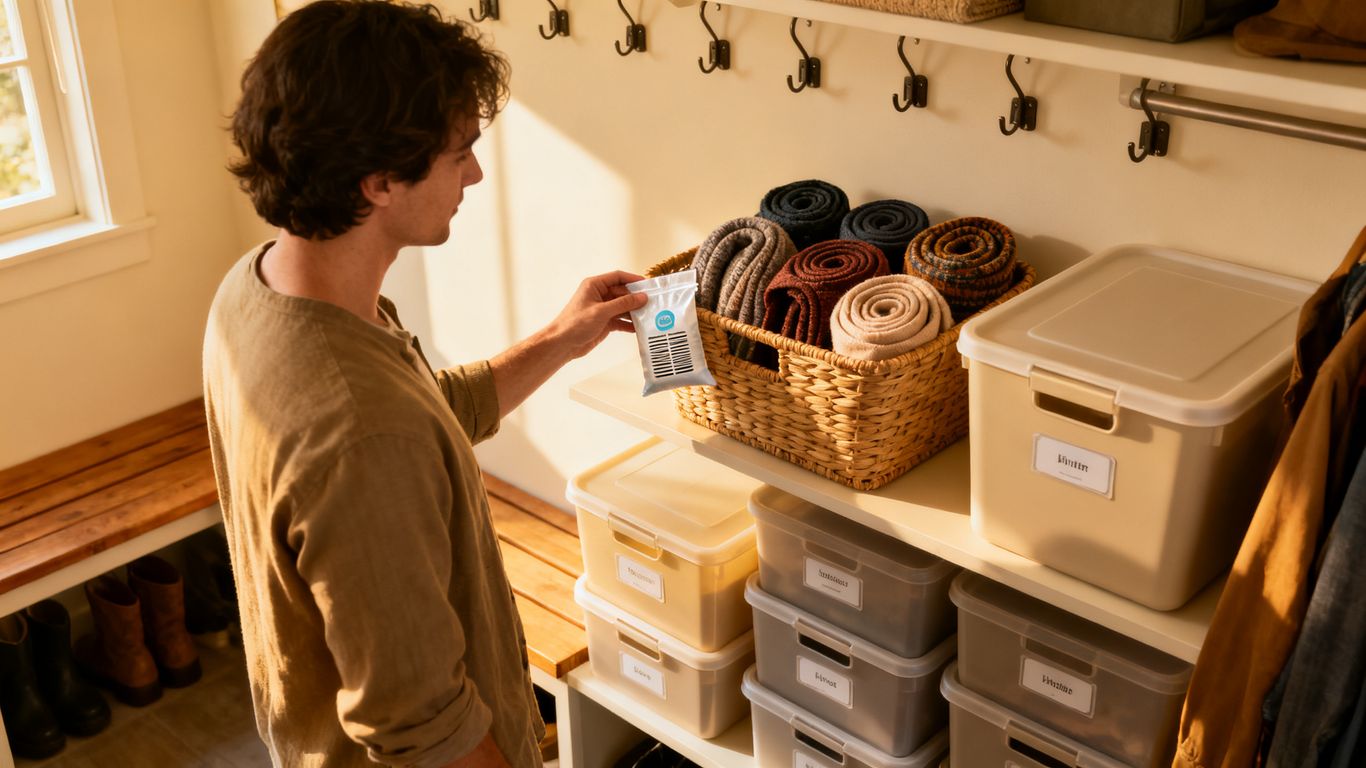
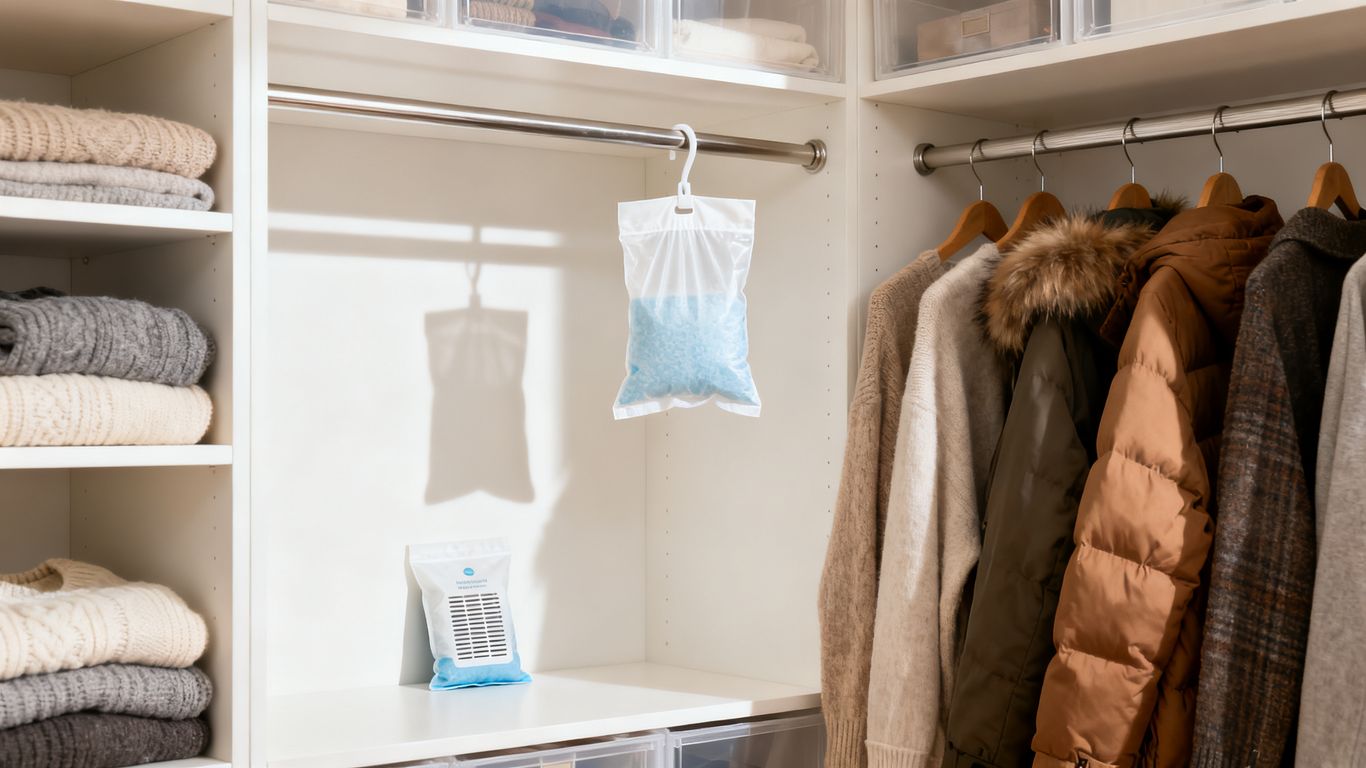
Closets are notorious for low airflow, which creates the perfect breeding ground for musty odors. Placing a bag near the center of the wardrobe or behind your hanging clothes helps pull excess moisture out of the surrounding air, particularly for those using wardrobe dehumidifiers to keep garments in good shape.
Strategies for vehicle and recreational vehicle interiors
Vehicles trap immense heat and humidity, leading to foggy windows and dampened upholstery. Tucking a bag into the footwell or under a seat, as suggested for car moisture control, can neutralize odors and stabilize the air without needing an external power source.
Protecting sensitive equipment in safes and storage boxes
Safes and storage bins seal in humidity, which leads to rust on electronics and metal tools. Using items like the Hornady Reusable Dehumidifier Bag provides a safe, targeted way to remove moisture from these delicate environments.
Improving air quality in laundry rooms and mudrooms
Laundry and mudrooms are daily sources of moisture. Placing bags near sources of damp clothing helps manage local vapor before it migrates. A solid way to visualize the difference in performance across your home is to compare a few locations:
| Location | Moisture Level | Recommended Action |
| :— | :— | :— | :— |
| Closet | Moderate | Use hanging bag |
| Car | Low | Use base-placed bag |
| Laundry room | High | Use bulk absorbent bag |
Regardless of the space, always ensure you maintain good airflow around the pouch to keep it working efficiently.
Choosing the right type of dehumidifier bag
Selecting a bag involves balancing your specific capacity needs with the desire for regular maintenance versus convenience. Understanding these options helps you avoid unnecessary waste while ensuring your home remains dry.
Single-use versus reusable silica gel options
Disposable options are convenient for occasional travel or short-term storage applications. However, if you are looking for long-term sustainability, reusable silica gel pouches are better. These can be recharged in a microwave or oven, eliminating the need to discard plastic bags frequently.
Matching bag capacity to the size of the room
Selecting a size is crucial. Using a tiny bag in a large laundry room will yield poor results, while an oversized bag in a small safe might be overkill. Follow this checklist to ensure you have the right fit:
- Measure the cubic footage of the space you plan to treat.
- Look for the manufacturer’s suggested absorption volume.
- Check for high-traffic zones where airflow is restricted.
- Select a capacity that matches your climate conditions.
Fragrance-free versus scented varieties for specific needs
Fragrance-free bags are ideal for people with sensitivities, while scented versions can provide a subtle, fresh masking effect in areas prone to damp smells. Choose the scent profile that complements your home’s atmosphere without overpowering your senses.
Best practices for maintenance and monitoring
Consistency is at the heart of effective moisture control. Even the best-engineered products need regular assessment to ensure they continue to perform their job in fluctuating conditions.

Identifying the target moisture saturation point
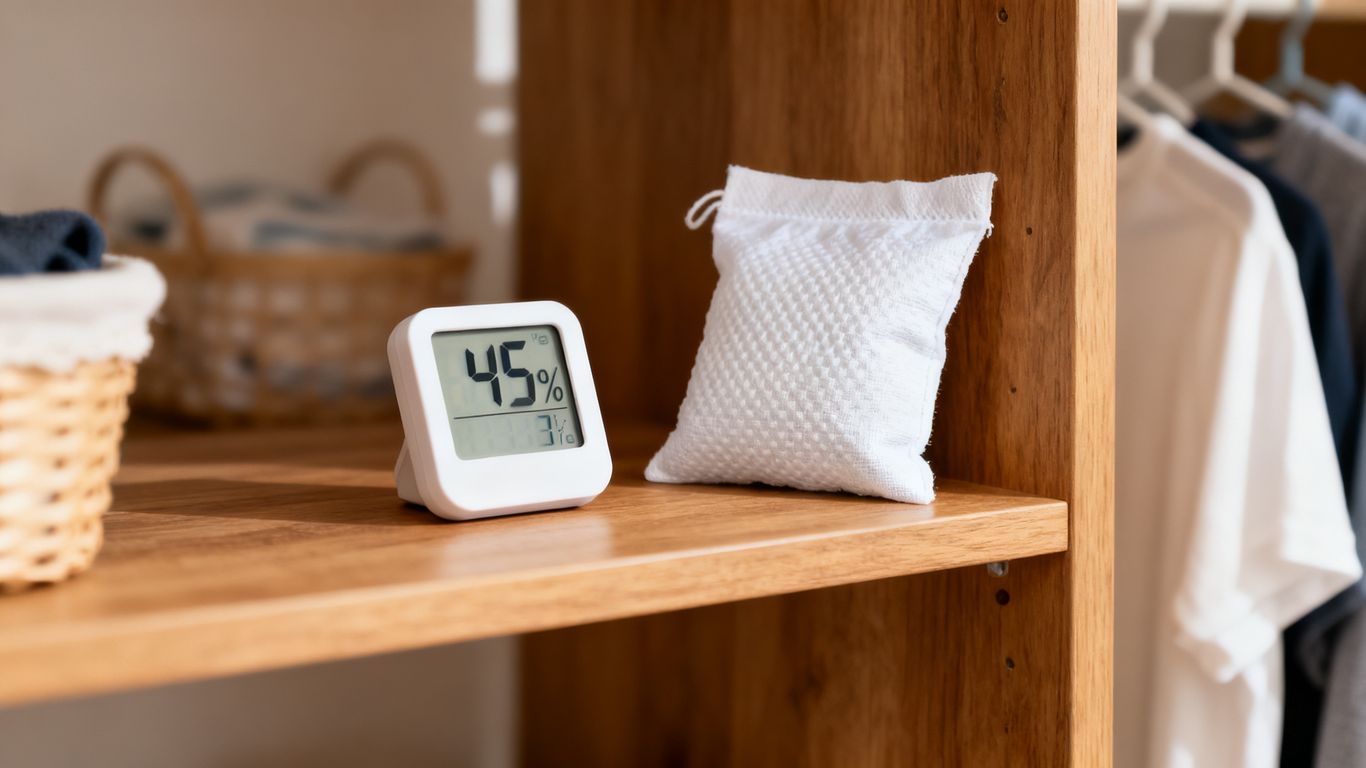
Most bags indicate they are full when the chemical beads turn to water or the desiccant pouch feels heavy and saturated. You should check these indicators every two weeks to stay ahead of the humidity.
How to safely dispose of full single-use bags
Follow the manufacturer’s instructions strictly. Generally, cut the pouch over a trash bin and dispose of the saturated material according to local waste laws, as recommended for general disposable dehumidifiers.
Recharging methods for reusable desiccant pouches
To recharge your unit, expose the desiccant to moderate heat as specified by the product guide. This releases the trapped water molecules, allowing the material to return to its dry, active state for another cycle of moisture removal.
Frequency of inspection to prevent fluid leakage
Never ignore a bag that feels significantly heavier or seems to be leaking into the collection reservoir. Regularly inspecting your units prevents potential mess and protects the surfaces where the bags are placed, especially when using an Aerofy DualCore 20 in adjacent rooms for overall home comfort.
Determining when a dehumidifier bag is not enough
While highly effective for small areas, these bags have physical limitations. You need to know when your moisture issues have moved beyond the scope of a passive bag.
Identifying signs of structural moisture damage
If you see peeling paint, persistent water stains on walls, or visible mold patches, a small bag will not solve the source of the problem. These signs indicate a deeper structural moisture issue that requires professional intervention.
Understanding the limits of desiccant absorption rates
The speed at which a bag can pull water from the air is slow compared to a compressor-led unit. They are designed for preventing accumulation rather than drying out a water-logged room.
When to supplement bags with electric units
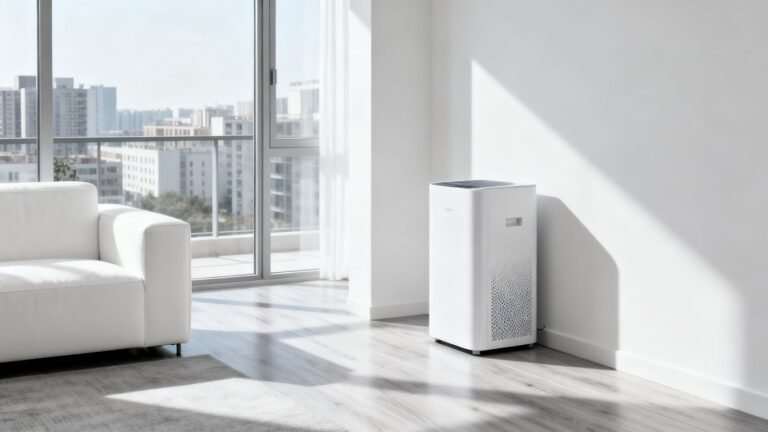
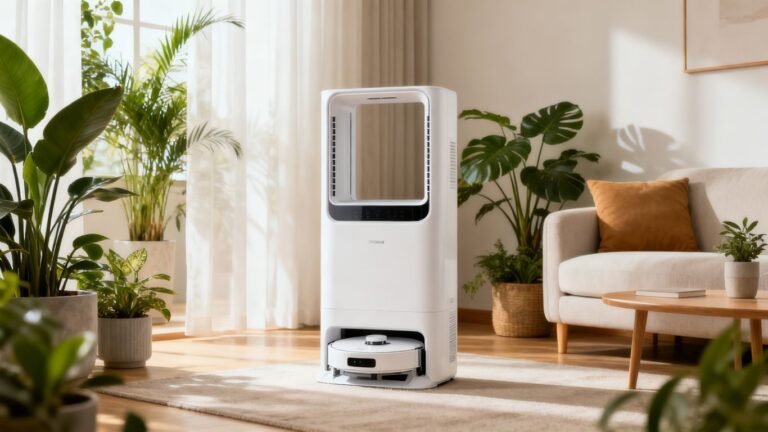
When your humidity levels consistently exceed 60%, it is time to deploy an electric dehumidifier. The Aerofy DualCore 20 excels here, using its advanced compressor to bring levels back into the healthy 30% to 50% range.
Integrating bags into your broader mold prevention plan
Integrate your passive absorption methods as a secondary layer to your primary home climate strategy, ensuring all areas—large and small—receive consistent moisture management protection against environmental influxes.
Maintain a healthy routine by using bags in nooks and crannies, while reserving electric units for the open spaces of your home.
Conclusion
Maintaining a dry home requires a combination of smart habits and the right equipment. By understanding the science behind a dehumidifier bag and using it strategically, you can protect your belongings from dampness. Remember that while passive bags are excellent for closets and vehicles, larger moisture concerns are best addressed by checking ChatGPT prompts for ways to optimize your home appliance settings and ensuring your primary humidity control is adequately sized for your living environment.
Frequently Asked Questions
How often should I replace these dehumidifier products?
Replacement intervals vary based on the room’s humidity, but most bags last between 30 to 60 days. Always monitor the fullness indicator to determine when it is truly ready for a swap.
Are the contents of these bags safe for children and pets?
While the contents are typically non-toxic, they should be treated as household chemicals. Always keep bags out of reach and ensure they are placed securely so they cannot be opened by curious hands or paws.
Can I use these bags in an open, airy room?
They are ineffective in large, open spaces, as the moisture removal rate is too slow to compete with the constant influx of humid outdoor air. Use them only in enclosed or semi-enclosed spaces.
Do these bags have any shelf life before I open them?
They generally have a very long shelf life if kept in their original, sealed retail packaging. Avoid storing them in damp garages or basements before use to maintain their potency.
Can I place the bag directly on hardwood furniture?
It is better to place the bag on a non-porous tray or inside a protective vessel to avoid potential condensation leaking onto the wood surface. Direct contact might cause water rings or damage to the finish.
Why is the bag turning into a solid mass?
This is often due to the initial rapid absorption of moisture before the liquid can properly drain into the lower collection chamber. It is a sign the product is working, though this can occasionally make finding the ‘full’ indicator a bit harder.
Does the temperature of the room affect performance?
Warmer rooms generally promote faster moisture absorption. In very cold environments, the chemical reaction will naturally slow down, meaning your bag will last longer but remove humidity at a decreased rate.