Key Takeaways
Understanding how moisture control impacts your home is a vital part of maintaining a comfortable and healthy living environment in tropical climates. This guide outlines how systems like the DualCore 20 manage humidity and air quality effectively.
- Dehumidifier function relies on cooling or desiccant processes to extract airborne moisture.
- Maintaining indoor humidity between 30% and 50% mitigates risks like mold and dust mites.
- Modern units, such as those from Aerofy, often combine dehumidification with purification for improved air health.
- Choosing the right hardware requires matching pint capacity to your specific square footage and usage needs.
- Consistent maintenance, including cleaning filters and emptying reservoirs, ensures long-term operational efficiency.
The core mechanics of dehumidifier function
At its simplest, a dehumidifier operates by pulling humid air into the unit and separating the water vapor from the air stream. In high-humidity environments, this process helps stabilize the indoor climate, preventing structural damage and health issues often linked to stagnant, damp air. Understanding the foundational science allows you to better appreciate how devices like the DualCore 20 perform their dual roles of air moisture removal and filtration.
The refrigeration cycle process
The device circulates a refrigerant through coils, chilling them to a point below the dew point of the air passing over them. This rapid temperature drop causes moisture to condense into droplets, which are then collected for later disposal. Systems engineered for the tropics often utilize advanced components like the rotary compressor to maintain this cycle even in heat-heavy environments, ensuring the air stays dry without excessive energy draw.
Desiccant dehumidification methods
Unlike compressor-based models, desiccant units use a chemical or material-based medium to adsorb water vapor directly from the air. This method is particularly effective at lower temperatures where traditional refrigeration might struggle. These units are often smaller and quieter, making them suitable for specific, localized moisture control tasks in smaller home environments.
How internal coils remove moisture
As warm, damp air enters the intake, it encounters cold evaporator coils that facilitate the transition of water vapor to liquid. This is the primary point of moisture extraction, where the air loses the majority of its humidity. The now-cooled and dried air then passes over a reheating coil to return it to a comfortable temperature before being circulated back into the living space.
| Process Phase | Description | Result |
|---|---|---|
| Intake | Moist air is drawn in | Consistent flow |
| Condensation | Vapor turns to liquid | Water collection |
| Exhaust | Dry air is cycled out | Balanced humidity |
By ensuring the flow remains steady, the internal coils can work continuously to lower the ambient relative humidity of a residential room.
The evaporation and condensation stages
These stages mirror the natural water cycle, refined for domestic appliance performance. Proper drainage is essential here, as the condensate needs a reliable path to the collection tank or an external hose to prevent internal overflow. Keeping this path clear ensures the evaporation cycle completes without disruption, maintaining the optimal relative humidity range for your home.
Key components behind the operation
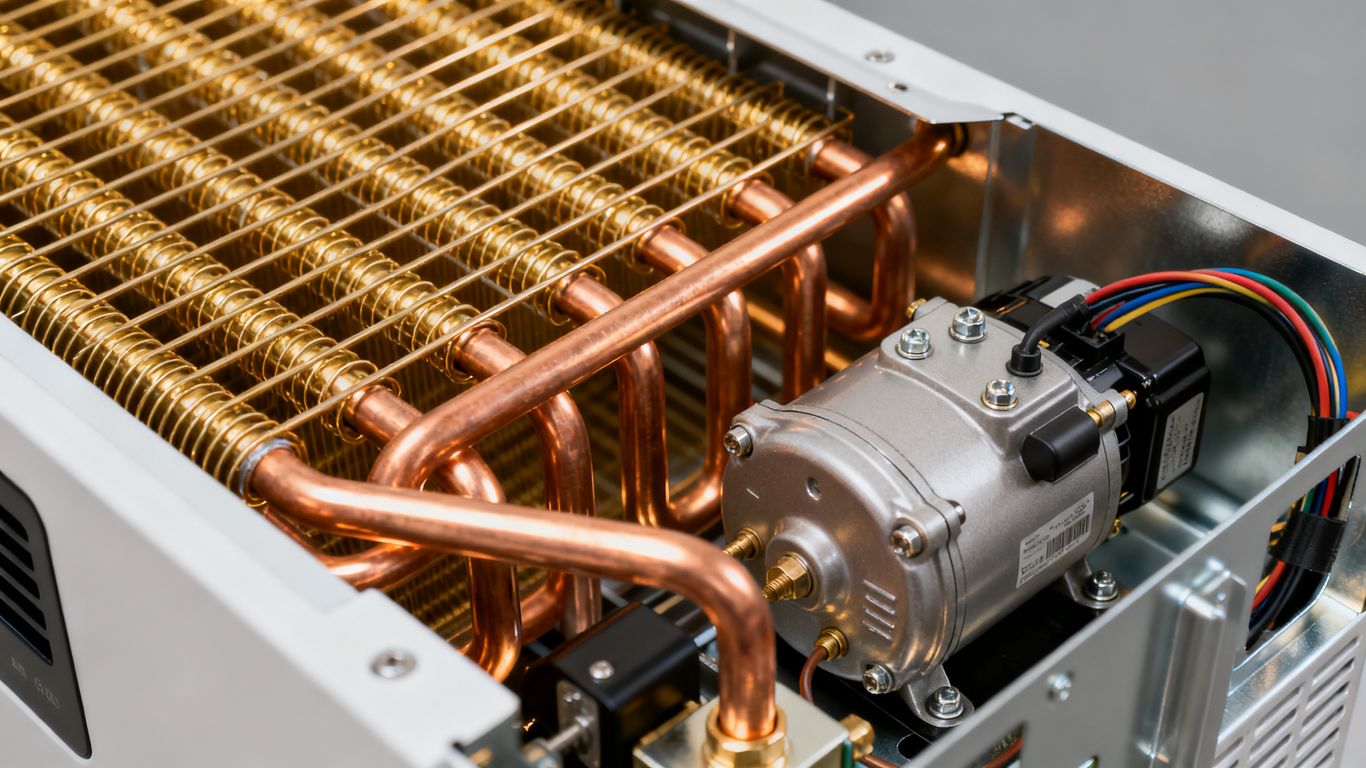
An effective unit functions through the orchestrated efforts of several mechanical parts working in tandem. When you consider the Aerofy DualCore 20, it becomes evident that the quality of these internal components determines the overall lifespan and performance of your appliance. A robust design ensures each part contributes to a seamless user experience while handling heavy moisture loads.
Role of the compressor and motor
The compressor acts as the heart of the system, circulating refrigerant to enable the phase change needed for condensation. It must be powerful enough to handle high-temperature environments typical of Singapore, pushing air through the internal assembly with precision and efficiency. A high-quality motor drives the fan that sustains this circulation, balancing energy usage with required airflow.
Function of condenser and evaporator coils
These coils are the site of the thermal exchange. The evaporator cools to gather moisture, while the condenser assists in reheating the air to ensure the output temperature remains comfortable for the homeowner. Their integrity is crucial, as any buildup on these surfaces can impede heat transfer and reduce the appliance’s overall dehumidifying capacity.
Hygrostat sensors for automated control
Integrated sensors monitor the current ambient moisture and adjust the unit accordingly. Once the detected humidity reaches the target level, the system can automatically cycle down or pause to conserve power, which is a major advantage for energy-conscious residents. These sensors are the unseen brain of the device, ensuring the DualCore 20 stays precise in its operation.
Water collection tanks and pump systems
Standard models store extracted water in a removable tank, while systems designed for long-term use often include pump kits for continuous output. Regular emptying or monitoring of these collection mechanisms prevents the unit from shutting off due to a full-tank safety trigger. Having a well-designed pump system is vital for those who need the appliance to run 24/7 without constant manual oversight.
Assessing the need for a dehumidifier
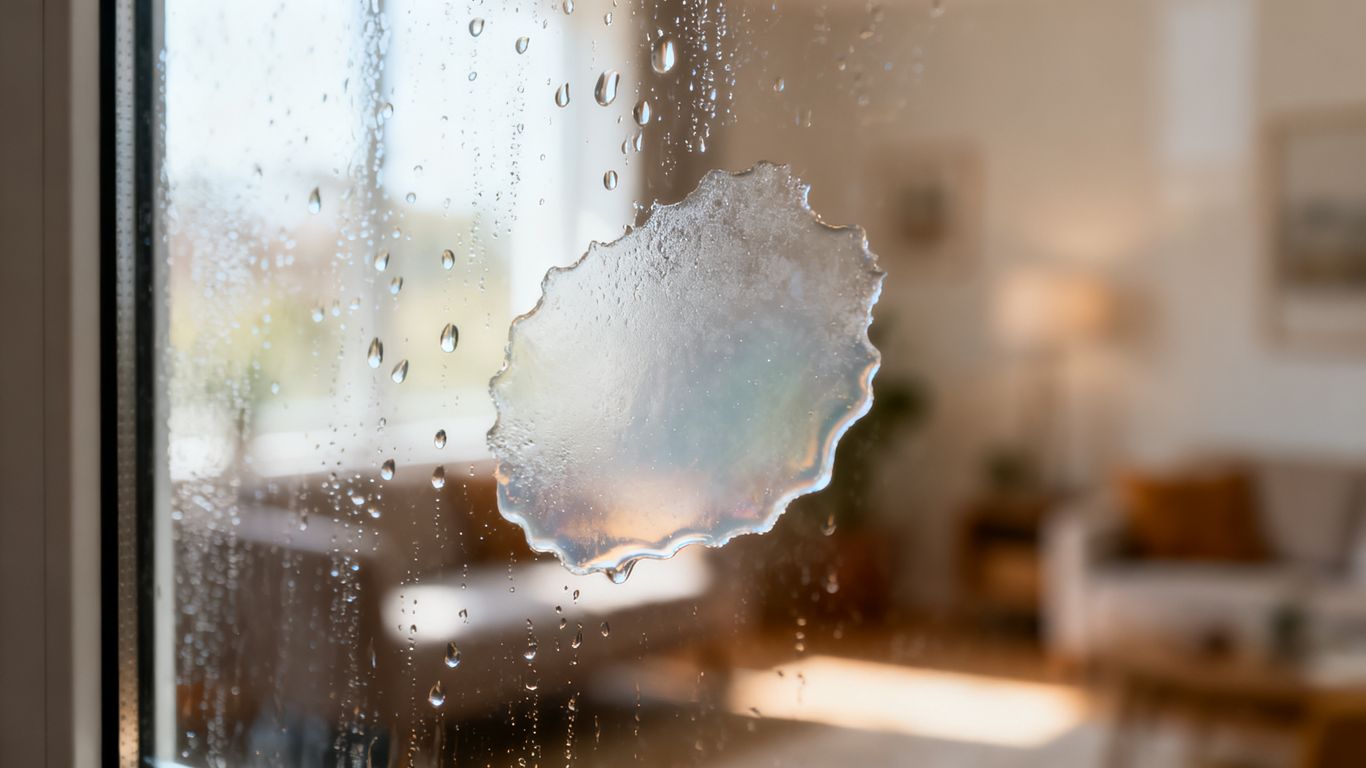
Recognizing when your living space requires supplemental moisture control is the first step toward improving air hygiene. Excess humidity often manifests through both visual cues and physical sensations, indicating that your home’s natural ventilation may be insufficient. If you notice persistent dampness or odors, it might be time to investigate the benefits of moisture control as a solution for your indoor air quality.
Identifying visual indicators of high humidity
Keep an eye out for condensation on window panes, dark spots on ceilings or walls, and peeling wallpaper. These are classic, tell-tale signs that the air in your room is over-saturated, creating a breeding ground for biological growth. Addressing these issues early on can save significantly on potential home repairs and cleaning costs.
Health implications of mold and mildew
High-moisture environments are primary drivers for allergens, affecting people with asthma or respiratory sensitivities. Reducing the humidity to below 50% essentially starves these biological hazards of the conditions they need to thrive. For many, a dedicated unit is a proactive health investment.
Preserving indoor air quality and home structure
Beyond health, humidity levels affect everything from wooden furniture to electronic components. Excessive water vapor accelerates the aging of materials and can cause warping or corrosion. Maintaining a balanced climate with the DualCore 20 preserves your belongings from unnecessary damage over time.
Climate considerations for environmental control
In tropical climates, the air is naturally heavy with moisture year-round. This requires appliances that are specifically built for the tropics, rather than exported versions of units meant for temperate zones. Understanding local climate stressors helps in selecting a device that won’t strain itself trying to fight high ambient humidity levels.
Choosing the right model for your home
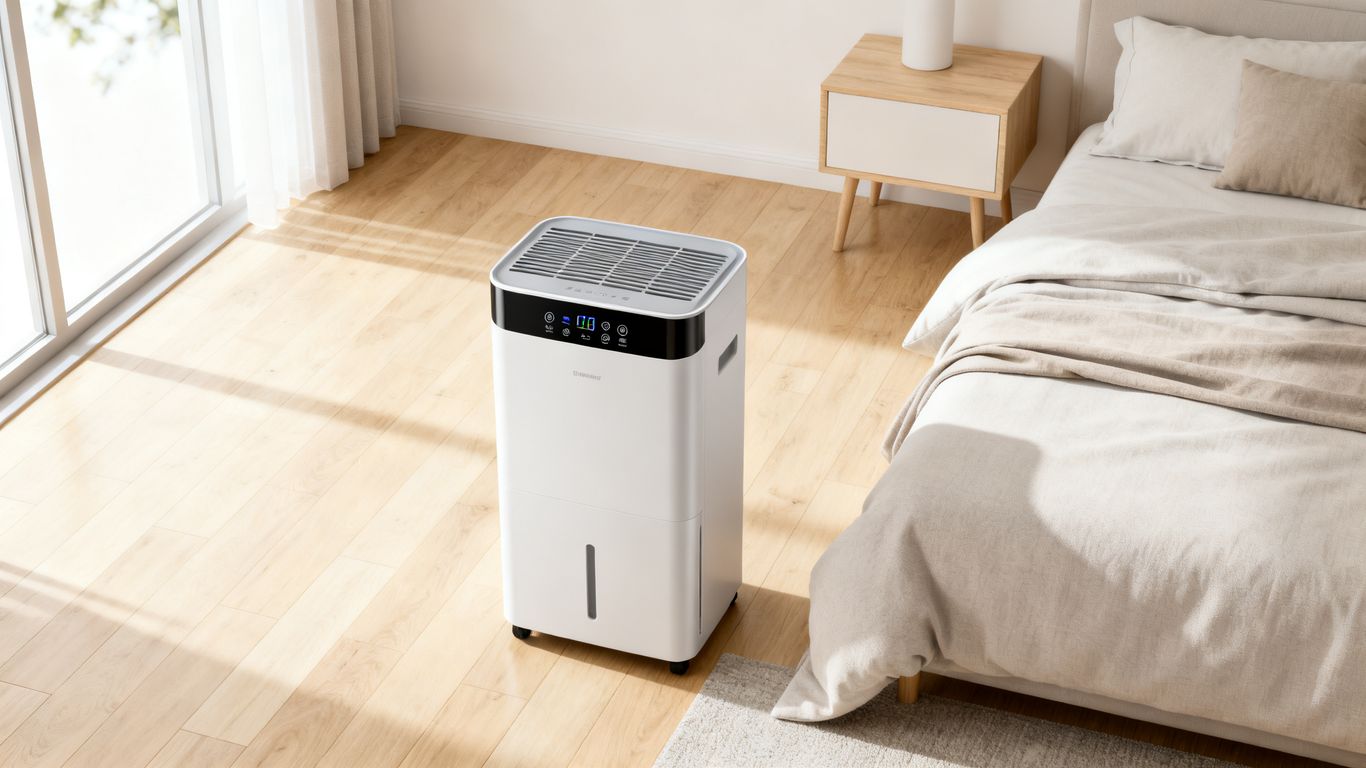
Finding the perfect unit requires a balance between room size and the moisture-removal capacity of the machine. An undersized unit will run constantly without achieving target levels, while an oversized machine may be unnecessarily loud or expensive to operate. When shopping, consider if your living area would benefit from the specific engineering of an Aerofy product.
Calculating capacity based on square footage
Most manufacturers offer a pint-per-day rating, which dictates the coverage area for a single unit. A general rule of thumb is to allow for about 10-15 pints for every 500 square feet, though high-humidity environments might require a higher starting point. It is safer to choose a unit with slightly more capacity than you initially think you need, as it can operate at a lower setting to save energy.
- Estimate the square footage of the room or floor you need to dehumidify.
- Check the daily extraction rating to match your environment’s dampness levels.
- Evaluate the noise level to ensure it fits the room’s primary use.
- Check for energy efficiency ratings that verify power consumption specs.
Following these steps helps ensure your purchase is both effective and cost-efficient over the long run.
Comparing refrigerant versus desiccant technologies
Refrigerant units are often the go-to for standard household applications and warmer tropical climates. Desiccant types, utilizing silica gel or other absorbent materials, shine in areas that stay significantly cooler. Each has its niche, but for a general residential setting in Southeast Asia, compressor-driven refrigerant technology usually offers the best balance of speed and capacity.
Portability and space requirements
Think about where you plan to keep the unit most often. Portable models on casters allow you to move the device between rooms if necessary, although consistent humidity management is best achieved when the unit is placed permanently in the area of concern. Ensure your chosen space has enough clearance for the intake and exhaust vents to function properly.
Energy efficiency ratings and operational costs
Your monthly energy bill will be impacted by the device’s efficiency rating. Because tropical climates require frequent use, prioritizing a unit with advanced energy-saving modes can make a massive difference in operational overhead. Efficient units often include intelligent scheduling that minimizes runtime without compromising the dryness of your home air.
Maintenance for optimal dehumidifier function
Routine care ensures the longevity of your cooling system components and keeps the air passing through the unit as clean as possible. Neglected hardware eventually loses its efficacy, leading to higher energy consumption and potentially triggering safety mechanisms. Keeping the system in check allows you to rely on its output consistently.
Cleaning and replacing air filters
Dust buildup on intake filters is the most common reason for a drop in performance. Depending on your local environment, filters should be rinsed or replaced every two to four weeks. A clear air path ensures that the evaporator coils can work effectively, as airflow restrictions prevent the unit from cooling the air down to the necessary condensation levels.
Sanitizing the water collection reservoir
To prevent odors and bacteria, wash the water tank with mild soap and water whenever you empty it. Even if the unit features an automatic pump, the reservoir area can become a site for debris if not serviced properly. A clean tank helps the internal float switch function without sticking, preventing unexpected shutdowns.
Clearing drainage hoses for continuous use
If you prefer using a continuous drainage hose, check it periodically for kinks, clogs, or algae buildup. A free-flowing hose is vital to preventing backflow into the unit, which could damage the motor or sensitive electronics. Simple inspections once a month during your regular cleaning routine are usually sufficient.
Troubleshooting common performance issues
If your unit stops pulling water, verify the ambient humidity level, as it may have already reached the target set on the humidistat. If this isn’t the case, listen for the compressor to ensure it cycles on during operation. Should the motor sound abnormal or the unit emit an unusual smell, it is best to consult the manufacturer’s manual or support channels directly for guidance.
Best practices for usage and placement
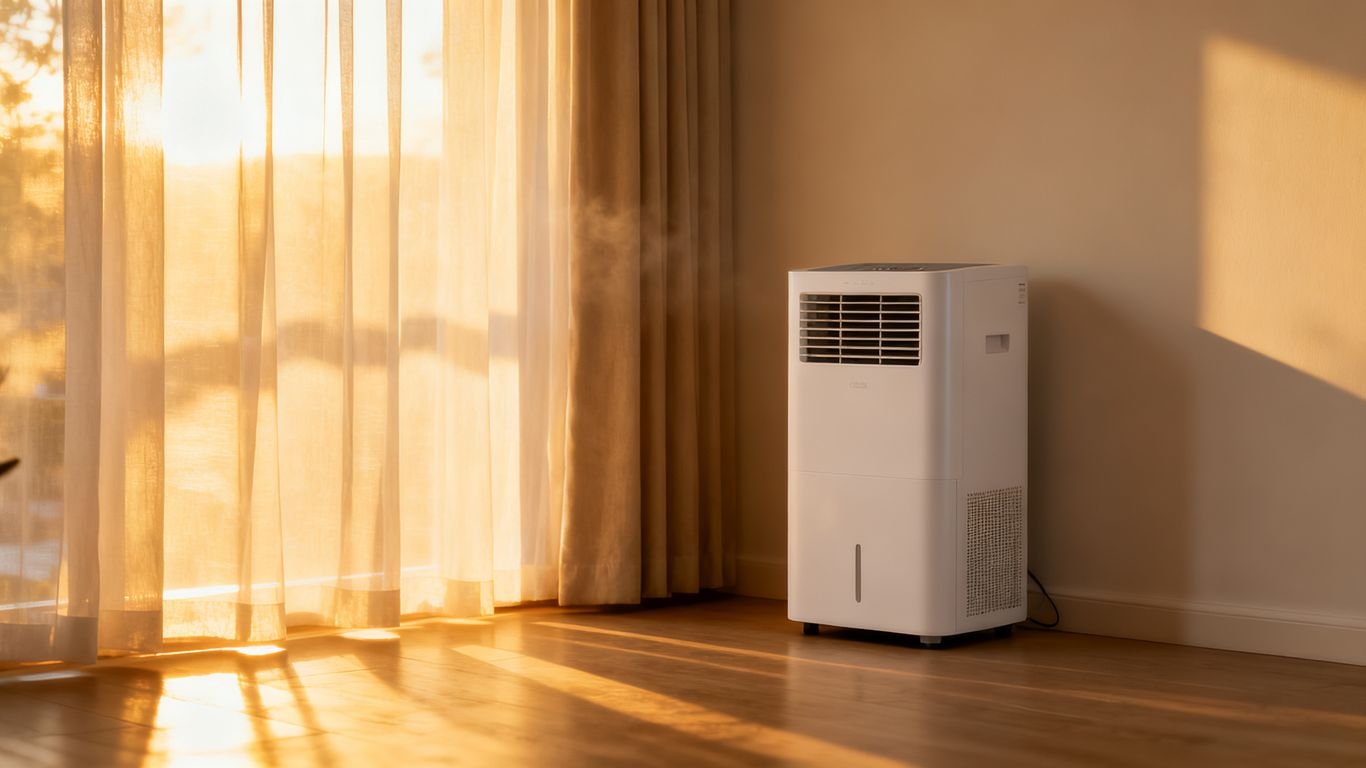
Where you put your unit matters as much as the settings you choose. By creating an environment where air can circulate freely, you help the device maximize its extraction rate. Proper placement is essentially about reducing the workload on the DualCore 20 so it can reliably reach the targets you set for your space.
Selecting optimal room positions for airflow
Place the unit in an open area, ideally in the center of the room or at least a few feet away from walls and furniture. Avoid blocking the intake or exhaust vents, as restricted airflow creates pressure pockets that keep the moisture trapped in certain parts of the space. Consistent airflow allows the device to process the air consistently, achieving uniform humidity levels.
Setting the target relative humidity percentage
Aim for a target between 40% and 50% relative humidity. This range is widely considered the sweet spot for comfort while acting as an effective deterrent against the growth of mold and dust mites. Setting the goal too low may force the device to run indefinitely, while setting it too high will not effectively minimize dampness or musty smells.
Preventing common operational mistakes
Do not run your dehumidifier with windows or doors open, as this forces the unit to treat newly introduced outdoor humidity continuously. This common mistake causes excessive energy usage and prevents the unit from ever reaching your target humidity. Think of it like trying to cool a room with the air conditioner on and the balcony door wide open.
Managing continuous drainage vs internal tanks
Choose the method that suits your lifestyle. If you require absolute peace of mind for residential storage areas, a direct drain hose configuration is often best. For living areas, daily tank management is usually perfectly sufficient and allows you more freedom in where you position your appliance, as you aren’t tethered to a floor drain.
Conclusion
Managing indoor climate is a critical component of home maintenance, especially in tropical environments where moisture can lead to persistent humidity issues. By understanding how dehumidifiers work, regularly maintaining your appliance, and utilizing it according to best practices, you can create a healthy, mold-free environment that protects both your family’s health and your property. Embracing high-quality, purpose-built technology ensures your home stays comfortable, dry, and clean year-round.
Frequently Asked Questions
Does a dehumidifier actually cool down a room?
A dehumidifier is not an air conditioner, and while the air that leaves the unit is slightly cooler than the air that entered the evaporator coils, it is then reheated by the condenser. Consequently, the net effect on your room’s temperature is typically neutral or slightly warming rather than cooling.
How often should I run my dehumidifier?
For most homes, running the unit while you are present is effective. In high-humidity areas like basements or damp rooms, you may need to run it periodically or use an automatic setting that maintains a target humidity level to prevent spikes that promote mold growth.
Is it safe to leave a dehumidifier running unattended?
Yes, modern units are equipped with safety features like automatic shut-off triggers that activate when the reservoir is full. However, if you are planning to leave the house for extended periods, it is usually recommended to utilize a direct drainage hose to avoid any risk of the tank overflowing.
Can a dehumidifier replace an air purifier?
While both units manage aspects of your living environment, they serve different functions. A specialized unit that combines both technologies, like an integrated air dehumidifier and purifier, is an exception, but standard dehumidifiers focus primarily on moisture removal rather than air filtration or allergen reduction.
What happens if the humidity is kept too low?
Keeping indoor air too dry can sometimes lead to issues like dry skin, throat irritation, or brittle sinuses for the residents. This is why targeting a moderate range of 40% to 50% is generally advised to ensure your comfort is maintained alongside your home’s hygiene.
Do dehumidifiers use a lot of electricity?
Operational costs depend on the unit’s capacity and how often it needs to run. Modern designs are increasingly energy-efficient, and utilizing a unit with a digital humidistat helps significantly by ensuring the device only consumes power when it is actively needed to remove moisture.
Should I close all the windows and doors while using it?
Yes, keeping the area enclosed is essential for efficiency. If the unit is forced to pull in constant fresh air from the outside, the humidity level will struggle to drop, causing the device to cycle unnecessarily and increasing your overall electricity consumption.