Key Takeaways
Choosing the right equipment is essential for protecting your inventory and building infrastructure from moisture damage. Here are the most critical factors to consider during your search.
- Accurate volume calculation is the foundation of effective humidity management.
- Compressor-based systems offer the best balance of power and cost for most business applications.
- Regular maintenance schedules prevent premature system failure and ensure consistent energy performance.
- Environmental factors like ceiling height and temperature dictate the specific technology requirements.
- Investing in professional-grade equipment yields a faster return through lower energy costs and reduced repair needs.
Understanding commercial dehumidification needs

High humidity in a business setting rarely stays a minor inconvenience for long. Excessive moisture leads to warped wood, rusted metals, and the growth of mold that can compromise both air quality and the integrity of your stock. Business owners often find that standard household units struggle to keep up with the square footage of a commercial property, leaving pockets of dampness that invite damage.
Identifying humidity-related damage in commercial spaces
Damage often starts subtly before becoming a major expense. You might notice peeling paint near corners, musty odors in storage rooms, or condensation forming on glass surfaces during early mornings. Addressing these signs early is crucial because moisture affects property value and operational capacity. Unlike residential needs, businesses must prioritize effective moisture control to avoid losing expensive inventory or infrastructure investment.
Calculating the required pint removal capacity
Determining capacity involves more than just floor area. You must account for ceiling height, the number of people occupying the space, and the presence of moisture sources like indoor pools or manufacturing processes. Using proper industrial guidance allows managers to select a unit that does not cycle excessively, which saves energy in the long run.
Distinguishing between residential and commercial units
Commercial units are engineered with a focus on durability and continuous operation, whereas consumer units are built for intermittent, low-stress environments. A robust compressor-based system provides the power needed for heavy-duty moisture removal without the high expense associated with specialty desiccant units. Commercial models often feature more reliable drainage configurations and heavier casings meant to survive site traffic.
Key features to evaluate before purchasing
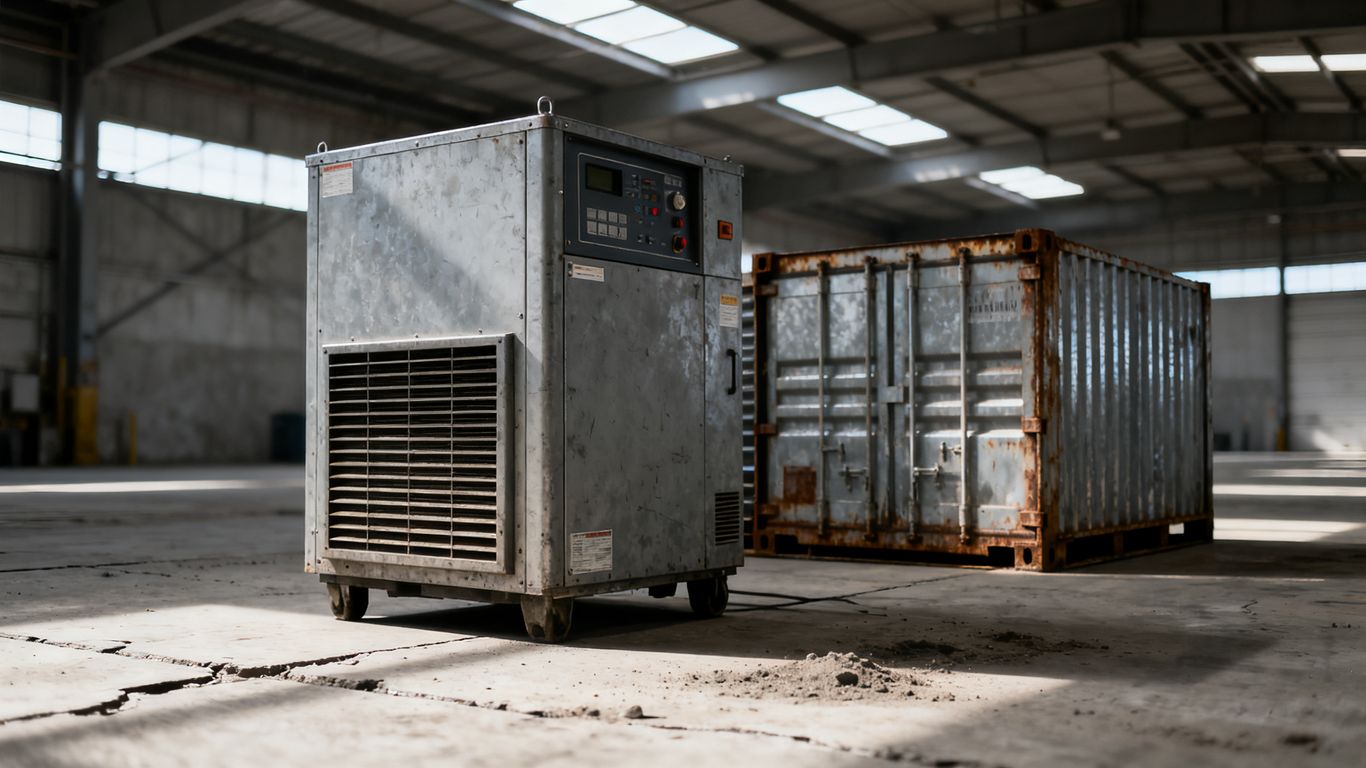
Selecting a machine involves weighing technical specifications against your specific physical constraints. Before buying, consider how the unit will be positioned and whether the electrical infrastructure in your facility can handle the draw of a large system. Ensuring your commercial dehumidifier has the proper cooling technology for your humidity load is a significant part of the journey.
Energy efficiency and power consumption ratings
Modern commercial units often use advanced rotary compressors to lower the total power footprint. While a unit might seem like a bargain, its energy consumption over two years defines its true cost of ownership. It is often wise to choose a high-performance unit that prioritizes efficiency to keep long-term operating costs in check.
Built-in humidistat and automated control systems
Automation allows your staff to set a target humidity and leave the machine to function independently. An internal humidistat ensures the unit shuts off precisely when air targets are met, preventing unnecessary waste. Systems that include memory settings are also helpful, as they ensure your climate control remains consistent even after power disruptions.
Portability versus stationary installation requirements
If you deal with water damage in shifting site locations, a portable model with rugged casters is a necessity. Conversely, if the unit is for a fixed archive room or a warehouse, stationary installation with hard-plumbed drainage will provide a clutter-free and reliable setup. Careful placement often dictates overall performance by ensuring clear paths for air intake and exhaust.
Assessing your environment for optimal performance
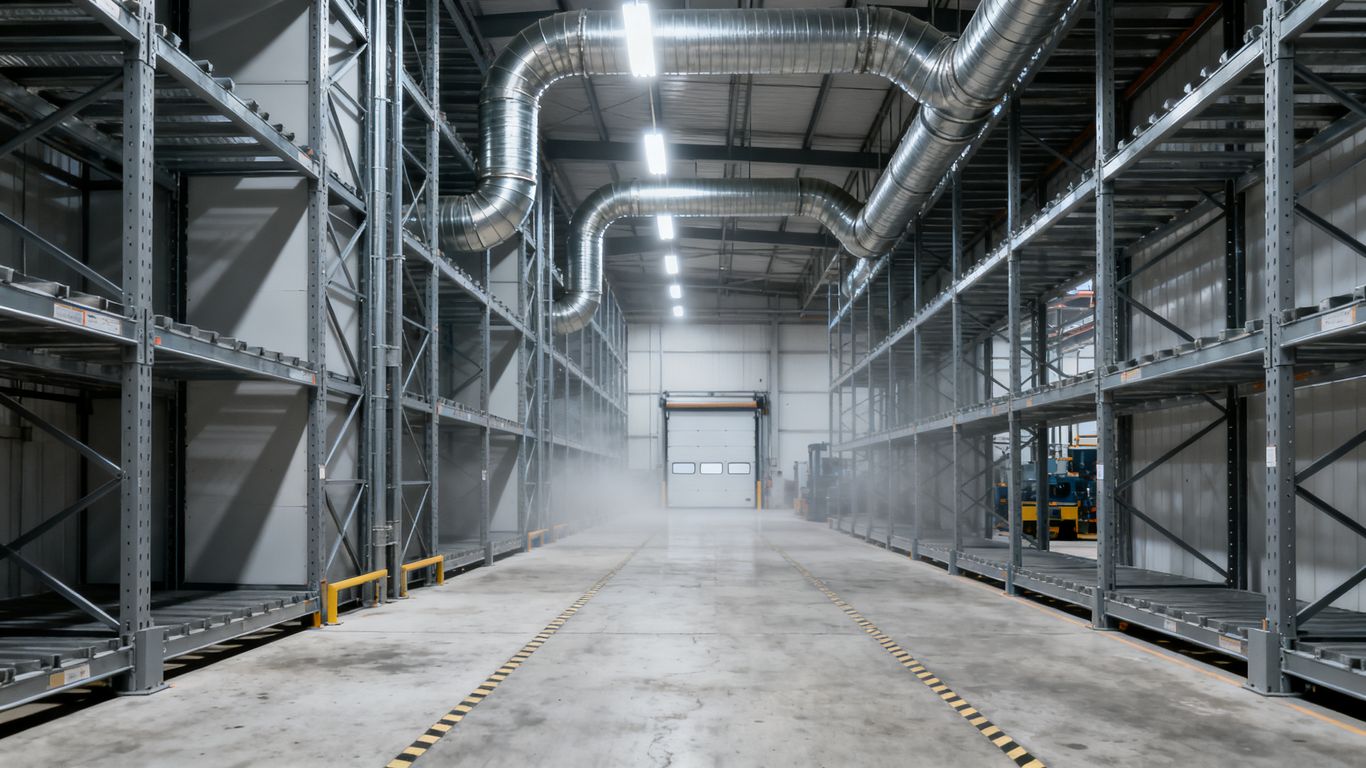
Placement is not just about floor space; it is about how the unit interacts with the existing HVAC and ventilation systems. A machine tucked into a corner without sufficient clearance will quickly recirculate its own exhaust, leading to reduced moisture extraction. Even a simple unit often benefits from being placed near the center of the dampest zone, provided that zone is unobstructed.
Managing airflow in large warehouse settings
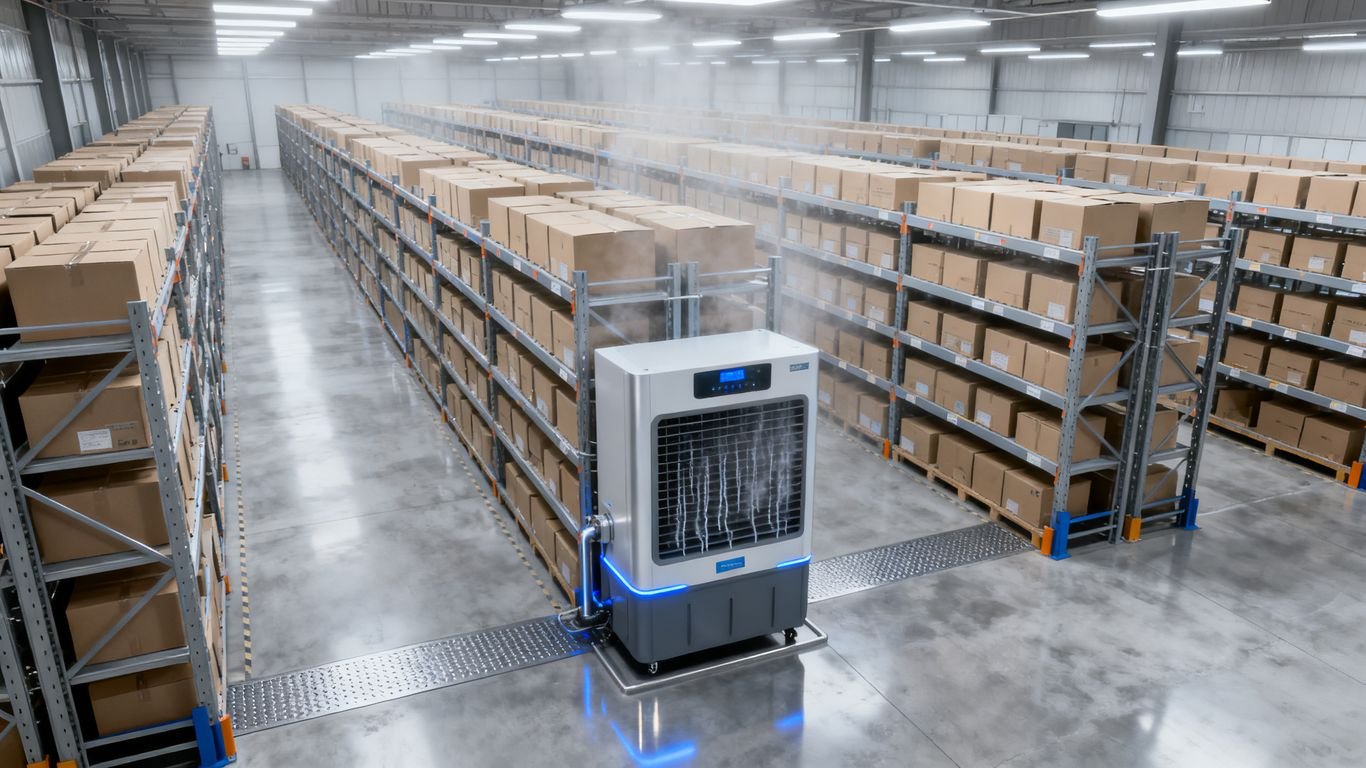
Consistent airflow is the primary objective when managing humidity in open-floor plans. Without clear pathways, moisture remains trapped in stagnant areas, leaving the rest of the warehouse dry while sensitive goods suffer damage. Ensuring the unit is situated where return air can circulate freely is a priority for facility managers.
Temperature considerations for cold storage areas
Ambient temperature plays a massive role in selecting the right technology. At lower temperatures, refrigerant-based systems lose efficiency, often requiring specialized desiccant moisture removal or higher-end equipment designed to operate in cooler air spaces. Check the manufacturer’s operational range carefully before committing to a unit meant for ambient or heated workspaces.
Ducting options for multi-room climate control
For businesses requiring control over multiple adjacent rooms, units with ducting attachments can move dry air precisely where it is needed most. This adds structural complexity but pays off by removing the need for separate machines in every closet or office. It is worth consulting professional engineering practices to determine if your existing ceiling configuration supports such an installation.
Maintenance and longevity requirements
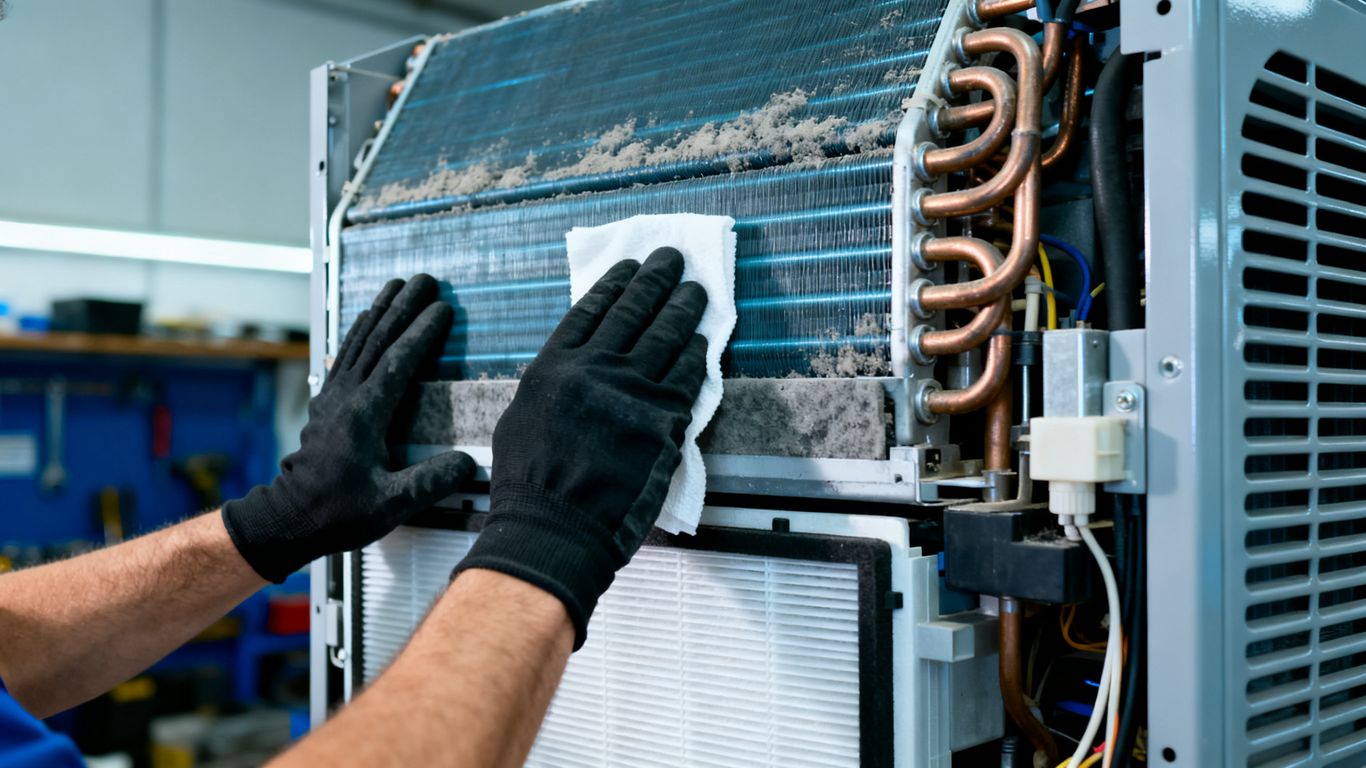
Reliability is tied directly to the commitment toward a regular service schedule. Like any precision tool, the internal mechanisms require periodic cleaning to maintain peak moisture extraction rates. When you purchase an Aerofy unit, you are backing your business with home-grown expertise in tropical humidity management.
Routine drain and filter cleaning procedures
Filters are the first line of defense against dust and debris accumulation on the internal coils. Neglecting these creates a bottleneck for airflow, forcing the motor to work harder than necessary. You should follow a clear daily or weekly schedule as outlined in the following list:
- Inspect air filters for dust buildup weekly and vacuum them if necessary.
- Check the condensate hose for kinks or blockages to prevent overflow.
- Wipe the external housing to ensure intake vents remain dust-free.
- Perform a monthly deep clean of the water tank if not using a continuous drainage hose.
Taking these steps helps preserve the life of your equipment significantly.
Recognizing signs of compressor or fan wear
Noise levels and power spikes are often early indicators of mechanical struggle. A fan that sounds loud or vibrates irregularly likely has debris buildup or a failing bearing, while a compressor that cycles on and off rapidly may suggest a cooling issue. The following table provides a quick reference for common symptoms and their potential causes:
| Symptom | Primary Concern | Recommended Action |
|---|---|---|
| Excessive ticking or grinding | Fan motor obstruction | Clear debris or replace bearings |
| High energy bills | Clogged air filter | Clean or replace filters |
| Water pooling at base | Drain line obstruction | Flush line with cleaning solution |
Monitoring these variables keeps your operation running without unexpected downtime.
Warranty coverage and serviceability expectations
Most commercial-grade products include warranties that assume they are operated in specific environmental limits. Understanding what is covered—and what constitutes improper usage—is key to managing business expectations. Always prioritize manufacturers that offer clear after-sales support or a straightforward path to sourcing replacement parts should something break.
Budgeting for long-term operational costs
Investing in a quality system is a multi-year decision that impacts your monthly bottom line. While the sticker price matters, it is the ongoing utility and service costs that define your true ROI over the machine’s lifespan. Aerofy, for example, focuses on engineering efficient components like rotary compressors to ensure businesses get the most out of every watt.
Evaluating initial investment versus utility savings
High-efficiency systems often have a higher upfront cost but pay for themselves through reduced grid consumption within a few years. It is helpful to estimate the annual energy costs based on your local utility rates compared to the power ratings of different models. A more expensive unit that pulls 20% less power is frequently the better financial move for a facility planning to operate the unit 24/7.
Comparing repair and replacement part availability
Before finalizing a purchase, check how easily owners can source air filters, condensate pumps, or standard hoses. If a unit relies on proprietary, hard-to-find components, you might face weeks of downtime waiting for a simple part to arrive from overseas. Reliable models should have a readily available supply of basic repair parts.
Calculating the return on investment for asset protection
Calculating ROI is easiest when you view the machine as an insurance policy for your stock. If your inventory is worth thousands or even millions of dollars, the cost of a high-end unit is negligible compared to the loss caused by mold, corrosion, or humidity-related degradation. When you rely on stable technology, such as the engineered solutions from Aerofy, you provide a consistent environment that avoids those hidden costs entirely.
Conclusion
Selecting the right system is a balancing act of capacity, technology, and maintenance requirements that secures your facility’s long-term operational efficiency. By carefully evaluating energy ratings, placement, and consistent servicing, you provide a stable climate that protects your business assets and keeps your workspace comfortable. Using the correct technical specifications ensures that your investment not only solves immediate humidity issues but continues to serve your team reliably for years to come.
Frequently Asked Questions
How often should I clean the air filter?
Ideally, you should check the air filter for dust and debris every two weeks in standard commercial settings, though cleaner environments might only require a monthly check.
Can I leave a commercial dehumidifier running 24/7?
Yes, most commercial-grade units are engineered for continuous operation, provided they are connected to a continuous drainage system so the internal tank does not fill and stop the unit.
Does humidity affect my electricity bills significantly?
It does, as high humidity can force local HVAC or secondary cooling systems to work much harder to maintain comfort, which is why a dehumidifier often leads to lower overall utility costs.
What is the ideal humidity level for a commercial warehouse?
For most general storage and workspace applications, maintaining relative humidity between 40% and 50% is generally sufficient to prevent mold growth and structural damage.
Do I need a professional to install a large system?
If you are using a portable unit, simple plug-and-play is usually sufficient, but larger systems requiring ducting or permanent plumbing usually demand professional installation expertise.
How do I know if my unit has the correct pint capacity?
Capacity is determined by the size of the room and the environmental humidity level; you should consult a sizing guide that factors in ceiling height and current baseline dampness.
Are compressor-based units loud during operation?
While they do produce noise due to the internal fans and motor, modern designs have focused on reducing volume, though they are usually louder than specialized, low-power consumer alternatives.