Key Takeaways
Maintaining an optimal indoor environment requires understanding the specific challenges posed by Singapore’s climate. These points summarize the essential steps to effective humidity management:
- Prioritizing units with high daily moisture extraction rates for tropical efficacy.
- Balancing portability with coverage area to suit apartment living layouts.
- Keeping filters clean to ensure the longevity of internal components.
- Integrating air purification functions for comprehensive allergen and mold control.
- Selecting units that balance low power consumption with consistent performance.
Understanding why you need a dehumidifier in Singapore
Living in a tropical environment means dealing with constant moisture levels that often exceed eighty percent. This invisible humidity penetrates walls, fabrics, and even electronics, leading to long-term wear that becomes difficult to reverse. Investing in a dehumidifier in singapore is a proactive approach to managing your home’s air quality rather than just coping with the heat.
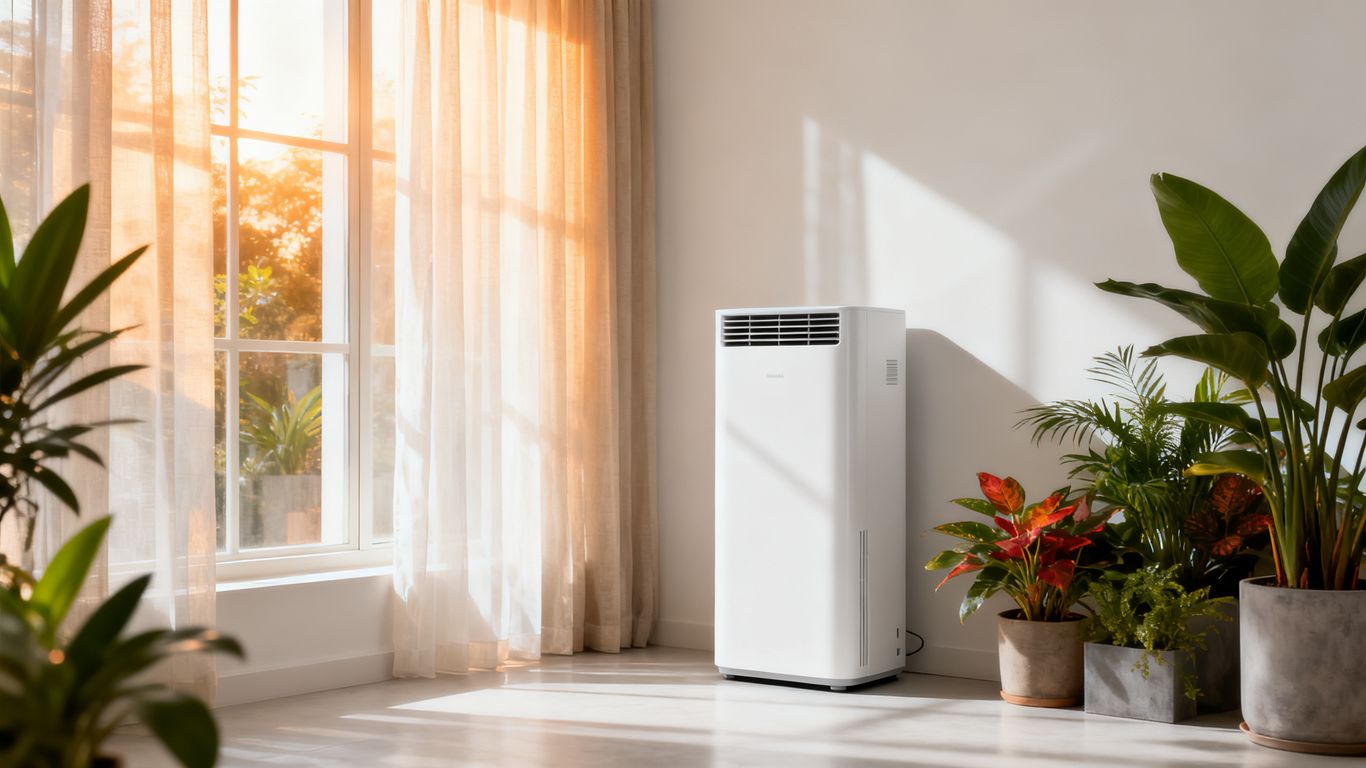
Impact of high relative humidity on indoor air quality
Excessive ambient moisture creates a breeding ground for biological growth that negatively impacts the air you breathe. When humidity stays high, the air feels heavier and circulation becomes sluggish, often carrying stale odors across living spaces.
Preventing mold and mildew growth in tropical homes
Mold thrives in damp, dark corners of closets and behind heavy furniture. Using an effective machine ensures that moisture does not settle on surfaces, stopping the germination process of spores before visible damage occurs.
Protecting furniture and electronics from moisture damage
Corrosion is a subtle but persistent enemy for expensive household items in Singapore. Sensitive electronics and leather goods benefit significantly from reduced moisture levels, which prevent internal short-circuiting and fabric degradation.
Health benefits for individuals with respiratory conditions
Individuals who suffer from allergies often find that lower humidity helps reduce triggers like dust mites. A clean, managed environment significantly improves comfort, as seen with the engineering behind the Aerofy brand’s approach to local air quality challenges.
Scenario Time
Imagine coming home after a month of heavy monsoon rain to discover a musty smell in your master bedroom wardrobe where leather bags are stored. You realize your current efforts to combat this are insufficient for the tropical climate and decide to upgrade your climate control equipment.
Key features to look for in a dehumidifier
Selecting the right hardware for your home involves looking closely at core technical specifications relevant to continuous operation. When browsing for a dehumidifier, verify that the system is designed for heat-intensive regions to ensure it achieves the expected results.
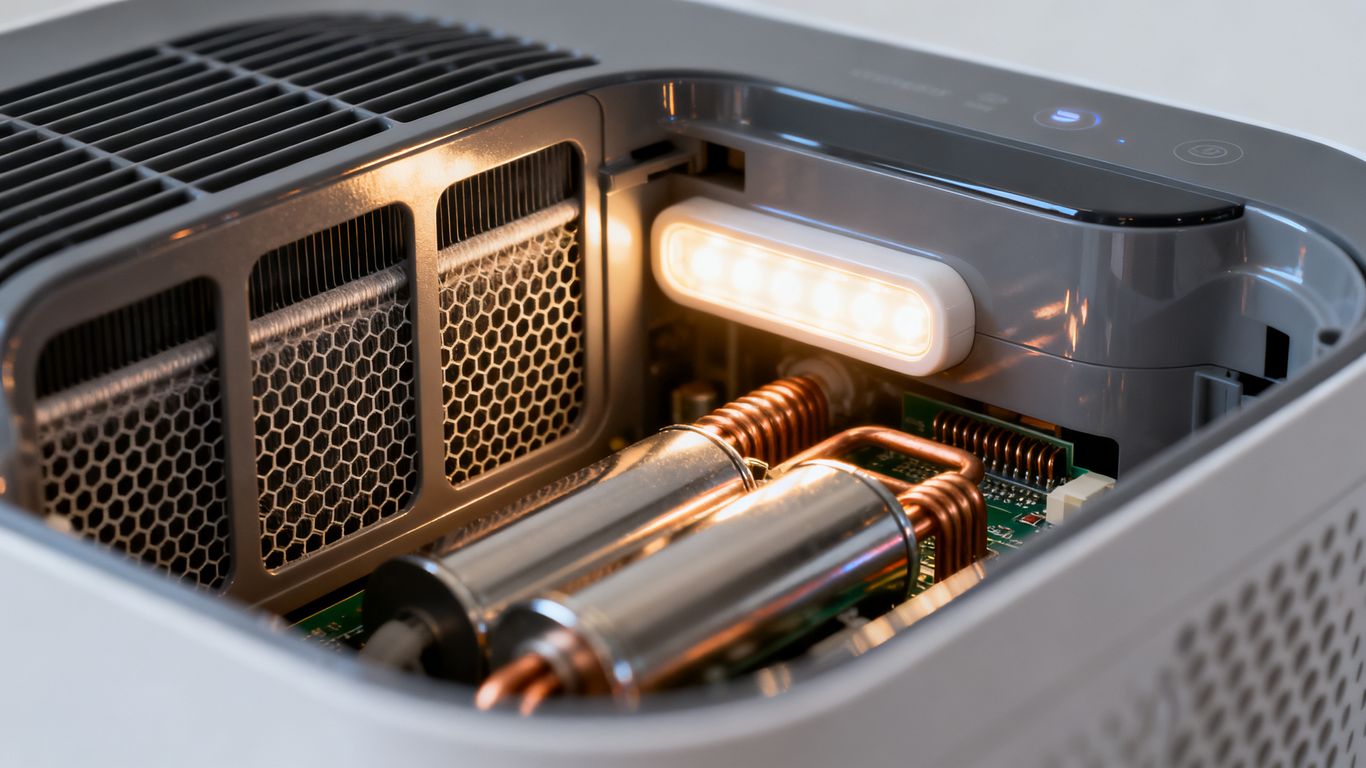
Daily extraction capacity for local climate conditions
Capacity should always be prioritized based on your square footage and the daily load in your specific region. The following table provides a general guide for choosing your unit size:
| Room Size | Recommended Daily Capacity | Typical Usage Case |
|---|---|---|
| Small Bedroom | 10L – 12L | Sleeping quarters |
| Common Living Area | 16L – 20L | Open plan spaces |
| Large Whole-house | 25L+ | Open plan flats |
Selecting a unit that matches your needs prevents overworking the compressor and keeps energy efficiency high.
Tank capacity and auto-drainage options
Most homeowners prefer machines that reduce the frequency of manual emptying. Look for units that offer continuous drainage hose attachments for set-and-forget operation, especially if you intend to run the device throughout the day.
Energy efficiency and power consumption ratings
In a market where air conditioning and dehumidification run for hours, power draw is a vital factor. Utilizing modern engineering in a compressor, such as those found in Aerofy products, ensures you get maximum moisture removal without excessive utility charges.
Smart sensors and humidity control settings
Intelligent sensors allow your device to act autonomously based on real-time environmental data. Choosing a model with a pre-programmed humidity target helps you maintain that sweet spot of forty to fifty percent relative humidity without constant monitoring.
Types of dehumidifiers suitable for Singaporean apartments
Space is a premium in many local residences, making the choice of form factor just as important as the extraction technology. Understanding how Aerofy bridges the gap between powerful utility and compact design is key to making an informed selection.
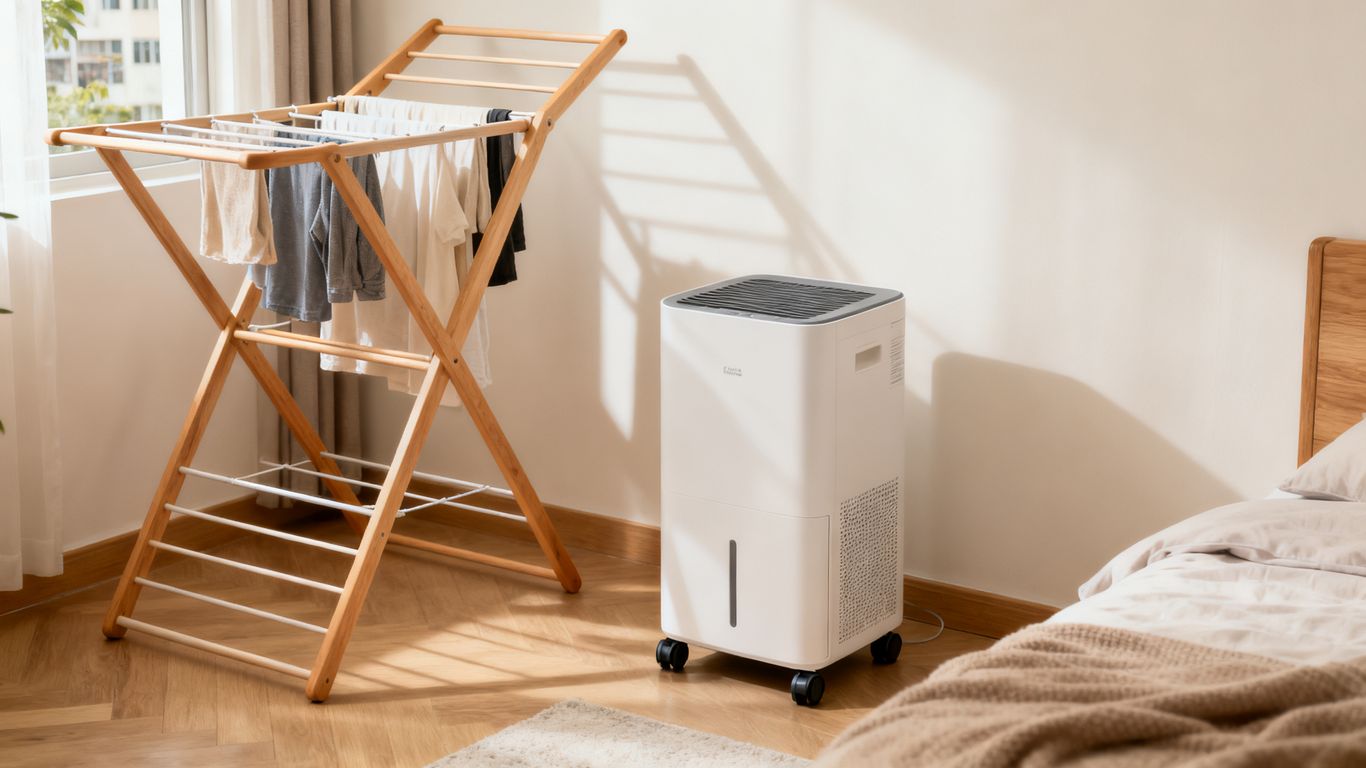
Compressor dehumidifiers for high-heat environments
Compressor units are the gold standard for Singapore due to their ability to efficiently condense water vapor in warmer indoor temperatures. They utilize refrigerant loops to cool surfaces and draw moisture, which is highly practical for typical residential humidity levels.
Desiccant dehumidifiers for smaller or cooler spaces
While occasionally used for specialized niches, these units are generally less suited for the high ambient temperatures of a standard Singaporean home. They are best reserved for unique, enclosed environments where sound reduction is the absolute priority over sheer capacity.
Hybrid models and their versatility
Hybrid systems provide extra value by integrating air purification with moisture removal. These combo units allow you to address both humidity and indoor pollutants like dust or chemical fumes in a single floor-friendly footprint.
Portable versus stationary unit considerations
Decide if you need to move the unit between rooms or if a single location will suffice for your apartment. If you need a flexible solution, ensure the device is equipped with sturdy, omnidirectional wheels to move the unit easily across tiles or hardwood floors.
Positioning and placement tips for maximum efficiency
Strategic placement dictates how effectively your unit manages the air in your home. You need to ensure the airflow remains uninterrupted, which allows the machine to cycle the air in the room thoroughly and reach your target moisture levels faster.
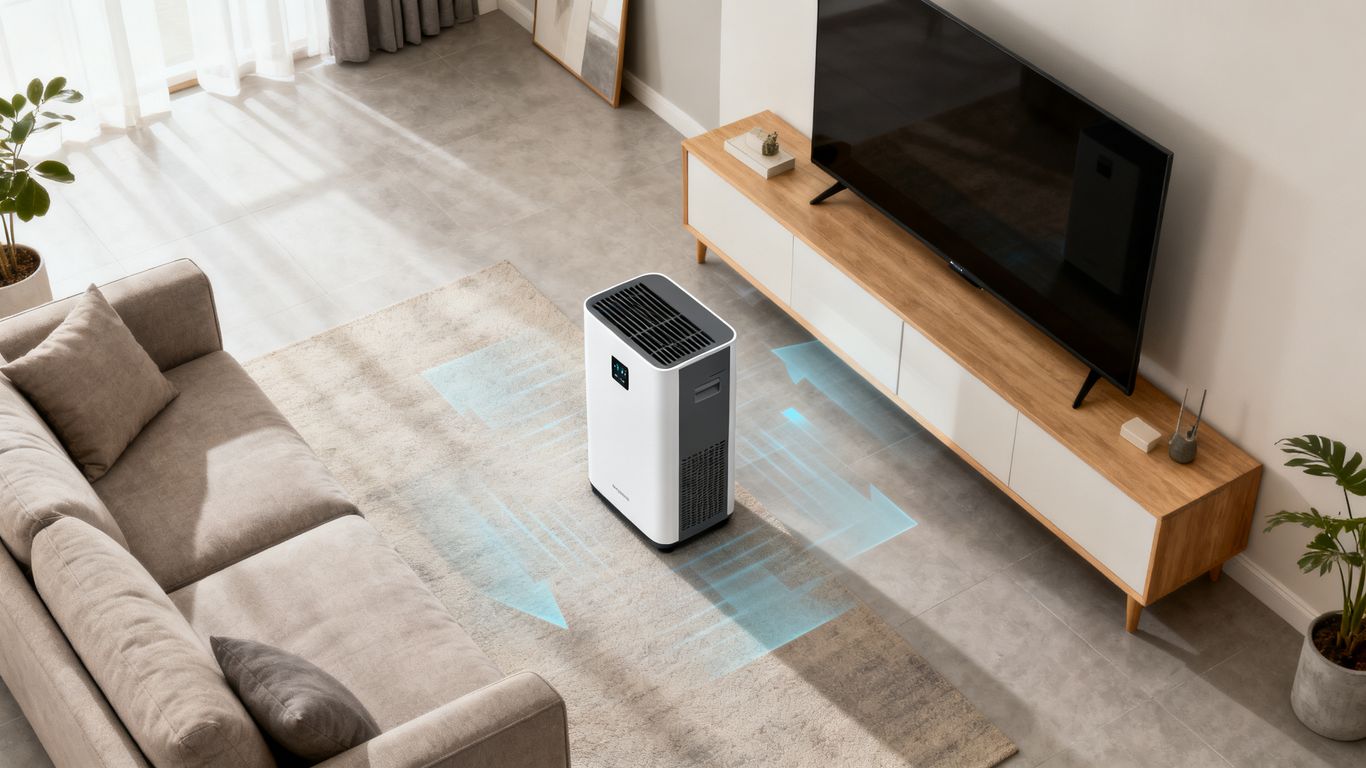
Optimal room placement for airflow circulation
Your unit should sit centrally in the room, away from walls or curtains that might block intake vents. Follow these placement priorities:
- Position the unit at least thirty centimeters away from walls.
- Ensure the air outlet is pointing into the open room, not towards a corner.
- Avoid placing the unit behind decorative furniture or plants.
- Keep the machine away from direct heat sources like direct sunlight.
Proper placement transforms the performance of your new dehumidifier by creating a clean cycle that reaches every corner.
Avoiding enclosed spaces and bathroom usage concerns
While bathrooms benefit from moisture removal after showering, avoid leaving machines in the direct path of water spray. If you use a unit in a bathroom, ensure it is set well away from wet zones to maintain safety and hardware condition.
Proximity to windows and doors
Keep doors and windows sealed when you want to achieve a specific low humidity level. If you leave a window open, the machine spends all its energy trying to dehumidify the great outdoors, which is an inefficient use of electricity.
Minimizing noise disruption in bedrooms
If you use a unit in your bedroom overnight, look for models with designated silent modes or lower fan speeds. A well-engineered compressor, when properly stabilized, should run with minimal vibration to ensure it doesn’t disturb your sleep.
Maintenance and care for long-term reliability
Consistent care is the best way to safeguard your investment and ensure it functions optimally for years. Developing a simple routine regarding water management and cleanliness will save you from complex troubleshooting later on.
Regular filter cleaning and replacement schedules
Dust and fine particles will eventually clog the air intake, reducing efficiency and strain on the main fan. A quick check of your filters every two weeks is a small price to pay for sustained clean air delivery and lower power usage.
Managing water tank buildup and internal mold
Water buckets should be washed with mild soap periodically to prevent slime or mold growth. Even if your machine uses an auto-drain hose, check the tank attachment occasionally to ensure there is no hidden debris blocking the drain path.
Testing float switches for automatic shut-offs
This simple sensor is your primary protection against water overflow. Once a month, verify that the unit shuts down automatically when you manually remove or fill the tank to clear the float switch assembly.
Year-round storage tips during drier seasonal shifts
If you plan to store the unit for an extended time, clean it thoroughly and let it dry completely before boxing it up. Storing a damp unit can lead to musty odors that linger when you try to start it again in the next cycle.
Routine maintenance cycles are not just about cleanliness; they are essential for protecting the compressor life and ensuring that the unit maintains its rated extraction performance over many years.
Conclusion
Investing in humidity management is a smart decision for anyone residing in a tropical climate looking to protect their home and personal comfort. When you choose the right capacity and maintain your unit effectively, you effectively reclaim control over your indoor environment, making it drier, cleaner, and much more comfortable for daily living. You can buy now if you want to experience the benefits of home air management immediately.
Frequently Asked Questions
What is the ideal humidity level for a home in Singapore?
The ideal relative humidity for indoor comfort and health is typically between forty and fifty percent, which helps limit dust mites and mold growth.
Can a dehumidifier replace an air conditioner?
No, they serve different purposes; a dehumidifier focuses on extracting moisture, whereas an air conditioner is designed primarily to reduce the actual ambient temperature of the room.
Does high humidity affect my energy bills?
Yes, high humidity makes the air feel warmer, often causing residents to turn down their air conditioning thermostats to compensate, which substantially increases electricity consumption.
Will a dehumidifier make my house dusty?
A dehumidifier itself does not create dust, but it pulls air through a filter which naturally collects airborne particles, so it is important to clean these filters to prevent dust buildup.
Is it safe to leave a dehumidifier running overnight?
Yes, most modern units are designed for long-term operation, but ensure you have an auto-shutoff mechanism when the tank is full or use a continuous drainage hose.
Does a dehumidifier help with laundry drying?
Absolutely, using a dehumidifier in a drying room or near your laundry rack significantly accelerates the evaporation process and prevents the persistent damp odor associated with slow-drying clothes.
How often should I empty the water collection tank?
This depends on the humidity levels and the unit’s capacity, though typically emptying it once daily or every other day is sufficient for most residential settings in Singapore.