Key Takeaways
Navigating the high humidity of Singaporean bathrooms requires a targeted approach to moisture control to protect health and home fixtures. Understanding the right technology and placement strategies is essential for effective, long-term humidity management.
- Identify the specific moisture challenges unique to confined, high-steam bathroom environments.
- Compare desiccant and compressor dehumidification technologies based on local ambient temperatures.
- Target units with appropriate dimensions and safety features like auto-shutoff for small bathrooms.
- Implement rigorous maintenance schedules, including filter cleaning, to ensure optimal device performance.
- Place your dehumidifier strategically to maximize air circulation while maintaining strictly safe distance from water sources.
The impact of humidity on Singaporean bathrooms
The relentless humidity in our tropical climate creates a constant moisture challenge that many homeowners underestimate, especially in internal bathrooms. Without proper management, these spaces quickly become breeding grounds for unwanted biological growth, which can lead to significant structural and aesthetic issues over time.
Health implications of mold and mildew growth
Excess moisture promotes the proliferation of spores that negatively alter indoor air quality. If you find yourself struggling with a bathroom dehumidifier singapore search, you are likely already noticing the correlation between damp air and recurring respiratory irritation or allergies. Spores often settle on damp surfaces behind tiles and inside hidden crevices, making them difficult to eradicate once they gain a foothold.
Impacts on home fixtures and bathroom accessories
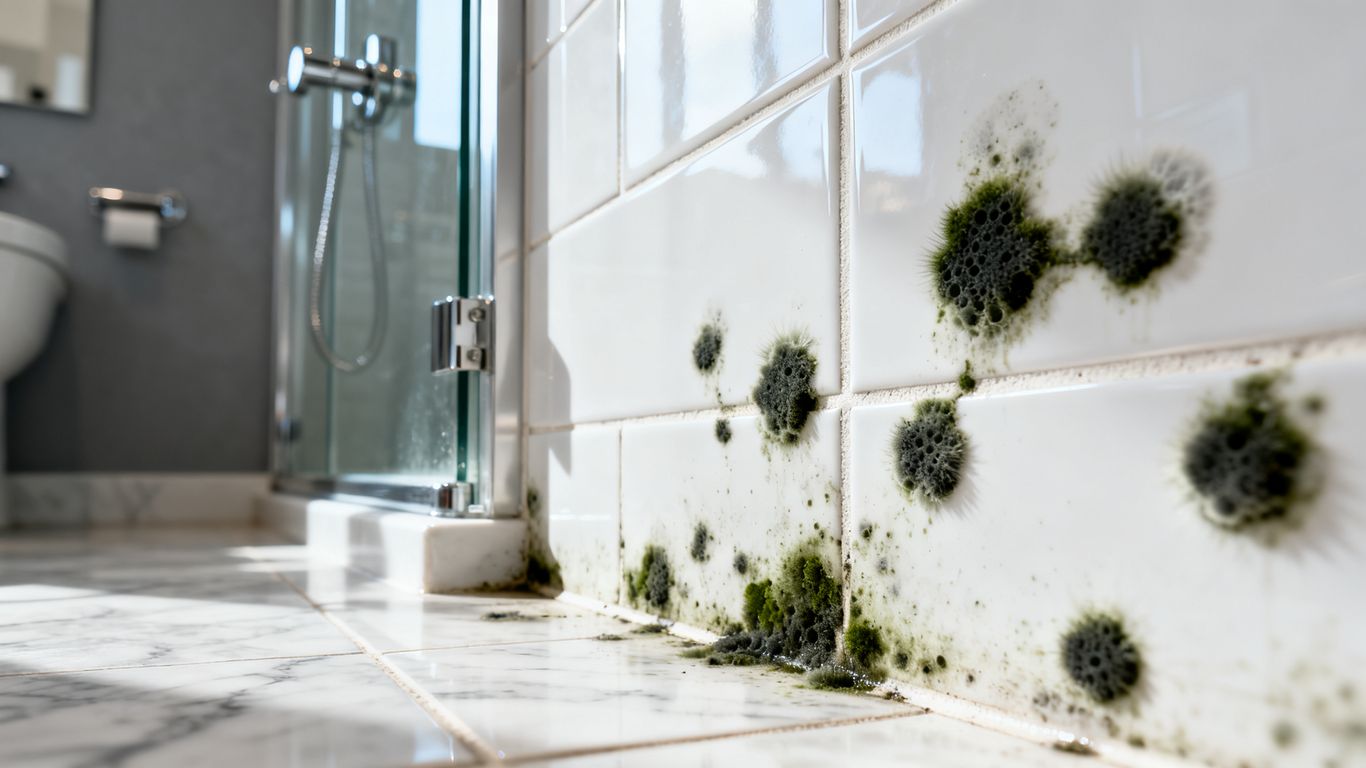
Condensation and high saturation levels can cause long-term damage to bathroom elements that are frequently overlooked. Metal tap fittings may begin to show early corrosion, while wood vanity cabinets can warp or swell under constant steam exposure. Protecting your investment requires maintaining balanced humidity levels, which saves you from the cost of frequent repairs or premature replacements.
Maintaining consistent air quality by reducing stagnant moisture proves more effective than scrubbing mildew away repeatedly. Prevention preserves the finish of your fixtures while ensuring the air remains fresh.
Why the tropical climate makes natural ventilation difficult
In many modern Singaporean apartments, bathrooms are strategically placed in the building’s core away from windows, rendering natural cross-ventilation nearly impossible. While exhaust fans remove steam during use, the post-shower ambient moisture often lingers because the incoming air is just as humid as the room being vented. Relying solely on exhaust fans often leaves the room damp for hours after the final shower of the day.
Types of dehumidifiers suitable for bathroom use
Choosing the right equipment for a damp, confined space involves more than just picking a unit with a pleasing design. Understanding the underlying technology ensures that your appliance functions efficiently despite the high ambient temperatures we experience year-round.
Desiccant versus compressor models for humid spaces
Compressor units are generally more energy-efficient in warmer climates, using a refrigerant-based cycle to condense humidity directly from the air. The Aerofy DualCore 20 utilizes an advanced rotary compressor paired with air purification, balancing moisture removal with effective air cleaning. These models are particularly well-suited for our tropical environment, whereas desiccant models are often better suited for low-temperature settings.
Benefits of portable versus wall-mounted systems
| System Type | Flexibility | Space Impact | Ideal For |
|---|---|---|---|
| Portable | High | Medium | Flexible corner placement |
| Wall-mounted | Low | Low | Limited vanity space |
| Hybrid units | Balanced | Minimal | Multifunction needs |
Selecting a portable unit allows you to move the device around to various high-moisture zones as needed, whereas a wall-mounted ceiling dehumidifiers system saves floor space at the cost of being permanent. For most HDB or condominium bathrooms, a compact portable dehumidifier provides the best balance of maneuverability and moisture collection capacity.
Balancing physical footprint with water tank capacity
There are a few key factors to weigh when matching a unit’s size to your bathroom floor area:
- Ensure the unit footprint does not obstruct the entry or usage of the vanity.
- Consider a capacity that handles the moisture load without needing daily refills.
- Look for slim-profile designs that slide into under-sink or corner gaps.
- Prioritize models that feature an external hose connection for continuous drainage.
Critical features to look for in an indoor humidity manager
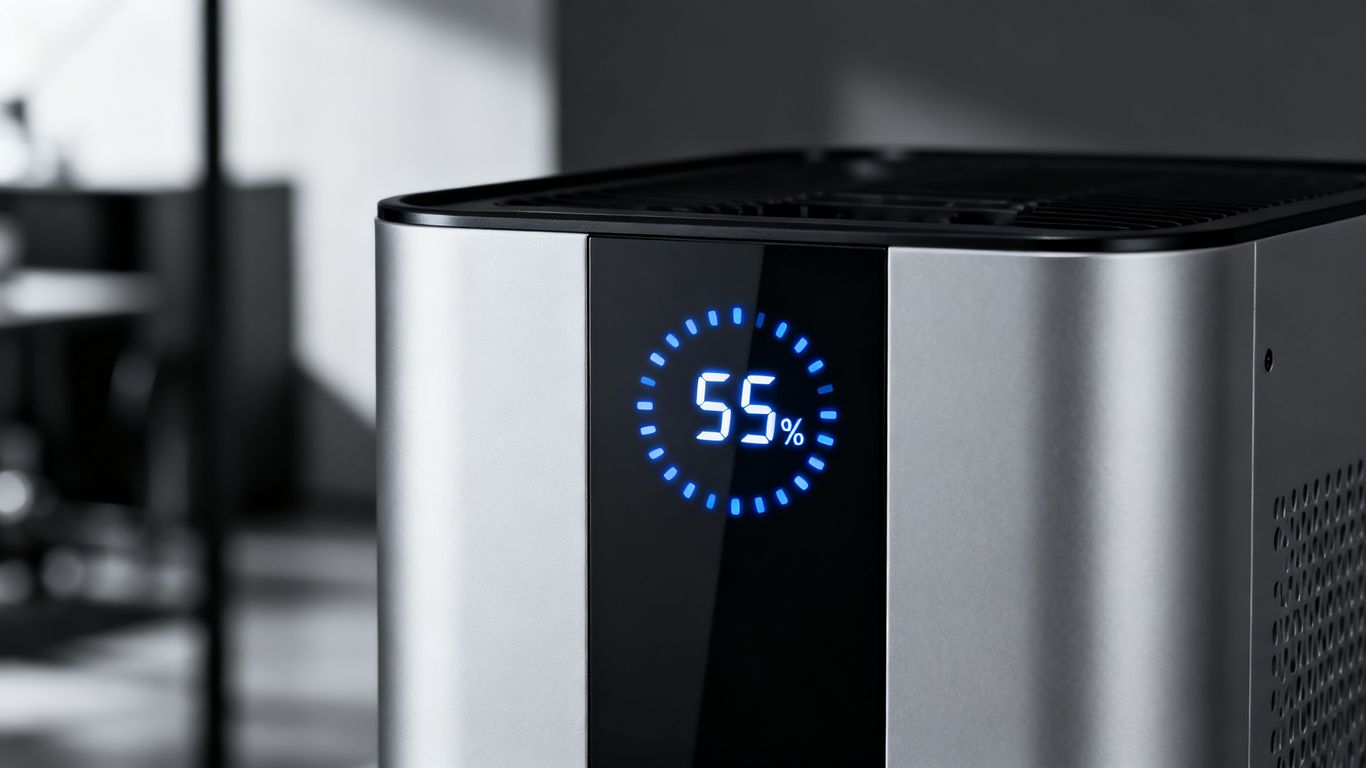
When evaluating a unit, functionality must align with the specific constraints of your home. A model that is "Designed in Singapore, Built for the tropics" offers a distinct advantage, as its engineering accounts for the specific high-humidity profiles we face annually.
Auto-shutoff capabilities for enhanced safety
Safety sensors are non-negotiable for any appliance kept in a high-moisture zone to prevent overflowing and potential electrical hazards. Modern units automatically stop the compressor once the internal tank reaches its full threshold, providing peace of mind during overnight use.
Continuous drainage options for low-maintenance operation
If your bathroom layout permits, using a drainage hose eliminates the need to manually empty the water tank periodically. This is particularly useful for homeowners who want to run a dehumidifier for bathroom in a set-and-forget manner to keep surfaces continuously dry.
Noise decibel levels for quiet environments
Bathroom acoustics can be quite harsh, potentially amplifying the vibrations of a machine. Opting for a device known for silent operation ensures that your home environment remains peaceful even when the appliance is active during early morning or late night sessions.
Desirable dimensions for narrow vanity areas
Choosing a unit that fits seamlessly alongside your existing fixtures prevents the bathroom from feeling cluttered. A compact design is vital, as it allows you to maintain optimal airflow in restricted zones without sacrificing necessary moisture-collecting performance.
Maintenance and care for high-humidity environments
Keeping your equipment in top condition requires regular effort, as the combination of steam and lint can quickly clog internal components. A well-maintained Aerofy device will continue to function reliably only if you follow key hygiene practices toprevent bacterial growth.
Cleaning the water tank to prevent bacterial buildup
Even if the tank is designed for moisture collection, stagnant water creates a breeding ground for bacteria or slime over time. Always rinse the bucket with soapy water twice a week to keep the system clean and odor-free.
Recommended frequency for air filter replacement
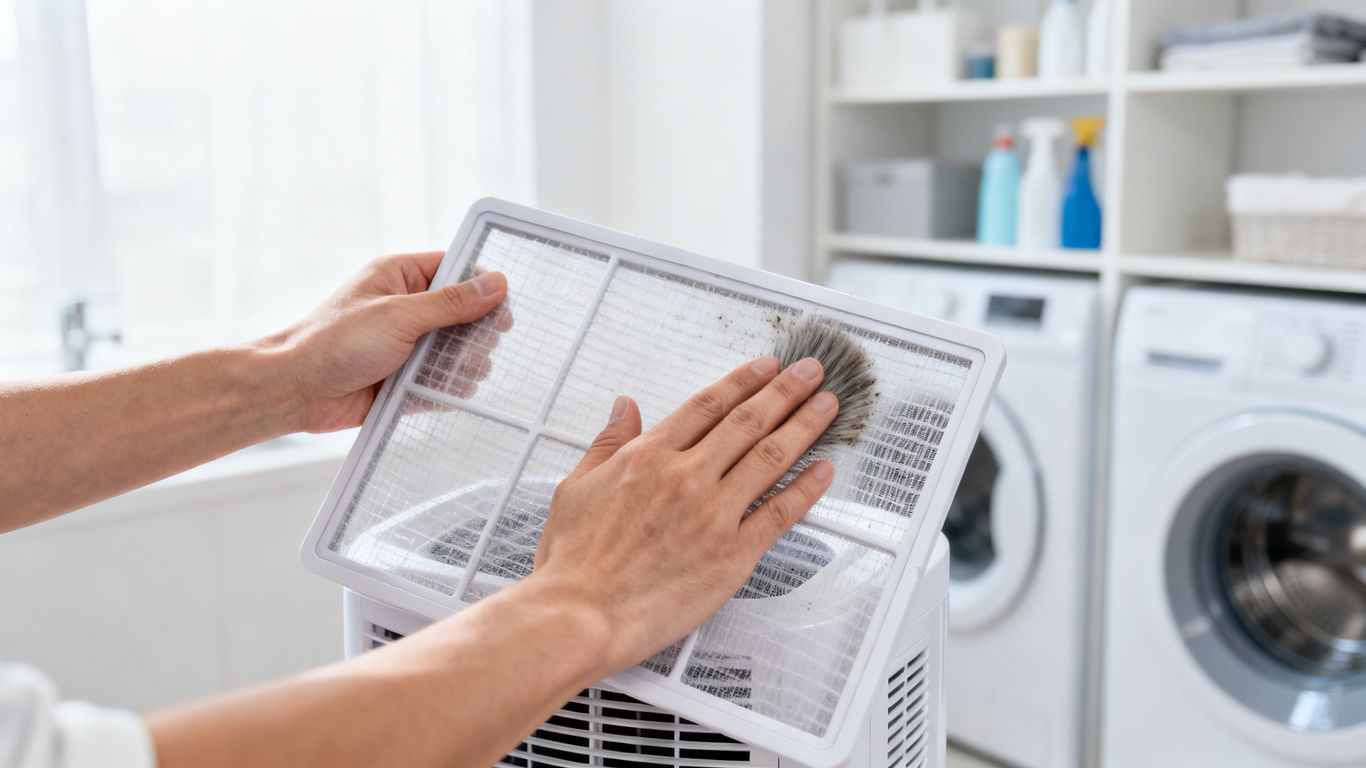
Because your unit circulates bathroom air through its internal HEPA filtration, the filters accumulate dust and debris faster than in a living room. Check the filter mesh monthly, and perform a deeper clean or replacement every three months to ensure that the air purified by the device flows freely through the system.
Troubleshooting coil frosting and cleaning cycles
Scenario Time: You notice your machine is blowing cool air but collecting very little water, and there is a strange white buildup on the rear internal grilles. This might mean the unit is running in a room that is too cold for its intended design or the filters are so blocked that the coils are struggling to cycle, which requires a quick filter clean and perhaps moving the unit to a slightly warmer, better-ventilated spot.
Strategic placement and optimal usage tips
Where you place your device is just as important as the model you choose, as placement dictates how the dry air interacts with your room’s unique moisture pockets.
Ideal positioning near high-moisture shower zones
Position your unit in a location where it can effectively draw in the humid steam generated by the shower while keeping the power cord and control panel clear of direct spray. Establishing a steady airflow pattern across your wet surfaces prevents deep-seated mold from forming on tiles and ceiling corners.
Coordinating usage with bathroom exhaust fans
Do not view your dehumidifier as a replacement for your exhaust fan but rather as a complementary tool that tackles the heavy moisture that the fan misses. While the fan vents steam during your immediate shower use, the dehumidifier manages the secondary humidity that usually settles on surfaces afterward.
Recommended daily operating schedules for Singapore’s climate
Following these schedules helps maximize appliance lifespan while keeping home humidity levels stable:
- Run the unit for 3 hours immediately following your morning routine peaks.
- Activate for 2 hours in the evening as the final person finishes showering.
- Use a smart plug or internal timer to automate these hourly windows daily.
Safety best practices for electrical appliances in wet areas
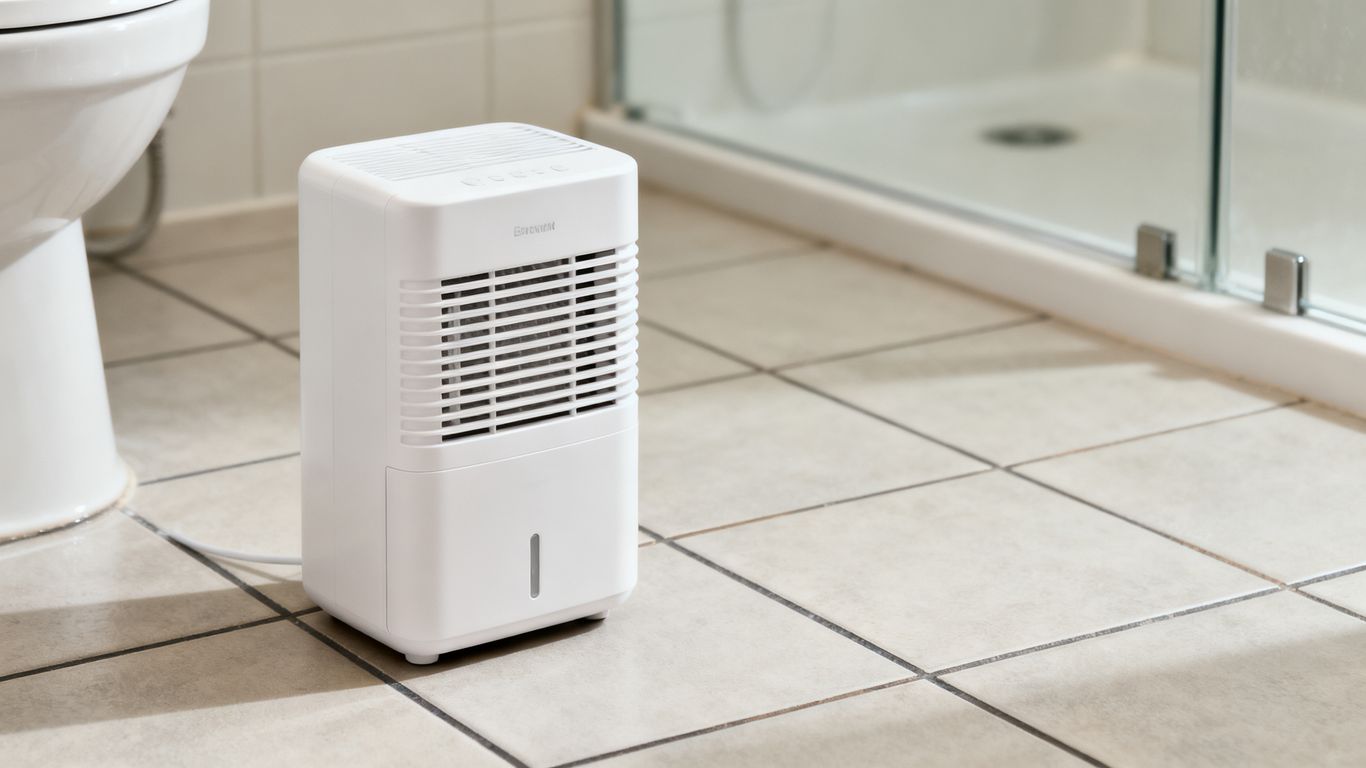
Electricity and water demand respect everywhere, but especially in rooms designed for cleaning and bathing. Ensuring that your portable dehumidifier meets international electrical standards is the primary rule for any setup.
Understanding IP ratings for bathroom electronics
Check the Ingress Protection (IP) rating before bringing any new device into the bathroom. A higher second digit indicates better resistance to water, which is a vital metric to consider if the machine will be stationed near a basin or splash zone.
Importance of proper power outlet placement
Never plug high-power dehumidifiers into extension boards that aren’t moisture-protected. Use wall-mounted power points that are situated well away from the vanity sink and shower enclosure to prevent any accidental water ingress.
Avoiding direct water spray zones and splash risks
Even if your unit is high-quality, ensure there is at least a 60cm gap to any potential splash area. This simple physical buffer keeps your electronic components dry and ensures the safety of everyone in the household while the unit is running.
Conclusion
Maintaining a dry, healthy bathroom environment in the tropics is a manageable goal when you combine the right selection of equipment with smart daily habits. By prioritizing proper ventilation, regular cleaning, and careful appliance placement, you create a space that remains fresh and protected. Invest in effective humidity management to safeguard not only your home’s structure but your personal comfort as well.
Frequently Asked Questions
How effective are portable units versus installed systems?
Portable units offer versatility for smaller Singaporean bathrooms that cannot fit dedicated ducts, while installed systems or central exhaust units are better for long-term large scale climate control.
Can a dehumidifier replace a bathroom fan completely?
A dehumidifier works best as a partner to a fan; the fan removes the bulk of high-temp steam, while your unit reduces the remaining residual humidity that would otherwise cause mold growth.
What is the ideal humidity range for a bathroom?
Keeping indoor relative humidity between 40% and 55% at all times helps prevent mold and mildew from settling, effectively protecting your walls and fixtures from long-term dampness.
Does high humidity affect the lifespan of bathroom appliances?
Constant moisture exposure leads to corrosion of metal hinges and taps, significantly shortening the useful life of your bathroom fixtures and vanity units.
Why does my bathroom smell musty even with frequent cleaning?
Often, the musty odor originates from damp spots behind tiles or inside ventilation shafts that only professional equipment like a specialized dehumidifier can resolve by drawing moisture from deep inside those cracks.
Will running a dehumidifier significantly increase my electricity bill?
Modern units are designed to be energy-efficient; by running them on specific schedules after showers rather than 24/7, you can easily minimize the energy draw while keeping your space perfectly dry.
How do I know if my bathroom is too humid?
If you see persistent water droplets on your mirror or walls more than 30 minutes after taking a shower, your environment is likely far too humid and requires proactive moisture control.