
Key Takeaways
Maintaining a balanced environment inside your closet is critical for protecting textiles from the harsh realities of a tropical climate. This article explains how to manage moisture effectively to keep your wardrobe fresh and your belongings in pristine condition.
- Mold and mildew flourish in dark, stagnant air spaces.
- Simple moisture absorbers are effective for compact or closed storage areas.
- Proper airflow significantly reduces the risk of long-term dampness damage.
- Regular inspection of your storage area helps catch humidity issues early.
- High-performance appliances offer superior control for larger or walk-in wardrobe configurations.
Why use a dehumidifier in a wardrobe
Maintaining a controlled environment inside your closet helps preserve the structural integrity of your clothes and accessories. High humidity levels in tropical regions often lead to trapped moisture that encourages harmful biological growth. By keeping the space consistently dry, you protect the investment you have made in your apparel collection.
Preventing mold and mildew growth in dark spaces
Darkness combined with high moisture creates the perfect environment for mold spores to propagate on fabrics. These colonies can quickly spread across garments, causing permanent staining and potential health risks. Using a solution like the Aerofy DualCore 20 ensures that your storage area remains inhospitable to these organisms by actively managing humidity levels.
Eliminating musty odors from stored seasonal clothing
Clothes that sit for long periods are prone to absorbing latent moisture and environmental smells, resulting in that unpleasant musty odor. This issue is particularly prevalent in homes where air circulation remains minimal inside storage bays. Removing excess water from the air keeps fabrics smelling fresh and avoids the need for constant re-washing.
Protecting luxury and delicate fabrics from damp-related damage
Natural fibers, including silk, wool, and linen, are highly sensitive to fluctuating humidity and can weaken over time. When stored in damp conditions, these delicate items become brittle or develop subtle discoloration that is often impossible to repair. Choosing the right humidity control strategy safeguards your wardrobe from long-term degradation, maintaining the softness and structural quality of fine materials.
Prolonging the lifespan of leather bags and shoes
Leather is a porous material that readily absorbs surrounding moisture, which can lead to rapid deterioration of glues and hides. A dry climate prevents the growth of fungi and helps maintain the suppleness of your footwear and accessories.
Moisture control in enclosed storage is not just about comfort; it is a vital step in maintaining the aesthetic and physical longevity of high-end garments and personal goods.
Types of wardrobe dehumidifiers available
Understanding the various tools available allows you to choose the most effective solution for your specific storage layout. Whether you need a low-impact solution for a small shelf or a more robust system for a large walk-in, matching the device to your space is essential for success.
| Type | Best For | Maintenance |
|---|---|---|
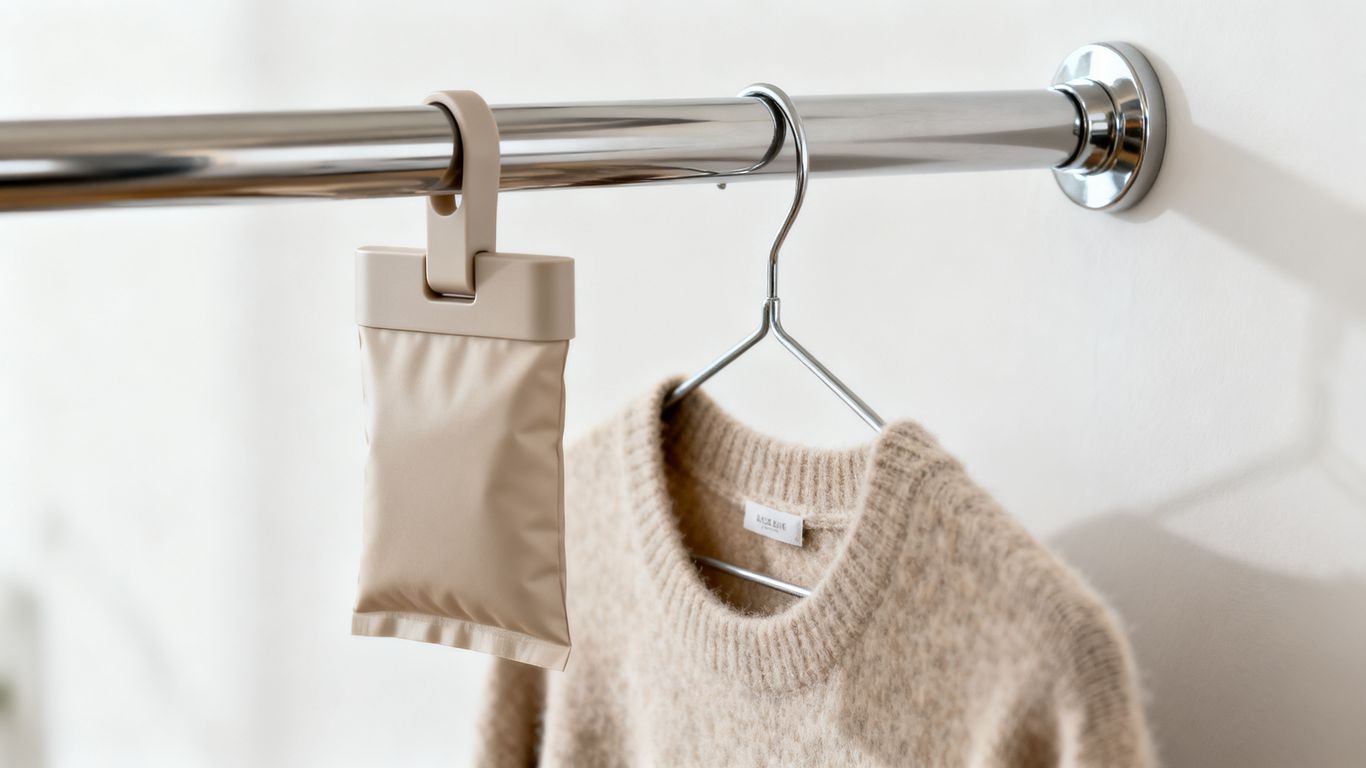
| Hanging Bags | Small, enclosed cupboards | Replace monthly |
| Silica Canisters | Drawers and small boxes | Monthly recharging |
| Electric Units | Walk-in closets | Tank emptying |
Disposable hanging moisture absorber bags
These passive disposable dehumidifiers are convenient for small, tight spaces where no power outlet exists. They typically utilize calcium chloride beads to trap water, which drips into a collection reservoir over several weeks. While they provide excellent localized protection, they require regular replacement once the crystals fully dissolve into brine.
Rechargeable silica gel canisters
For those who prefer a reusable option, silica gel canisters offer an effective way to manage spot humidity. Once the indicator changes color to signal saturation, the unit only needs a brief heating cycle to function again. This makes them a cost-effective, long-term choice for small storage drawers or accessory boxes.
Electric mini dehumidifiers for small closets
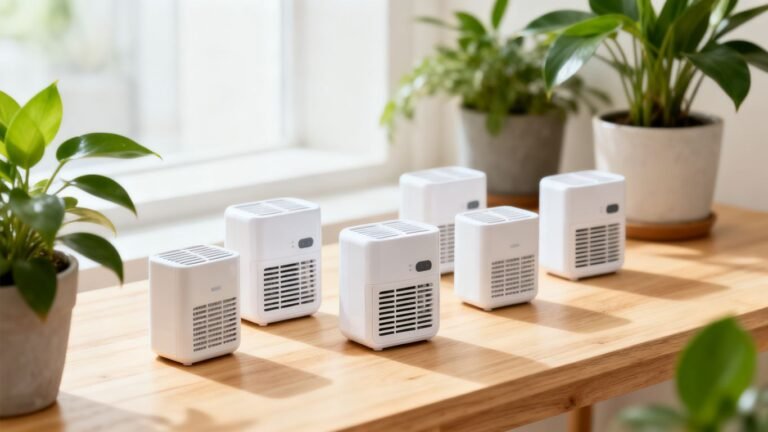
Electric units utilize advanced technology to draw water from the air more aggressively than passive desiccants. These devices are ideal for those who need a constant, reliable solution in a walk-in wardrobe or larger closet. When choosing a model, verify the unit’s capacity and noise levels to ensure it integration does not disrupt your living space.
Natural alternatives like charcoal or cedarwood chips
Natural materials provide a supplemental way to manage light moisture and impart a pleasant scent to your clothing. Cedarwood, in particular, is valued for its ability to deter pests while gently absorbing excess humidity in small racks. While not as powerful as chemical desiccants, they remain a popular choice for maintaining a light, fresh atmosphere.
How to set up your wardrobe for moisture control
Setting up your space effectively requires more than just placing a device inside, as proper arrangement dictates the overall success of your moisture management. Often, residents struggle with high electricity costs or inefficient charging systems when looking into EV charging and home maintenance, but focusing on small habits like wardrobe layout can yield immediate results for your home air quality.

Optimizing airflow to prevent stagnant air pockets
Good circulation is the primary defense against localized humidity buildup inside your closet. Stagnant air allows moisture to settle, which promotes mold growth even if a dryer unit is present nearby. To keep air moving, consider the following layout tips:
- Leave at least a two-inch gap between your clothing rack and the back wall.
- Avoid over-stuffing individual shelf compartments to allow air to flow.
- Keep the base of the closet clear of heavy obstruction.
- Open cabinet doors periodically to allow fresh air to flush the internal space.
Strategic placement of units for maximum absorption
Positioning your dehumidifier in the most humid area—typically lower shelves or near external walls—improves the overall extraction rate. If you are using a compact unit, keep it away from vents or heat sources that might confuse the internal sensors. Proper placement ensures the machine processes the dampest air before it circulates throughout the entire wardrobe.
Managing hanger density to improve internal circulation
Overcrowding your rack significantly reduces the ability of dry air to travel between your garments. If you notice items feel cold or damp to the touch, you are likely pushing the limit of your closet’s capacity. Spacing out your clothes evenly is a simple, effective method to prevent moisture from becoming trapped in the fabric folds.
Determining when a full-size unit is necessary
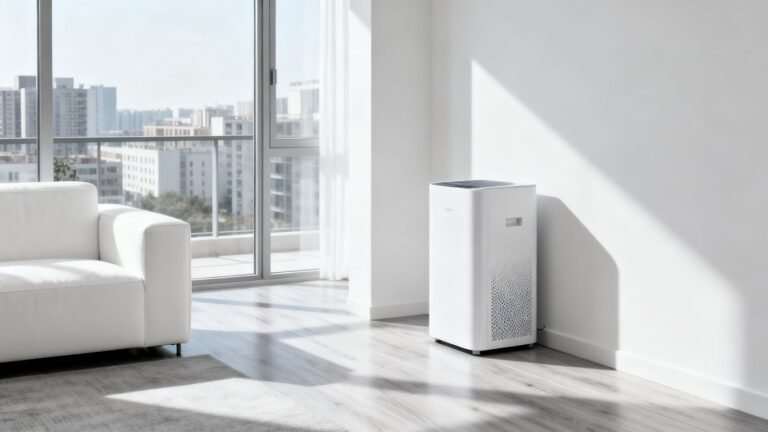
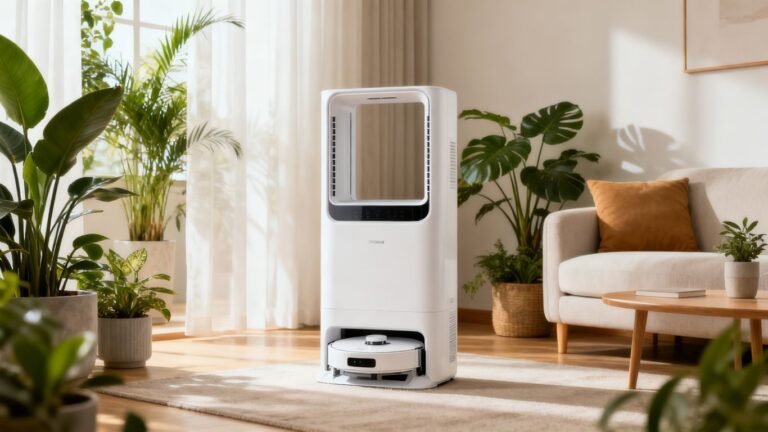
If you find that small hanging products require replacement every week, your humidity levels are likely exceeding the design capabilities of passive solutions. Moving to an industrial-strength solution or an advanced Aerofy DualCore 20 system provides the necessary capacity to handle chronic moisture in large or open areas without requiring daily maintenance.
Signs your wardrobe has a high humidity problem
Early detection of moisture issues can save you from replacing your favorite clothes or expensive storage furniture. Keeping a close eye on the physical condition of your closet helps you act before damage becomes irreversible.
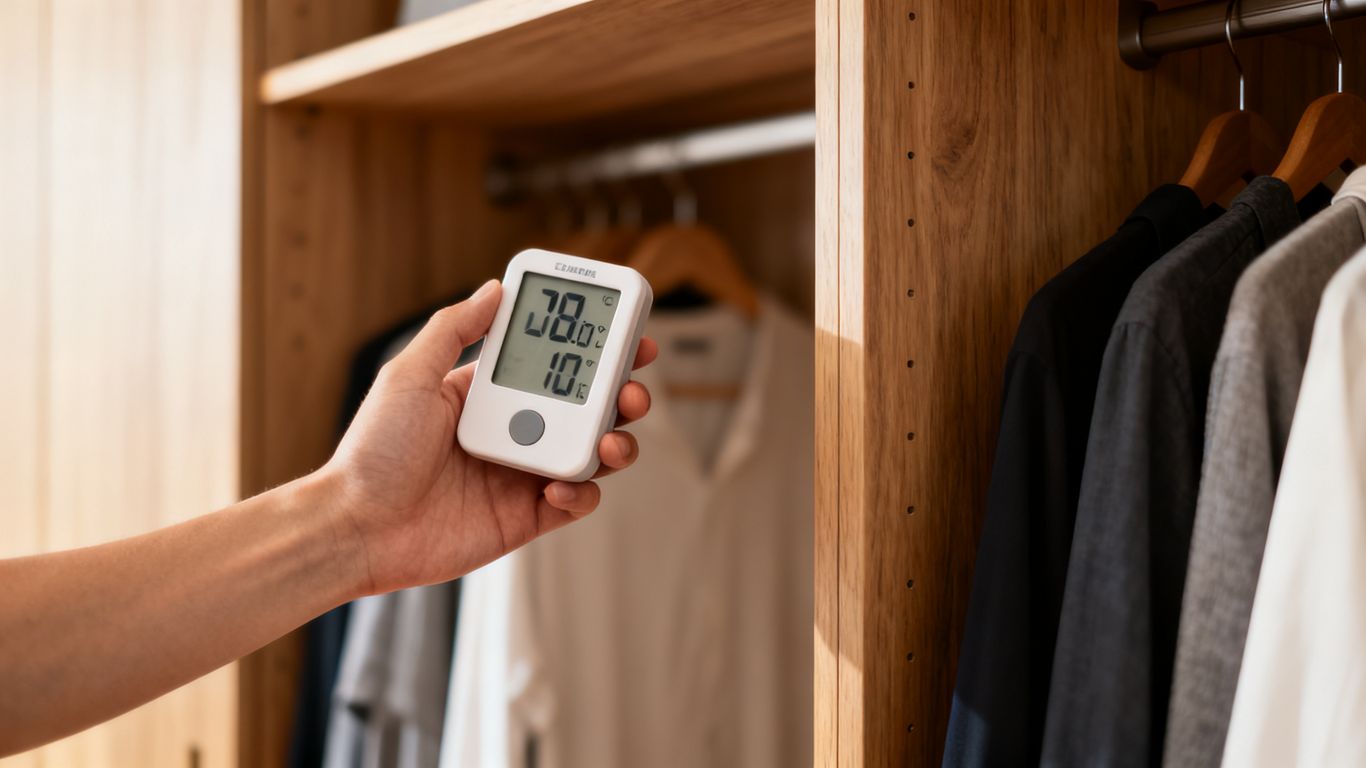
Spotting visible mold or mildew on fabric surfaces
Tiny patches of fuzzy white or dark growth are the most common indicator of a moisture problem. These spots often appear on clothes near the back of the closet, where humidity is higher and airflow is limited. Inspecting your clothes regularly, especially after periods of high rain, allows you to address the source of the dampness immediately.
Detecting persistent musty or damp smells
If you notice an earthy or stale odor when opening your closet doors, it is a definitive sign that stagnant moisture is trapped inside. This smell often clings to clothing and is difficult to remove without thorough washing and a complete drying of the storage area. Relying on Aerofy DualCore 20 moisture management can eliminate this source-level issue before it impacts your apparel.
Identifying water staining on closet backings or walls
Discoloration or warping of the wooden walls in your wardrobe suggests water is condensing behind your units or seeping in from exterior walls. This type of damage can result in long-term structural issues if the root cause, such as high internal humidity or inadequate ventilation, is not addressed.
Noticing texture changes in leathers and glues
Excessive moisture causes adhesives in shoes and bags to degrade, leading to peeling soles or separation in seams. Leathers might also darken or lose their natural flexibility under consistent high-humidity conditions. Catching these signs promptly helps you avoid the costs of replacement or professional repair for your luxury goods.
Maintenance and safety for moisture absorbers
Taking care of your chosen equipment is vital for ensuring it stays effective and keeps your home safe from accidental leaks or fires. Regular maintenance schedules prevent the devices from becoming a source of mess rather than a tool for protection.
Monitoring water collection levels in disposable bags
Check your hanging bags once a week to track how quickly they are accumulating fluid. If the bag reaches the fill line faster than expected, you may need a second unit or a more powerful system. Never attempt to reuse a bag once it has reached its capacity, as the collected brine can be corrosive if it leaks.
Following recharge schedules for silica gel canisters
Silica gel works because it is porous, but it loses efficacy as those pores fill with moisture. Monitor the color change indicator on your canisters and place them in your recharging unit or oven exactly as directed by the manufacturer. Adhering to these instructions extends the cycle life of your beads and keeps them working at peak efficiency.
Ensuring electric models meet fire safety standards
When choosing an electric unit, ensure the device is designed for unattended operation. Regularly inspect the cord and housing for any signs of heat damage or electrical shorting, particularly in dusty closet environments. Keep your unit on a flat surface and clean the intake screens frequently to prevent overheating.
Proper disposal of saturated chemical desiccants
Many disposable moisture packs contain chemicals that should not be flushed down a drain. Always check the packaging instructions to see if the trapped liquid is safe to dump or if the entire unit should be discarded in your household trash. Handling these saturated bags with care prevents you from accidentally spilling chemical-laden water onto your carpets or floors.
Conclusion
Creating an environment that protects your clothing requires a proactive approach to humidity and airflow throughout your home. By choosing the right tools, from simple desiccant options to advanced electric systems like those from Aerofy, you can ensure your wardrobe remains a clean, dry, and safe sanctuary for your favorite fabrics for years to come.
Frequently Asked Questions
How often should I check my closet humidity?
It is wise to perform a quick visual inspection weekly, especially during rainy seasons, to ensure no signs of dampness are appearing and your moisture absorbers are functioning correctly.
Can a dehumidifier replace regular cleaning?
A dehumidifier is not a cleaning tool; it removes moisture to prevent damage, but it does not remove existing debris or dust from clothes, so regular garment care remains necessary.
Is it safe to leave an electric dehumidifier running all day?
Most modern residential dehumidifiers are designed to run safely for long periods, provided the device is properly maintained, placed in a well-ventilated area, and monitored for overheating or tank overflows.
What is the ideal humidity level for clothes storage?
To effectively prevent mold and mildew growth, try to maintain a relative humidity level between 40% and 50% within your closet space.
Do hanging dehumidifiers work in walk-in closets?
While hanging bags are easy to install, they are generally too weak to handle the volume of a full walk-in closet and are better suited for individual rack sections or smaller cupboard spaces.
Will a dehumidifier fix a leak in my wall?
A dehumidifier will reduce local humidity but will not repair a structural wall leak, which requires home repair intervention to stop the moisture source completely.
How do I know when the silica gel needs to be recharged?
Most silica gel canisters feature a built-in color-changing indicator, typically shifting from blue or orange to pink or white, signaling that the unit is saturated and ready for a reset cycle.