
Key Takeaways
Optimizing indoor climate control requires smart architectural planning when floor space is limited. These systems offer permanent, unobtrusive moisture management for homes and businesses.
- Ceiling-mounted systems eliminate floor clutter and trip hazards.
- Integrated condensate pumps ensure continuous operation without manual tank draining.
- Professional installation is critical for structural safety and electrical reliability.
- Regular maintenance of filters and sensors is essential for sustained air quality.
- Choosing the right moisture removal capacity is the foundation of energy-efficient performance.
Advantages of using a ceiling mounted dehumidifier
Installing a climate control system overhead is a highly effective way to manage humidity in tight environments. By shifting the equipment away from living areas, homeowners gain valuable square footage and a cleaner visual profile.
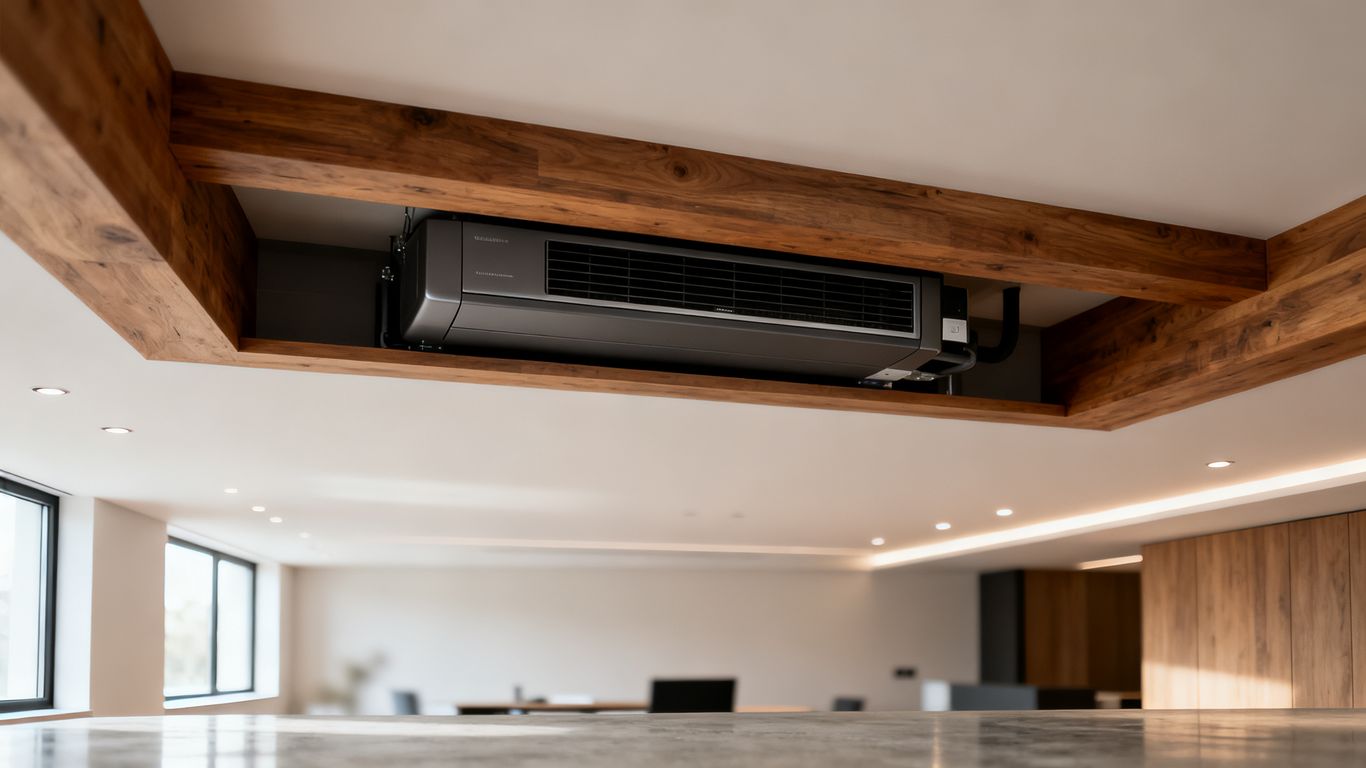
Space-saving design for commercial and residential use
Utilizing ceiling dehumidifiers for Singapore homes or offices allows you to keep your floor footprint entirely clear. This is particularly vital in apartments where every square meter counts, as it moves the heavy-duty machinery into otherwise wasted plenum space.
Avoiding floor obstructions and trip hazards
Floor-standing units often become obstacles in high-traffic corridors or storage rooms. By mounting the device, you remove tangled power cords and drainage hoses, creating a safer, more efficient space that remains functional for other uses.
Enhanced air circulation within tight ceiling cavities
These systems are expertly positioned to intercept humid air as it rises toward the ceiling, which prevents the stagnation typical of warm, damp environments. You can rely on professional solutions like fresh air ceiling-mounted dehumidifiers to ensure consistent air exchange that reaches every corner of the room.
Discreet integration into modern interior aesthetics
Many modern designs prioritize clean lines, making bulky floor appliances undesirable. By housing the system in a drop ceiling or cove, it becomes virtually invisible, providing high-performance climate control without compromising your property’s visual appeal.
Essential features to look for in a unit
Choosing the right equipment depends heavily on the specific environmental demands of your facility. Because humidity levels vary, you must verify the technical specifications to ensure the unit aligns with your local climate, much like selecting a robust industrial dehumidifier for a larger workspace.
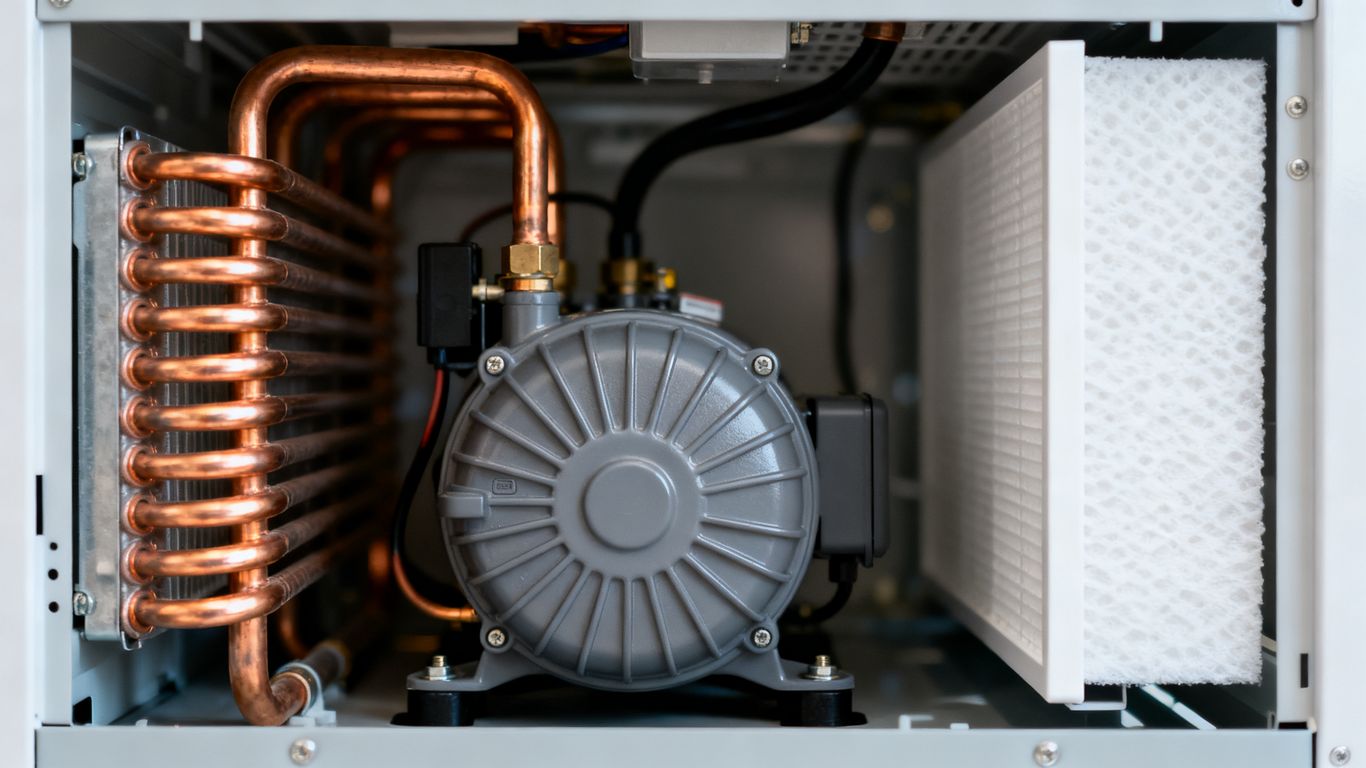
Moisture removal capacity per day
Capacity must be matched to the literal volume of your room and the baseline humidity levels. An undersized unit will run constantly without effectively reducing moisture, which drives up energy costs and puts unnecessary stress on internal components.
Energy efficiency ratings and power consumption
Look for systems that prioritize high pint-per-kilowatt-hour efficiency. If you are comparing various models, keep this comparison table in mind to gauge how different power draw levels impact your climate control strategy and long-term utility costs.
| Model Class | Power (W) | Avg. Sound (dBA) | Capacity (L/Day) |
|---|---|---|---|
| Compact | 250 | 42 | 45 |
| Standard | 450 | 48 | 65 |
| Heavy Duty | 750 | 52 | 90 |
Integrated condensate pumps versus gravity drainage
Gravity drainage is the most reliable method but requires precise angling of the pipes. In contrast, an integrated condensate pump is often required if your ceiling cavity lacks the height to maintain a consistent downward slope to a drain.
Noise level considerations for occupied rooms
Operating volume is critical for bedrooms or quiet office spaces. A quiet unit often features a sturdy metal frame to reduce vibrations, ensuring the compressor does not disrupt daily work or sleep routines within the living environment.
Considerations for ideal placement
Placement is the most common factor where errors occur, leading to poor performance or mold growth. Before committing to a location, assess the structural integrity of your ceiling joists, as these units can be deceptively heavy.
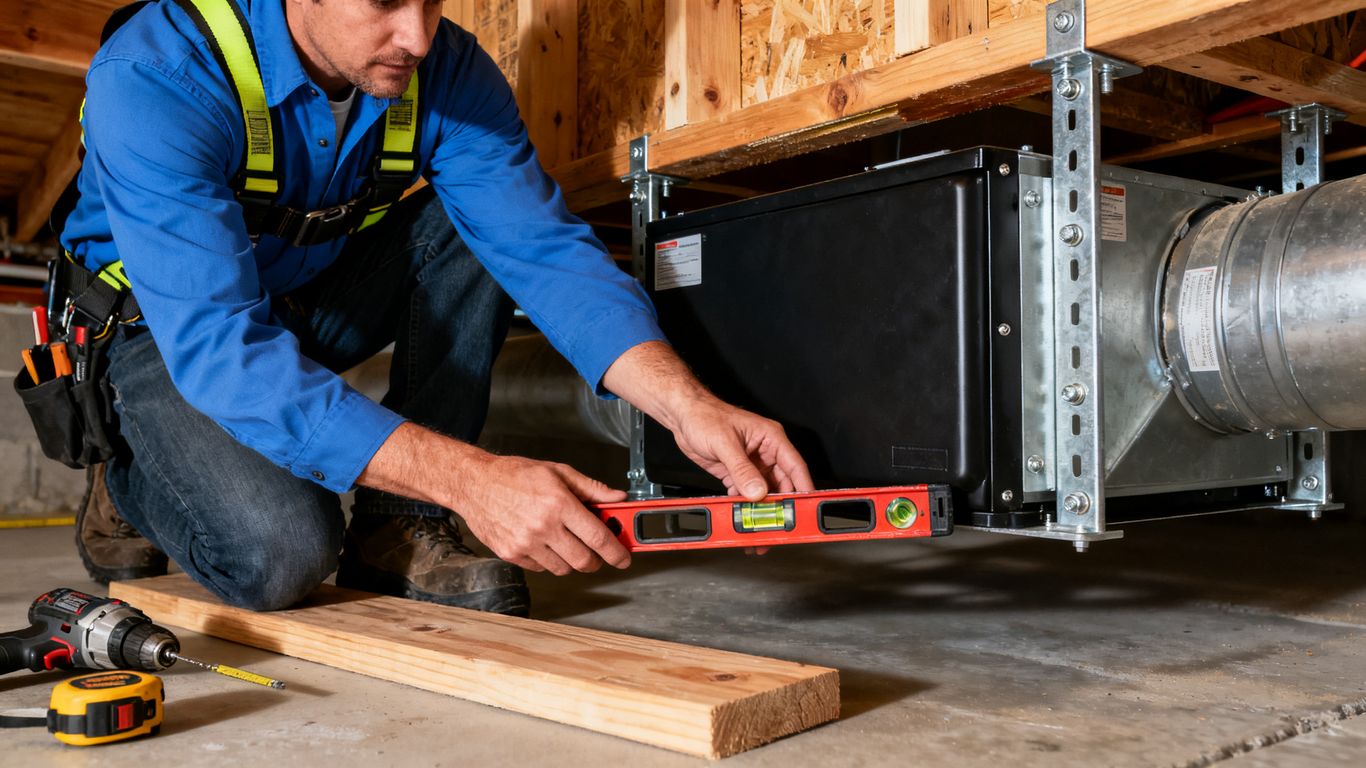
Assessing drop ceiling and attic clearance
Verify that there is enough physical room for both the unit dimensions and the necessary service access. Even if a model like the Santa Fe Ultra MD33 appears compact, leaving too little clearance can restrict airflow and hinder serviceability.
Structural reinforcement requirements for heavy units
Most ceiling-mounted systems require additional bracing or vibration dampening to prevent ceiling damage. Neglecting this step can cause drywall cracking or noise transfer throughout the structure over time.
Proximity to existing ductwork and air returns
Ideally, the unit should draw in moist air while exhausting dry, conditioned air back into the room. If the supply and return vents are too close together, the system will effectively short-circuit, recycling the same dry air without treating the rest of the room.
Access requirements for routine servicing and inspections
Ensure that a maintenance panel or hatch is located directly beneath the unit. Without easy access, you will struggle to clean the filters or inspect the drain lines, significantly shortening the lifespan of your appliance.
Steps for successful installation
Installation requires a methodical approach, ensuring that every electrical connection and drain path is secure. Much like calculating the logistical investment for an EV charging station, professional oversight is recommended for the initial setup to ensure long-term stability.
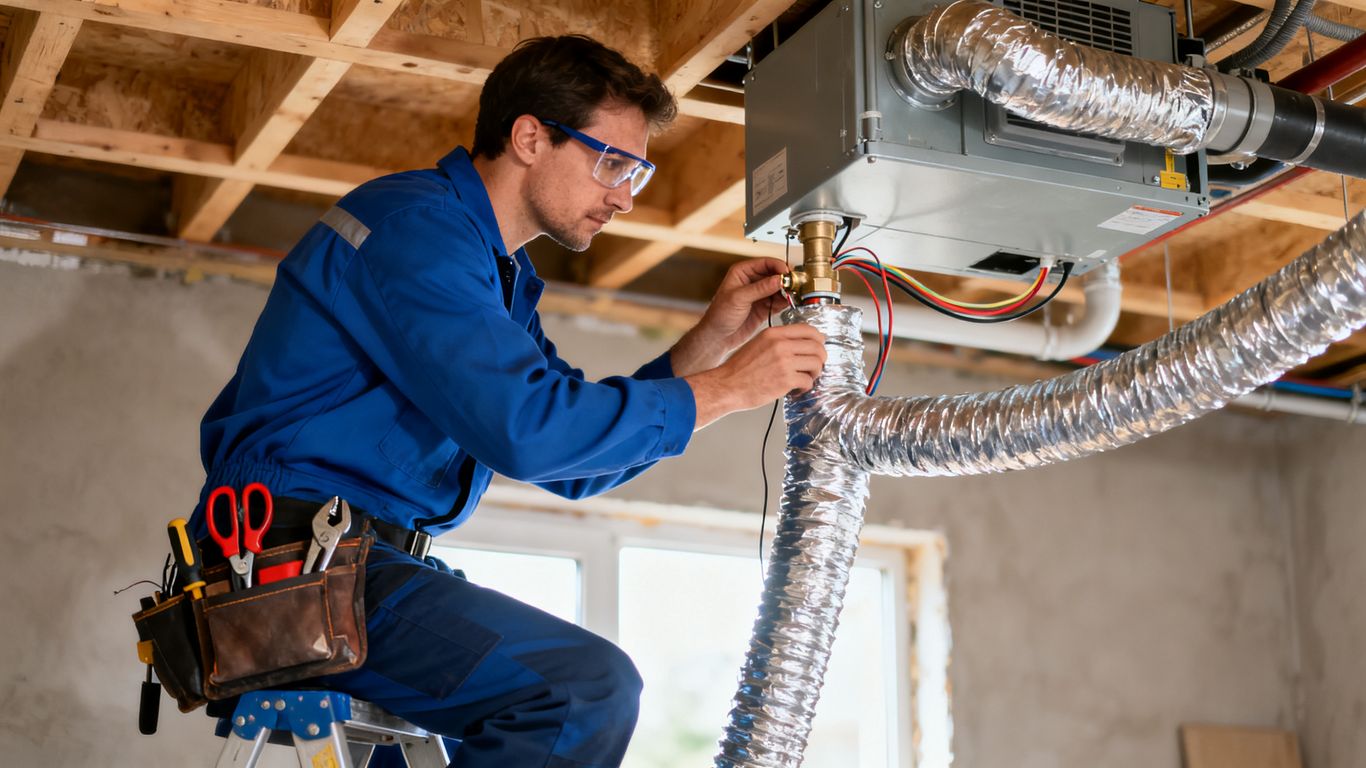
Selecting appropriate mounting hardware and vibration dampening
Using industry-approved brackets and rubber isolators is the best way to ensure silent operation. This setup prevents mechanical noise from echoing through the ceiling structure, providing a smooth and silent operation for everyone in the room.
Connecting the unit to custom external ducting
Custom ducting allows you to target specific areas, such as damp closets or remote corners, with drier air. Properly insulating these ducts is vital to prevent condensation from forming on the outside of the pipes within cold, humid plenum spaces.
Hardwiring the electrical system for safety and reliability
Hardwired connections are safer for permanent installations than plug-in configurations, especially in high-moisture environments. Ensure that local electrical codes are followed strictly during this phase.
Properly routing the drain line to prevent system backflow
Follow these requirements to maintain a clear drainage path:
- Maintain a minimum 1cm drop for every meter of pipe length.
- Use a P-trap to prevent sewer gases from entering the unit.
- Verify the seal at the junction with the main drain house.
- Route lines away from electrical panels to avoid leak risks.
After setting up the drainage correctly, you can rest assured that the system will manage moisture without constant supervision.
💡 Real-World Scenario
A homeowner in a humid tropical city discovers musty odors in their newly renovated home office. The culprit is poor airflow behind the desk, where moisture collects against the corner wall. By installing a ceiling-mounted unit and ducted extraction, they can effectively pull stagnant air from the office and keep humidity at 50%, effectively eliminating the smell without taking up an inch of floor space.
Maintenance routines for sustained performance
Consistency is the secret to performance. Even if you choose a top-tier Aerofy product for your needs, failing to maintain the equipment will lead to a drop in efficiency over time.
Cleaning and replacing air filters on a schedule
Air filters trap dust and spores before they reach the refrigerant coils. Failing to replace these filters routinely forces the motor to work harder, eventually leading to overheating or performance degradation.
Testing pump operation and clearing water lines
Dust and microbial growth can accumulate in the condensate pan and drain tubes over time. Periodically flushing these lines with a mild solution prevents blockages that can lead to internal flooding within the ceiling.
Inspecting for moisture or mold growth in supply vents
Even with a dehumidifier, damp spots can sometimes persist in ducts if air isn’t moving at the intended velocity. A visual check of the vents during filter changes confirms that the air path is clean and free of organic buildup.
Monitoring ambient humidity sensor accuracy
Sensors can drift over long periods, leading to inaccurate readings that force the unit to work longer than necessary. Calibrating or confirming these sensors against a known hygrometer is a quick check to save energy.
Conclusion
A ceiling-mounted dehumidifier offers a superior, out-of-sight solution for maintaining a dry, comfortable indoor environment, particularly in humid climates that demand constant, reliable moisture control. You can Buy Now to take the first step toward a healthier home.
Frequently Asked Questions
Is it possible to install a ceiling unit in an existing home?
Yes, provided you have adequate space in the ceiling plenum to accommodate the unit and access to both power and a drain line.
Do these units require professional help for installation?
Because they involve electrical hardwiring and potential modifications to ceiling structures, professional installation is strongly recommended for safety.
How often should the air filters be inspected?
Depending on the local air quality and humidity, filters should be inspected at least once every three months, with replacements or cleaning performed as needed.
Can a ceiling unit operate continuously?
Most modern units are designed for continuous operation, utilizing automatic humidity sensors to cycle on and off based on the moisture levels in the room.
Is the noise level acceptable for a bedroom?
When correctly mounted with vibration-dampening hardware, these units operate quietly enough to be used in bedrooms, though unit placement remains a key factor in comfort.
How does it drain the water away?
They typically use either gravity drainage, which requires a downward sloped pipe, or an integrated condensate pump that forces water up to a drain point.
Do these units filter the air as well?
While their primary focus is moisture removal, most ceiling models include air filters to protect the internal components, some of which provide high levels of air cleaning performance.