Key Takeaways
- Humidifiers add moisture to counteract dry air, while dehumidifiers extract excess humidity to prevent mold.
- Ideal indoor relative humidity ranges between 30% and 50% for optimal health and comfort.
- Dry air often contributes to skin irritation and respiratory discomfort, especially during winter heating months.
- Excessive moisture levels frequently result in condensation, musty odors, and the rapid growth of mold.
- Choosing the correct device depends on measuring your specific climate and matching the unit’s capacity precisely.
Understanding the core differences
Determining whether you need a humidifier or dehumidifier depends entirely on the specific moisture profile of your living space. These devices function on opposite ends of the atmospheric spectrum, designed to restore balance to your home when natural conditions become uncomfortable. Balancing your environment is essential for protecting wood furniture and respiratory wellness alike.
What a humidifier does for indoor air
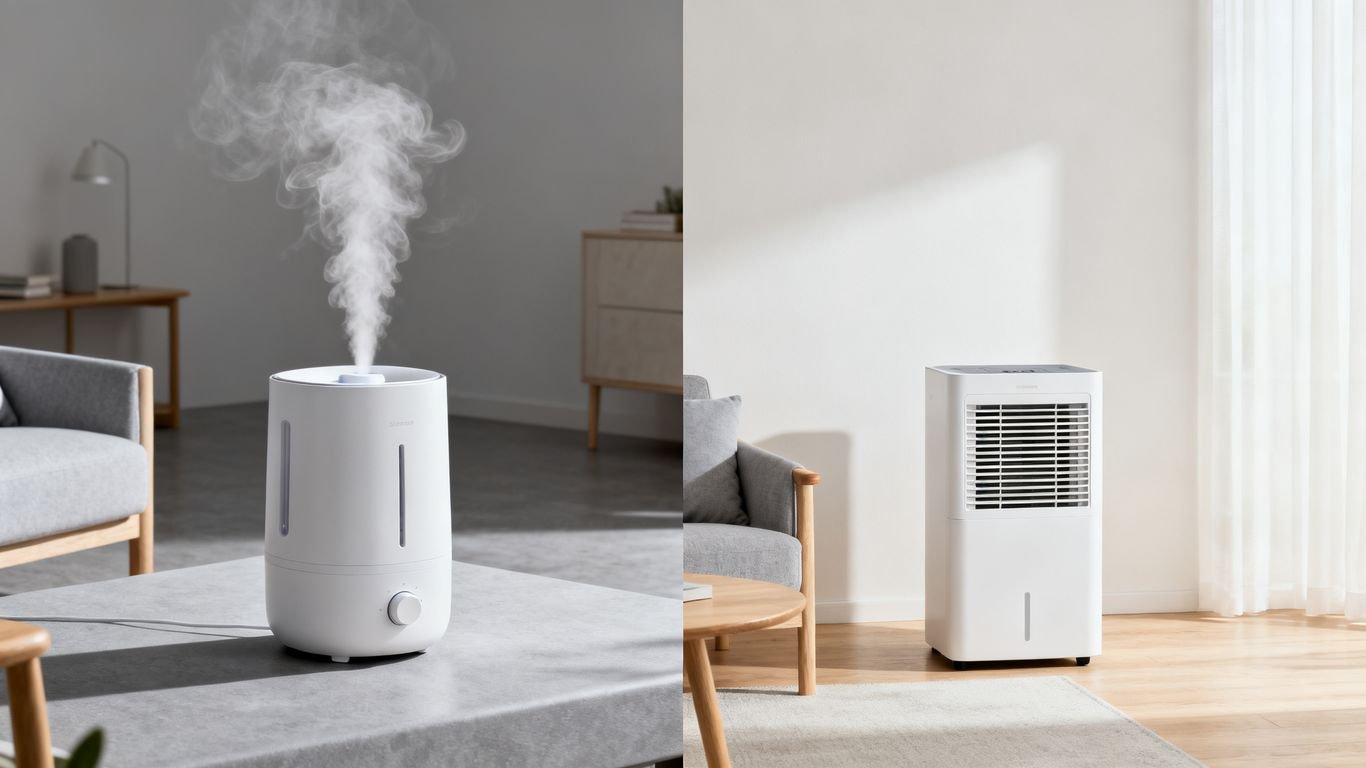
A humidifier introduces water vapor into the air to elevate humidity levels, preventing the harmful effects of overly dry conditions. This process often involves ultrasonic vibrations or wick-based evaporation systems that turn water into fine mist. By increasing moisture, these devices alleviate the physical stress that arid air places on your body and home structures.
How a dehumidifier alters moisture levels
Conversely, a dehumidifier works to extract moisture from the air, often using a refrigeration cycle that pulls warm, damp air over cold coils. As the air cools, the moisture condenses and is collected into a tank or directed into a drainage pipe, leaving behind drier, more comfortable air. Many modern units, such as those engineered by Aerofy, focus on efficiency and high-volume extraction.
Primary functions and operating mechanisms
Each system relies on distinct mechanical components to manage atmospheric water content. Humidifiers generally incorporate reservoirs and wicking materials, whereas dehumidifiers rely on heavy-duty compressors or heat pumps to drive condensation. These operational differences ensure that specific environmental problems, such as stagnant air or extreme dryness, are addressed with targeted technology.
Identifying the goal: Comfort versus preservation
Goal setting requires determining whether you are fighting skin dryness or preventing household damage. To clarify the differences, refer to the following comparison table:
| Function | Primary Goal | Ideal Setting | Primary Benefit |
|---|---|---|---|
| Humidification | Raise moisture | Dry winters | Skin health |
| Dehumidification | Lower moisture | Tropical seasons | Mold prevention |
| Air Purification | Remove particles | Year-round | Respiratory relief |
Selecting the right tool depends on whether you seek immediate comfort or long-term structural maintenance. If your objective is both air quality and moisture control, finding a dual-purpose solution often provides a more efficient approach.
Signs you need a humidifier

Recognizing the early warning signs of low humidity allows homeowners to intervene before discomfort becomes chronic. When your indoor environment drops consistently below 30% relative humidity, it places undue strain on both biological health and delicate interior materials. It is common for residents to notice these changes most acutely after running high-efficiency heating systems for extended periods.
Common symptoms of dry indoor air
Dry air typically manifests as persistent chapped lips, itchy skin, and an increased frequency of static electricity shocks throughout your home. You might also find your throat feeling scratchy in the morning, which indicates that your respiratory system is struggling to maintain hydration during sleep.
Impact of winter heating on humidity levels
Most residential heating systems tend to strip the air of its natural moisture, leading to a rapid decline in relative humidity. This mechanical drying effect is a well-documented phenomenon that creates an artificial desert climate indoors, requiring a counteractive approach to keep the atmosphere livable.
Respiratory and skin health considerations
When relative humidity is dangerously low, your mucous membranes dry out, reducing your body’s natural defense against airborne irritants. Maintaining proper humidity levels is vital for supporting healthy skin barriers and ensuring that you do not suffer from excessive congestion or uncomfortable dry breathing experiences throughout the winter months.
Protecting wood furniture and musical instruments
Wood is a hygroscopic material that reacts to changes in its surroundings by expanding or contracting. If the air is too dry, wooden furniture, flooring, and delicate musical instruments like guitars or violins may crack, split, or become structurally compromised over time.
Recognizing when you need a dehumidifier
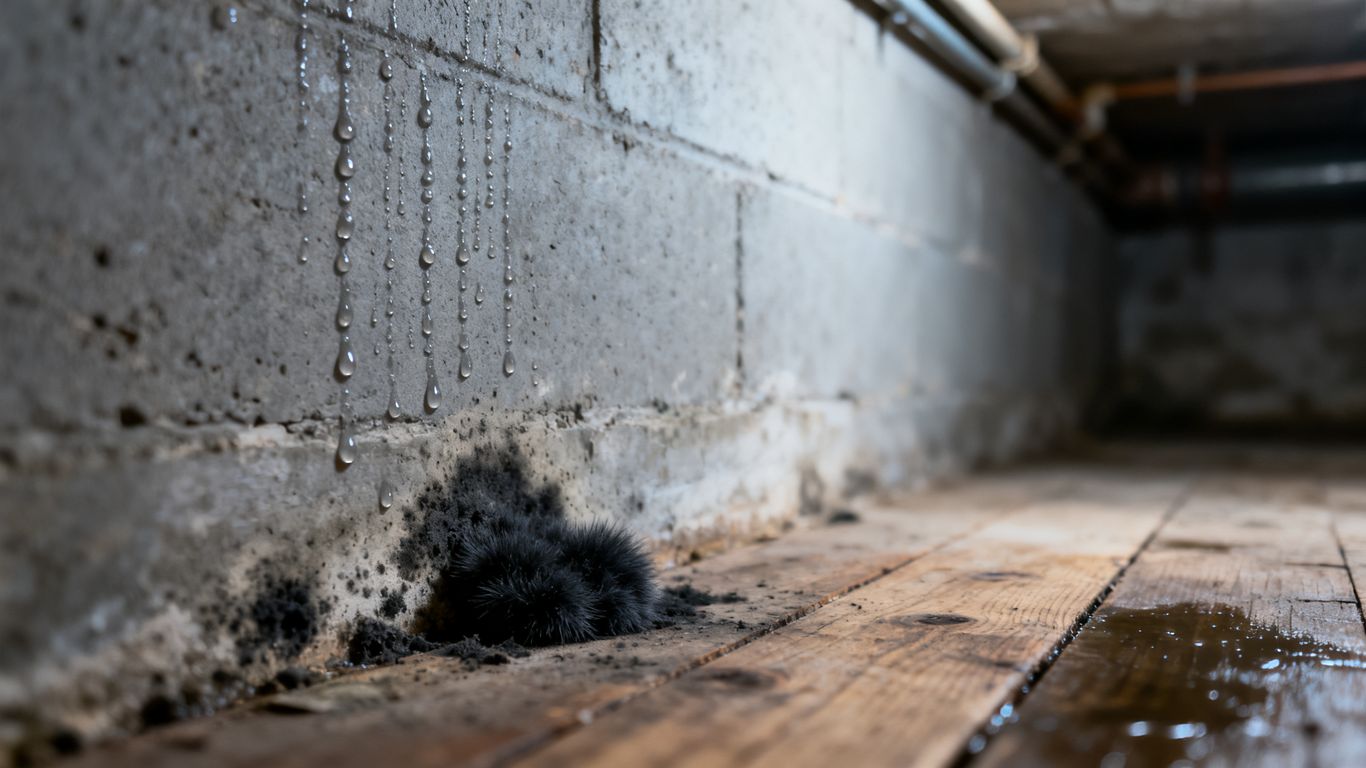
Dealing with high moisture levels is a common challenge for those living in humid regions, where the air clings to surfaces and creates a heavy, warm sensation. When the indoor relative humidity climbs above 60%, the atmosphere becomes a catalyst for biological growth and structural decay that can be difficult to reverse without immediate intervention. Recognizing these chronic moisture issues is the first step toward effective mitigation.
Warning signs of excessive moisture
The most prominent indicators of high humidity include water beading on cold surfaces, visible fogging on glass doors, and a persistent, damp feeling in the air. These warning signs are often accompanied by a distinct, heavy atmosphere that refuses to dissipate, even with ventilation.
Risks of mold and mildew growth
Mold spores thrive when ambient humidity stays elevated for consistent periods, leading to dark, fuzzy patches on drywall, baseboards, and behind furniture. This not only degrades building materials but can also introduce health risks associated with mycotoxin exposure, particularly for individuals with pre-existing allergies.
Dealing with musty odors in basements or bathrooms
Musty scents serve as the primary olfactory indicator that your home’s moisture management system is failing or insufficient. These odors usually originate in enclosed spaces because the lack of airflow allows dampness to soak into porous materials like textiles and carpets, creating a breeding ground for bacteria.
Managing condensation on windows
Condensation occurs when the relative humidity is high enough that water vapor hits its dew point upon contact with cooler glass. If you frequently need to wipe down your windows to see outdoors, it is a clear sign that you need to lower your indoor humidity levels using a reliable professional unit.
Measuring indoor humidity levels
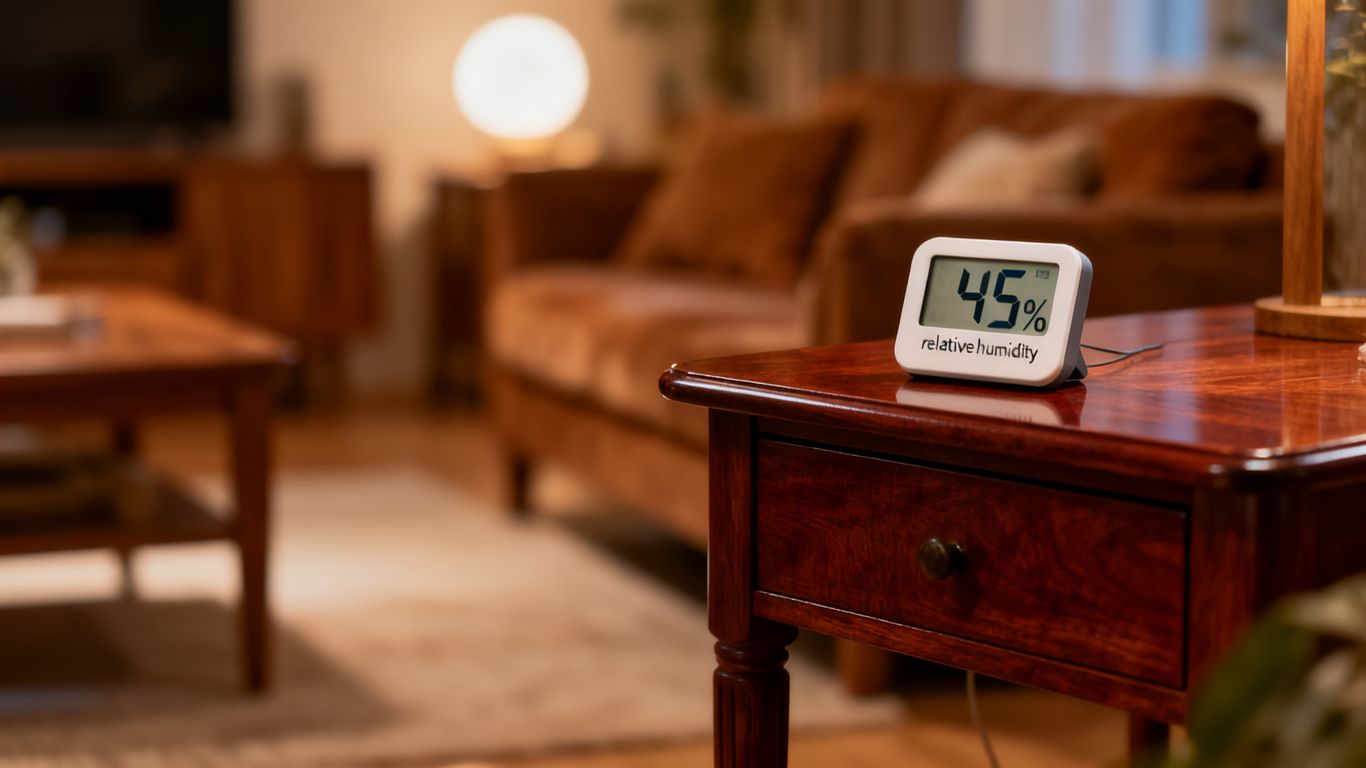
Reliable data is essential for accurate climate control, yet many homeowners rely on guesswork when estimating the conditions of their indoor space. Utilizing a digital hygrometer provides an objective measurement of the water vapor in your home, allowing you to set targets and track performance over time. Monitoring these variables ensures that your equipment is neither over-working nor failing to reach effective levels for optimal home comfort.
Using a hygrometer to track data
These compact sensors display real-time relative humidity percentages, offering a snapshot of your home’s current status. Placing them in central areas, such as the living room or near a bedroom, provides accurate readings that account for heat fluctuations and external air infiltration.
Defining ideal relative humidity ranges
Most professionals agree that an RH range between 30% and 50% represents the sweet spot for health and structural integrity. Staying within this window mitigates the risks of both overly arid environments and moist, mildew-prone conditions, effectively balancing human and material needs.
Seasonal fluctuations to keep in mind
Humidity levels are rarely static throughout the year; they shift based on outside temperatures and usage patterns of heating or cooling appliances. Awareness of these seasonal cycles is vital, as a room that requires a humidifier in January might desperately need a dehumidifier by July.
Factors influencing indoor humidity accuracy
Several variables, including ventilation, insulation quality, and the number of occupancy members, directly influence how humidity levels are perceived and measured. To get the most accurate picture of your indoor environment, consider the following checklist:
- Check your hygrometer calibration periodically to ensure it has not drifted.
- Observe if windows close properly to maintain an isolated climate zone.
- Identify internal moisture sources like clothes dryers or cooking range vents.
- Monitor the room periodically throughout the day to catch humidity spikes.
Consistent tracking across these varied factors prevents the common pitfall of assuming one setting works for every season.
Installation and maintenance requirements
Proper setup and routine upkeep determine the lifespan of your appliance, whether you choose a portable unit or a whole-home system. Portable devices offer flexibility for specific rooms, whereas integrated systems represent a more permanent commitment to controlling air quality throughout your entire living space. Regardless of the choice, accessibility for maintenance, such as filter replacement and tank drainage, remains a critical factor for long-term reliability.
Portable units versus whole-home integrated systems
Portable machines are generally lighter and easier to relocate, making them ideal for renters or homeowners who only need to combat moisture in specific areas. Whole-home systems require installation into the existing HVAC ductwork, providing a seamless, automated solution that regulates moisture throughout the building without the need for manual tank emptying.
Cleaning routines for humidifiers to prevent bacteria
Humidifiers are particularly prone to mineral buildup and bio-film if they are not cleaned regularly. Using distilled water or performing a white vinegar soak on the transducer and tank every few days effectively prevents the dispersion of bacteria into your living space.
Draining and maintenance for dehumidifier coils
Dehumidifier performance drops significantly if the evaporator coils become covered in dust or ice. Most modern systems are designed for efficient moisture extraction, but they still require periodic vacuuming of the intake filters and occasional inspection to ensure that the drain host is free of obstructions.
Energy consumption and operational costs
Your electricity bill is directly tied to the efficiency of your appliance’s motor and thermal components. Selecting units with modern energy-saving credentials helps minimize usage costs, especially since these devices often need to run for extended periods to maintain the desired threshold in humid climates.
Choosing the right device capacity
Matching your machine’s output to the dimensions and moisture load of your space is the most vital step in effective climate management. A device that is too small will run constantly without achieving target levels, leading to high utility usage and premature mechanical failure. Conversely, one that is too large may be efficient but could occupy unnecessary space and energy overhead.
Calculating square footage needs
Measure the square footage of the room where the device will reside, taking into account ceiling height and ventilation. Large open-plan areas require units with higher air movement capabilities to ensure moisture is effectively processed throughout the entire volume of air.
Understanding pint capacity for dehumidifiers
Capacity in dehumidifiers is often rated by how many pints of water a unit can safely remove from the air in a 24-hour period. If you live in a notoriously damp basement or a high-humidity coastal region, you will need a larger pint rating than you would for a standard living room.
Evaluating room size for humidifier output
Humidifiers are measured by their total output in gallons per day, which determines how effective they will be at raising the humidity in your specific room. Smaller, bedroom-sized units will never succeed in humidifying an expansive open-plan lounge, so ensure your selection process prioritizes the output matching your actual volume of air.
Matching device performance to space usage
When your requirements change, ensuring the machine keeps up is essential. For residents in tropical regions, buy now and secure a solution specifically tailored to manage high, consistent moisture loads effectively.
Conclusion
Whether you need a humidifier or dehumidifier, the success of your climate control strategy hinges on identifying your specific moisture imbalances and selecting equipment built to address those exact needs. By monitoring your environment and performing consistent maintenance, you can maintain a comfortable, healthy, and protected home throughout every season.
Frequently Asked Questions
Should I run a dehumidifier and a humidifier at the same time?
Running both simultaneously is generally counterproductive, as the devices will fight each other, wasting energy and preventing your home from reaching the target humidity level.
How long does a typical humidifier or dehumidifier last?
With regular maintenance, including cleaning filters and emptying tanks, most quality devices are designed to last between five and ten years before efficiency or mechanical parts begin to decline.
Is it normal for my dehumidifier to blow out warm air?
Yes, since dehumidifiers use a refrigeration cycle to extract moisture, the process of cooling the air and removing condensation naturally releases heat back into the room.
Can I use tap water in a humidifier?
While you can use tap water, distilled water is often recommended to prevent the buildup of white mineral dust that occurs when tap water evaporates and leaves behind hard minerals.
Why is my basement so humid even with a device?
If your device is not keeping up, it may be undersized for the basement’s square footage, or there could be a persistent source of water entry that requires structural repair.
Will a dehumidifier fix a mold problem?
Stopping high humidity prevents mold from spreading, but existing mold colonies may require specific cleaning or removal before the dehumidifier can effectively prevent them from returning.
Does humidity affect my indoor plants?
Plants definitely prefer specific humidity levels; tropical plants often require a humidifier to mimic their natural habitat, while succulents or cacti may struggle in high-humidity areas where a dehumidifier is actively running.