
Key Takeaways
Living in a tropical environment presents unique challenges to home maintenance and personal comfort that often require specialized intervention. Understanding how moisture impacts your living space is the first step toward creating a long-term, healthy home environment.
- Singapore’s high relative humidity levels, often exceeding 80%, create an ideal environment for biological growth inside the home.
- Constant moisture accumulation leads to structural degradation of furniture, walls, and delicate electronic systems if left unchecked.
- Identifying early warning signs like persistent musty odors or condensation allows for immediate mitigation before damage worsens.
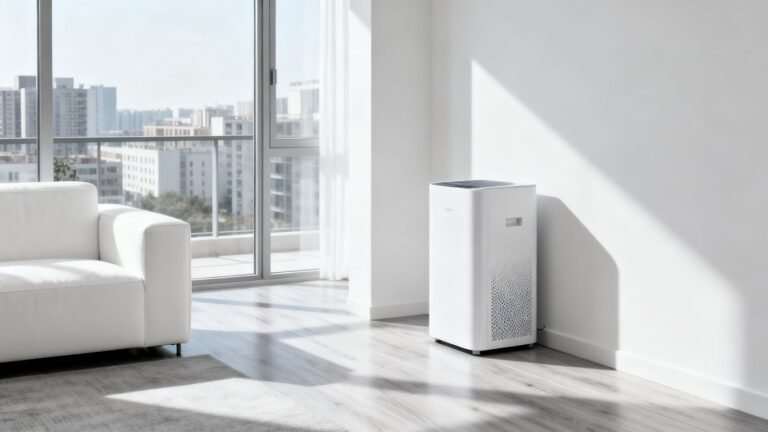
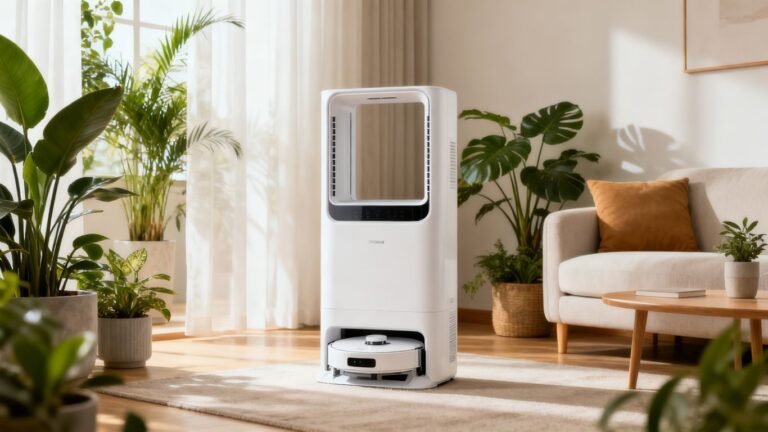
- Mechanical solutions, such as the DualCore 20 by Aerofy, provide a dual-stage approach to humidity control and air purification for tropical living.
- Integrated climate management strategies, including specialized appliances and improved ventilation, are essential for preserving property health.
Understanding the humidity levels in Singapore
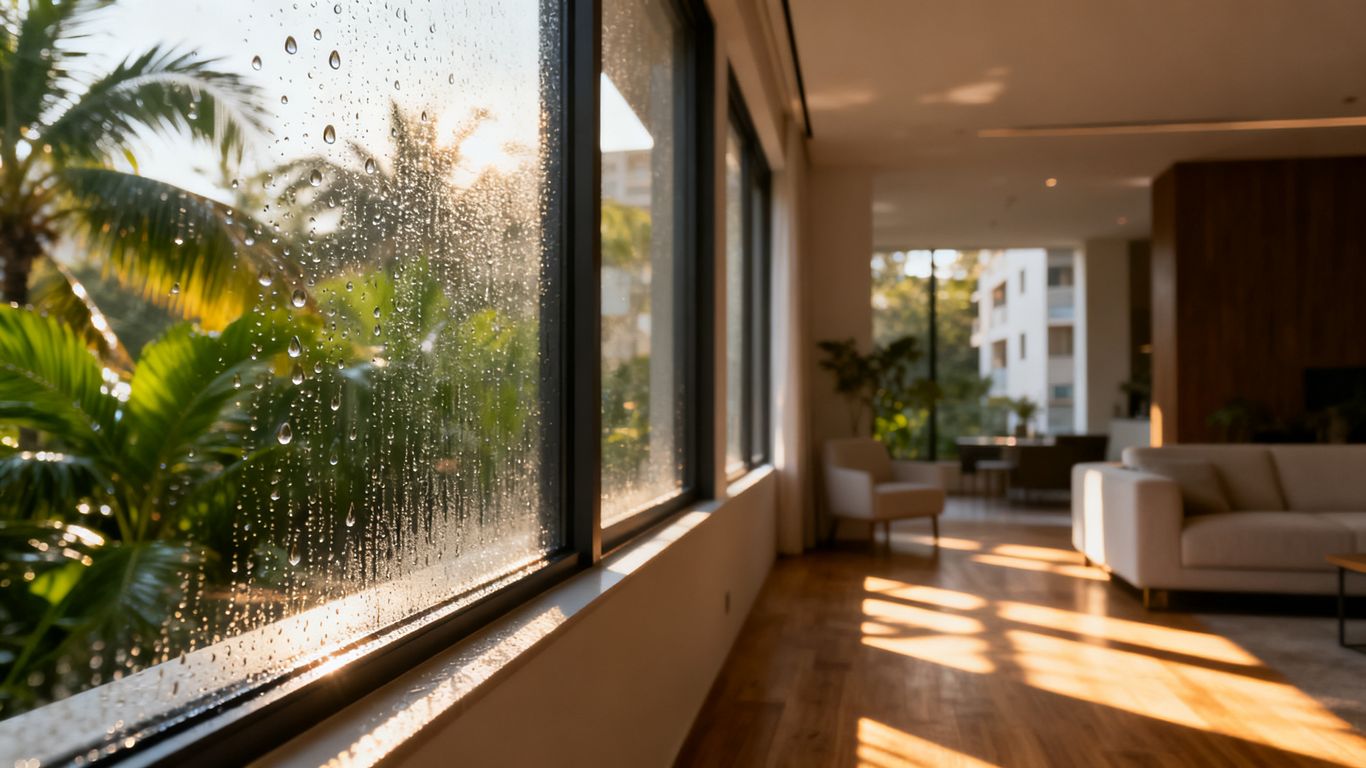
Navigating the daily humidity in Singapore requires acknowledging that our environment remains consistently saturated. This state of constant dampness affects not only our personal comfort but also the integrity of our living spaces. Understanding the dynamics of local weather patterns is vital for maintaining a hospitable indoor climate for your family.
Analyzing the average RH of Singapore’s tropical climate
The relative humidity (RH) in Singapore serves as a constant companion, typically hovering between 70% and 90% throughout the year. Because air holds more water vapor as temperatures rise, the tropical heat ensures that moisture remains suspended in the atmosphere, creating that omnipresent heavy feeling. Combat high humidity by recognizing that these saturation levels are baseline, not outliers, in residential spaces.
Differences between indoor and outdoor humidity levels
While your home may feel separated from the exterior environment, indoor air readily exchanges moisture with the outside through ventilation gaps and window seals. Even with windows closed, the ambient humidity migrates into your living quarters, as building materials typically act as sponges. Without specialized systems like Aerify, indoor spaces quickly equalize with the high external moisture content.
How monsoons and seasonal shifts impact humidity
Seasonal monsoons bring intense rainfall that spikes humidity even higher, saturating the outdoor air to levels approaching saturation. During these months, the capacity for natural evaporation drops, making it nearly impossible for stagnant indoor air to dry out naturally. This creates a feedback loop where furniture and textiles become breeding grounds for spores.
Factors within high-rise apartments that trap moisture
High-rise living often compounds the issue because of the dense layout and the tendency to keep apartments tightly sealed for air-conditioning efficiency. This physical enclosure traps microscopic moisture pockets, particularly in closets and corners, which cannot vent naturally. Consequently, you might experience persistent indoor dampness throughout the day even when it is sunny outside.
Impact of high humidity on health and wellness
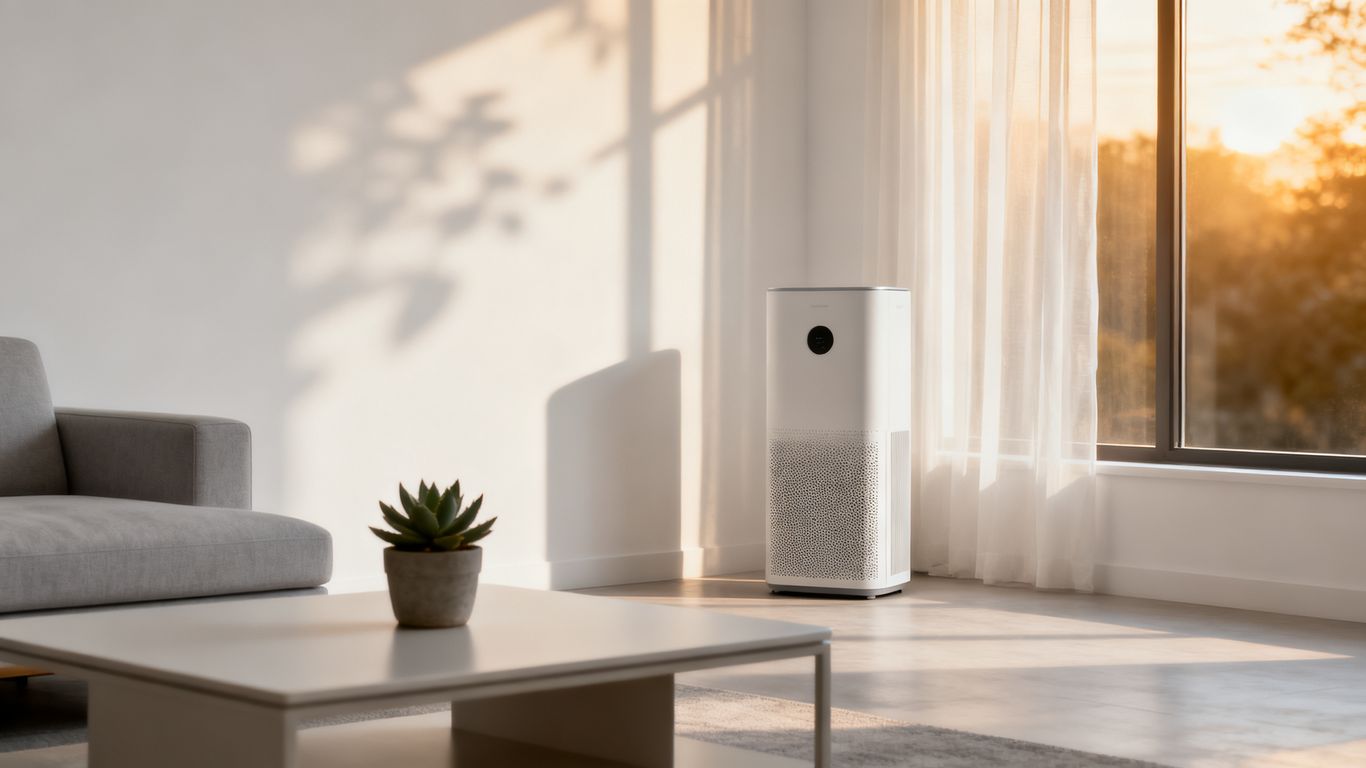
High humidity levels act as a catalyst for various health concerns by creating a habitable environment for biological contaminants. Maintaining a balanced atmosphere is not merely about comfort but is a fundamental aspect of respiratory health and hygiene. For homeowners, the goal remains to suppress these triggers through effective climate control.
Prevention of mold and mildew spore proliferation
Mold and mildew require very little moisture to colonize surfaces, including drywall, wood, and fabrics found in typical Singaporean households. Once these colonies take root, they release spores into the air, which can irritate the sensitive lining of the lungs. Using a high-efficiency unit like the DualCore 20 helps pull moisture from the air, preventing these fungi from establishing a foothold on your walls and curtains.
Combating dust mite populations in bedrooms
Dust mites thrive in environments where humidity reaches or exceeds 60%, feeding on dander and multiplying rapidly in high-moisture zones like bedding. By effectively removing excess moisture, you interrupt the reproductive cycle of these microscopic pests, which are responsible for many common allergy symptoms. Reducing their population is a crucial step for ensuring restful, symptom-free sleep.
Reducing flare-ups for individuals with chronic respiratory issues
For those with existing conditions like asthma or chronic sinusitis, the presence of high humidity and airborne pollutants can trigger frequent flare-ups. A reliable unit that filters particles while simultaneously managing ambient moisture protects occupants from these hazards on a daily basis. This is particularly important during monsoon seasons when external humidity levels peak significantly.
The link between humidity and thermal comfort during hot days
Humidity directly interferes with the body’s natural ability to cool down by limiting the evaporation of perspiration. This makes a 30°C day feel stifling and oppressive, rather than merely warm. By utilizing a dehumidifier to create a more comfortable living space, you can perceive the air as significantly cooler, even at higher temperatures.
Protecting furniture and home infrastructure
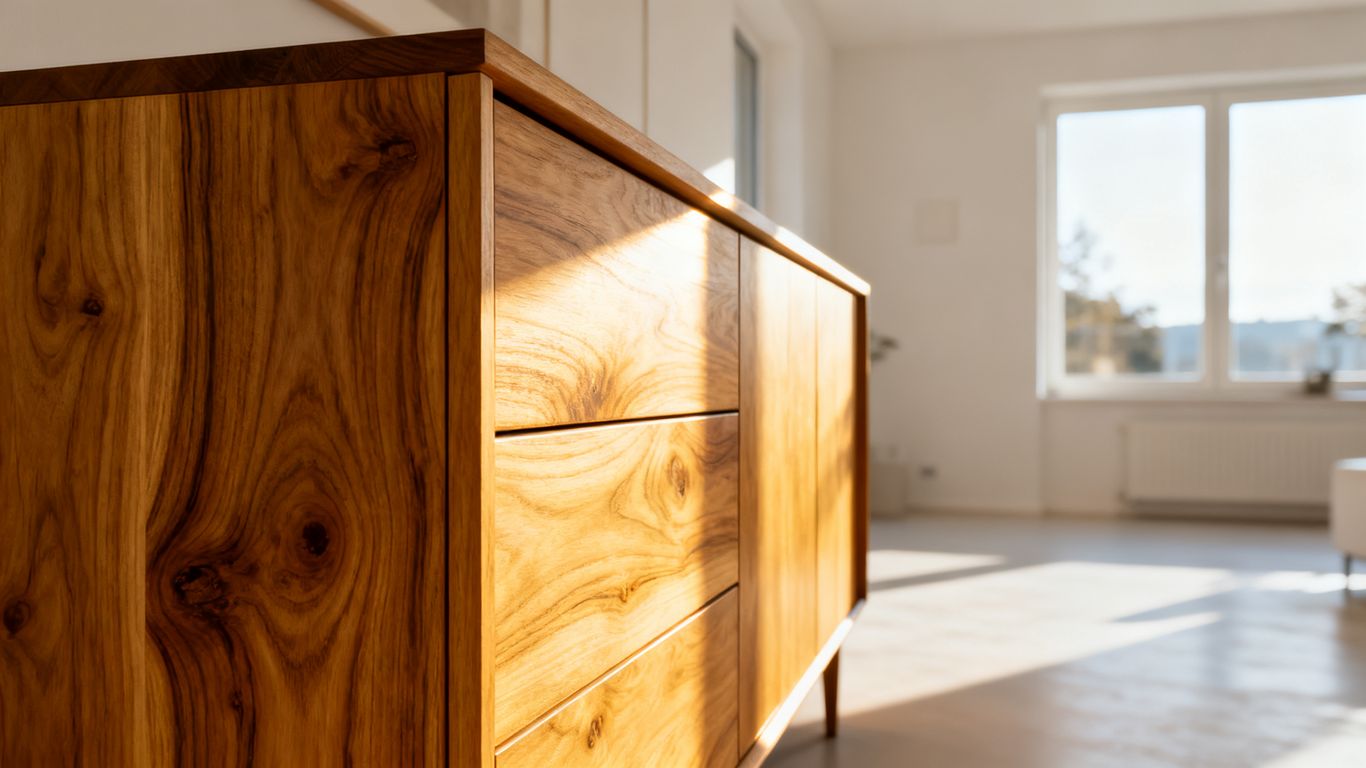
Beyond personal well-being, the preservation of your physical assets is a critical reason to monitor indoor moisture. Many high-quality materials found in Singaporean interiors are susceptible to rapid degradation when faced with constant moisture stress. Taking proactive steps ensures that your investments retain their aesthetic appeal and functionality for decades.
Preventing warping and rotting of wooden assets
Wood is a hygroscopic material that expands and contracts as it absorbs moisture from the air, leading to structural warping, finish cracking, and eventually rot. Solid wood cabinets and custom cabinetry are particularly vulnerable in kitchens and dining areas where moisture often gathers. Controlling the ambient moisture level essentially stops the decay cycle before the wood loses its structural integrity.
Mitigating condensation damage on electronic equipment
Sensitive circuit boards in televisions, gaming systems, and home office setups can fail prematurely if condensation forms within the chassis. A dry environment significantly reduces the risk of short circuits or oxidation of delicate components. The following table illustrates estimated moisture-related risks for common household items in high-humidity zones:
| Item Category | Primary Risk Factor | Recommended Dehumidification |
|---|---|---|
| Solid Wood Furniture | Warping and fungal rot | Constant low-level regulation |
| Electronic Systems | Short circuiting / oxidation | Proactive moisture removal |
| Leather Goods | Mildew growth / peeling | Dedicated container storage |
Safeguarding walls and ceilings against water stains
Water stains on walls often originate from localized condensation, where cold surfaces meet warm, humid air in poorly ventilated rooms. These patches are not just cosmetic flaws but can represent hidden areas of moisture buildup deep within the paint and plaster layers. Proper moisture control keeps surfaces dry, preventing the formation of unsightly aesthetic blemishes.
Protecting leather goods and sensitive textiles from fungal growth
Leather, whether in the form of handbags, sofas, or footwear, is an organic material that provides an ideal substrate for fungal growth in humid conditions. Storing these items in a controlled environment is the only way to avoid the persistent white, dusty residue typically seen on neglected leather items. Maintaining low humidity is essential to extending the lifespan of these high-maintenance materials.
Identifying signs that you need a dehumidifier
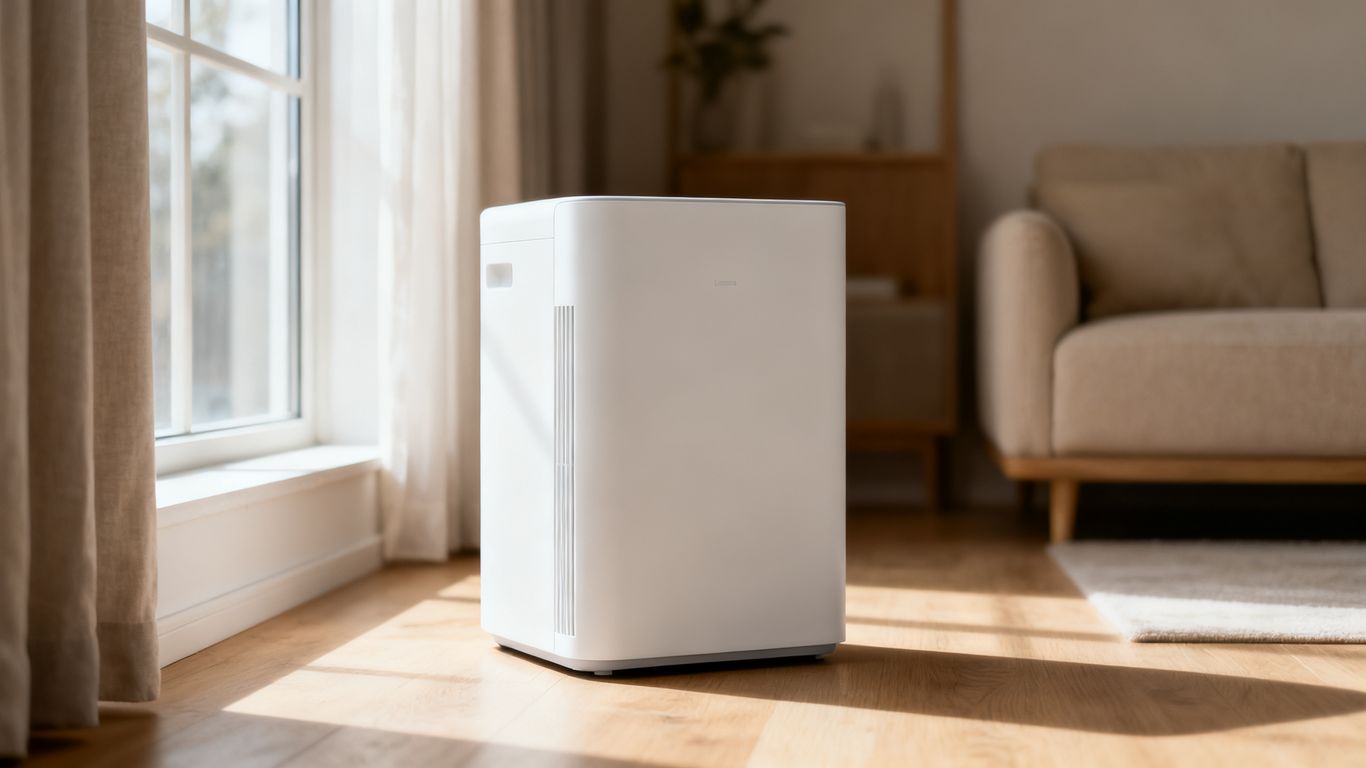
Sometimes the indicators of high humidity are subtle, appearing only after significant exposure to damp conditions. Learning to spot these, such as persistent musty smells, is essential for timely intervention. Awareness ensures that minor issues do not escalate into expensive repairs or health-related emergencies.
Persistent musty odors in closets or enclosed rooms
Musty odors are the most reliable early warning sign that mold or mildew is present, even if you cannot see the source yet. These odors occur as metabolic byproducts of fungal colonies thriving in air that lacks sufficient circulation. Once you smell this, you should immediately consider introducing mechanical moisture extraction to restore a neutral, fresh scent to your wardrobe area.
Frequent condensation on windows or cold surfaces
Seeing beads of water on the interior side of a windowpane indicates that the room’s air is saturated enough to hit the dew point on the glass. This confirms that the indoor humidity is far beyond optimal levels and that condensation is currently forming on other hidden, cooler surfaces like door frames and baseboards. Addressing this early prevents the accumulation of water where you cannot see it.
Visible damp patches on drywall or wallpaper
When damp patches become visible on walls or wallpapers, moisture has likely migrated through the surface materials to the structural core. These areas are hazardous because they indicate that the wall itself is currently acting as a moisture reservoir, facilitating rapid deeper-layer damage. Immediate action is required to stop this migration and dry out the underlying materials.
Slow-drying laundry and localized stagnant air flow
If your laundry feels heavy or retains a strange scent even after an entire day of being hung out in common drying areas, the air saturation level is physically preventing moisture release. This stagnant air indicates that your apartment lacks the necessary air exchange or moisture reduction capacity to keep up with daily usage. You should consider the following options to improve your home layout:
- Rearrange heavy furniture to ensure at least five centimeters of space from exterior walls.
- Utilize a portable moisture-absorbing unit to target damp corners or enclosed storage zones.
- Implement a regular schedule for opening internal doors to prevent static air pockets.
- Apply high-output smart controls to monitor humidity shifts automatically throughout the day.
Comparing energy consumption and maintenance
Understanding the operational costs of your appliances is part of being an informed homeowner in a tropical climate. Efficiency in a unit like the DualCore 20 ensures you get maximum moisture removal for every watt spent, which keeps utility bills manageable. Evaluating these metrics enables you to select the best setup for your specific residential needs without excessive overhead.
Evaluating how dehumidifiers impact your monthly utility bill
Efficiency is the primary factor when analyzing the impact of these appliances on your electricity consumption. Modern units with advanced compressors are engineered to cycle off automatically upon reaching a target humidity level, reducing their overall power draw. This makes them significantly more economical to run compared to leaving an air conditioner in a constant dry mode.
Determining the frequency of water tank disposal for different models
A larger water tank is always preferred to minimize the manual effort of draining the unit, especially during extreme monsoon weather. Models that provide clear indicators or auto-shutoff features ensure that your system continues to provide quiet, effective performance without requiring constant oversight. You should aim for a tank capacity that matches your daily moisture extraction needs.
Understanding the necessity of filter maintenance and cleaning
Filters are the front line of defense, catching dust, pet hair, and particulate matter that would otherwise clog the intake system or reduce the compressor’s efficiency. Regular cleaning of these filters ensures the unit continues to operate at its peak performance level while maintaining high-efficiency filtration to keep the surrounding air environment clean. An unmaintained filter is the primary cause of sudden, unintended performance drops.
Weighing the trade-off between performance and noise levels
Noise levels become a significant consideration if you intend to run the unit in bedrooms during sleep cycles or in an office space. While powerful compressors move more water, superior engineering ensures that the decibel levels remain low enough for unobtrusive daily use. Look for units that emphasize a rotary compressor design to balance silent operation with high-capacity moisture capture.
Evaluating practical alternatives to dehumidifiers
Effective climate management often relies on an integrated approach, utilizing multiple tools to manage moisture levels throughout the home. Supplementing your primary appliance with passive changes can enhance the effectiveness of your hardware significantly. These practical alternatives help you manage local moisture sources and improve airflow across your entire residential footprint.
Optimizing the dry mode setting on residential air conditioners
The dry mode on most home air conditioners works by cooling the air just enough to cause water vapor to condense on the evaporator coil, which is then drained away. While this is an excellent spot-treatment for a humid afternoon, it is generally less energy-efficient than a dedicated dehumidifier for long-term use. Use it as a secondary or emergency tool when the unit is already on to lower the indoor heat index quickly.
Comparing disposable moisture absorbers versus electric units
Disposable moisture containers are suitable for very small, enclosed drawers or tiny storage compartments where electricity is not an option. However, they lack the capacity required for living areas, bedrooms, or main corridors where moisture replenishment is rapid. For the majority of your living space, an electric unit is more cost-effective and provides better protection against mold and mildew.
Improving cross-ventilation to mitigate static air pockets
Static air pockets allow moisture to accumulate in obscure areas, promoting dampness away from the path of normal airflow. By strategically placing fans or simply moving furniture away from walls, you encourage natural circulation that dissipates these pockets. This passive approach works best when combined with a mechanical dehumidification strategy to ensure the total moisture content within the apartment decreases simultaneously.
Assessing the role of exhaust fans in kitchens and bathrooms
Exhaust fans serve the critical function of venting high-moisture air directly outside during cooking or bathing. Ensuring these fans are functioning correctly prevents that steam-saturated air from migrating into the rest of the living area. This is a fundamental habit that keeps the baseline humidity in the apartment from spiking beyond what your primary device can manage.
Conclusion
Investing in humidity control is a vital step for any Singaporean homeowner who values property longevity, health, and daily comfort. By understanding the impact of our tropical climate, you can move beyond simple mitigation to effectively manage your air quality using robust, well-engineered tools like the DualCore 20 system. Buy Now to start creating a dry, healthy sanctuary today.
Frequently Asked Questions
Can I use a fan to reduce indoor humidity?
While a fan improves circulation and makes the air feel cooler on your skin, it does not physically remove moisture from the room. It can help prevent static air pockets, but a dehumidifier is still the best tool for actual moisture reduction.
How often should I empty the water tank of my dehumidifier?
This depends on your local environment and the capacity of your unit, but you should empty it as soon as the tank indicator lights up to ensure continuous operation. Neglecting this will cause the unit to stop running until it is drained.
Is it normal for my dehumidifier to blow out warm air?
Yes, it is entirely normal, as a byproduct of the refrigeration process used in most dehumidifiers is the release of mild heat. This heat often aids in drying the room faster while maintaining the target humidity levels simultaneously.
How does high humidity affect my skin and hair?
Excessive moisture can lead to frizzy hair and can make your skin feel perpetually sticky or clammy due to the lack of sweat evaporation. Maintaining a balanced humidity level can improve your personal comfort, making your skin and hair feel drier and cleaner.
Do dehumidifiers eliminate the need for air purifiers?
While some advanced systems like Aerofy utilize both dehumidification and purification in one package, individual units only perform the task they are designed for. You need a device with HEPA filtration if you specifically need to capture airborne allergens and fine dust.
Can humidity really lead to structural damage in my condo?
Yes, persistent moisture leads to the degradation of adhesives, the expansion of wooden components, and the growth of mold that can penetrate internal wall finishes. Over several years, this can lead to cosmetic issues that require expensive repairs to rectify.
Are there specific locations in my home that need a dehumidifier most?
Closets, laundry rooms, bathrooms, and bedrooms are the most critical areas because they often lack ventilation or contain internal moisture-generating activities. Placing a unit near these high-risk zones will protect your belongings and your health most effectively.