Key Takeaways
Investing in the correct humidity control system creates a healthier living environment by mitigating mold and structural dampness. These five factors are vital for success:
- Prioritize the correct pint capacity for your square footage.
- Ensure continuous drainage setups have proper incline.
- Match the compressor type to your local climate conditions.
- Perform regular filter maintenance to preserve airflow efficiency.
- Position the unit in central areas for maximum moisture withdrawal.
Understanding large capacity dehumidifiers
Choosing a system that effectively handles moisture requires understanding its fundamental mechanical operation. You must distinguish between low-capacity units designed for closets and those robust enough for entire open-concept areas, as moisture accumulation depends heavily on total volume and ambient heat. Many homeowners discover what a dehumidifier does to protect their interiors from the insidious effects of high dampness. Understanding the differences between a dehumidifier and an air cleaner ensures you select the right appliance for your specific air quality needs.
Defining capacity and pint ratings
Capacity is defined by the volume of water a unit can extract from the air within a twenty-four-hour period, typically measured in pints. A larger capacity unit is not merely about size; it indicates a more powerful compressor and heat exchange core capable of processing significantly more cubic feet of air per hour. For tropical climates like Singapore, the Aerofy DualCore 20 demonstrates how thoughtful engineering combines powerful dehumidification with air purification, ensuring that capacity remains consistent even in high-heat environments. When you calculate these ratings, remember that manufacturers usually use stringent test conditions; actual performance in your home may vary based on ventilation.
When to choose a high-capacity model
Large capacity units are essential when you are dealing with significant water ingress or when the total interior space exceeds the reach of standard portable models. If your home has high ceilings, open floor plans, or basement levels prone to heavy dampness, a higher pint-rated system prevents the unit from running indefinitely without success. A larger system operates more efficiently by cycling to target levels quickly, which is why choosing a powerful dehumidifier makes such a difference in long-term structural health.
Key differences between residential and commercial units
Residential units prioritize quiet operation and sleek, portable aesthetics, while their commercial counterparts are built for durability and continuous, heavy-duty duty cycles. Commercial systems often feature heavy-duty steel housing and specialized drainage pumps, whereas residential designs focus on user-friendly interfaces. When choosing the right industrial dehumidifier for a workshop or storage area, you need to consider that the internal components are designed for thousands of hours of operation, not just evening usage.
Critical technical specifications to consider
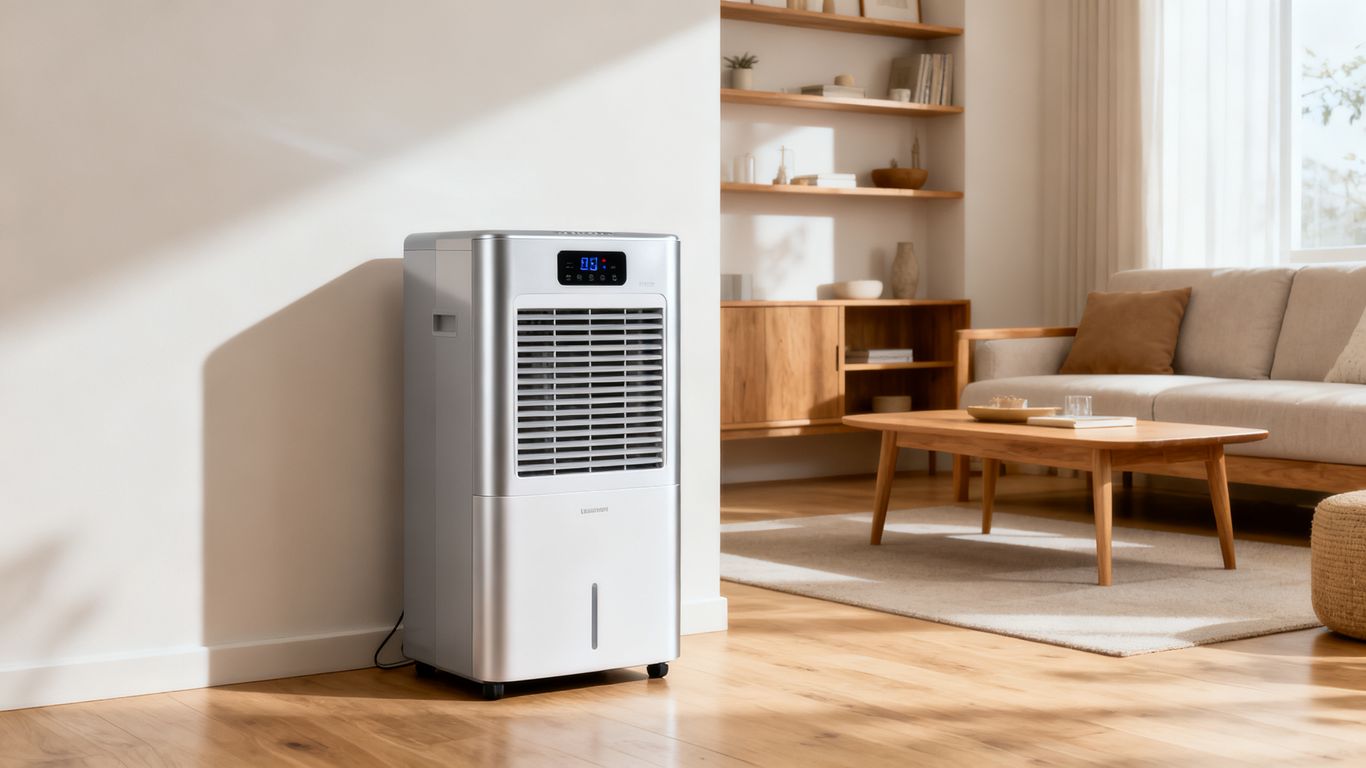
Selecting the right hardware goes beyond just looking at the pint count. You must analyze the airflow volume, energy efficiency, and the internal pumping mechanism to ensure the unit survives the rigors of home usage. For example, comparing units requires looking at specific engineering metrics that influence how well they handle extreme humidity levels.
Airflow and CFM requirements
Cubic Feet per Minute, or CFM, determines how much air passes through the cooling coils every minute. If the airflow is too low, the unit cannot cycle the entire volume of room air, leaving pockets of un-treated humidity behind. High CFM ratings are critical for larger spaces to ensure a uniform climate and avoid the localized damp spots that encourage mold.
Energy Star ratings and power efficiency
Efficiency is the bridge between a comfortable home and sustainable living. High-efficiency units utilize modern refrigerants like R290 and advanced rotary compressors to minimize power consumption while maximizing extraction. The following table differentiates how various systems manage energy in diverse environments:
| Feature Type | Efficiency Level | Power Usage | Best Application |
|---|---|---|---|
| Standard Portable | Low/Medium | High | Small Apartments |
| Dual-Function System | High | Moderate | Main Living Areas |
| Industrial Grade | Very High | Constant | Warehouses |
Selecting a unit with an energy-efficient design, such as an Aerofy DualCore 20, allows for continuous operation without a massive spike in monthly electricity costs. Managing energy consumption correctly will protect your appliance investment over time.
Drainage systems: built-in pumps versus gravity flow
Moisture removal is only half the battle; ensuring that the water actually leaves the building is the other. Many robust units, like the Waykar High-Capacity Commercial Dehumidifier, offer integrated pumps for vertical water movement, whereas entry-level models may rely solely on gravity. If your location lacks a convenient floor drain, a built-in pump is an essential luxury for efficiency. Choosing the wrong drainage method often leads to an overflowing bucket in the middle of the night.
Evaluating your environmental requirements
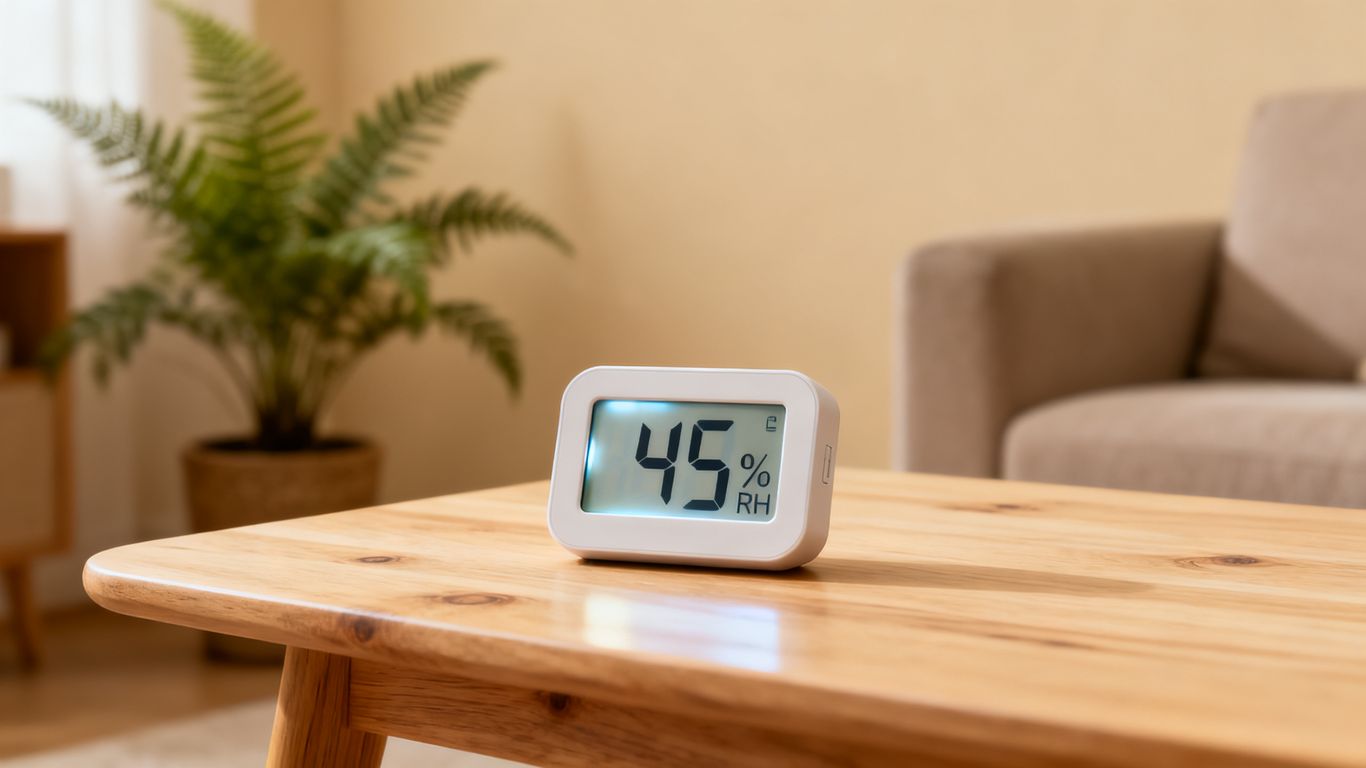
Before you purchase, assess the specific moisture dynamics of your space, considering every wall and window that might allow external air entry. Humidity is a persistent force that changes with external weather patterns, and your device needs to be sized appropriately. You should calculate square footage accurately to avoid purchasing a machine that is either underpowered or unnecessarily loud for your application.
Calculating square footage and ceiling height
Do not rely solely on floor square footage when evaluating your needs. High ceilings exponentially increase the total volume of air that requires processing, and an under-powered unit will struggle to lower the dew point throughout the entire vertical stack. When you choose the perfect portable dehumidifier, always add a safety margin to your room’s total calculated volume to accommodate seasonal spikes in humidity.
Impact of ambient temperature on performance
Temperature is the silent factor behind cooling coil efficiency. In very cool conditions, refrigerant-based units may struggle as water freezing on the coils causes frost buildup. While some units handle this with auto-defrost, it remains a critical point of failure in cold, damp basements compared to typical tropical living areas. Understanding how temperature changes your performance is key to sustaining a stable environment.
Assessing baseline humidity levels in your space
Baseline humidity varies immensely between city units, ground-level homes, and basement environments. Using a professional hygrometer to measure your real-world dampness levels over a week provides a far more accurate baseline than guesswork or historical climate averages. Knowing your true ceiling for moisture allows you to select the right technology and ensures your device works efficiently rather than constantly running at max capacity.
Installation and setup best practices
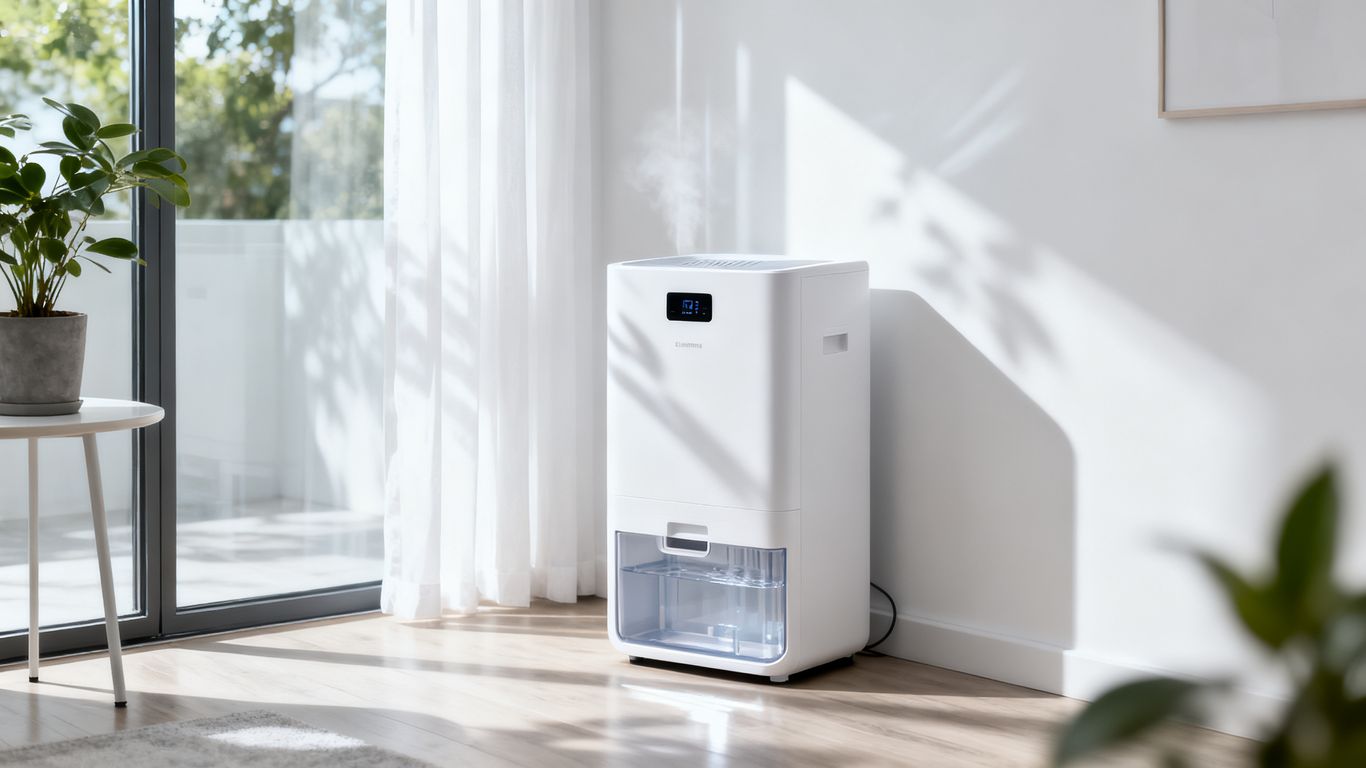
Placement isn’t just about floor space; it is about the physical dynamics of air current and heat exchange. If you place a dehumidifier in a cramped corner, it will simply circulate the same damp air, resulting in poor performance and potentially premature compressor fatigue. By choosing the right Panasonic dehumidifier, you learn that effective moisture extraction requires clear intake and exhaust pathways.
Optimal placement for maximum moisture removal
Place the machine in a central location, ideally near the primary source of moisture, while keeping all sides clear of furniture or drapery. Air needs to flow freely to and from the unit; if you block these paths, the cooling coils will not work effectively, and you will struggle to reach your target humidity.
Electrical considerations and circuit load capacity
Large capacity units draw significant power during the initial compressor start-up. Using an extension cord or a power strip is often dangerous and limits performance; you should connect the unit directly to a wall outlet on a dedicated circuit. Ensuring the circuit can handle the load as the motor cycles stops the nuisance of tripped circuit breakers.
Proper routing for continuous drainage hoses
If you are using a continuous drainage hose, ensure the path has a consistent downward slope with no kinks or low points. Kinks create water traps that prevent flow, leading to potential leaks inside the housing. Use high-quality, reinforced tubing rather than thin garden hoses to prevent collapse under the weight of the water.
Maintenance for long-term reliability
Consistent maintenance prevents the common failures that turn a helpful appliance into a drain on your time. If you ignore the internal state of your device, the machine will eventually struggle to move air, leading to higher electrical bills and reduced lifespan. You can keep your system in top shape by following a regular schedule, an effort that pays for itself in beneficial air quality and efficiency.
Filter cleaning and replacement schedules
Filters are the front line of defense against dust and debris clogging the coils. Every two to four weeks, access your unit’s filter and clean it according to the manufacturer’s instructions. This simple action maintains airflow and, for units like the Aerofy DualCore 20, ensures the purification system captures particles rather than simply pushing them back into your space.
Coil inspection to prevent frost and debris buildup
Inspect the condenser coils periodically to ensure there is no buildup of dust or unexpected frost. Even in warmer regions, dust on the coils acts as an insulator, reducing the heat exchange efficiency significantly. A quick cleaning with a soft brush or vacuum attachment keeps your machine cool and efficient.
Troubleshooting common airflow and compressor issues
Scenario Time: Imagine you walk into your living room and notice the unit is running incessantly, but the relative humidity reading on your wall monitor hasn’t budged at all. You check the display, and it shows 75%. You look at the intake, and it’s mostly clear, but the airflow coming out of the exhaust is barely a whisper. You’ve likely got a dust-clogged internal filter that you haven’t cleaned properly. Follow these steps to resolve such performance blockages:
- Double-check that your filters are completely dry and un-obstructed by lint or dust.
- Confirm the drain tank is seated correctly and the float switch is moving freely.
- Verify the unit is set to a target humidity percentage that is actually attainable in your climate.
- Power cycle the unit to reset the digital compressor safety timer.
Conclusion
Selecting and maintaining a large capacity dehumidifier protects your home from the long-term degradation associated with tropical or high-moisture climates. By focusing on your specific square footage, airflow requirements, and regular care, you ensure a dry, peaceful environment that lasts for years. Buy Now to choose your solution today.
Frequently Asked Questions
What is the ideal humidity level for a home?
The ideal humidity level for most residential indoor environments is between 40% and 50%. This range is low enough to prevent mold and mildew growth while remaining comfortable for human breathing.
Why does my dehumidifier run even when the room seems dry?
Units often run to ensure the humidity stays at your set point, even if you do not perceive dampness. If it runs non-stop, ensure your target percentage isn’t set too low for the current environmental conditions.
How often should I drain the water bucket?
If you are not using a continuous drainage hose, you should empty the bucket at least once a day, or whenever the unit indicates the reservoir is full, to prevent internal mold growth.
Can a dehumidifier replace an air purifier?
While some units offer dual-functionality, a standard dehumidifier is primarily engineered for moisture removal, not airborne particle filtration. Always check a model’s specifications to see if it includes dedicated filter media.
What does ‘pint rating’ actually mean for my room size?
The pint rating tells you how much moisture the unit can pull in a full day. You must match this rating to your room’s square footage, as larger rooms with higher moisture sources require more pints per day to be effective.
Should I turn my dehumidifier off when I leave the house?
Modern systems are designed for continuous operation and feature automatic humidistats, so turning them off is unnecessary. Leaving it on maintains a steady climate even when you are away, which is vital for preventing long-term damp build-up.
Is it normal to see ice on the coils?
Seeing ice on the coils usually indicates an issue with low ambient temperature or poor airflow. If the unit does not have an automatic defrost cycle to handle this, the machine will cease to perform until the ice melts or the obstruction is cleared.