Key Takeaways
Understanding moisture control is essential for maintaining a healthy and durable home environment, especially in tropical regions. This guide outlines how dehumidifiers function and why they are vital for your indoor comfort.
- Dehumidifiers extract excess moisture from the air to maintain optimal indoor humidity levels.
- Maintaining humidity between 30% and 50% helps prevent mold, mildew, and dust mite proliferation.
- Proper unit sizing is calculated based on room dimensions and the environmental moisture load.
- Regular maintenance, including filter cleaning, ensures consistent performance and energy efficiency.
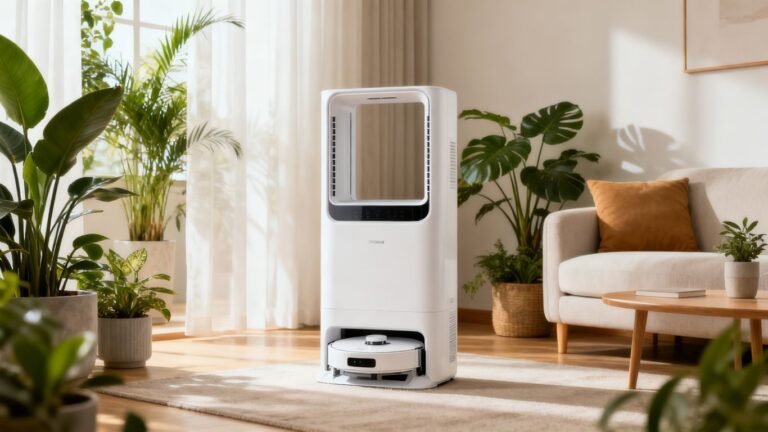
- Integrated appliances, such as the DualCore 20, provide dual benefits by combining dehumidification with air purification.
The mechanism of moisture removal
Dehumidifiers act as the primary defense against the silent buildup of airborne water vapor that characterizes many indoor spaces. By cycling through your ambient air, these units neutralize excess moisture before it settles into your walls, furniture, or air ducts. This process is engineered to create a balanced living atmosphere, effectively preventing the dampness that typically leads to persistent structural and health challenges.
How refrigerant-based dehumidifiers work
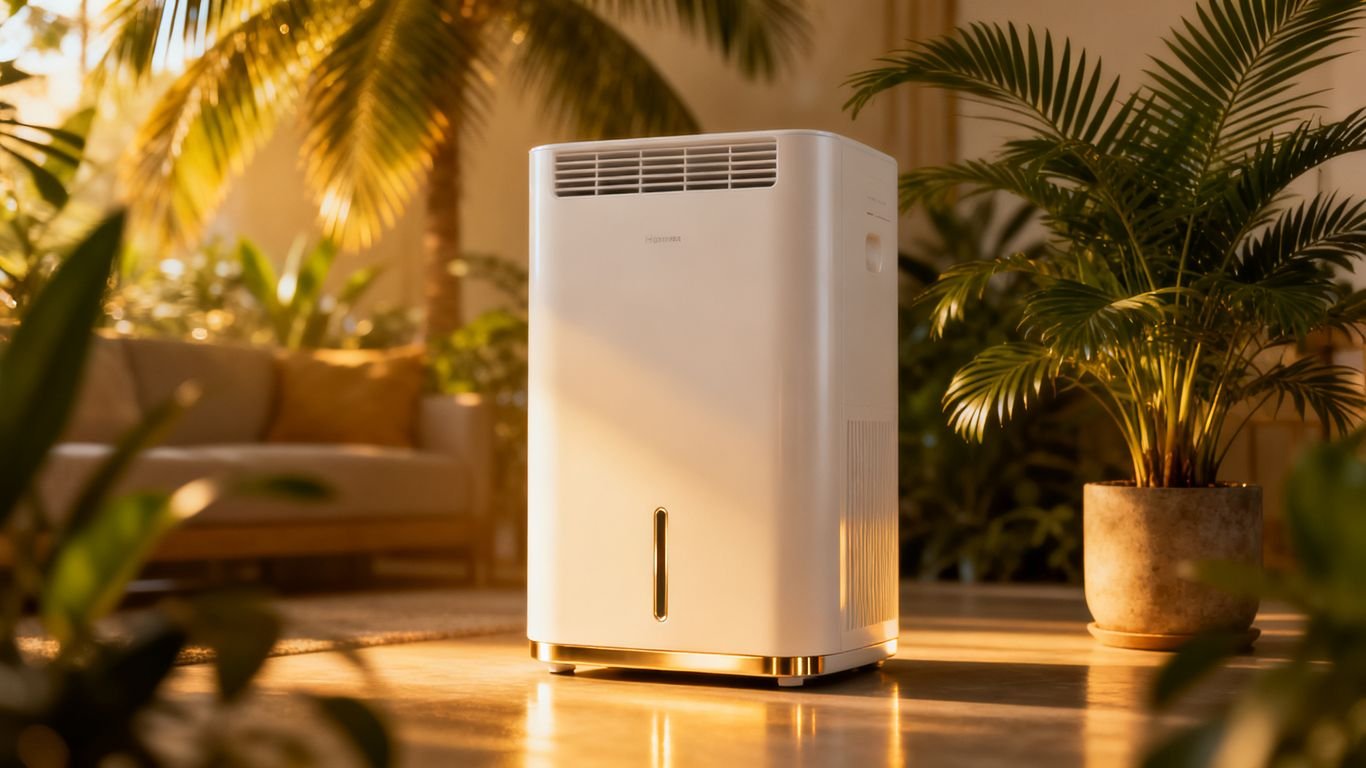
Most high-efficiency units, including the DualCore 20, utilize a reliable refrigerant cycle to pull damp air inside. An internal fan draws the humid air across a set of chilled cooling coils. As the moisture makes contact with these cold surfaces, it loses energy and transitions from vapor into physical water droplets, a process that is highly effective for maintaining optimal indoor humidity levels.
The role of desiccant wheels
While refrigerant systems rely on cooling coils, some specialized units employ a desiccant material. This material acts like a chemical sponge, absorbing water molecules directly from the atmosphere as air is passed over a rotating wheel. This method is particularly useful in cooler environments where the internal temperatures might be too low for standard refrigerant coils to function effectively.
Understanding condensation and collection mechanisms
After water is extracted from the air, it must be stored or expelled. Modern systems guide these droplets into an internal reservoir for easy disposal or direct them toward a drainage hose for continuous operation. This sequence is essential for lasting structural integrity, ensuring the humidity levels remain within your desired range throughout the day.
Health and medical benefits of humidity control
Managing the water content in your indoor air does more than keep things dry; it actively shapes the health profile of your home. High humidity levels essentially turn your living area into a greenhouse, promoting the growth of pathogens that cause respiratory irritation and physical discomfort. Taking control of these environmental factors is a proven way to ease breathing for those with asthma and minimize daily health triggers.
Reducing dust mite and allergen exposure
Dust mites require specific high-humidity thresholds to thrive and reproduce. By lowering the relative humidity in your living space, you effectively starve these allergens of the moisture they need to survive. This simple mechanical adjustment creates a harsh environment for pests while simultaneously allowing you to enjoy a cleaner, more hygienic home.
Inhibiting mold and mildew growth
Mold spores are omnipresent, but they require a steady supply of moisture to colonize surfaces like drywall and fabric. When you use a device to keep moisture below the 55% threshold, you deny mold the hydration required to sprout or spread. This approach serves as a natural and effective defense against the staining and odors left by unwanted fungal growth.
Improving respiratory comfort for allergy sufferers
Heavy, damp air can make the physical act of breathing feel laborious, especially for individuals already sensitive to environmental toxins. Reducing the air density and particle load is key to a comfortable home. | Feature | Benefit | Importance |
| :— | :— | :— |
| Dry Air | Prevents Pathogens | High |
| Clean Filters | Removes Particles | High |
| Optimized Flow | Stable Humidity | Moderate |
These technical parameters are vital for ensuring that air quality is consistently managed, especially for those sensitive to respiratory triggers.
Protecting your home infrastructure
Your home experiences significant physical stress when subjected to prolonged dampness, as moisture tends to settle in the structural framework of your living area. Uncontrolled humidity causes organic materials to swell, warp, and eventually decompose if the condition continues unmanaged. Implementing a dedicated humidity solution is crucial for preventing mold and ensuring your building remains sound over the long-term.
Preventing wood rot in structural elements
Timber supports and wooden flooring are highly susceptible to moisture absorption. When humidity remains elevated, wood fibers expand and soften, creating the perfect conditions for rot. Keeping the air dry ensures that your expensive flooring and structural timber maintain their original durability for years longer than they would in a damp space.
Safeguarding electronics from moisture-related corrosion
Internal circuitry and copper components are prone to oxidation when exposed to salt-laden or highly humid air. This silent corrosion can destroy delicate sensors and electronic interfaces long before they reach the end of their design life. Maintaining a stable environment is therefore a primary way of protecting your home’s structure and your valuable technology.
Stopping localized peeling of paint and wallpaper
Wallpaper glue naturally degrades in the presence of consistent humidity, while interior paint can bubble as the substrate underneath becomes saturated. Preventing this requires consistent, low-humidity air circulation.
- Use a high-capacity unit during rainy seasons.
- Ensure adequate ventilation in bathrooms following showers.
- Monitor humidity levels using digital instrumentation.
- Deploy dehumidifiers in rooms with limited exterior wall exposure.
This simple routine prevents the cosmetic decay associated with moisture infiltration, keeping your walls crisp and maintained.
Signs you need a dehumidifier in your space
Understanding how to read your home’s environmental signs is the first step toward effective climate management. Many homeowners ignore subtle cues until they become larger maintenance problems like structural rot or severe allergic reactions. Recognizing these early indicators is an essential skill for homeowners in tropical climates.

Identifying persistent musty odors
Musty, damp smells are almost always a biological signal that mold or mildew has begun to grow out of sight. A dehumidifier acts as a corrective measure, drawing out the moisture that these organisms need and neutralising the air quality in your room.
Detecting visible condensation on windows and walls
Water condensation indicates a dew point imbalance, where your indoor moisture level is higher than the surface temperature of your glass. This creates a cycle where moisture is continuously deposited onto surfaces, which will quickly lead to wall damage if left untreated.
Monitoring target humidity levels with a hygrometer
A hygrometer provides the data needed to make informed choices about your humidity control. By checking the reading, you can determine if your current environment falls within the 30% to 50% range or if further adjustments are needed to maintain a balanced, comfortable, and healthy home air quality.
This objective feedback ensures you are never guessing about your home’s air quality status.
Selecting the right unit for your needs
Choosing the correct appliance involves balancing technical specifications like extraction rate and power consumption against the realities of your living space. Residents in regions with persistent humidity benefit from units engineered specifically for high-duty cycles, providing consistent results that off-the-shelf models may fail to achieve over the long run.
Calculating pint capacity based on room size
Capacity is measured by how many pints of water a device can collect in 24 hours. Small, compact spaces require different duty cycles than large, open-concept living rooms. You should look for models that provide enough capacity to handle the specific moisture load of your intended environment’s square footage.
Evaluating power consumption and energy efficiency classes
Energy efficiency determines the long-term cost of running your dehumidifier throughout the year. Investing in units with high efficiency classes means you can operate the system whenever needed without seeing a dramatic spike in your monthly electricity bills or carbon footprint.
Considering noise levels for different living environments
Noise levels are a significant factor if you plan to run your device in a bedroom or office. High-quality engineering allows for optimal airflow through quieter motors and advanced sound-dampening components, ensuring that your air quality does not come at the expense of your daily peace.
Best practices for maintenance and operation
Even the best engineered appliances require basic care to stay effective. Think of this process like maintaining a car; regular intervention prevents catastrophic failure and ensures the device continues to remove water effectively in the face of humid weather.
Cleaning the air filter for peak performance
Filters catch dust, pet dander, and other airborne particles, but they can quickly become blocked. A clogged filter restricts airflow, forcing the compressor to work harder than necessary and reducing the unit’s moisture removal efficiency. A quick check every two weeks is enough to keep your air clear.
Setting the optimal target humidity percentage
Targeting a setting between 30% and 50% ensures consistent comfort. Going too high promotes mold growth, whereas setting it too low can dry out your nasal passages. Finding that middle ground allows your home to remain comfortable without putting excessive strain on the mechanical components of the unit.
Managing drainage solutions and water tank care
Whether you use a tank or a direct hose, keep your drainage clean. Stagnant water in an uncleaned tank can harbor bacteria or mold, which will then be reintroduced into the room once the device is running. Establishing clear routines for filter care and water disposal is key to a long product lifespan.
Conclusion
Investing in humidity control is a decisive move toward protecting both your physical health and the structural integrity of your home environment. By understanding the mechanical principles behind moisture removal and adhering to a regular maintenance routine, you can create a space that remains balanced, fresh, and free from the damaging effects of excessive dampness.
Frequently Asked Questions
Do I need to keep the windows closed while the dehumidifier is running?
Yes, keeping windows and doors closed is necessary to ensure the dehumidifier treats only the air inside your home rather than the moisture-heavy air cycling in from the outside.
Can a dehumidifier replace my air conditioner?
While dehumidifiers can sometimes make a room feel cooler by removing moisture, they are not a substitute for an air conditioner, which is designed specifically to lower the ambient air temperature.
How often should I empty the water reservoir?
Emptying frequency depends on the room size and humidity level, but most reservoirs should be checked daily until you understand the specific moisture load your space generates.
Will a dehumidifier help with mold that is already on the wall?
It will help stop the progress of mold by removing the humidity it needs to grow, but the existing mold must still be physically cleaned and removed from the surface to be truly gone.
Does the unit need to run 24/7?
Running it continuously is not generally required unless the environment is extremely damp, though using a humidistat to keep the levels at your target percentage is recommended for optimal home management.
Is it safe to leave a dehumidifier running unattended?
Modern dehumidifiers are designed with safety features that cause them to shut off automatically when the tank is full or if there is an electrical error, making them safe for unsupervised operation.
What happens if the humidity is too low?
If the relative humidity drops below 30%, you may experience dry skin, irritated eyes, or discomfort in your nasal passages, which you can resolve by turning the device off or raising the target setting.