Key Takeaways
Optimizing indoor climate is essential for long-term health and property preservation in humid environments. These five steps represent the most significant advantages of integrating a professional-grade moisture control system into your residence:
- Maintaining consistent humidity levels prevents the proliferation of biological contaminants like mold and mildew.
- Controlling airborne moisture concentrations significantly diminishes common indoor allergy and asthma triggers.
- Protecting structural elements and sensitive electronics from dampness extends the operational lifespan of home assets.
- Improving indoor air quality through integrated filtration contributes to noticeably higher sleep and personal comfort levels.
- Efficient climate control reduces the total energy burden on cooling systems while minimizing repair costs.
Impact on indoor air quality
High humidity often acts as an invisible catalyst for declining indoor air quality. When ambient vapor levels remain high, surfaces become breeding grounds for unseen hazards, and the air itself becomes heavy, leading to a stifling atmosphere. Addressing this requires a proactive approach to managing the water content in your indoor environment, which ultimately transforms your living space into a more breathable and stable sanctuary.
Reduction of mold and mildew spores
Mold and mildew thrive in surroundings where moisture is trapped, particularly on porous materials like drywall, fabric, and wood. By utilizing the Aerofy DualCore 20, you can effectively lower ambient water content to a range where these fungal colonies simply cannot establish a foothold. Consistent moisture reduction prevents mold from penetrating organic surfaces, thereby keeping your indoor environment cleaner and preventing the spread of spores that compromise air freshness.
Neutralizing dust mite populations
Dust mites are microscopic organisms that reproduce rapidly in humid environments, often infesting bedding, upholstery, and carpets. While you might keep a home immaculately clean, these mites persist if the air remains at a higher saturation level. Reducing relative humidity to below 50% forces these populations into a state where they can no longer procreate, effectively neutralizing their presence without the need for harsh chemical treatments or constant specialized cleaning.
Alleviating persistent allergy and asthma triggers
Persistent respiratory irritation often stems from an environment saturated with biological debris and dampness. By managing humidity alongside effective HEPA filtration, you create an environment that minimizes the physical triggers for asthma and allergic reactions. This dual approach helps clear the air of microscopic irritants that usually exacerbate breathing difficulties, providing relief for sensitive residents who struggle with muggy indoor air conditions.
Protecting your home infrastructure
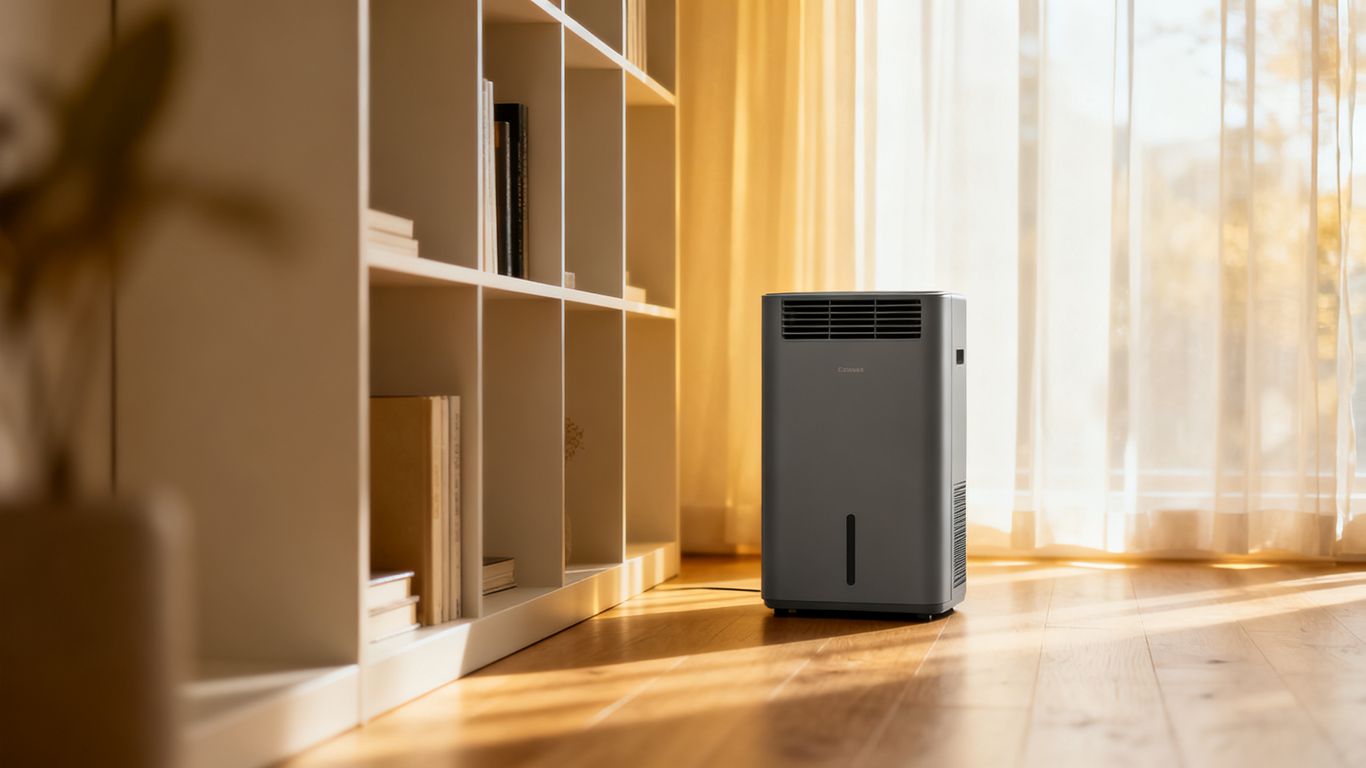
Infrastructure damage is one of the most overlooked costs associated with high humidity environments. When excess moisture settles into a home, it tends to migrate into foundations, wall cavities, and even the internal circuitry of home appliances. A robust dehumidifying strategy is not just about comfort; it is a fundamental defensive layer for your physical property and long-term financial stability.
Preventing structural wood rot
Wood is a hygroscopic material that naturally absorbs moisture from the air, losing its structural integrity as it expands and contracts. Left unchecked, this cycle leads to warping, splitting, and eventual decay that can necessitate significant construction repairs. Regular dehumidification keeps wood fibers dry, maintaining the aesthetic and physical strength of your home’s interior features and structural components.
Minimizing corrosion in sensitive electrical components
High humidity introduces corrosive elements to the copper and delicate circuitry found in modern home electronics. When moisture condenses on circuit boards, it leads to premature failure and short-circuiting that often occurs years before the expected product lifecycle ends. By maintaining a dry environment with the Aerofy DualCore 20, you protect your valuable electronic devices and appliances from the silent damage caused by constant moisture exposure.
Eliminating musty odors in basements and crawl spaces
Musty odors are the direct results of bacterial and fungal growth flourishing in dark, damp hidden voids. These areas often lack proper ventilation and become reservoirs for stale air that eventually infiltrates your living areas. Using a portable dehumidifier ensures these isolated corners remain dry, stripping away the nutrients these odor-causing microbes need to survive.
Improving personal comfort and sleep
Excessive indoor humidity dramatically affects how we experience our temperature, often making a living space feel oppressive regardless of the thermostat setting. Regulating this variable allows your home’s natural environment to feel more crisp and revitalized. This change in tactile comfort is often the first thing people notice after installing a high-quality climate solution in their sleep environment.
Regulating ambient humidity for better sleep quality
Sleep quality is drastically influenced by the density of the air you breathe and the ambient temperature consistency. When the air is too damp, it traps heat around your body, leading to restless nights and fragmented sleep patterns. Monitoring and stabilizing your environment ensures you enjoy a deep, uninterrupted rest, especially in climates where nighttime humidity levels typically spike without warning.
Making indoor temperatures feel cooler in summer
Feeling cool is about more than just raw temperature; it is primarily about how easily your body can dissipate heat. On humid days, sweat does not evaporate effectively, leaving you feeling sticky and uncomfortable even in air-conditioned rooms. Lowering that humidity level helps your internal climate feel vastly cooler and refreshing, allowing you to maintain lower indoor temperatures with less total effort.
Reducing clammy skin and sticky furniture surfaces
Have you ever touched a leather surface or a glass tabletop and felt an unpleasant, tacky layer of condensation? That tactile ‘clammier’ sensation is a direct consequence of excess water vapor settling on cool surfaces in your home. Eliminating that moisture ensures that surfaces feel clean and dry, which makes your entire home feel more hospitable and better maintained throughout the year.
Enhancing appliance and clothing care
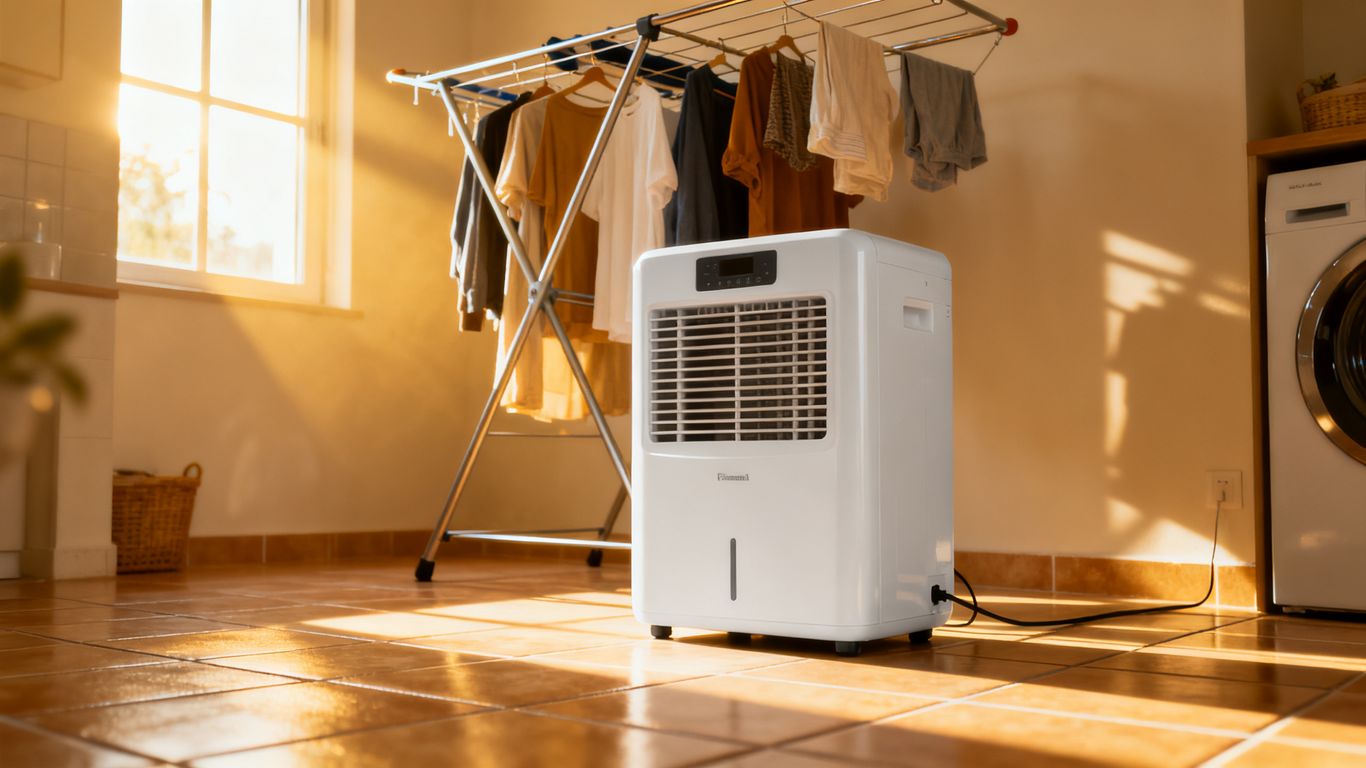
Managing moisture significantly alters how you maintain your wardrobe and household equipment. By creating a controlled, low-humidity atmosphere, you effectively transform how your home handles everyday laundry chores and equipment preservation. This is particularly valuable for independent lifestyle management, where efficiency and equipment safety are top priorities.
Faster drying times for laundry indoors
Indoor drying often fails because the air near the clothes reaches a saturation point, preventing further evaporation from the fabrics. By introducing a mechanical dehumidifier, you continuously cycle dry air through your laundry area, which pulls water from the garments at a significantly accelerated rate. This prevents the damp-fabric smell that often lingers in poorly ventilated spaces.
Preventing mold growth on fabrics and leather goods
High-value items like leather bags, seasonal footwear, and heavy textiles are susceptible to unsightly and ruinous mold blooms if stored in damp areas. Maintaining appropriate air dryness acts as a barrier against these microscopic intruders, ensuring that your garments and belongings stay protected until you are ready to use them. It is essentially about securing your clothing assets against the environmental strain of a tropical climate.
Extending the operational lifespan of sensitive electronic equipment
Sensitive electronics and home entertainment gear retain their performance longer when protected from the corrosive potential of high humidity. By creating a stable, lower-humidity microclimate around your entertainment setup, you prevent the buildup of moisture within housing units. This protects boards and connectors from degradation, ensuring your home theater or tech setup remains as durable as the day you installed it.
Cost-effectiveness and energy efficiency
| Efficiency Factor | Impact of Dehumidifier | Resulting Benefit |
|---|---|---|
| AC Lifecycle | Reduced Operational Load | Longer Equipment Life |
| Structural Maintenance | Lower Moisture Damage | Fewer Repair Expenditures |
| Energy Consumption | Optimized Climate Control | Monthly Utility Savings |
Properly managing your indoor humidity is fundamentally a strategy for fiscal responsibility. By utilizing a deliberate climate management approach, you can mitigate the wear and tear on your major home systems while simultaneously achieving better energy efficiency. The data shows that when systems work within their engineered thresholds, they last longer and consume significantly less electricity over their operating life.
Reducing the strain on your primary air conditioning system
Your primary air conditioner spends a vast amount of energy simply cooling air to condense water as a secondary effect of its cooling cycle. By separating the humidity control task to a dedicated unit, you allow your AC to focus purely on temperature regulation. This division of labor prevents your cooling compressor from cycling excessively, which ultimately keeps your home energy strategy efficient.
Preventing costly long-term moisture damage repairs
Proactive humidity management prevents the quiet expansion of structural deterioration that, if ignored, tends to accumulate into massive repair bills that arrive at the worst possible time.
Addressing damage from floor warping, drywall saturation, or persistent mold requires expensive professional intervention that far exceeds the cost of a high-efficiency appliance. By establishing a dry baseline for your property, you immunize your largest investment—your home—against the common but devastating effects of prolonged moisture saturation.
Conserving energy by optimizing indoor climate control
Optimizing your climate is about precision rather than power. Maintaining humidity within the 40% to 50% range is far more energy-efficient than forcing an air conditioner to compensate for a high-moisture atmosphere. Using a modern solution like the Aerofy DualCore 20, which is engineered for these exact variables, ensures that every watt consumed is contributing directly toward creating a temperate and stable indoor environment.
Selecting the ideal dehumidifier for your specific needs
Choosing the right appliance depends on understanding the unique demands of your specific living situation. It is not just about the size of the room; it is about the volume of the space and the moisture-loading potential of the environment you are trying to stabilize. A well-selected tool will function almost invisibly, keeping your home environment consistent without needing constant manual adjustment.
Calculating required capacity based on room square footage
Effective moisture removal is a matter of matching the unit’s extraction capacity to the area it must manage. A robust starting point involves calculating the volume of the room multiplied by the typical moisture load of the climate. In high-humidity areas like Singapore, selecting a unit that slightly exceeds the minimum requirements is generally the preferred strategy for best climate results.
Comparing desiccant versus compressor-based models
Selecting the correct technology ensures your machine is suited for the temperature ranges where you intend to use it. When evaluating your options, consider these three technology factors:
- Compressor models are highly effective in warm, humid conditions where cooling coils can draw large volumes of water.
- Desiccant models excel in colder environments where refrigerated coils may frost over and lose effectiveness.
- Integrated hybrid systems provide the highest level of flexibility for homes with varying humidity challenges throughout the year.
Applying the correct technology for your environment ensures that your unit performs effectively during seasonal shifts rather than struggling against the ambient temperature.
Evaluating drainage options for continuous, maintenance-free operation
For most homeowners, emptying a water tank several times a day is not a practical long-term solution. Prioritize models that offer continuous drainage via a gravity hose or an internal pump that directs water directly into a floor drain. This makes ongoing machine maintenance practically non-existent, ensuring that your home environment remains protected even when you are traveling or busy with other obligations. To learn more about selecting the right unit for your living space, click here to explore our current product configurations.
Conclusion
Integrating a high-quality dehumidifier-purifier into your home is one of the most effective measures you can take to safeguard your health, comfort, and property investment. By controlling humidity at the source, you create a cleaner, more resilient living environment that handles the unique atmospheric challenges of a tropical climate with precision and ease. A well-managed indoor climate is not merely an improvement to your air quality; it is a foundational investment in the longevity of your belongings and the well-being of everyone in your household.
Frequently Asked Questions
How does high humidity impact the human respiratory system?
High humidity makes it harder for air to hold oxygen and promotes the growth of allergens like mold and spores, which can lead to increased congestion, chest tightness, and the worsening of pre-existing asthma or allergy conditions in sensitive individuals.
Can a dehumidifier replace my central air conditioner?
A dehumidifier is designed to manage water vapor levels and should be treated as a specialized companion device rather than a replacement for an air conditioner. While it makes the air feel more comfortable and allows your AC to operate more effectively, it does not possess the refrigeration capabilities required to significantly lower extreme indoor temperatures.
What is the most effective humidity range for a healthy home?
Most environmental experts and climate researchers advocate for maintaining relative humidity between 40% and 50%. This specific window is low enough to inhibit the growth of biological contaminants like dust mites and mold while still being humid enough to prevent the negative health consequences associated with overly dry air, such as cracked skin or irritated nasal passages.
Do I need to worry about the noise level of these appliances?
Modern residential units are engineered with advanced rotary compressors and sound-dampening materials to prevent excessive noise disruption. While they generate a soft humming sound while operating at full capacity, most quality models for living rooms or bedrooms are designed to be unobtrusive and allow for normal conversation and sleep.
How do I know if my basement needs a dehumidifier?
Signs you need a dehumidifier in a basement usually include musty odors, visible condensation on pipes or cold concrete, or the sudden appearance of mildew stains on stored cardboard or wood. Given that basements have limited natural ventilation and sunlight, they are high-risk areas that often require consistent moisture control.
How often should the filter be cleaned in a combo unit?
Maintaining a combo unit requires consistent filter care, ideally every two to four weeks depending on the air quality level in your neighborhood. Regular maintenance prevents dust build-up, which ensures that the machine moves air efficiently and continues to perform its filtration functions without working under unnecessary strain.
Is it normal to see water dripping near the unit coils?
Yes, it is entirely normal, as the basic mechanical principle of the dehumidifier involves drawing warm air over refrigerated coils to force water to condense. This water is then collected in a reservoir or directed through a drain line; if you see water dripping internally into this collection system, it indicates the appliance is performing exactly as it was engineered to do.