Key Takeaways
Finding the right appliance helps manage humidity effectively, protecting your home from moisture damage and allergens. By focusing on your room size and specific environmental needs, you can maintain a comfortable indoor climate year-round.
- Calculate your total square footage to pick the right capacity.
- Monitor humidity readings to keep levels between 40% and 50%.
- Prioritize units with auto-shutoff features for safety.
- Perform monthly filter maintenance to sustain airflow.
- Place your unit in central locations away from obstructions.
Determining your moisture needs
Identifying exactly how much moisture your living environment produces is the first step toward effective climate control. When dealing with tropical environments like those found in Singapore, understanding that high heat coupled with humidity creates a distinct requirement for precision moisture extraction is essential. Homeowners often underestimate the amount of water vapor that needs to be removed from small spaces, which is where a specialized unit like the DualCore 20 shines by providing balanced air purification and dehumidification.
Assessing room square footage
Before selecting a model, you must calculate the exact floor area of the target space. Most manufacturers rate units based on their ability to manage moisture in specific square footage ranges, and failing to match these specs can lead to a unit that cycles constantly without ever achieving your desired comfort level.
Measuring relative humidity levels
Using a digital hygrometer allows you to track humidity fluctuations throughout the day. You might find that your bedroom or home office spikes in humidity during specific times, such as after a heavy rain. Maintaining an ideal RH level between 40% and 50% is standard for preventing mold and allergens from taking hold.
Identifying signs of excess moisture
Excess dampness often leaves subtle clues long before you notice visible damage or smell a musty odor. Recognizing these signs helps you intervene before the problem impacts your furniture or health.
| Indicator | Common Location | Typical Consequence |
|---|---|---|
| Persistent musty odor | Closets | Damage to fabric or leather |
| Condensation on glass | Window edges | Potential mold on sills |
| Peeling wallpaper | Bathrooms | Structural wall moisture |
Looking for these indicators early on provides the clear evidence you need to justify investing in a more capable, purpose-built moisture management system.
Evaluating specific environmental requirements
Not all rooms have the same humidity profiles, even within the same building. A laundry room or a bathroom generates intense humidity over short periods, while a walk-in closet needs consistent, low-level regulation. You should assess if you need a compact solution that works in tandem with air ventilation or one that handles both purification and dehumidification independently.
Key features to look for in a compact unit
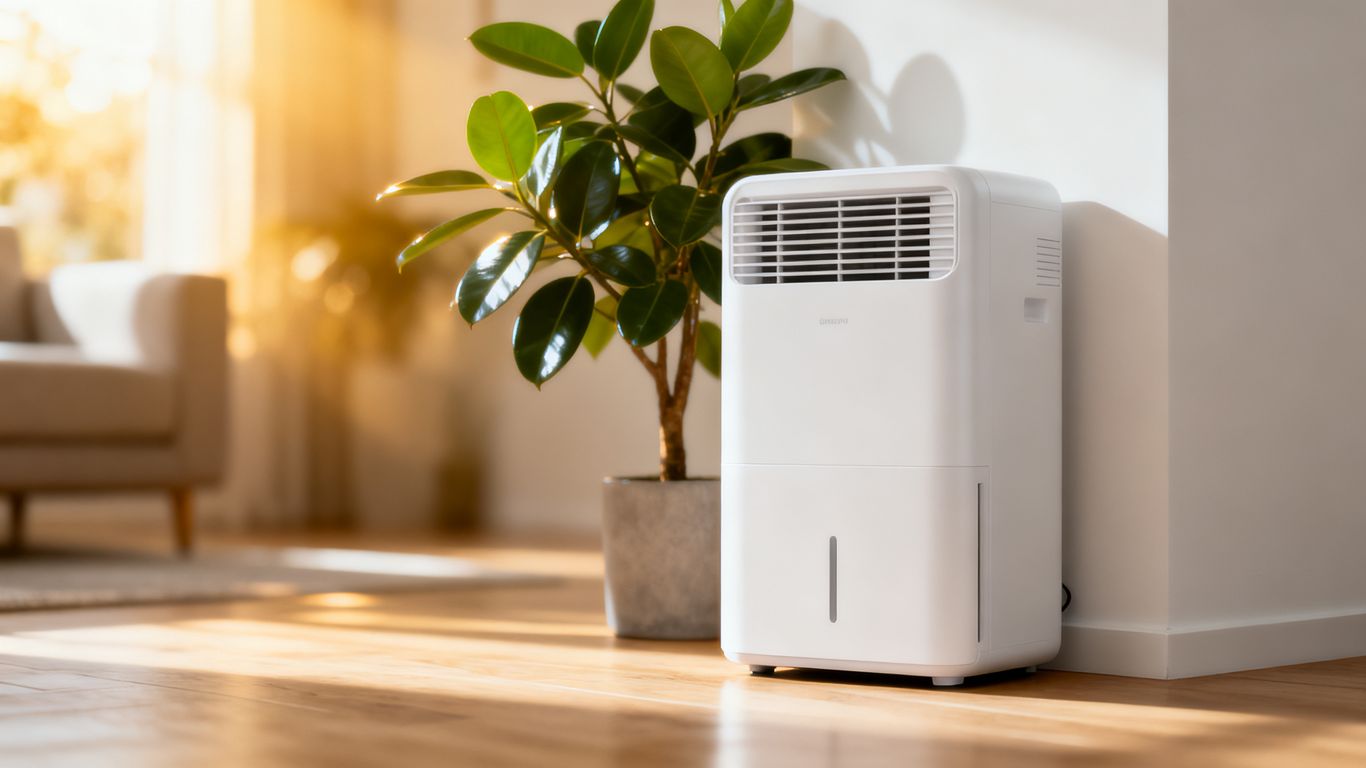
Choosing a compact machine requires balancing physical size with actual output. When your space is limited, every square inch matters, which is why engineering that integrates multiple functions can save valuable room while keeping the air quality optimal. A unit built by experts who understand the challenges of humid climates will often feature superior internal components like high-grade compressors that run more efficiently under heavy, continuous loads.
Auto-shutoff and drainage options
Reliable auto-shutoff sensors prevent overflow if you are not home to empty the tank manualy. This safety functionality is a baseline requirement, but checking for gravity-fed or continuous drainage options adds a significant layer of convenience for long-term set-and-forget operation.
Noise level and fan speed settings
Quiet operation is paramount when placing a unit in an office or bedroom setting. Low-decibel output usually points toward a more stable fan assembly, which is something you should demand if you plan to keep the device running while sleeping or working.
Energy consumption ratings
Efficiency is not just about the energy star label; it is about how much electricity the device uses to pull a single pint of water from the air. Consider these core features for any unit:
- Digital humidistat for precise target setting.
- Washable pre-filter to catch household dust.
- Adjustable timer modes for overnight use.
- Tank capacity that avoids frequent dumping.
Selecting a device that utilizes advanced technologies for better energy conversion ensures your utility bills stay predictable even during the thickest, most humid months of the year.
Portability and design aesthetics
Since these units often sit in high-traffic areas, a design that blends into your interior layout is preferred. Look for recessed handles and durable mobility wheels that allow you to move the device between rooms without straining yourself, and verify the weight of the water tank when full.
Optimal placement strategies for small spaces
Proper placement transforms a mediocre dehumidification experience into a professional-grade solution for your home. You want to ensure the air intake isn’t blocked by furniture, curtains, or stacked boxes, as these obstructions force the unit to work harder than necessary and decrease its cycle efficiency.
Improving airflow in bathrooms and closets
These tiny rooms are notorious for stagnant air that holds onto moisture. Placing a unit near the doorway or on a clean, flat surface with at least 15cm of clearance all around allows for the necessary air circulation to pull dampness away from clothes and towels effectively.
Positioning near major moisture sources
Locate the unit as close as possible to the point of moisture generation without violating distance requirements. If you have a damp basement room, focus on the corner where you notice the most condensation on the floor.
Avoiding common placement mistakes
The most common error in climate control is placing a device directly against an interior wall or inside a tight cabinet where circulation is stifled, as this invariably leads to an inaccurate reading from the unit’s onboard sensors.
Because the sensor effectively measures the micro-climate at the intake rather than the entire room, giving it space is necessary to ensure it reaches its optimum operating performance without short-cycling.
Managing clearance for intake and exhaust
Always verify that both the front intake and top or rear exhaust are clear to facilitate smooth airflow. This simple practice prevents overheating and keeps the internal mechanisms running smoothly for many years to come.
Operating tips for maximum efficiency
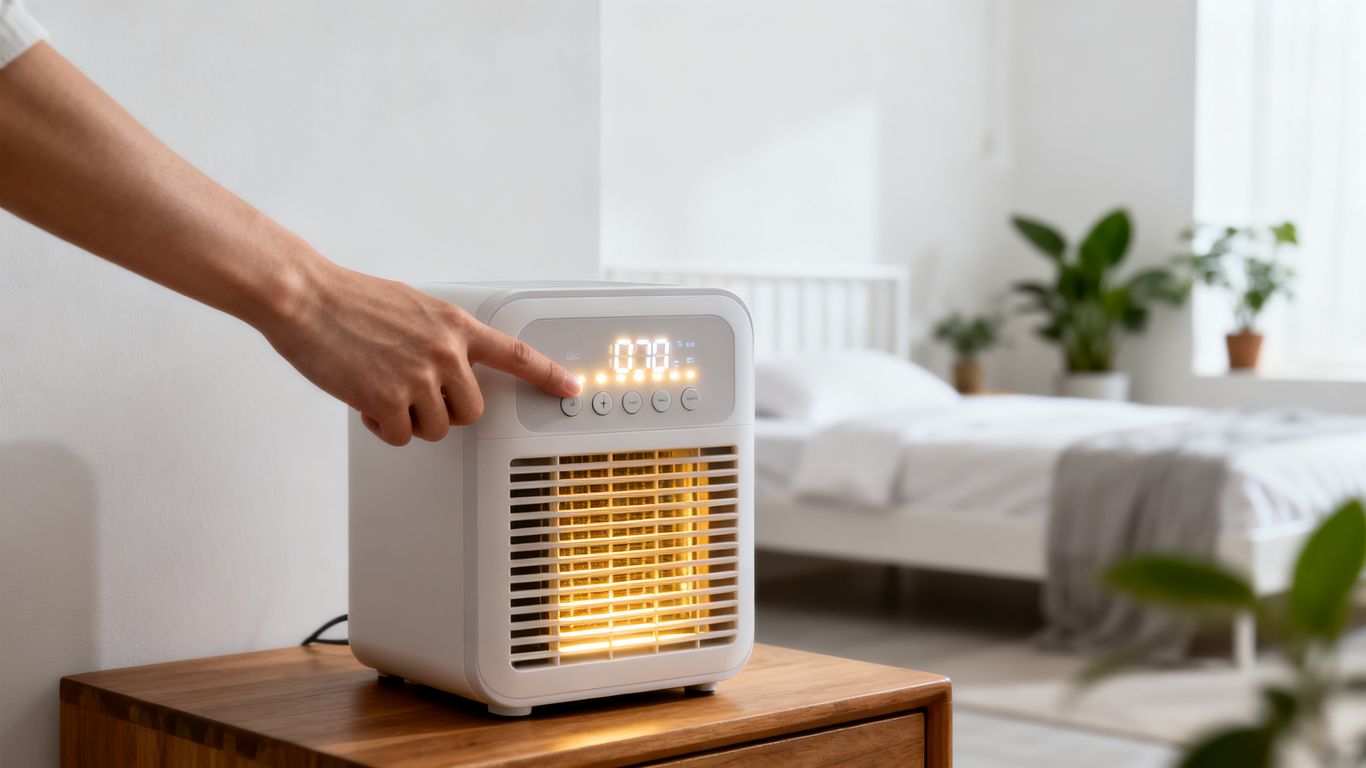
Getting the most out of your home environment depends on how well you interact with the control interface. By understanding how the cycles work, you can reduce the thermal strain on your unit while maintaining a consistent atmosphere that feels dry and fresh throughout the day and night.
Choosing the right humidity set point
Targeting a setting of around 45% is generally the sweet spot for comfort. Always avoid the trap of setting the goal too low, as this forces the compressor to run unnecessarily and can lead to over-dried air that might irritate the skin or nasal passages.
Utilizing the continuous drain mode
If you have a drain nearby, installing the hose for continuous output saves you the daily routine of emptying a reservoir. This is especially helpful in basements or utility rooms where the device might be forgotten for weeks at a time.
Balancing run-time with energy costs
Using a smart timer ensures the device runs while you are home or during peak humidity, but may save you money if you turn it off when ambient temperatures are naturally cooler or drier. This helps balance local climate variability with your monthly budget.
Monitoring seasonal climate changes
Humidity in tropical regions can be surprisingly dynamic throughout the year. Watch the weather patterns in your area; your requirements for moisture output will likely be higher during the primary monsoon season compared to the later dryer months.
Routine maintenance for long-term performance
Maintenance is not optional if you want your device to remain effective over years of daily usage. Regular care keeps the internal coils free from dust accumulation and ensures the fan motor doesn’t burn out due to excessive resistance from a clogged filter.
Cleaning and replacing air filters
Dust and household debris can quickly blanket a filter, significantly lowering the volume of air passing through your machine. Check the pre-filter every two weeks and vacuum or rinse it as required, ensuring it is entirely dry before re-inserting it into the machine.
Sanitizing the water reservoir
Even with clear water, the tank can develop a thin film of bacteria if not washed regularly. Use mild, fragrance-free dish soap and warm water to scrub the inside of the reservoir monthly to prevent foul odors.
Inspecting the coils for frost buildup
If you use the unit in cooler areas, monitor the evaporator coils. A layer of ice on these coils indicates that the room temperature is likely too low for the compressor, which means you should move it to a warmer location to avoid damage.
Storing your unit during dry seasons
If you plan to store the unit, clean the exterior thoroughly, drain all remaining water from the system, and unplug the cord. Wrap the unit in a protective cloth to shield it from dust and place it in a cool, dry area until you need it again.
Troubleshooting common dehumidifier issues
Every device encounters hiccups from time to time, but most issues are solvable with basic DIY steps. Being able to identify the difference between a minor setting mix-up and a hardware failure can save you a service call and help you get back to a comfortable environment quickly.
Dealing with persistent ice accumulation
If you notice frost, first verify if the ambient temperature is too low. If the room is warm but ice persists, the unit may be low on refrigerant, which is a sign you should contact support rather than attempting to fix it yourself.
Resolving water leakage problems
Leaks often originate from a misaligned tank or a clogged drain port at the rear of the machine. Always pull the reservoir out and reset it firmly to ensure the internal float valve is properly engaging with the catchment system.
Handling unit start-up failures
If the power is connected but the unit remains unresponsive, check for a tripped GFCI outlet or inspect the power cord for signs of damage. Sometimes, a full tank sensor can get stuck in the ‘off’ position, requiring a gentle tap to loosen the float.
Interpreting error codes on digital displays
Modern interfaces often communicate issues through specific codes that tell you exactly what is wrong.
Scenario Time
Imagine you wake up and see an ‘E1’ code on your humidifier screen. You don’t need to panic or call a professional immediately. First, you would consult your user manual to see that E1 usually refers to a room temperature sensor error. By simply shutting down the unit for ten minutes, you allow the internal logic to reset, effectively clearing the electronic hiccup that caused the sensor to report an out-of-bounds value.
Conclusion
By carefully selecting a model that matches your room size and adhering to a simple, consistent maintenance schedule, you ensure that your home remains a dry, comfortable sanctuary against the persistent humidity of our climate. Taking the time to properly place your unit and monitor its performance allows you to extend the life of your equipment while enjoying better air quality every single day.
Frequently Asked Questions
How often should I empty the water reservoir?
If your unit is running regularly in a high-humidity room, you should empty the reservoir daily to prevent spills and ensure the float valve can continue triggering the automatic shutoff mechanism.
Can a dehumidifier replace an air conditioner?
While they both reduce humidity, they function differently; a dehumidifier focuses solely on moisture removal, whereas an air conditioner uses a refrigeration cycle to both cool and dry the air simultaneously.
Is it safe to leave a dehumidifier running overnight?
Yes, provided you choose a model with a reliable auto-shutoff sensor and set it in a location with adequate airflow, it is perfectly safe to operate during sleep hours to maintain your desired humidity.
What does the humidity set point actually do?
It tells the internal humidistat to keep running until it measures that specific percentage level in the room, at which point the compressor pauses to save energy.
Will a dehumidifier fix my mold problem?
It helps suppress the environment that mold thrives in by keeping humidity below 50%, but it cannot remove existing mold colonies, which must be cleaned or removed separately from porous surfaces.
Why is the air coming out of my machine cold?
You will notice that the exhaust air is often slightly warmer or cooler depending on the technology; refrigeration-based units generally release air that feels slightly warmer as a byproduct of the heat exchange process.
When is the best time of year to use a dehumidifier?
Use your device during any season where the indoor humidity consistently stays above 50%, which in tropical regions is typically throughout the entire year, especially during periods of heavy rainfall.