Key Takeaways
Understanding how a desiccant dehumidifier works can transform how you manage moisture in your home or industrial space.
- Desiccant systems use porous materials to absorb moisture chemically rather than through cold-coil condensation.
- These units are remarkably effective in cold environments where traditional refrigerant models often struggle to perform.
- Silica gel rotors serve as the heart of the process, continuously cycling between absorption and reactivation, often called a thermal regeneration process.
- Industrial warehouses, historical archives, and unheated basements benefit significantly from the low-temperature performance of desiccant-based humidity control.
- Proper maintenance, including regular filter inspection and rotor condition checks, ensures consistent and reliable long-term performance for any installation.
What is a desiccant dehumidifier?
When humidity levels climb, traditional cooling-based units may falter, but a desiccant dehumidifier offers a different path forward. These machines are engineered to tackle moisture by using chemical attraction rather than relying on freezing evaporator coils. This specialized approach makes them a vital tool for those living in cooler or highly stable environments where precision humidity control is a non-negotiable requirement.
Definition and core mechanism
A desiccant unit operates fundamentally through adsorption, where a moisture-attracting material acts like a sponge to pull water vapor directly from the surrounding air. Unlike compressor models, which must cool air to its dew point to make water condense, desiccants bypass this cooling requirement entirely. This allows for a seamless and continuous dehumidification cycle that remains unaffected by the ambient temperature of your room.
The role of silica gel rotors
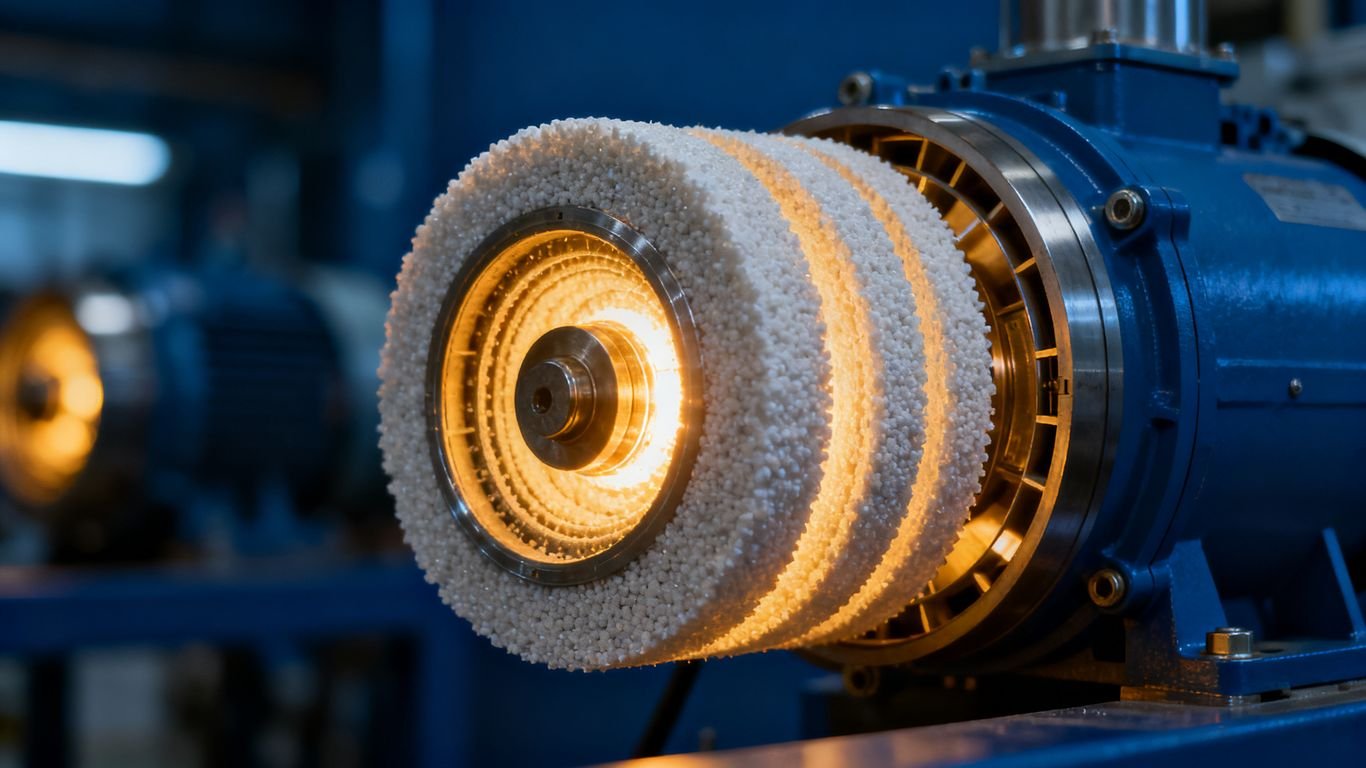
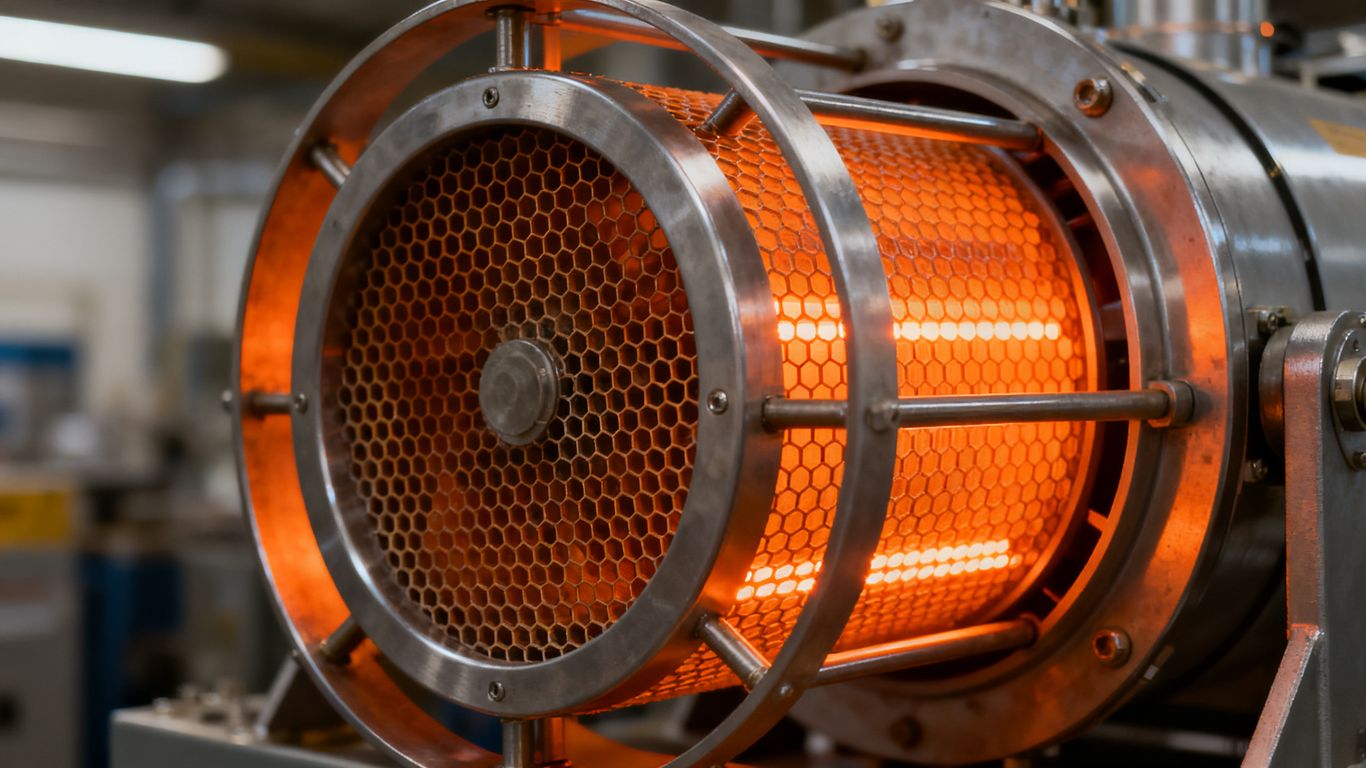
The rotor is the rotating component inside the unit, coated with a desiccant material, typically silica gel, which provides a high surface area for moisture to cling to. As the rotor spins slowly, one segment absorbs water from the process air, while another segment is heated by an internal heater to release that moisture, which is then vented out. Think about it like a person with cold hands sitting near a fire to warm up and then moving away to resume work; the rotor performs this elegant, repeating dance to ensure air is constantly being dried without needing to cool your living space.
Key differences from refrigerant dehumidifiers
While compressor systems are popular in warm, humid climates because they are energy-efficient at high temperatures, they often frost up when the mercury drops. Refrigerant models use coils, whereas desiccant types use a chemical process. To understand which is better for your specific setting, we can compare their fundamental operation:
| Feature | Desiccant Dehumidifier | Refrigerant Dehumidifier |
|---|---|---|
| Moisture Removal | Chemical Adsorption | Thermal Condensation |
| Temperature Range | Effective in Cold (Below 15°C) | Effective in Warm (Above 15°C) |
| Exhaust Air | Slightly Warmer than Intake | Slightly Warmer than Intake |
Selecting the right technology often depends on the average climate you inhabit. While compressor units are standard for warm tropical zones, those dealing with variable or cool seasonal changes benefit from the thermodynamic stability of a desiccant system.
How desiccant technology functions
Understanding the mechanics inside a desiccant unit requires looking at the continuous airflow path that treats your indoor environment. These systems are designed to balance moisture removal with consistent air circulation, often using advanced internal components like those found in DualCore 20 units, which streamline how air is processed for maximum efficiency in tropical climates.
The adsorption process
The first phase, known as adsorption, involves pulling moist process air through the rotor matrix where moisture is trapped in the desiccant material. This is a purely physical process that does not require the air to be chilled. As the air passes through, it exits in a much lower relative humidity state, having deposited its water load onto the rotor surface.
The reactivation cycle explained
As the rotor continues to rotate, the moisture-saturated section enters a second, separate airstream known as the reactivation air. This segment of the rotor is subjected to heat, which forces the chemically bound moisture to release and drift away as water vapor into a side-vent or exhaust duct. By constantly cycling this way, the rotor maintains a fresh surface ready to grab more water, ensuring that the dehumidification never has to pause to defrost. This effectively creates a circular moisture removal path that is both robust and highly reliable.
Why desiccant systems thrive in low temperatures
Because these devices do not rely on dropping the air temperature to reach a dew point, they face no risk of the internal heat exchanger icing over in cold conditions. This allows them to operate effectively in unheated areas or during deep winter, unlike refrigerant units that may need external heating to stay functional. As you consider your options, remember that DualCore 20 units can sometimes provide a more versatile approach depending on your integrated ventilation needs.
Common applications for desiccant units
Because these machines are purpose-built for difficult environments, they find their homes in places where standard units simply cannot cope. The ability to function regardless of external ambient temperature makes them the go-to choice for specialized settings where 3046 levels might not be the only concern for the interior environment.
Industrial warehouse moisture protection
In large storage spaces, rapid temperature swings can lead to condensation on inventory, which invites rust and mold growth. Desiccant units prevent these issues by continuously maintaining a low dew point. When you are assessing your site, consider the following benefits of using industrial-grade desiccants:
- Prevents the formation of rust on sensitive metal tools or inventory.
- Stops the growth of surface-level mold on paper packaging.
- Maintains stable air quality levels regardless of the season.
- Reduces damage to electrical components stored in unheated zones.
Preserving historical artifacts and archives
Museum collections and archives require incredibly tight humidity controls to prevent the degradation of delicate materials like parchment, wood, and canvas. Desiccants are favored here because they do not introduce the rapid temperature cycling associated with refrigerant-based condensation methods. This steady-state environment is essential for keeping materials from becoming brittle or warping over time.
Preventing mold in unheated spaces like basements
Many home basements remain cool year-round, which makes them perfect breeding grounds for mildew and musty smells. Since these areas aren’t usually heated, the operating temperature is often well below the comfort threshold for refrigerant dehumidifiers. Using a desiccant unit here ensures that even the lowest corners of your basement remain dry and comfortable, acting as a direct replacement for traditional strategies.
Key advantages of desiccant dehumidifiers
Beyond just removal rates, the inherent design of these units provides several secondary benefits that improve your daily user experience. Their reliance on rotors rather than heavy compressor motors changes how they fit into your living or working environment.
Effectiveness in cold environments
As noted previously, their performance does not degrade when the room temperature dips. This consistency is their greatest advantage, ensuring that humidity stays within the 40-50% range recommended by experts for preventing long-term mold problems. Even if your space is completely unheated, these units will work effectively to keep the air dry.
Silence and vibration-free operation
By removing the heavy, rattling compressor found in refrigerant models, desiccant units generally run much quieter. This is a critical factor for people who live in small apartment configurations where they may need to run the unit throughout the night in a room they also sleep in. It allows you to protect your home’s air quality without the intrusive hum of a standard appliance.
Compact and lightweight designs
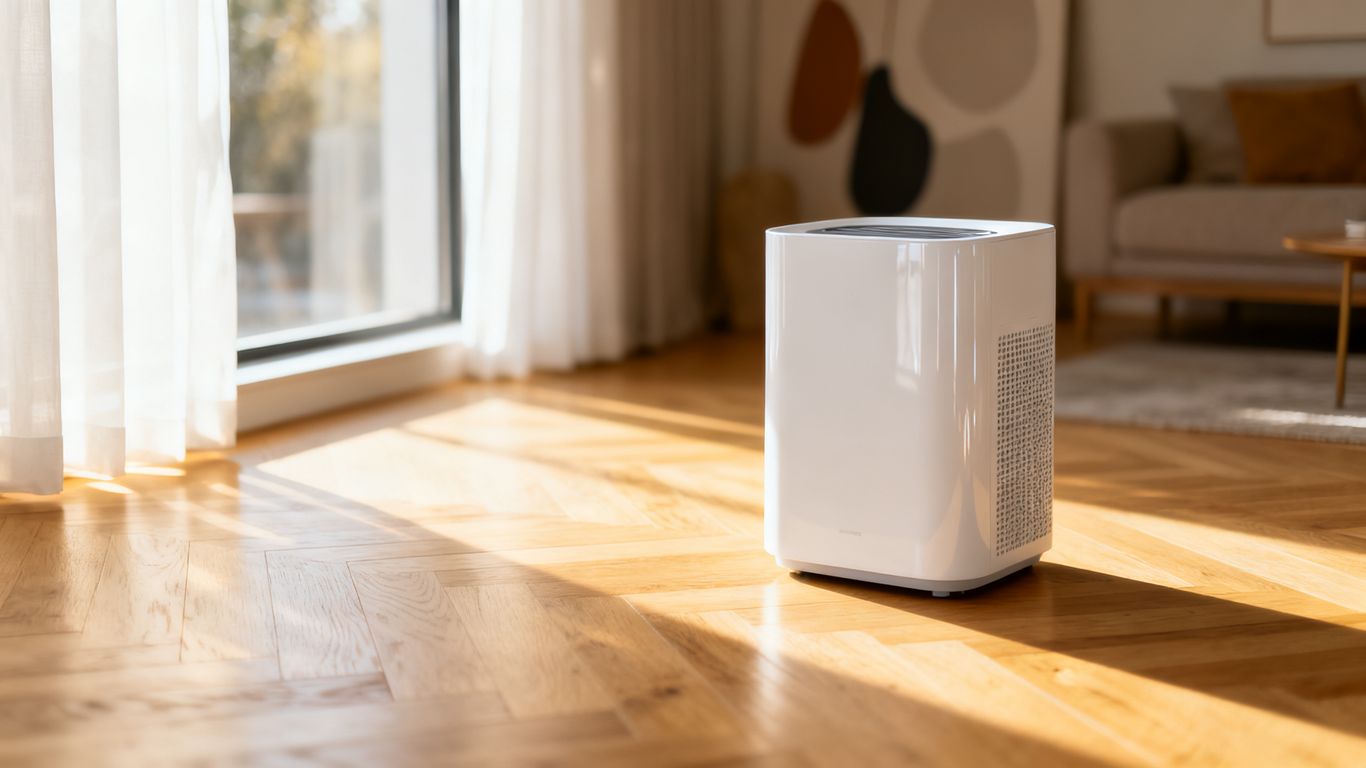
Without the massive weight of a compressor, these units are often lighter and easier to move from room to room. Whether you need to relocate the unit to clear out a storage closet or bring it into a guest room for a quick dry, the compact footprint makes it a highly convenient tool. This portability is often enhanced by smart designs that integrate dual-functionality systems for moisture regulation and air quality management in a single frame.
Selecting the right unit for your needs
Choosing the right equipment requires a clear eye on the metrics of your specific space. When looking for a unit, keep these factors in mind to ensure you maximize your return on the investment.
Calculating the required dehumidification capacity
You should calculate the total volume of your room, not just the floor square footage. If heaving moisture sources like internal spas or outdoor vents are present, you will need a higher pint-per-day capacity. It is better to slightly oversize the capacity to allow the unit to cycle off during periods of lower humidity.
Energy considerations and power consumption
While they are powerful, the internal heaters used for reactivation do contribute to energy demand. Look for models with smart humidistat sensors. These sensors ensure the unit only runs when it detects moisture levels rising above your target, effectively balancing their high-performance power draw with intelligent, reactive usage patterns.
Integration into HVAC systems
Many high-end installations allow for the desiccant unit to be piped directly into your existing HVAC airflow. This allows for centralized control where the desiccant unit handles the difficult moisture-extraction job while your existing fan handles the air distribution. It is often wise to consult an HVAC professional if you intend to mount these units within an existing ceiling or ducting framework.
Maintenance and care for lasting performance
To get the most out of your unit, regular care is necessary, as is the case with any mechanical device in a high-humidity environment. Because these units are drawing air through filters continuously, they are essentially acting as partial air cleaners.
Routine filter cleaning and replacement
The intake filter prevents dust and lint from reaching the rotor. If the filter becomes clogged, airflow drops, and the internal heater may work harder than necessary. You should plan to vacuum or wash the primary filter every few weeks, depending on how much dust exists in your space, to ensure the rotor receives clean, consistent airflow.
Monitoring the rotor condition
While the rotor itself is designed for long service life, you should visually inspect it during your annual major maintenance. If you notice buildup or discoloration, you may need to use a soft brush to remove dust from the rotor matrix. Never attempt to wash the rotor with liquid, as this can damage the desiccant materials or warp the matrix structure.
Troubleshooting airflow blockages
If the unit is running but not removing water, a common issue is an obstruction in the venting system. Ensure that the exhaust vents for the reactivation cycle are not blocked or heavily restricted by nearby wall objects. Maintaining proper vent clearance is essential since the unit needs to push the released moisture out of the machine effectively for the cycle to continue.
Conclusion
By focusing on the adsorption process rather than cooling, a desiccant dehumidifier provides a powerful and adaptable way to manage moisture in a wide variety of challenging environments. Whether you are protecting historical documents, keeping an unheated basement mold-free, or maintaining an industrial inventory, these systems offer a level of reliability that traditional compressor models often cannot reach. By selecting the right size for your needs and keeping up with routine maintenance, you can ensure a drier, healthier, and more comfortable environment for years to come. To get started, you can Buy Now and find the right solution for your tropical climate needs today.
Frequently Asked Questions
Do desiccant dehumidifiers run on batteries?
While some ultra-compact hobbyist options may use internal batteries for recharging, almost all effective, room-sized desiccant dehumidifiers require a standard wall outlet to power the rotor and the internal heating element for the reactivation cycle.
Can I use a desiccant dehumidifier in my bedroom?
Yes, they are generally much quieter than refrigerant models due to the absence of a loud compressor. This makes them a suitable choice for bedrooms if you need to maintain humidity control throughout the night without significant noise disruption.
Does a desiccant machine produce cold air?
No, they typically exhaust air that is slightly warmer than the intake air. This is because the internal heating used during the reactivation cycle warms the air slightly as part of the moisture release process, which can even provide a slight benefit in cold rooms.
How often do I need to change the desiccant rotor?
Under normal operating conditions in a residential or commercial setting, the rotor is designed to last for many years of continuous use. You should only consider checking or replacing components if the unit stops removing moisture efficiently after years of heavy operation.
Are these units more expensive to run than refrigerant models?
Because they utilize an internal heater, they can have higher power consumption in certain conditions, but they do offer significantly better performance in temperatures below 15°C. The energy efficiency often depends on whether you have a need for the unit to heat or dry in cooler conditions.
Must I provide a drainage hose for a desiccant unit?
Many desiccant dehumidifiers are designed to vent the moisture externally or collect it in an internal bucket. Depending on your choice, some models allow you to attach a hose for continuous drainage, which is ideal if you are installing the unit in a basement or crawl space.
Can I use these units to replace an air conditioner?
No, these appliances are specialized for moisture removal and do not have the cooling capacity required to function as an air conditioner. While they dry the air efficiently, they should be used alongside properly designed ventilation or cooling systems for complete comfort management.