Key Takeaways
Maintaining proper humidity levels is essential for keeping your home comfortable and free from mold. These five points summarize the critical aspects of selecting and using a device effectively:
- Match the pint capacity of your machine to the specific square footage of your room.
- Prioritize units with digital humidistats for precise environmental control.
- Ensure consistent drainage through gravity hoses or large tank emptying.
- Perform regular filter maintenance to keep components clean and odor-free.
- Place your unit in open spaces with clearance on all sides for maximum airflow.
Understanding how a portable dehumidifier works
Choosing the right equipment starts with knowing the underlying science of interior climate control. Every machine relies on a thermal cycle or absorbent material to pull excess water from the air and protect your surfaces.
Mechanism of condensation and moisture removal
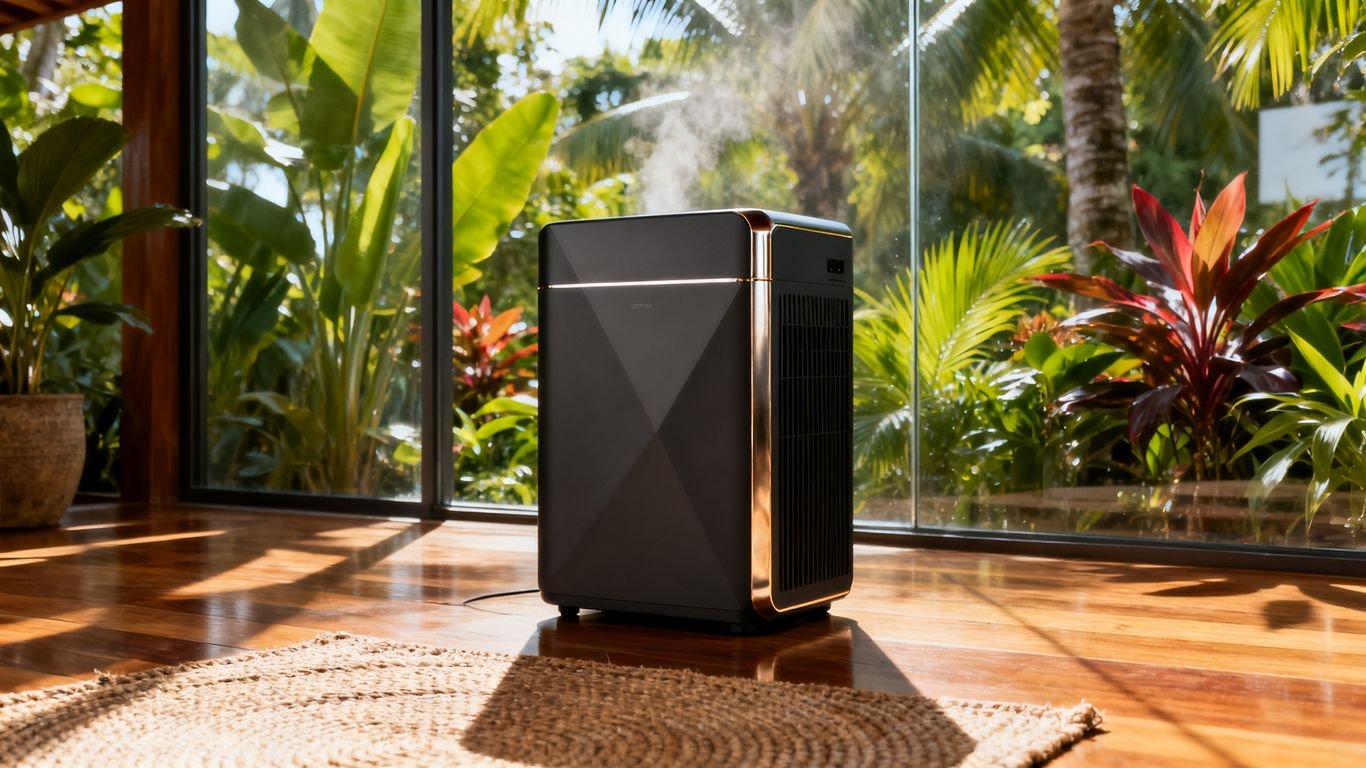
The fundamental operation begins with an internal fan pulling warm, damp air over refrigerated coils. As the air contacts the cold surface, the moisture condensates into droplets that drip into a reservoir, while the cooled air is exhausted back out. The Aerofy DualCore 20 leverages this scientific process through an optimized rotary compressor, which is designed to handle the challenges of tropical environments with consistent efficiency.
Difference between refrigerant and desiccant models
Refrigerant models use a classic compressor and coil setup, making them highly effective in standard warm rooms. In contrast, desiccant models utilize a chemical absorbent wheel to capture water without cooling the air, which works better in much colder environments.
Benefits of portability for multi-room humidity control
Being able to move your equipment between living rooms and sleeping areas is vital. A dehumidifier portable unit offers flexibility, allowing you to target damp spots like closets or laundry areas as needed rather than buying multiple fixed systems.
Key features to prioritize when buying
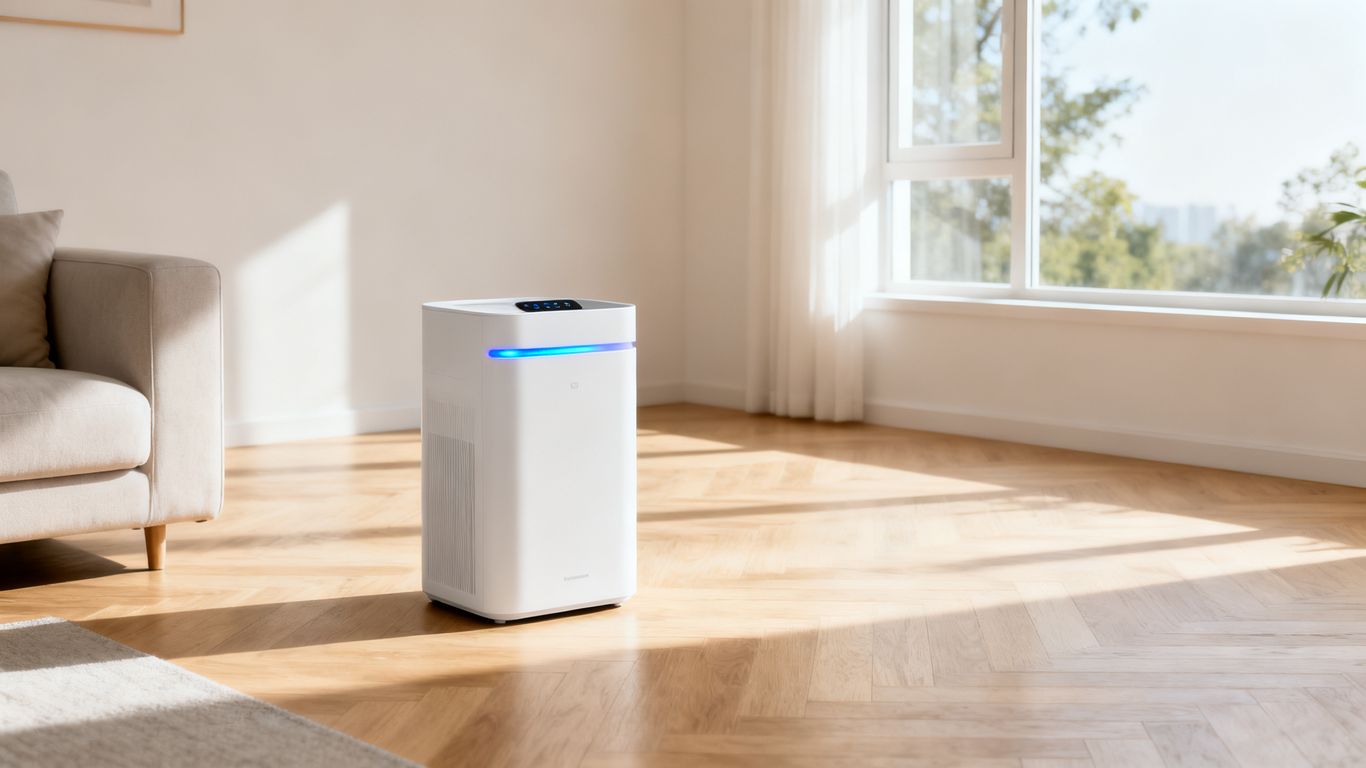
Finding the perfect appliance involves looking for specific functional design elements that streamline your maintenance schedule. Investing in high-quality hardware ensures you get the most out of your purchase for years to come.
Built-in humidistats and automatic shut-off sensors
Reliable machines rely on built-in sensors to monitor real-time moisture levels throughout the day. These components ensure accurate humidity adjustment without requiring constant manual intervention from the homeowner.
Continuous drainage options versus manual water tank emptying
Many users prefer the convenience of gravity-fed drainage over daily bucket dumping.
| Feature Type | Manual Emptying | Continuous Drainage |
|---|---|---|
| Effort Level | High | Low |
| Risk of Spills | Moderate | Minimal |
| Usage Scenario | Small Spaces | Basements/Utility |
Selecting a unit with an external hose hookup provides a set-and-forget setup that prevents overflow in high-humidity seasons, making it a critical choice for basements.
Smart connectivity and mobile application integration
Modern devices often include high-tech features like mobile monitoring for increased convenience. The Aerofy DualCore 20 uses such integration, allowing you to check performance stats from your phone while away from home.
Mobility enhancements like casters and carrying handles
Sturdy wheels allow you to glide the unit across different floor surfaces with ease. Even heavy-duty models remain accessible when they incorporate ergonomic, reliable grip points that simplify moving the system from room to room.
Determining the right capacity for your space
Understanding the relationship between room size and moisture removal is the clearest path to finding the right fit. If your machine is too weak for the volume of air, you will find yourself battling damp conditions indefinitely.
Calculating pint capacity based on room square footage
You must calculate the typical pint removal rate required for your environment, which scales significantly with larger areas. Consulting an expert sizing guide will reveal that small bedrooms need significantly less extractive power than large, open-plan basements.
Assessing basement versus living space humidity levels
Basements often feel much colder and damper than upstairs areas due to foundation proximity. If you struggle with high indoor humidity, consider these steps:
- Measure the current moisture levels using an external hygrometer.
- Inspect foundations for cracks that contribute to moisture ingress.
- Position the unit away from obstructions like laundry piles.
- Clean the unit intake regularly to ensure the internal motor avoids strain.
Following these steps helps you stabilize the climate in areas where moisture tends to accumulate silently.
Understanding the impact of high ambient temperature
Hotter air holds more moisture than colder air, requiring more aggressive cycles throughout the day. In regions with constant tropical heat, ensure your equipment is specifically rated for efficient operation under those intensive conditions.
Placement and maintenance tips for optimal performance
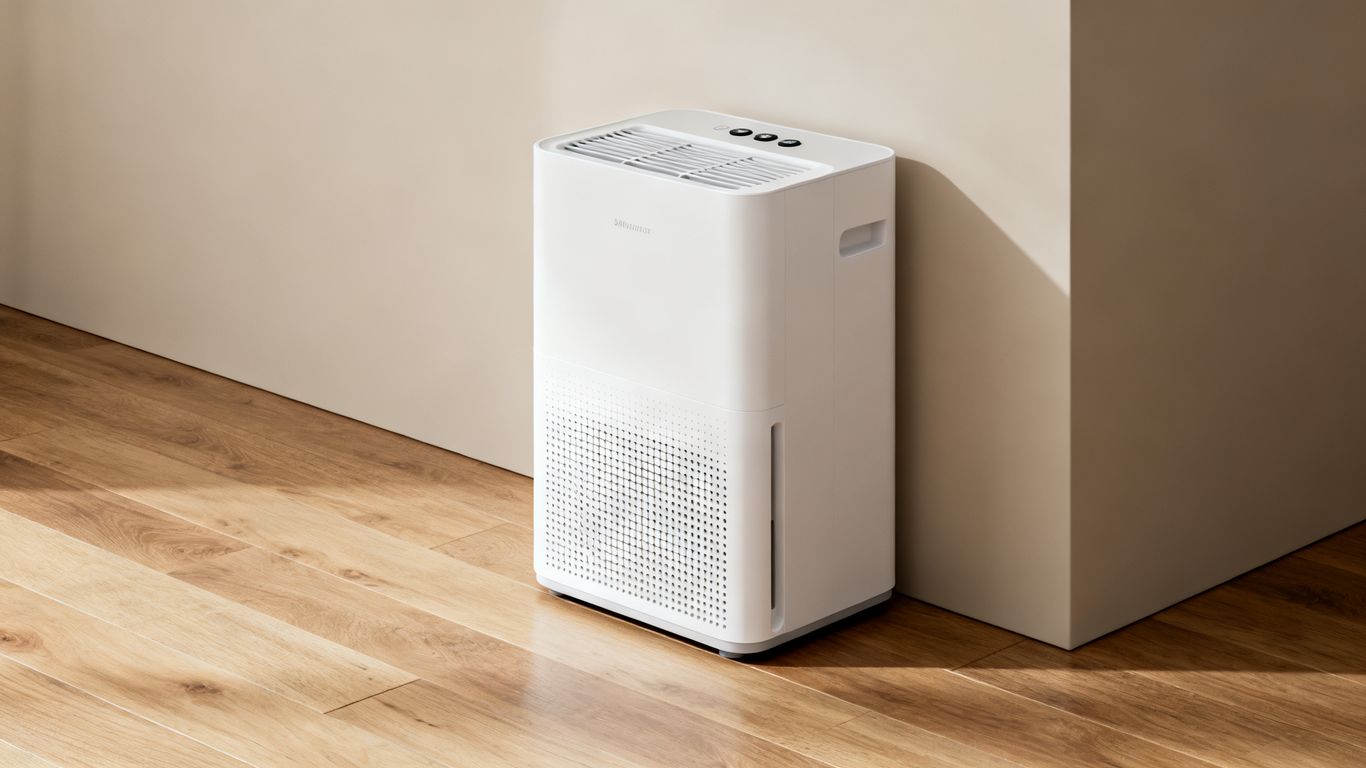
Positioning your machine correctly dictates whether you receive a steady improvement in air quality or a struggle with dampness. Proper placement combined with routine upkeep prevents common mechanical issues.
Ideal distances from walls and furniture for airflow
You should always maintain at least 12 inches of clearance around the intake vents and discharge areas. Blocking these spots prevents effective air exchange, which leads to ice buildup on internal cooling coils.
Cleaning the air filter to prevent mold buildup
Internal filters act as the first line of defense against dust and debris circulating in your house. A clean filter ensures the processor handles air efficiently, so check it every two weeks to maintain peak performance.
Managing localized humidity in laundry or utility rooms
The Aerofy DualCore 20 is engineered to solve these challenges specifically by reducing the moisture generated by wash cycles and dryer exhaust. By focusing on airflow in restricted utility areas, you protect the entire house from migrating damp.
Energy efficiency and noise level considerations
Scenario Time: Imagine trying to relax in your home office while a machine the size of a suitcase hums loudly in the corner. You want dry air, but you do not want to sacrifice your concentration or increase your power bill to achieve it.
Decoding Energy Star ratings and power consumption
Looking for the Energy Star label helps you identify models that offer maximum extraction with minimal electricity usage. These devices pay for themselves over time by preventing high utility bills during the peak damp months of the year.
Comparing decibel levels for bedroom or home office use
Noise levels are measured in dBA, and a lower number indicates a quieter experience for your living zones. Aim for units rated below 50 dBA if you plan to keep your device running within a room where you sleep or work.
Evaluating eco-friendly modes for long-term usage
Eco-friendly modes adjust fan speeds once the target humidity is reached to save wattage. Utilizing these smart features effectively balances the need for a healthy living environment with energy-conscious habits.
Troubleshooting common portable dehumidifier issues
Technical glitches can usually be resolved with simple steps rather than a professional repair call. When your system starts acting up, check the most common culprits before looking for replacement parts.
Diagnosing frozen coils in low temperature conditions
If you see white frost accumulating on the back coil, the ambient temperature is likely too low for standard operation. Increasing the ambient room temperature often resolves this issue immediately.
Resolving water leakage problems during operation
Leaking liquid usually stems from a clogged drain hose or an improperly seated tank. Simply removing the bucket and checking the drain pan for obstructions will solve most leakage problems within minutes.
Addressing persistent musty odors within the internal components
Musty smells typically suggest that mold spores have settled within the drainage tank or on the damp intake screen. Regular washing with mild soap and water keeps your indoor climate fresh and protected from moisture.
Buy Your Unit
If you are ready to improve your indoor climate, visit our shop now to see our range of products. We offer shipping throughout the region to ensure you get professional-grade, locally engineered air solutions delivered straight to your door.
Conclusion
Taking control of your indoor air quality is a simple investment that rewards you with better health and comfort throughout the seasons. By carefully choosing the appropriate unit for your room size, maintaining your filters, and placing the device in an open, strategic position, you can easily turn a damp and musty dwelling into a refreshingly crisp home that you truly enjoy living in.
Can I use a dehumidifier in a basement?
Yes, these devices are highly effective in basements because they combat the high humidity levels caused by earth-contact walls and poor ventilation in lower-ground structures.
How often should I empty the water tank?
This depends on your climate and the humidity level of the room. In very damp spaces, you may need to empty it once or twice a day, while more temperate rooms might require emptying every few days.
Is it normal for the machine to run continuously?
Yes, in very damp environments, a unit may run for a long time to reach the desired set point, but it should cycle off once the ambient moisture is sufficiently reduced.
Do I need to clean the internal unit?
You should regularly wipe down the exterior, wash the air filter, and sanitize the water reservoir to ensure no mold grows within the system.
Can a dehumidifier replace an air purifier?
While some dual-function units exist, a standard machine is primarily designed to remove water vapor, whereas air purifiers effectively filter particulates like dust and pollen.
What is the ideal humidity level for a home?
Most experts agree that keeping indoor relative humidity between 40% and 50% is best for preventing mold growth and ensuring human comfort.
Will this help stop window condensation?
Excess condensation is often a sign of high indoor humidity, so running an appropriately sized dehumidifier will frequently reduce or eliminate that moisture on your glass surfaces.