Key Takeaways
Understanding how your home manages air quality is crucial for a comfortable environment. Managing humidity effectively protects your health and your living space from moisture-related damage.
- Refrigerant dehumidifiers use cooling coils to pull moisture from the air.
- Desiccant models rely on chemical absorption, making them superior for colder climates.
- Correct maintenance of filters and water tanks prevents operational failure and mold growth.
- Airflow volume directly dictates how quickly a room reaches the desired humidity level.
- Consistent monitoring of the ambient dew point helps in choosing the right equipment type.
The core mechanics of dehumidification
At the fundamental level, dehumidification is the process of removing water vapor from the air to reduce or maintain the level of humidity. This is achieved by moving air through a system that forces moisture change, often turning vapor back into liquid. Whether you are using a compact 2-in-1 air purifier or a dedicated unit, the sequence remains consistent to ensure stable indoor air quality.
The role of the fan and intake
The fan serves as the heartbeat of the system, drawing in warm, moisture-laden air from your living space through intake vents. By maintaining a constant flow of air, the unit ensures that every corner of the room gets treated, preventing stagnant air pockets where mold thrives. Proper intake is essential to balance indoor air quality as the system processes the environment.
How cooling coils condense water
Once the air enters, it flows over refrigeration coils that have been cooled to a temperature below the dew point. As moist air contacts these cold surfaces, it loses its ability to hold water, causing the vapor to turn into liquid droplets. The Aerofy DualCore 20 is carefully engineered to maximize this condensation process, ensuring high efficiency even in the high, persistent humidity common to tropical regions like Singapore.
Reheating the air before discharge
After leaving the cooling coils, the now-dry air passes over a warm condenser or heater element before being pushed back into the room. This step is critical because it returns the air to a comfortable temperature, preventing the dehumidifier from chilling your home. By maintaining optimal moisture levels while keeping the room temperature steady, the unit ensures your comfort remains undisturbed.
Understanding refrigerant-based dehumidifiers
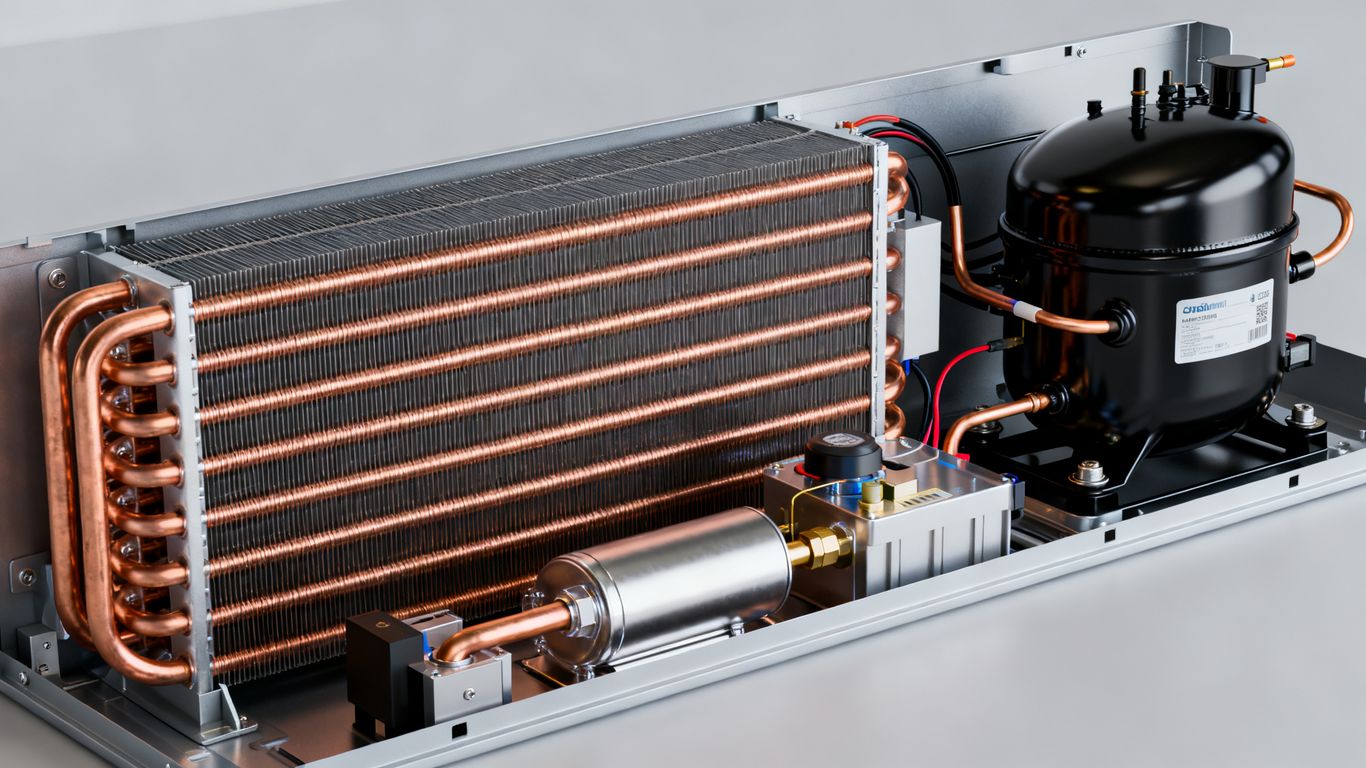
Refrigerant-based models are the most common type of dehumidifier for residential settings due to their balance of energy consumption and efficacy. These units treat high-humidity environments effectively by using a closed system of compressor-driven components.
The compressor and expansion valve circuit
The heart of this system is the compressor, which keeps the refrigerant circulating through the coils. The expansion valve lowers the pressure of the liquid refrigerant, which causes it to absorb heat rapidly, maintaining the frigid surfaces necessary for condensation to occur. This cycle repeats continuously, drawing moisture out of the air as long as the device is powered on.
Advantages of refrigerant technology for residential use
Refrigerant units are highly effective in warm to moderate environments, providing reliable moisture removal at a lower cost per pint than other methods. The table below highlights why these units are a staple for home use.
| Feature | Refrigerant-Based | Desiccant-Based |
|---|---|---|
| Energy Consumption | Efficient in warm weather | Higher in most cases |
| Primary Use Case | Warm, humid homes | Cold, unheated spaces |
| Operating Noise | Moderate | Low to quiet |
These systems are built for the tropics and work best when temperatures remain within a stable range, allowing for consistent operation throughout the year.
Performance limitations in low-temperature environments
When temperatures drop significantly, refrigerant units face operational struggles because the cooling coils may freeze over, causing the system to stop removing water effectively. For homeowners, this means needing a properly designed solution that takes environmental variables into account. Aerofy recognizes these physical constraints, which is why their team prioritizes engineering that addresses the specific challenges of humidity in different climate zones.
Desiccant dehumidifier functionality
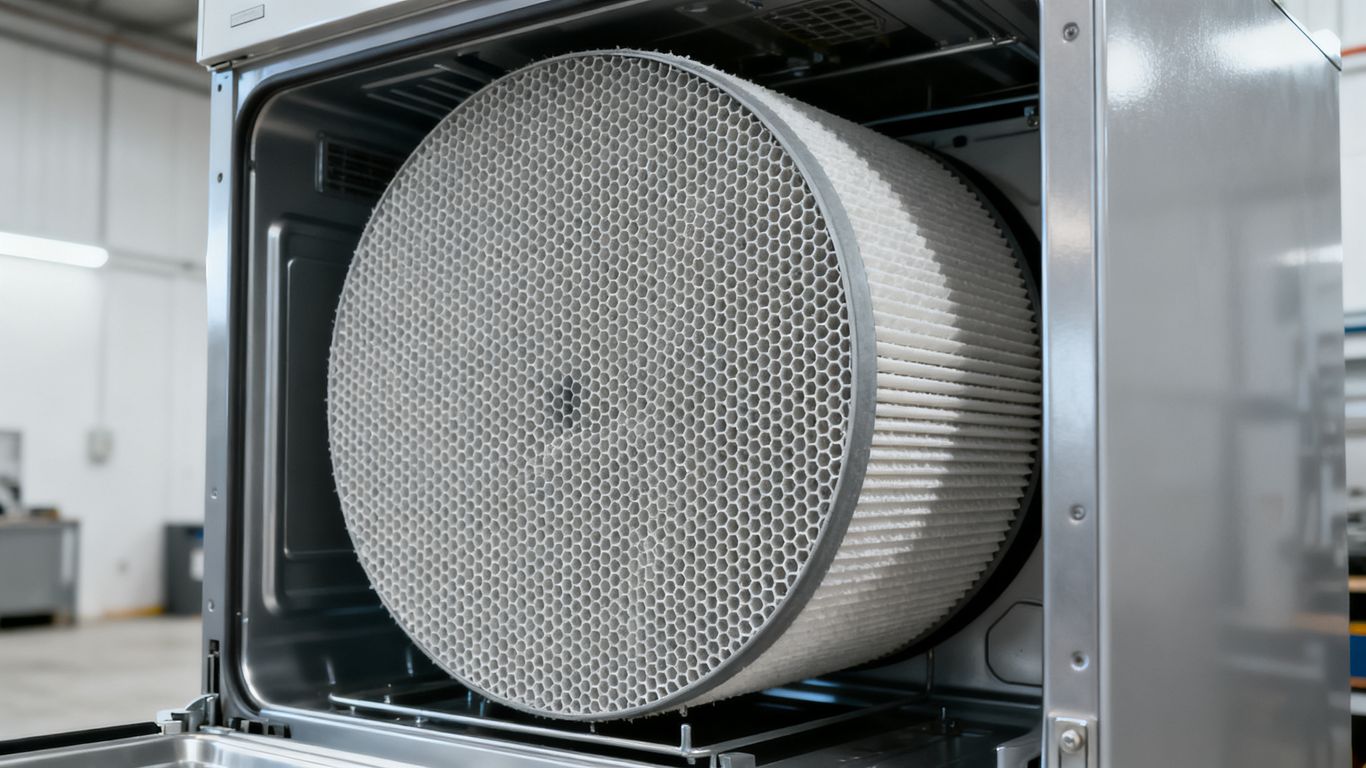
Desiccant dehumidifiers function differently, moving away from compressors in favor of chemical processes that bond moisture out of the air. This approach provides a unique way to keep spaces dry without needing traditional cooling cycles.
How absorbent materials chemically capture humidity
Rather than condensation, these units use a rotating wheel coated in a hygroscopic material like silica gel. As air passes through the wheel, the silica binds directly with the water molecules, effectively stripping them from the air. This dry air is then released into the home, while the moisture stays trapped within the desiccant.
The regeneration cycle for desiccant wheels
To keep working, the wheel must be dried out so it can capture more moisture. The following steps explain how this maintenance cycle functions during continuous operation:
- Sensors detect that the desiccant wheel is approaching saturation levels.
- A portion of the wheel rotates into a separate, heated regeneration zone.
- Heat evaporates the captured moisture, causing it to exit the system as vapor.
- The wheel cools briefly, preparing to re-enter the intake air stream.
This continuous rotation ensures the dehumidifier can maintain a low humidity level even in humid basements or poorly ventilated storage rooms.
Optimal use cases for unheated or cold spaces
Desiccant units are the preferred choice for environments where temperatures often fall below 15 degrees Celsius. Because they do not rely on cold coils, they are immune to the freezing issues that plague standard refrigerant models, making them perfect for drying out your home during cooler, damp seasons when other units might switch off.
The physics of moisture removal
Humidity management is rooted in the relationship between air temperature and the amount of water it can hold. Understanding this relationship helps you make the right choice when looking for an effective moisture solution for your specific needs.
The relationship between room temperature and condensation
Warm air is capable of holding significantly more water vapor than cool air. When you cool air down rapidly, the air’s saturation point drops, forcing it to release the excess moisture as liquid water. This physical reaction is precisely how all condensation-based dehumidifiers function, utilizing the cooling surface to force this phase change.
Dew point and its impact on system performance
The dew point is the temperature at which air becomes 100% saturated with water. If your cooling coils are not set to a temperature below the current dew point of the room, they will not be able to effectively condense water from the atmosphere. Maintaining this temperature difference is vital for high-performance units to remain efficient.
Why airflow volume determines drying efficiency
Efficiency is not just about how cold your coils are or the power of your compressor; it is about how much air you move across them over time. Higher airflow volume ensures that more moist air contacts the cold surfaces each minute, which is why portable dehumidifier designs feature high-quality, long-lasting fans. If the air moves too slowly, the unit works harder to remove less moisture, which increases energy usage without improving humidity levels.
Maintenance factors that affect functionality
Scenario Time: Imagine you have been running your unit in a humid garage for months without checking the filters. You notice the air feels sticky and the tank is practically empty, even though the humidity outside is very high. This is a common situation caused by simple maintenance oversights.
Why clean air filters are critical for system airflow
Filters are the first line of defense for the internal components, catching dust and pet dander before they hit the coils. If these filters become packed with debris, they act like a wall, significantly choking the airflow. This leads to the compressor overworking and the unit failing to reach the target humidity, while maintaining your unit with regular washing keeps the mechanics breathing easily.
Preventing coil frost buildup during operation
Frost buildup typically happens when the internal sensor fails to detect the low temperatures occurring on the evaporator. By ensuring that the unit is not placed in a room that is too cold for its specific design, you prevent the ice from forming. Ice on the coils acts as an insulator, blocking heat exchange and forcing the system to consume more energy while doing less work.
Proper drainage and tank maintenance strategies
When a tank remains full, the unit’s automatic safety sensor shuts everything down to prevent an overflow. Regular inspection of the internal float and cleaning of the tank prevents bacteria and mold from growing inside the water reservoir. Consistent care ensures the machine can provide continuous drainage, which is ideal if you are managing persistent issues like rising damp or post-flood cleanup.
Conclusion
Managing indoor humidity is a technical process, but understanding these fundamental mechanics allows you to make informed decisions that improve your living space. Whether you require the high-efficiency condensation of a refrigerant-based system or the chemical precision of a desiccant wheel, choosing the right appliance is the first step toward a healthier, more comfortable home.
Frequently Asked Questions
How do I know if I have too much humidity?
Musty odors, condensation on windows, and peeling wallpaper are common signs that your indoor moisture levels have exceeded a healthy range.
Can a dehumidifier replace an air conditioner?
While both manage air conditions, they serve different purposes; a dehumidifier is designed to extract moisture, whereas an AC is designed to lower air temperature.
Where is the best place to put a unit?
Ideally, place your machine in a central location with at least six inches of clearance on all sides to ensure maximum airflow for the intake and exhaust.
How often should I empty the water tank?
This depends on the model’s capacity and your local humidity, but in high-moisture climates, you should check the tank visually once a day.
Will a dehumidifier make my room hotter?
Since the unit expels dry, warmer air, it may slightly increase the temperature of a small room, though modern engineering aims to keep this increase minimal.
Do I need a technician for maintenance?
Basic maintenance like cleaning filters and emptying the tank can be handled by the user, but internal repairs involving the refrigerant circuit should be left to a trained professional.
Why does my machine run constantly?
If the unit never reaches the target humidity level, it may be undersized for the space, or you may be dealing with extreme moisture infiltration that requires sealing off the room.