Key Takeaways
Investing in a quality air management system is essential for maintaining a healthy and comfortable home, especially in tropical climates. This guide explores how consolidated technology can address dual environmental challenges efficiently.
- Dual-purpose units combine dehumidification and HEPA air purification to save space.
- Moisture removal capacity should be measured based on daily pint extraction needs.
- Proper filter maintenance is critical for sustaining effective air quality performance.
- Placing units away from obstructions ensures maximum airflow and moisture regulation.
- Advanced sensor technology automates climate control to balance humidity levels effectively.
Understanding the 2-in-1 technology
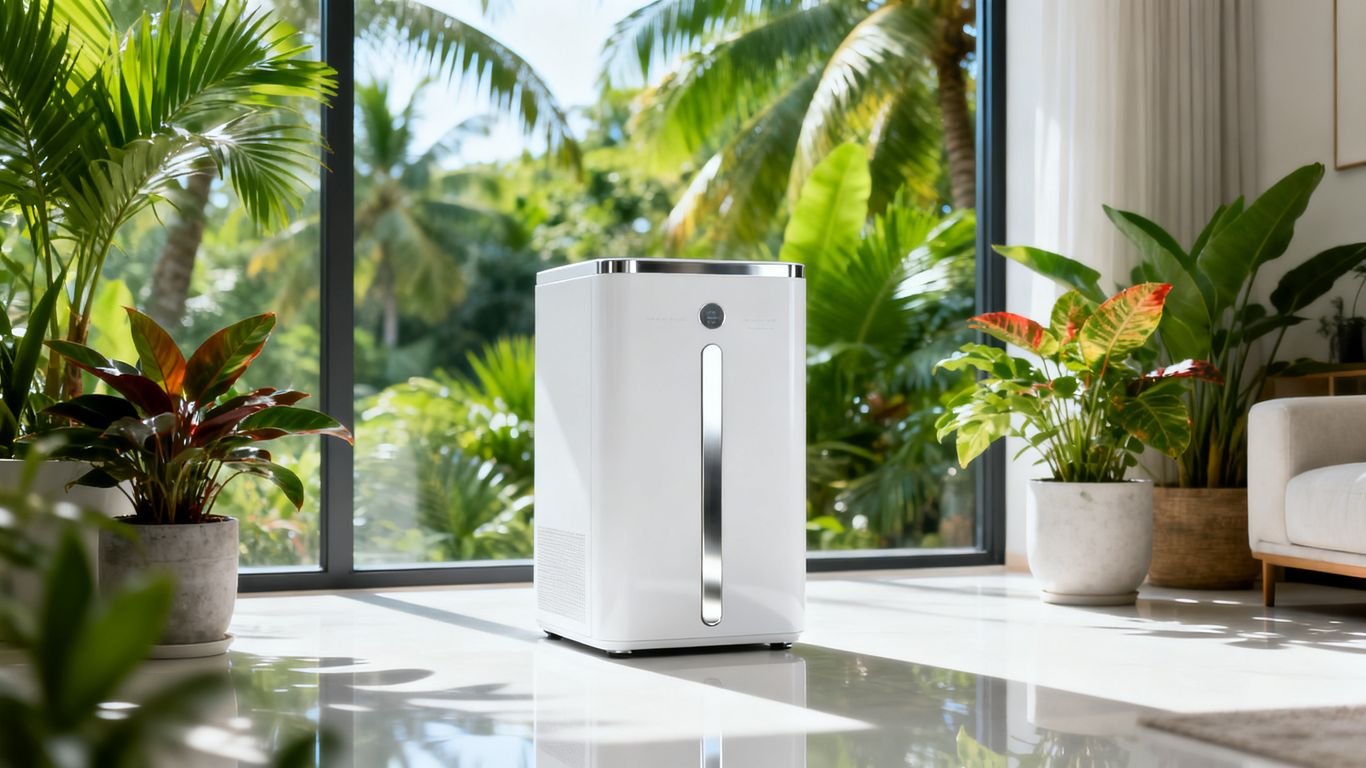
Modern environmental comfort focuses on managing both moisture and particulate matter simultaneously, which leads many residents to consider an integrated device. By utilizing core components designed for tropical environments, such as those found in the Aerofy DualCore 20, homeowners can balance humidity levels while actively filtering their indoor air.
How dehumidification functions in combo devices
Engineered moisture extraction relies on a compressor and a cooling coil system designed to pull liquid from the air. When air passes over chilled surfaces, condensation occurs, and moisture is collected into an internal reservoir for draining.
The role of HEPA and activated carbon filtration
True HEPA filter technology works by forcing air through a dense web of fibers specifically designed to capture fine particles. In dual-purpose appliances, this stage is paired with activated carbon to neutralize odors and volatile organic compounds effectively.
Energy consumption patterns of dual-purpose units
Efficiency in modern appliances stems from variable-speed compressors that adjust energy usage based on current air density. This allows for stable performance without a significant spike in daily electricity usage for the household.
Sensor-based automation and air quality monitoring
Sophisticated real-time moisture detection systems analyze the environment continuously to prevent mold growth before it starts. These units adjust fan speeds and extraction rates automatically, ensuring your home maintains its optimal comfort levels around the clock without manual intervention.
Key features to evaluate before buying
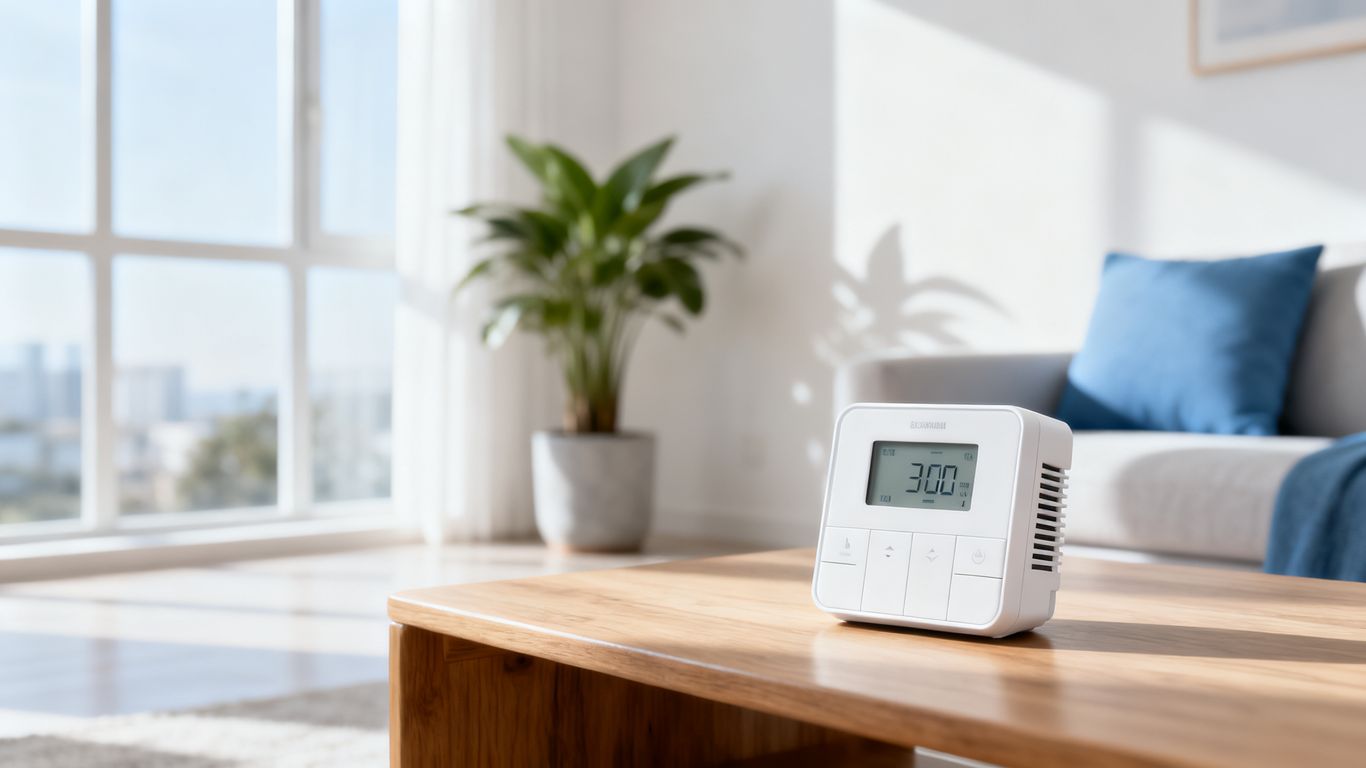
Choosing the right appliance requires assessing technical specifications and structural capabilities before installation. Residents should prioritize components that are proven to withstand high-humidity environments, like the Aerofy DualCore 20 to ensure consistent performance over many years.
Measuring moisture removal capacity in pints per day
Capacity is the volume of water a system can pull from the air within a twenty-four-hour duration. Matching this metric to your square footage is essential for avoiding oversaturation and maintaining a target humidity level below sixty percent.
Filter efficiency and clean air delivery rate ratings
High-rated mechanical systems must balance air volume with filtration density to ensure toxins are cleared multiple times per hour. Look for high ratings in standardized assessments to guarantee the best results.
Noise levels and quiet mode functionality
Living spaces benefit from appliances that prioritize acoustic engineering, especially during overnight operation. Many hybrid models now include sound-dampening insulation that keeps the motor near a whisper-quiet output.
Smart home connectivity and remote control apps
Connectivity allows users to modify settings and view real-time metrics remotely using smartphones. This level of control provides peace of mind while traveling or simply managing the climate of a room from another area of the house. Consider these metrics when comparing options:
| Feature Type | High Impact | Low Impact |
|---|---|---|
| Moisture Extraction | High (30+ Pints) | Low (Under 10 Pints) |
| Filtration Type | HEPA/Carbon | Basic Foam |
| Noise Profile | Under 45 dB | Over 60 dB |
| Connectivity | Remote App Access | Manual Only |
Selecting a device that hits the ‘High’ impact categories ensures better value and utility for any homeowner aiming to keep a pristine living environment.
Benefits of combining air purification and dehumidification
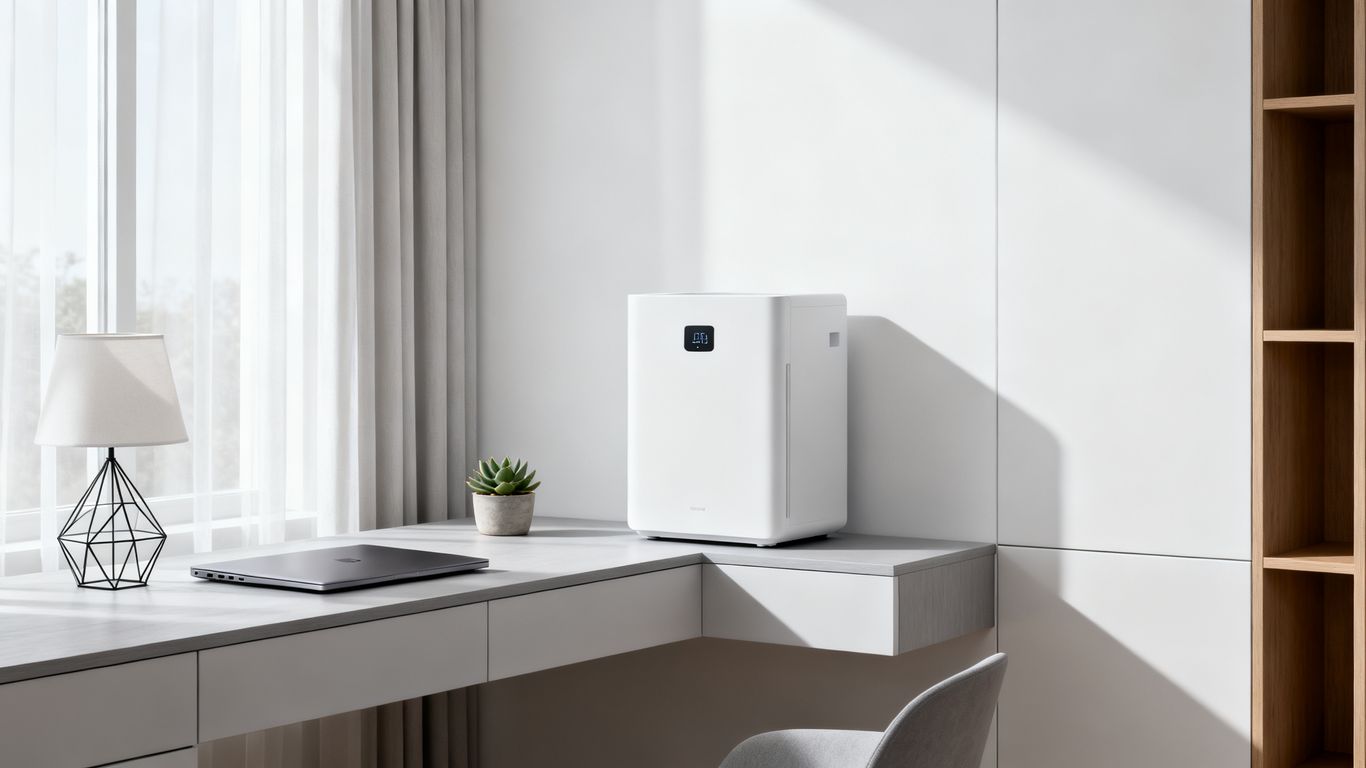
Consolidating household systems minimizes complexity and enhances functionality for residents living in high-humidity zones. Using a unit like the Aerofy DualCore 20 serves to protect the dwelling from long-term damage caused by moisture while cleaning the environment.
Space-saving design for small living areas
Compact engineering allows homeowners to regain floor space by eliminating the need for two bulky separate units. This is particularly advantageous for residents residing in urban high-rise apartments where every square foot holds value.
Streamlined maintenance and reduced clutter
Managing one device instead of two means you only need to keep track of one schedule for deep cleaning and servicing. This reduces the time spent on chores while keeping the home organized and free of excess gear.
Addressing mold and airborne allergens simultaneously
By controlling the atmospheric conditions that allow mold spores to proliferate, the system also cleans the air of triggering particulates. This dual-action approach is highly recommended for improved respiratory health in any dusty environment.
Cost-effectiveness over purchasing individual appliances
Investment decisions are often driven by long-term financial efficiency, which favors purchasing one high-quality unit over two lesser-quality machines. You benefit from lower overall acquisition costs and fewer maintenance bills.
Here are the primary advantages for families looking to upgrade their indoor setup:
- Improved air hygiene by scrubbing VOCs and dust particles.
- Significant reduction in moisture-related issues such as peel-off wallpaper.
- Lower electricity overhead compared to running two distinct motors.
- Enhanced convenience through consolidated electronic interfaces.
Comparison between combo units and separate devices
While specialized machines offer deep-reach performance for certain industrial applications, residential hybrid units are engineered for everyday home comfort. Understanding how these systems differ helps users determine which path best suits their particular lifestyle and domestic space.
Performance trade-offs in specialized versus hybrid systems
Dedicated machines sometimes provide higher output for specialized needs, but hybrid units are sufficient for most rooms. The balance of power in an integrated system is carefully calibrated for standard bedroom or living room usage.
Longevity and motor durability considerations
Building an appliance that operates for two functions requires robust componentry and advanced cooling mechanisms. High-quality models generally utilize advanced compressors that manage heat effectively enough to sustain longevity.
Versatility of using devices independently or simultaneously
Modern firmware often allows you to toggle between modes, letting you run air purification without turning on the dehumidification cycle. This creates a flexible experience suited for varying weather conditions throughout the seasons.
Storage space requirements compared to two separate units
Maintaining a clean home requires thoughtful planning regarding bulkier hardware. Hybrid devices consume significantly less closet or storage space compared to storing a dedicated heavy-duty humidifier and a large-sized air scrubber.
Integrating multiple functions into one chassis creates a sophisticated balance between environmental control and household efficiency. Owners find that operating one sleek interface simplifies their climate management routine significantly.
Maintenance and filter replacement requirements
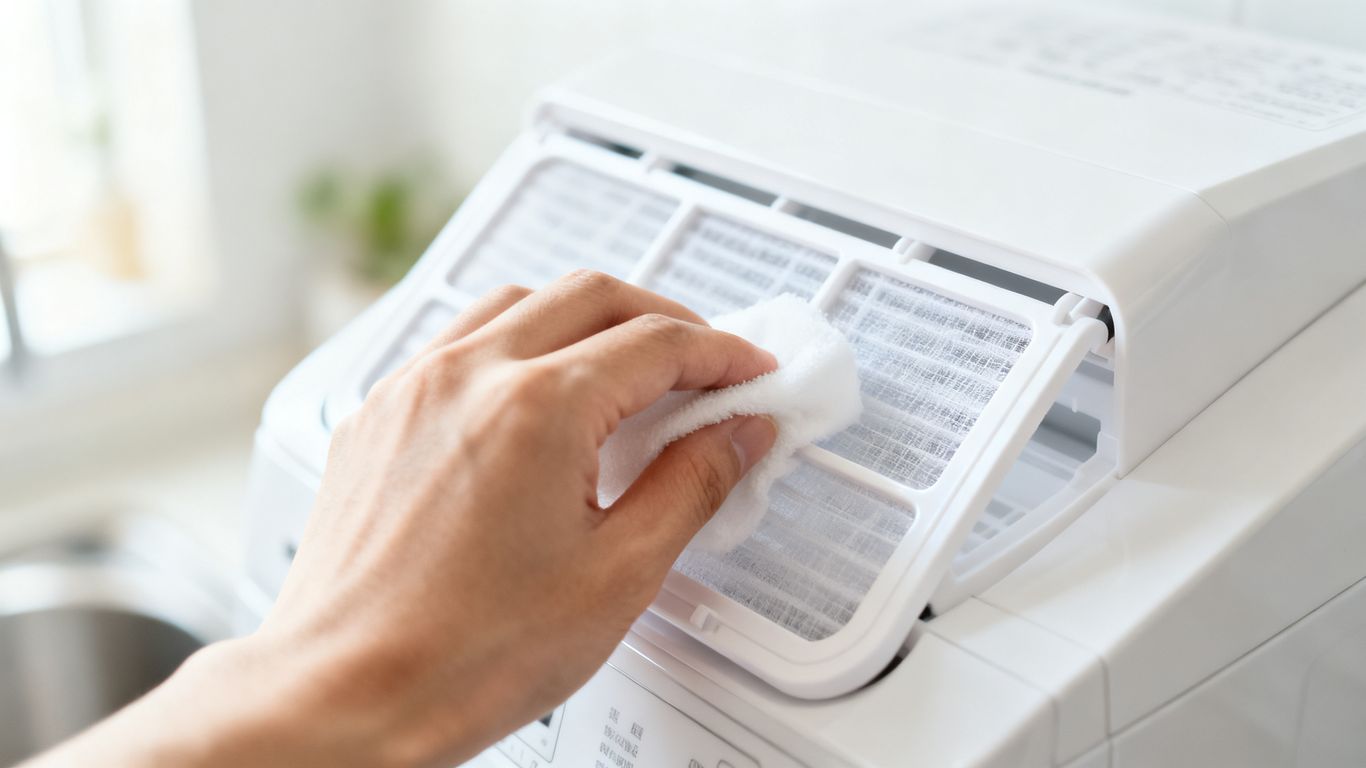
All sophisticated air treatment systems require consistent attention to remain effective. Ensuring your hardware stays clean will prevent operational failure and maintain the quality of the air you breathe every day.
Cleaning schedules for washable pre-filters
These components trap large debris and should be rinsed every two to four weeks depending on local dust levels. Allowing them to dry completely before re-installation is mandatory for preserving the motor integrity.
Tracking HEPA filter lifespan based on air quality usage
HEPA components need replacement based on total hours of operation and the particulate density of the room. Always use branded original filters to maintain the manufacturer’s performance specifications.
Managing water tank hygiene and drainage systems
Water reservoirs must be emptied regularly if a continuous drain hose is not used. Cleaning the interior of the tank prevents biological growth and odors from entering the air stream.
Signs indicating that your unit requires professional servicing
Unusual rattling sounds, failed sensor detection, or significant drops in extraction efficiency suggest an internal component issue. Residents needing professional help can research Top 6 Website Tracking to understand how companies manage service interactions via digital platforms.
Best placement strategies for optimal air quality and humidity control
Effective management starts with where you place the unit relative to room dimensions and airflow. Strategic positioning ensures that the compressor operates without friction and the filters capture the maximum amount of particulates.
Determining the ideal distance from walls and furniture
Clearance around the intake and exhaust vents is vital for heat dissipation and air intake. Keeping the machine at least twelve inches from any wall ensures that the airflow is not restricted.
Identifying rooms with the highest necessity for moisture regulation
Spaces prone to condensation, including laundry rooms and bathrooms, see the most benefit from consistent operation. Placing the device in these high-stakes zones stabilizes the home environment effectively.
Ensuring efficient airflow circulation through open layouts
Grouping the unit near the center of an open-plan room allows for better circulation. This enables the humidity sensors to detect moisture levels across the largest possible area of the living space.
Avoiding interference with ventilation systems and radiators
Heating sources can alter the humidity readings of the unit, potentially forcing it to run more than necessary. Keep the unit away from radiators or air conditioner vents to ensure accurate atmosphere reporting.
Conclusion
Investing in a quality dual-function system simplifies the process of creating a healthier home in the tropics, effectively balancing moisture control with pure air. By selecting the right appliance and following routine maintenance, homeowners can ensure lasting comfort and protection for their living environment.
Frequently Asked Questions
Does running a dehumidifier affect how often I change my air filters?
Yes, because the two functions work together, heavy moisture removal can sometimes increase the workload on the fan which necessitates checking the filter health status more frequently.
Can I leave my combo unit running when I leave the house?
Most modern units feature auto-shutoff sensors that detect when the water tank is full, making them safe for operation while you are out of the home.
How loud is a typical combo appliance compared to a standard fan?
Generally, these devices operate at noise levels ranging from 30 to 50 decibels, which is similar to or quieter than a standard home fan running on moderate settings.
Should I place the unit in the middle of the room or in a corner?
Corners can restrict airflow; it is usually best to place the unit in an open area at least one foot away from any walls to ensure efficient intake.
Is it normal for the air coming out of the unit to feel slightly warm?
Yes, the dehumidification process often involves a slight exhaust of heat from the compressor, which is a normal byproduct of the extraction motor functionality.
How often should I check the water tank for mold growth?
It is beneficial to inspect the tank every time you empty it, performing a simple scrub with mild detergent once a month to ensure hygiene.
Can a 2-in-1 device replace both a dedicated dehumidifier and an air purifier?
For most residential and apartment needs, a high-quality integrated unit provides sufficient performance to eliminate the requirement for two separate, bulky appliances.
Enhance Your Home Comfort
Ready to transform your home with a system built for the tropics? Take control of your indoor climate and enjoy cleaner, drier air today by exploring our range of products designed for your needs.