
Key Takeaways
Proper climate control is essential for maintaining comfort in tropical regions, where excess moisture can cause severe property damage. Understanding the difference between integrated and portable hardware allows you to choose the most effective solution for your specific residence.
- Whole-home systems require professional duct integration.
- Humidity should stay between 30% and 50% for health.
- Built-in systems operate quietly behind existing wall structures.
- Regular filter maintenance prevents system performance degradation.
- Professional installation is recommended to ensure correct airflow.
Understanding the mechanics of a built-in dehumidifier
A built in dehumidifier operates by pulling air through the return vents of your centralized air handling system, extracting water vapor via refrigerated coils, and circulating it back into the living area. This continuous loop, often managed by a dedicated controller or integrated HVAC controls, keeps indoor environments stable even during heavy monsoon seasons. By leveraging the existing climate control framework, these units handle moisture at the source before air is distributed throughout your home.
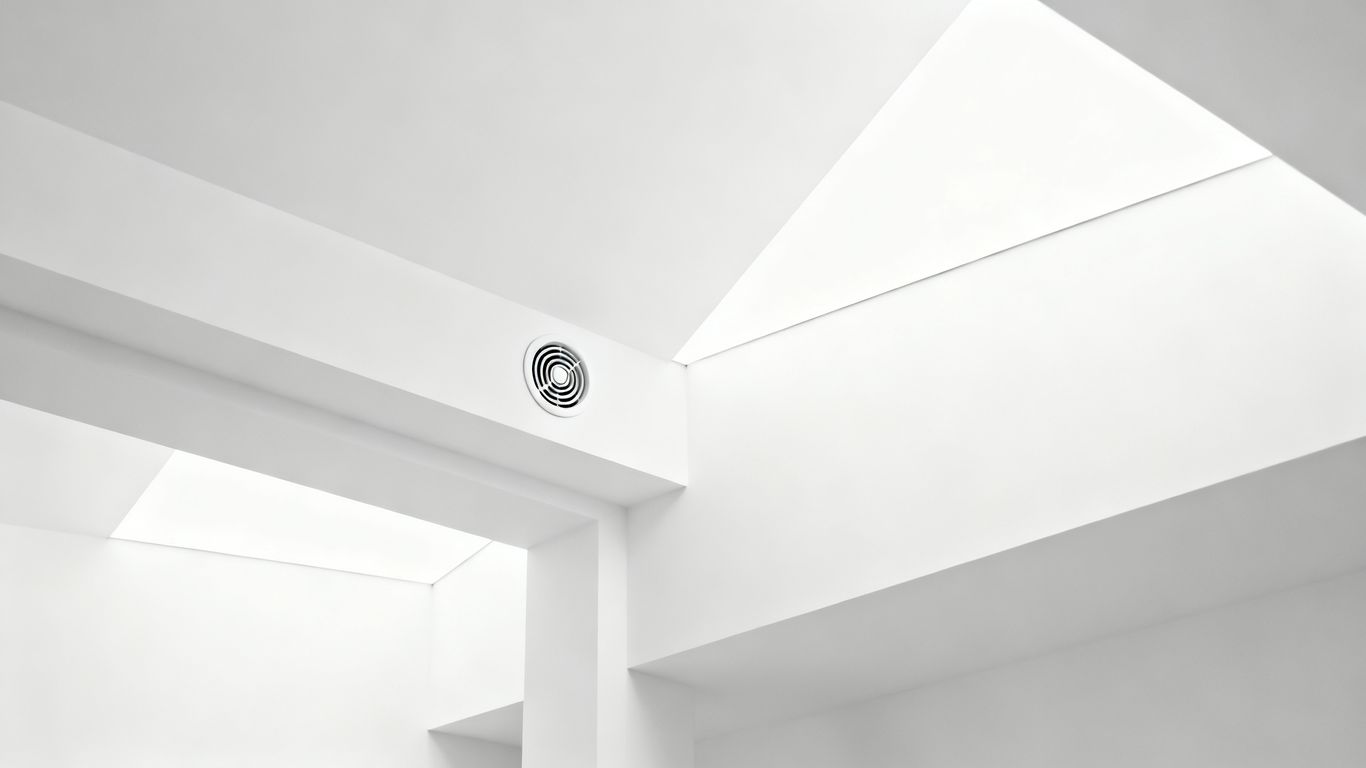
How integrated moisture removal works
The fundamental operation begins with the intake of moist air which is passed over chilled coils, causing the water vapor to transition into liquid condensate. While standard units might struggle maintaining consistent humidity in open-concept layouts, built-in systems thrive by utilizing the home’s primary ventilation pathways to ensure air turnover remains uniform.
Essential components of concealed humidity systems
Most high-performance setups include a dedicated digital humidistat, a high-efficiency condensate pump, and durable mechanical filtration. For homeowners comparing hardware efficiency, it is useful to see how various designs impact performance:
| Feature | Performance Impact | Typical Maintenance |
|---|---|---|
| Refrigeration Coils | Primary moisture removal | Annual cleaning |
| Digital Humidistat | Precise RH setpoints | Calibration every 2 years |
| Condensate Pump | Water displacement | Quarterly flush |
Connectivity with existing air handling hardware
Integrating humidity control requires precise interaction with your current HVAC blower, ensuring that airflow remains balanced and within static pressure specifications. The Aerofy approach emphasizes that true comfort in the tropics often necessitates advanced engineering that complements, rather than fights against, existing air handling capacity to ensure longevity.
Comparing built-in versus standalone dehumidifiers
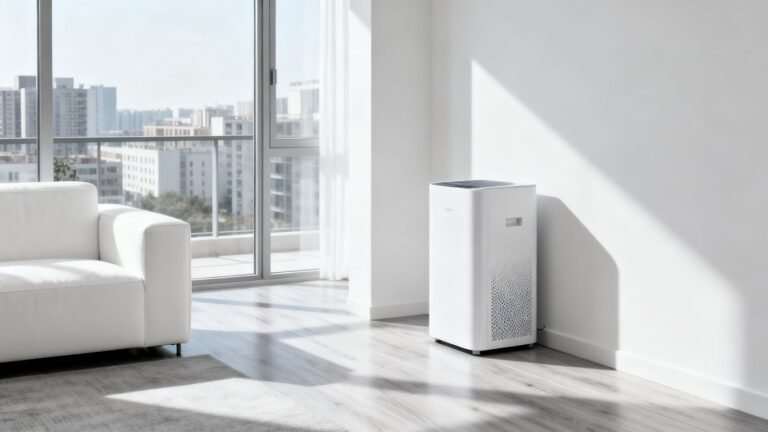
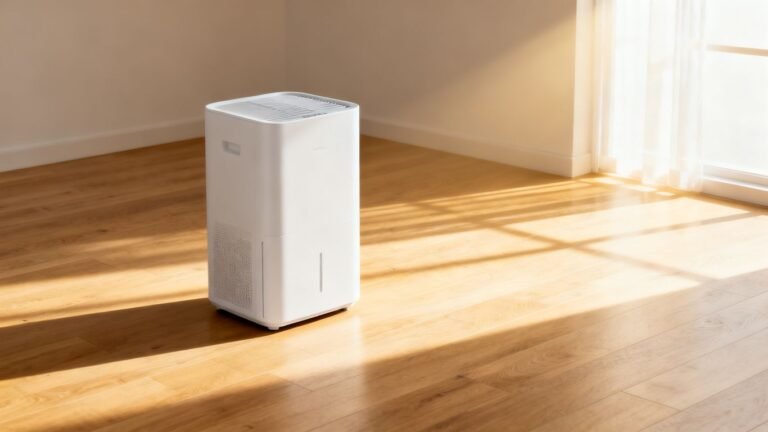
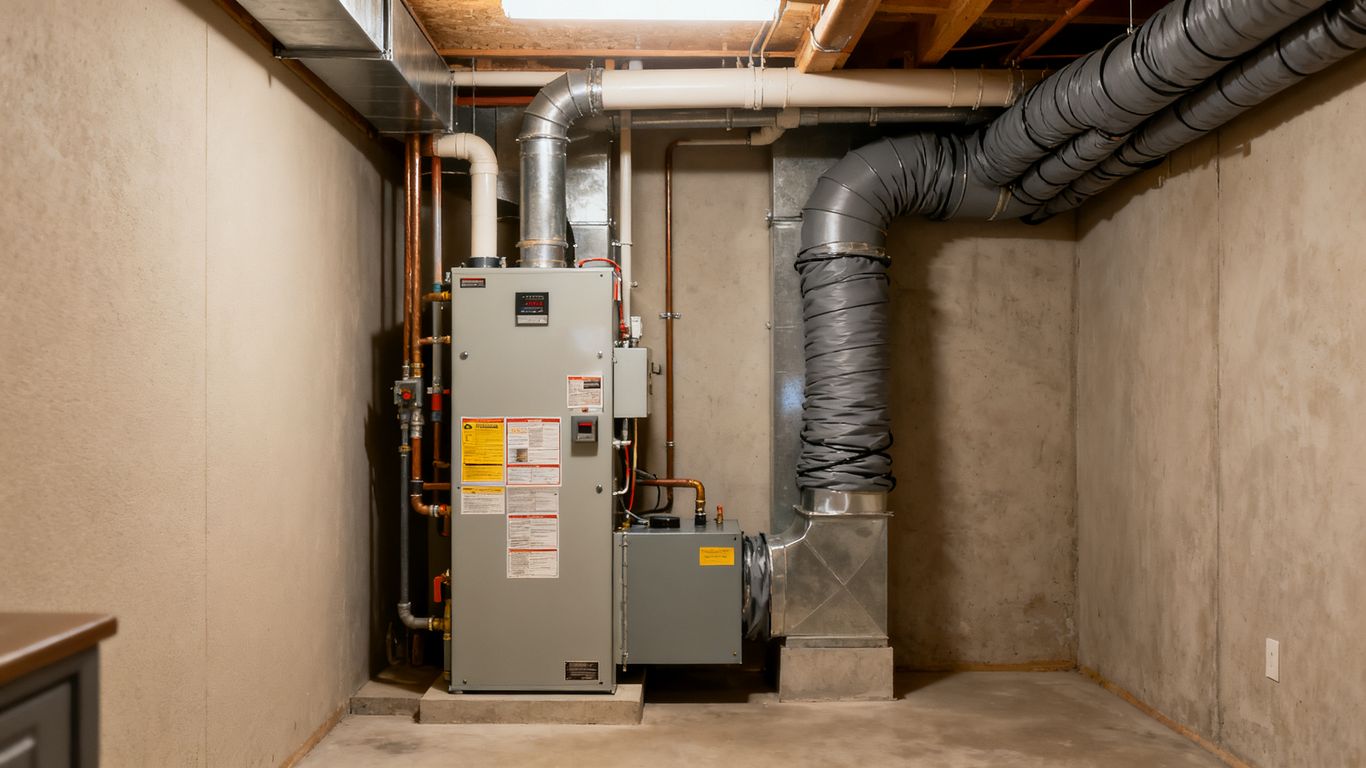
Choosing between an integrated solution and a portable device often comes down to the intended use of the square footage and your long-term occupancy plans. While portable dehumidifiers provide excellent room-specific control, they occupy floor space and require manual intervention or frequent tank emptying to function correctly. When you opt for a built-in setup, the hardware is virtually invisible, leaving your interior design free of bulky appliances.
Spatial efficiency and aesthetic impact
Built-in systems are designed to be tucked away in closets, attics, or ceiling cavities, preserving the visual flow of your home. By contrast, a standard standalone unit adds another boxy object to a room, which can disrupt the aesthetic balance of smaller apartments or carefully curated living rooms.
Differences in moisture extraction capacity
Whole-home systems typically offer higher pint-per-day ratings, far exceeding what an compact portable unit can achieve in a busy household. A, or the DualCore 20 for smaller individual rooms, allows users to manage moisture efficiently, whereas whole-home systems are more suited for managing basement moisture or entire building humidity levels.
Energy efficiency and utility usage metrics
Because they operate in concert with the primary blower, integrated systems often achieve better energy utilization by avoiding the frequent startup currents seen in standalone units. If you are focused on optimizing electricity expenditure, look at the following metrics:
- Active BTU cooling performance in moist conditions.
- Wattage draw during high-load humidity events.
- Standby energy usage when the system is not actively compressing.
By carefully balancing these metrics, residents can significantly reduce their long-term environmental footprint while improving indoor air health.
Operational noise levels in living spaces
Because the compressor and blower are housed within the ductwork or a remote utility closet, the sound generated by a built-in system is significantly dampened compared to an exposed unit. This quiet operation allows occupants to maintain a cool and dry environment without the disruptive hum of a motor in the bedroom or home office.
Benefits of integration with central HVAC systems
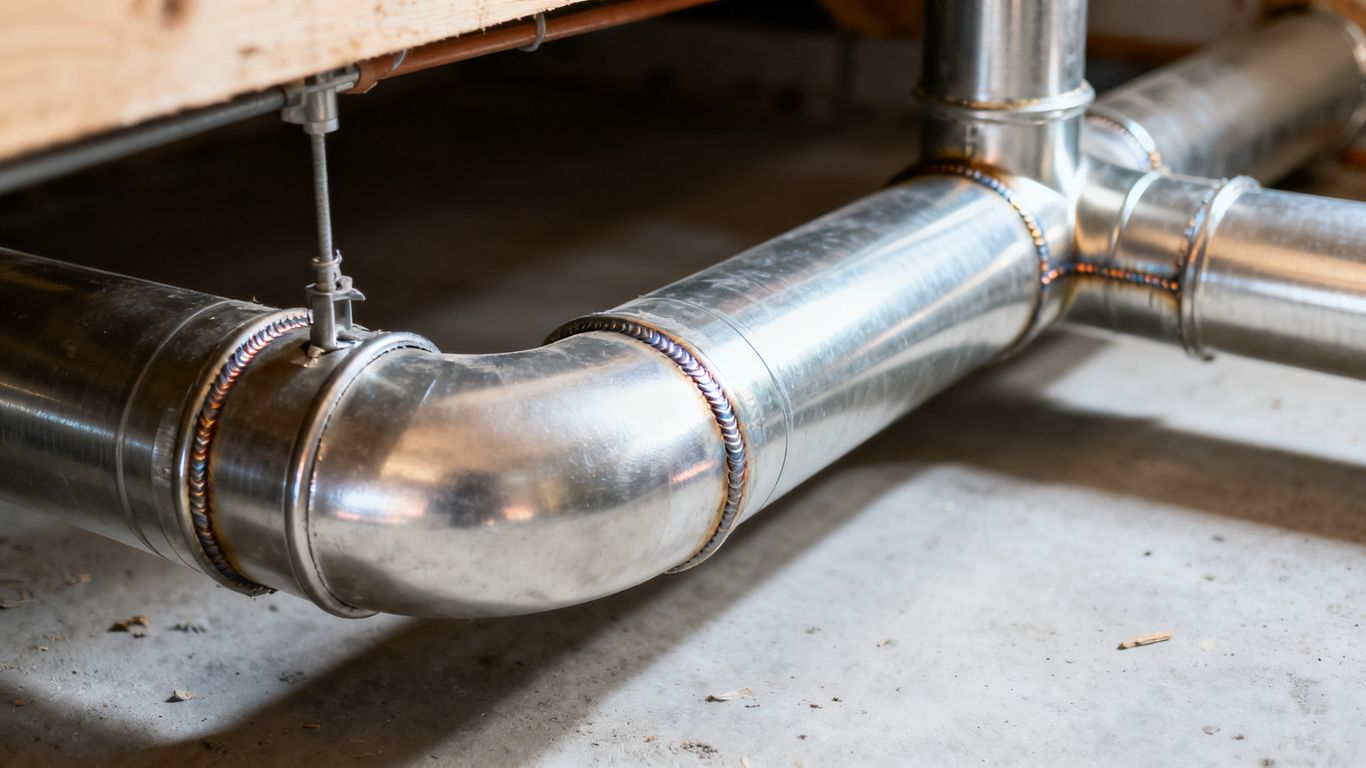
Centralized moisture control provides a cohesive strategy for homes facing the challenges of high-humidity climates. By treating the entire air volume, you eliminate the "damp zones" that often emerge when relying on isolated room solutions. This integrated approach allows for a single setpoint that manages the home environment holistically, preventing the uneven conditions typically found in multi-room dwellings.
Properly managed moisture levels prevent the proliferation of airborne allergens and protect the structural integrity of your home from long-term humidity exposure, ensuring a healthier and more sustainable living environment for every member of the household.
Maintaining consistent humidity across all zones
By introducing moisture control at the air handler, you ensure every vent emits air at a controlled dew point, maintaining a steady 40-50% humidity level throughout the entire floor plan. This uniformity is impossible to achieve with portable units, which often leave distant bedrooms or hallways unaffected, creating microclimates that invite unwanted mold and mildew growth.
Preventing mold growth within ductwork
Stagnant, humid air trapped in ducts is a breeding ground for biological growth, which can later contaminate the entire house. An integrated system forces dry, conditioned air through the entire network, keeping the internal surfaces of your vents and ducts too dry for mold or musty odors to establish themselves in the first place.
Enhancing indoor air quality outcomes
Combining dehumidification with high-quality particle filtration ensures that you are breathing the cleanest possible air. The Aerofy philosophy highlights that air quality is a two-fold problem requiring both humidity management and efficient particulate removal for the best results.
Key considerations before installation
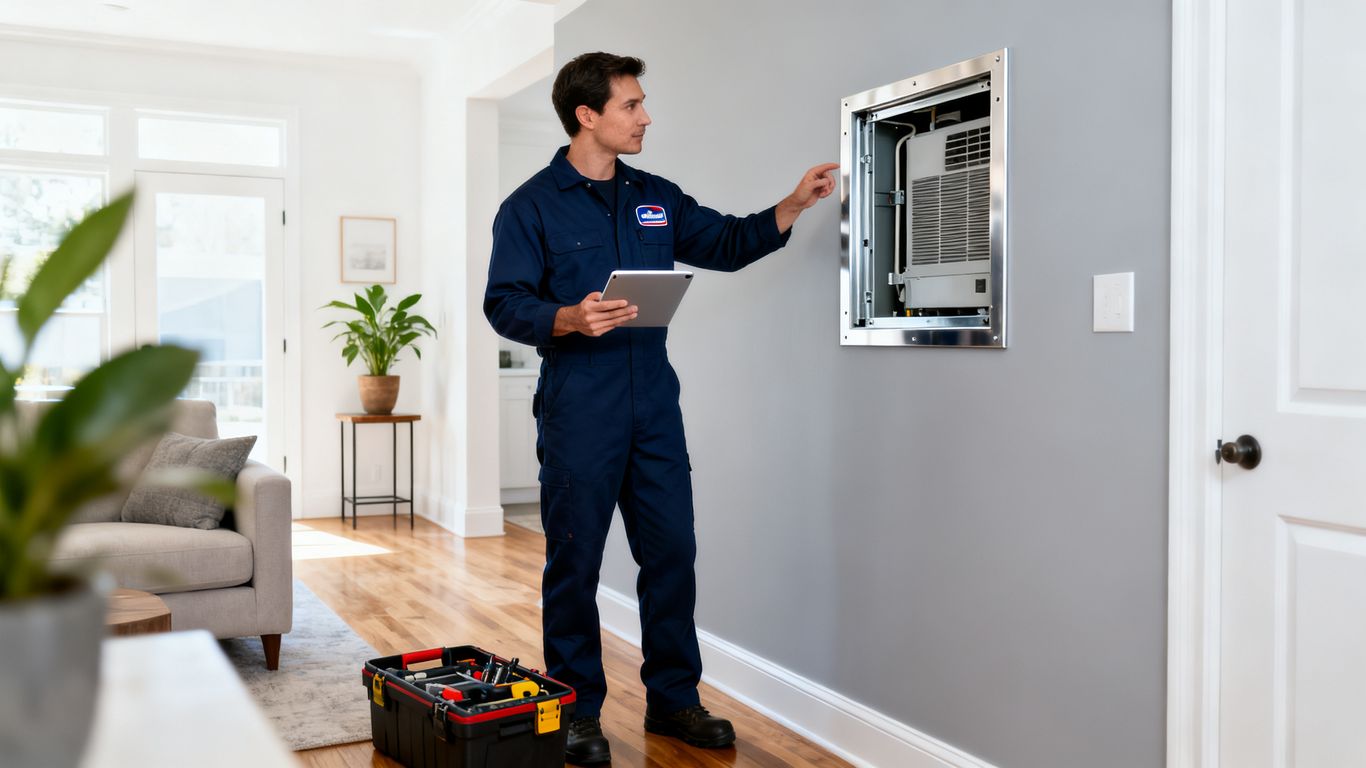
Successful implementation of a whole-home system requires a thorough evaluation of both your building’s current state and your specific moisture removal needs. Before choosing a system, homeowners should work with professionals to audit their existing ductwork and ensure it can support the additional volume needed for dehumidification.
Assessing baseline home moisture levels
Using a digital hygrometer to chart your home’s humidity patterns over several weeks provides the data necessary to size your equipment correctly. Knowing your daily fluctuations helps identify whether your primary moisture challenge is external weather, interior activities like cooking, or basement seepage.
Evaluating ductwork and layout requirements
Older homes may require significant ducting modifications to achieve the airflow balance needed for a built-in dehumidifier to function at peak load. If your system encounters too much resistance, efficiency will drop, and the equipment will be forced to reach its capacity much faster, leading to premature wear.
Determining the optimal system capacity
Capacity selection depends on total square footage, climate severity, and the number of people living in the property. Selecting unit capacity that is too high results in short cycling, while too low means the unit will never successfully reach the target setpoint, eventually leading to condensation issues in the home structure.
Common installation challenges and effective solutions
Installation often involves complex routing of water drainage lines to prevent leaks within domestic spaces. A professional installation roadmap or buying guide will help ensure that every technical hurdle is cleared before any work begins, protecting your property value during the setup process.
Navigating space constraints in existing structures
Fitting a compact unit into tight crawlspaces or attic areas often requires custom brackets and careful planning to ensure the intake and exhaust remain unobstructed. When space is limited, professional installers often prioritize accessible locations that still allow for easy filter removal and seasonal maintenance.
Managing long-term condensate drainage
Condensate must be evacuated through a gravity-fed line or a dedicated pump into your home’s primary drainage or an exterior outlet. Failure to properly size this discharge path is the leading cause of internal leaks that can damage ceiling material and insulation over time.
Addressing electrical circuit and load capacity
Integrating a dedicated dehumidifier adds a distinct electrical load to your service panel that may require a new circuit break for safety. Verify that your system has adequate capacity before starting to buy now or beginning the physical work, ensuring all electrical configurations meet local safety standards.
Maintenance requirements for permanent setups
Long-term reliability hinges on consistent upkeep of both the air intake filters and the drainage hardware. Because these systems are concealed, it is easy to forget about their status until efficiency fades, so establishing a routine check-up schedule is vital for preserving your high-quality unit.
Recommended filter replacement schedules
Most modern units require filter checks every three months to prevent dust accumulation from impeding airflow. If you live in an area with high pollution or many pets, these checks should be more frequent to maintain optimal energy performance and longevity.
Preventing clogs in the condensate line
Slime and algae can build up in PVC drainage lines, leading to potential blockages over time. Running a vinegar solution through the condensate exit once or twice a year is a simple way to keep the lines clear and prevent the backup sensors from shutting down your system prematurely.
Annual professional inspection best practices
An annual service call ensures the refrigerant charge is stable and no mechanical components are showing signs of stress. This proactive approach saves money in the long run by identifying minor issues like misaligned floats or failing sensors before they lead to structural damage within the concealed installation sites.
Conclusion
Investing in a built-in dehumidifier provides a seamless, quiet, and highly effective way to manage your indoor climate, protecting both your health and your home’s longevity. By integrating this technology into your HVAC system, you can maintain consistent comfort levels year-round while effectively preventing the common moisture-related issues found in tropical environments.
Frequently Asked Questions
Do I need to keep windows closed when running a built-in system?
Yes, keeping windows and doors shut is critical for the efficiency of any dehumidification system, as allowing too much external humid air in forces the unit to overwork.
Can a dehumidifier replace a traditional air conditioner?
No, while dehumidifiers do lower the heat index slightly by removing moisture, they do not function as a primary cooling system and will not replace the need for an air conditioner in hot weather.
How often should I check my condensate drain line?
It is good practice to inspect your condensate line for algae growth or blockages at least every six months to ensure proper water removal and avoid leaks.
What is the ideal relative humidity for a home?
Most health experts and building professionals recommend maintaining your home’s relative humidity level between 30% and 50% for optimal comfort and safety.
Will a built-in dehumidifier increase my electricity bill significantly?
While there is an increase in energy usage, modern integrated units are generally quite efficient at cycle management, and the cost is often offset by reduced reliance on excessive air conditioning once humidity is controlled.
Are there specific installation requirements for basement units?
Yes, basements often present unique challenges regarding placement and drainage, which is why professional installation is highly recommended to ensure adequate moisture extraction.
How long does a typical integrated dehumidifier last?
With regular maintenance, including filter changes and annual system check-ups, a well-engineered unit can provide reliable service for many years depending on usage intensity.