Key Takeaways
Humidity in enclosed storage isn’t just an annoyance; it can slowly destroy your most cherished possessions.
- Excess moisture fosters mold and mildew, leading to irreparable damage to fabrics and stored goods.
- Proper selection requires choosing between passive desiccant options or active electronic units based on space requirements.
- Strategic placement near the source of moisture while ensuring adequate airflow is vital for maximum efficiency.
- Regular inspection and maintenance, such as recharging or replacing agents, are essential for continued performance.
- Implementing secondary moisture management practices, like full air circulation, complements the work of your dehumidifier.
Understanding the basics of a cupboard dehumidifier
How excess humidity compromises your belongings
Living in a tropical climate presents a constant challenge for protecting clothing, leather goods, and documents from dampness. When relative humidity levels rise, trapped moisture becomes a breeding ground for mold spores, which feed on organic materials stored in closets. You might find that your favorite clothes develop a stale scent that lingers long after washing, or that metallic hardware shows signs of spotty oxidation. Using a cupboard dehumidifier can help you stabilize the microenvironment inside your cabinetry, protecting the integrity of your fibers and preventing costly deterioration.
Signs of dampness in closets and cabinets
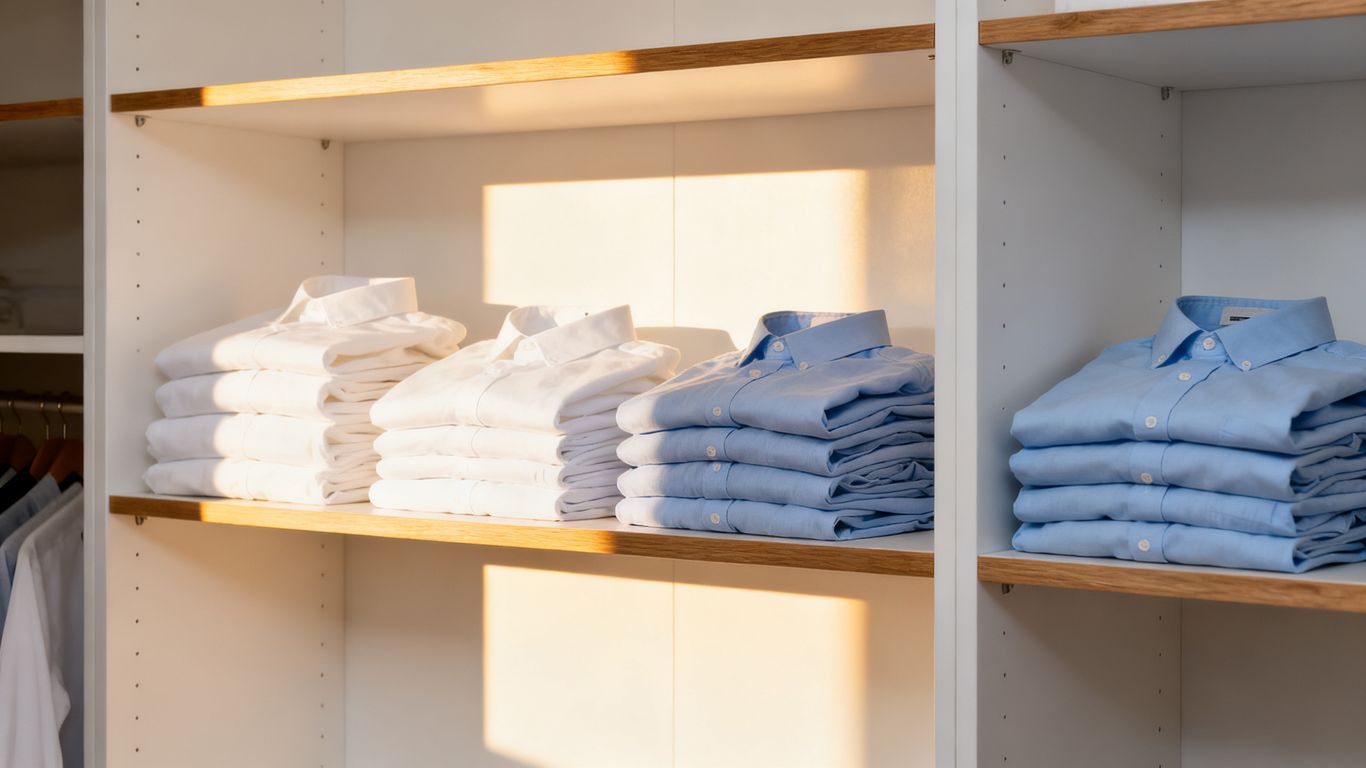
Identifying a moisture problem early is essential, as once you see visible growth, the damage to porous materials is often already underway. Common indicators include a persistent musty smell whenever you open your wardrobe doors or doors that feel slightly swollen and difficult to close. You might even notice foggy spots on mirror surfaces or a tacky, damp feeling on the fabric of seasonal coats forgotten at the back of the shelf. If, after checking, you suspect chronic dampness, integrating a dehumidifier can reverse these trends before they settle into your stored items permanently.
Benefits of small-scale moisture control
Localized dehumidification provides an efficient approach to climate control by focusing on the specific areas at highest risk rather than the entire room. These units are engineered to maintain a narrow, dry environment within confined spaces, pulling moisture out of the air before it can settle on contents. By tailoring your approach to these specific zones, you significantly reduce the load on your main cooling systems while protecting specific high-value items individually. This precision is especially important for residents managing humidity in dense, tropical urban spaces.
Different types of cupboard dehumidifiers
Desiccant bags and hanging absorbers
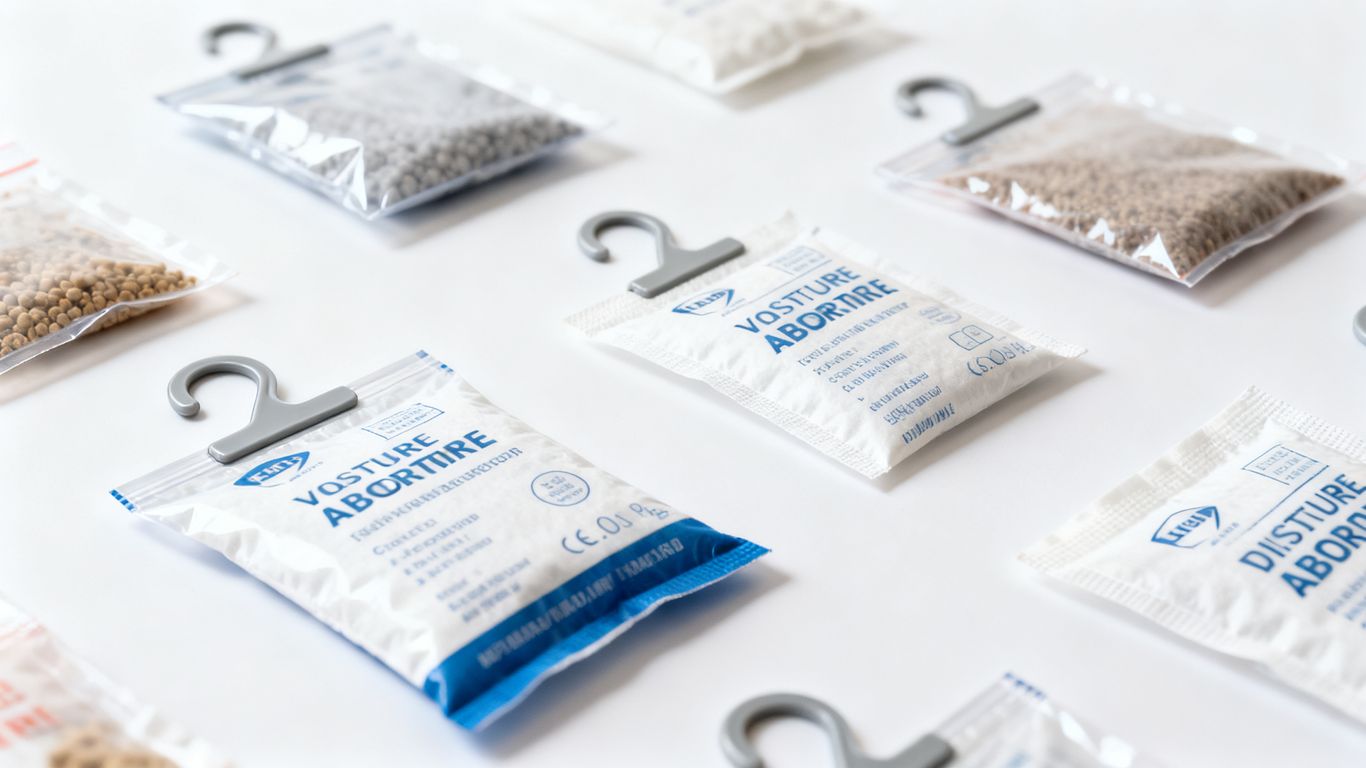
These passive units are an accessible entry point for those dealing with fluctuating humidity levels, offering a simple solution without the need for electrical outlets. You might consider using a Selleys dehumidifier when you need a straightforward way to pull moisture from small corners. They typically work through mineral salts that draw moisture into a storage basin or bag, gradually liquefying as they become saturated over several weeks. Because they rely on ambient circulation, they work best in wardrobes with moderate air gaps rather than completely sealed environments.
Rechargeable silica gel units
For a more sustainable and long-term approach, many homeowners turn to rechargeable units that utilize silica gel beads, which can be "reset" after they have reached their maximum capacity. These units often feature an indicator window that changes color once the internal material is fully saturated with trapped water vapor. When that happens, you simply plug the unit into a wall socket, and the built-in heating element drives the moisture out. Similar to how the Solenco Mini Dehumidifier operates, this method allows for indefinite reuse, making it a highly cost-effective choice for small cabinets or drawers where power cords wouldn’t fit.
Portable thermoelectric mini dehumidifiers
If you require consistent removal rather than passive absorption, thermoelectric technology offers a continuous solution that is quiet and incredibly compact. These systems utilize a heat pump process to condense water into a small tank, which you then empty periodically to keep the space dry. For those tackling more stubborn moisture buildup, this is a refined alternative, though it still requires standard electrical power to provide that relentless moisture-wicking capability inside your storage furniture. If you are struggling with chronic humidity, you might buy now to see if localized electronics improve your storage strategy.
Where to place your dehumidifier for maximum effectiveness
Identifying high-risk storage areas
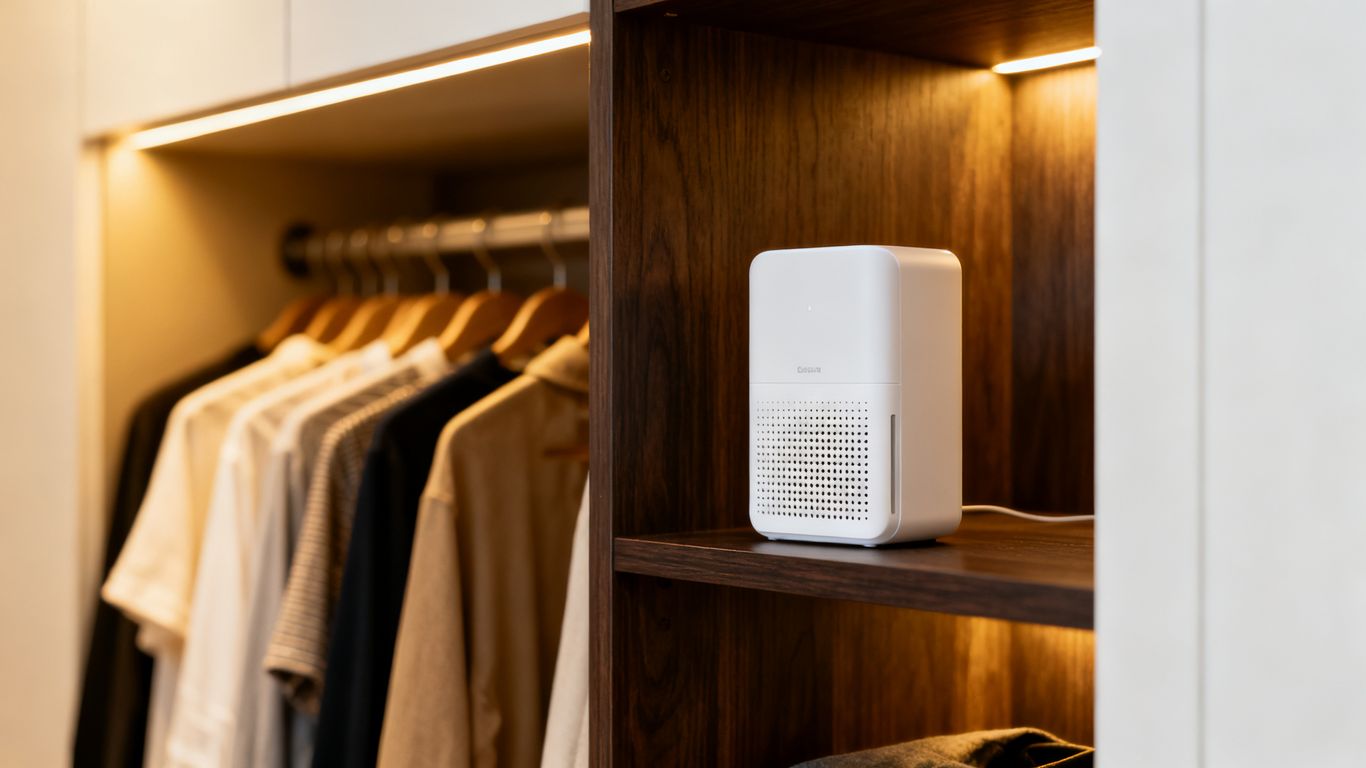
Locating the right spot involves identifying zones where air remains stagnant or where exterior walls meet the internal structure of your cabinet. Identifying these "cold spots" can clarify why your items are suffering, as condensation often collects precisely here during temperature shifts. To ensure your device is working as hard as it can, try placing absorbers near these specific trouble zones.
We generally recommend evaluating your cabinet in tiers based on moisture density and usage frequency:
| Storage Location | Moisture Probability | Suggested Unit Type |
|---|---|---|
| Lower Drawers | High | Rechargeable Silica |
| Hanging Wardrobes | Medium | Hanging Bag |
| Shelved Cabinets | Low | Small Electric |
By matching the severity of the dampness with the capacity of your unit, you ensure that the device isn’t overwhelmed but remains active long enough to keep your textiles dry and fresh throughout the season.
Airflow requirements for device efficiency
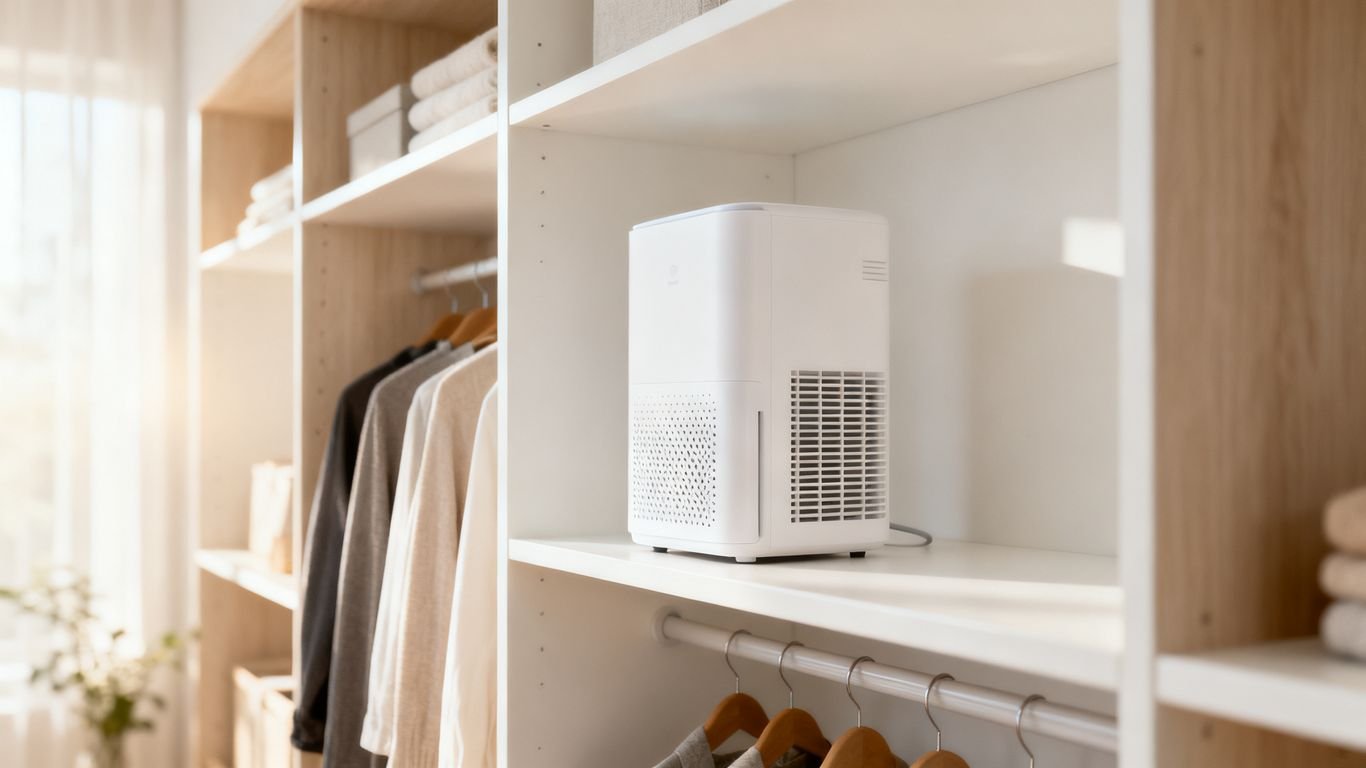
Efficient moisture removal depends entirely on the unit’s ability to pull air through its media, which means you cannot trap it behind thick stacks of clothing. Even the most efficient cupboard dehumidifier needs a clear path for air circulation, or it will continue to "process" the same small pocket of air repeatedly without drying the rest of the unit. Ensure that there is a gap of at least a few inches between the product and your stored items, allowing the device to work across the intended volume of the container.
Keeping units away from direct contact with sensitive fabrics
While these devices are generally safe to operate within drawers, it is a best practice to avoid direct, prolonged contact with delicate items like silk, wool, or high-end archival paper. Some moisture-wicking agents, particularly those using chemical salts, can occasionally leak if damaged or if the container is overfilled during extreme humidity events. Place your dehumidifier on a stable, flat surface or, better yet, inside a small tray to prevent any accidental contact with your clothes.
Safety and maintenance practices for enclosed spaces
Monitoring for potential liquid leakage
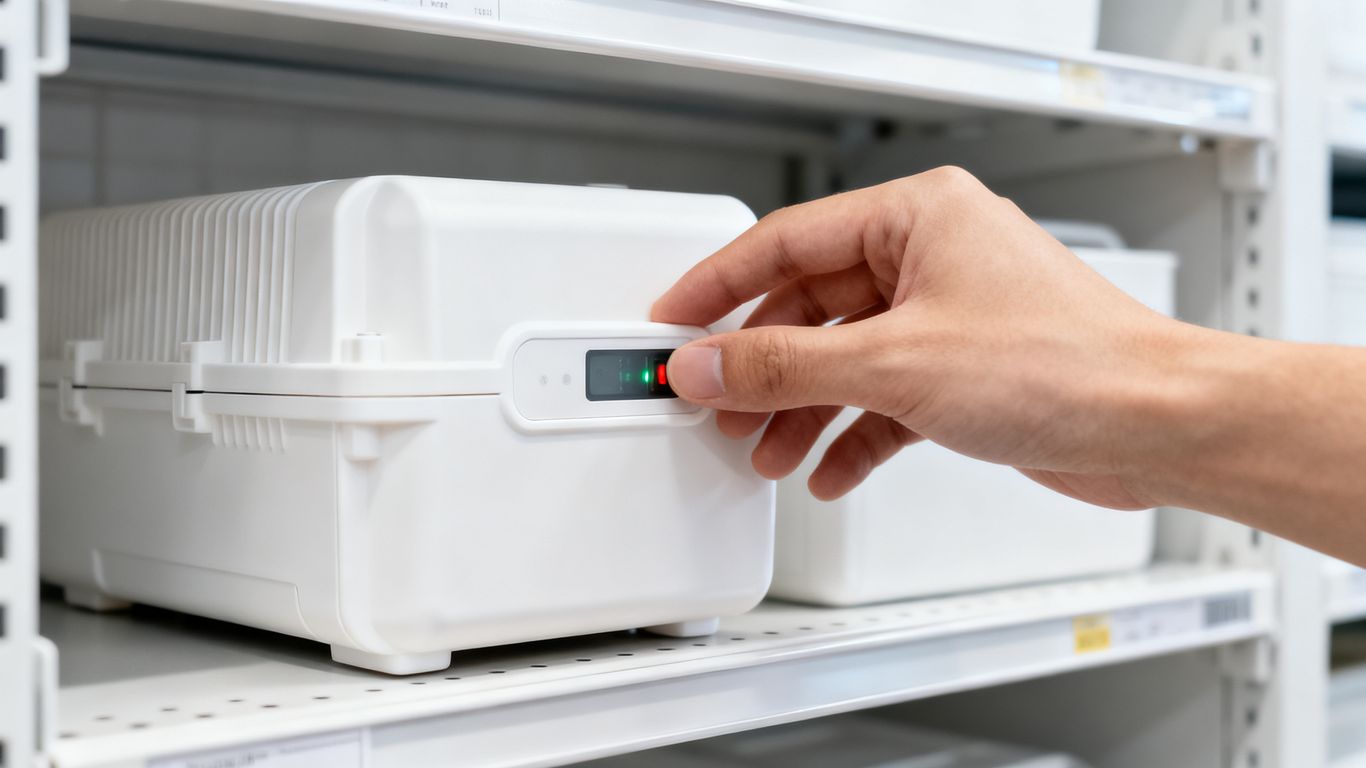
Maintenance is the key to longevity, and frequent checks on the integrity of your moisture-absorbing devices should be part of a monthly routine. Even if you use a DryLah dehumidifier known for its reliability, standard wear and tear can eventually compromise the casing after many cycles. Always scan the unit for any visible signs of crystallization on the outside or leaks, as some absorbent contents can be caustic if left unattended on a shelf surface for too long.
Practicing regular visual inspections will help you identify potential points of failure before they become messy issues, protecting your expensive wardrobe furniture from damage caused by salt deposits.
Handling chemical-based moisture absorbers safely
Because many affordable disposable absorbers rely on calcium chloride crystals, you should treat them with basic precautions. These chemicals are designed to aggressively attract water, meaning they can irritate the skin and should be kept strictly out of reach of children and pets. When a bag is finished, follow the recommended disposal procedures, and always wash your hands thoroughly after handling the container to ensure no residue remains.
Optimizing storage space ventilation
Sometimes your hardware needs to be supplemented by changes in your storage habits to ensure natural air can actually flow into the cabinet. Occasionally leaving cabinet doors slightly ajar, especially during the day, can help release stale, moist air that has accumulated. If you are storing items in a truly airtight environment, consider using a moisture absorber that is explicitly designed for sealed containers to ensure you aren’t just trapping humidity inside a vacuum of your own making.
When to replace or recharge your device
Indicators that a disposable desiccant bag is full
Disposable bags generally reach their life cycle when the crystals completely turn into liquid or, if the design involves a gel, the bag becomes visibly bloated and heavy. Most of these products include a small "full" fill line that you can easily track; once the liquid reaches this point, the effectiveness of the desiccant has plummeted. Continuing to use an oversaturated bag only adds unnecessary bulk to your shelf, so replace it immediately to maintain a consistent environment.
Testing the saturation level of rechargeable units
Rechargeable units offer a more scientific approach to maintenance through visual feedback, saving you from guessing whether they are still doing their job or just taking up space. Most modern units show a clear transition from blue when dry to pink or another warning color when they reach their capacity limit. Regularly observing these indicators ensures you aren’t leaving a saturated unit in your cupboard where it can no longer pull humidity out of the air.
Cost-benefit analysis of disposable versus reusable options
When choosing between these two, consider both the upfront cost and the long-term frequency of replacement. Disposable units are convenient for temporary needs, such as storing seasonal clothing before a long vacation, but they require ongoing purchases that add up quickly. Conversely, rechargeable units represent an investment that pays off over several years, especially in high-humidity climates where the device will run almost constantly. Assess your local humidity baseline to see if the higher initial cost of a rechargeable model ultimately saves you money by eliminating the constant need for replacement bags.
Preventing moisture and mold growth beyond dehumidifiers
Managing clothing moisture before storage
Never place clothes that feel even slightly damp from laundry or humidity directly into your cupboard, as this introduces moisture faster than any small device can remove it. Let your clothing air-dry completely in a well-ventilated area for several hours, or even a full day, to ensure that no hidden dampness is carried inside. By establishing a "pre-storage staging area" for your garments, you drastically reduce the operational burden on your dehumidifier and extend the life of your storage environment.
The role of insulation in cabinet environments
The temperature of your storage area impacts its ability to hold moisture, so well-insulated cabinets often stay drier than those built against exterior-facing walls. If you find one specific cupboard is always damp, check the surrounding insulation to see if it is suffering from condensation due to the temperature difference. Adding a layer of thin backing or ensuring the unit sits in a more stable location can prevent this condensation from forming in the first place, acting as a structural defender alongside your dehumidifying tools.
Combining moisture control with natural air circulation
A dehumidifier is an excellent tool, but it works best when it isn’t an island in a sea of stagnant air. Whenever the weather permits, open windows in your home to allow the general air quality to reset, which prevents moisture from accumulating in stagnant corners behind furniture. When you combine this with the targeted dehumidification in your cupboards, you create a holistic approach to home climate care that keeps your belongings fresh, dry, and protected for years.
Conclusion
Maintaining an optimal level of dry, fresh air in your home storage is a simple but transformative practice that saves your belongings from long-term damage. By choosing the right tools for your specific needs, placing them strategically, and keeping up with regular maintenance, you foster a resilient environment that discourages mold and dampness. Start small, track your results, and enjoy the peace of mind that comes with knowing your cherished clothes and items are preserved in a stable, moisture-controlled space.
Frequently Asked Questions
How often should I check my moisture absorber?
Aim to inspect your unit at least once a month for disposable bags or every two weeks for smaller, high-use rechargeable devices to see if they need attention.
Can a cupboard unit dry out an entire room?
No, these small-scale devices only contain enough material to manage the air volume within their immediate vicinity, such as a drawer or a small wardrobe, not a whole bedroom.
Do dehumidifiers expire or go bad in the package?
Most sealed, unused desiccant products have a very long shelf life, but they can begin to activate if the outer packaging is compromised or if global humidity is extremely high.
Is it normal for water to leak from the bag?
Leaking is always a sign of damage or over-saturation, so if you notice liquid on your shelf, you should safely dispose of the unit and wipe down the area immediately.
Should the cupboard remain perfectly sealed?
While a certain level of enclosure is necessary to concentrate the drying power, a totally airtight box may hinder the unit’s ability to pull moisture from surrounding areas, so a bit of movement is fine.
Can I use these units inside a wooden shoe cabinet?
They are excellent for shoe cabinets, as footwear is highly prone to absorbing perspiration and exterior moisture, leading to unpleasant odors if left in a damp closet.
Is there a non-chemical alternative to absorb moisture?
While some natural materials like charcoal or cedar can help manage odors (and offer a mild benefit in moisture regulation), they do not draw water from the air nearly as effectively as purpose-built desiccant or electric dehumidifiers.