Key Takeaways
- Using a dehumidifier helps manage excess indoor moisture levels effectively.
- These devices are crucial for preventing mold and mildew growth.
- Controlling humidity significantly improves indoor air quality for your family.
- Protecting structural integrity and furniture is a key benefit of dehumidifying.
- Maintaining optimal humidity ensures comfort and reduces energy wastage in humid climates.
1. Reduction of excess moisture
Excess humidity within a living space often goes unnoticed until the air becomes heavy and stagnant. By removing the vapor in the air, you create a more stable environment that feels lighter and fresher. Maintaining your home at a consistent 40%-60% humidity range using high-quality hardware is the most effective way to improve your home comfort.
2. Prevention of mold and mildew growth
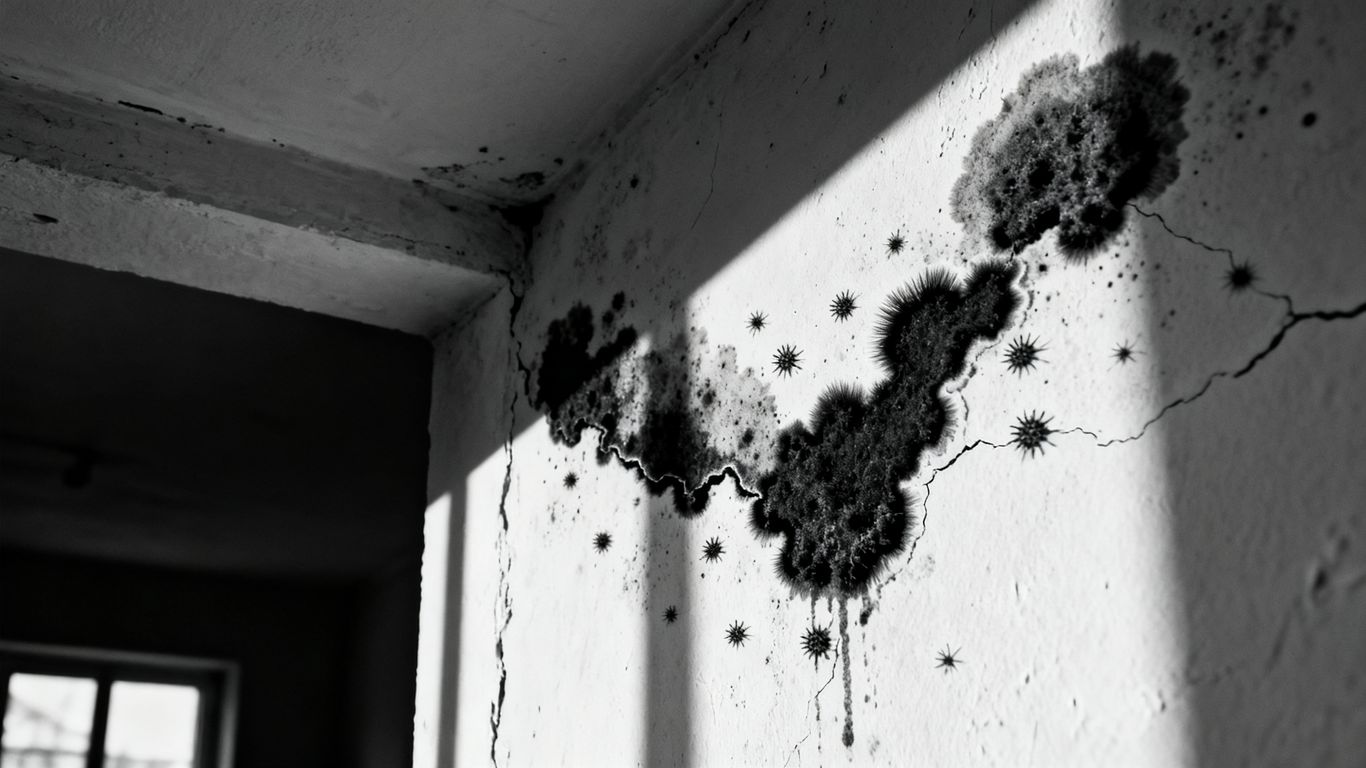
High moisture levels provide the perfect breeding ground for fungal spores that thrive on damp surfaces. When left unchecked, mold can penetrate porous materials like paper, wood, and upholstery, causing long-term damage that is difficult to reverse. Utilizing a device to strip that moisture from your indoor environment is a proactive step toward protecting your health and living spaces from persistent fungal issues.
3. Elimination of musty odors
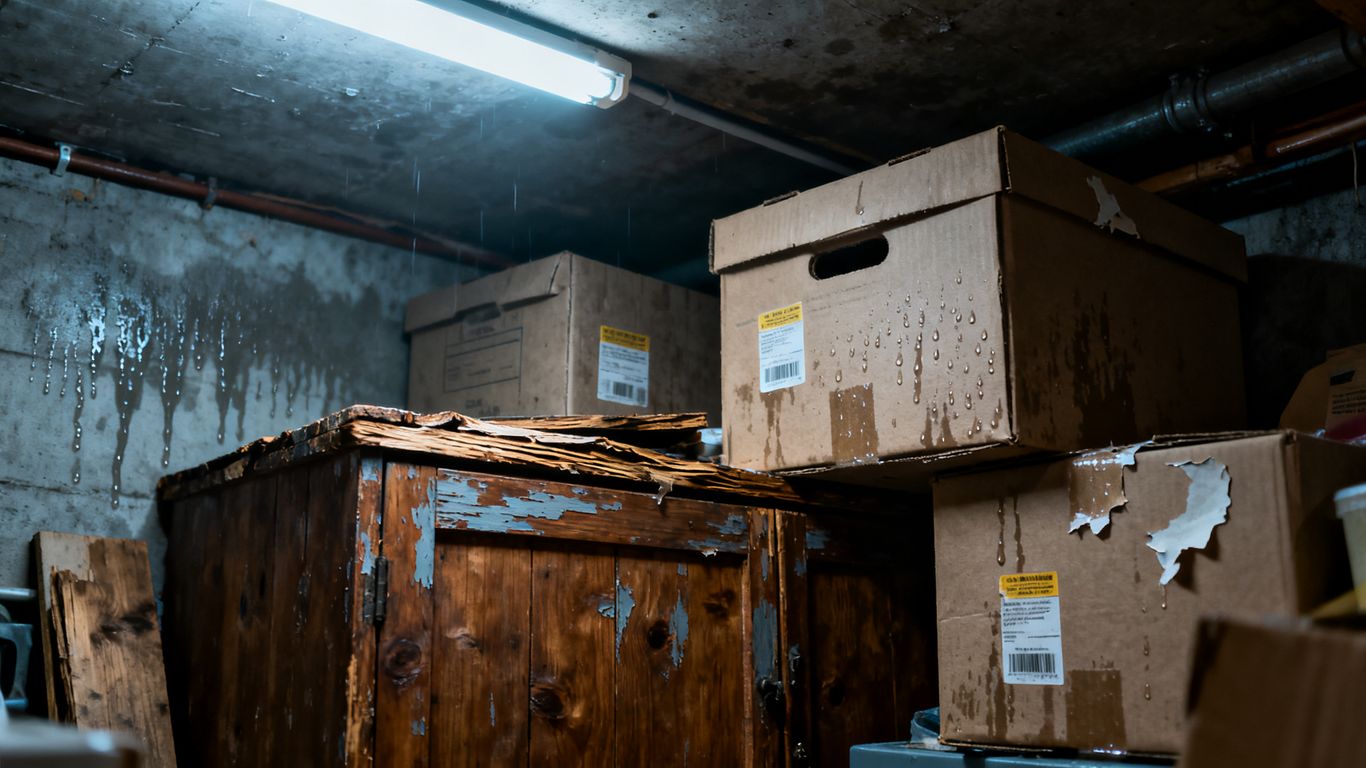
Those lingering heavy smells after a rainstorm or because of poor ventilation are often the direct result of trapped moisture. These odors can settle deep into textiles, making your home feel uninviting despite your best cleaning efforts.
Common Odor Sources
Identifying where these smells originate can help you address them correctly. The following areas often require extra attention when humidity is high:
- Basements and crawl spaces with limited airflow.
- Bathroom zones with insufficient drainage or ventilation.
- Closets holding dense collections of clothes or linens.
- Kitchen areas near sinks and cabinets.
Once the primary source of moisture is removed, these stale scents dissipate quickly, leaving behind air that feels crisp and revitalizing.
4. Improvement of indoor air quality
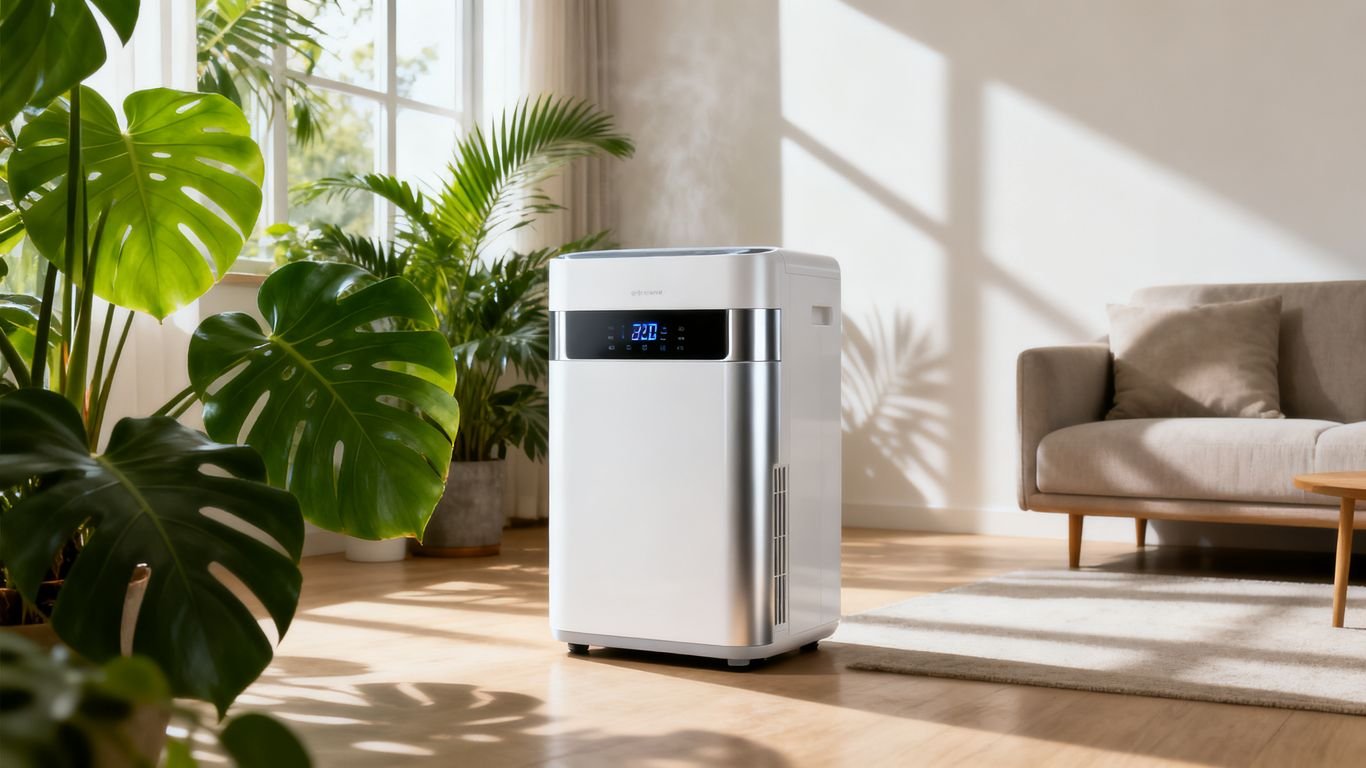
Poor ventilation and high humidity allow allergens to persist, which negatively impacts your indoor health. By regulating humidity, you reduce the prevalence of indoor irritants, which is precisely why the DualCore 20 by Aerofy is engineered for tropical stability. Ensuring your environment stays within recommended ranges keeps the air breathable and clean.
| Humidity Range | Environmental Impact | Recommended Action |
|---|---|---|
| 30-40% | Too dry for skin | Use a humidifier |
| 40-60% | Ideal comfort zone | Maintain with Aerofy |
| Above 60% | Risk of mold growth | Use a dehumidifier |
Selecting a system that offers dual-stage filtering ensures that the circulating air remains free from particulates and excess water vapor simultaneously.
5. Protection of home structural integrity
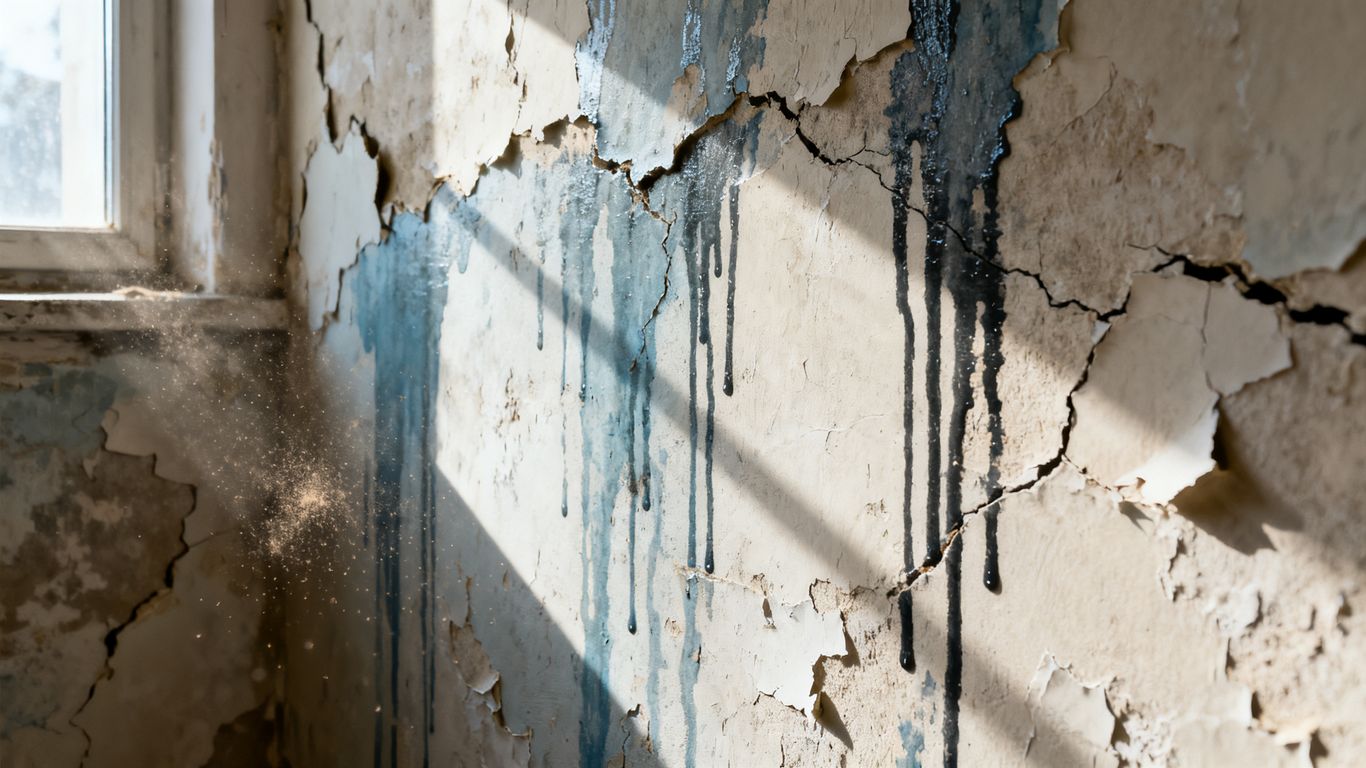
Excessive water vapor can wreak havoc on your home’s foundation, causing paint to bubble, wood to warp, and plaster to weaken. Because Aerofy products are built for the tropics, they are designed particularly well to combat these issues before they turn into costly repairs.
💡 Scenario Time
Imagine you return home after a long trip to find your interior paint peeling and a subtle dampness clinging to your walls. This happens when the local climate conditions overwhelm a structure without dedicated moisture regulation, causing the building materials to slowly degrade over time.
6. Preservation of wooden furniture and flooring
Wooden items react to moisture, swelling and contracting in response to humidity shifts. This movement eventually stresses joints and finishes, leading to premature aging of your favorite interior pieces. Implementing consistent moisture control practices ensures your investment in hardwood flooring and cabinetry lasts much longer without warping.
7. Relief for allergy and asthma sufferers

For those sensitive to airborne pollutants, a dry home serves as a protective barrier against many unwanted health triggers. By suppressing environmental irritants, you create a sanctuary where the Aerofy air purifier capabilities shine, especially for residents in humid hubs like Singapore.
Respiratory Support
Managing humidity levels down to a comfortable threshold makes breathing easier for anyone with respiratory challenges. It prevents the air from becoming thick and heavy, which otherwise forces your lungs to work harder to pull in comfortable oxygen.
8. Mitigation of pest infestations
Many insects and mites, such as dust mites, require a specific level of ambient humidity to thrive and reproduce. A standard dehumidifier keeps your home environment inhospitable for these common pests by lowering the relative moisture values. By simply keeping the environment dry, you eliminate their ideal living conditions effectively.
9. Faster drying of laundry indoors
Indoor drying often leaves fabrics damp for too long, which encourages bacterial growth and unpleasant mildew scents on your clothing. Utilizing a dedicated dehumidifier speeds up indoor drying by pulling water from the fibers of your laundry much faster than ambient air circulation. This ensures your clothes are wear-ready in a fraction of the time.
10. Enhanced comfort during humid summer months
During peak humidity seasons, the air can feel physically heavy, keeping you sticky even when your ambient temperature matches your preference. Aerofy is purpose-built to handle these tough tropical conditions, helping you maintain a cooling, comfortable home atmosphere. Having reliable environment control makes all the difference when the heat index rises.
Conclusion
Choosing the right appliance to manage your indoor humidity transforms your living area into a healthier, cleaner, and more resilient space. Addressing moisture at the source prevents long-term damage, improves your air, and protects your home’s well-being for years to come.
Frequently Asked Questions
What is the ideal humidity level for a home?
Most experts recommend keeping your indoor relative humidity between 40% and 60% for optimal comfort and health.
Can a dehumidifier replace an air conditioner?
While both appliances can affect your home climate, they have different specific functions; an air conditioner cools the air, while a dehumidifier focuses on extracting moisture vapor.
How often should I empty the collection tank?
This depends on the humidity levels and usage frequency, though most units require a daily check until you understand how the specific unit performs in your climate.
Does high humidity cause structural damage?
Yes, prolonged high humidity can lead to wood rot, paint damage, and mold growth on drywall, all of which compromise the structural integrity of your property.
Are there any downsides to a dehumidifier?
If not monitored, a dehumidifier can make a space feel overly dry, which may lead to skin dryness or irritation for some people.
Can I use a dehumidifier in my bedroom?
Yes, many modern units are designed to run quietly in bedrooms to help improve air quality and comfort while you sleep.
Does running a dehumidifier cost a lot in energy?
Modern, high-efficiency models are designed to use energy conservatively, making them an affordable investment when compared to the potential costs of professional mold remediation or structural repairs.
Get Started Today
Ready to transform your home’s air and protect your environment from excess humidity? Buy Now to explore our latest moisture management solutions tailored for your climate.