Key Takeaways
Dehumidifier water is a byproduct of moisture extraction that, while not distilled, serves as a resourceful asset for home chores. Understanding how to manage this resource effectively allows for sustainable practices without compromising household safety.
- Dehumidifier water should never be consumed due to potential contaminants.
- Use the water only for non-edible plants and general household cleaning.
- Always maintain a consistent cleaning schedule for your appliance’s reservoir.
- Avoid using this water in steam-based appliances to prevent mineral buildup or damage.
- Proper filtration and regular sanitation keep collected moisture cleaner for longer.
Understanding the nature of dehumidifier water
Collecting water through household dehumidification is a functional necessity for many residents in high-humidity climates. While the primary goal of these units is to modulate indoor air moisture, the byproduct presents a secondary utility for those looking to conserve resources.
Chemical composition of collected moisture
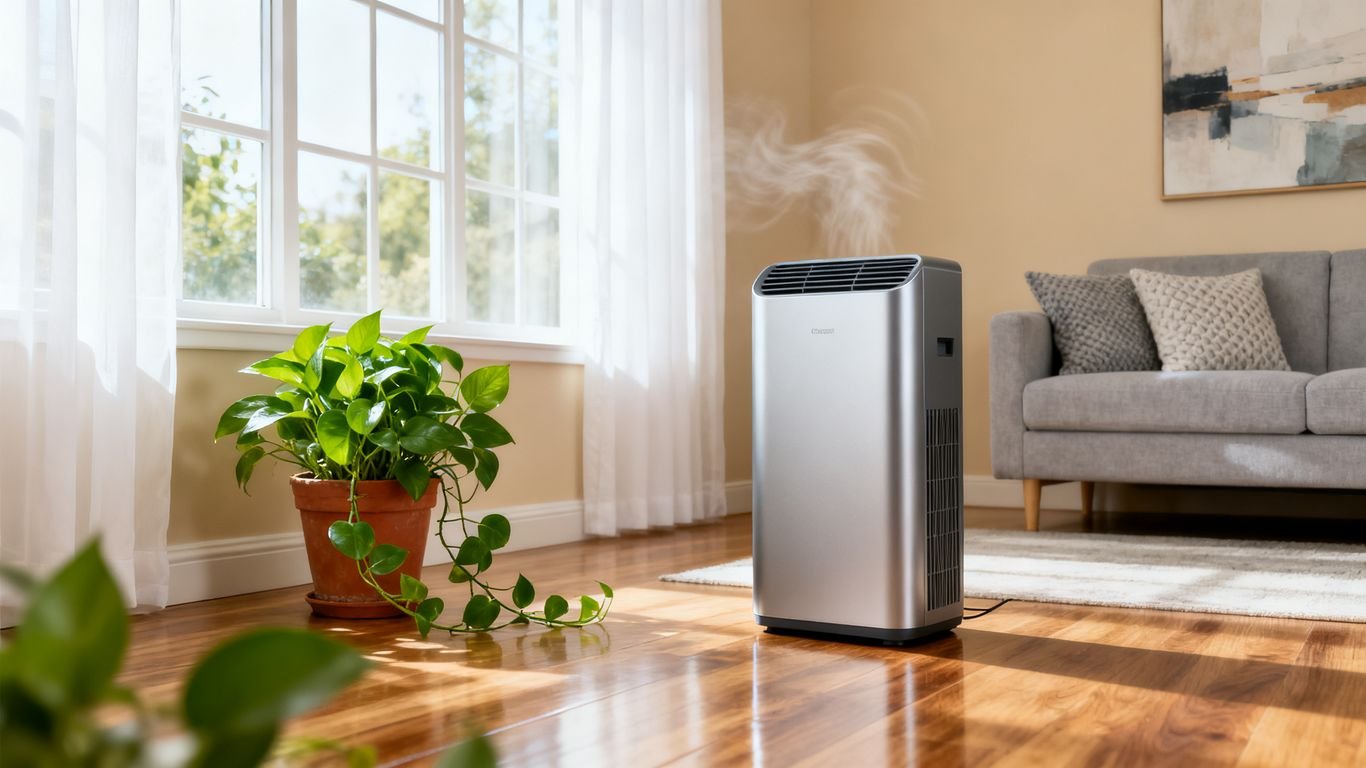
When a unit like the Aerofy DualCore 20 operates, it cools ambient air below the dew point, forcing water vapor to transition into a liquid state. This moisture is pulled from the air alongside airborne particulate matter. The engineering team at Aerofy notes that while the resulting liquid is low in dissolved mineral content, it is not scientifically classified as distilled water because it lacks a true distillation process.
The presence of heavy metals and microbial growth
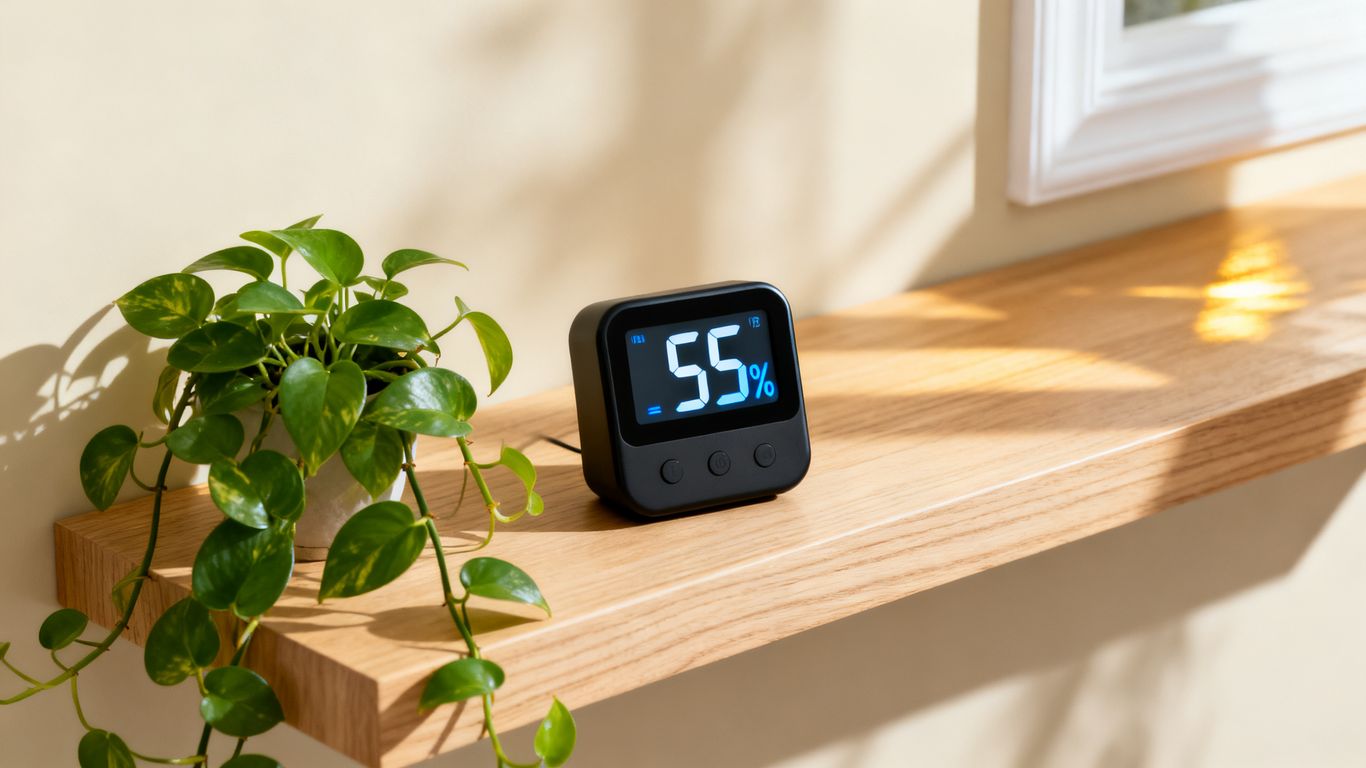
Collected water interacts with machine internals, including internal coils, drainage channels, and the collection reservoir itself. It often picks up traces of metal oxides or manufacturing lubricants during its initial cycles. Furthermore, stagnant water becomes a breeding ground for bacteria or mold spores if the reservoir is left undisturbed, making the water quality subject to the cleanliness of the air intake and the unit’s internal environment.
Difference between distilled and dehumidifier water
True distillation requires boiling water and condensing the steam to ensure purity. In contrast, dehumidifier moisture is simply condensed from the air, meaning it retains whatever microscopic contaminants were floating in your room. While it may look clear, this water lacks the sterile quality required for medical or laboratory use, distinguishing it clearly from purified distilled water found in stores.
Safe household cleaning applications
Repurposing your moisture collection is a simple way to practice sustainability. By focusing on non-contact or hard-surface tasks, you can effectively manage water usage without introducing bio-risks to your living space.
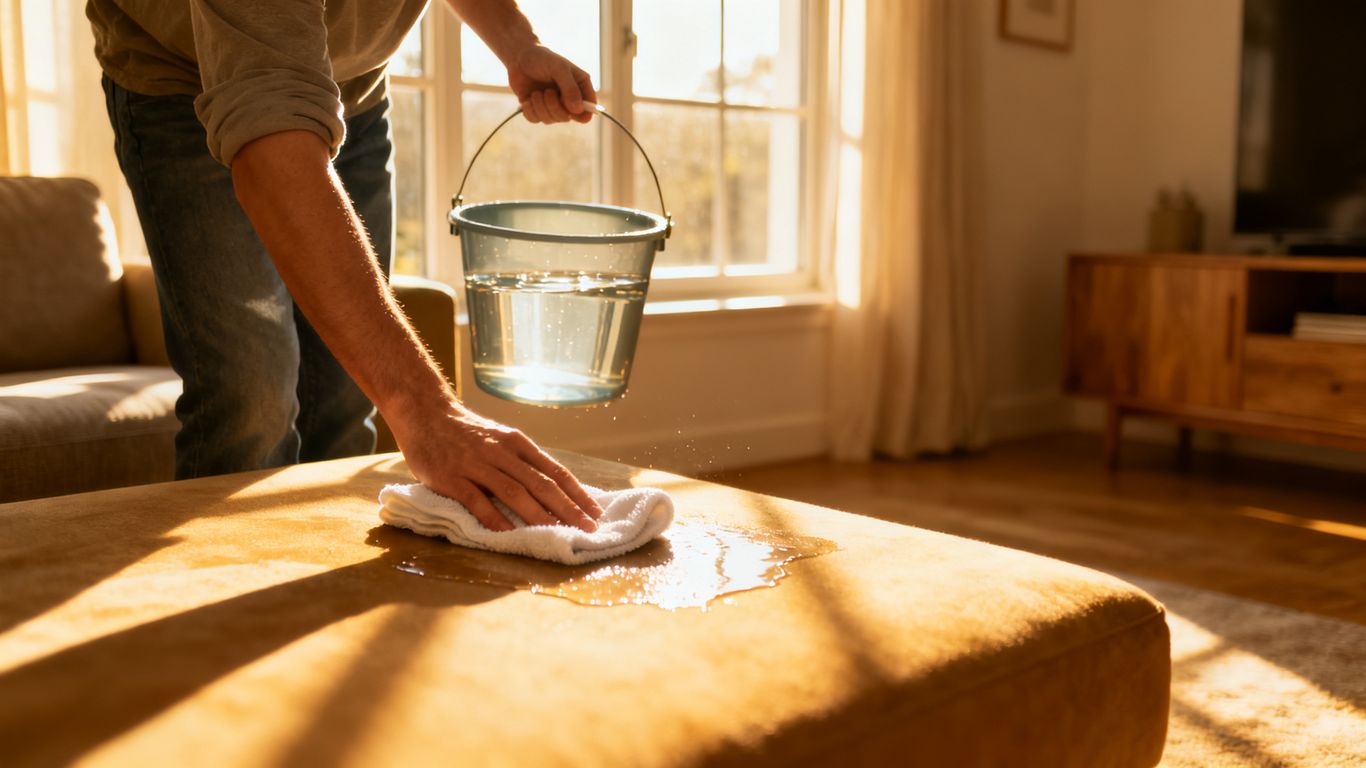
Using water for floor mopping
Using stored water for floor mopping proves effective, provided the surface is a standard sealed tile or hardwood. Because the water contains fewer minerals than traditional tap water, it leaves fewer streaks behind on high-gloss surfaces.
Cleaning windows and glass surfaces
Glass surfaces benefit significantly from low-mineral liquids. When you use your collected supply to wipe down windows, you will notice fewer hard-water spots, provided you wipe it away promptly with a clean microfiber cloth. Consistent care helps see more details on handling these tasks.
Rinsing dust off outdoor patio furniture
Cleaning outdoor furniture is an ideal application for this water. Since the water is already being disposed of, using it to rinse off dust from chairs or metal tables saves gallons of potable water from your primary plumbing supply. It is a practical way to manage outdoor upkeep while simultaneously clearing out your reservoir before it overflows.
Watering indoor and outdoor plants
Many gardeners wonder about the benefit of this water for their personal foliage. While it can be useful, applying it strategically is essential to preserve the health of your indoor collection.
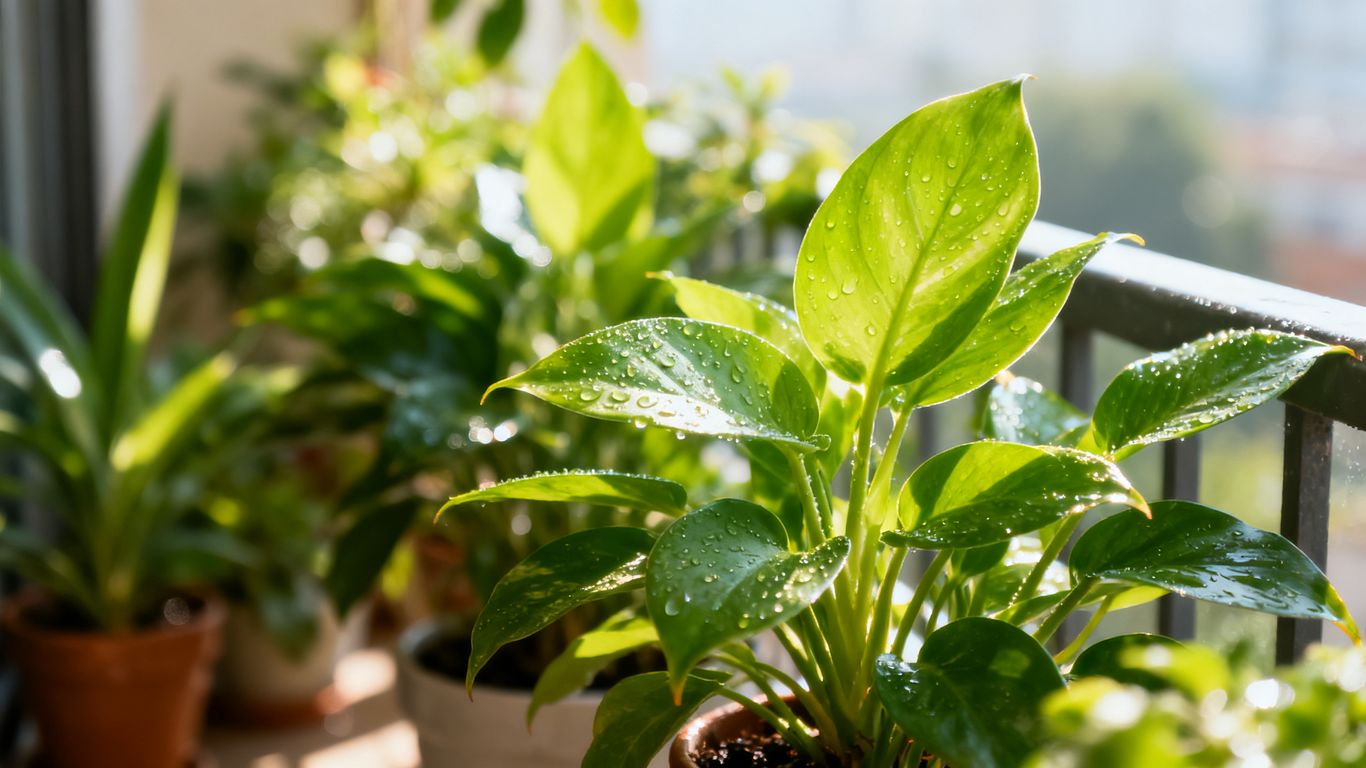
Best practices for non-edible decorative foliage
For most non-edible houseplants, this water works quite well. Ferns, spider plants, and ornamental palms often thrive when they receive this moisture, as it lacks the chlorine found in municipal tap water. Ensure that the water is fresh and that your unit is kept in good working order by checking here for maintenance guidance.
Why you should avoid using it on vegetable gardens
Vegetable gardens require extremely clean, mineral-rich sources to ensure safe consumption. Reusing dehumidifier water for edibles introduces the risk of transferring microscopic contaminants or heavy metals directly into the tissue of your food. To prevent potential 5d22 complications related to soil or water quality, always use potable water for your herb and vegetable patches.
Managing potential soil pH and mineral changes
Because this water is very soft, it can slowly alter the pH profile of your soil over time. Regular monitoring helps avoid nutrient deficiencies. The following table illustrates common soil adjustments needed when using different irrigation sources.
| Irrigation Source | Mineral Load | Typical Effect | Recommended Frequency |
|---|---|---|---|
| Municipal Tap | High | pH Neutralize | Daily |
| Dehumidified Water | Low | Soil Softening | Weekly |
| Rain Water | Medium | pH Balancing | Bi-weekly |
After balancing your irrigation schedule, you will find it easier to maintain healthy, thriving indoor plants without relying solely on the municipal supply.
Essential precautions and safety warnings
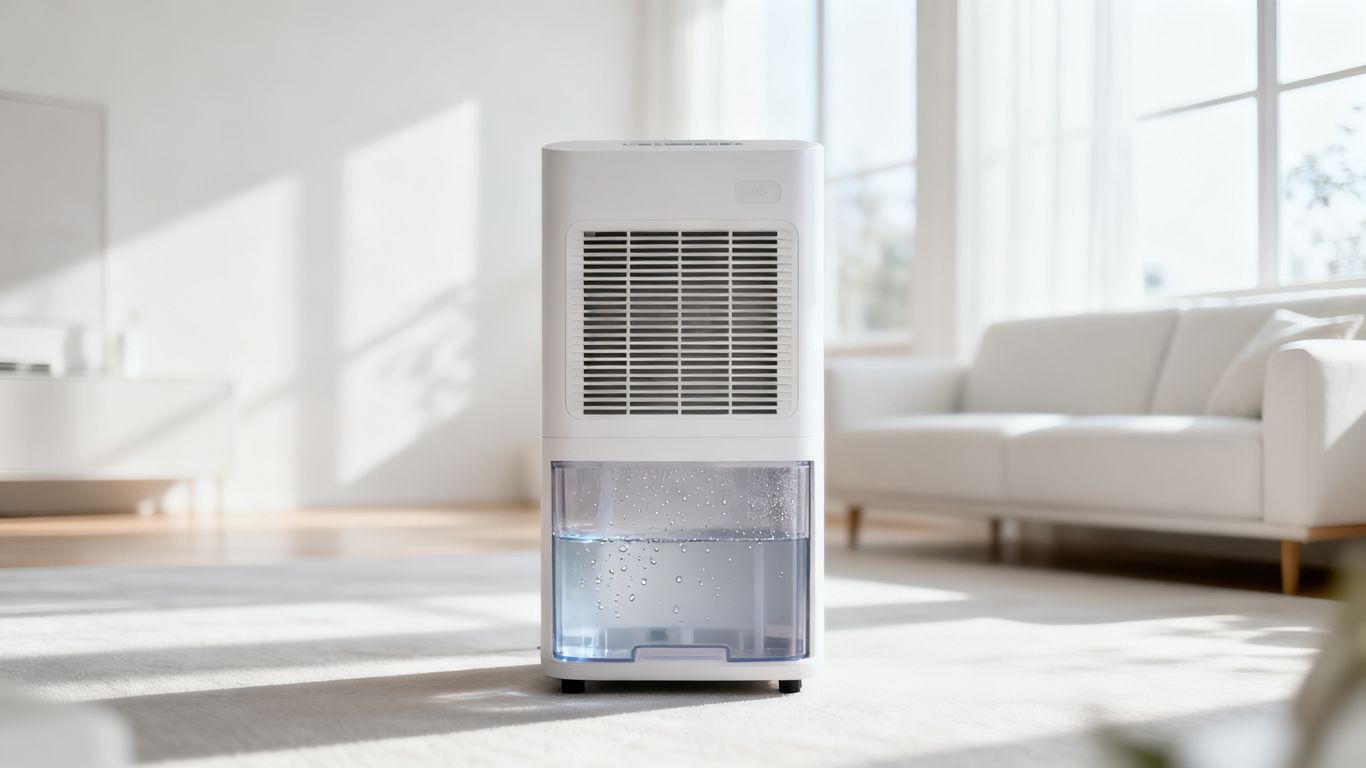
Safety remains the top priority. Because our devices are designed in Singapore, Aerofy products are built for the humidity extremes of the tropics, yet they still collect water that is strictly classified as gray water. Proper handling prevents any unintended hazards in your home.
Why dehumidifier water is not suitable for drinking
Drinking or cooking with this water is dangerous. It often contains micro-particulates, potential bacterial colonies, and metallic traces. To maintain a safe home, adhere to these simple usage rules:
- Never use the water for human or pet consumption.
- Avoid using it in cooking, even if boiled, to prevent chemical residue intake.
- Store the water in clearly marked containers if you must keep it for chores.
- Treat all collected moisture as non-potable and purely for cleaning or plant use.
Avoiding use in vaporizers or steam irons
The mineral-free nature of this water sounds beneficial for irons, but the presence of biological contaminants can lead to odor issues when the water is heated to steam. Furthermore, traces of VOCs or dust trapped by your appliance can clog sensitive internal heating elements, leading to equipment failure over time.
Handling stagnant water and preventing biological risks
Leaving the reservoir full for more than a few days allows for slime buildup and microbial growth. If you notice a musty scent coming from the unit, it indicates that the stagnant water has begun to spoil. Dispose of this water immediately and disinfect the basin to keep your indoor air quality high.
Best maintenance practices for cleaner water
Maintaining your cooling coils and filtration system is critical. A clean machine results in cleaner water output.
Regular cleaning of the dehumidifier reservoir
Wash your storage tank with warm, soapy water at least once every three days. This prevents the formation of biofilms that can compromise any water you collect for later use.
Changing the air filter to reduce indoor contaminants
The air filter serves as the first line of defense against the particles that end up in your collection tank. By following the manufacturer’s recommendation for filter cycles, you minimize the amount of dust and debris entering the condensed liquid.
Frequency of water disposal to prevent mold buildup
Never allow the reservoir to reach capacity for long periods. Even if you do not plan to use the water, emptying the tank daily ensures that no standing water remains to foster mold growth. Daily disposal is the best way to safeguard your space while keeping your appliance running at peak efficiency.
Buy Now
Explore our range of premium dehumidifiers to find the right appliance for your needs today. Experience the difference that thoughtful engineering makes in your home’s air quality and moisture control effectiveness.
Conclusion
Repurposing dehumidifier water offers a small but tangible way to improve your household sustainability. By exercising caution and maintaining your appliance correctly, you can safely integrate this resource into your plant care and cleaning routines for years to come.
Frequently Asked Questions
Does this water contain chemicals?
Yes, because the water condenses from the air, it captures airborne dust, particles, and potential traces of materials from the refrigeration cycle.
Can I use this water for my pets?
No, you should never provide this water to pets as it contains contaminants that could be harmful to their health.
How often should I empty the reservoir?
You should empty the tank at least daily to prevent stagnant water from becoming a site for mold and bacterial development.
Will this water damage my hardwood floors?
It is generally safe for sealed surfaces, but ensure that you do not leave excessive puddles, as moisture can eventually penetrate the finish of untreated floors.
Is it safe for indoor plants?
It is ideal for many indoor decorative plants but avoid application on any plants that you plan to harvest for food consumption.
Does the water need filtering?
While filtering might remove larger dust particles, it does not guarantee the removal of dissolved contaminants or bacteria, so it remains unsafe for consumption.
Can I store the water for long periods?
No, storing this water promotes bacterial growth; it is best to use it immediately after collection and dispose of any remnants at the end of each day.