Key Takeaways
- Humidifiers add moisture to combat localized dryness, while dehumidifiers extract excess dampness to protect your home environment.
- Ideal indoor relative humidity remains between 30% and 50% for optimal health and comfort.
- Physical symptoms like chapped skin often signal a need for moisture, while condensation and musty smells indicate a need for extraction.
- Regular maintenance, including filter cleaning, is essential to sustain efficiency and air quality.
- Specialized devices like the Aerofy DualCore 20 combine moisture control and purification to address regional tropical climate challenges efficiently.
Understanding the core differences

How a humidifier adds moisture to the air
Humidifiers are specifically engineered to introduce water vapor into indoor spaces where the air has become parched, often due to aggressive heating systems during winter or arid regional climates. These units typically utilize either an ultrasonic vibration mechanism to create a fine mist or a wick-based evaporative system to increase the ambient water content. By elevating the moisture levels, these devices provide relief from discomfort throughout the home, ensuring that internal air does not reach extremes that trigger physical concerns.
How a dehumidifier removes excess humidity
Dehumidifiers operate on the principle of condensation to pull excessive water vapor out of a space, preventing the accumulation of trapped moisture. A standard system draws in warm, humid air across a cooled coil, causing the moisture to condense into a reservoir while dry air is circulated back into the environment. This process is critical for maintaining structural integrity and preventing the moisture buildup that often challenges homes in humid coastal or tropical environments.
Comparing primary operational goals
Every environment presents unique challenges that determine whether you need an addition or subtraction of moisture content. Below is a breakdown comparing these two distinct functions to clarify how they support indoor air stability.
| Feature | Humidifier | Dehumidifier |
|---|---|---|
| Core Mechanism | Water mist release | Condensation extraction |
| Target Environment | Dry, arid, or heated air | Humid, damp, or tropical air |
| Primary Goal | Relieve dryness/static | Reduce humidity/mold growth |
| Typical Seasonality | Primarily winter use | Primarily summer/wet seasons |
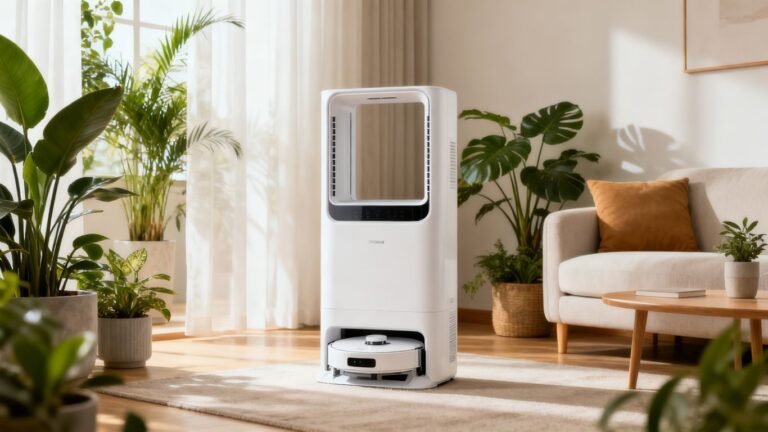
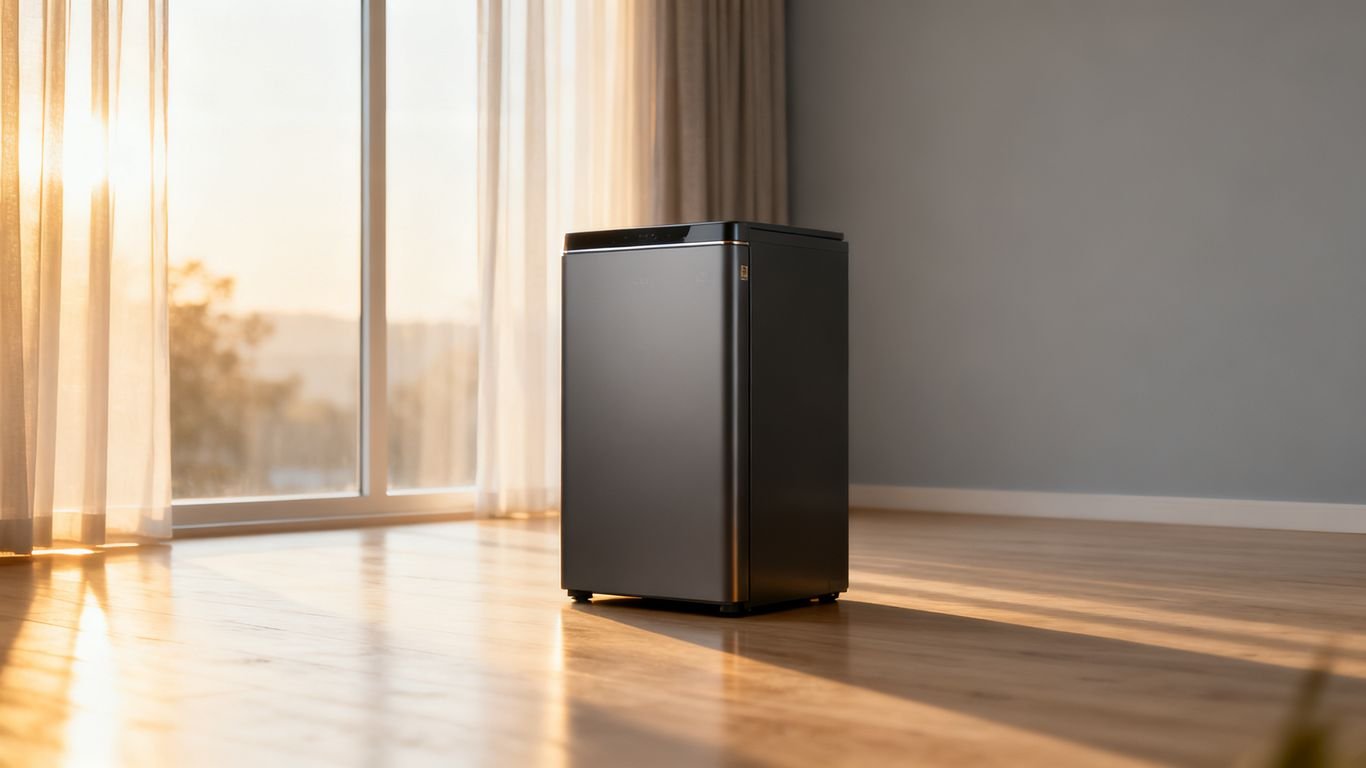
For residents in tropical climates, the Aerofy DualCore 20 serves as a specialized appliance designed to handle continuous moisture extraction while simultaneously purifying air, effectively managing the specific humidity pressures of regional environments.
Signs you need a humidifier

Physical symptoms of dry air
When your body constantly feels parched, it is often a direct result of indoor humidity dropping too low. You might notice your lips feeling chronically chapped, your throat feeling scratchy upon waking, or your sinuses becoming irritated despite a lack of illness. These physical cues serve as a clear alert that your living environment is lacking the basic moisture necessary for membranes to function comfortably.
Protection for wood furniture and musical instruments
Dry air can be surprisingly destructive to your most valuable domestic investments, leading to brittle wood in cabinets, creaking floorboards, and warping in antique instruments. When moisture levels fall beneath the recommended threshold, wooden objects begin to lose their natural internal oils, shrinking and cracking as a result. Maintaining consistent moisture levels ensures these materials remain stable, protecting the longevity of your home’s interior decor and specialized equipment.
Managing static electricity and household comfort
Static electricity is more than an annoyance; it is a mechanical indicator that the surrounding air lacks the ions and moisture needed to dissipate charges. You may find yourself experiencing sharp shocks when touching surfaces or struggling with blankets that cling to everything they contact during the winter. A device that introduces gentle moisture can neutralize these charges, making your home significantly more comfortable and preventing the sudden, unpleasant surprises caused by high-voltage static discharge.
Signs you need a dehumidifier

Detecting high humidity through condensation
Condensation forming on windows or cold metal pipes is usually the first visible sign that your space is holding onto far too much water vapor. When the air cannot hold any more moisture, it deposits that excess onto the coldest surfaces available, creating small beads of water that eventually turn into streaks. This process often feels clammier than the actual temperature should allow, showing a direct need for an effective moisture control system to balance the internal balance.
Preventing mold, mildew, and fungus growth
High humidity provides a fertile breeding ground for organic growth, including various forms of mold and mildew that thrive in stagnant, damp air. Once these fungi take hold, they can spread rapidly across drywall, wallpaper, and fabric, posing risks to your respiratory health if left untreated. The Aerofy DualCore 20 engineering includes components designed to stop this growth by maintaining a consistent relative humidity level, ensuring that air remains crisp and unsuitable for microbial colonization.
Eliminating musty odors in basement or laundry spaces
Musty, stale odors are a classic byproduct of trapped humidity failing to circulate properly in lower-level or contained areas like basements. These smells suggest that moisture has become trapped within porous materials, creating an environment that feels perpetually heavy and dense. By proactively extracting vapor, you can clear these pockets of damp air and ensure that spaces meant for storage or laundry remain fresh rather than swampy.
Measuring your home humidity levels
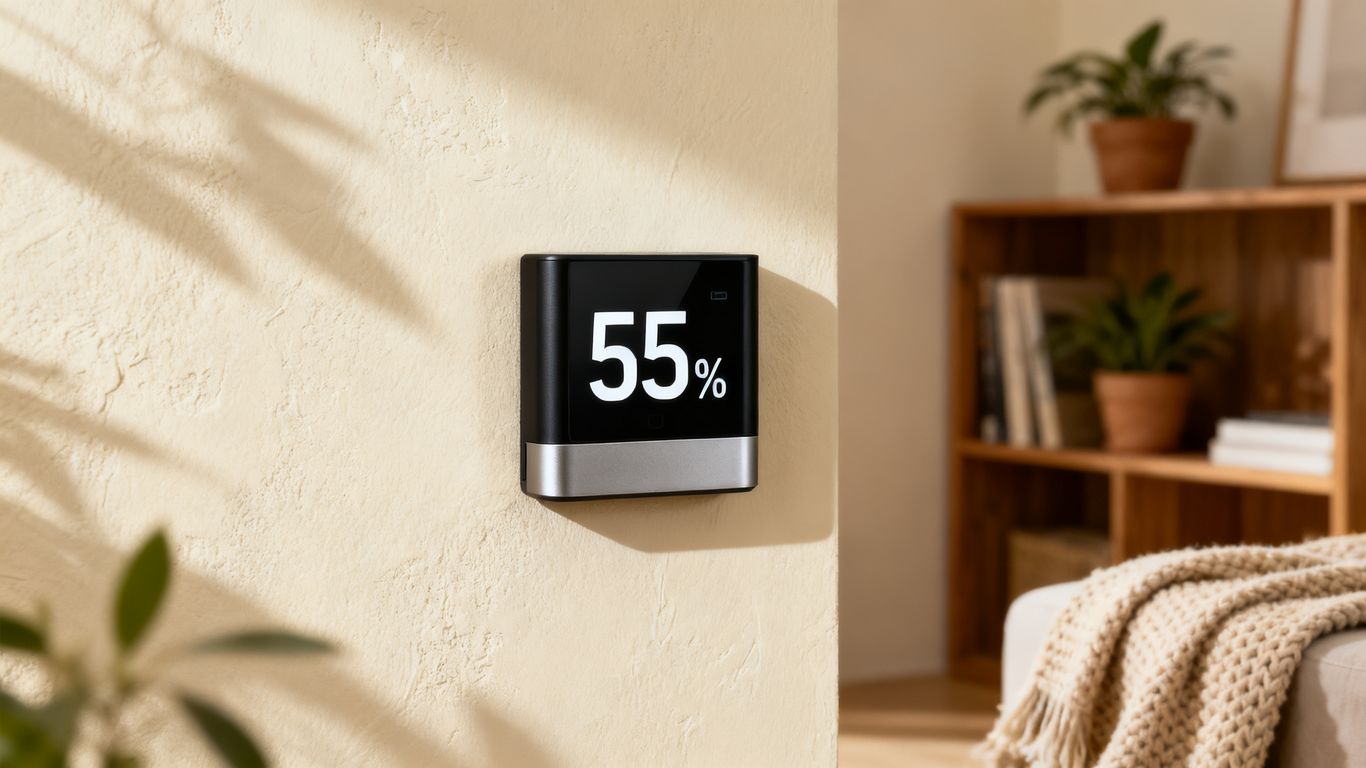
Using a hygrometer to track data
Monitoring your indoor environment requires more than intuition; it requires the precise tracking provided by a reliable hygrometer. This simple, affordable tool allows homeowners to see exactly what percentage of moisture exists in the air at any given moment, removing the guesswork involved with seasonal transitions. By keeping a digital log of these numbers, you can determine if your current humidity is trending towards hazardous levels, whether you are dealing with risky condensation issues or dangerously dry air.
Understanding ideal indoor relative humidity ranges
Maintaining the recommended 30% to 50% relative humidity range is the gold standard for a healthy, balanced home. Staying within this window prevents the health problems associated with dryness while simultaneously starving the environment of the moisture required to support mold or dust mites. It is the "sweet spot" for structural health and human comfort, which you can enforce by combining manual monitoring with automated systems.
Factors that influence moisture levels in different rooms
Different areas of your home will naturally fluctuate based on plumbing, ventilation, and proximity to the outdoors. Kitchens and bathrooms typically spike in humidity due to daily activities, while guest rooms or drafty attics may stay significantly drier year-round. Understanding these micro-climates helps you decide where to prioritize moisture management, as an appliance that serves a living room may not be as effective in a high-traffic or damp basement corridor.
Comparing energy efficiency and maintenance needs
Evaluating electricity consumption for both unit types
Choosing the right appliance means looking past the initial cost and into the long-term energy footprint. High-efficiency units use advanced sensors to cease operation once the target humidity is reached, preventing them from running continuously and wasting power. A low-quality, inefficient model might draw significantly higher power while failing to address the moisture issue, leading to higher monthly costs without the benefit of a truly balanced home atmosphere.
Essential cleaning routines for filters and reservoirs
To keep your air quality high, you must adhere to a strict maintenance schedule that keeps dust and buildup away from the internal mechanisms. Below are the core steps to keep your machine performing at peak levels:
- Wipe down the external casing with a soft cloth weekly to prevent dust accumulation.
- Remove and rinse the air pre-filter every two weeks under lukewarm tap water.
- Empty and scrub the condensation reservoir thoroughly with mild soap once a week to prevent slimy biofilm.
- Ensure the exhaust vents are clear of obstructions like curtains or large pieces of furniture.
This simple routine ensures that airflow is not restricted and that the machine operates as efficiently as the manufacturer intended.
Budgeting for long-term operational costs
Budgeting for these appliances should incorporate expected filter replacements, energy usage, and minor repairs. If you choose a robust, well-engineered device, the cost of ongoing maintenance is minimized, whereas cheap alternatives often require expensive, frequent repairs to keep them operational. Planning for these costs upfront ensures that you do not face a sudden, costly replacement when you discover that your unit has aged out prematurely.
Making the final decision for your living space
Assessing room size and total airflow
Before you commit to a purchase, you must match the capacity of the unit to the cubic footage of your room to ensure effective circulation. An underpowered system will struggle to overcome the existing moisture load, leading to it running near-constantly without achieving the desired result. Conversely, an oversized unit might cycle on and off too frequently, which isn’t just energy-inefficient but also fails to provide the necessary dehumidifying power per pass.
Balancing climate shifts across different seasons
Your home’s needs will naturally shift as the local weather changes, meaning you might need different strategies during various times of the year. During the wettest months, you may find that you need to run your unit for longer periods to keep humidity in check, while drier days might require little more than occasional usage. The best approach for residents in challenging tropical climates is to invest in machinery that allows for smart automation, as it can adapt to these external pressures without requiring manual input.
Selecting features based on capacity and automation
Modern technology allows for convenience features that simplify the management of your indoor air quality significantly. Look for programmable timers, automatic shut-offs when the bucket is full, and smart sensors that maintain your set humidity level automatically. An appliance like the Aerofy DualCore 20 excels here, providing a automated experience that respects the user’s need for efficiency while ensuring the atmosphere remains consistently comfortable.
💡 Scenario Time
Imagine you just moved into a ground-floor apartment in Singapore where everything feels slightly damp. Despite running your air conditioner, you wake up to find your clothes feel clammy and your favorite leather boots have developed a faint spot of mildew. This is a classic indicator that your cooling system is only cooling, not managing the moisture content in the air. By introducing a dehumidifier, you can finally stop the moisture before it damages your belongings, creating a space where the air is noticeably lighter and the environment is truly protected.
Conclusion
Selecting the right system truly comes down to understanding the current moisture levels in your home and choosing a solution built to handle your unique environment. By paying attention to simple signs like condensation, static, or air quality changes, you can ensure your home remains a comfortable, healthy sanctuary rather than an uncontrolled environment that breeds damage.
Frequently Asked Questions
How do I know if the air in my home is too dry or too humid?
Visible physical signs such as chapped skin or nosebleeds usually indicate dryness, while visible water on windows or a persistent musty smell typically signal high humidity levels.
Is it possible for a home to require both a humidifier and a dehumidifier?
Yes, households in locations with extreme seasonal shifts often use a humidifier during the winter and a dehumidifier during the peak humidity of summer to maintain a balanced range.
Can I run a dehumidifier and an air purifier at the same time?
Absolutely, many modern systems are designed to exist in the same environment and can work in tandem, or you might choose a dual-function unit that handles both tasks simultaneously.
How often should I drain the water collection bucket?
This depends on your climate and humidity levels, but most residential units generally require the bucket to be emptied once every 24 hours during periods of high use.
Will a dehumidifier eliminate all mold growth in my house?
It will significantly reduce the risk and slow the spread of existing mold by depriving it of the moisture it needs, though it cannot physically remove existing colonies from your walls.
Does indoor temperature affect the efficiency of a dehumidifier?
Temperature has a major impact on operation, as most standard refrigerant-based units lose effectiveness in very cold rooms, making them better suited for temperate or warm environments.
Can I leave a dehumidifier running unattended while I am at work?
Most modern, reliable models feature automatic shut-off safeties, making it generally safe to run them unattended, provided you clear the reservoir regularly to prevent overflows.