Key Takeaways
Understanding what dehumidifier do for indoor air quality is essential for homeowners in humid climates who want to protect their property and respiratory health. Dealing with moisture levels correctly can transform a stuffy, damp environment into a crisp and comfortable living space.
- Managing indoor humidity between 30% and 50% effectively suppresses mold growth and dust mite populations.
- Proper airflow and consistent moisture extraction prevent long-term structural degradation of wooden furniture and walls.
- Units equipped with R290 refrigerant offer efficient cooling cycles tailored for humid environments.
- Routine maintenance, including cleaning filters and sanitizing reservoirs, is required to maintain system performance.
- Choosing the right capacity unit ensures your space stays consistently dry and energy-efficient.
Understanding what dehumidifier do for indoor air quality
Pulling excess moisture from the air
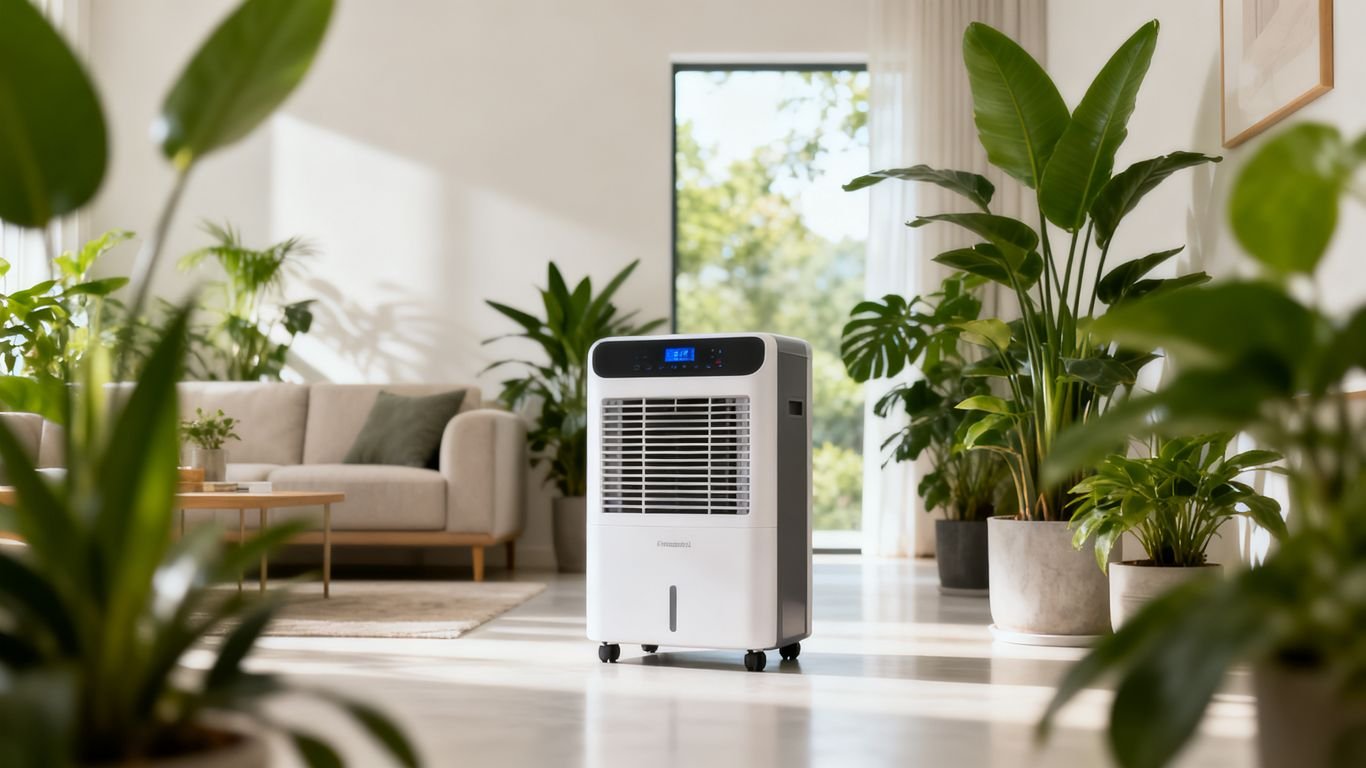
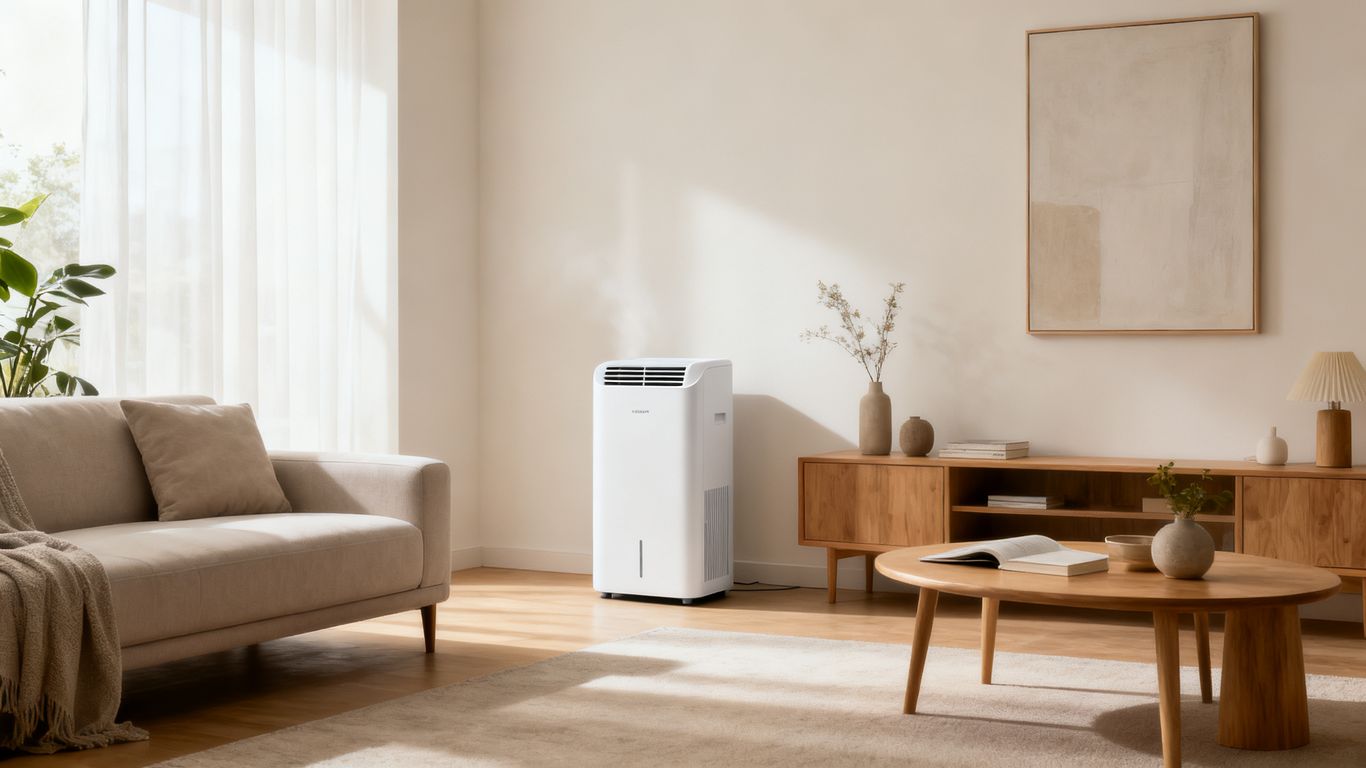
When local humidity spikes, your home’s air can feel heavy and saturated with trapped vapor. A dedicated dehumidifier actively cycles this stagnant air to draw out water molecules, significantly lowering the relative humidity. By integrating a system like the DualCore 20, you ensure that your living area maintains an environment that resists common dampness problems. This process transforms how a room feels, making heavy air dissipate and allowing natural ventilation to be more effective.
Preventing mold and mildew growth
Excessive moisture serves as the primary fuel for biological contaminants like mold and mildew to take hold on porous surfaces. These spores can spread silently in drywall, upholstery, and carpets whenever humidity levels consistently exceed safe thresholds. Controlling this by removing excess water vapor is the most direct way to limit the proliferation of these health-impacting organisms in your living spaces.
Improving overall home comfort levels
Humidity directly influences how your body perceives temperature, and damp conditions often feel significantly warmer than they actually are. By stripping the air of surplus moisture, these devices help your home’s cooling system work with greater efficiency. You can achieve a much more pleasant and dry indoor climate without forcing your air conditioner to run constantly, which helps in creating a consistent atmosphere that remains comfortable throughout the day.
The science behind how dehumidifiers work
Refrigerant-based cooling process
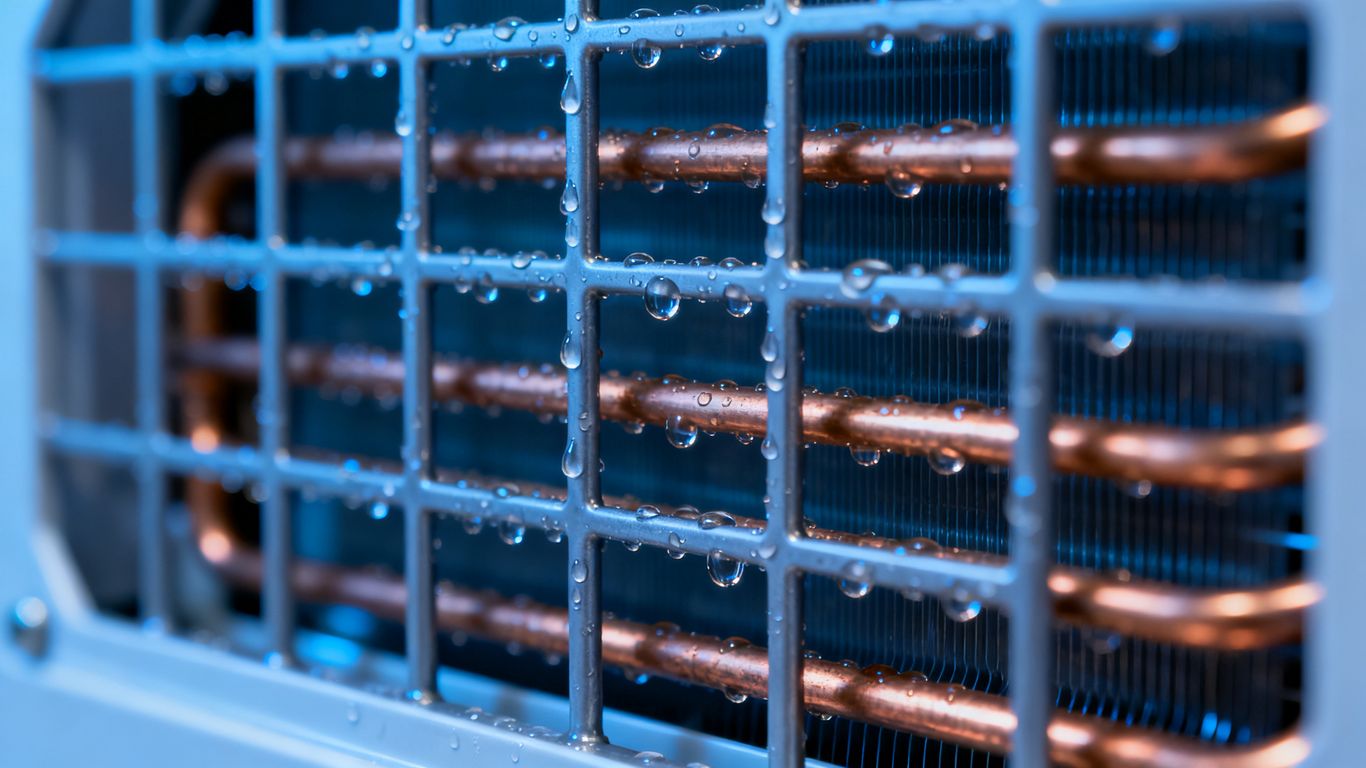
Most high-performance units utilize a refrigeration cycle to convert water vapor into liquid that can be safely collected. The system pulls warm, moist air across super-cooled coils—a process that mirrors how a standard refrigerator works to keep food fresh. Once the air releases its moisture against these cold surfaces, it passes over warmer coils before being recirculated into the room at a lower, more comfortable humidity level.
Desiccant moisture absorption technology
In scenarios where temperatures are cooler or precision drying is required, desiccant technology provides an effective alternative to traditional refrigeration. These units rely on chemical drying agents that naturally adsorb water molecules directly from the air stream. Rather than condensing liquid via temperature drops, the system regenerates the desiccant material periodically, allowing for continuous moisture removal regardless of the ambient ambient thermal profile.
The role of the built-in hygrometer
Every modern appliance includes a hygrometer that acts as the brain of your moisture control strategy. This sensor continuously monitors the saturation level of your room and triggers the compressor or fan to cycle on only when necessary. This level of automation is critical for maintaining energy efficiency and ensuring that your space never dips below a healthy humidity balance, preventing the air from becoming excessively dry.
Key benefits of using a dehumidifier
Reducing dust mites and common allergens
Dust mites and many common allergens thrive exclusively in environments where relative humidity remains consistently high. By keeping indoor levels strictly within the 30% to 50% range, you naturally inhibit the biological development of these persistent household irritants. A well-engineered Aerofy unit consistently works to lower these levels, ensuring your air quality remains refined and clean for everyone in your home.
Protecting wooden furniture and structural integrity
Wood is a hygroscopic material, meaning it constantly gains or loses moisture based on its surroundings. In highly humid homes, expensive furniture might warp, swell, or even crack over time as the fibers expand and contract from ambient dampness. Using a reliable DualCore 20 prevents this cycle of expansion and contraction, which helps preserve the structural integrity and finish of your interior investments over many years.
Accelerating laundry drying times in basements
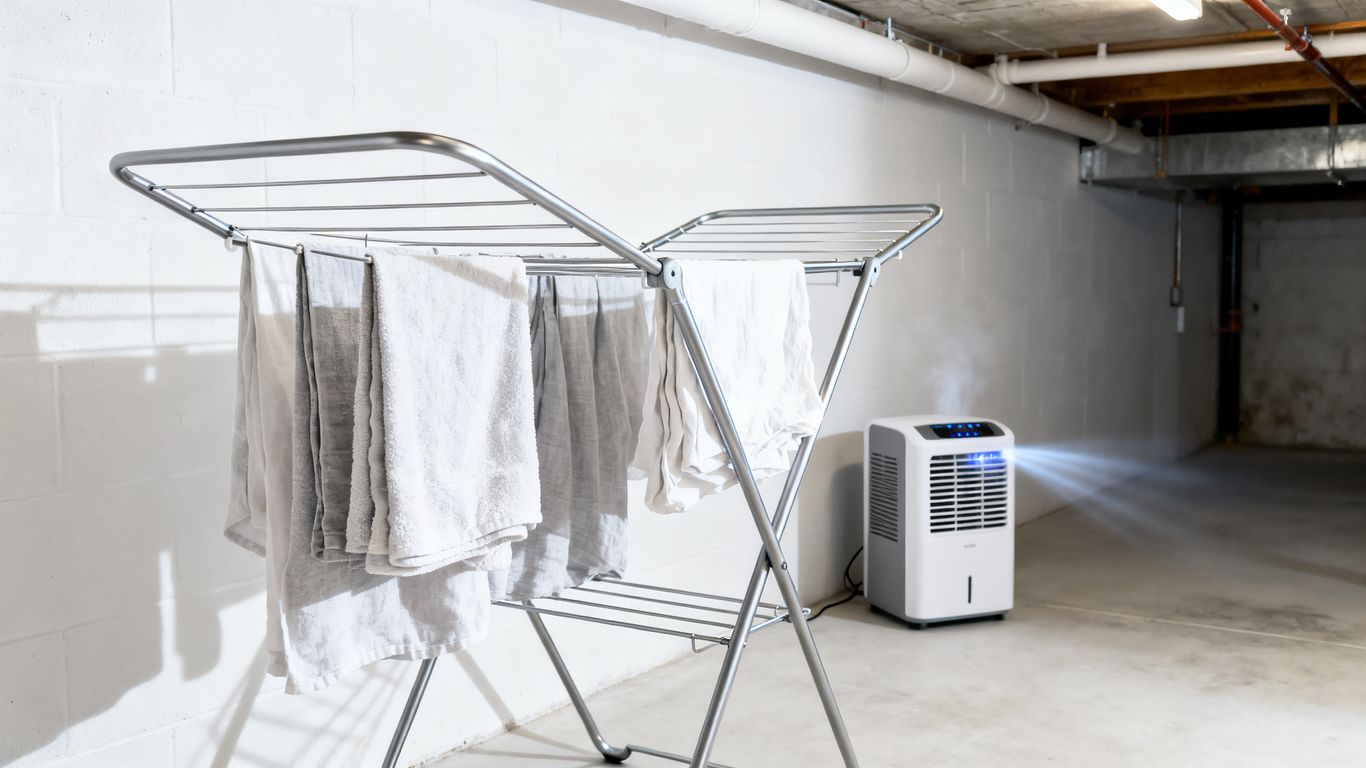
Basements often lack the airflow needed for clothing to dry effectively, leading to that notorious and lingering musty scent. A dehumidifier changes this by actively reducing the moisture capacity of the basement air, allowing wet fabrics to release their water much more rapidly. Below is a comparison of typical drying scenarios in a controlled versus uncontrolled basement environment.
| Drying Condition | Humidity Level | Estimated Dry Time | Effectiveness |
|---|---|---|---|
| Uncontrolled | Above 70% | 48+ hours | Poor |
| Natural Ventilation | 60% | 24-36 hours | Moderate |
| With Dehumidifier | 45% | 8-12 hours | High |
This rapid moisture exchange ensures your laundry stays fresh while preventing the moisture from settling into your foundation walls or storage boxes.
Signs your home needs a dehumidifier
Persistent musty or damp odors
When you consistently encounter a stale or earthy smell upon entering a specific room, it serves as a primary indicator of localized mold activity or moisture buildup. Such scents usually originate from trapped humidity that no amount of standard ventilation can fully clear out. Addressing the root cause with continuous air processing is often the fastest remedy to reclaiming your indoor air environment.
Condensation forming on window panes
Seeing water droplets bead on the interior side of your glass is a clear sign that the air inside is holding too much moisture. This condition happens when warm, humid air makes contact with cool windows, hitting the dew point and turning into visible liquid. If left unmanaged, this moisture eventually runs down onto your wooden window sills or creates soft spots in nearby drywall.
Peeling wallpaper and bubbling paint
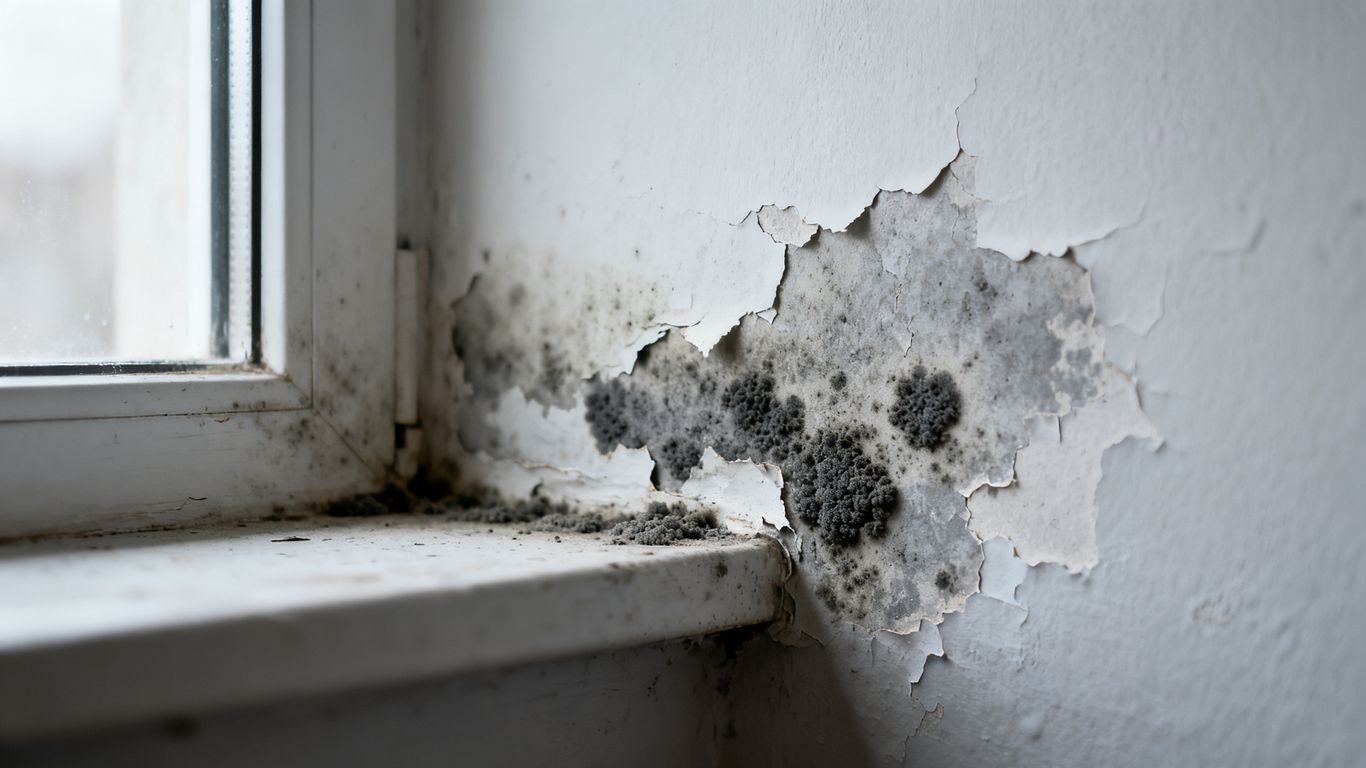
High humidity damages finishes like wallpaper and paint by weakening the adhesion between the material and the underlying wall. As the material absorbs tiny amounts of water vapor, the bond stretches and fails, leading to frustrating bubbling or peeling. If you spot these signs, it indicates that the wall surface is likely compromised, suggesting that a dedicated Aerofy system should be deployed to stop further deterioration.
Choosing the right unit for your space
Calculating correct pints-per-day capacity
When you begin browsing for a unit, look specifically at the pint capacity rating as it relates to your square footage and the severity of your moisture issues. A professional setup requires calculating the total volume of your room and the amount of moisture contributed by daily activities, such as laundry and cooking. Choosing a unit that is undersized will force the compressor to run constantly, leading to premature wear and higher utility bills.
Differences between whole-house and portable units
Portability is often the deciding factor for homeowners who only need to target specific rooms like bathrooms or basement workshops. Portable units provide flexibility, whereas integrated whole-house systems offer seamless, set-it-and-forget-it humidity control for the entire residence. Most residents in the tropics find that starting with a versatile portable unit allows for immediate relief in critical zones like bedrooms or closets, which often require different humidity requirements than living areas.
Considering energy efficiency ratings and noise levels
Energy-efficient operation depends heavily on the motor technology and the refrigerant cycle employed by the internal compressor. Modern appliances are designed for quieter operation, but you should still assess the noise profile if placing the unit in a bedroom or quiet office setting. Below are the common factors that influence your choice when purchasing a new system.
- Rated energy consumption in kilowatt-hours.
- Decibel output at various fan speed settings.
- Ease of external drainage hose integration.
- Overall unit footprint and weight for mobility.
Ensuring these factors align with your home layout will provide you with the best daily experience as the machine works to keep your air quality balanced.
Proper maintenance for long-term performance
Cleaning air filters regularly
Dust and household debris accumulate quickly on your filter, which significantly hinders airflow and forces the internal fan to work harder. You should aim to rinse these filters under cool water every two to three weeks to ensure the air intake remains unobstructed. Following this simple schedule preserves your appliance’s lifespan and keeps the motor operating at its intended design efficiency.
Draining and sanitizing the water reservoir
Even if your unit has a continuous drain hose, the reservoir itself can accumulate biofilm over time if it is not occasionally rinsed out. Regularly removing the bucket, washing it with mild soap, and allowing it to air dry prevents bacterial growth and keeps your machine smelling fresh. This quick maintenance step is crucial for anyone who values a clean and hygienic indoor living environment.
Inspecting internal coils and drainage hoses
Periodically checking the internal refrigeration coils ensures that there is no frost or dust buildup that might impair the condensation process. Simultaneously, verify that your external drainage hoses are clear and free from kinks that could prevent water from flowing away from the unit. If the water cannot escape the machine properly, it may lead to leaks or internal system stress that eventually forces a complete shutdown of the cooling cycle.
Conclusion
Managing indoor humidity is much more than a simple matter of comfort; it is a vital step in maintaining the health of your home and protecting your property from the persistent dangers of moisture damage. By choosing the right technology and remaining vigilant with your maintenance schedule, you can create a living space that is consistently dry, clean, and welcoming regardless of the weather outside.
Frequently Asked Questions
Does running a dehumidifier make a room significantly colder?
A dehumidifier is not an air conditioner, but by removing humidity, it may make the room feel slightly cooler. The process might release a small amount of heat from the exhaust fan, which is usually negligible compared to the comfort gains of lower humidity.
How often should I empty the water collection tank?
If you do not have a continuous drainage hose installed, you should check your tank daily, especially during the first few weeks of operation. The frequency depends on the size of the room and the current level of humidity in your home.
Can a dehumidifier help remove musty smells immediately?
It makes a significant difference within the first few hours by lowering the dew point and stopping the damp conditions that mold thrives on. However, if the smell persists, there may be existing mold colonies that require professional cleaning.
What is considered the ideal humidity setting for home use?
The recommended range for indoor comfort and health is typically between 30% and 50% relative humidity. Keeping your unit set within this range helps balance comfort with energy efficiency.
Should I turn my dehumidifier off when I leave the house?
In humid conditions, it is best to keep the unit running to prevent humidity levels from spiking while you are away. Most modern units feature an automatic humidistat that will cycle the machine off once your desired target humidity is reached.
Is it safe to leave a dehumidifier running 24/7?
Yes, provided that you have the unit properly maintained and the water drainage system is correctly configured. You should clear the filters regularly to ensure the safety and longevity of the appliance.
How do I identify if my dehumidifier is losing effectiveness?
If you notice the tank fills much slower than before or the ambient air feels heavy despite the unit being on, the coils might need cleaning or the filter could be saturated. If the air in the room remains damp despite the machine running at full power, it may indicate a technical failure.