Key Takeaways
Managing indoor humidity is vital for both home health and personal comfort. Use these points to optimize your environment:
- Air conditioning systems remove moisture as a byproduct of cooling.
- Dedicated dehumidifiers provide precise control without necessarily lowering temperatures.
- Target an ideal indoor humidity range between 40% and 50% for optimal comfort.
- Regular maintenance of filters and drainage systems prevents common efficiency issues.
- Integrating specific moisture management tools can significantly improve your home’s air quality.
Understanding the difference between air conditioning and dehumidification
Many homeowners struggle to distinguish between cooling the air and removing its latent moisture content. While these functions often overlap, knowing how they operate helps in choosing the right equipment for a comfortable home.
How air conditioners cool and dry the air
Standard air conditioning units primarily lower room temperature by circulating refrigerant through cooling coils. As warm, humid air passes over these chilled surfaces, water vapor condenses into liquid, which is then collected and piped away. The primary cooling cycle performs dehumidification incidentally, effectively reducing humidity only while the compressor is actively running to reach your temperature goal.
The specialized function of dedicated dehumidifiers
Dedicated appliances like the Aerofy DualCore 20 are engineered specifically to extract humidity without forcing a temperature drop. These units draw air over a cooling coil to pull out moisture and then often reheat the air slightly before returning it to the living space. This process allows them to control ambient moisture precisely while maintaining a comfortable thermal environment, even in the absence of cold air circulation.
Key technological differences in moisture extraction
Air conditioning systems rely on oversized coils designed for heat exchange, whereas dedicated dehumidifiers utilize optimized cooling systems like a rotary compressor paired with efficient refrigerants like R290. The technical distinction lies in target output: one focuses on thermal comfort through temperature, while the other maintains environmental stability through moisture regulation.
| Feature | Air Conditioner | Dedicated Dehumidifier |
|---|---|---|
| Primary Focus | Temperature Reduction | Moisture Removal |
| Operation Logic | Thermostat Control | Humidistat Precision |
| Temperature Impact | Significant Cooling | Neutral or Slight Warming |
By comparing these modes, it becomes clear that specialized units offer superior consistency for high-humidity climates.
Benefits of managing home humidity levels
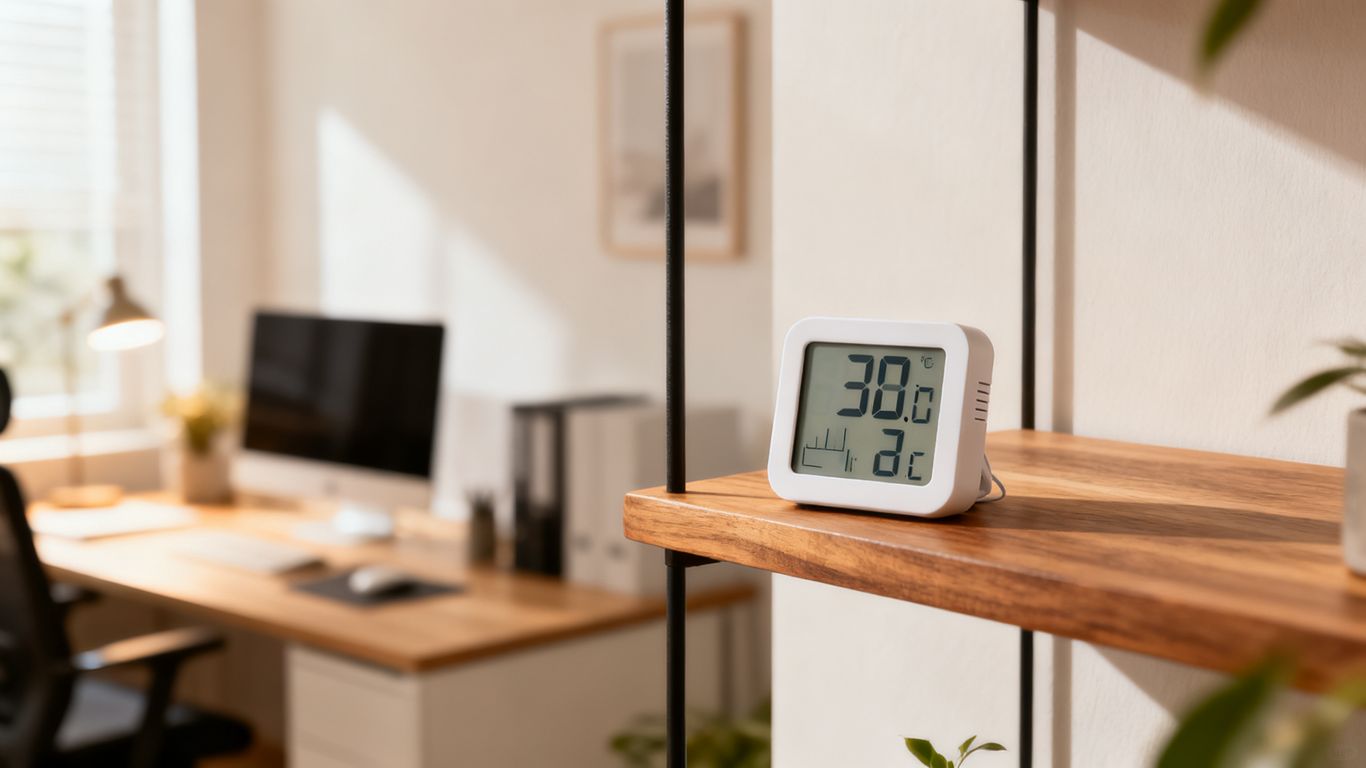
Maintaining the right balance of moisture prevents a host of domestic issues that often go unnoticed until damage is already visible. Consistent climate regulation directly impacts how your home feels and how long its contents persist.
Improving indoor air quality and health
Excessively damp indoor air promotes the proliferation of allergens and pathogens. By controlling excess moisture effectively, you lower the prevalence of dust mites and other airborne irritants that aggravate respiratory conditions. This cleaner environment is essential for those who prioritize long-term wellness.
Preventing mold and mildew growth
Persistent high humidity creates the perfect environment for organic growth; keeping interior levels strictly between 40% and 50% effectively halts the cycle of spore development on walls and fabrics.
This proactive step protects your property from the costly structural damage caused by unseen mold colonies within stagnant, moist corners of a residence.
Enhancing thermal comfort in tropical climates
In our region, humidity often makes a room feel far hotter than the actual thermometer reading. Lowering that moisture content allows your skin’s natural cooling mechanisms to function, making air feel comfortable and crisp without needing the aggressive, sometimes jarring settings found on units like a vintage green pendant light.
How to effectively use dry mode on your AC
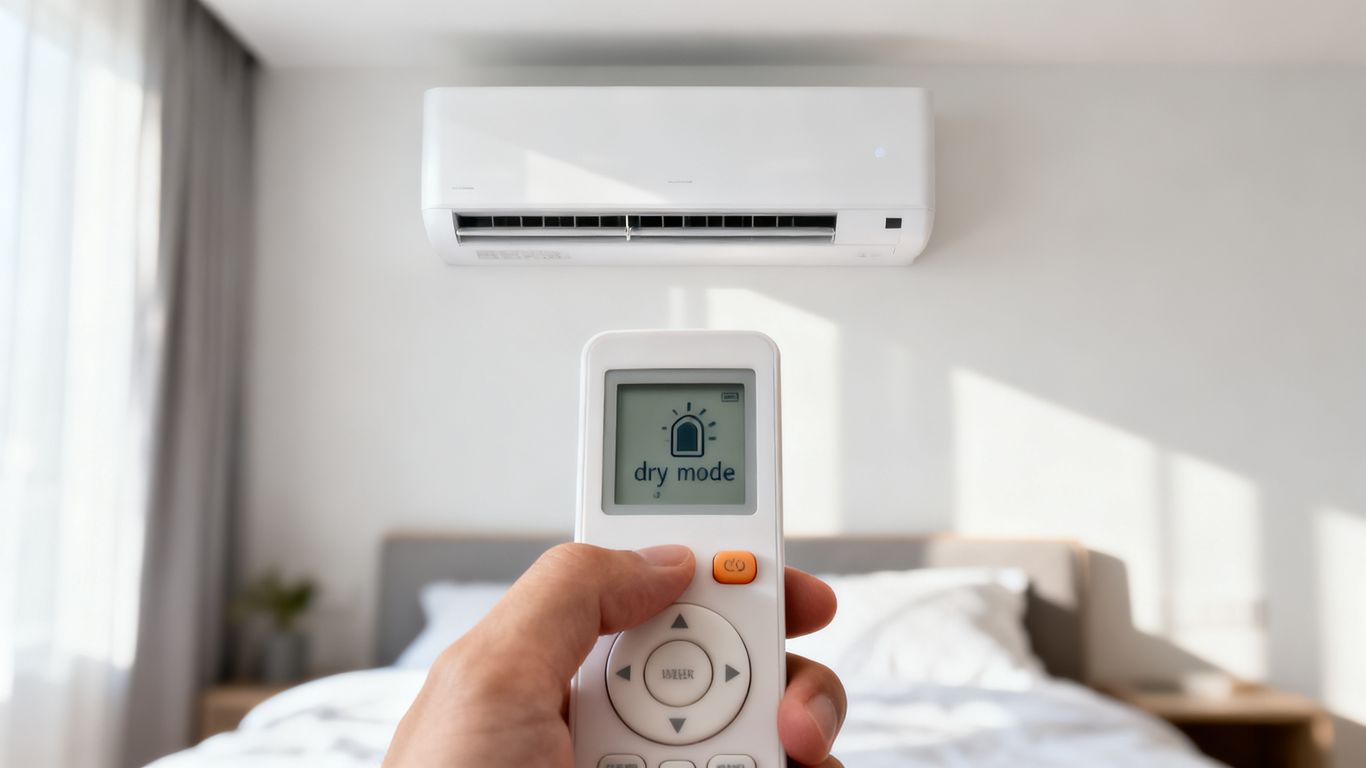
Most modern air conditioning systems include a ‘dry’ setting, but its utility depends heavily on how you apply it during muggy weather conditions. Understanding this mode is the first step toward better home moisture management.
When to activate the dry setting
Use the dry function during mild, sticky days when the humidity level is high but the temperature doesn’t require extreme cooling. Activating this feature forces the fan to run at lower speeds while keeping the compressor active, which allows for consistent moisture condensation without freezing the room temperature to an uncomfortable degree.
Limitations of AC dry mode compared to dedicated units
While convenient, dry mode lacks the internal humidistat precision found in specialized dehumidification hardware. Residential air conditioners are not designed for long-term cycle-heavy moisture extraction, meaning they often fail to address deep-seated dampness in fabrics or heavy upholstery during prolonged rain.
Energy considerations when using dry mode versus cooling mode
Using dry mode can be more energy-efficient than standard cooling because it avoids constant high-wattage compressor cycling. By managing moisture intelligently, you reduce the overall time your cooling system needs to run, which helps keep your utility bills more manageable throughout the humid season.
Choosing between a stand-alone dehumidifier and an AC
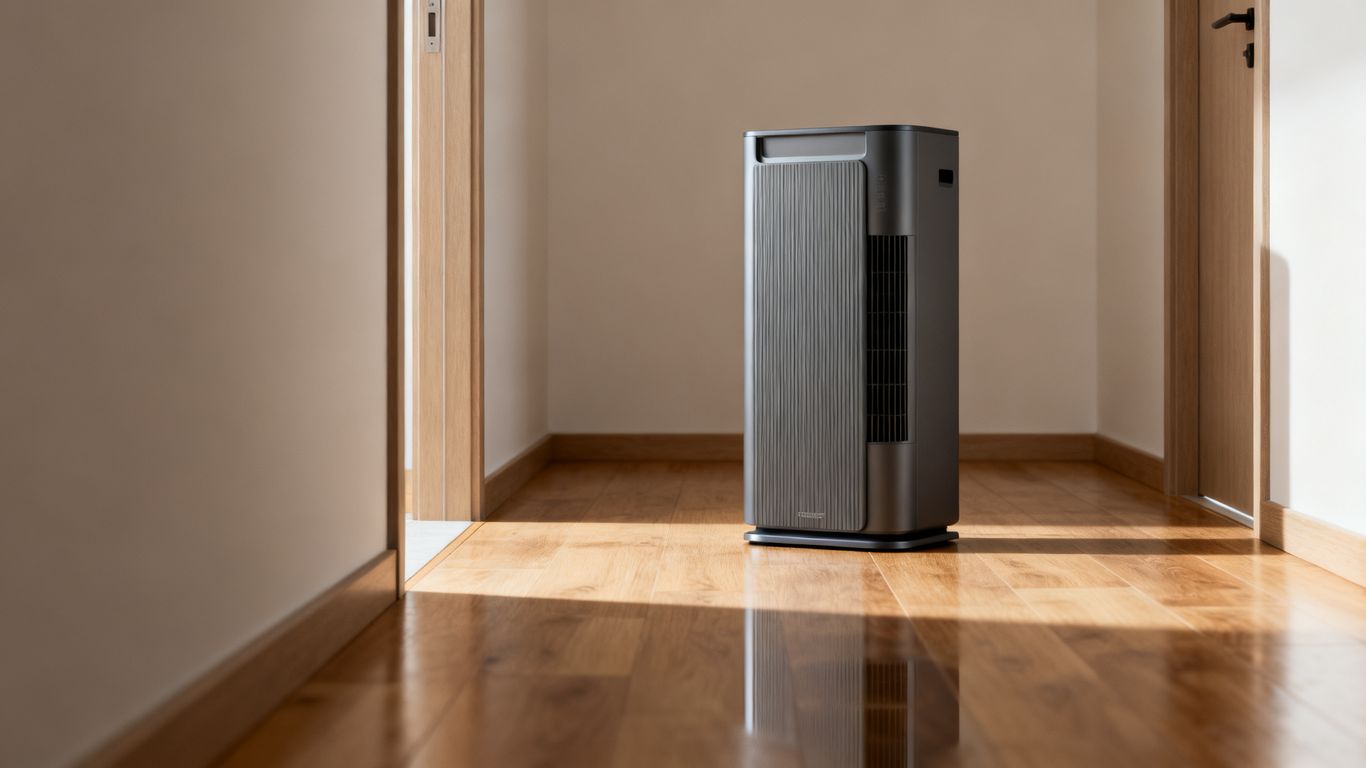
Deciding between an AC and a stand-alone unit often comes down to the persistence of your moisture problems and the specific layout of your home. It isn’t always an either-or scenario; sometimes, it is about identifying your unique environmental challenges.
Assessing your home’s average humidity levels
Start by using a simple hygrometer to track your area’s baseline humidity. If your home regularly exceeds 65% humidity indoors, a dedicated unit is usually necessary to handle the bulk of the moisture load. For those seeking expert professional advice on home climate, testing different rooms will reveal if your issues are localized or building-wide.
Comparing energy efficiency and operating costs
Dedicated appliances generally consume less wattage than central or split-system AC units when your goal is purely drying the air. Because they are not tasked with the intensive work of large-scale refrigerant-based temperature drops, their energy overhead remains lower over extended operation cycles.
Space, portability, and installation considerations
The most practical solution often involves choosing portable devices that you can move to problem areas like walk-in wardrobes or home offices. These units offer flexible placement compared to wall-mounted split systems.
- Check for wheels or compact handles to simplify movement between rooms.
- Ensure the unit has automated drainage options if you cannot check the tank daily.
- Verify clear airflow paths by keeping the unit away from furniture or crowded corners.
Using these criteria ensures that your investment addresses the core problem without creating logistical issues in your living space.
Maintenance tips for optimal moisture management
Maintaining the equipment responsible for your air quality is the only way to ensure it lasts through harsh tropical seasons. Without proper care, efficiency drops and energy usage climbs significantly.
Cleaning air conditioner filters and condensation coils
Regularly washing your air conditioner filters is non-negotiable for airflow health. Furthermore, dirty condensation coils prevent moisture from effectively gathering into the drain pan, which can lead to leaks or musty smells being circulated back into your room.
Managing water drainage and reservoirs for dehumidifiers
If you use a dehumidifier, the reservoir should be emptied and wiped down frequently to prevent bacterial growth. If your unit features a hose attachment for continuous gravity drainage, check the connection for sediment buildup that could cause overflows. Always follow manufacturer guidelines for maintaining peak daily performance.
Scheduling routine professional inspections for climate control systems
Even the best engineered products require a professional look once a year to catch refrigerant leaks or electrical degradation. Establishing a professional maintenance schedule ensures that your climate control systems operate safely and effectively, prolonging your appliance lifespan.
Troubleshooting high humidity despite using air conditioning
If you notice mold or sticky air while your AC is running, your system may be failing to shed humidity as intended. This often points to structural or technical hurdles that require focused attention.
Identifying ventilation issues and thermal leakage
High humidity often enters through drafts around windows or doors, effectively canceling out your equipment’s efforts. Check your home’s thermal seal; if cool air leaks out, warm, moist outdoor air will replace it. You can combat high humidity in these zones by improving physical insulation and sealing points of entry.
Common signs of a malfunctioning AC condensation drain
Water pooling near your unit is a primary sign of a blocked drain line. When the path for water to leave the cooling area is obstructed, stagnant water inside the casing creates a haven for mold and drastically reduces the system’s ability to pull more moisture from the air.
When to invest in supplemental equipment for severe humidity issues
Sometimes, the ambient conditions simply exceed what a single AC unit can handle. If you have done your best with sealants and maintenance but still face muggy indoor air, purchase a dedicated unit to provide the extra moisture extraction necessary for a healthy home climate.
Conclusion
Effective home climate management is a balancing act that requires choosing the right tools for your specific environmental humidity and cooling needs. Whether you rely on the incidental drying of an air conditioner or the precision of a dedicated dehumidifier, staying proactive with maintenance and monitoring ensures a comfortable living space year-round.
Frequently Asked Questions
Can a dehumidifier replace an air conditioner in summer?
No, a dehumidifier is not designed for temperature reduction; while it makes the air feel more comfortable by lowering humidity, it does not provide the cooling power of an air conditioner.
What is the ideal indoor humidity range?
For most homes, keeping your relative humidity between 40% and 50% is generally considered the sweet spot for comfort, health, and property preservation.
Does high humidity cause air conditioners to fail?
Chronic high humidity can force an AC to work harder to overcome the moisture load, but the most common failure stems from poor drainage or clogged filters rather than the humidity itself.
Is it safe to leave a dehumidifier running 24/7?
Yes, most modern units are equipped with auto-shutoff features that activate when the reservoir is full, making them safe for continuous operation if they are placed properly.
Should I close windows when using these appliances?
Yes, keeping windows and doors shut is critical because outdoor air constantly brings in fresh humidity that makes it impossible for your equipment to lower the room level.
Why does my dehumidifier blow warm air?
This is a standard part of the refrigeration cycle, as the air passing over the internal components releases heat back into the room after the moisture has been extracted.
How often should I check my unit’s filters?
Depending on your local dust levels and usage, inspecting and cleaning your air filters once every two weeks to a month is a best practice for maintaining efficiency.