Key Takeaways
Solving the puzzle of lingering household scents begins with understanding how moisture levels directly correlate to unwanted microbial growth. These central points summarize how you can manage your home’s air quality effectively:
- Excess moisture acts as a primary catalyst for odors by supporting mold, mildew, and bacteria.
- Dehumidifiers address the root cause of these smells by extracting water vapor from the air.
- Consistent humidity monitoring is necessary to keep odors from returning to living spaces.
- While effective for dampness, these appliances cannot replace deep cleaning for chemical or biological messes.
- Combining desiccant or compressor technology with proper airflow improves your overall indoor environment.
How humidity contributes to household odors
High humidity in the home often acts as an invisible contributor to stale or musty air. When moisture levels rise, they create a breeding ground for biological contaminants, settling into soft surfaces and hidden corners where fresh air circulation fails. By recognizing these triggers, you can better manage your indoor environment, especially in tropical climates where air saturation occurs year-round.
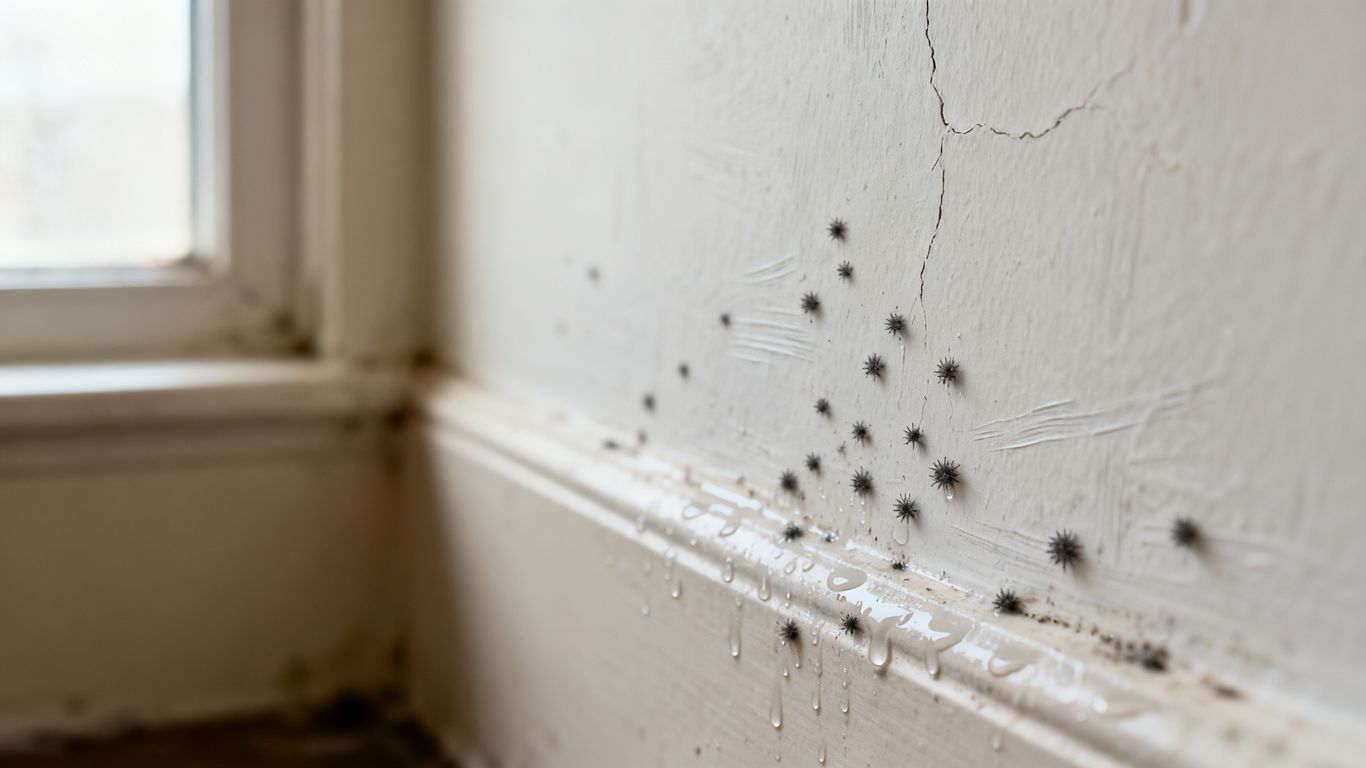
The link between moisture and mold growth
Mold spores exist everywhere in nature, but they require a stable supply of moisture to colonize indoor materials. When relative humidity consistently exceeds 60%, these spores begin to sprout on drywall, fabrics, and wood, releasing chemical compounds through the air that we perceive as a musty or earthy scent.
Why bacteria thrive in damp environments
Bacteria naturally proliferate in warm, wet conditions found in bathrooms or poorly ventilated utility rooms. As these microscopic colonies grow on damp surfaces, they emit metabolic byproducts, often resulting in sharp or pungent odors that become embedded in furniture or upholstery over time.
Common areas prone to moisture buildup
Many households suffer from hidden dampness in corners, closets, or basements lacking adequate ventilation. These stagnant zones trap cold, moist air that condensation turns into water droplets, providing the fuel necessary for air quality solutions to combat the emerging biological activity at the source.
How can a dehumidifier remove bad smell at its source
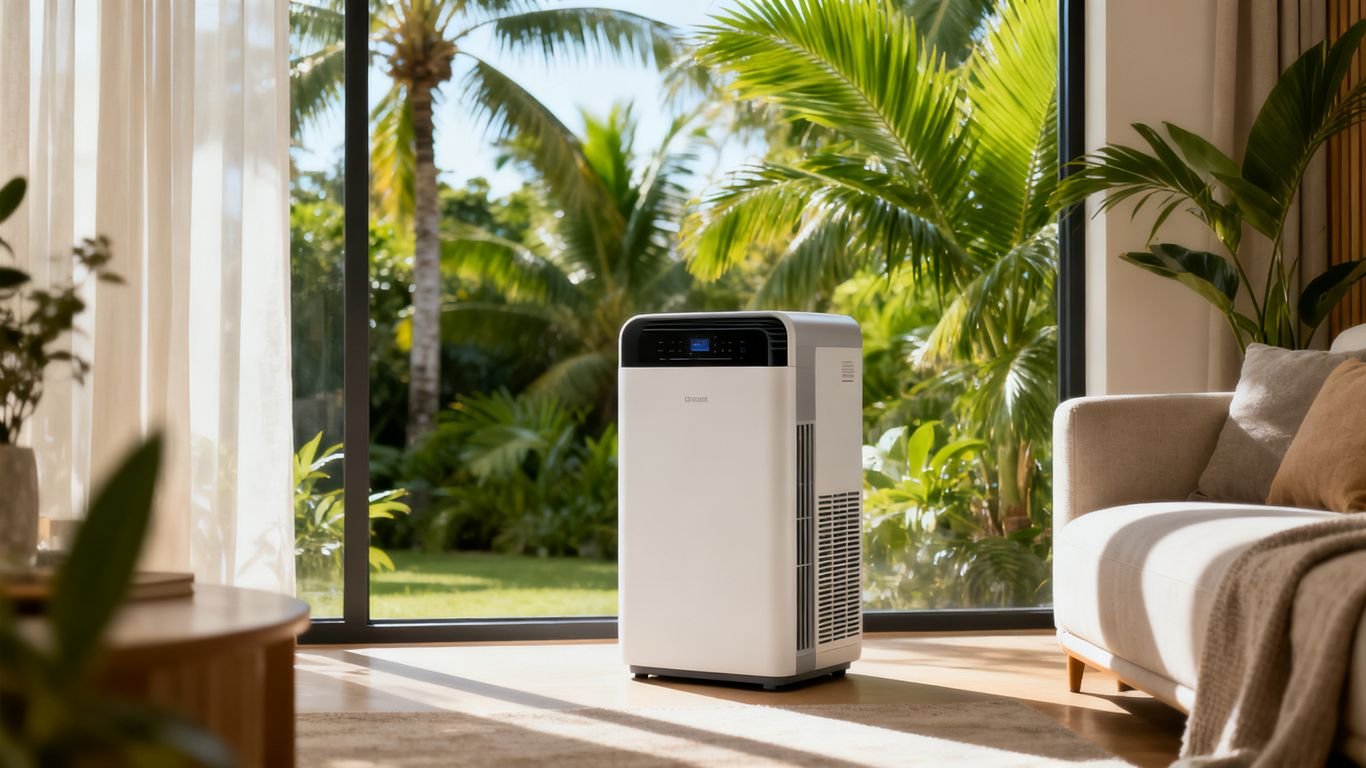
Removing the moisture that sustains odor-causing organisms is the most effective strategy for ensuring your home smells fresh. Rather than masking scents with artificial fragrances, a DualCore 20 unit from Aerofy actively extracts excess vapor, leaving behind an environment that is clean and dry. Achieving the right level of dryness is a significant improvement in air quality that prevents smells from manifesting in the first place.
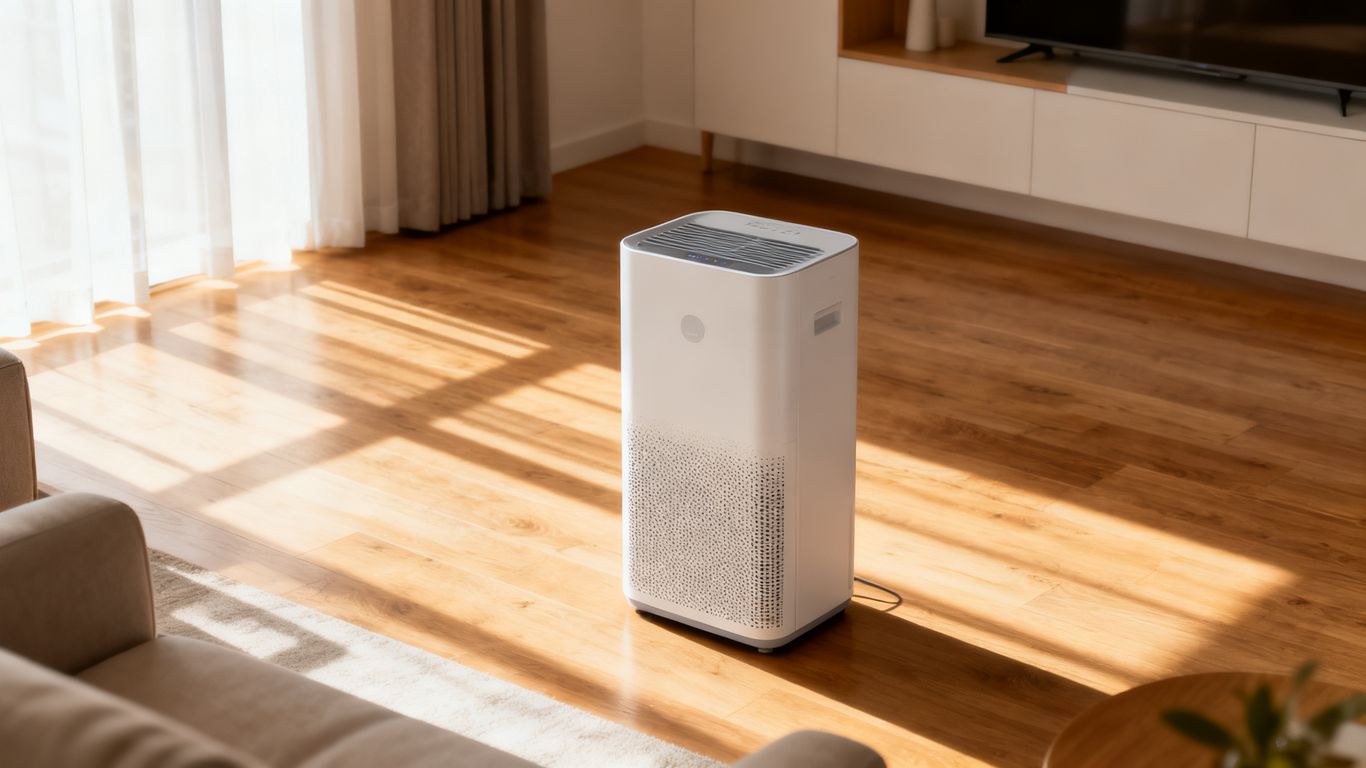
Reducing moisture levels to inhibit microorganisms
By lowering the water vapor concentration, your appliance forces mold and bacteria into a state of dormancy. Without the hydration they need to survive, these microorganisms stop releasing the gases that fuel those damp, unpleasant home odors.
Preventing the activation of stagnant odors
Stagnant air carries smells that build up because they have nowhere to go. A properly sized device helps by maintaining a consistent airflow, creating a cycle that prevents pockets of moist air from lingering in quiet areas where smells usually develop.
The impact of consistent airflow on indoor air quality
Proper mechanical circulation ensures that no patch of air remains untouched. Consider these benefits when ensuring your home remains dry throughout the year:
- Lowered risk of building material rot
- Prevention of visible mildew on walls
- Accelerated drying for damp laundry
- Reduced dust mite activity in carpets
Types of odors a dehumidifier can effectively treat
Identifying the origin of your home’s scent helps determine if equipment can solve the issue. Dehumidification is highly effective for scents tied to metabolic water processes, providing a comprehensive guide to maintaining a healthier space.
Eradicating musty and mildew scents
These are the classic "damp" smells most owners encounter. By pulling water from the air, the DualCore 20 stops the propagation of the fungi responsible for those characteristic earthy musty notes that often cling to storage items.
Addressing damp smells in basements and crawl spaces
Subterranean levels are naturally cooler and more prone to condensation than living floors. Using a machine designed in Singapore specifically for these high-moisture zones prevents water ingress and the resulting odors often associated with underground utility rooms.
Neutralizing odors from water-damaged building materials
When materials absorb liquid, they stay damp for weeks after a spill or leak. Consistent humidity reduction allows these materials to dry out completely, which stops the continuous release of lingering odor particles.
Limitations of using a dehumidifier for odor control
While these machines are essential for damp-related issues, they are not universal odor removers. Recognizing when a physical cleaning or external help is required ensures you manage your home effectively.
Smells that are not caused by high humidity
If you detect scents resembling trash, smoke, or sewage, a unit will not solve the underlying problem. Such smells require physical removal of the source rather than just tweaking the moisture content of your living room air.
When chemical or pet odors require professional cleaning
Pet accidents or chemical spills leave biological markers or resins that do not evaporate through humidity control. You must address the source surface through deep cleaning or replacement if you want to eliminate the presence of these sharp odors.
Why a dehumidifier cannot remove volatile organic compounds
As shown in the table below, different odors have different origins and require specific interventions to resolve successfully.
| Odor Type | Common Cause | Recommended Action |
|---|---|---|
| Damp/Musty | High Indoor Humidity | Dehumidification |
| Chemical Fumes | Off-gassing furniture | Ventilation |
| Pet/Waste | Biological residue | Deep sanitization |
Optimizing your dehumidifier for maximum odor reduction
Setting up your appliance correctly ensures you get the maximum return on your investment. From placement in the room to regular filter maintenance, these steps keep your home’s atmosphere balanced and fresh.
Setting the correct humidity target for your living space
Targeting a range between 40% and 50% is the ideal balance for most tropical homes. This level is dry enough to prevent mold growth while remaining comfortable for daily tasks and indoor living.
Routine maintenance for clean and effective operation
Components like coils and intake filters accumulate dust and debris, which can eventually become a source of odor themselves. Keeping these parts clean ensures the DualCore 20 operates at peak efficiency, maintaining clean air consistently.
Integrating air purifiers for comprehensive odor elimination
For complete control, pairing moisture extraction with HEPA filtration handles the odors that exist independently of humidity. This dual-layered strategy ensures that airborne particulates and excess vapor are both managed without conflict.
Conclusion
Understanding that your home’s scent profile is deeply tied to its moisture levels allows you to make informed decisions about your indoor climate. By using a specialized dehumidifier to control humidity, you stop mold and mildew growth at the source, resulting in a cleaner and more comfortable environment for your family.
Frequently Asked Questions
Can a dehumidifier help with the musty smell in my home?
Yes, it can effectively curb musty scents by eliminating the moisture that allows mold and mildew to grow and release odor-causing particles.
What humidity level should I aim for to prevent musty smells?
Maintaining a steady relative humidity between 40% and 50% is generally considered optimal to prevent mold propagation and keep the air smelling fresh.
Can dirty air ducts cause a musty smell?
Yes, if your HVAC system has accumulated dust or moisture inside the ducts, it can harbor mold that spreads a musty scent whenever your air system runs.
What should I do if the smell gets worse when the AC turns on?
That often indicates a dirty drain pan or evaporator coil, which should be inspected or cleaned, as the airflow can blow trapped moisture and mold smells through the house.
Is it worth installing a whole-house dehumidifier?
For large homes with consistent, widespread humidity issues, a whole-house system is highly efficient and provides uniform odor control across all rooms.
Does high humidity make pet smells more noticeable?
Yes, elevated moisture can intensify odors from organic material by keeping the bacteria and particles active rather than allowing them to dry out.
How often should I check my unit for odor issues?
It is best to conduct a quick check of your filter and water collection bin every two weeks to ensure these components are not accumulating lint or organic buildup.