Key Takeaways
Optimizing your home’s humidity requires more than just buying a high-performance unit; where you position it is equally vital. Follow these five primary rules for effective moisture control:
- Position the unit centrally to facilitate even airflow throughout the room.
- Maintain a clearance distance of at least 30 centimeters from all walls.
- Regularly clean intake vents to prevent restricted suction and performance loss.
- Keep units away from heat sources like radiators to ensure efficient compressor operation.
- Prioritize placement in areas with poor ventilation such as basements or laundry rooms.
Understanding the basics of airflow
Proper air circulation is the cornerstone of any effective humidity management strategy, as it ensures that the unit can process the maximum volume of air possible. When you place a device like the Aerofy DualCore 20 in an open area, it can efficiently pull damp air in and circulate dry, filtered air back out, maintaining a balance that prevents pockets of stagnant moisture. If the unit is forced to fight against poor circulation, it will work harder and consume more power without necessarily achieving your target humidity levels.
The importance of central placement
Centralizing your unit is the most effective approach for balanced moisture extraction across an entire floor plan. By keeping the unit in a high-traffic central zone, you ensure that it draws from multiple rooms simultaneously rather than focusing strictly on one corner.
Avoiding obstructions near the intake and exhaust
Your dehumidifier needs a clear path to function optimally, so never crowd the air intake or exhaust vents with furniture or storage bins. If the airflow is blocked, the internal sensors may receive inaccurate data about the room’s current moisture levels, leading to inefficient cycling or premature shutdowns.
Maintaining distance from walls and furniture
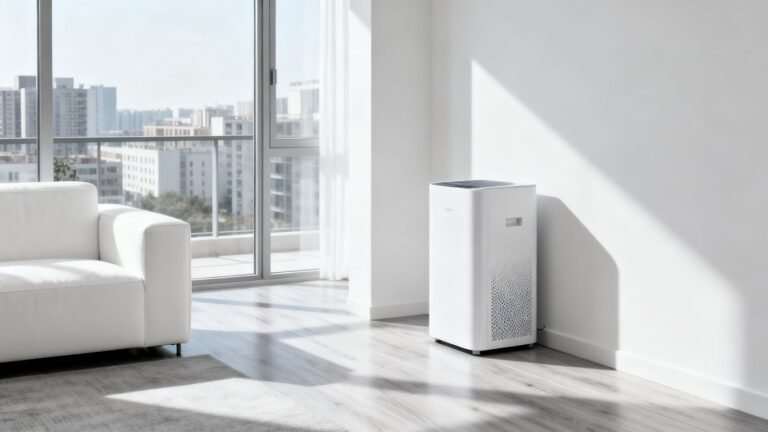
To keep your machine running at its best, try to provide a buffer zone of at least 30 centimeters on every side. This prevents the unit from recycling the same localized air exhausted from its own vents, which is a common reason why some home appliances struggle to drop humidity levels effectively.
Placing dehumidifiers in specific rooms
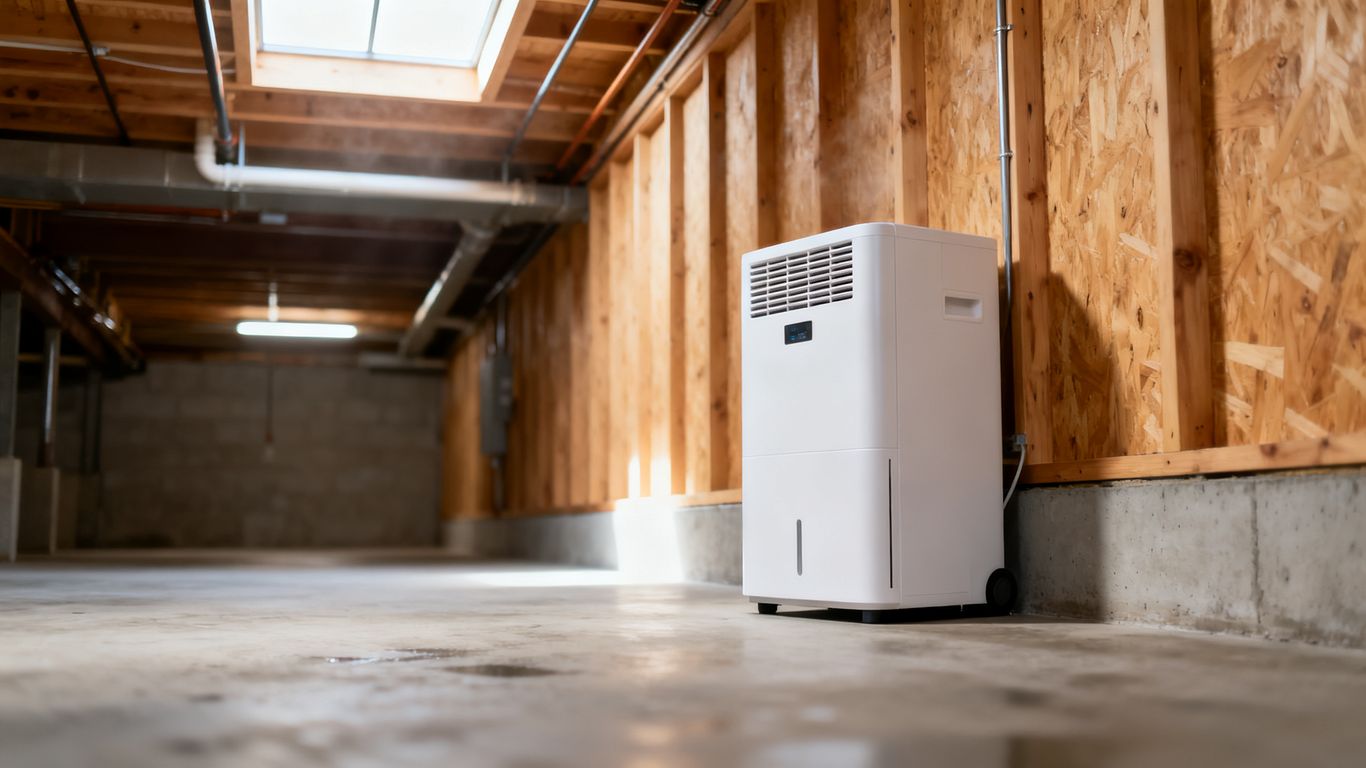
Choosing the right room for your unit often depends on where moisture tends to accumulate after daily activities. When tackling high moisture in Singapore’s climate, it is often necessary to move your unit to match the specific needs of different spaces throughout the day. For example, moving a device into the laundry room after a wash cycle helps mitigate the sudden spike in water vapor that would otherwise settle into carpets or cabinetry.
Tackling high moisture in the basement
Basements often suffer from persistent dampness due to their location, making them prime candidates for dedicated dehumidification. Utilizing robust equipment like the DualCore 20 helps ensure that the environment remains dry and resistant to the musty odors that often plague these below-grade areas.
Reducing humidity in bathrooms and laundry rooms
These rooms see rapid changes in relative humidity, often exceeding 80% during peak usage times. Placing your unit here requires cautious management, but the benefits for preventing long-term structural damage are immense.
Managing climate in living areas and bedrooms
In shared spaces, the goal is to enhance comfort while maintaining a quiet, unobtrusive environment. This is where efficient air management becomes most apparent, ensuring that your living space feels cool and breathable even during the height of the dry or monsoon season.
Environmental factors for unit efficiency

Environmental variables play a massive role in how effectively your machine extracts moisture from the air. High ambient temperatures or extreme cold can alter how the refrigerant cycle performs, forcing the unit to adjust its internal pressure and fan speed to compensate for shifting external conditions. It is important to remember that most home units have an ideal operating range, and staying within these limits ensures you get the most out of your investment.
The impact of ambient room temperature
When the room temperature drops significantly, the coils inside the machine may begin to frost over, which can stall the moisture extraction process entirely. Keeping the device in a temperate room prevents the compressor from straining or needing to trigger frequent defrost cycles.
Avoiding direct heat sources and sunlight
Direct heat can confuse the unit’s internal hygrometer, leading it to misread the room’s actual humidity levels. Avoid placing the device close to radiators, heat-generating tech, or direct sunlight, as your unit efficiency drops if the sensors are constantly exposed to artificial heat pockets.
Considering dust and debris accumulation
Over time, dust and lint will accumulate on the intake filters, gradually choking off the airflow and causing the unit to work overtime. You should periodically check these surfaces to maintain optimal suction power, as represented in the following maintenance comparison:
| Maintenance Task | Frequency | Impact on Efficiency |
|---|---|---|
| Filter Vacuuming | Weekly | High |
| Coil Inspection | Monthly | Medium |
| Tank Cleaning | As Needed | Very High |
Performing these tasks helps maintain peak device performance over the long term, preventing the unit from pulling more energy than necessary to do its job.
Safety considerations for placement
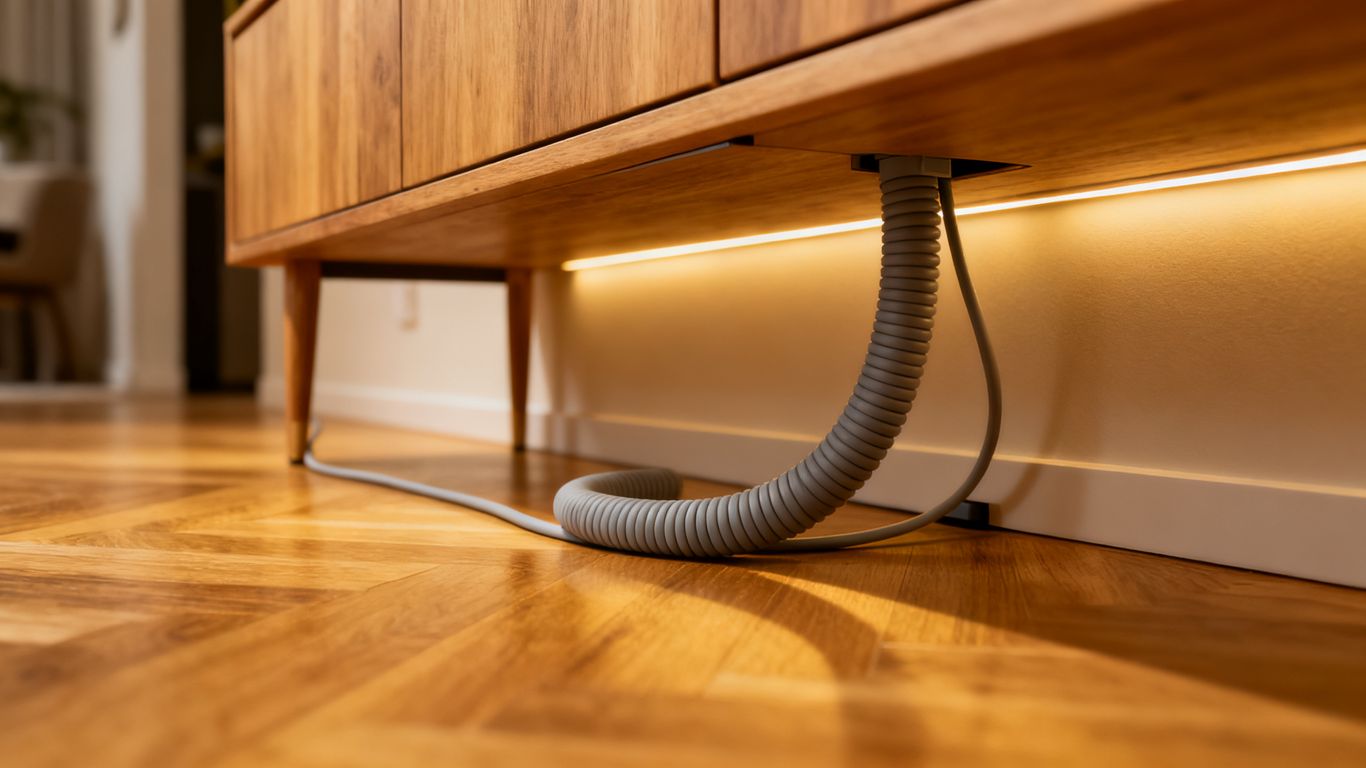
Safety is paramount when installing any home appliance, especially one that deals simultaneously with electricity and water. Beyond the unit’s performance, you must account for your home’s traffic patterns and the potential for household accidents. Using a system like the one found in an Aerofy dehumidifier gives you confidence in the unit’s design, but the floor-level setup still requires careful consideration of hazards that might involve pets or children.
Keeping units away from standing water
While your device is designed to handle water, it must never sit in or near pools of standing water. If your unit utilizes a continuous drainage hose, ensure it is properly routed to a floor drain or sink to prevent accidental spills or leaks near the machine’s electrical base.
Electrical safety and cord management
Always ensure that your power cable is not a trip hazard and remains clear of moisture. Use standard cable management practices to keep the cord tidy and away from high-temperature surfaces or heavy furniture that could crimp or fray the protective insulation over time.
Preventing tipping hazards in high-traffic areas
In corridors or open floors, a runaway unit can pose a physical danger. Consider these safety measures for your placement:
- Position the unit in a corner where it cannot be easily bumped.
- Avoid placing the dehumidifier on uneven rug edges that might cause wobbling.
- Use adhesive non-slip pads if the device is resting on a slippery surface.
- Ensure the power supply is located conveniently so the cord does not stretch across walkways.
These simple steps ensure that your appliance remains a helpful addition to your home without becoming an unexpected household annoyance.
Strategic adjustment for specific goals
Targeted drying for mold-prone corners
In areas where mold tends to hide, such as behind sofas or in dark closets, directional airflow can make a difference. Carefully angling the unit to encourage circulation into these stagnant areas can prevent spores from taking root in your upholstery or walls.
Leveling humidity across open-floor plans
In modern open living areas, moisture tends to congregate in corners, leaving the center of the room perfectly dry. Placing your machine roughly halfway between these outer limits helps draw the damp air toward the center, creating a more uniform living environment for everyone.
Adjusting placement based on seasonal changes
Living in the tropics means your indoor humidity requirements might shift between the monsoon season and drier periods. Being ready to move your unit from a basement to a living area as seasons progress is a sign that you are truly mastering your indoor climate.
Scenario Time
Imagine you are living in a compact apartment in Singapore during the wet season. You notice that your wardrobe, located against an exterior wall, suddenly has a musty smell, a common sign that stagnant moisture is hiding in the fabric. By strategically placing your dehumidifier in the bedroom near the closet door, you can pull moisture directly out of that corner before it settles permanently. This proactive approach prevents damage to your favorite clothing and ensures your bedroom remains a fresh, dry sanctuary despite the heavy rains outside.
Conclusion
Proper dehumidifier placement is an essential skill that transforms a standard portable unit into a high-functioning climate control system. By understanding the airflow needs of your space, avoiding common obstacles, and maintaining safety protocols, you can effectively manage the humidity levels that impact both your comfort and your home’s structural integrity, ultimately creating a healthier and more enjoyable living environment year after year.
Frequently Asked Questions
Can I put a dehumidifier in my bedroom while I sleep?
Yes, many modern units are designed for quiet operation, making them suitable for use in a bedroom to ensure a dry, restful environment throughout the night.
Should I place a dehumidifier on a carpet or a hard floor?
Hard, level surfaces are much better for stability and airflow, as carpets can trap dust and interfere with the base ventilation of the machine.
How far away from a wall should a dehumidifier be placed?
A minimum of 30 centimeters of clearance is recommended to ensure that the intake and exhaust vents have enough room to cycle air effectively without recirculating it.
Does a dehumidifier need to stay in one place permanently?
While you can leave it in high-moisture rooms like basements indefinitely, you may find that moving it seasonally or as needs change significantly improves its effectiveness.
Can a dehumidifier work in a room with an open window?
Operating in a room with open windows is generally ineffective, as the unit will constantly try to remove moisture from the incoming humid outdoor air, wasting energy.
How does the size of my dehumidifier affect placement?
Larger, more powerful units may need more clearance space and should be kept in more central locations to circulate air efficiently across larger square footage.
Will my dehumidifier cause my room to heat up?
Because of their refrigeration cycle, dehumidifiers do release a small amount of warm air out of the exhaust, which is normal for their operation during moisture extraction.