Key Takeaways
Managing energy use effectively helps you maintain a comfortable, dry home environment while keeping utility expenses predictable. Understanding your device’s draw is the first step toward true efficiency.
- Check your appliance wattage to understand baseline power usage.
- Ambient temperature and humidity levels directly dictate how long compressors run.
- Regular maintenance ensures that your unit operates without unnecessary strain.
- Selecting appropriately sized equipment prevents the appliance from working harder than required.
- Utilizing smart home energy monitoring provides precise data on your daily consumption.
Understanding how dehumidifiers measure power consumption
Understanding the electrical footprint of your home environment control starts with looking at the hardware basics. Most appliances function by cycling air through a heat exchange system to remove moisture, and the power required for this process is what adds to your monthly bill.
Parsing the wattage ratings on appliance labels
Every device features a label indicating its maximum power draw in watts, which is the foundational figure for your energy math. You will find that most modern dehumidifiers list their wattage near the serial number, often providing a range that reflects peak performance during heavy extraction cycles. If you are comparing models, remember that this number represents the instantaneous demand, not necessarily the constant average draw throughout the day.
How compressor-based vs. desiccant units differ
Refrigerant-based models typically use a compressor, which kicks on periodically to condense water from the air, creating a cyclical energy profile. In contrast, desiccant models pull moisture through an absorbent material, relying on internal heaters for regeneration, which often leads to more continuous, though sometimes lower, electrical requirements. Understanding this distinction is vital, especially when considering how durable appliance technology affects heat distribution within a small room.
Defining kilowatt-hours (kWh) and your cost per unit
Your utility company bills based on kilowatt-hours, where one kWh represents using 1,000 watts of power for one full hour. To find your actual cost, multiply the device’s wattage by the hours of use, divide by 1,000, and then apply your local utility rate. This simple calculation transforms abstract wattage numbers into concrete financial reality, allowing you to track consumption patterns easily.
Factors affecting actual electricity usage
Once you begin running your unit, you will notice that power usage is rarely static and often fluctuates based on your specific domestic environment. Several external conditions influence how long the internal components must work to achieve your target levels.
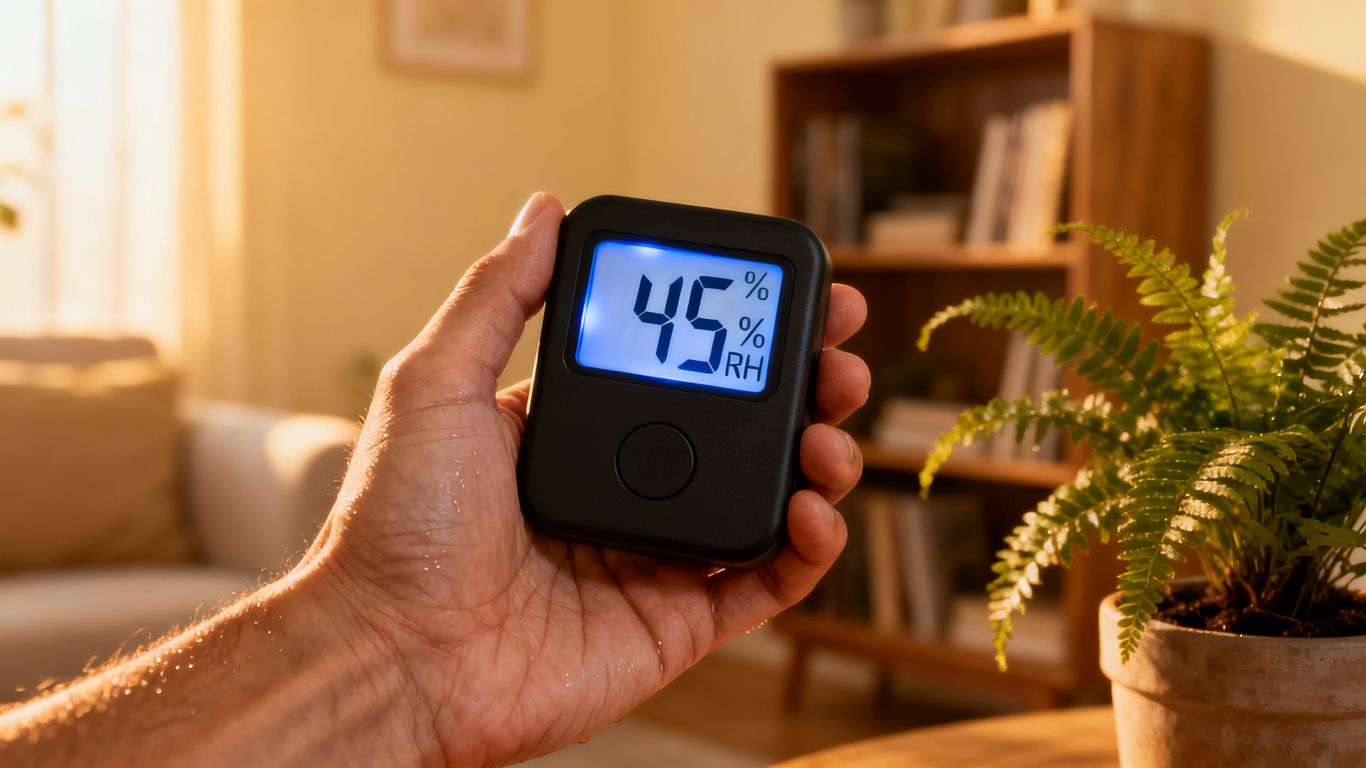
Correlation between ambient humidity levels and run time
When your environment has a high baseline of moisture, your unit remains in active extraction mode for longer periods, which naturally increases total electricity usage. Because the Aerofy DualCore 20 uses a high-performance rotary compressor designed specifically for tropical conditions, it responds dynamically to these high-humidity spikes without wasting power on unnecessary cycles.
Impacts of room temperature on appliance efficiency
Temperature plays a surprising role in how quickly moisture condenses on the cold coils within your machine. As the room warms up, refrigerant-based units often operate more efficiently, whereas extremely cold environments might force the device to run its defrost cycle frequently, which consumes extra electricity to prevent ice build-up.
Importance of air circulation and exhaust placement
Blocking the input or output vents creates backpressure, forcing your appliance to work harder to push the same volume of air through its filters. Keeping the device in an open, central location ensures that the unit can move air efficiently, preventing the fan from laboring, which is a key factor in lowering consumption across the board.
Setting the target humidity percentage effectively
Many users set their machines to an extremely low percentage, like 30%, which forces the system to run non-stop to maintain a level that is often unnecessary for general comfort. Aiming for a realistic target of 50-60% allows the integrated humidistat to reach the goal and enter an idle state, saving significant energy compared to an aggressive, continuous-run setting.
Calculating your monthly operational costs
Turning your usage data into a monthly forecast does not require advanced calculus, though it does demand accurate input regarding your habits. By tracking how long the unit runs on average, you can build a reliable budget for your environmental control.
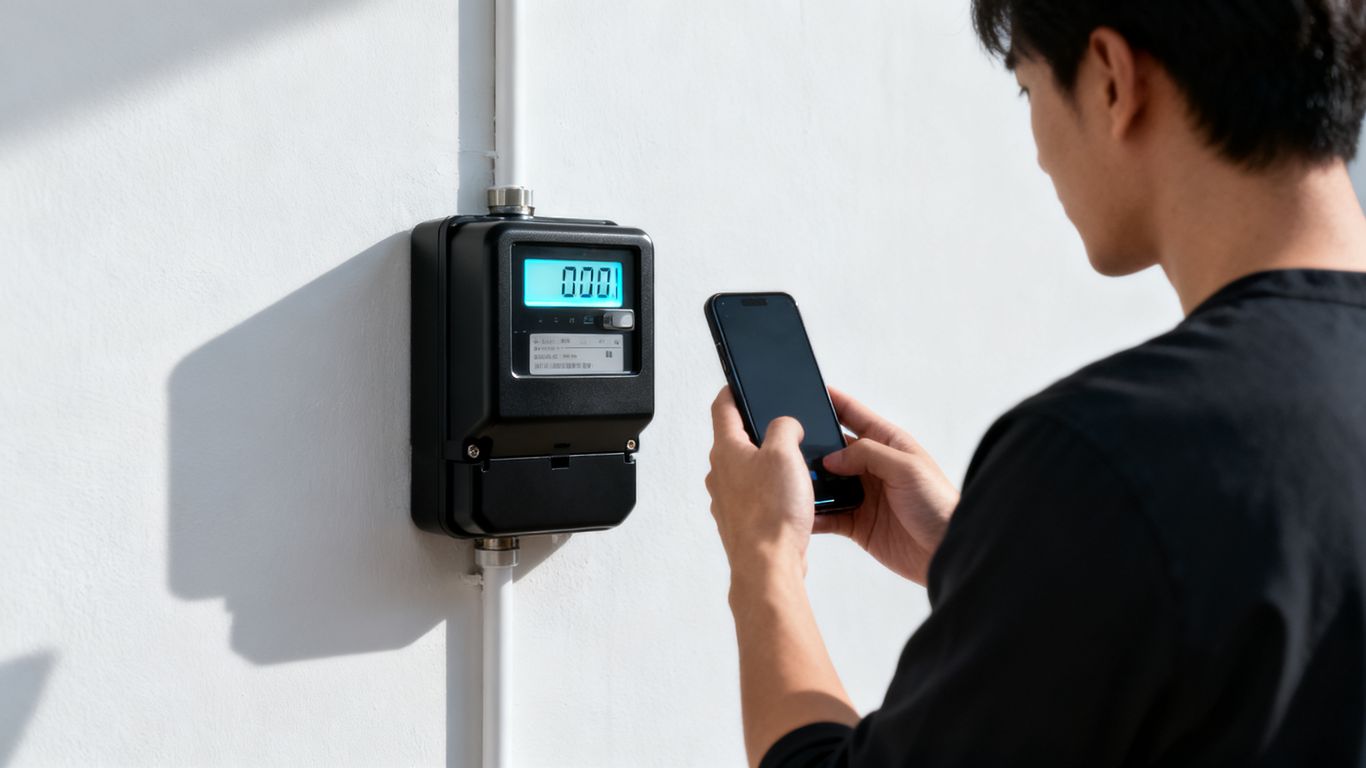
Using a digital energy meter for precise tracking
While reading a manual is a good start, a plug-in energy meter provides the absolute truth by measuring the actual power flowing from your wall outlet. These meters capture the variable load as the compressor cycles on and off, giving you a comprehensive look at how much energy for dehumidifiers you actually consume over a standard week.
Mathematical formulas to estimate daily electricity spend
To estimate your daily impact, use the following logic to structure your budget tracking:
| Expense Variable | Formula Component |
|---|---|
| Power (kW) | Device Wattage / 1,000 |
| Daily Usage (kWh) | Power (kW) * Hours per day |
| Monthly Cost | Daily Usage (kWh) * Cost per kWh * 30 |
By following this method, you can clearly see the impact of your settings adjustments over a thirty-day billing cycle.
Comparing energy usage across different unit capacities
It is tempting to think that all units use the same power, but larger machines often include more efficient motors that can extract more water in less time. If your space is vast, selecting a large capacity unit might actually lower your total monthly bill because it cleans the air and removes moisture much faster than a smaller unit that struggles to reach the target.
Strategies to optimize energy efficiency
Optimizing your home climate does not strictly require an upgrade; often, it is about maintaining the performance of the machine you already possess. Ensuring your maintenance routine is consistent is the best way to guard against rising utility costs.
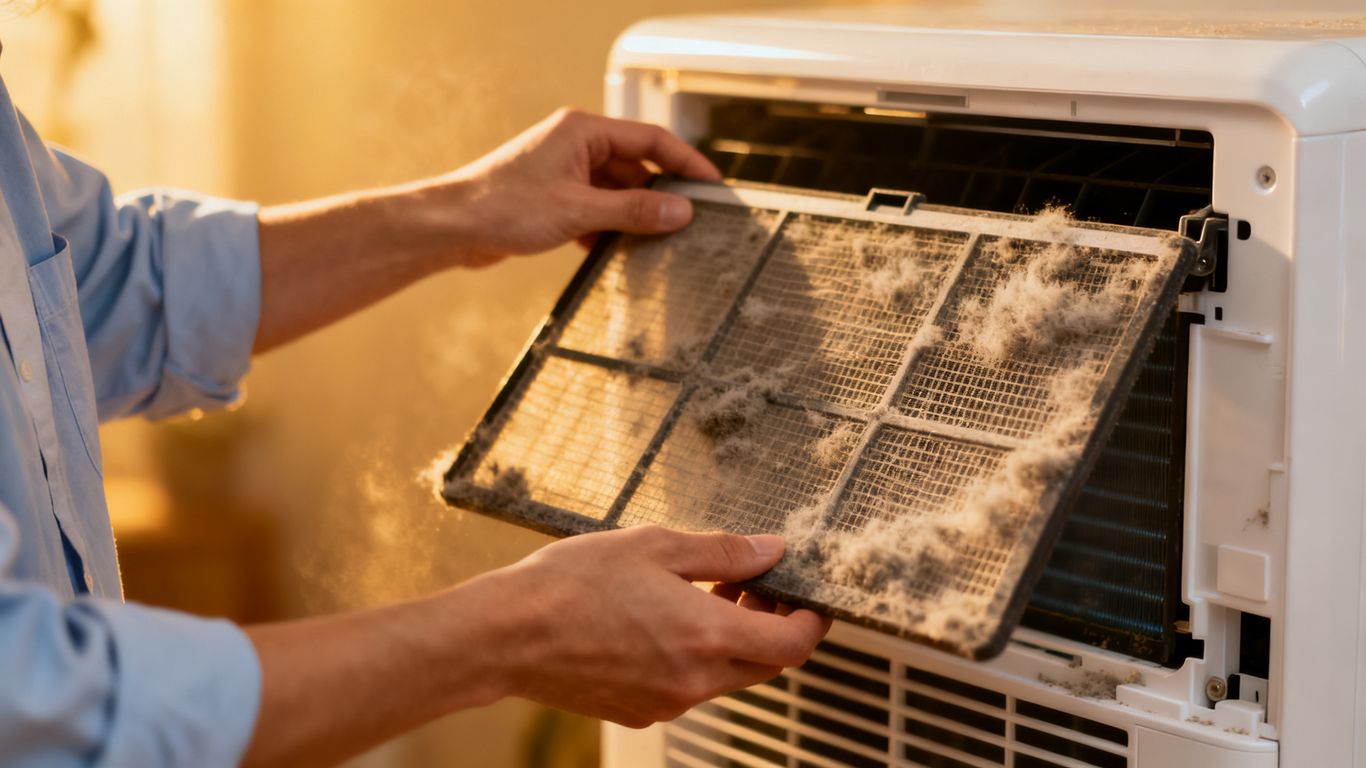
Maintaining clean filters and coils for peak performance
Dust accumulation on filters and coils acts as a thermal blanket, forcing the compressor to stay active longer to achieve the same cooling result. By keeping these elements clear, you allow the machine to maintain air quality at peak efficiency, and the system can trigger its automatic shut-off much sooner.
Utilizing built-in humidistats and auto-shutoff features
Modern technology allows you to automate your humidity management, preventing the system from running past the point of necessity. These sensors detect exactly when the air reaches your comfort threshold, effectively eliminating the common issue of running a high-power machine in a room that is already dry enough.
Matching unit size to room dimensions to prevent overworking
Trying to dehumidify a large basement with a small, portable unit will ensure that power consumption remains high as the machine struggles to keep pace. Proper sizing ensures the unit reaches equilibrium quickly, allowing it to spend the majority of its life in power-saving standby mode.
Comparing Energy Star dehumidifiers vs. standard models
Energy Star certification is a common benchmark that signals a unit has passed specific testing for reduced energy consumption. This certification is a helpful tool for shoppers who want to balance performance with long-term utility bill management.
Evaluating the impact of Energy Star certification on long-term savings
Models meeting these criteria often feature improved heat exchange designs and more efficient fan motors. This results in significant electricity reductions over the course of several years, making the initial price difference between models a worthwhile investment for most homeowners.
Hidden benefits of modern inverter technology
Inverter-equipped appliances can vary their speed rather than simply switching on and off, which removes the high energy spikes associated with motor startups. This smooth, variable power usage is significantly easier on your electrical grid and leads to a much quieter living environment.
ROI analysis for upgrading to a more energy-efficient model
If you find your current unit is loud, smells musty, or creates a massive jump in your electricity bill, the return on investment for a new, efficient performance testing software verified model becomes clear quite quickly. The cumulative savings on your utility bills often pay for the upgrade within a few seasons of heavy use.
Conclusion
Taking control of your home’s moisture levels involves understanding both the mechanical power draw of your equipment and the environmental factors that dictate its workload. By selecting the right size unit, maintaining it regularly, and using intelligent settings, you can ensure your living environment remains comfortable, dry, and energy-efficient year-round.
Frequently Asked Questions
How many watts does a typical portable unit consume?
Most modern portable units range between 300 and 700 watts depending on their moisture removal capacity and the type of compressor technology they utilize.
Does running a dehumidifier make the room temperature rise?
Yes, the internal compressor generates heat during the condensation process, meaning the air expelled is often slightly warmer than the air drawn in, which can affect room temperature.
Should I turn off my unit when no one is home?
It is often better to rely on a built-in humidistat or a timer to manage operation, as constant on-and-off cycling via a wall switch can be less efficient than letting the unit idle when humidity hits the target.
How often should I clean the filter to save energy?
Depending on your local air quality, you should check the filter every two weeks and clean it if you see a buildup of dust, as a clean filter reduces strain on the fan motor.
Does high humidity in the house affect electricity bills?
Extremely high levels of ambient humidity force the machine to remain in a heavy extraction cycle for much longer, which directly results in higher electricity consumption.
Do I need a larger unit for a basement?
Basements often have higher moisture content due to cold walls and concrete floors, so a larger, higher-capacity unit is usually required to maintain a safe humidity level without running continuously.
Is it more cost-effective to use a fan or a dehumidifier?
Fans only move air and do not remove moisture, meaning they cannot address the root cause of dampness or mold growth, unlike a dedicated dehumidifier.
Take the Next Step for Comfort
Ready to transform your home into a healthier, drier sanctuary? Discover the difference our specially engineered units can make in your daily comfort; visit the shop today to find the perfect solution for your space and start saving on your monthly energy bills.