Key Takeaways
Controlling indoor moisture is essential for maintaining comfort and health in Singapore’s tropical climate. Use these points to manage your environment effectively:
- Exposure to steady humidity above 70% accelerates household damage.
- Dehumidifiers inhibit the development of mold spores and bacteria.
- Proper humidity control protects wooden furniture and valuable leather goods.
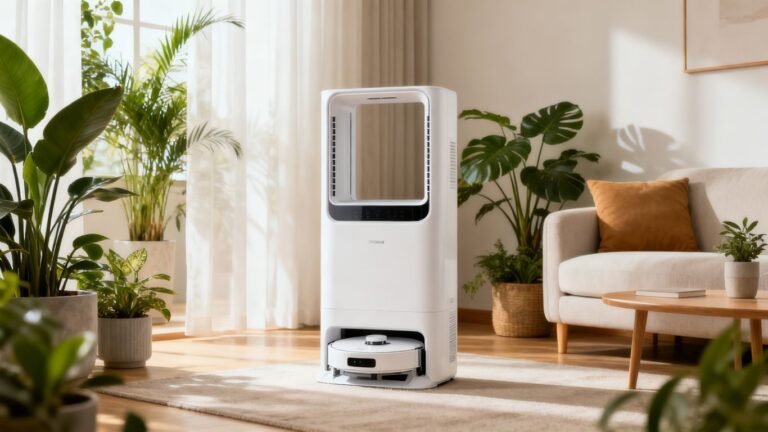
- Advanced units like the Aerofy DualCore 20 provide integrated air purification.
- Residents should evaluate compressor technology versus desiccant options based on area requirements.
Understanding Singapore’s tropical humidity
Living in Singapore means dealing with consistent humidity levels that often stay between 70% and 90% throughout the year. This environment makes the air feel heavy and stagnant, as the high water vapor content prevents perspiration from evaporating efficiently from skin surfaces. To properly manage this relentless tropical moisture, many residents rely on specialized appliances rather than just standard air conditioning settings.
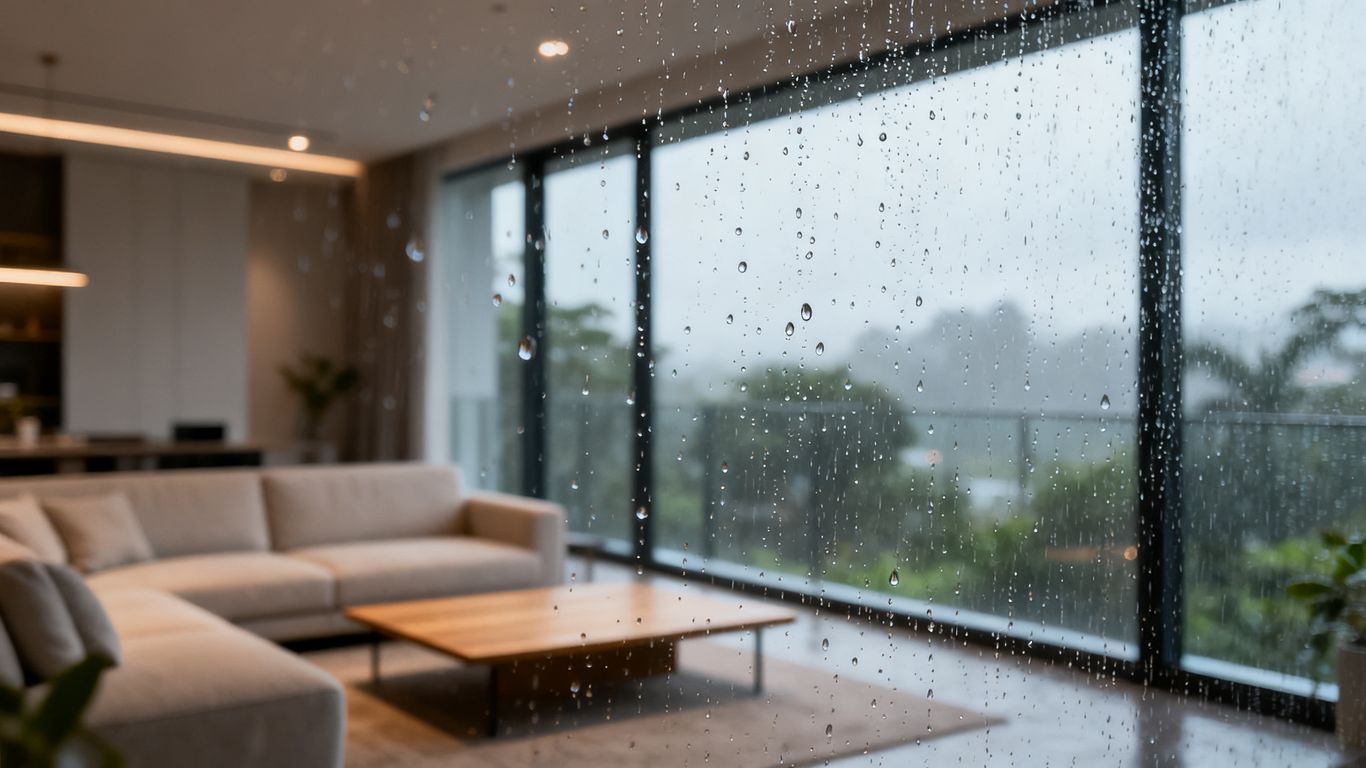
High humidity levels in Southeast Asia
The geographic location of Singapore, nestled near the equator, ensures that the air is almost always saturated with significant moisture. This atmospheric baseline stays high enough that indoor environments frequently collect dampness if they are not consistently ventilated or dehumidified. Without active intervention, the natural equilibrium of your home shifts toward a state that promotes various environmental issues common to island nations.
The impact of constant moisture on HDB and condo units
Both HDB flats and luxury condominiums are susceptible to the creeping effects of humidity, even when windows are kept closed. Concrete structures can absorb and retain moisture over time, leading to hidden dampness within walls that serves as a breeding ground for microorganisms. When you invest in a solution built for the tropics, you are essentially reinforcing your home against the structural degradation caused by this enduring saturation.
Recognizing the signs of excess humidity in your home
Most homeowners realize they have a humidity problem only when the visible consequences manifest in their living spaces. Keep an eye out for telltale signs such as wallpaper peeling at the edges, persistent damp patches on ceilings, or the appearance of white, powdery mildew on belts and handbags. Early detection allows for immediate action before items like wooden floors or expensive cabinetry face permanent water damage.
Health benefits of regulating indoor moisture
Managing the water vapor in your home directly influences the air quality you and your family breathe every day. By lowering the relative humidity, you prevent the conditions required for biological irritants to flourish in carpets, curtains, and upholstery. Homeowners who prioritize atmospheric control through devices like the Aerofy DualCore 20 often report significant improvements in subjective comfort and overall well-being.
Inhibiting mold and mildew growth in stagnant areas
Mold is a widespread issue that thrives in dark, damp pockets like bathrooms, closets, and kitchens where airflow is limited. By maintaining a humidity level below 60%, you deprive these fungal colonies of the moisture they need to seed and spread across interior surfaces. A proactive approach to drying out these areas effectively shuts down the lifecycle of common household mildew.
Controlling dust mite populations for allergy relief
Dust mites are microscopic organisms that multiply rapidly in high-humidity environments, feeding on skin cells found in bedding and fabrics. These pests are a primary trigger for respiratory sensitivity in Singaporean households, causing sneezing and irritation for many sensitive individuals. Reducing the ambient humidity is the most effective way to manage their population without relying solely on chemical treatments.
Improving overall respiratory health and air quality
Stagnant, humid air often traps pollutants, making it harder for those with asthma or other respiratory conditions to breathe freely indoors. Integrating moisture management with advanced air purification creates a holistic barrier against both biological and particulate threats. Cleaner, drier air feels significantly lighter, which helps reduce the physical strain often associated with living in a dense, tropical urban area.
Protecting furniture and personal belongings
Your belongings are frequently the first victims of a home with uncontrolled internal humidity. Fabric-covered furniture, leather goods, and even solid wood floors react poorly to extended exposure to localized dampness. The table below outlines how specific materials respond to changing moisture conditions in a typical home.
| Item Type | Vulnerability | Protective Strategy |
|---|---|---|
| Leather Goods | High | Store in low-moisture zones |
| Hardwood Floors | Moderate | Use consistent dehumidification |
| Textile Fabrics | High | Maintain air circulation |
Proactive control is essential, because once biological growth or water damage settles into high-value items, the repair process is often expensive. Keeping your environment stable protects your assets long-term.
Preventing leather degradation and mildew on fabrics
Leather is highly porous and will absorb water molecules directly from the atmosphere, leading to peeling, cracking, or the growth of surface mold. Similarly, cotton and wool textiles tend to trap odors when they remain damp, resulting in a distinct musty smell that is difficult to wash away once it sets in. You should utilize wardrobe dehumidifiers or specialized ventilation strategies to stop these materials from becoming damp sponges.
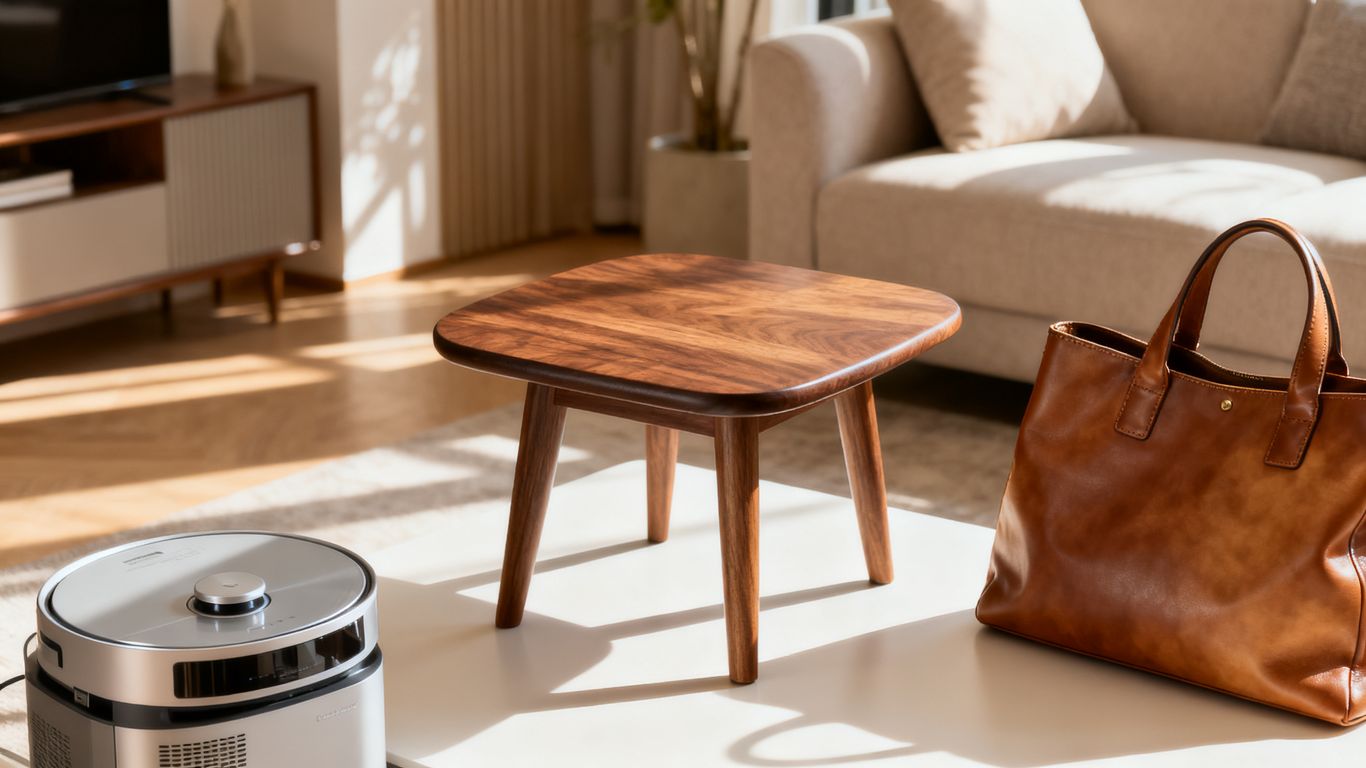
Safeguarding wooden furniture and hardwood flooring
Wood is a natural material that swells and contracts in response to changes in surrounding humidity, which can lead to warping or splitting over time. Because Singapore stays humid year-round, proper flooring maintenance requires more than just cleaning; you must prevent the wood from becoming oversaturated with atmospheric moisture in the first place. Consistency is the primary factor, as frequent fluctuations in moisture levels are often more damaging to wood structure than high humidity alone.
Reducing musty odors in closets and enclosed storage
Closets often suffer from a lack of fresh air, turning them into collection points for trapped moisture. When dampness settles into enclosed spaces, it quickly creates localized musty smells that transfer to all your stored linens and clothing. Using active humidity control methods, like desiccant or compressor units, ensures that these enclosed spaces remain dry and free from the stale air typical of stagnant storage areas.
Comparing dehumidifiers to other climate solutions
While many people turn to air conditioning to cope with the heat, true moisture control often requires a dedicated appliance. While AC units do remove water from the air, they are primarily designed to lower temperature rather than proactively regulate dryness. Understanding this difference is crucial for maintaining a truly balanced home ecosystem in Singapore.
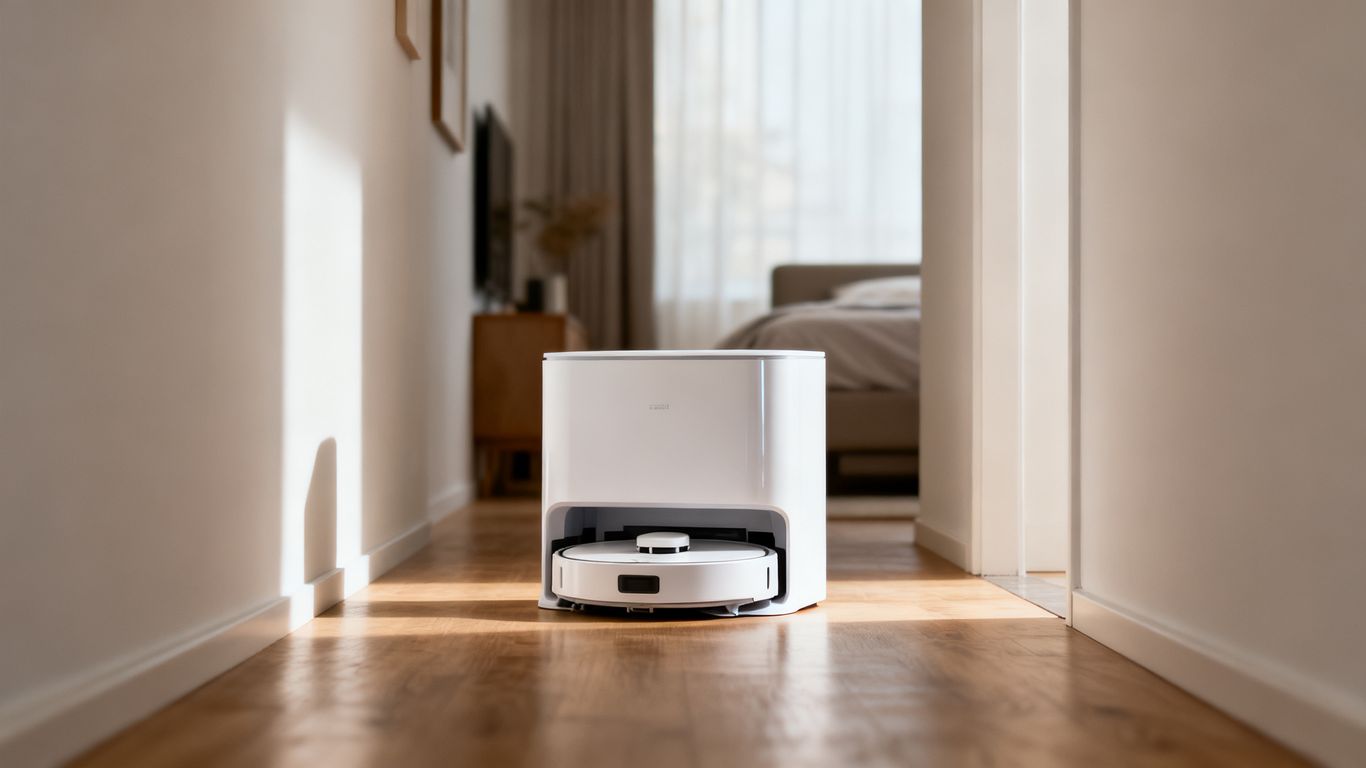
Dehumidifying performance of air conditioners vs. dedicated devices
Air conditioners perform moisture extraction only while they are cooling a space, which is rarely an efficient way to manage humidity throughout an entire 24-hour cycle. In contrast, dedicated devices like those engineered by Aerofy use specialized heat exchangers that can operate independently of the room’s temperature. This allows you to achieve the right level of comfort without having to keep your rooms at freezing temperatures.
Evaluating the limitations of chemical moisture absorbers
Chemical moisture absorbers are common in closets, but they offer only temporary relief and have a very limited range. They work by using reactive materials like calcium chloride to bond with water particles, but their effectiveness drops as soon as they fill with liquid. For long-term home health, mechanical devices that absorb moisture efficiently and handle large volumes are far superior to disposable, plastic-container solutions.
Analyzing the long-term energy efficiency and cost savings
Modern engineering has made dehumidifiers significantly more energy-efficient, allowing them to run for extended periods without high electricity costs. When you use a high-efficiency appliance, you effectively prevent the costly damage to surfaces and health that occurs over many years of neglect. The initial investment in a well-built, local-friendly appliance leads to savings by extending the life of your furniture and reducing the frequency of deep cleaning services.
Selecting the right dehumidifier for your home
Choosing the correct device involves looking at the technical specifications relative to your specific environmental hurdles. Many homeowners rely on these factors to ensure they get the best performance:
- Check the daily water removal capacity based on square footage.
- Consider the operating noise levels for bedrooms versus living areas.
- Verify the presence of advanced filtration for better air quality.
- Determine if you prefer a compact design or a high-capacity model.
Making an informed decision based on these variables ensures that your appliance solves the right problems for your specific floor plan.
Compressor vs. desiccant technology for the Singapore climate
Compressor units work similarly to refrigerators, using a coolant to condense moisture into a tank, which makes them highly effective in our warm, tropical conditions. Desiccant models, by contrast, use a drying wheel to absorb moisture, which is often quieter but usually consumes more energy. For most general household requirements in Singapore, compressor-based units offer the optimal balance of power and efficiency.
Matching device capacity to room square footage
A small, portable unit might struggle against the humidity in a large open-concept living room, leading to frustration and poor results. You should look for machines rated for your home’s total area to ensure that the process of air turnover and water extraction happens reliably. Don’t be afraid to utilize tech-savvy features like integrated sensors that automatically adjust output based on real-time humidity readings.
Key features and maintenance tips for local conditions
💡 Real-World Scenario
Imagine you just bought a new wooden cabinet and brought it into your living room on a particularly rainy Saturday. Within a week, you notice a slightly damp feel each time you open the drawers. By utilizing a high-efficiency dehumidifier, you can create a dry, protected micro-climate in that room, preserving the wood and keeping your items crisp and fresh. This demonstrates why choosing a device with a reliable humidistat is so vital.
Conclusion
Investing in a dedicated dehumidifier is a practical and necessary step for any homeowner dealing with the relentless humidity of Singapore. By choosing the right technology, you protect your property from long-term damage, improve your daily comfort, and ensure a healthier living space for everyone.
Frequently Asked Questions
Is a dehumidifier better than using air conditioning?
Air conditioners are designed to lower temperature and only provide drying as a secondary effect, whereas dehumidifiers are optimized to manage relative humidity without requiring the room to be cold.
How often should I check the water tank?
The frequency depends on the ambient humidity levels, but most Singaporean households find that emptying the tank once or twice a day is sufficient during the wet seasons.
Does running a dehumidifier cost a lot of electricity?
Modern residential models are designed with energy-efficient components, so they typically consume significantly less power than running a central air conditioning unit all day.
Can a dehumidifier help remove musty smells?
Yes, by removing the excess moisture that allows microorganisms to thrive, a dehumidifier effectively neutralizes the primary source of common household musty odors.
Where is the best place to put a dehumidifier in my home?
Place it in a central, open area away from blocked airflow for the best performance, or rotate it between rooms that have the highest moisture accumulation, like closets and laundry areas.
Do I need to clean the device regularly?
Yes, you should clean the water tank and the air filter every few weeks to prevent dust buildup and ensure the unit continues to operate at peak efficiency.
Is it safe to leave a dehumidifier running while I sleep?
Most modern units are built with safety sensors and auto-shutoff features, making them safe to use in bedrooms, especially if they feature a quiet night mode for added comfort.