Key Takeaways
Selecting the right partner for humidity control requires a clear understanding of your environment and the supplier’s technical capabilities. Here are the most critical factors for your decision:
- Perform a thorough assessment of space humidity and volume before purchasing.
- Prioritize suppliers with verified track records in Singapore climate conditions.
- Evaluate the long-term energy efficiency and safety compliance of equipment.
- Establish clear protocols for installation and coordination with facilities teams.
- Ensure a robust local maintenance strategy is in place before signing any agreements.
Assessing your specific dehumidification requirements
Identifying the correct moisture control solution begins with a careful look at your specific facility and its unique climate challenges. Singapore’s high humidity dictates that solutions must be engineered for consistent performance rather than just raw power. Understanding these nuances helps in selecting equipment that manages indoor air quality without consuming excessive electricity.
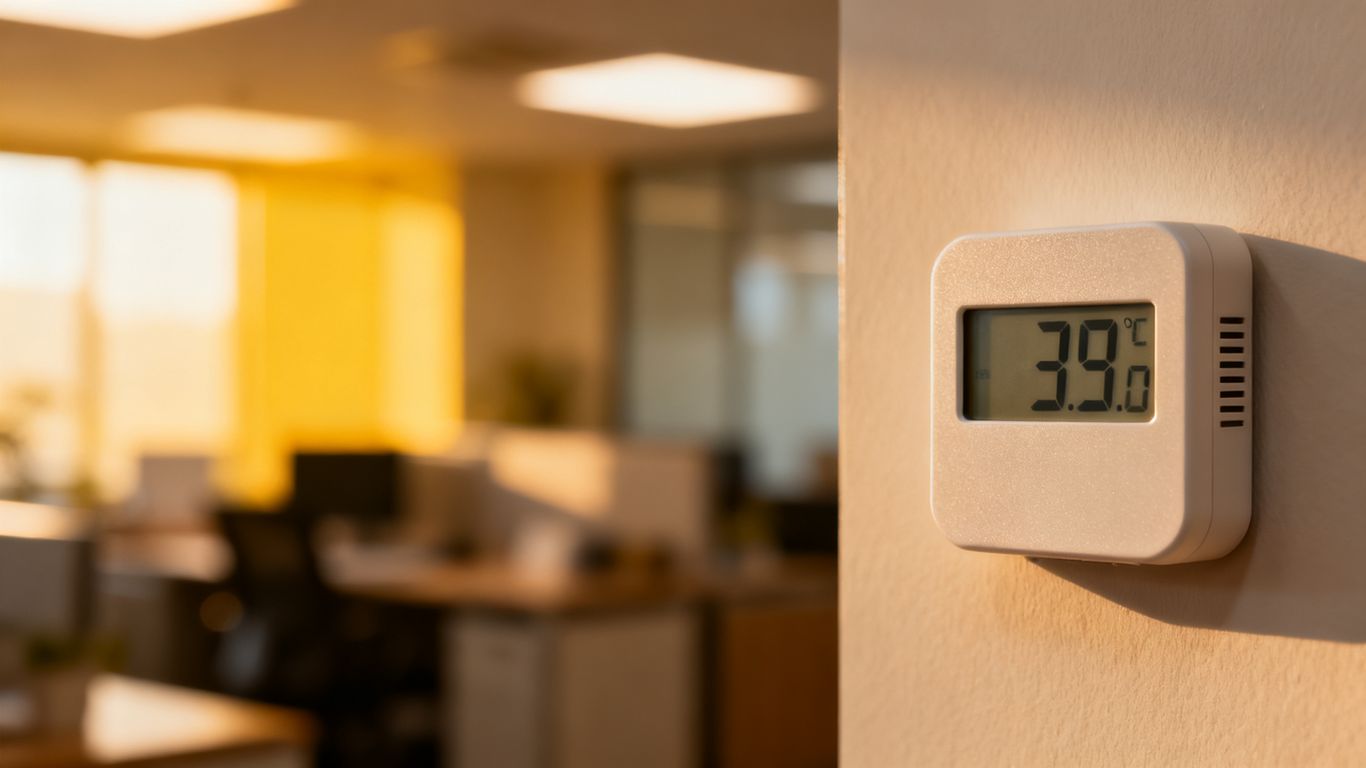
Evaluating ambient humidity levels in specific facilities
You must first establish a baseline for your facility’s relative humidity. This often involves placing data loggers for a week to understand how moisture levels shift during the day and night cycles. High moisture levels often lead to mold growth on walls or ceiling panels, impacting the health of occupants.
Distinguishing between residential and industrial capacity needs
Residential units may struggle in commercial spaces due to smaller water tanks and restricted drainage options. For complex environments, suppliers should suggest systems with larger LPD (Litres Per Day) capacities to handle constant throughput. For smaller residential HDB units, the Aerofy DualCore 20 offers highly optimized performance that addresses both humidity and air quality in one, demonstrating that an engineered system is often superior to a single-function appliance.
Accounting for space volume and airflow dynamics
Calculating total volume is only part of the equation, as airflow paths are equally critical for effective drying. Obstructions like heavy furniture or warehouse partitions will create micro-climates of trapped moisture if not accounted for during the planning stage. To assist with your site evaluation, consider the following layout factors:
| Facility Type | Average Air Exchange Rate | Primary Humidity Concern |
|---|---|---|
| Standard Office | 4-6 changes/hour | Staff comfort and electronics |
| Storage Warehouse | 2-3 changes/hour | Product spoilage and mold |
| Medical Clinic | 8-12 changes/hour | Strict sanitation standards |
These metrics provide a starting point for dialogue with potential suppliers about your specific air exchange requirements.
Determining operational goals for moisture control
Define your target RH (Relative Humidity) levels clearly before requesting quotes from vendors. If you are operating a server room, you might need a strict 40-50% range, whereas a basement facility might just require staying under 65% to prevent odors. Always discuss your goal with an Aerofy consultant to ensure the technology matches your specific environmental needs.
Key criteria for evaluating a dehumidifier supplier in Singapore
Finding a partner in the local market requires more than just browsing catalogues online. You need a supplier who understands the nuances of the local climate and can provide support that extends beyond the initial purchase. A professional supplier should be able to translate technical datasheets into an actionable plan tailored to your building.
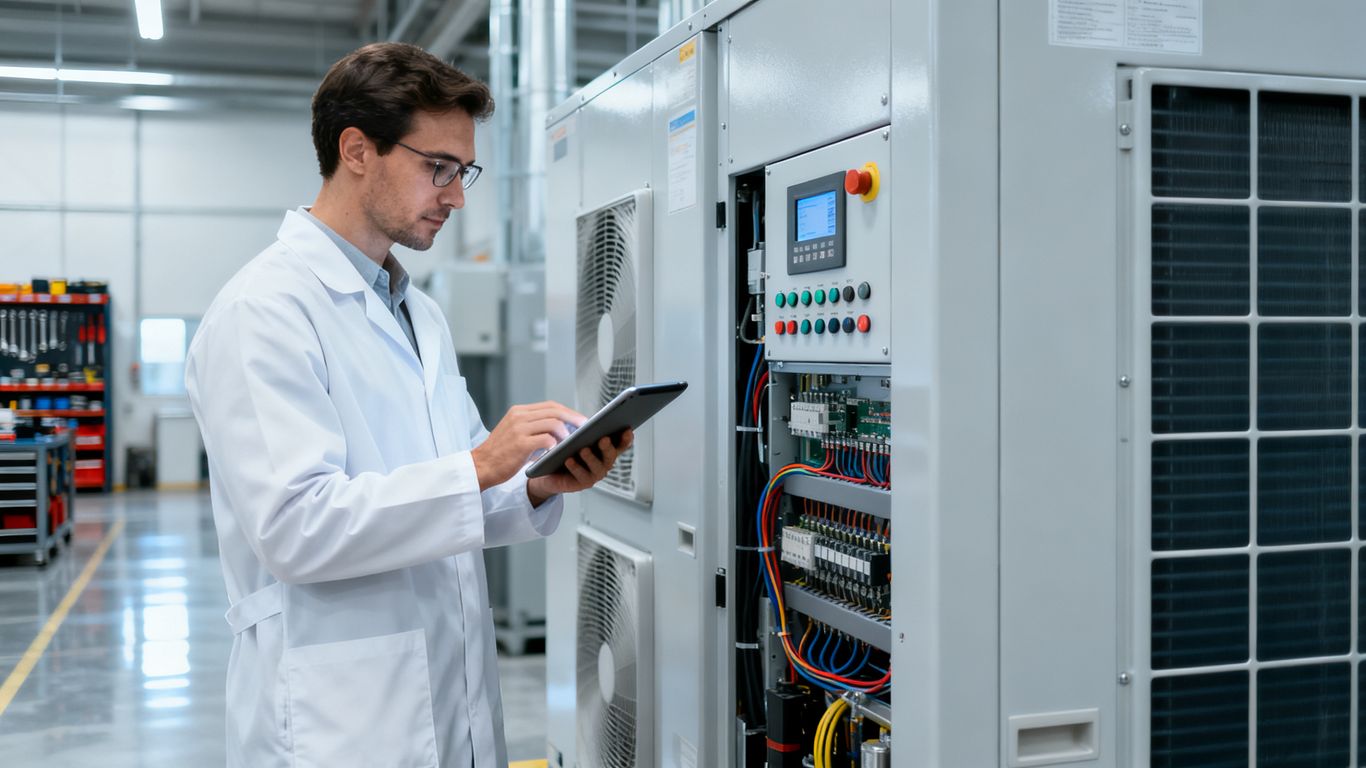
Verification of professional track record and project history
Check for past projects similar in scale and industry to your own. A supplier who has successfully addressed humidity issues in a high-end residential project or a large logistics hub brings valuable insights to your table. You want to see references that confirm their installation quality and long-term reliability.
Depth of technical expertise in HVAC and climate control
Technical knowledge is a sign of a high-quality supplier who can troubleshoot complex integration issues. Their team should know the difference between refrigeration and desiccant models and be able to recommend one based on your temperature constraints. Look for firms that employ certified HVAC professionals capable of handling end-to-end integration.
Availability of varied technology stacks and product brands
A capable supplier typically carries a range of technologies to ensure they don’t force a single-size solution on every client. They might offer everything from small portable units to complex, industrial desiccant systems. This variety ensures you get the right tool for your specific square footage and moisture load.
Transparency regarding pricing models and project quotes
Look for detailed proposals that break down labor, hardware, and ongoing support costs. Hidden fees during the installation phase can cause project delays and budget overruns. A reputable supplier should provide a clear quote that reflects the total cost of ownership over several years rather than just the initial purchase price.
Technical specifications to prioritize during selection
Selecting hardware involves looking at more than just the price tag on the label. The durability of internal components like the compressor and the overall build quality will dictate how long your unit serves your facility. It is essential to look at the following technical aspects:
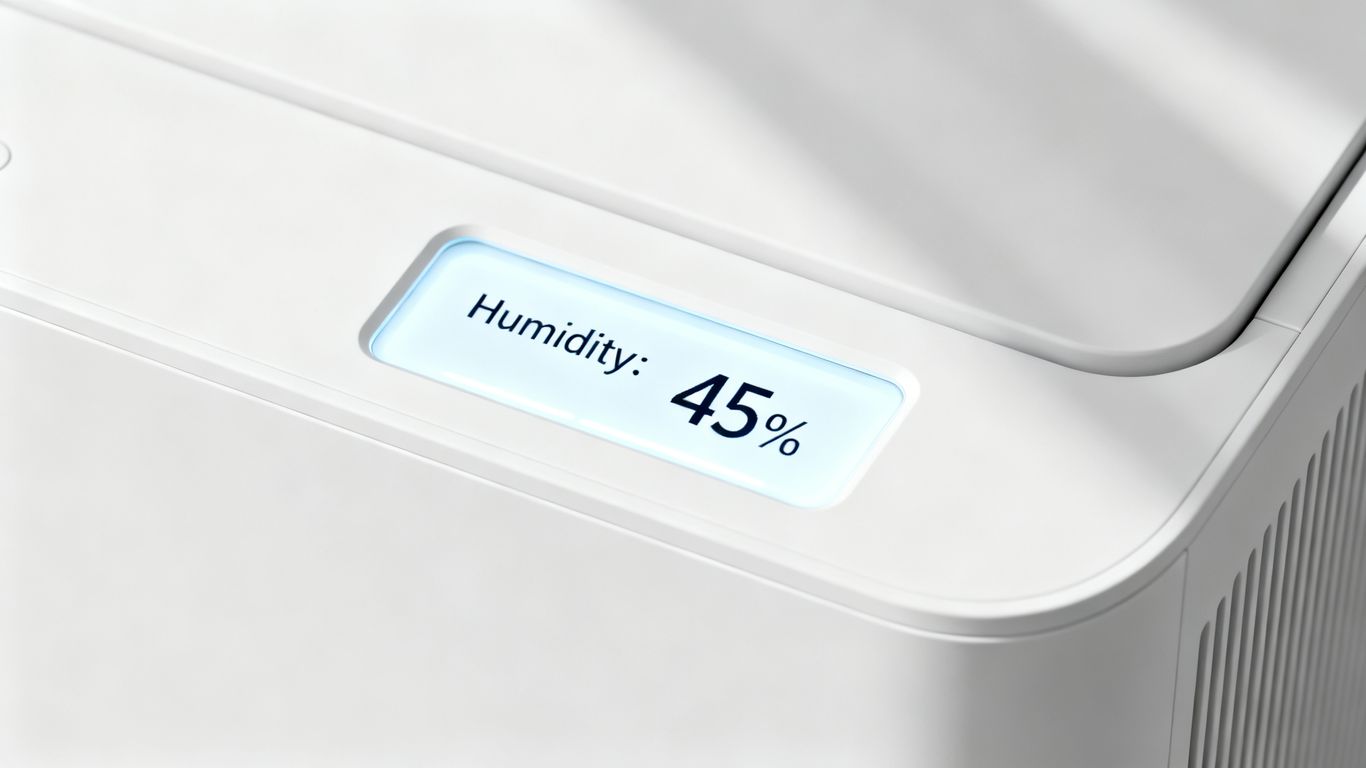
Energy efficiency ratings and projected power consumption
Power usage can add up quickly in tropical climates where systems run for extended hours. Ensure the equipment has high-efficiency compressors, such as those found in the Aerofy DualCore 20, which is designed to minimize energy waste. You should evaluate:
- Annual power usage estimates in kilowatt-hours.
- Standby power performance.
- Efficiency at high versus partial humidity loads.
- Heat generated by the exhaust during operation.
These factors determine the long-term impact on your electricity bills.
Compliance with Singaporean safety standards and building codes
Equipment must meet local electrical safety benchmarks set by the authorities. Ensure all units have valid safety marks and that the wiring is compatible with local voltage standards. Non-compliant units can pose fire risks and lead to significant insurance issues if a failure occurs.
Compatibility with existing HVAC infrastructure
If you plan to integrate dehumidification with your existing central air conditioning, ensure the equipment is compatible with current building cooling systems. Seamless integration requires communication protocols and physical drainage paths that align with your facility’s current layout.
Advanced features like smart monitoring and remote control
Modern systems should allow for automated scheduling and humidity-based triggering. Smart connectivity provides peace of mind by notifying you if internal humidity levels spike while the facility is unattended. This level of control is vital for managing larger spaces efficiently.
Navigating installation and integration processes
The installation of your equipment is where the theory turns into real-world results. Proper deployment ensures that your system operates as intended, preventing common issues like water leakage or inadequate airflow coverage. Planning the logistics well in advance is the best way to ensure minimal disruption to your operations.
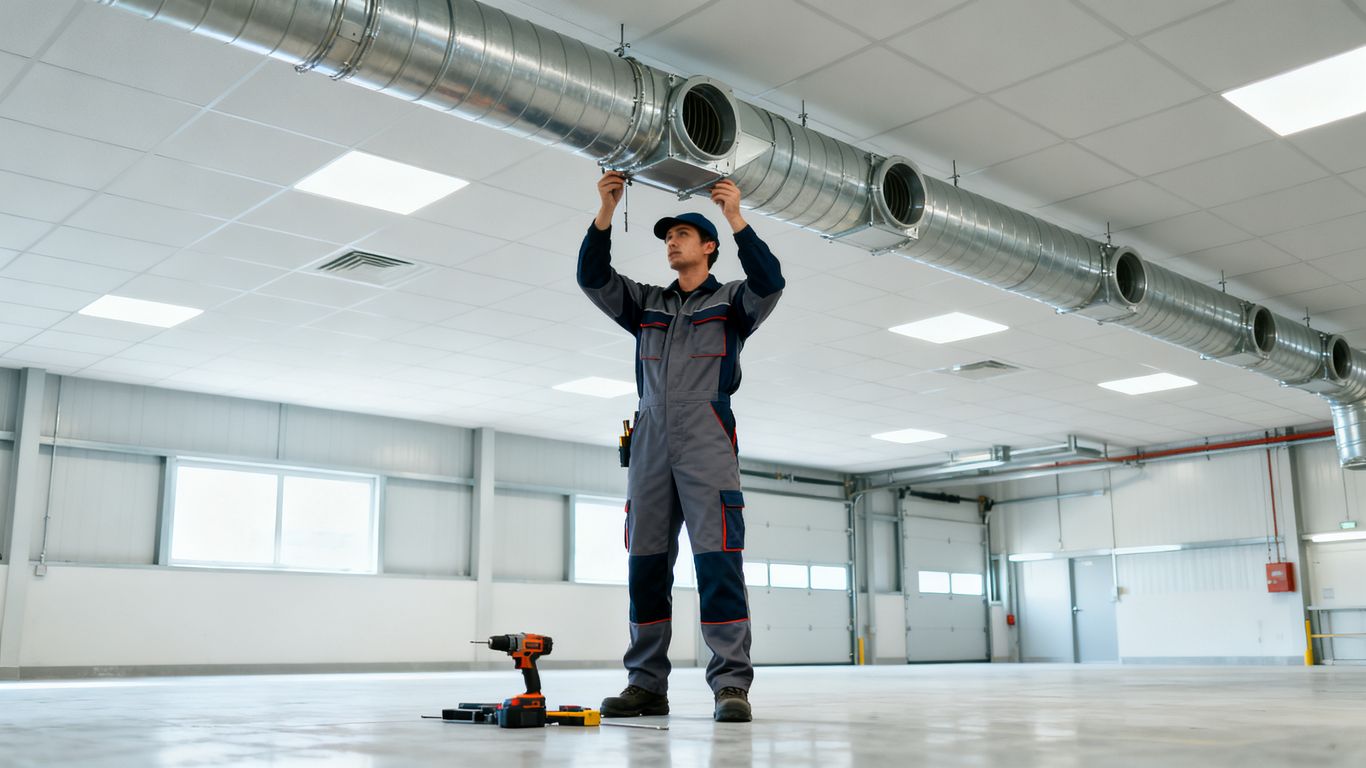
Importance of professional site assessment and consulting
Experienced installers will always visit your site before delivery to verify placement. They look for room obstructions, electrical proximity, and drainage viability. Don’t skip this step, as an incorrect assessment almost always leads to poor performance regardless of how powerful the machine is.
Requirements for electrical load and ducting setup
Installation might require dedicated power circuits for heavier units, especially in older buildings with limited electrical capacity. If you have a centralized unit, ducting management is the next hurdle. Ensure that the paths are clean and that airflow intake is never blocked by existing walls or equipment.
Coordination with existing facilities management teams
Communication with your building’s facilities management is vital to avoid work conflicts. They will need to approve power modifications or major structural attachments for ceiling-mounted systems. Aligning the installation schedule with existing maintenance windows keeps everyone informed and secure.
Best practices for seamless equipment deployment
Follow a strict checklist that covers internal diagnostic tests and sensor calibration after the physical mounting is complete. Once the unit is running, the supply team should provide training to your on-site staff.
Long-term maintenance and after-sales support
Your relationship with a supplier truly matures in the months after installation. Routine care is necessary to maintain the system’s efficiency and prevent the musty odors that occur when internal filters become saturated. A structured support plan ensures that your equipment continues to perform effectively in Singapore’s heat.
Benefits of a local spare parts supply chain
Waiting weeks for a simple replacement part can bring your moisture control to a screeching halt. Choose a supplier with a local inventory of essential items like filters, drainage pumps, and controller boards. This reduces downtime significantly when a minor component inevitably needs replacement.
Structuring preventative maintenance and servicing agreements
Establish a quarterly or bi-annual service plan where professionals inspect coils, clear drainage lines, and calibrate sensors. A proactive agreement with a clear service provider prevents mechanical failures and extends the life of your purchase significantly.
Response time expectations for emergency repairs
Even with great care, technical malfunctions happen. Your contract should stipulate expected response times for on-site emergency repairs. Knowing that a technician can arrive within 24 to 48 hours provides necessary operational comfort.
Access to manufacturer-trained technical training for staff
Your internal team should be capable of performing basic tasks like emptying tanks or cleaning exterior pre-filters. A good supplier offers training sessions for your staff so they can identify early warning signs of equipment issues before they escalate into major repairs.
Conclusion
Investing in a reliable dehumidification partner allows you to maintain a healthy, dry environment in Singapore’s challenging tropical climate, protecting both your valuable assets and occupant health. By focusing on professional site assessments, energy-efficient specifications, and committed long-term support, you ensure that your moisture control infrastructure remains effective for years to come.
Frequently Asked Questions
What are the main signs that I need a professional dehumidifier?
Look for persistent condensation on surfaces, noticeable musty smells, peeling wallpaper, or frequent occurrences of mold on walls or ceiling corners.
How often should I perform routine maintenance on my unit?
Most professional units require a full check-up at least every six months, while basic filter cleaning should occur monthly depending on the dust levels in your space.
Can I install an industrial unit myself?
Installation should generally be handled by professionals, especially if the unit requires electrical wiring adjustments, ductwork installation, or integration with existing HVAC systems.
Does running a dehumidifier significantly impact my electricity bill?
Modern units optimized for our climate are generally energy-efficient, but power consumption depends heavily on the unit’s capacity and how many hours it runs per day.
Is it possible to use a portable unit instead of a fixed installation?
Portable units are excellent for smaller rooms or temporary needs, but fixed installations are usually better for large, open-plan commercial spaces that require consistent moisture management.
What role does a dehumidifier play in mold prevention?
By keeping the relative humidity levels below the threshold where mold spores thrive, dehumidifiers prevent the growth of fungus and mildew on carpets, furniture, and walls.
How does ambient temperature affect dehumidification effectiveness?
High temperatures can change the way moisture is held in the air, meaning your unit might need to work harder in hotter environments to reach the same relative humidity target.