Key Takeaways
Managing moisture in your cabin prevents long-term upholstery damage and significantly improves driver visibility throughout the year.
- Excess condensation is often caused by moisture trapped in carpets or leaky cabin seals.
- Silica gel bags effectively absorb humidity without requiring electrical power or engine effort.
- Strategic placement on your dashboard or under seats maximizes moisture collection efficiency.
- Regular recharging in direct sunlight or a microwave maintains the reusable life of these units.
- Complementary moisture control includes checking door gaskets and utilizing your vehicle’s ventilation systems.
Understanding why your car needs a dehumidifier

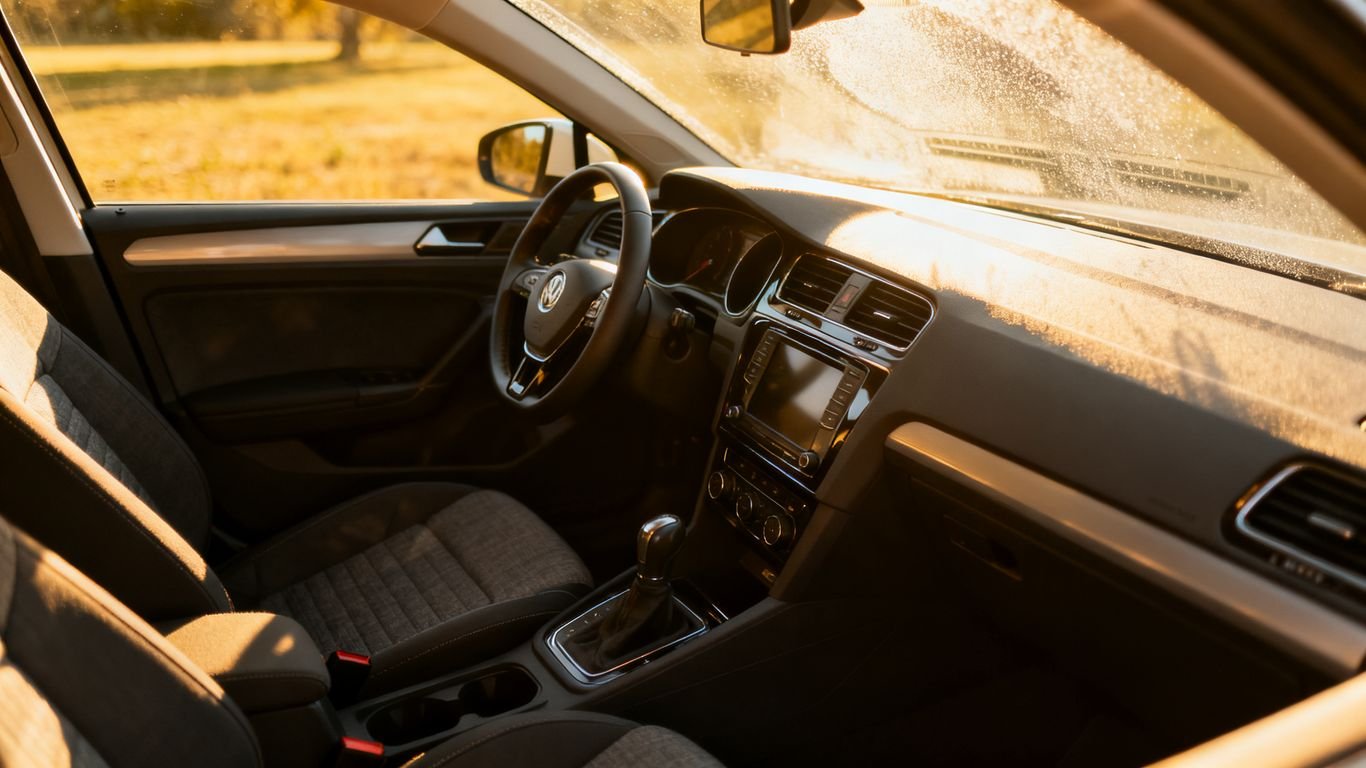
Vehicle moisture is a silent nuisance that quietly ruins fabrics and hampers visibility during early morning commutes. When water vapor lingers in an enclosed cabin, it eventually condenses on cooler surfaces like glass, creating that frustrating fog that forces you to wait for the defrost cycle to finish. Understanding the mechanics of these small but mighty tools helps you effectively combat trapped condensation before it leads to recurring maintenance issues for your upholstery.
Common causes of excess moisture inside vehicles
You might find your windows fogging up more frequently after rainy seasons or during high-humidity cycles. Common culprits include moisture brought in by wet footwear, dripping umbrellas, or items left on floor mats that soak up water like sponges. Sometimes, even the presence of damp gear or a minor internal leak can turn your cabin into a greenhouse that holds onto moisture even after you lock the car.
Signs your car interior is suffering from dampness
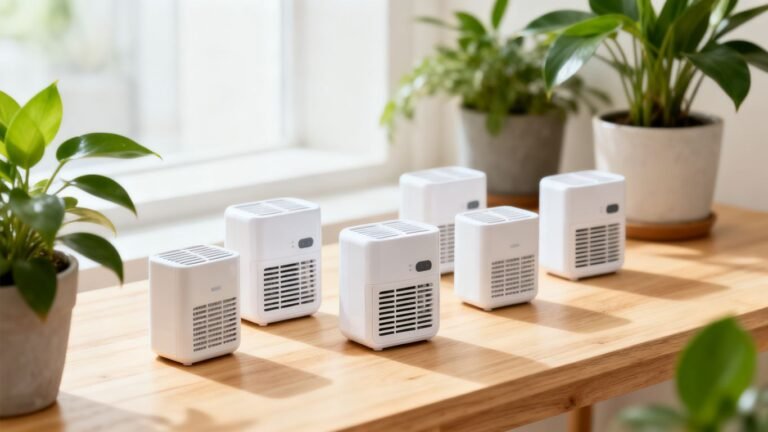
The most obvious sign is internal window misting, especially following a cool night. Beyond visual cues, your nose often detects the problem first through a lingering musty or sweet odor, which is a classic indicator of wet fabrics. If your floor mats feel slightly sticky or if you notice small water beads accumulating deep in seat seams, you likely have enough trapped humidity to warrant a dedicated absorption solution, much like how specialized home systems such as the Aerofy DualCore 20 are designed to handle moisture in domestic living spaces.
Health implications of mold and mildew buildup
Persistent damp conditions provide an ideal breeding ground for microbial growth within your ventilation ducts and seating foam. Breathing in stale, spore-laden air is far from ideal for respiratory health, making it necessary to address the root source of humidity. Keeping your cabin dry is a proactive measure for any vehicle owner concerned about long-term air quality.
Types of car dehumidifier bags
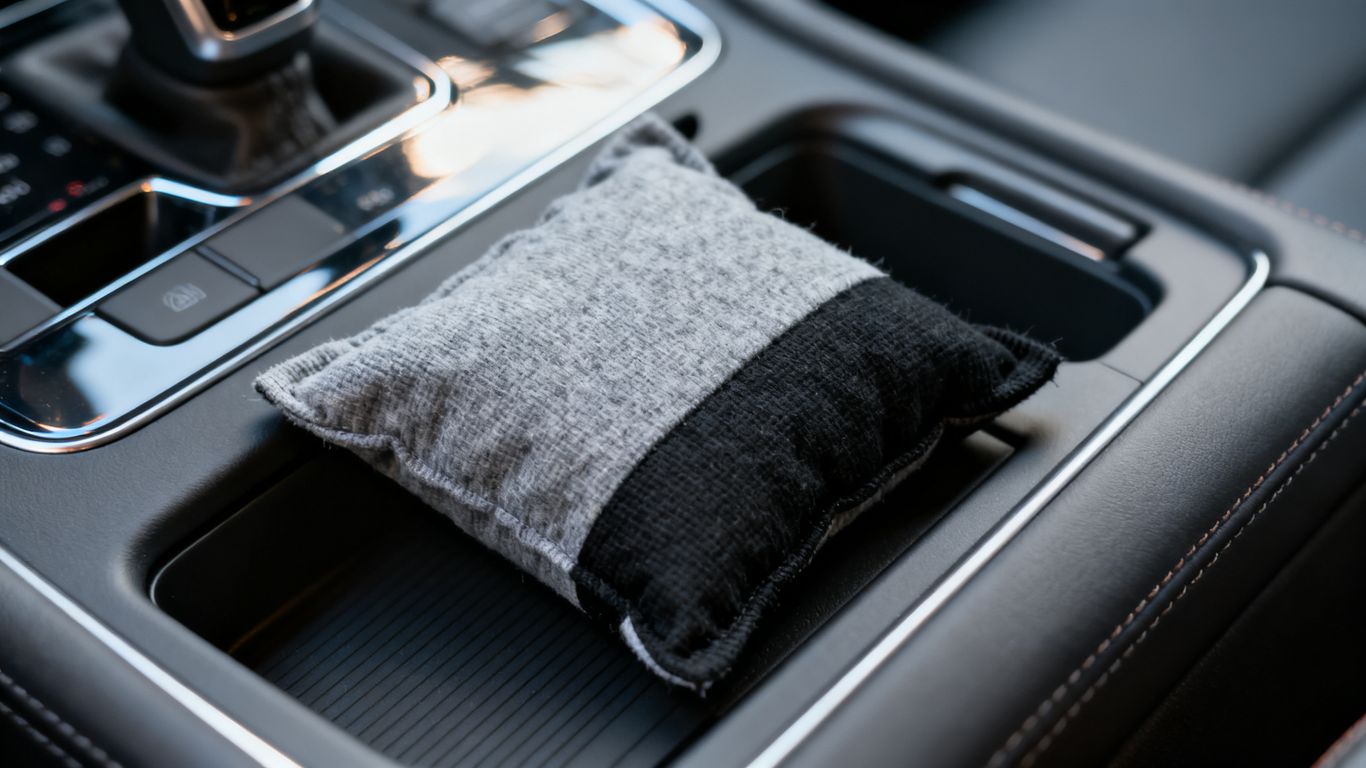
Selecting the right material depends on how often you want to fuss with your moisture-management tools. While some products are designed as one-off disposables, many modern options utilize long-lasting desiccants that can be reused dozens of times, keeping costs low while providing ongoing protection for your cabin surfaces.
Silica gel versus clay-based desiccants
Silica gel remains the gold standard for portable moisture control due to its high surface area and structural stability. While clay-based products are affordable and natural, silica gel beads often last longer and perform consistently under changing temperatures. Below is a breakdown of common differences between these materials:
| Feature | Silica Gel | Clay Desiccant |
|---|---|---|
| Absorption Rate | High | Moderate |
| Reusability | Excellent | Good |
| Temperature Resistance | Stable | Sensitive |
Moisture-absorbing crystals explained
The magic inside these bags involves porous crystals that pull water molecules directly from the atmosphere into their structure. These crystals work similarly to the technology utilized in the DualCore 20 unit, though on a passive, smaller scale suited for a glovebox or dashboard. They are engineered to trap water until the capacity is reached, at which point the bag needs a recharge cycles to release the stored humidity.
Assessing the longevity of different material types
Longevity boils down to the quality of the desiccant and the durability of the outer fabric. High-quality synthetic bags often feature indicators that turn color when saturation occurs, acting as a visual cue to avoid guesswork. Choosing a product that handles repeated heating reduces waste, aligning with an engineering philosophy focused on durability, much like the commitment Aerofy brings to their appliance design.
How to use a car dehumidifier effectively
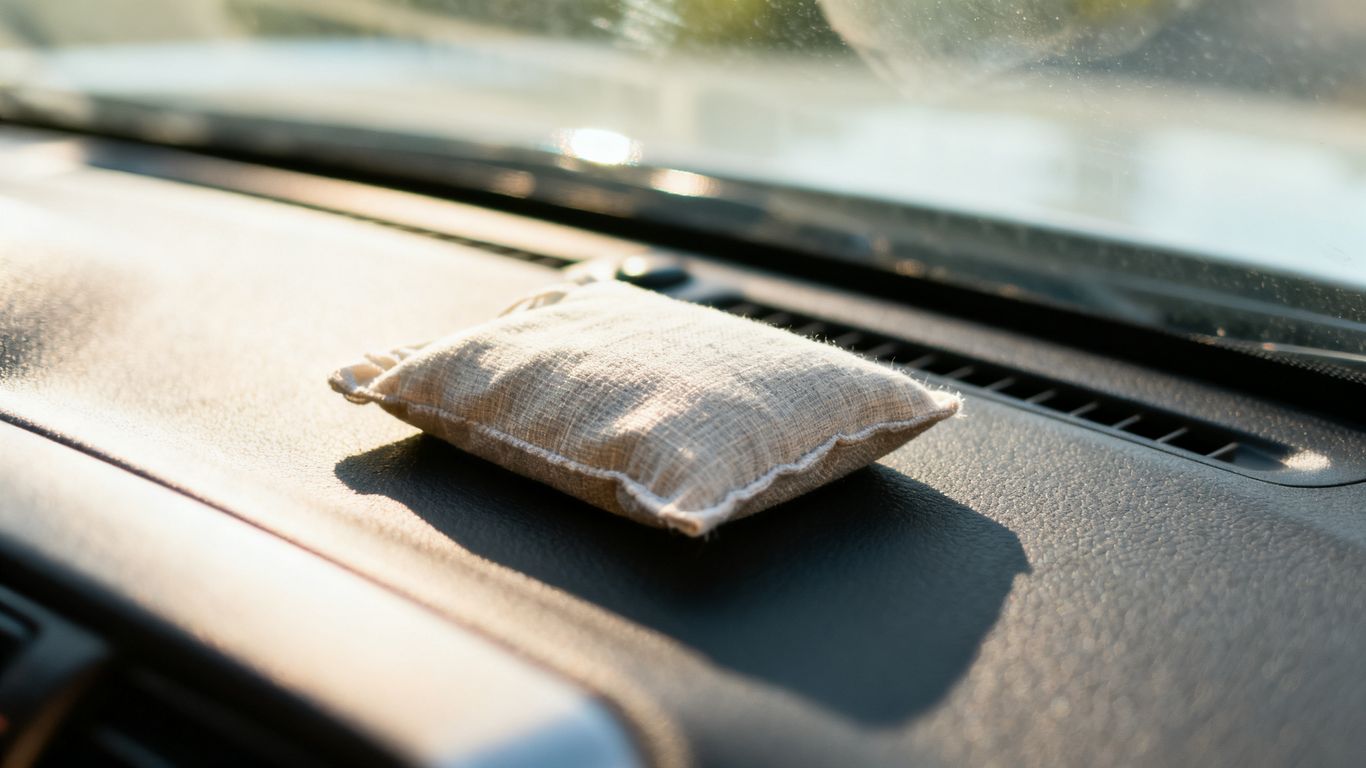
Getting the most out of your device requires thoughtful placement and regular monitoring to ensure the crystals stay active. While these bags are passive, positioning them correctly ensures the airflow within your cabin reaches the saturated surfaces most prone to buildup during the night.
Strategic placement for maximum moisture absorption
Place your unit somewhere that allows air to circulate freely around the casing, as airflow is critical for moisture transport. We recommend testing a few different spots to see which one reacts fastest to your local climate conditions. Use this list to determine the best location for your needs:
- On the center of your dashboard near the windshield for immediate defogging aid.
- Tucked behind the driver seat or passenger seat on the floor mat.
- Inside the side door storage pockets in areas with high air circulation.
- Propped securely in the rear parcel shelf for mid-sized wagons or hatchbacks.
Frequency of monitoring and humidity indicators
Most modern bags feature a small color-changing tab that shifts from blue or orange to pink when full. You should check this indicator weekly if you live in a notoriously damp or tropical area. If you find yourself frequently using product anchors for moisture relief, you may benefit from keeping a second bag ready to rotate into service so you never have to deal with a saturated device that is no longer working.
Determining when a recharge or replacement is required
Once the indicator reaches its capacity, the bag will no longer pull moisture from the air, effectively becoming useless until refreshed. You will notice a return of condensation on your windows or a heavier, mustier smell inside the car when this happens. Staying ahead of this saturation point is essential for consistent protection.
Maintaining and recharging your dehumidifier
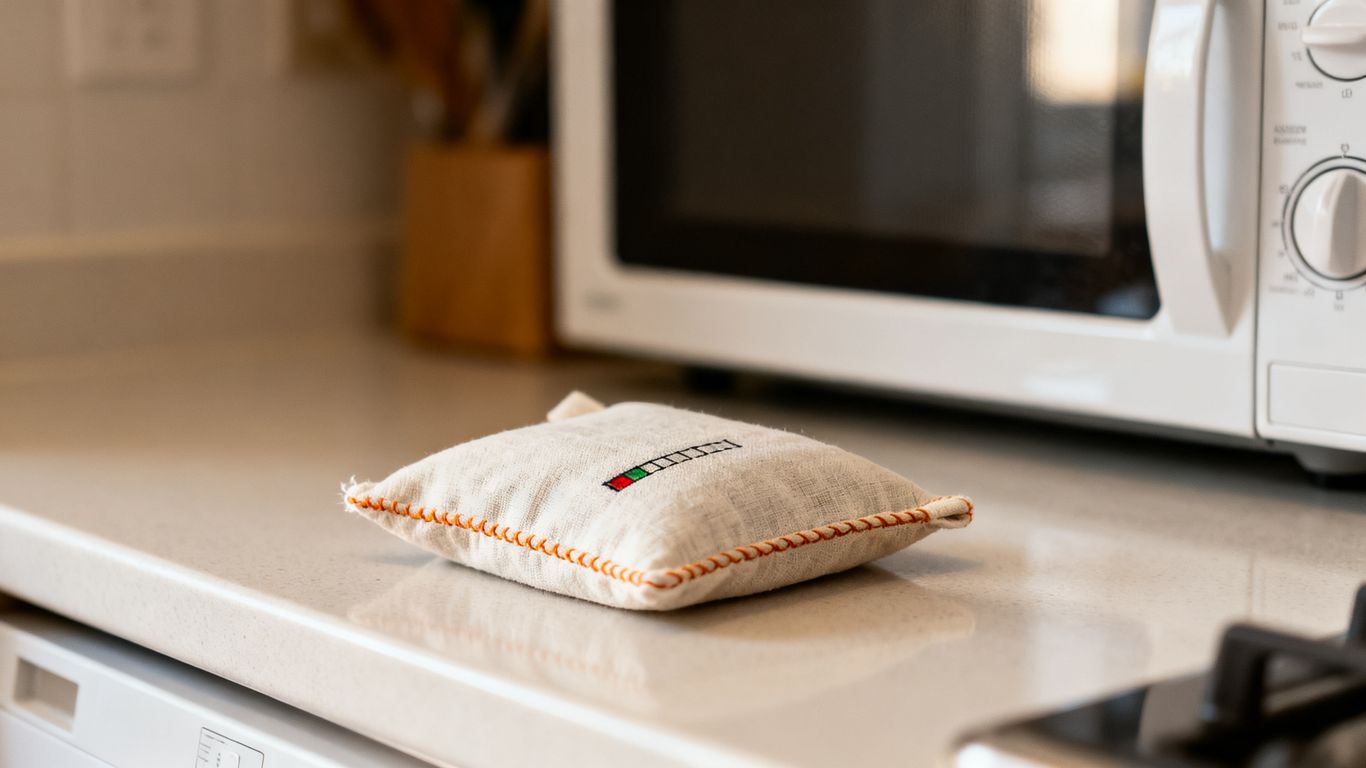
Maintenance is straightforward but requires patience to ensure all moisture is safely driven out of the interior materials. Whether using heat or sunlight, the goal is to trigger the release of trapped water vapor so the desiccant structure can start over as though it were new.
Drying methods for reusable bags
Reusing a bag is usually achieved by applying gentle heat to evaporate the held water. This process returns the desiccant to its original active state, ready to capture more damp air. Always follow the specific duration mentioned by the manufacturer, as overheating can compromise the structural integrity of the outer pouch fabric.
Using a microwave versus sunlight for regeneration
Microwaving is the faster option, though it requires constant supervision to prevent scorched fabric. Some users prefer the slow-and-steady approach of placing the bags in direct sunlight on a dashboard, which leverages natural UV rays and heat. Both methods are effective, but microwaves are significantly more convenient if you are in a rush to leave for work on a damp morning.
Safety precautions during the heating process
Never leave a bag unattended inside a microwave. Because these units contain active desiccant materials, you should always set them on a microwave-safe plate and monitor them in short bursts to prevent potential damage. Following these care steps ensures that your moisture removal tool lasts for years, supporting a cleaner environment inside your vehicle every day.
Alternatives and complementary moisture control
Beyond specialized bags, there are several environmental factors in your car that contribute to overall humidity levels. Addressing the source of a leak or using your existing hardware can reduce the workload on your desiccant bags significantly.
Using your vehicle’s air conditioning system to dry air
Your vehicle’s AC system is essentially a large, mechanical dehumidifier that works by pulling heat and moisture out of the recirculated air. Running your AC with the defroster on is an excellent way to clear a rainy-day fog quickly. This standard automotive feature is vital for immediate visibility, though it does run your engine, unlike passive bags which work silently without any fuel consumption.
Checking for cabin seal leaks and damaged door gaskets
A surprising amount of moisture enters through aged window seals or worn-out door gaskets that allow water to seep in during heavy rains. If you notice damp spots consistently appearing in the same place, it is time to inspect your door seals for cracks. Keeping these gaps tight is the first step toward a dry cabin environment, preventing water from reaching your floor carpets where it would normally cause trouble.
Comparing DIY moisture absorption methods to commercial products
Some suggest using bowls of baking soda or cat litter under the seats to absorb humidity. While these can work in a pinch, commercial bags are designed with spill-proof packaging and higher-density materials that prevent messy leaks on your upholstery. Investing in a purpose-built solution provides a cleaner, more practical experience that protects your vehicle interior more effectively than makeshift alternatives.
Conclusion
Successfully managing moisture in your car requires a combination of proactive maintenance and the right tools, ensuring your vehicle remains protected from the dampness that frequently plagues humid environments. By utilizing high-quality moisture control solutions, you ensure your interior stays fresh, mold-free, and perfectly clear for every journey.
Frequently Asked Questions
How often should I recharge my dehumidifier bag?
The frequency depends entirely on your local humidity and how often you park in damp areas, but a general rule of thumb is to check the indicator once a week and recharge whenever it displays a color change.
Can I leave a car dehumidifier in the vehicle during summer?
Yes, these bags are perfectly safe to leave inside during the summer, though intense heat in a parked car may cause them to saturate faster than in cooler months.
Will a car dehumidifier eliminate all window fog?
It significantly reduces internal condensation, but it is not a replacement for using your defroster when outside temperatures are low and the humidity difference is extreme.
Are these bags safe for pets to be around?
Most modern desiccant bags are sealed to prevent spills, but you should always ensure they are placed securely under a seat or in a storage spot where a pet cannot chew on the pouch contents.
Do these bags have an expiration date?
They do not have a hard expiration date, but the effectiveness of the desiccant material may slowly degrade after hundreds of recharge cycles, at which point you might notice slower absorption.
Can I use the same dehumidifier in my bedroom?
While you can physically move them, these bags are designed for small, enclosed spaces like cars; they will likely be too small to have a measurable impact on a full-sized bedroom.
Is it normal for the bag to feel warm after recharging?
Yes, the heat used for regeneration will cause the bag to feel warm to the touch immediately after being taken out of the microwave or sunlight, so allow it to cool before placing it against any sensitive leather or upholstery.