Key Takeaways
Understanding how to manage indoor moisture is a fundamental step toward creating a healthier living space. This guide outlines the mechanics of moisture control, the different technology types available, and how to maintain your equipment for optimal performance.
- Dehumidifiers extract excess water from air to maintain healthy humidity levels.
- Refrigerant and desiccant models represent the two primary technologies for moisture removal.
- Controlling indoor relative humidity between 30% and 50% prevents mold and mildew growth.
- Regular maintenance of filters and collection tanks ensures energy-efficient operation over time.
- Proper unit sizing is essential for effective coverage in basements, crawlspaces, and living areas.
How a dehumidifier works
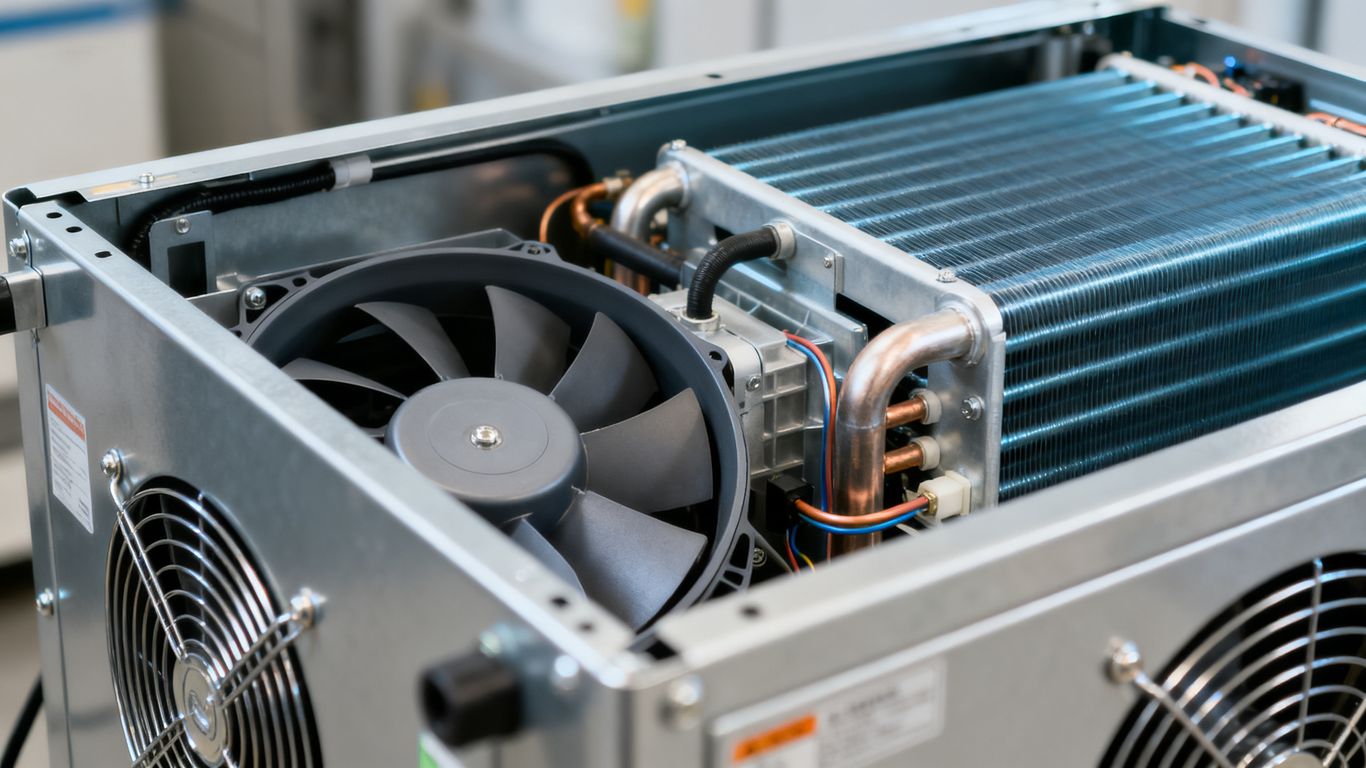
At its core, understanding what is dehumidifier function requires looking at the interplay of thermal energy and air circulation. These devices remove ambient water vapor through a consistent cycle that cools air below its dew point, forcing moisture to condense into a liquid collected for safe disposal. By actively managing these environmental conditions, you can discover what a dehumidifier does and how it stabilizes your home’s air composition.
The process of condensation removal
When moist air enters the system, it passes over refrigerated coils, which are kept at significantly lower temperatures than the incoming air. This rapid cooling action causes humidity to transition from a gaseous state on the coil surface into discrete liquid droplets. These droplets follow gravity down into a waiting collection tank or continuous drainage conduit. This fundamental refrigeration cycle is the backbone of most household units designed for efficiency.
Humidity sensing and automatic operation
Modern sensors take the guesswork out of moisture management by constantly monitoring the relative humidity of your living space. Once the internal humidistat hits your target setpoint, the machine regulates its operation by power-cycling the compressor to conserve energy. This intelligent automation ensures your environment remains within the optimal range without requiring constant manual adjustment from the user.
Airflow and circulation mechanisms
Efficient moisture removal depends entirely on the unit’s ability to pull large volumes of air through its interior components via an integrated fan. The system draws in warm, heavy air, moves it through the cooling phase, and then exhausts the dried, slightly warmed air back into the room to improve overall circulation. Using an aerofy dualcore 20 in this process allows for both the extraction of dampness and the purification of air, ensuring that the air being recirculated is clean and breathable for residents in tropical climates.
Different types of dehumidifiers
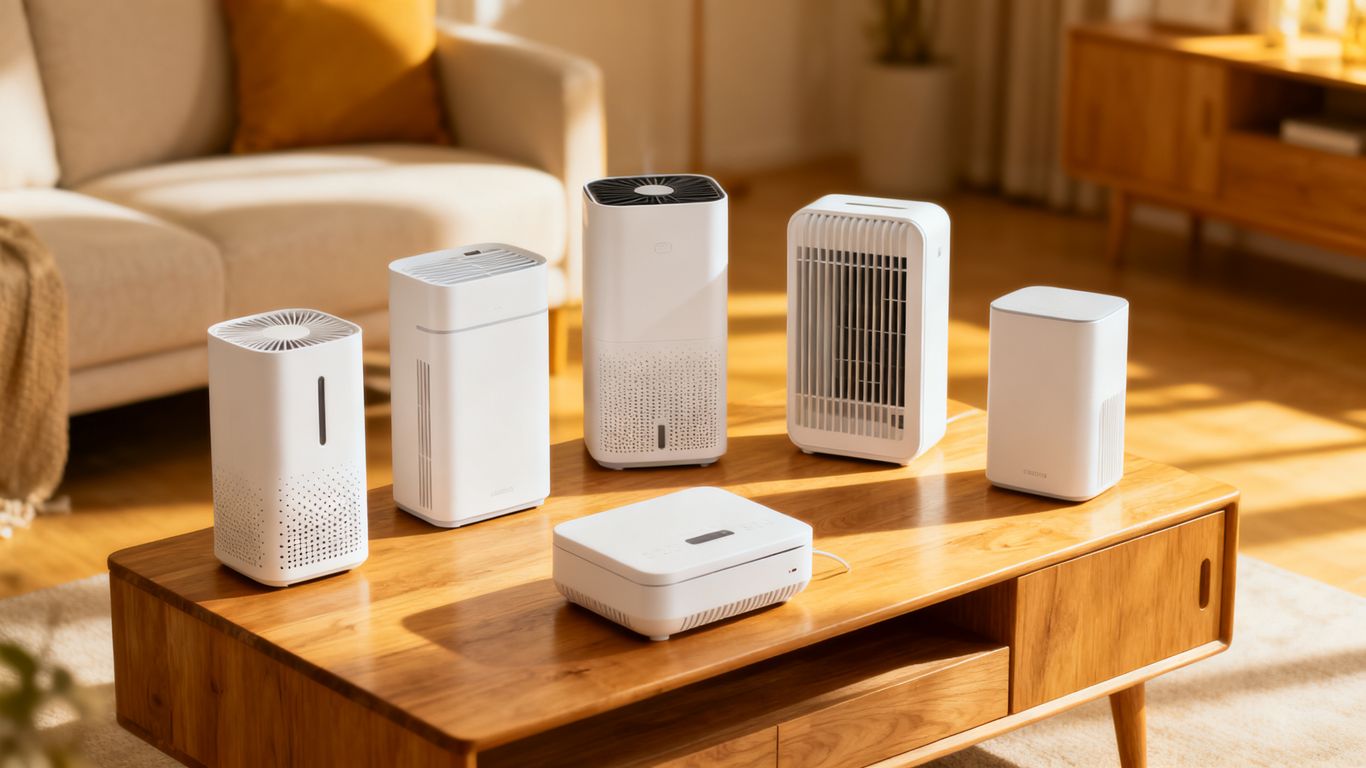
Selecting the right technology depends on your specific environmental challenges, as different units leverage unique physics to achieve the same end goal of moisture reduction. While some rely on classic refrigeration to pull water from the air, others utilize specialized materials to adsorb moisture vapor directly. Choosing the correct appliance ensures you are investing in environmental stability long-term.
Refrigerant dehumidifiers
These machines work similarly to standard air conditioners, employing a compressor and chilled coils to create a condensation surface. They are highly effective in warmer temperatures, making them a preferred choice for individuals living in humid, tropical regions. With internal components like a reliable rotary compressor and R290 refrigerant, these units provide the cooling power necessary to handle high daily moisture loads.
Desiccant dehumidifiers
Desiccant units approach humidity by using specialized hydrophilic materials to bond with water vapor molecules. Because they do not rely on a compressor-driven thermal cycle, these machines operate effectively in cooler environments where traditional refrigerant units might struggle. This makes them versatile enough for spaces like unheated pantries or seasonal storage closets.
Whole-house versus portable units
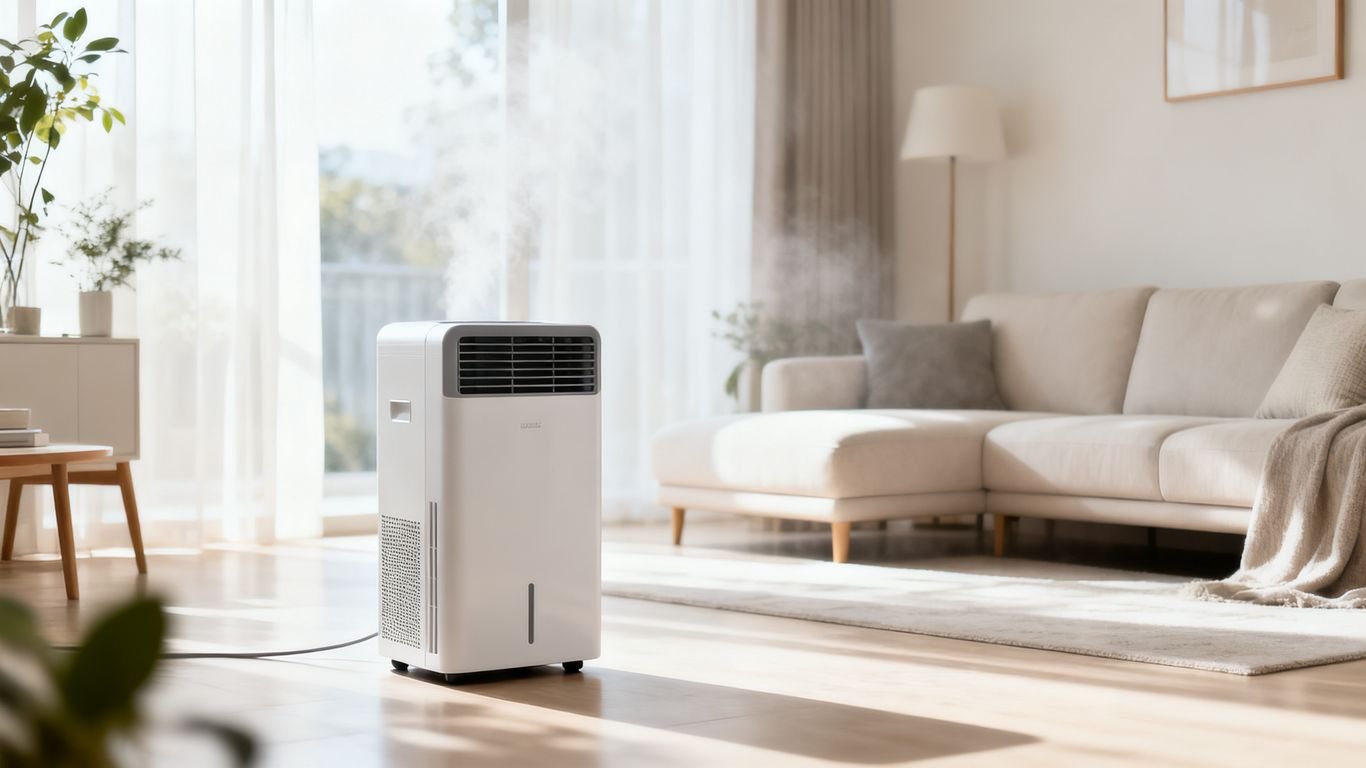
Deciding between a fixed whole-house system and a portable unit usually comes down to the scale of your moisture issues and the layout of your property. Whole-house systems integrate directly into your existing HVAC setup, while portable models offer the convenience of moving moisture control wherever it is needed most. Utilizing a portable dehumidifier allows for targeted drainage in basements or master bedrooms where humidity levels frequently spike.
Benefits of using a dehumidifier in your home

Controlling the air we breathe has a direct impact on our daily health, given that high moisture levels often act as a catalyst for hidden household hazards. By maintaining a stable relative humidity, homeowners can significantly improve their living quality while protecting property value. The following table summarizes the primary impacts of balanced air conditions on your home environment.
| Issue Type | Risk of High Humidity | Impact of Dehumidification |
|---|---|---|
| Structural | Rot and warped foundations | Preserves wood and metal framing |
| Health | Respiratory allergies and asthma | Limits mold and dust mite spores |
| Cosmetic | Peeling paint and wallpaper | Maintains finish and integrity |
Preventing mold and mildew growth
Mold thrives in dark, damp pockets that lack proper air movement, making constant moisture control a priority in every home. By pulling excess water vapor out of the air, you deprive these organisms of the hydration they need to spread. This acts as a primary defense for improving indoor air quality and stopping the musty smells that often linger in bathrooms or laundry rooms.
Improving indoor air quality
When the air is less humid, airborne particles like dust and allergens settle more quickly, and their ability to trigger respiratory sensitivities is reduced. Modern appliances that feature built-in air filtration alongside moisture extraction provide a necessary layer of protection. This holistic approach ensures that stagnant air is not just dried, but also cleaned of microscopic debris that degrades daily comfort.
Protecting structural integrity and furniture
Excessive ambient moisture acts like a slow-acting solvent on wooden furniture, electronics, and drywall materials over many years. Keeping humidity levels within the recommended range prevents internal finishes from swelling and protects metal surfaces from oxidation and corrosion. This preservation is a vital part of protecting your home investment, especially during heavy monsoon seasons.
Signs that indicate you need a dehumidifier
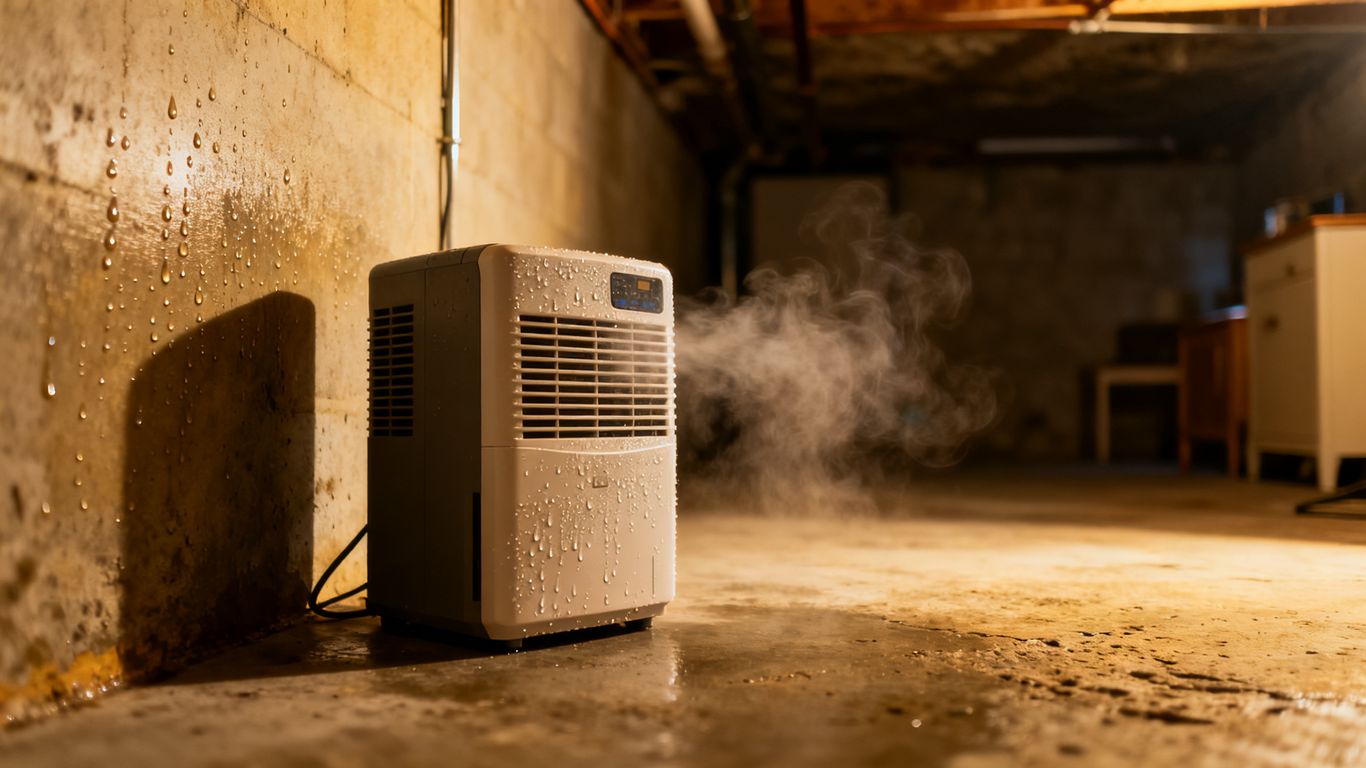
Identifying a moisture problem early is essential for preventing significant property damage before it starts. If your home regularly exhibits signs of condensation, it may be time to implement a more robust air management strategy to save your home from persistent moisture challenges and the resulting repair costs.
Common indicators of high humidity
Typical indicators often manifest as physical symptoms of water accumulation that you can feel or see in your home:
- Frequent condensation appearing on the interior surfaces of window panes.
- Persistent musty or mildew-like odors that remain even after deep cleaning.
- Water stains forming on walls or ceilings without evidence of active leaks.
- Skin feeling sticky or clammy even when internal temperatures seem moderate.
These visible cues effectively warn you that your environment requires active moisture extraction to reach a comfortable state.
Seasonal moisture challenges
Tropical climates often exacerbate humidity during specific times of the year, leading to dramatic fluctuations in internal air quality. During these periods, external air saturation can reach levels that overwhelm natural ventilation options like open windows or ceiling fans. Proactive management during these peak seasons keeps your home environment stable and shields your family from the health risks associated with dampness.
Assessing basement and crawlspace conditions
Basements and crawlspaces represent unique challenges because they are naturally cooler and often sit partially underground, attracting moisture via thermal transfer. If you observe dark patches on concrete walls or detect a metallic scent in the air, your structural foundation may be holding onto water. Utilizing specialized dehumidification and air purification solutions in these low-lying areas ensures that damp air doesn’t migrate upward into your primary living spaces.
Proper maintenance for long-term performance
Consistent upkeep of your mechanical appliances prevents equipment failure and ensures that your energy consumption remains within reasonable bounds. Treat your machine with care to maximize its lifespan and efficiency during the years you use it for moisture control.
Cleaning the air filters
Airflow is the lifeblood of any dehumidifier, and obstructed filters force the compressor to work far harder than necessary. Regularly removing the intake grille to wash or vacuum the mesh filter prevents a buildup of surface dust that can restrict performance. If you ignore the filter, the unit will struggle to pull through enough air, leading to reduced efficiency and potential strain on the internal motor.
Emptying and sanitizing the collection tank
If your unit uses a manual collection tank, empty it consistently to prevent debris and minerals from accumulating inside. Washing the tank with a mild soap solution once a month keeps the surface clean and prevents algae or mold growth within the water catchment. For owners who use continuous drainage, periodically flush the pipe with a diluted bleach or vinegar mix to maintain a clear, free-flowing path for processed condensate.
Troubleshooting common operating issues
If the machine stops drawing water, first verify that the current room humidity is actually higher than the sensor’s target setting. Occasionally, issues like frost buildup on the coils can occur if the room temperature drops too low for the device’s design specs. Always consult the technical manual before attempting complex repairs; simple tasks like checking the drainage connections or power cords are usually the most effective first steps.
Conclusion
Maintaining the right balance of humidity is a key pillar of a healthy home, especially for those living in humid regions. By understanding how a dehumidifier works and committing to regular care, you can effectively prevent structural damage and mold while creating a more comfortable breathing environment. Embracing these practical steps for moisture control allows you to take charge of your indoor comfort, ensuring your home remains a dry, clean, and welcoming space throughout the year. For more insights on digital marketing success to support your future home improvement projects, visit our comprehensive guide.
Frequently Asked Questions
Is it normal for a dehumidifier to release warm air?
Yes, because the unit must reheat the air after passing it through refrigerated coils to prevent the room from feeling uncomfortably cold.
Does running a dehumidifier significantly increase my electricity bill?
While they do consume power, the exact impact depends on the model’s efficiency and how many hours it runs; using a unit with advanced energy management helps keep those costs down.
How often should I clean the dehumidifier filter?
It is generally recommended to clean the filter every two to four weeks, depending on how dusty your environment is and how frequently you use the machine.
Can I use a dehumidifier and an air purifier at the same time?
Yes, and in fact, some units are designed to combine these functions to ensure your air is both dry and free from harmful airborne pollutants.
What is the ideal humidity level for my home?
Most experts suggest that keeping your home within the 30% to 50% relative humidity range is the best way to balance comfort and health.
Should I empty the water tank even if it is not full?
To prevent water from becoming stagnant, it is good practice to empty the tank regularly, especially if you plan to leave the home for an extended period.
Where is the best place to position my dehumidifier?
Place your unit in a central location with plenty of room around the intake and exhaust vents to allow for maximum airflow through the device.