Key Takeaways
- Baseline humidity levels should be measured using a reliable hygrometer to understand your specific room needs.
- Optimal moisture control in bedrooms requires selecting units that match your space size and local climate conditions.
- Features such as sleep modes and low-noise hardware are essential for maintaining a peaceful nighttime environment.
- Proper placement ensures effective air circulation, allowing the device to draw moisture efficiently from all corners.
- Consistent maintenance, including filter cleaning and reservoir care, is vital to prevent odors and microbial growth over time.
Determining your bedroom moisture needs
Understanding exactly how much moisture is in your bedroom is the first step toward effective climate control. Many residents in tropical areas assume they understand their humidity, but specific localized measurements can reveal surprising fluctuations that impact daily comfort.
Measuring baseline humidity levels with a hygrometer
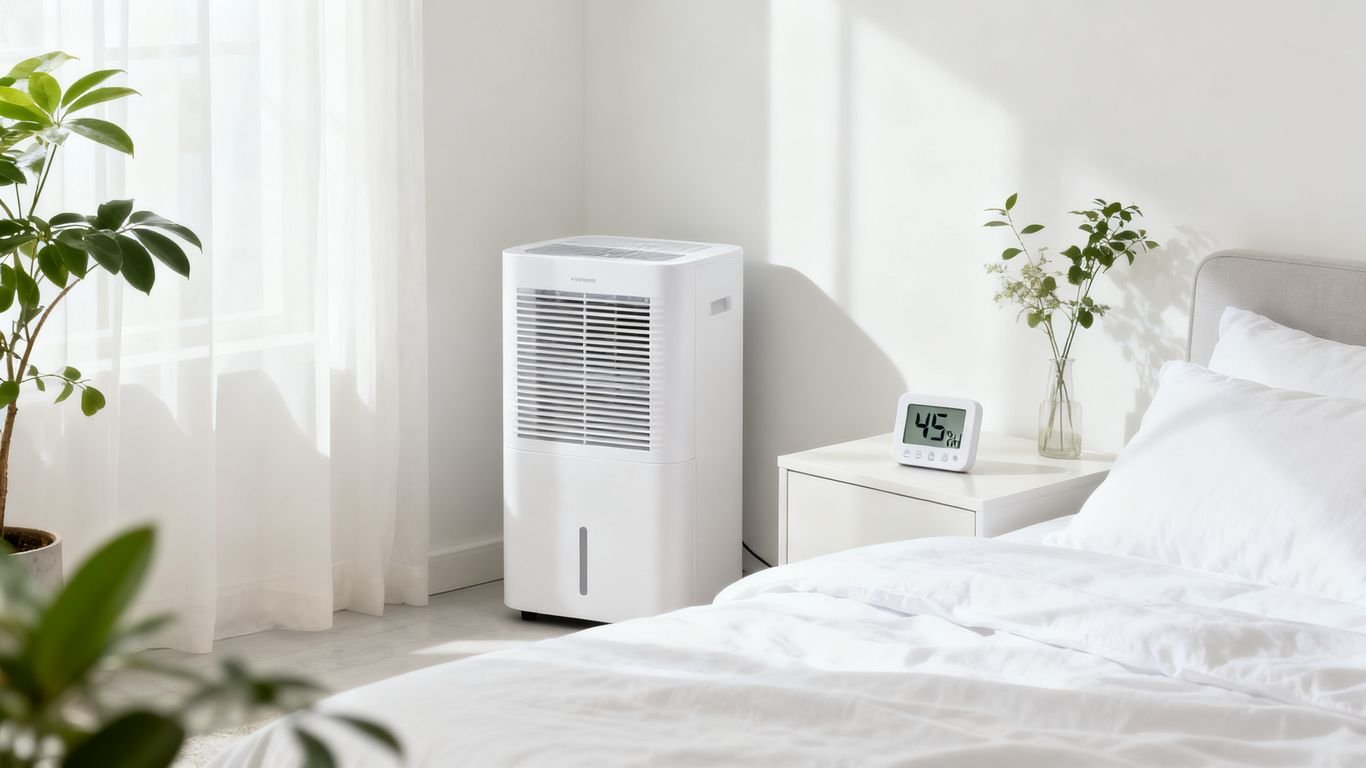
Using a digital hygrometer allows you to see the real-time moisture content within your bedroom air. By tracking these numbers over a 24-hour cycle, you can identify if your humidity stays consistently high or spikes during the night. A hygrometer serves as the primary tool to move beyond guesswork and start making data-driven decisions for your living space.
Identifying physical signs of excess moisture in your sleep space
Visually inspecting your room often provides clues before your device even touches the air. You might notice condensation on cool glass surfaces, damp curtains, or a persistent musty odor that lingers in closets despite regular cleaning. Identifying these signs early can often help prevent mold and dust mite growth, ensuring your bedroom remains a sanctuary rather than a breeding ground for allergens.
Understanding how room size impacts water removal capacity
Room square footage is the engine behind your machine selection process. If a unit is too small, it will run constantly without lowering the ambient moisture, whereas an oversized model may cycle prematurely. Use this table to estimate the capacity required based on standard room sizes encountered in compact residential layouts:
| Bedroom Size | Recommended Daily Extraction | Primary Consideration |
|---|---|---|
| Small (up to 100 sq ft) | 10-15 Pints | Portability and noise |
| Medium (100-200 sq ft) | 20-30 Pints | Energy efficiency |
| Large (200+ sq ft) | 35+ Pints | Continuous drainage |
Selecting the right capacity ensures your unit manages the water removal challenge effectively while maintaining a quiet and balanced environment throughout the night.
Critical features for a bedroom-friendly unit
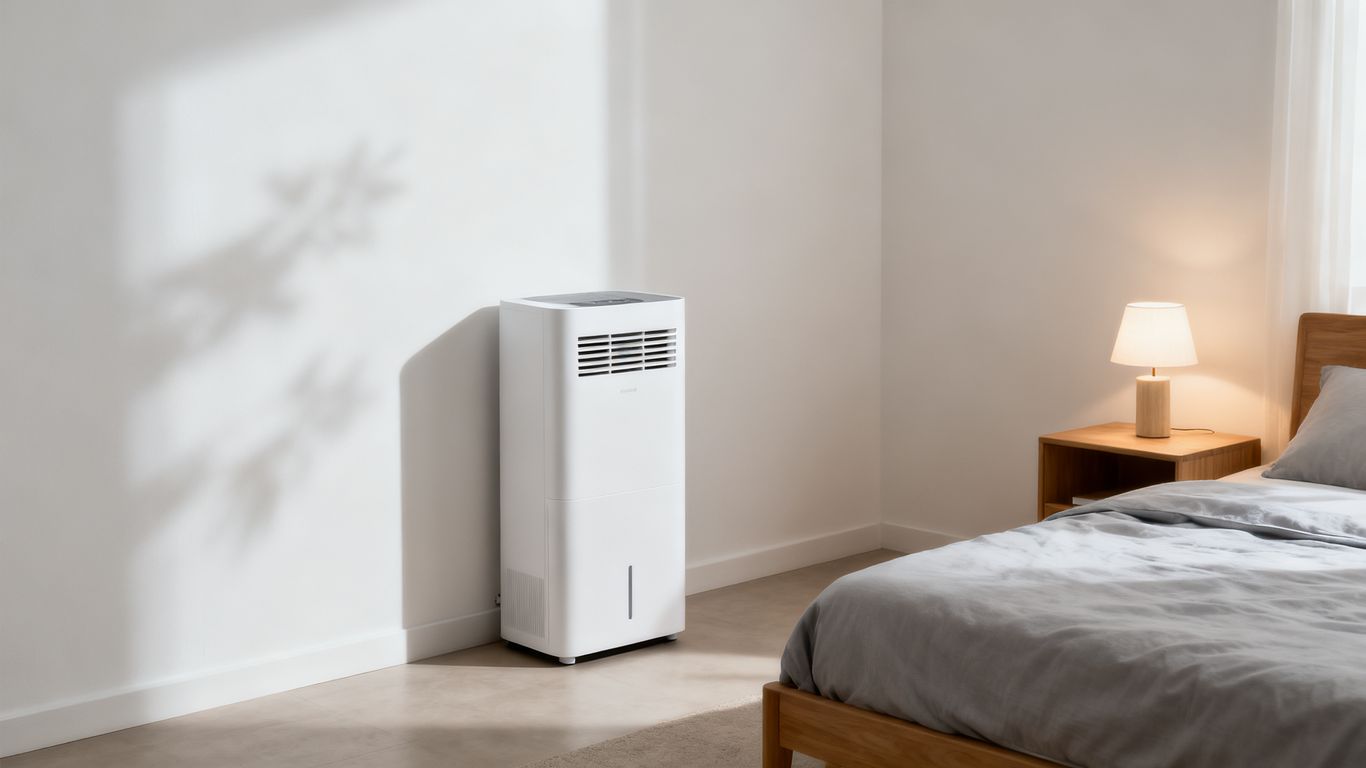
Finding the right appliance involves focusing on features that solve for both air quality and silence. A bedroom unit must perform its task without disrupting those delicate hours of rest, which requires engineering designed specifically for sensitive environments.
Prioritizing low-noise operation for uninterrupted sleep
Look for models that emphasize a low decibel output to ensure your device doesn’t become a distraction. Modern units now feature advanced acoustic dampening for their compressors, keeping the ambient noise floor low. Many users turn to the Aerofy DualCore 20 to handle this balance, as it is engineered with a focus on both dehumidification and air purification without the intrusive hum of older technology.
Considering sleep modes and hardware light-dimming capabilities
Sleep modes are vital when your bedroom serves as a multi-purpose space throughout the day. These settings typically reduce fan speeds and automatically dim or turn off display lights, allowing the machine to operate unobtrusively in the dark. For those seeking expert advice on how to research and select such lifestyle-improving, strategic social media marketed appliances, keeping an eye on user-friendly interface designs is a great way to start.
Assessing energy efficiency ratings to manage electricity costs
Managing energy use is critical because dehumidifiers often run for extended periods in tropical climates. Look for units that carry recognized energy efficiency certifications, as these models are built to minimize power draw while maintaining full operational capacity. Being mindful of these ratings helps you keep electricity costs manageable while ensuring your home remains a dry, healthy space.
Evaluating different types of dehumidifier technology
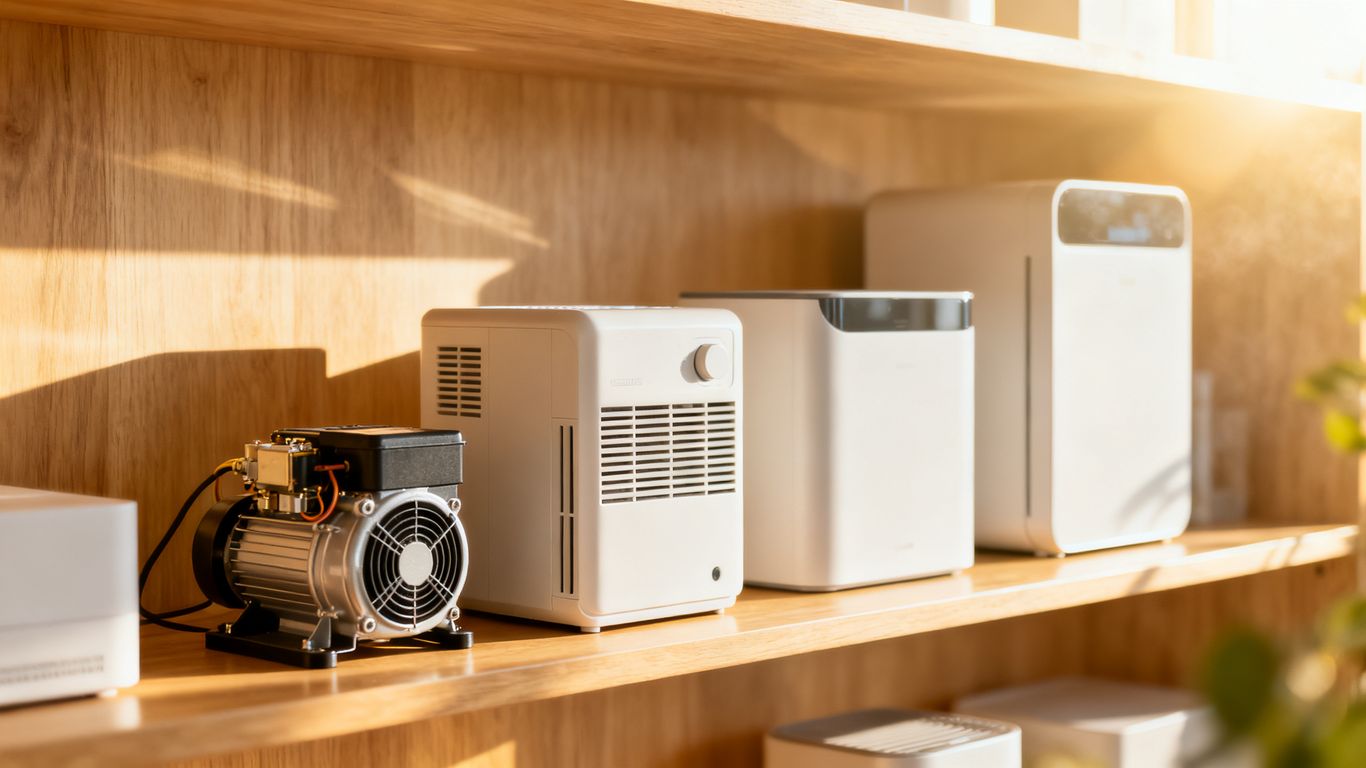
Understanding the underlying technology helps you choose the right tool for your specific environmental challenges, whether you are dealing with a sealed bedroom or a basement layout.
Comparing compressor-based units and thermoelectric models
Compressor-based models function similarly to refrigerators, using a coolant cycle to pull water from the air, which makes them highly effective for the high-humidity, warm environments often found in tropical homes. In contrast, thermoelectric units are limited to very small spaces and often struggle to manage significant dampness.
Exploring desiccant dehumidifiers for cooler bedroom environments
Desiccant technology works by chemically absorbing moisture, which makes these units particularly effective in cooler spaces where traditional compressors might struggle. These devices are often quieter and do not rely on refrigerant gases, making them a niche but valid choice for specific bedroom climates. Consider these factors when building your strategy for using dehumidifiers effectively:
- Desiccant units operate silently without compressor vibration.
- Compressor models offer higher moisture extraction rates in warmth.
- Thermoelectric designs are often best for small closets or storage.
- Capacity needs should dictate your final hardware choice.
By evaluating these core technologies, you can ensure the performance matches your local climate patterns.
Proper placement and maintenance of your device
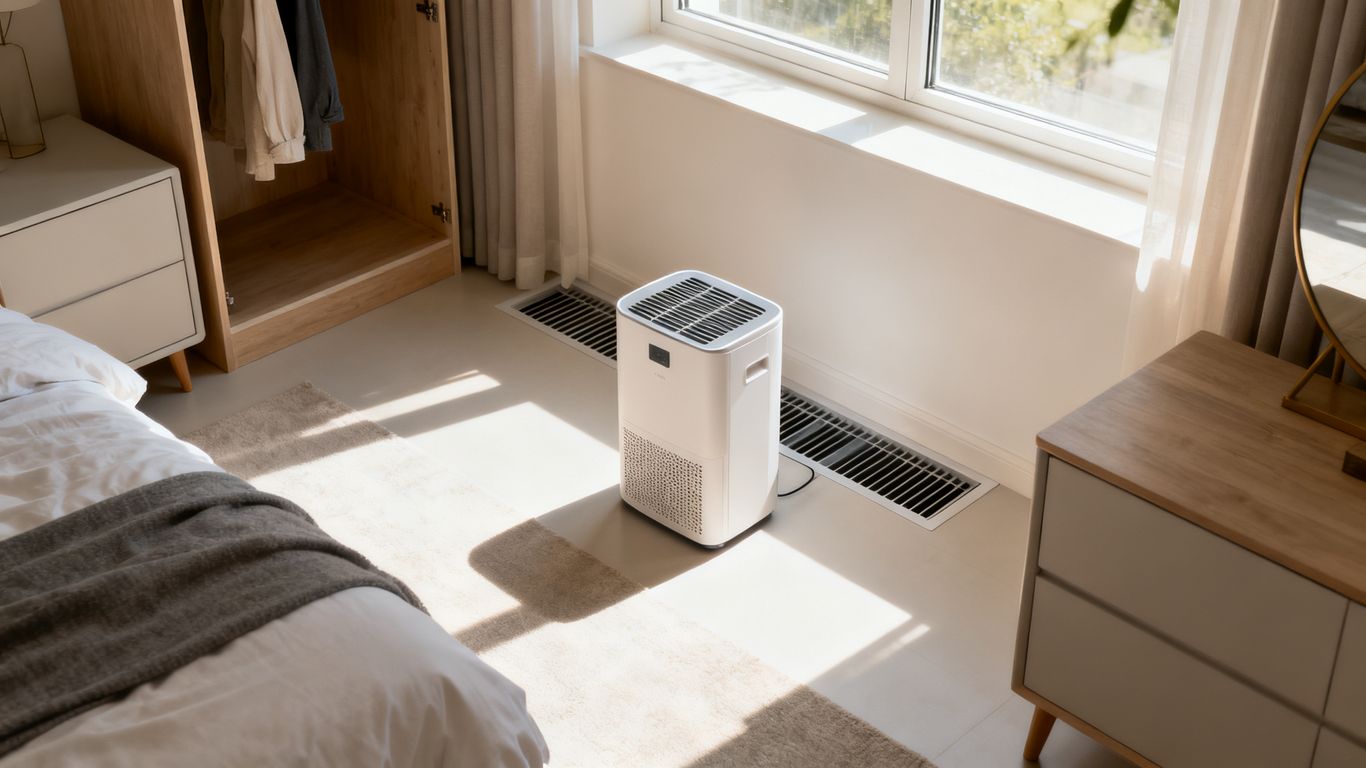
Strategic placement is the secret to getting the most out of your water-collecting device. If you place a unit in a corner, it effectively handicaps its own ability to process the moisture-laden air, so centralizing the placement helps significantly.
Finding the optimal position for maximum air circulation
Ensure your device is at least several inches away from walls and furniture to prevent airflow obstructions. This distance allows the fan to draw air in freely, process it, and exhaust it back into the room without restriction, maintaining a steady, healthy flow throughout your sleeping area.
Managing continuous drainage versus manual bucket emptying
Most homeowners prefer the convenience of continuous drainage, utilizing a hose that leads directly to a floor drain or sink to eliminate the need for daily manual maintenance. If this isn’t possible, choose a model with a large-capacity tank and an easy-access carry handle so that emptying the reservoir remains a simple, non-messy task.
Implementing a consistent filter cleaning and maintenance schedule
Regular care is what keeps your device running at peak performance for years. Every few weeks, inspect the dust filter and either vacuum or wash it according to the manufacturer’s instructions. This prevents debris from clogging the internal intake, ensuring the hardware continues to function with minimal energy waste.
Troubleshooting common performance issues
Sometimes, even the most reliable equipment requires a bit of attention to keep working properly. If you find your unit isn’t behaving as expected, standard diagnostics can usually resolve the issue without needing professional repair.
Addressing units that stop collecting water despite high humidity
If the machine is running but the tank remains empty, check the ambient temperature. Many compressors struggle to function effectively if the air temperature falls too low, or if the internal coils have accumulated frost. In such instances, simply activating the auto-defrost mode allows the system to clear itself and resume normal output.
Minimizing the impact of localized heat output on bedroom temperature
Compressor-based units naturally generate a small amount of heat during the moisture removal cycle. To prevent your bedroom from feeling stuffy, ensure there is adequate ventilation in the room. This promotes air mixing and prevents heat from building up in the immediate vicinity of the device.
Resolving persistent odors or microbial growth in the water reservoir
Scenario Time: Imagine you walk into your bedroom after a long weekend away and notice a faint, musty smell coming from the unit. This is often just a sign that water has been sitting in the tank too long. To fix this, empty the reservoir, wipe it down with a diluted vinegar solution, and ensure the tank is fully dry before reinserting it back into the machine.
Conclusion
Selecting the ideal moisture control solution requires a blend of intentional placement, basic knowledge of technology, and a commitment to simple maintenance routines to ensure your bedroom remains a cool and healthy environment year-round.
Frequently Asked Questions
Does high humidity actually affect sleep quality?
Excessive humidity can prevent your body from cooling itself naturally through evaporation, leading to restlessness and discomfort during the night. Maintaining a balanced level often helps create an environment more conducive to deep, uninterrupted sleep.
How often should I empty the water reservoir?
In high-humidity conditions, you may need to empty the bucket daily to prevent the auto-shutoff feature from stopping the machine. Using a continuous drain hose can eliminate this step entirely for a more hands-off experience.
Can a dehumidifier replace my room fan or air conditioner?
While a dehumidifier significantly improves air feel by removing moisture, it is not a direct substitute for an air conditioner or fan. It works best when paired with these appliances to create a comprehensive comfort strategy for your home.
Do I need to buy a specific size for my bedroom?
Choosing the right size is essential, as a machine that is too small for your room will fail to lower the humidity effectively. Always check the manufacturer’s suggested square footage before committing to a specific model.
Should I run the unit at night while I sleep?
If the noise level of the unit is low enough, running it at night is an excellent way to maintain a consistent environment. Many modern units include specialized silent operation modes specifically for this purpose.
How do I know if my filter needs cleaning?
Most units will have an indicator light when the filter is obstructed, but it is best to inspect it manually every two to four weeks. A clean filter allows for better airflow and ensures the device operates at maximum efficiency.
Can my unit get rid of the musty smell in my bedroom?
By lowering the moisture levels that mold and mildew require to thrive, a dehumidifier is highly effective at eliminating the source of musty smells. Once the ambient humidity is reduced to a healthy range, the odors usually dissipate naturally.
Get Your Bedroom Dry
Ready to transform your sleep environment? Explore our collection of premium solutions designed specifically for tropical humidity. Shop now to discover the units that will best serve your needs.