Key Takeaways
The dehumidifier market is experiencing rapid expansion due to its critical role in maintaining indoor air quality and structural integrity. This industry is evolving to prioritize energy-efficient technology and multifunctional designs that benefit diverse climate conditions.
- Rising awareness regarding health issues like allergies and mold is driving household adoption.
- Climatic shifts are causing increased atmospheric humidity in many urban regions.
- Modern dehumidification technology now includes IoT connectivity and smart sensor capabilities.
- Stringent building and HVAC regulations are pushing manufacturers toward highly efficient designs.
- Rapid growth in the commercial and industrial sectors significantly boosts total market volume.
Overview and current market size
Historical growth performance
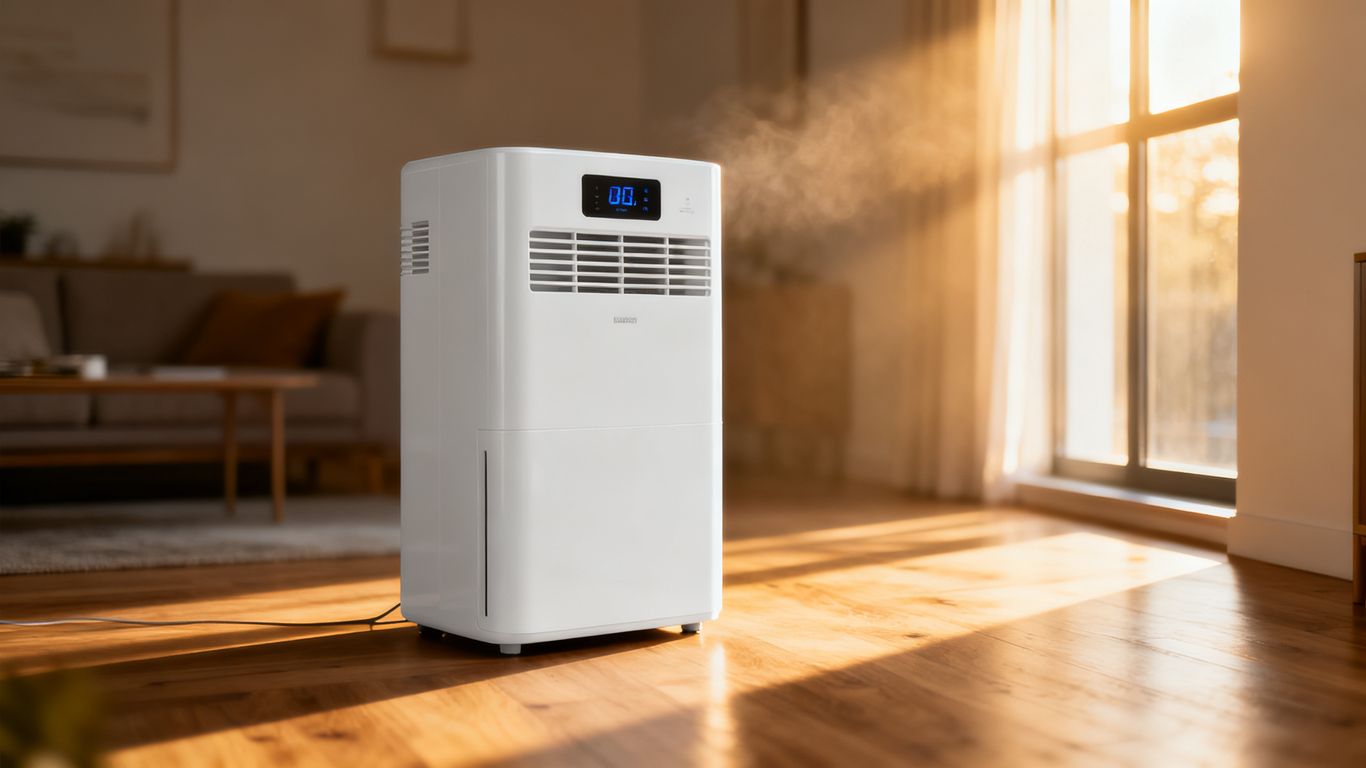
The market for climate-controlled indoor solutions has shown consistent trajectory over recent years, moving from niche application to vital home utility. Buyers have increasingly moved away from managing dampness solely through natural ventilation, opting instead for specialized hardware to maintain optimal moisture levels at all times. This shift reflects a broader understanding of how humidity management directly influences long-term property values and human comfort.
Regional market distribution
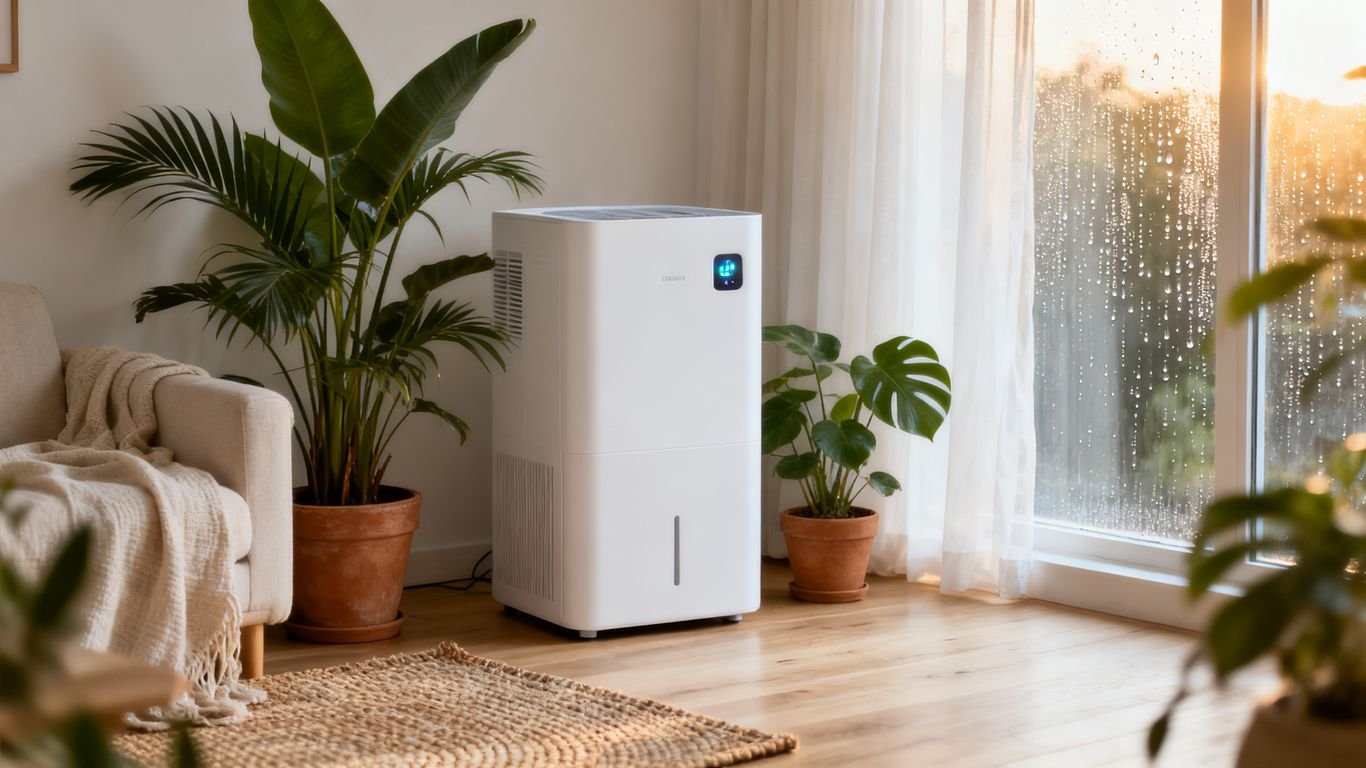
Geographic patterns in this industry are heavily shaped by local climate characteristics rather than purely economic factors. Asia-Pacific regions, characterized by intense humidity, lead the global adoption rate, followed closely by North America and Europe where building health is the primary concern for modern residential buyers. In these zones, the localized utility of products such as the Aerofy DualCore 20 demonstrates how region-specific engineering influences consumer preferences.
Current valuation and CAGR forecast
Market analysis indicates a steady climb for the industry as more residents seek to prevent structural damage and respiratory irritation. The following table showcases the projected growth path based on current performance markers and upcoming climate adaptation trends.
| Year | Market Size (USD Billion) | Growth Driver |
|---|---|---|
| 2025 | 5.6 | Indoor air quality awareness |
| 2030 | 7.4 | Rising moisture levels |
| 2035 | 9.2 | Urban infrastructure expansion |
These projections assume that consumer demand for consistent indoor environment maintenance will remain robust. As users prioritize longevity for their homes and electronics, the financial investment into these utilities will likely accelerate.
Major market segments by product type
Products within this space primarily divide into compressor-based units and desiccant systems, each addressing unique environmental needs. Refrigerant models are currently favored for general household application in warm areas due to their capacity and energy-saving dehumidifier capabilities. Conversely, specialized desiccant units perform better in colder, high-stakes industrial environments where low-temperature operation is essential for operational continuity.
Key market drivers and demand factors

Rising health and wellness awareness
Today, consumers are increasingly proactive about the components of their home environment, recognizing that maintaining a proper dew point is crucial for respiratory health. This trend parallels the rise of sugar-free electrolyte drinks in the wellness space, as people treat their homes and bodies as integrated systems requiring balanced inputs. Residents are now prioritizing air care to mitigate the presence of common environmental triggers.
Impact of climate change on indoor moisture levels
Global weather patterns are shifting, with many regions experiencing prolonged periods of dampness that weren’t observed in decades past. Rising temperatures often correlate with higher atmospheric water content, leading to constant saturation in building materials and living surfaces. This environmental reality forces a move toward robust climate control solutions that can handle extreme peaks in humidity without failing.
Government building and HVAC regulations
Governments worldwide are tightening energy standards, pushing for better building performance and reduced carbon footprints. Manufacturers are responding by ensuring their hardware aligns with these new mandates.
- New building codes now mandate specific humidity control for new property developments.
- Existing commercial infrastructure projects are undergoing upgrades to meet modern health standards.
- HVAC compliance requires documented efficiency ratings to qualify for building certifications.
- Regulatory bodies are increasingly focusing on the mitigation of mold through active control measures.
These initiatives act as a catalyst for investment in more scientific moisture removal methods.
Expansion in residential and commercial infrastructure
Urbanization continues to drive demand for appliances that can be integrated into high-density living configurations. Proper ventilation is often not enough in these confined spaces, making reliable dehumidification a prerequisite for building maintenance in many metropolitan areas. Whether for a small apartment or a large office layout, investors are viewing climate hardware as an essential component of the finished build.
Technological innovations in dehumidification
Integration of smart IoT connectivity
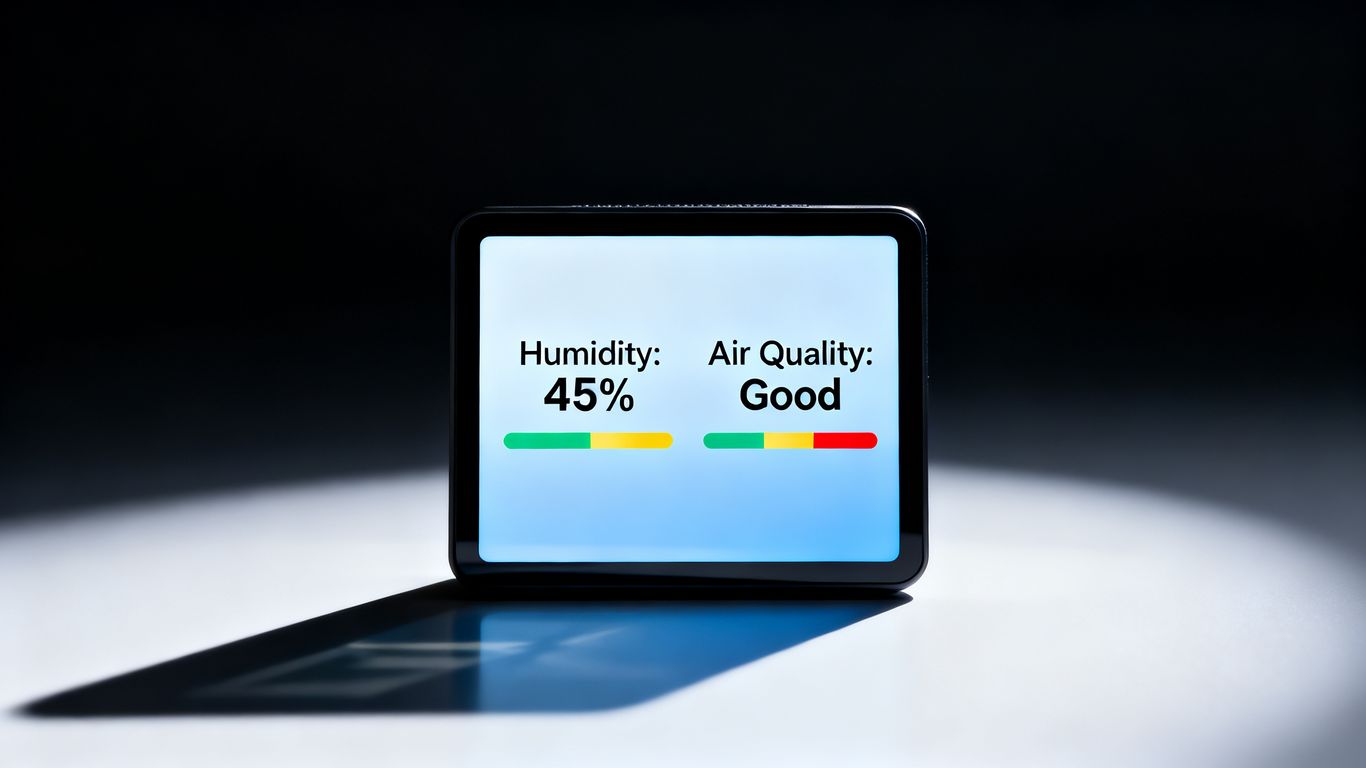
Modern devices now communicate effectively with other smart home systems to deliver real-time data adjustments. This allows users to monitor their environment from anywhere, ensuring that humidity levels never exceed comfortable ranges. The shift to connected units is a major leap forward from static, manually operated machines that lacked intelligent monitoring.
Developments in desiccant versus compressor technology
Engineering teams are refining the core mechanisms behind moisture extraction to provide better outcomes under high-load conditions. By utilizing advanced components like an optimized rotary compressor, manufacturers produce units that are smaller yet more efficient at removing water vapor. These improvements ensure that the advanced moisture control systems keep up with the demands of a tropical climate without overloading the electrical grid.
Energy-efficient and sustainable designs
Sustainability is moving to the forefront of design, with engineers replacing older, high-GWP refrigerants with more environmentally conscious alternatives like R290. This evolution not only reduces the product’s environmental footprint but also lowers operating costs for the consumer. Such efficiency is vital for units running continuously in humid tropical regions, where power usage is a significant consideration for the resident.
Noise reduction and automation features
Users expect their climate hardware to be unobtrusive, leading to a surge in quiet operation features and automated cycles. Sensors now adjust the duty cycle based on immediate air composition, meaning the device only works as hard as it needs to. This intelligence drastically improves the user experience while preventing excessive energy waste.
Scenario Time: Imagine a young professional living in a high-rise in a tropical city like Singapore. Without proper humidity management, their office space and furniture would quickly succumb to mold and that lingering musty odor. By using a device "Designed in Singapore," they can trust that the internal components are rated for high-moisture performance, turning their home into a controlled refuge from the muggy heat outside.
Competitive landscape and key players
Strategic partnerships and mergers
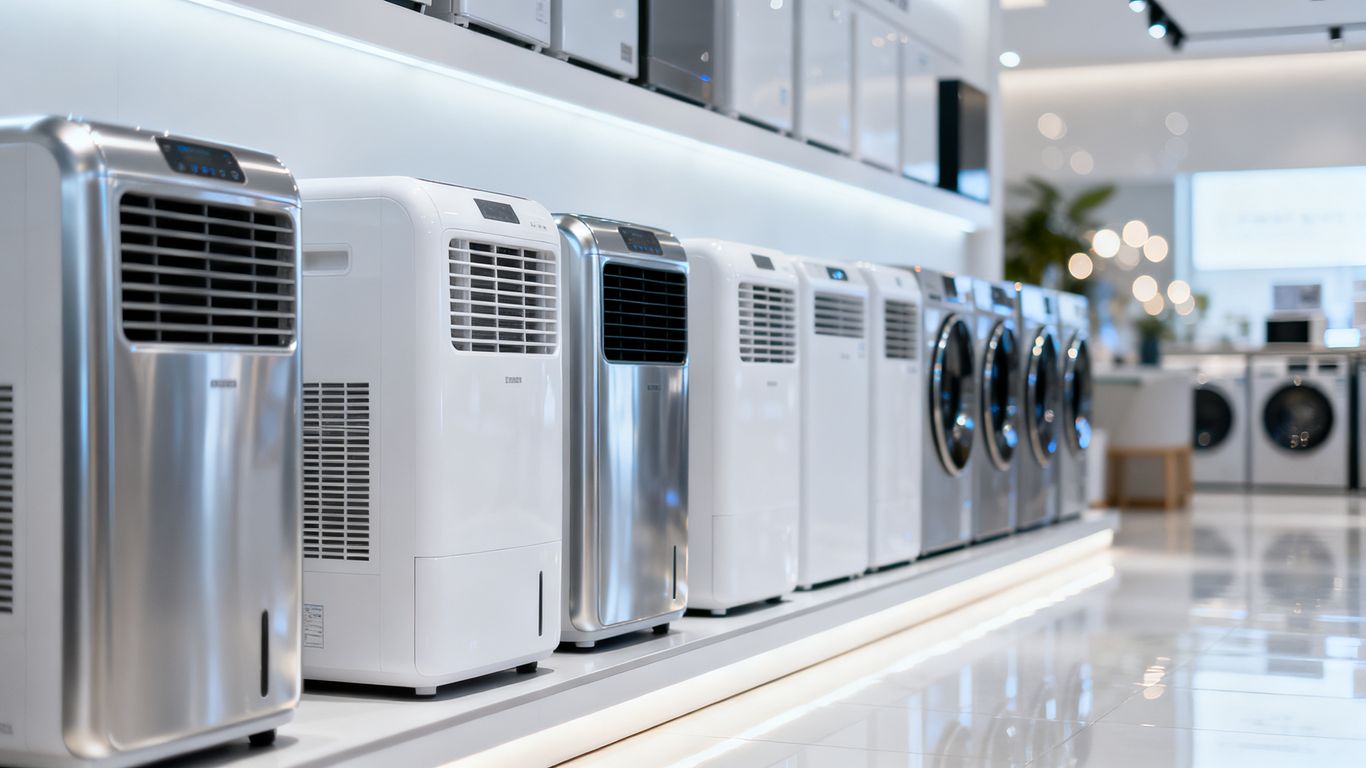
Major firms are opting for collaboration to combine software engineering with appliance manufacturing. By pairing global distribution networks with specialized regional expertise, companies can bring better products to market faster than ever before. This trend has established a more sophisticated hierarchy within the industry, favoring those that can bridge the gap between heavy hardware and consumer software.
Profiles of leading manufacturers
Legacy brands and newer innovators both compete by focusing on user-specific needs. Many established companies, such as Honeywell and international groups like Midea, continue to refine their core offerings while smaller firms compete on specialized design. This diversity of choice is healthy for the market, providing options ranging from budget units to premium dehumidifiers designed for life-long reliability.
Market share by dominant organizations
Market leadership is currently defined by who can manage both the manufacturing scale and the complexity of customer requirements. Large organizations secure their positions through volume and retail availability, but innovative players are steadily eating into this share by demonstrating superior engineering. The balance of power is constantly shifting as new regional brands prove the value of purpose-built, localized solutions.
Product diversification strategies
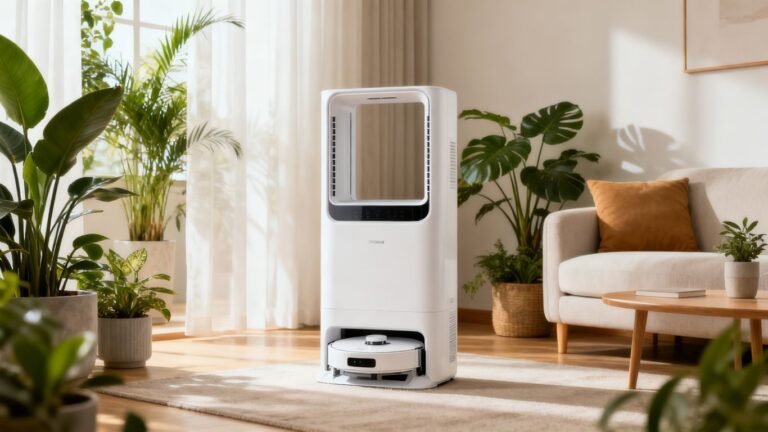
Manufacturers no longer rely on single-purpose devices. Many have pivoted toward offering units that include air purification and, in some cases, integrated heating elements. This diversification allows companies to market a comprehensive service rather than a standalone tool, catering to the growing consumer desire for a clean, dry, and healthy living environment.
Challenges and market barriers
Fluctuations in raw material costs
Supply chains for electrical components and specialized metals remain sensitive to global instability, causing price volatility. This makes it difficult for companies to keep retail prices consistent while trying to maintain the quality thresholds that modern consumers demand. Managing these costs requires careful planning and a deep understanding of parts procurement.
High maintenance and operational expenses
Operating a high-capacity machine continuously leads to filter degradation and energy usage that must be managed by the user. If the device is not designed with durability in mind, these costs can accumulate quickly, potentially leading to buyer frustration. Building long-lasting hardware is the primary way manufacturers are currently tackling this barrier.
Regulatory hurdles in global manufacturing standards
Navigating international manufacturing compliance is an arduous process that can inhibit growth if not handled correctly. Different regions possess unique certification requirements for electrical safety and energy consumption. Maintaining these global standards is expensive and requires consistent engineering updates to keep every unit compliant across multiple markets.
Competition from integrated HVAC systems
Integrated central air conditioners that include dehumidification logic represent a massive threat to portable appliances. As home builders begin to include advanced control systems directly within the blueprints, the need for separate, auxiliary appliances may diminish in new residential constructions. This forces portable, plug-and-play brands to innovate and highlight the unique benefits of localized, room-specific control.
Future trends and growth projections
Growing demand in emerging economies
As standards of living rise in tropical and humid developing nations, the demand for basic climate comfort appliances is skyrocketing. This wave of adoption is far from peaking, as consumers in these regions start to value the environmental control that was previously reserved for commercial facilities. The next decade will likely see these areas taking up a larger piece of the global market.
Shift toward multifunctional air treatment solutions
Consumers are tired of housing three different appliances in one room to handle humidity, dust, and temperature. The future belongs to integrated units that solve multiple problems at once. By merging dehumidification with HEPA-rated purification, devices become an essential, simplified part of modern home automation.
The impact of remote work on home environment standards
With more people spending their professional hours at home, the quality of their immediate surroundings has a massive impact on their productivity and health. People are now more willing to invest in better home environment standards because they are literally working in that environment ten hours a day. This professional necessity is fueling a move away from cheap equipment toward heavy-duty, reliable hardware.
Long-term sustainability goals and eco-friendly refrigerants
Environmental impact assessments are no longer optional for tech manufacturers. Future models will push even harder toward non-toxic, low-impact refrigerants. Aligning with these long-term sustainability goals is not just a regulatory move; it is a brand statement that resonates with a highly conscious consumer base that wants their home improvements to feel guilt-free.
Conclusion
The market for climate control appliances is clearly heading toward a future of integration and high performance. As residents increasingly demand healthier living spaces, the onus is on manufacturers to deliver units that are not only energy-efficient and quiet but also intelligent enough to handle the environmental realities of our changing world.
Frequently Asked Questions
How does humidity affect a home?
Excessive humidity can encourage the growth of mold and dust mites, which can cause respiratory issues and damage the structure of a property, including warping furniture and corroding electronics.
What are the signs I need a dehumidifier?
Visible condensation on windows, a persistent musty smell, peeling wallpaper, and damp patches on ceiling or wall surfaces are all indications that your home is retaining too much moisture.
Are all dehumidifiers the same?
No, models differ significantly based on the technology used—such as refrigeration cycles or desiccant properties—as well as their portability, capacity, and extra functions like air purification.
Where is the best place to put a dehumidifier?
It should be placed in the room with the highest moisture levels, typically away from walls and large furniture to ensure optimal airflow around the intake and exhaust vents.
How much energy do these devices consume?
Energy consumption varies by model and usage time, but modern units are increasingly featuring smart sensors that adjust operations to reduce power usage once a target humidity level is stabilized.
Can a dehumidifier replace an air conditioner?
While both can influence the feeling of a room, they perform different tasks; a dehumidifier manages moisture, while an air conditioner manages temperature. A balance of both is often required for total comfort.
What does the pint capacity rating mean?
This rating refers to how much moisture a device can extract from the air in a period of 24 hours, helping users choose a model sized correctly for their specific room volume.