Key Takeaways
- The kkpl dehumidifier rod uses passive heat to maintain dry conditions in closed spaces.
- Unlike desiccant packs, these units offer a permanent, maintenance-free solution for excess humidity.
- Proper positioning is critical to ensuring consistent airflow and effective moisture reduction.
- Safety features like built-in temperature sensors prevent the unit from overheating during operation.
- Regularly cleaning the exterior surface helps the device maintain optimal efficiency over time.
Understanding the technology behind KKPL dehumidifier rods
These specialized devices operate on the principle of mild radiant heat, which subtly elevates the temperature within enclosed storage environments. By increasing the ambient heat just enough, they disrupt the dew point, preventing the accumulation of moisture on surfaces. This electronic humidity rod approach provides a reliable way to stabilize the environment inside cabinets and safes without the need for periodic refills or chemical agents.
Heat-based moisture evaporation mechanisms
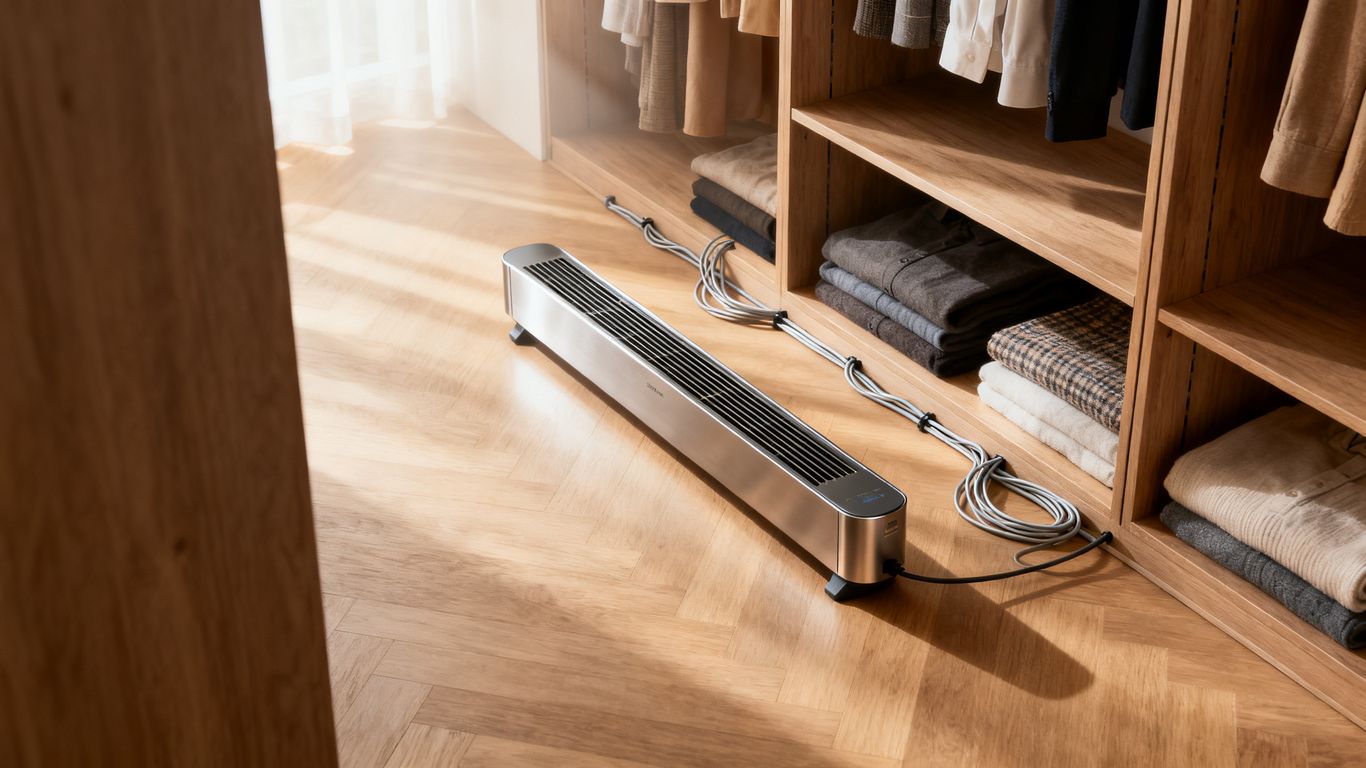
At the core of the HUMI Dehumidifier Rod is a steady-state heating element designed to circulate warm air through the contained area. This warmth encourages stagnant air to circulate, effectively dispersing moisture vapor before it can condense. When moisture is prevented from settling, the likelihood of dampness accumulation drops significantly, creating a hostile environment for mold spores.
Energy efficiency in continuous operation
These heating units are engineered to consume minimal electricity while providing constant protection. By utilizing low-wattage components, they can run 24/7 without creating a significant impact on monthly utility bills.
- Automatic power regulation maintains stable internal temperatures.
- Low-wattage draw ensures costs stay minimal over long periods.
- Continuous operation prevents humidity spikes between cycles.
- Energy-saving design allows for a set-and-forget experience.
Safety features of modern humidity rods
Modern humidity control devices include integrated thermal sensors that automatically limit high temperatures. This ensures that even when enclosed in small, confined spaces, the units maintain a safe operating range. The outer casing is typically constructed from high-quality alloy, providing both durability and protection against direct heater contact.
Scenario Time
Imagine you are preparing your winter wardrobe after a rainy season in Singapore. You notice a faint musty odor on your coats. By installing a rod inside your cabinet, you create a dry zone that keeps your clothes feeling fresh and protected from the lingering tropical dampness.
Key benefits of using KKPL dehumidifier rods in storage spaces
Using these rods transforms how you manage your storage areas by providing a consistent barrier against airborne moisture. Rather than trying to mask odors or deal with overflowing water collection tanks, these rods create a controlled environment where your belongings remain safe. They are particularly useful in our tropical climate, where moisture levels often sit above the recommended 50% threshold.
Protecting sensitive fabrics and leather goods
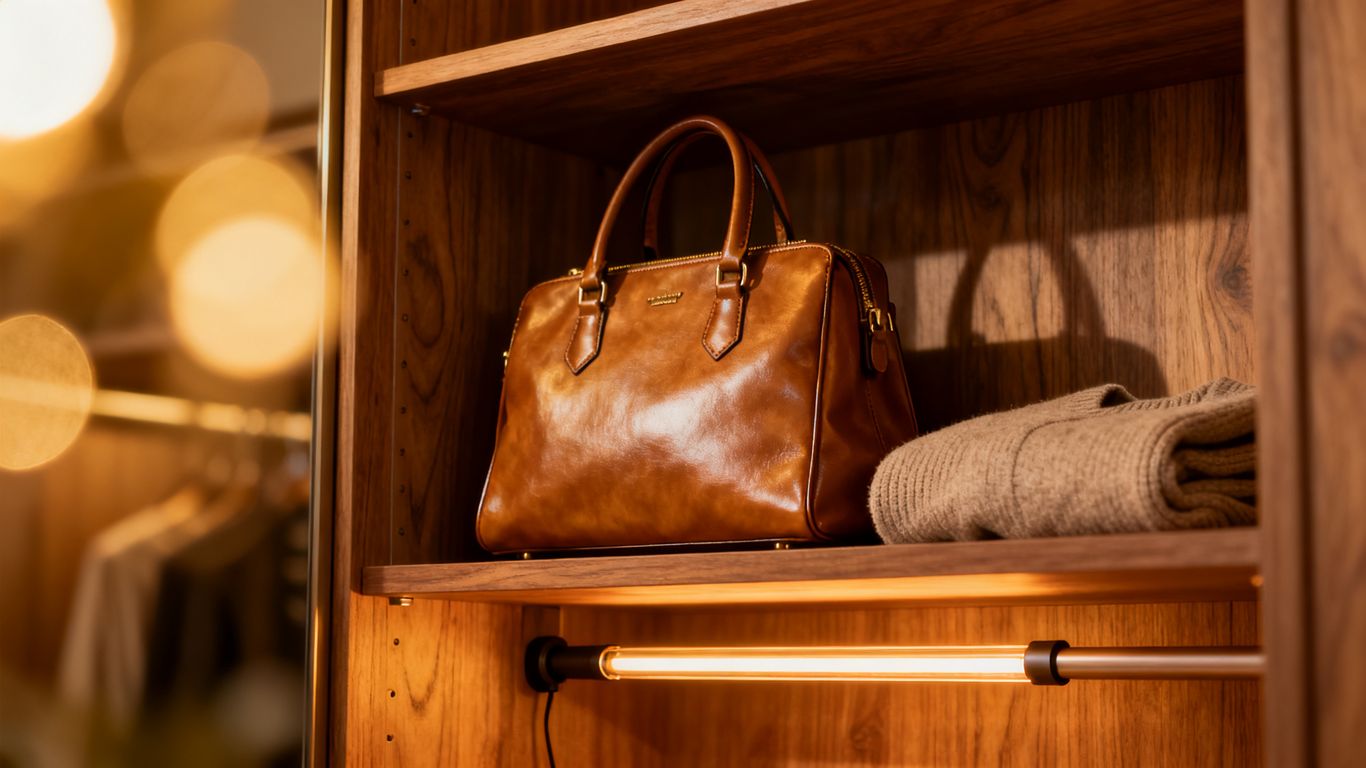
Leather and natural fabrics are notoriously vulnerable to moisture, often becoming breeding grounds for mold if left in damp conditions. By gently warming the surrounding air, the KKPL Humi Rod prevents the fibers from absorbing atmospheric moisture. This proactive moisture prevention strategy is essential for maintaining the integrity of expensive handbags, leather belts, and delicate wool garments during extended storage.
Preventing mold and mildew formation
| Area Type | Humidity Level | Rod Effectiveness |
| :— | :— | :— | :— |
| Wardrobe | 65% | High |
| Storage Cabinet | 70% | High |
| Shoe Cupboard | 75% | Moderate |
By ensuring surfaces remain dry, these devices stop the biological cycle required for mildew to take root. Without moisture, mold spores fail to germinate on your items, effectively nullifying the risk of pervasive, musty smells in your storage furniture.
Extending the lifespan of home storage cabinets
Excess moisture can damage the structural integrity of wooden or particleboard cabinets over time, leading to warping or hinge corrosion. A consistently dry cabinet environment protects the finish and structural components from absorbing excess water vapor, helping your furniture last significantly longer.
Improving air quality in enclosed environments
Reducing humidity improves the overall air quality within your cupboards and closets. This prevents the buildup of dust mite colonies and odors associated with stagnant air, making it easier to maintain a clean environment for your household items.
Simple installation steps for effective moisture control
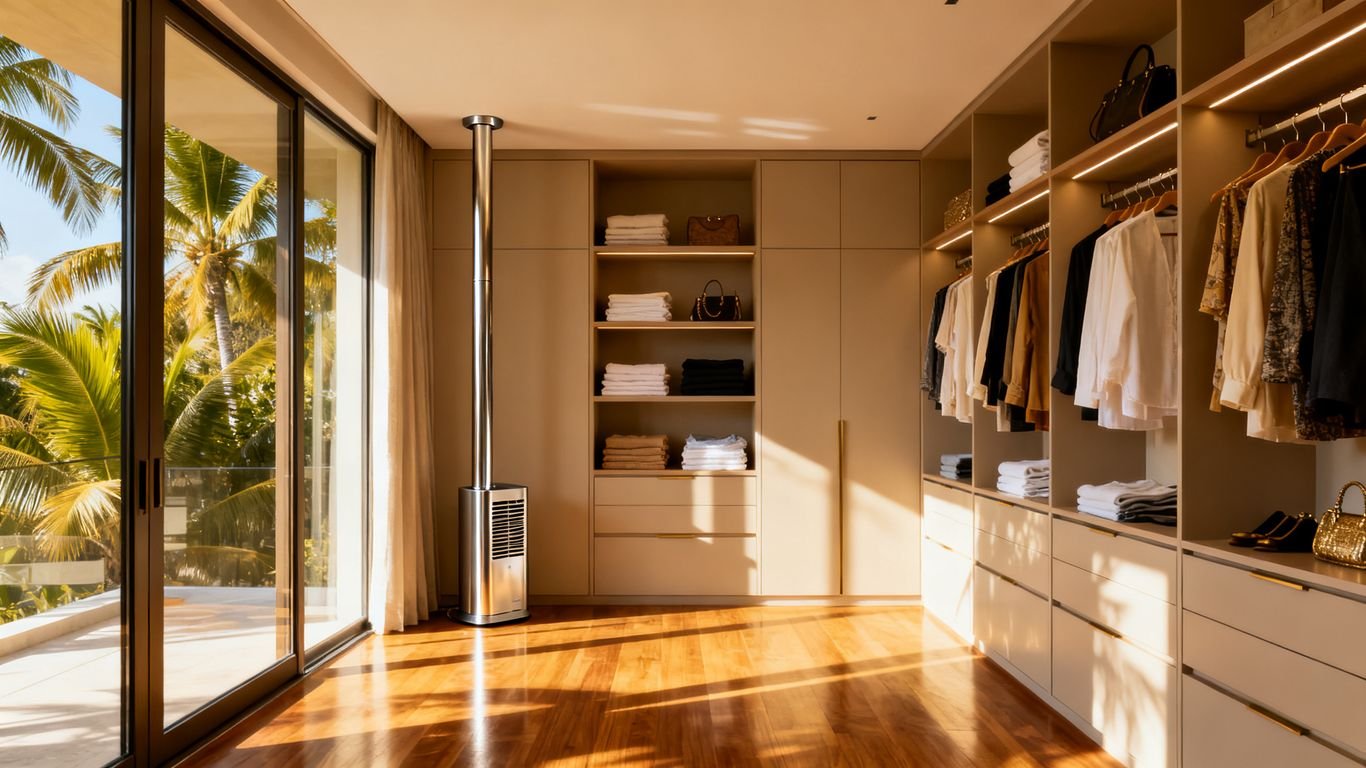
Selecting the right spot is crucial for optimal results. You want to place the device where air can flow naturally around the heating element, typically near the bottom of an enclosed space. This allows the warm air to rise, creating a convection current that distributes dryness throughout the entire volume of the cabinet.
Determining the ideal placement within wardrobes
Place the rod on the floor of the wardrobe or attach it to a lower side panel. Avoid placing it deep inside pockets or immediately next to piles of clothing, as the unit requires space to breathe and maintain proper thermal regulation.
Ensuring proper airflow around the internal heating element
Leave at least a few inches of clearance on all sides of the unit. This promotes the movement of air, preventing the device from trapping heat solely in one spot, which maximizes the coverage area inside your storage unit.
Connecting to power sources safely
Use an existing electrical socket inside or near the wardrobe. If you need to extend power, ensure you use a surge-protected lead and keep all connections away from high-moisture zones or potential water leaks from adjacent pipes.
Utilizing mounting hardware for stable positioning
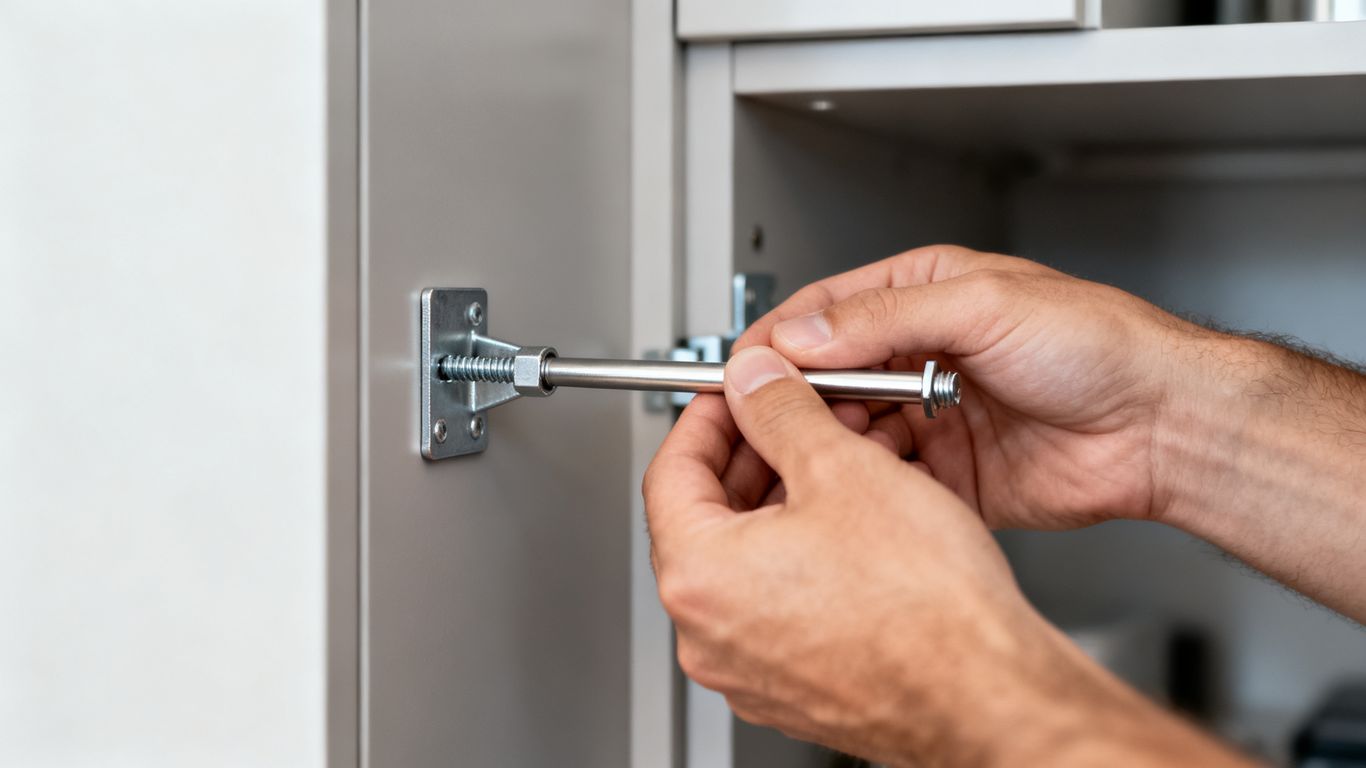
Secure the rod using the included brackets to prevent it from shifting. Even a slight tilt can impact performance or result in the unit coming into contact with stored items, so a fixed, stable installation is best for consistent moisture control. Shop now to get your setup ready today.
Preventive maintenance and troubleshooting for your rod
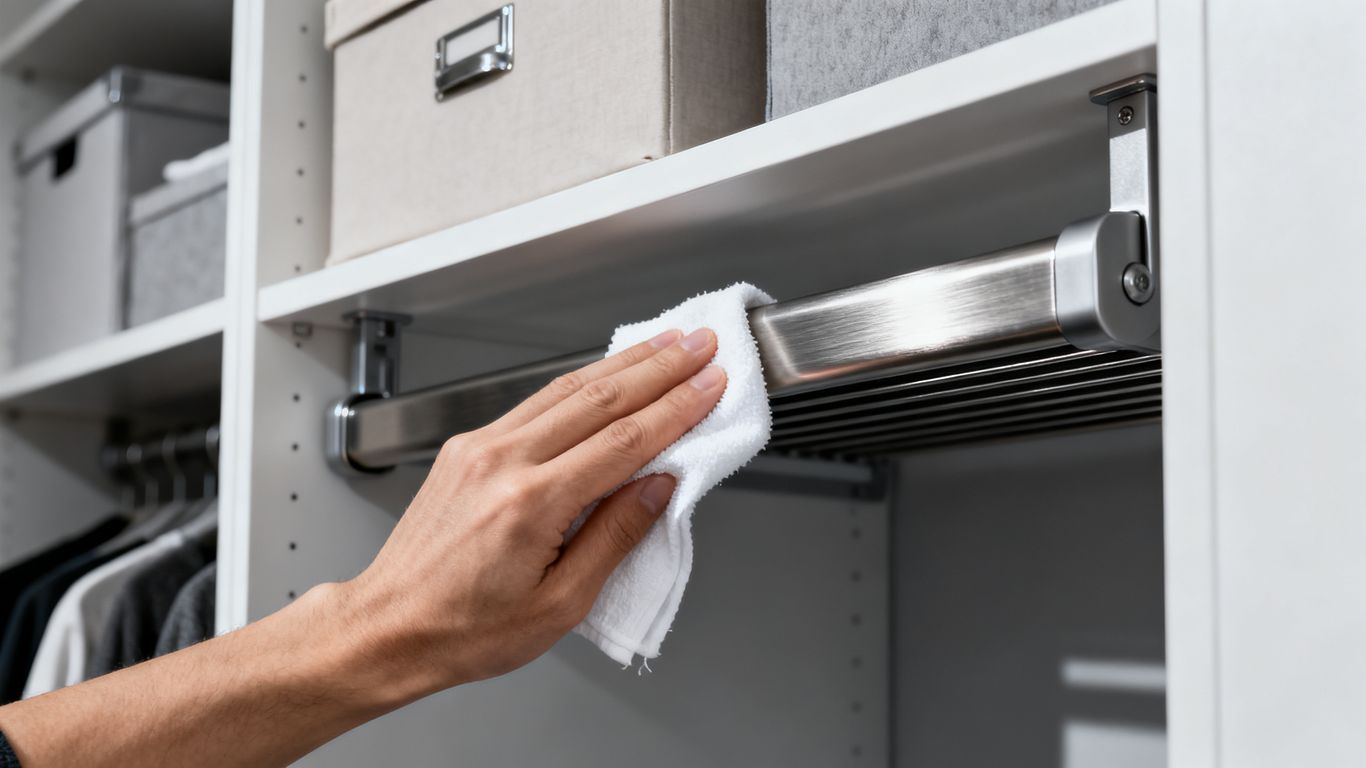
While these devices are largely maintenance-free, they do benefit from a quick checkup every few months to ensure they are performing as expected. Dust accumulation on the exterior can reduce heat output, so a quick wipe-down usually does the trick.
Cleaning dust from the exterior surface
Dust acts as an insulator, trapping heat against the surface of the rod and preventing it from warming the air effectively. Using a dry, soft cloth, wipe the exterior of the unit once every few months to keep it efficient.
Testing surface temperature for consistent performance
Periodically check if the rod is warm to the touch. If the unit feels cold after being plugged in for several hours, test the electrical outlet with another device to confirm the power source is working correctly before assuming the rod is faulty.
Troubleshooting common power connection issues
If the status light is off, verify the power cable is firmly inserted into the wall outlet. In some cases, the built-in sensor might have triggered a safety cutoff, so allow the unit to cool down for thirty minutes before re-plugging it into a different, known-working power source.
Recognizing when a unit requires a full replacement
If the device shows signs of physical damage, such as a cracked casing or a damaged cord, discontinue use immediately. These electrical appliances have a finite lifespan, and if the heating element no longer achieves the required operating temperature, a replacement is necessary to continue protecting your goods.
Comparing KKPL dehumidifier rods to traditional absorption agents
For many in our climate, the choice between electric solutions and standard absorbent packets is clear. Understanding the differences helps you decide which method suits your specific maintenance goals and long-term storage needs.
KKPL dehumidifier rods vs. silica gel packs
While silica gel packs are effective for small, airtight containers, they become expensive and wasteful over time because they lose their absorption capacity quickly in humid settings. A permanent heat rod offers a set-and-forget alternative that never requires replacing or manual drying, making it the superior choice for most closet environments.
This comparison highlights the long-term benefit of using a device that remains installed permanently. While desiccant materials require ongoing monitoring and replacement, the heat-based solution provides continuous, reliable performance.
Efficiency metrics in large walk-in closets
In larger spaces, a single desiccant box is rarely sufficient, as the required amount of dry-out chemical would be enormous. A dedicated dehumidifier rod provides a more elegant, power-efficient way to manage the environment for the entire room volume.
Environmental impact and long-term operational costs
Choosing a reusable device reduces the waste generated by disposable plastic moisture boxes. While the initial investment for a high-quality dehumidifier rod is higher than a box of desiccant, the elimination of monthly refill costs makes it more economical over several years. Knowing how to choose the right appliance is essential for any homeowner.
Ease of use and frequency of maintenance requirements
Aside from dust maintenance, there is virtually zero effort required to use these rods. Unlike desiccant units that require you to check for saturated liquid or exhausted beads, a heating unit works quietly in the background without needing your attention.
Conclusion
Successfully managing indoor humidity in Singapore requires robust, reliable solutions tailored to our climate. By integrating a heating rod, you protect your delicate assets and maintain a fresh storage environment with minimal effort. Prioritizing correct installation and occasional cleaning ensures that your protective equipment operates at peak efficiency year-round, giving you lasting peace of mind and preserving the lifespan of your valuable clothing and storage furniture.
Frequently Asked Questions
Can I use the rod in a closed safe or drawer?
Yes, these devices are perfect for small, enclosed areas like safes and drawers. Just ensure there is enough clearance around the rod for heat to circulate effectively without touching sensitive mechanical components.
Is it safe to leave the rod on 24/7?
Yes, these rods are designed for continuous, safe operation. They typically feature built-in safety controls that monitor the temperature, ensuring they operate within a defined range to prevent overheating.
Will the heat damage my delicate leather shoes?
No, the temperature provided is mild and designed to evaporate moisture rather than dry out materials. It functions much like a low-heat lamp, keeping them warm enough to avoid dampness without reaching levels that would dry or crack the leather.
Does the rod remove moisture from the entire room?
No, these devices are designed for enclosed spaces like wardrobes or cupboards. To manage humidity for an entire bedroom or apartment, you would need a larger, compressor-based dehumidifier.
Does this device make any noise?
These rods are completely silent because they rely on radiant heat rather than mechanical fans or compressors to function. This makes them ideal for wardrobes located in bedroom areas where noise would be a disturbance.
What do I do if the power fluctuates?
If you live in an area prone to power surges, using a surge protector is a good practice for any electronic appliance. The rod itself is generally resilient, but protecting it against spikes ensures it remains functional for as long as possible.
Does the rod require a water drainage hose?
No, the unit does not collect liquid, which is the primary advantage over portable dehumidifiers. The rod causes excess moisture to evaporate into the air in a controlled manner, so there is no tank to empty or hose to install.