Key Takeaways
Many homeowners often confuse moisture removal with active air cooling. Understanding these unique processes helps you manage your home climate more effectively.
- Dehumidifiers extract moisture but do not lower ambient air temperature.
- Reduced relative humidity significantly increases physical comfort levels.
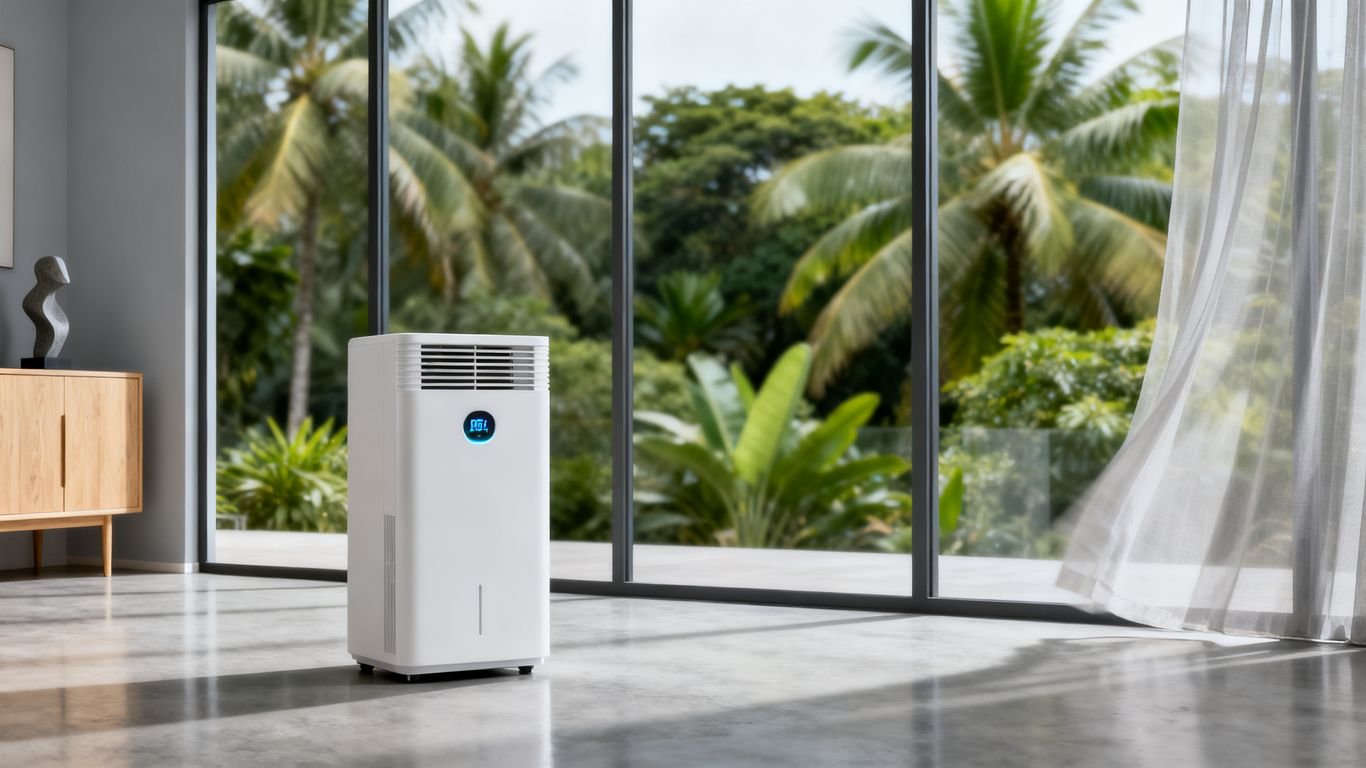
- The Aerofy DualCore 20 is purpose-built for high-humidity, tropical environments found in Singapore.
- Refrigerant-based units release trace amounts of heat during operation.
- Efficient climate control requires balancing dehumidification with proper room ventilation.
The thermodynamic relationship between humidity and temperature
Understanding relative humidity
Relative humidity is a measure of the amount of water vapor present in the air compared to the maximum amount the air can hold at a specific temperature. When air is warm, it can hold significantly more moisture than when it is cool, which is why tropical regions often experience such intense atmospheric fullness. When the air reaches its saturation point, water vapor condenses into liquid, leading to the damp surfaces often seen in humid homes. Maintaining the right balance prevents structural mold and maintains indoor air quality. Understanding the science of how temperature and water vapor interact is the first step toward effective climate management.

The heat index concept
The heat index represents how hot the weather actually feels to the human body when relative humidity is combined with the air temperature. When both values are high, it becomes difficult for our bodies to discharge heat through natural sweat evaporation. This creates a physiological stress response that mimics even higher temperatures than what a thermometer might read. Managing this index is essential for homeowners looking to protect their living environment from the suffocating weight of damp air.
How moisture affects perceived heat
High humidity levels act as an insulator for your body, trapping heat inside your skin rather than allowing it to dissipate into the surrounding environment. This creates the classic "sticky" feeling that makes a room feel warmer than it actually is. By proactively managing moisture control in your home, you can shift the perceived temperature of a space without needing to lower your thermostat to extreme levels.
How a dehumidifier actually works
The refrigeration cycle process
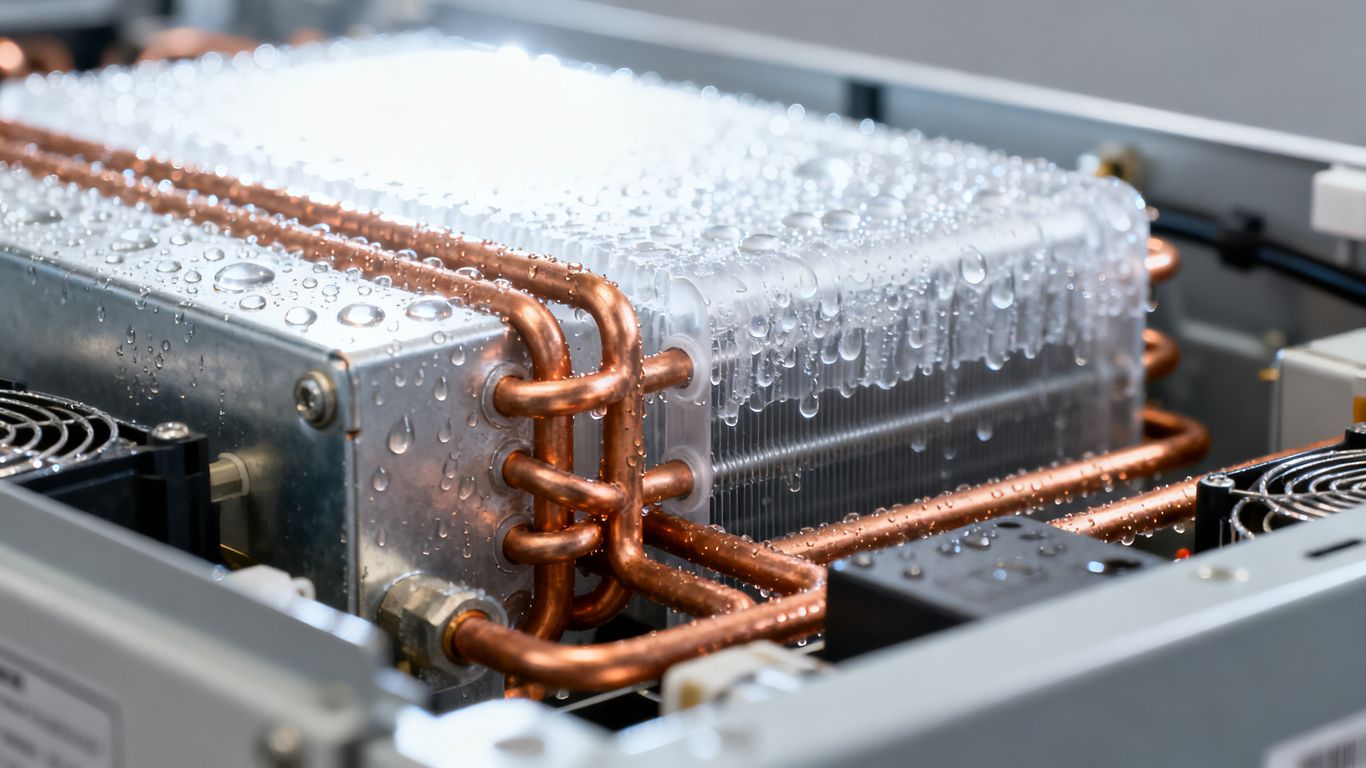
Dehumidifiers generally function through a process similar to your home refrigerator, utilizing a cooling cycle to pull moisture from the air. A compressor circulates a refrigerant, like the efficient R290 refrigerant found in the Aerofy DualCore 20, to cool a set of internal coils.
Condensation and moisture extraction
As the humid room air passes over these chilled metal coils, the moisture undergoes a phase change from vapor to liquid. This water droplets collect and drain into a reservoir, physically removing the dampness from your living space before the dry air is released back out. The process of condensation is remarkably effective at dropping humidity levels in confined rooms or tropical villas.
Mechanical components that generate heat
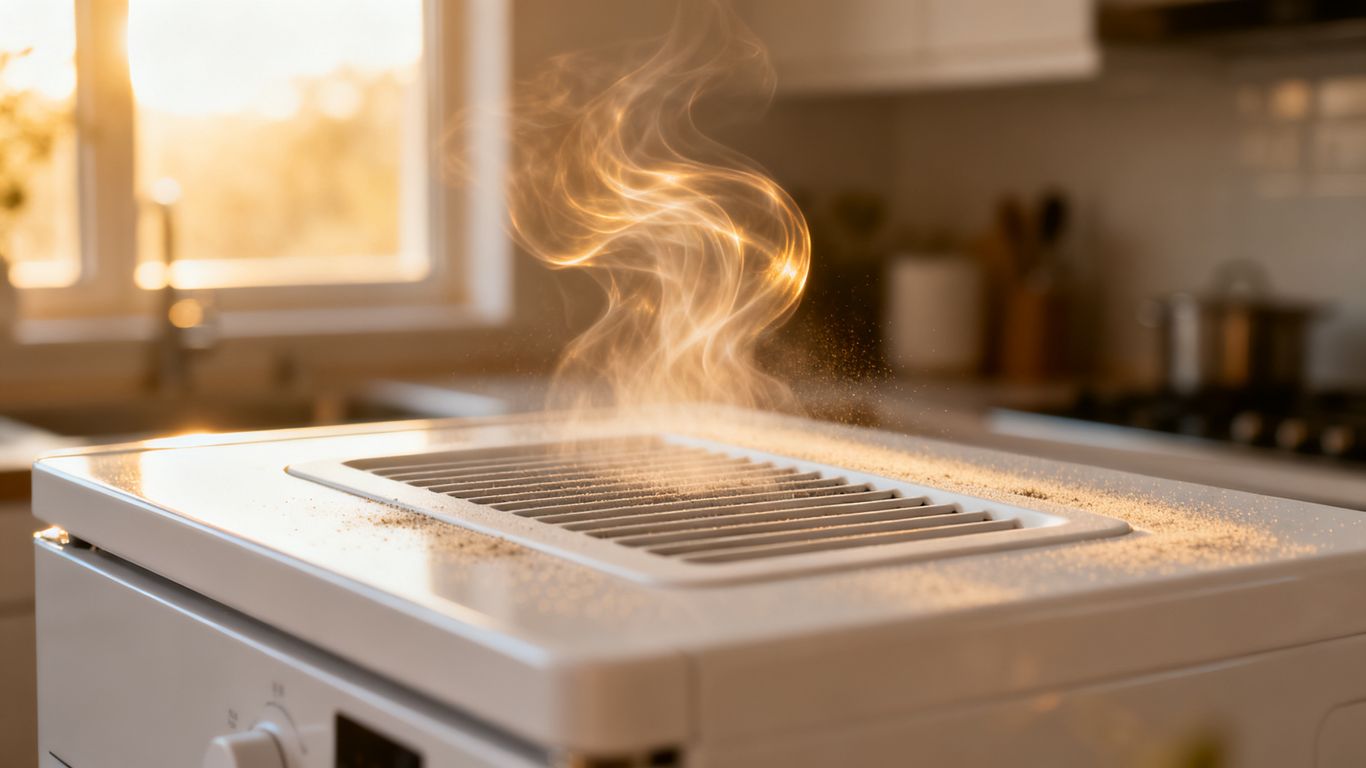
While the goal is to dry the room, the mechanical assembly performs work that naturally creates a small amount of waste heat. Every dehumidifier utilizes a fan and a rotary compressor that consume electricity and generate warmth as they power the air movement. Although this warmth is minor, it is physically present during the dehumidification cycle.
Why dehumidifiers can sometimes feel like they add heat
Exhaust air discharge
Because the internal machinery requires energy to operate, the air that flows through the return vent and out the exhaust is slightly warmer than the air brought in. This exhaust discharge is a standard feature of any compressor-based system because the system is actively moving heat from the coils to the exhaust stream to facilitate condensation.
Heat generated by the compressor and fan motor
Scenario Time: Imagine running a powerful machine in a small apartment during a sweltering afternoon. If you place a compact, high-output dehumidifier in a tiny closet, you might notice the space getting slightly warmer as the unit cycles on and off. The rotary compressor and the fan motor are working in tandem to combat humidity, and the heat rejected by these parts is a byproduct of that energy expenditure.
The trade-off between comfort and airflow
To ensure your home remains pleasant, you must manage how you place your equipment. Balancing the need for a dry environment versus the heat generated requires careful positioning, as the trade-off between comfort and airflow often depends on the cubic footage of the area.
| Feature | Dehumidifier Type | Usage Goal |
|---|---|---|
| Compressor | Refrigerant | Humidity removal |
| Air Flow | Fan-driven | Circulation |
| Output Heat | Minimal | Dryer comfort |
Properly placing the unit ensures the optimal airflow prevents heat pockets while maximizing the water extraction efficiency of the motor.
Impact on human comfort
Reducing the sticky feel of humid air
When you remove excess moisture, the air transforms from a muggy blanket into a lean, crisp environment. This adjustment makes the room feel drastically improved, as drier air no longer resists your movement.

Sweat evaporation efficiency
Human comfort relies heavily on evaporative cooling, where sweat evaporates from the skin to carry away heat. In high humidity, this process is stifled, leaving you feeling warm despite the room temperature. When the moisture is removed, this natural process operates at peak efficiency, creating a cooling sensation.
Why dry air feels cooler at equal temperatures
Research indicates that reducing humidity by a significant margin allows perceived temperature to drop. This creates a reality where the apparent temperature is lowered because your body is finally able to release its own heat into the cooler, drier air.
Comparing dehumidifiers with air conditioners
Distinct cooling mechanisms defined
It is important to clarify that air conditioners and dehumidifiers are not interchangeable tools for the same job. Air conditioners are specifically engineered to exchange heat from inside to out, while dehumidifiers focus on condensing water out of the circulated air.
Removing internal heat vs. circulating dry air
While an air conditioner lowers the actual room temperature by removing thermal energy, a dehumidifier adjusts the air quality and moisture level to change your perception of the heat. Attempting to use a dehumidifier instead of an air conditioner on a hot day will not provide the same cooling effect.
Energy consumption and operational differences
Consider the following list of operational differences between typical humidity control and cooling systems:
- Air conditioners actively vent heat outside through dedicated piping.
- Dehumidifier operational heat remains inside the room during cycles.
- Dedicated cooling systems handle larger thermal loads than dryers.
- Modern systems like the Aerofy DualCore 20 manage specific room dampness.
Best practices for managing room climate
Strategic placement for airflow
To get the best performance, place your unit in a high-traffic or particularly damp area where it can access the largest volume of air. Keeping the intake vents free from surrounding debris ensures the machine can effectively circulate air without overworking the internal motors.
Balancing humidity control with ventilation
While running a dryer is helpful, you must balance this with ventilation to keep air fresh. Too much enclosure can lead to stale air, while too much outside ventilation in a tropical environment will constantly work against your machine’s ability to maintain a healthy humidity level.
When to use a dehumidifier alongside fans
Using a ceiling fan alongside your dehumidifier can help distribute the dry, treated air throughout the room faster. This prevents localized heat pockets and keeps the relative humidity consistent across the entire living area.
Conclusion
A dehumidifier is an essential partner in sustaining a dry, comfortable home, particularly in humid tropical climates where moisture feels heavy and oppressive. While it does not function as a cooling system, by optimizing the atmosphere for sweat evaporation and comfort, it creates a much more pleasant living space that feels naturally cooler, enabling you to maintain a healthy home environment year-round.
Frequently Asked Questions
Will a dehumidifier actually lower my thermostat reading?
No, a dehumidifier is designed to extract water vapor from the air and will not alter the thermometer-measured air temperature in your room.
Can I use a dehumidifier to help my AC work better?
Yes, by removing excess moisture, the dehumidifier reduces the work required for your air conditioner to manage the heat index, which can make the room more comfortable.
Where should I place my unit for maximum efficiency?
Place your dehumidifier in a central location or in the most damp area of the room, ensuring at least thirty centimeters of clearance from any wall or furniture to allow for proper airflow.
Why does my room feel warmer after the dehumidifier runs for a while?
This occurs because the compressor and fan generate a small amount of heat as they run, and if the room is small, that minimal heat rejection might be slightly noticeable.
Is it normal for moisture to collect on the coils?
Yes, that is the core function of the system; the coils are designed to remain cold so that moisture in the air condenses upon contact to be moved into the water tank.
Does high humidity cause structural damage to my home?
High humidity levels consistently above sixty percent can encourage mold growth, wallpaper peeling, and structural dampness, making a dehumidifier a wise investment for protecting your property.
What is considered the ideal humidity level for a home?
Maintaining your indoor relative humidity between thirty and fifty percent is widely recommended to keep your living space healthy, comfortable, and free from moisture-related issues.