Key Takeaways
Understanding moisture control is essential for maintaining a healthy and comfortable home environment in humid climates.
- Dehumidifiers extract excess moisture to prevent mold and mildew growth.
- Managing humidity helps inhibit dust mite populations and related allergens.
- Proper unit sizing ensures optimal energy efficiency and air throughput.
- Consistent maintenance of filters and drip pans extends appliance lifespan.
- Balancing indoor humidity levels protects wooden structures and metal fixtures from damage.
The scientific process of moisture extraction
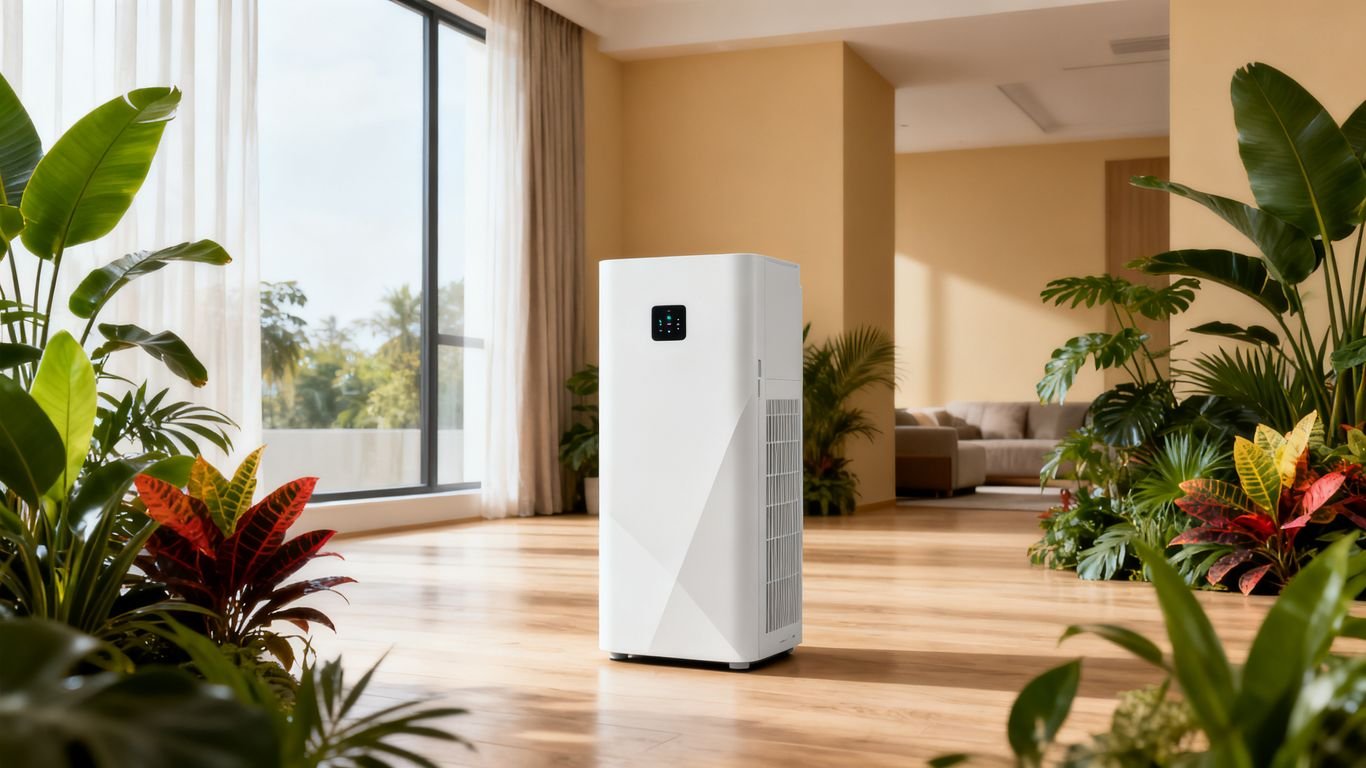
Removing humidity from a living space is a precise mechanical task that relies on advanced heat exchange principles. When air passes through a dehumidifier, it is cooled to its dew point, effectively wringing water out of the environment so it can be safely collected. Devices like the Aerofy DualCore 20 leverage a high-efficiency rotary compressor to pull moisture from the air, ensuring effective performance even in challenging tropical conditions.
How refrigeration coils capture airborne humidity
Moist air is drawn over cold refrigeration coils, where moisture condenses into liquid droplets. The Aerofy DualCore 20 uses an eco-friendly R290 refrigerant to keep these coils at the temperatures necessary for maximum condensation, ensuring that moisture is pulled consistently out of your living space.
Differences between compressor and desiccant dehumidification
Compressor units work by physically cooling air to condense water, making them ideal for standard room temperatures common in Singapore. In contrast, desiccant models utilize a chemical absorbent wheel, which is more effective in very cold environments where refrigeration cycles often struggle to reach the necessary freezing thresholds.
The role of fans and airflow in moisture throughput
Efficient airflow is the heartbeat of a dehumidification system, directing warm, moist air across the intake and pushing dried, filtered air back into the room. We can organize how these components function in the following way:
| Component | Function | Benefit |
|---|---|---|
| Rotary Compressor | Drives refrigerant cycle | High moisture removal |
| Internal Fans | Moves air through unit | Better room circulation |
| HEPA Filtration | Captures airborne particles | Cleaner indoor air |
It is important to manage these components to ensure longevity and consistent output in your home.
- Regulate fan speeds to balance noise with humidity reduction.
- Ensure the intake is not blocked by furniture or walls.
- Position the unit in the center of the room for best airflow.
💡 Real-World Scenario: Imagine coming home after an afternoon shower on a humid day. Instead of feeling a heavy, sticky atmosphere, a balanced room feels crisp and dry, thanks to an active air processing system working behind the scenes.
Health and allergen management
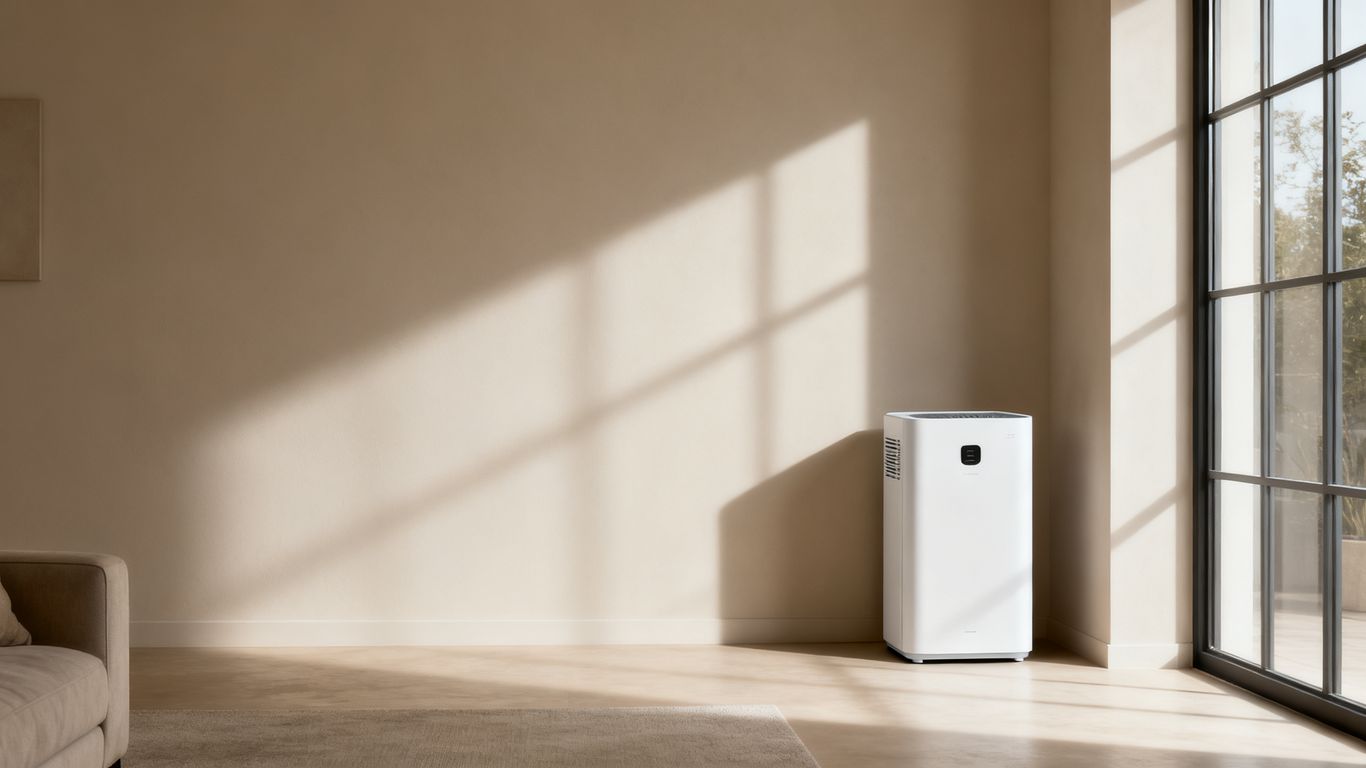
Maintaining the right humidity level is a vital step in preventing the proliferation of biological contaminants. Excess moisture fuels the growth of harmful spores, but tools like the DualCore 20 dehumidifier use advanced HEPA filtration to capture these particles, creating a safer space for everyone.
Inhibiting the spread of mold and mildew spores
When relative humidity exceeds 60%, surfaces become prime breeding grounds for fungus that can cause health difficulties. By keeping moisture levels within the recommended 30-50% range, you effectively starve these organisms, preventing the expansion of musty smelling colonies on walls and fabric.
Reducing dust mite populations in high-humidity environments
Dust mites thrive in dampness, which is why reducing indoor moisture is the most reliable way to mitigate them. A consistent dehumidification cycle prevents these microscopic pests from hydration, significantly lowering their presence in bedding and upholstery.
Minimizing respiratory triggers for asthma and allergy sufferers
Sensitive individuals often react to fine particles and fungal growth in the air, which can make improving indoor air quality a top priority for any homeowner. Combining moisture extraction with air purification helps clear out the triggers that can lead to flare-ups in lungs and sinuses.
Protecting home structures and furniture
Structural integrity often goes hand-in-hand with humidity control, as long-term moisture exposure can break down building materials over time. Wooden furniture and flooring will swell or crack if left in consistently high moisture, while metal components may begin to show signs of premature aging.
Preventing warping in wooden flooring and cabinetry
Wooden surfaces tend to absorb humidity like a sponge, causing them to expand and warp over time if the air remains too wet. Consistent climate management helps safeguard home structures and belongings by keeping floorboards and wood-based decor stable across changing seasons.
Stopping salt damage and corrosion on metal fixtures
In coastal or tropical climates, constant moisture serves as a catalyst for oxidation, damaging metal finishes that are exposed to open air. Regular dehumidification reduces the amount of moisture that can react with these surfaces, which helps prevent corrosion on everything from bathroom hardware to decorative fixtures.
Preserving insulation and drywall integrity in damp basements
Basements and storage areas are particularly susceptible to deep moisture buildup that softens drywall and compromises thermal insulation. Regularly monitoring these spaces prevents deep-seated dampness, which is crucial for maintaining a healthy space for your belongings.
Recognizing the need for humidity control
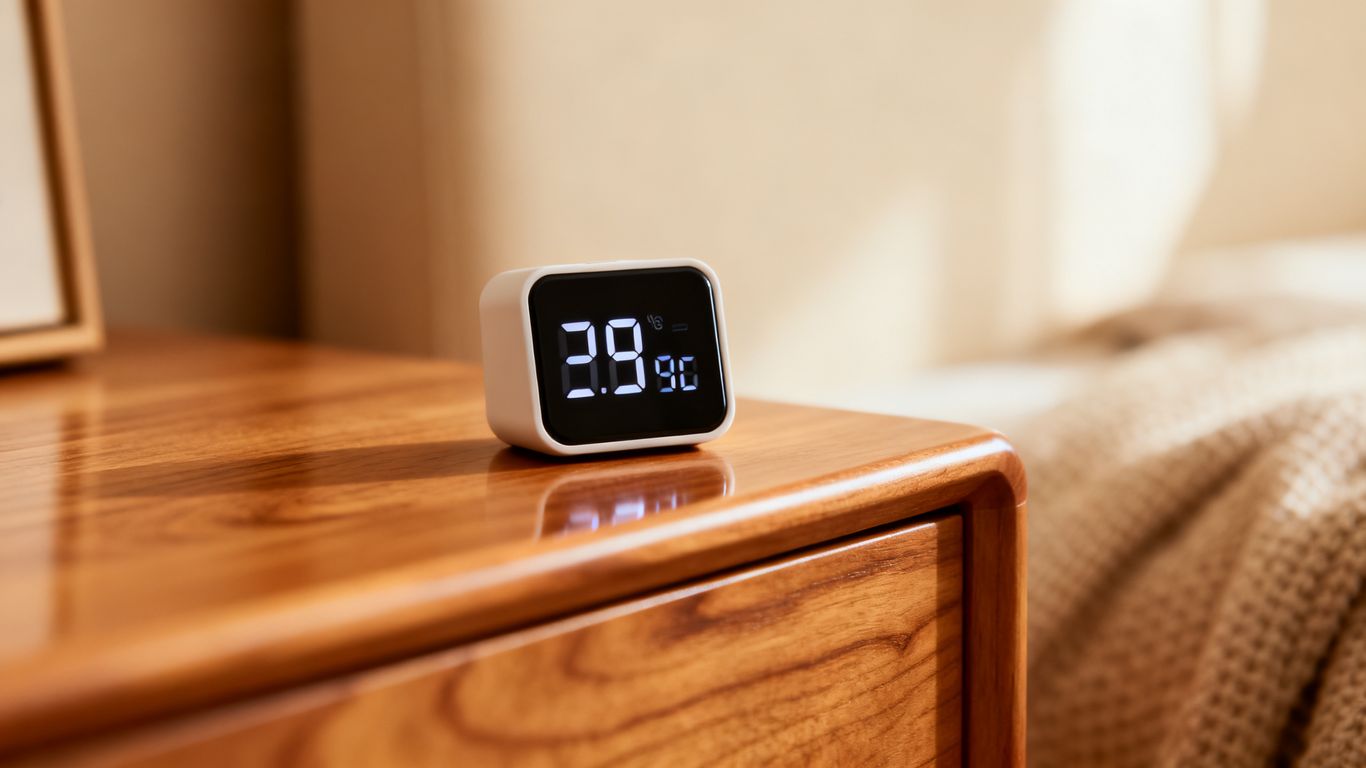
Not all moisture issues are immediately obvious, which is why you must learn how to interpret the signals your home gives you. Once you know what to look for, you can intervene before minor issues become expensive repairs or health headaches.
Interpreting persistent damp or musty odors
Persistent moldy or damp smells are classic indicators that your home is failing to properly regulate moisture levels. These odors often stem from hidden mold colonies that flourish when humidity sits above the ideal threshold, signaling that it is time to deploy an active air drying solution.
Understanding signs of interior condensation on windows
Condensation forming on your window glass suggests your home is trapping too much water. This moisture often migrates to colder surfaces, creating the perfect environment for bacteria and rot, and acts as a primary indicator of air quality imbalances that require immediate attention.
Using a hygrometer to track optimal indoor humidity levels
Investing in a dedicated hygrometer provides an objective measurement of the current air conditions compared to the ideal 30-50% range. Using this data allows you to monitor indoor conditions accurately, ensuring your home stays within the comfort zone throughout the year.
Sizing and selecting the right appliance
When you select the right appliance for your space, you must consider its coverage capacity against the size of your specific rooms. An oversized unit uses more electricity than necessary, while an undersized model will struggle to keep humidity levels down despite operating around the clock.
Calculating capacity requirements based on room square footage
Most units are rated by how many pints of water they can move in a single day, which should correspond with the square footage of your living areas. Consulting the manufacturer specifications for a unit like the Aerofy DualCore 20 makes it easier to match your specific room layout with the correct technical output.
Distinguishing between portable units and whole-house systems
Portable units offer the flexibility to move moisture control from room to room, whereas larger central systems integrate directly into your existing HVAC ducts to treat the entire building volume. Understanding whether you need a room-specific fix or a whole-home solution is the deciding factor in effective moisture removal.
Evaluating energy efficiency and operational cost
Power consumption is a major long-term consideration, as you want a device that operates efficiently to save on utility bills. Modern units incorporate sensors that automatically pause the compressor when specific humidity targets are reached, preventing unnecessary energy draw.
Optimized operation and maintenance strategies
Setting up your environment for success involves thoughtful placement and a commitment to keeping the internal filters clear. By creating a systematic maintenance plan, you ensure that your device remains highly effective at cleaning the air and extracting excess water throughout its operational life cycle.
Determining the best placement for maximum circulation
Place your unit in an area with clear airflow, far away from corner obstructions or dense furniture, so that it can sample a representative amount of air. A central location helps the device reach its full potential, processing air evenly across the whole floor plan.
Implementing cleaning schedules for filters and drip pans
Dust and debris from the air will accumulate on filters over time, potentially restricting airflow and reducing overall performance. A routine schedule for vacuuming pre-filters and rinsing drip pans helps maintain the efficiency of the air processing cycle.
Deciding between continuous drainage and manual reservoir emptying
Many users prefer the convenience of continuous drainage, which involves running a hose directly to a floor drain or sink for hands-off management. If your home layout does not have an accessible drain nearby, you must stick to emptying the reservoir periodically, ensuring you never let the unit auto-shutoff due to a full bucket.
Conclusion
Effective humidity control is a core component of a healthy, long-lasting home, particularly in regions where tropical dampness never truly disappears. By using engineering-focused solutions like the Aerofy DualCore 20, you handle both the structural and health risks posed by high humidity and poor air quality at the same time, giving yourself peace of mind in every corner of your living space.
Frequently Asked Questions
Is it safe to leave a dehumidifier running 24/7?
Yes, most modern home units are designed to run continuously until they reach a set humidity point, at which point they will cycle down to stay energy-efficient while maintaining the desired level.
Does a dehumidifier replace the need for an air conditioner?
No, these appliances serve different purposes, as AC units focus on cooling the air while dehumidifiers prioritize moisture removal, though both can impact the total comfort level of your indoor environment.
How often should I drain the water collection bucket?
Depending on the daily amount of moisture in your home and the capacity of the unit, you may need to empty the bucket once or twice a day to prevent it from automatically shutting off its dehumidification cycle.
Where is the best place to position a dehumidifier in my home?
Ideally, place the appliance in a central area with plenty of open space, avoiding corners or tight closets, to ensure the intake can draw in enough air to circulate effectively through the room.
Can a dehumidifier eliminate my mold problem entirely?
While a dehumidifier is a powerful tool to prevent mold by keeping moisture low, you will still need to manually clean existing mold and fix the root cause of any leaks or water entry points to fully remove a persistent growth problem.
Do dehumidifiers make a lot of noise during operation?
Most modern units, especially those engineered for home use, operate at relatively quiet decibel levels, though you will hear the predictable hum of the fan and compressor when the unit is actively pulling moisture from the air.
What happens if I set the humidity level too low?
Setting your target humidity significantly below 30% can lead to dry skin, irritated sinuses, and excessive static electricity, as the air will become too parched for optimal human comfort and indoor plant health.