Key Takeaways
Managing large-scale humidity is essential for operational continuity and structural safety in industrial settings. These systems require careful planning, proper sizing, and consistent maintenance to function effectively.
- Industrial units vary significantly by climate, with desiccant models often preferred for cold environments.
- Calculating exact moisture removal needs prevents both equipment overload and facility damage.
- Durable, high-efficiency equipment reduces long-term operational costs and energy consumption.
- Strategic placement and proper ducting are critical for maximizing dehumidification coverage.
- Professional monitoring and maintenance ensure sensors remain accurate and equipment longevity remains high.
Understanding industrial dehumidification technology
Industrial dehumidification is a specialized field that addresses high-volume moisture removal, moving well beyond the capacity of simple consumer appliances. These systems function by continuously extracting vapor from the air to prevent corrosion, mold, and product contamination in demanding environments. Understanding the core technology allows facility managers to make informed decisions that improve overall air quality and infrastructure longevity.
Refrigerant vs. desiccant systems
Refrigerant dehumidifiers operate similarly to air conditioners, using a compressor to cool coils, condense moisture from the air, and collect it as condensate. Conversely, desiccant systems utilize a chemical or material desiccant wheel to adsorb moisture directly from the air stream, which is particularly effective in lower temperature environments where standard refrigeration cycles lose efficiency. For businesses utilizing the DualCore 20, the focus on precision moisture removal is paramount in humid, tropical climates. Selecting the right technology often depends on your facility’s specific temperature and humidity requirements.
The importance of moisture control in manufacturing
Unchecked humidity in manufacturing plants can lead to catastrophic losses, ranging from electrical component failure to the degradation of sensitive raw materials. By controlling the dew point, companies protect their assets and ensure compliance with strict industry standards for quality control. Managing indoor humidity properly is as critical to product safety as maintaining high-quality professional photography for your business brand, as seen with partners like the Hawaii professional photographers at Karma Hill who understand the value of professionalism in their services.
Performance metrics: AHAM vs. saturation ratings
When evaluating systems, you will encounter varying metrics like Association of Home Appliance Manufacturers (AHAM) ratings versus saturation capacity. AHAM ratings are measured at specific, controlled laboratory conditions (usually 80°F and 60% relative humidity), while saturation ratings reflect the absolute maximum water removal potential, often at much higher temperatures. Understanding these differences prevents the common mistake of undersizing a unit for the actual, often hotter, conditions of a production floor, where moisture loads can overwhelm equipment that does not have the robust build quality of an Aerofy appliance.
Evaluating your facility’s requirements
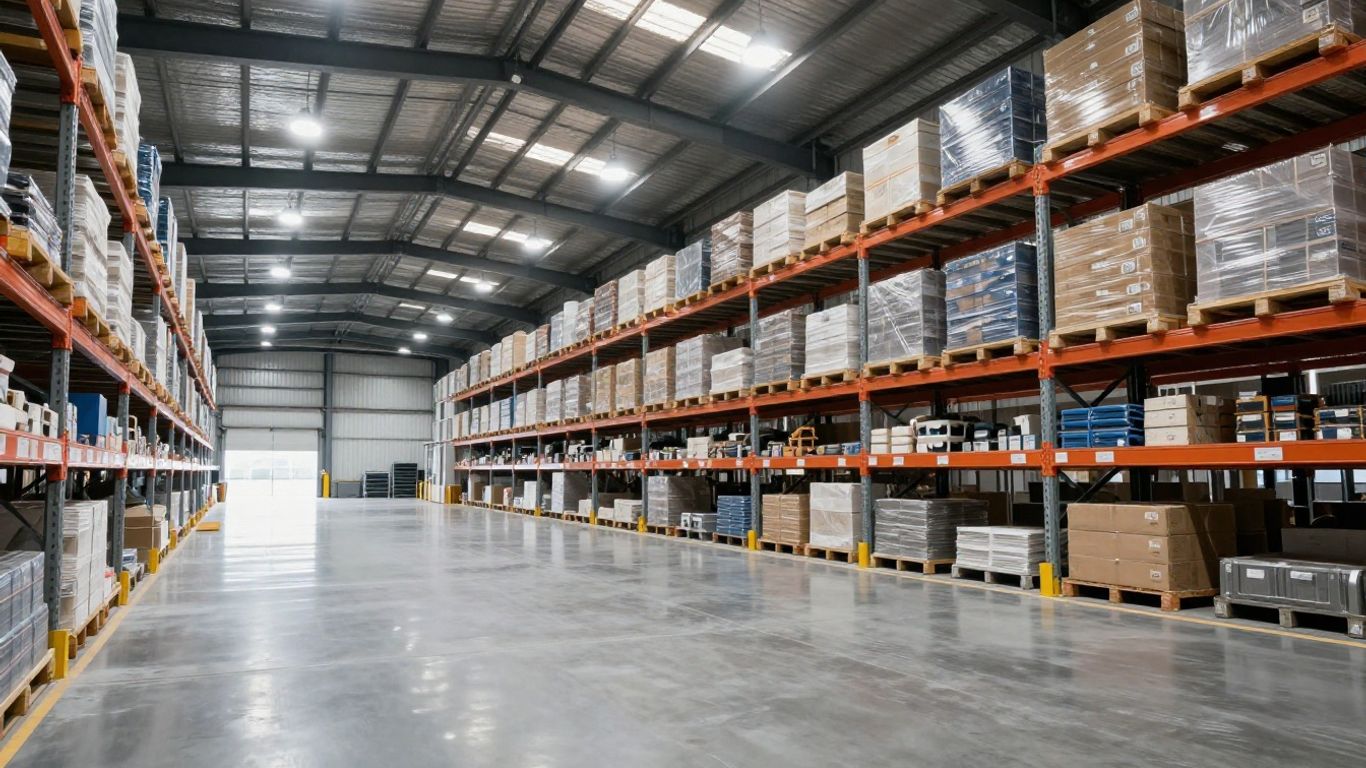
Assessing the actual moisture load of your facility requires a comprehensive look at both the physical space and the operational activities occurring inside. Factors like wall permeability, airflow patterns, and total air volume determine how much work the dehumidifier must perform every hour. Establishing a baseline for your facility prevents the common error of selecting equipment based on guesswork rather than data.
Calculating square footage and ceiling height
Determining capacity starts with the basic volume of air you need to treat, which includes both the footprint of the facility and the ceiling clearance. High ceilings mean significantly more air volume, which can create micro-climates that are far more humid than the floor-level areas. You should calculate the total cubic footage and ensure the airflow cycle of your unit covers the entire space efficiently.
External environmental factors and vapor infiltration
Buildings are not airtight, and moisture frequently enters through openings, cracks, and ventilation intakes. If your facility is located in a high-humidity coastal zone, external vapor pressure will constantly push moisture inside whenever the doors open or ventilation runs. This constant inflow necessitates a unit with the ability to handle heavy intake loads consistently.
Internal moisture sources: machinery and personnel
Beyond external air, internal processes like rinsing, steam processing, and even human respiration contribute to the total moisture load. Industrial operations such as food processing or paper storage can generate massive amounts of vapor that standard units simply cannot manage. Consider the following equipment-related internal moisture contributors:
- Steam-heated sanitation units that exhaust water vapor.
- High-speed machinery that requires cooling reservoirs.
- Large, dense storage batches that trap ambient humidity.
- Significant employee density in confined packing areas.
Determining optimal relative humidity levels
Most facilities aim for a relative humidity range that prevents biological growth while maintaining human comfort and protecting equipment. For sensitive electronics, this might mean a tighter control range of 35-45%, whereas warehouse storage might tolerate 50-60%. Setting the right target is essential; keeping levels too low can sometimes waste energy, while letting them drift too high invites mold and corrosion. Systems like those found in Desert Aire solutions can provide the precise control necessary to hit these targets accurately.
💡 Real-World Scenario
A facility manager in a tropical distribution center finds that despite having several units running, the inventory is showing signs of surface oxidation. This situation often arises when units are placed in dead zones where air does not circulate. By using a digital hygrometer to map the humidity levels across the facility, the manager discovers that the moisture content is significantly higher in the corner aisles because the units were too far from the source of the infiltration. Moving the dehumidifiers to the high-load zones fixes the problem entirely.
Critical features to look for in industrial equipment
Choosing equipment for a long-term production facility requires focusing on build quality and integration capabilities rather than just the lowest sticker price. Reliable industrial hardware must stand up to continuous use, constant vibrations, and potential exposure to debris. Your selected equipment should feature components rated for harsh conditions to minimize downtime.
Durability of housing and chassis components
Industrial housing needs to be more robust than consumer-grade plastic, typically utilizing reinforced steel or aluminum to prevent structural damage. Corrosion-resistant coating on the internal coils is just as critical because these machines operate in environments with high moisture levels all day long. Investing in a commercial dehumidifier that uses these heavy-duty materials will significantly extend the life of your purchase.
Efficiency ratings and power consumption
The energy costs of running massive moisture-removal systems can quickly become the largest operational expense if the units are inefficient. Look for systems that offer variable-speed compressors, which allow the machine to ramp down when it reaches the target humidity rather than running in full-power mode constantly. Efficient power management is the hallmark of well-engineered equipment.
Integration with HVAC and building management systems
Modern facilities usually require their dehumidification loop to communicate directly with the main building management system. This integration allows for automated scheduling and real-time failure alerts if a unit stops drawing humidity correctly. Centralized control is key as it enables the manager to monitor several zones from one screen, ensuring the overall facility humidity is stable without manual checks for every unit.
Advanced filtration and air purification capabilities
While the primary job is removing water, many industrial environments also benefit from integrated filtration systems. Industrial-grade filters capture airborne dust, preventing it from building up on the coils or contaminating products in the storage area. Using a device that combines moisture management with air purification helps keep the entire plant environment cleaner and safer for work.
Placement and installation best practices
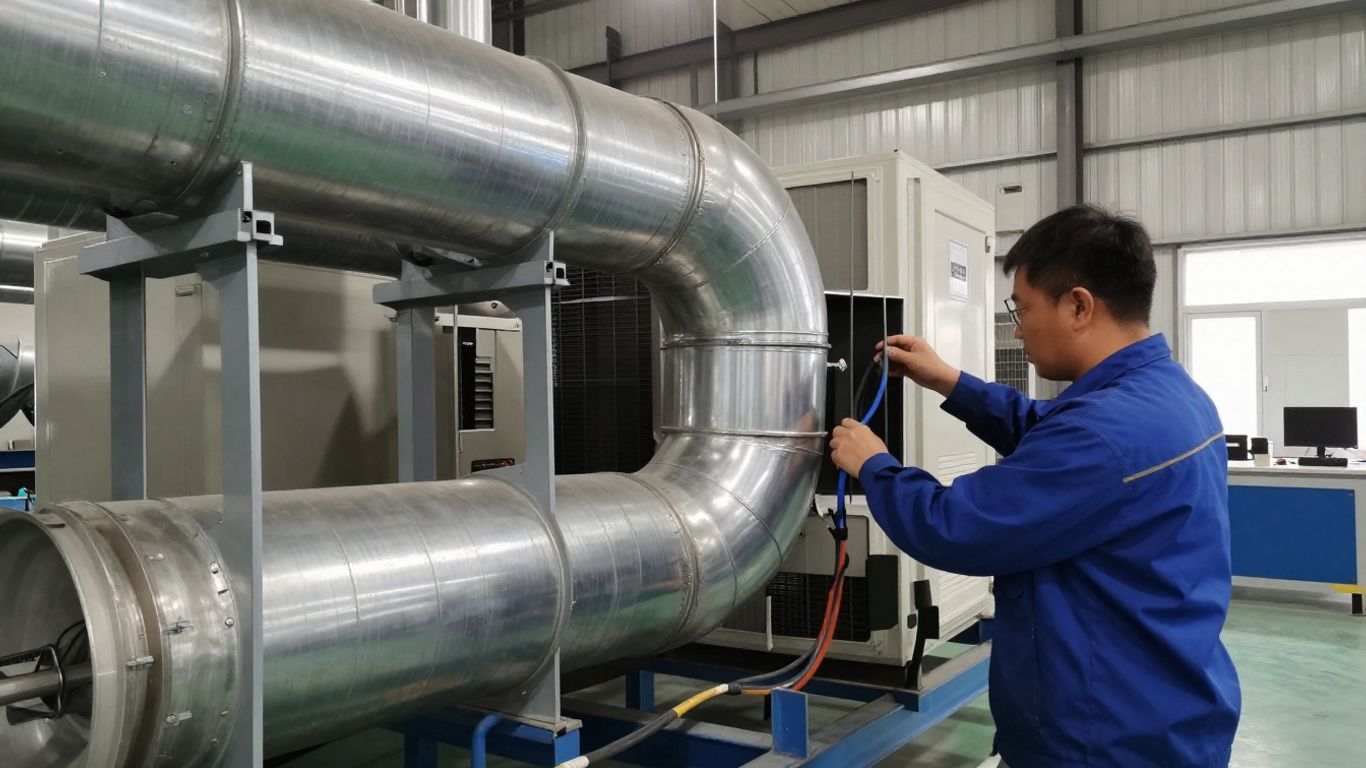
Correct installation is the difference between a functional, dry space and one that fights constant moisture issues regardless of equipment capacity. Proper positioning ensures the intake and exhaust don’t recirculate the same processed air too quickly. Following a logical installation strategy significantly improves the longevity of your hardware and the efficiency of your building.
Strategic air circulation and intake positioning
Place your unit away from obstacles like support beams or pallets, as these block the crucial air intake needed to pull moisture-laden air. The goal is to place the intake near the areas with the highest humidity spikes, while directing the dry air discharge toward the center of the facility where it can distribute effectively. You can improve air movement by using ceiling mounted fans in tandem with your dehumidifier.
Electrical setup and power requirements
Industrial units often have specific voltage and amperage requirements, typically higher than standard outlets, which might require a dedicated electrical circuit. Always have a qualified electrician assess your branch circuits before deployment to avoid frequent breaker trips during peak performance intervals. This avoids risks of fire and intermittent performance common with improperly wired high-draw appliances.
Managing condensate drainage and water disposal
Gravity drainage is the simplest method, but it requires that your unit be placed near a floor drain with the correct slope. For facilities where gravity drainage is impossible, a heavy-duty condensate pump is necessary, which forces the water through small-diameter tubing to reach an external drain. Failure to manage drainage properly leads to the very thing you are working to prevent: standing water inside the facility.
Integrating ducting for targeted space drying
In complex or multi-room facilities, using flexible or hard ducting allows you to bring the air intake from a damp basement and exhaust the dry air into a larger storage room. This enables the machine to remain in a service-accessible area while focusing its power on the most problematic rooms. For a clear understanding of what professional installations look like, you can see how Aggreko approaches site planning for high-volume moisture control.
Maintenance and operational longevity
Operational consistency depends on a rigorous maintenance schedule, as debris-clogged filters or failing sensors will cause the machine to work harder while producing less result. Neglecting maintenance usually leads to premature failure of the compressor or electronic control board. Building a proactive maintenance plan is the best way to avoid expensive emergency repairs.
Scheduled filter cleaning and coil inspections
Filters should be checked bi-weekly, while internal cooling and heating coils require at least a quarterly inspection for buildup. Inspecting the coils also helps identify small leaks in the refrigerant line before they become major repair requirements when the unit stops extracting water entirely. Maintaining components ensures maximum airflow and efficient moisture capture.
Troubleshooting common mechanical failures
Most mechanical issues in dehumidifiers stem from airflow restrictions, sensor drifts, or condensate pump failures. When you encounter common mechanical problems, start with these diagnostic steps provided in the table below:
| Problem | Potential Cause | Remedy |
|---|---|---|
| Excessive Noise | Vibration/loose panels | Tighten screws and check mounting |
| High Humidity | Clogged filter | Clean or replace filtration media |
| Water Leakage | Blocked drain line | Flush lines with cleaning solution |
Addressing these items early on keeps the machine within its operational tolerances and reduces the strain on internal components.
Monitoring sensor accuracy over time
Sensors for temperature and humidity often drift over several years, meaning the unit might think the room is at 40% humidity even when it is actually at 55%. Regular calibration against a master handheld moisture meter is vital to ensure the onboard computer turns the system on at the right time. Most reliable manufacturers provide calibration protocols as part of their service manual.
The benefits of professional service contracts
While internal maintenance is manageable, professional service contract holders benefit from expert inspections of the sealed refrigerant circuit and electrical connections. A certified technician can catch early signs of compressor stress that a regular site staffer might miss. Professional servicing also gives you access to genuine replacement parts that maintain the machine’s original performance rating.
Comparing rental versus permanent installation
Deciding between renting or buying depends mostly on the frequency of your moisture issues and the duration of your facility’s operational horizon. Short-term projects often find rental units more cost-effective as they provide immediate capacity without the initial outlay. Permanent installations make more sense for facilities where humidity is a constant, year-round challenge to critical manufacturing or sensitive storage.
Short-term flood remediation and construction use cases
When a pipe burst happens, you need extreme moisture removal capacity immediately. Rental companies often provide compact or massive mobile units that can handle these high-speed drying cycles before the building sustains structural damage. For these one-off events, maintaining a stock of permanent equipment is rarely the best use of capital.
Capital expenditure analysis for heavy production facilities
For a permanent facility, calculating the ROI for a fixed system involves balancing the energy cost of running high-performance units against the cost of potential inventory loss from high humidity. When the numbers show that purchasing high-efficiency equipment will pay for itself in saved inventory and lower energy bills, a permanent installation is clearly the better path. If you are ready to invest in long-term control, you can Buy Now to see options for your facility.
Scaling capacity for seasonal operational fluctuations
Some industries face dramatic humidity spikes during specific seasons or production cycles. If your peak season only lasts three months, it might be smarter to have a core permanent system that covers 70% of your needs, while renting supplementary units for the peak periods. This flexibility keeps your budget balanced while ensuring you aren’t stuck with oversized equipment working inefficiently the rest of the year.
Logistical considerations for moving heavy units
Permanent units are designed to stay put, often requiring rigging or specialized transport to displace. Rental units are built with mobility in mind, featuring heavy-duty casters and fold-flat handles or lifting frames. If you plan to move your dehumidification capacity around between different sites or changing rooms, you must prioritize units that are easy to relocate.
Conclusion
Selecting an industrial dehumidifier is a strategic decision that balances environmental control with long-term operational efficiency. By carefully evaluating moisture sources, unit technology, and installation requirements, you ensure a protected facility environment. Consistent maintenance and an informed approach to hardware selection will secure your assets against moisture damage for years to come.
Frequently Asked Questions
How often should industrial dehumidifier filters be cleaned?
Most high-use industrial units require filter checks every two weeks in dusty environments, though cleaner facilities may only need monthly maintenance to ensure optimal airflow.
Can a dehumidifier replace an air conditioner?
While they both reduce humidity, their primary functions differ significantly; an industrial dehumidifier focuses on moisture extraction, whereas an AC system is designed primarily for temperature regulation.
What happens if the humidity is too low?
Excessively low humidity can lead to static electricity buildup, material cracking, and can cause discomfort or health issues for employees working in the space for long durations.
Are desiccant dehumidifiers better for all environments?
No, they are most effective in cooler or low-temperature environments, while refrigerant systems generally provide better energy efficiency in warmer, standard commercial production settings.
How can I determine the right pint capacity for my space?
Capacity is determined by volume, existing moisture sources, and external environmental factors, often requiring a calculated assessment of your facility’s total cubic air volume.
Do I need ductwork for my industrial dehumidifier?
It depends on whether you have a large single space or multiple isolated rooms, as ductwork helps distribute the dry air and extract moisture from targeted areas far from the unit’s base.
Why is the condensate drain frozen?
Frozen drain lines or coils often indicate restricted airflow, a failing refrigerant charge, or extremely low operating temperatures that the unit’s defrost cycle cannot overcome.