Key Takeaways
- Singapore’s high humidity necessitates both moisture control and air purification for optimal indoor comfort.
- Combination appliances provide a space-efficient way to tackle mold while maintaining air quality standards.
- Proper maintenance of HEPA filters and drainage tanks ensures appliances operate at peak efficiency in tropical conditions.
- Smart features can optimize energy consumption and allow for real-time monitoring of local environmental factors.
- Choosing between separate or integrated units depends on specific spatial requirements and intended room coverage.
Humidity and air quality challenges in Singapore
Impact of high humidity on respiratory health
Excessive moisture within the home fosters the growth of biological contaminants that can trigger sensitivity and discomfort for those with respiratory concerns. In tropical climates, prolonged exposure to high ambient humidity often leads to musty environments that are difficult to mitigate without specialized equipment. Ensuring your indoor space remains dry is a preventative measure against these invisible health risks.
Common indoor allergens in Singapore apartments
Dust mites, pollen, and fungal spores thrive in the persistent humidity characterizing local high-rise living. These particles accumulate rapidly on household fabrics and surfaces, constantly circulating through central ventilation systems or open windows. Utilizing HEPA filtration is a proven method for sequestering these common allergens from the air before they settle.
Balancing mold prevention with clean air standards
Maintaining the structural integrity of a residence while ensuring the air remains crisp requires constant monitoring of ambient moisture. Achieving this balance often means balancing ventilation with active extraction methods that handle particulate matter concurrently. Homeowners often need to improve air quality through the installation of sophisticated appliances that manage both tasks seamlessly.
Understanding the 2-in-1 approach
Pros and cons of combination air purifier and dehumidifier units
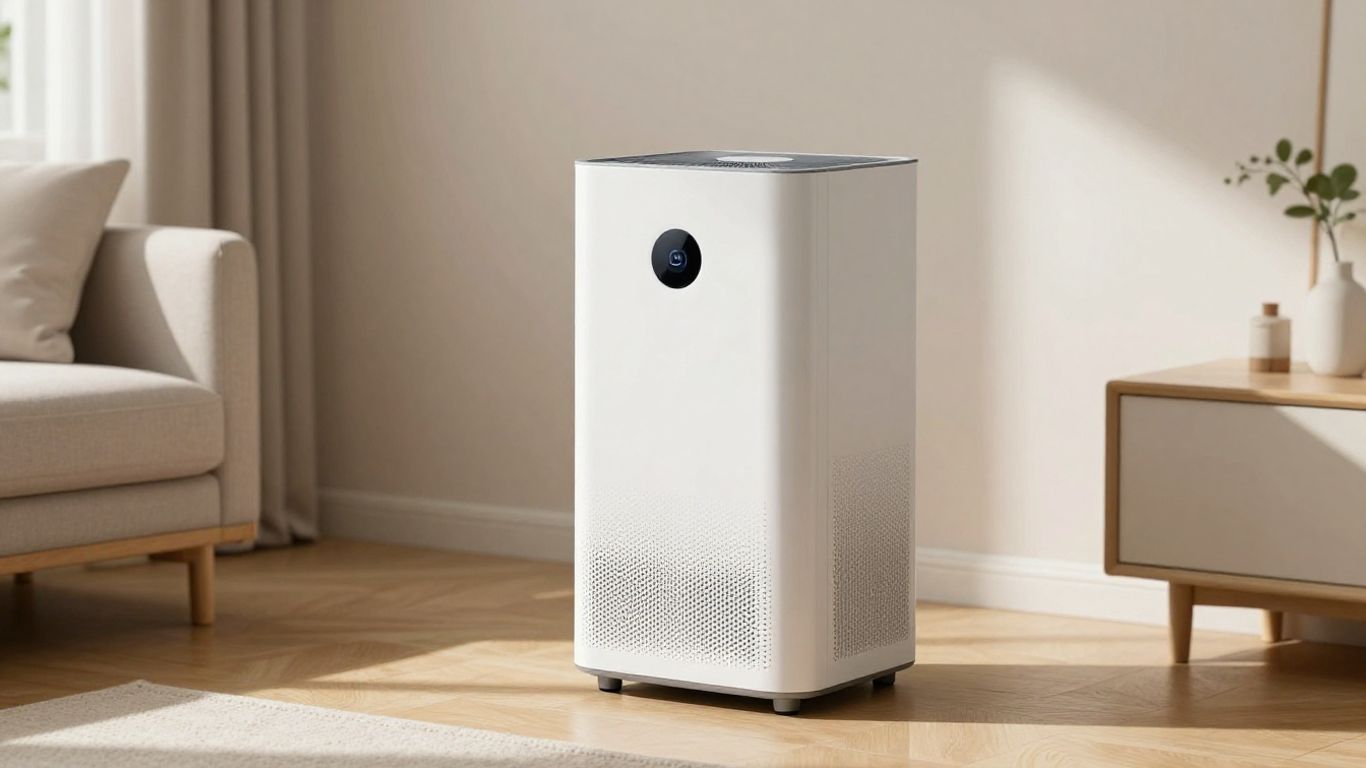
Combination units provide a single, sophisticated answer to complex environmental issues, saving valuable floor space in dense residential layouts. They offer the convenience of centralized moisture control and particulate removal, which reduces the clutter of operating multiple devices simultaneously. However, they may require more frequent attention to filter hygiene because both systems operate within the same chassis.
Technology behind dual-function filtration systems
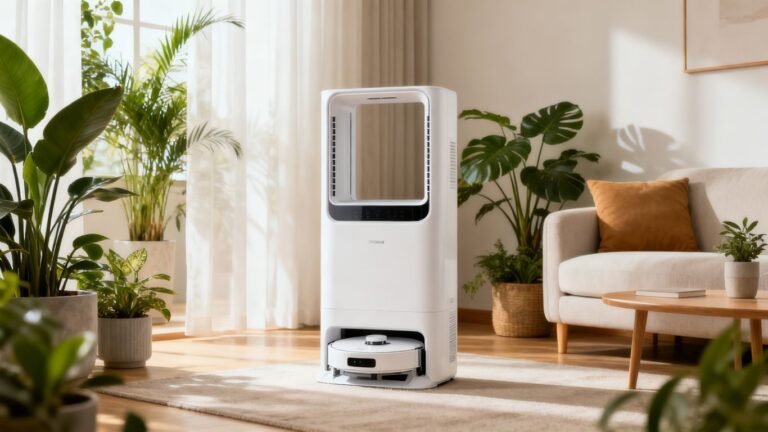
Advanced hybrid systems combine internal moisture extraction logic with multi-stage air filtration layers to address varying pollutant densities. For example, the Aerofy DualCore 20 utilizes specific engineering to tackle humidity and airborne pollutants with high efficiency. The integration ensures that moisture removal does not interrupt the purification cycle, allowing for a well-engineered home environment that stays dry and clean.
When a hybrid unit is ideal for small HDB flats
For residents living in compact square footage, maximizing the utility of every corner is paramount when selecting home appliances. A hybrid unit is typically the best choice when the following conditions are met:
- The living floor space is limited and cannot accommodate two separate power-hungry appliances.
- The primary ventilation source is constant enough to require steady moisture extraction.
- The household prioritizes low-maintenance, single-point control over home climate settings.
Following these criteria, selecting a 2-in-1 dehumidifier and air purifier allows for a more open living arrangement without sacrificing performance or indoor air health.
Choosing between separate devices vs. integrated systems
Space constraints and living room layouts
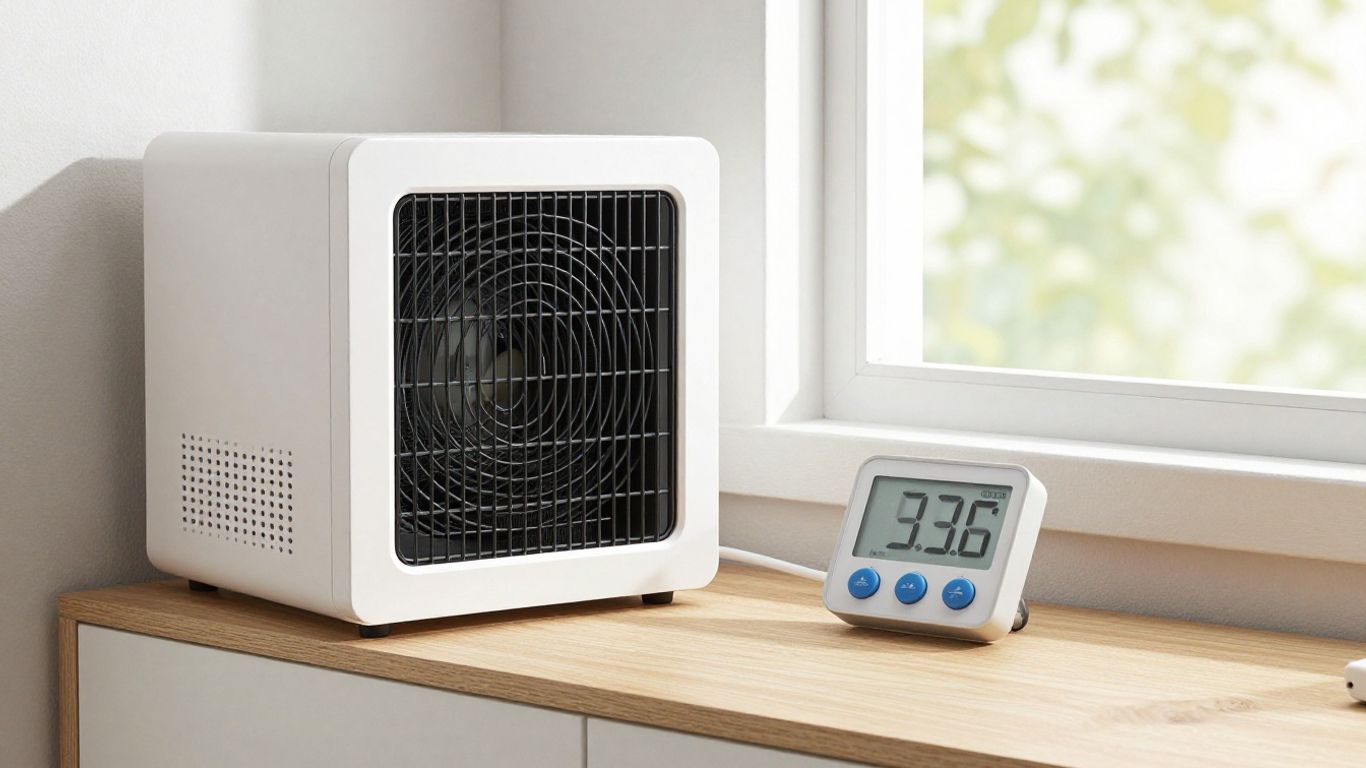
Placement strategy heavily influences the performance of any climate control equipment, especially in the living room. Larger areas might require independent devices that can be positioned strategically to target humidity near external walls while purifying air in central circulation points. Consulting a guide for choosing appliances often yields insights into optimizing spatial arrangement.
Comparing energy efficiency and operating costs
Comparing the costs of running multiple devices against a single hybrid system reveals clear tradeoffs in electricity usage. When evaluating efficiency, homeowners should look at power consumption data per day and the effectiveness of cycle management. The table below outlines how these configurations typically compare:
| Feature | Separate Units | Integrated System |
|---|---|---|
| Energy Consumption | High (Two motors/compressors) | Moderate (Shared components) |
| Floor Space usage | Large footprint | Minimal footprint |
| Power management | Independent control | Synchronized smart logic |
Selecting the right system involves calculating the total energy impact relative to your monthly utility usage.
Maintenance requirements for individual versus integrated filters
Cleaning schedules differ significantly between separate devices and integrated systems. While separate units allow you to service filters at different times depending on usage, integrated systems often link these tasks. To optimize the performance of air protection, regular inspection of pre-filters and the primary HEPA layer remains crucial across all setups.
Key features to look for in the Singapore market
CADR ratings for local air quality requirements
Understanding the Clean Air Delivery Rate (CADR) helps in predicting how quickly an appliance can purge a room of allergens and particulate matter. It is a vital metric that ensures the air purifier and dehumidifier you choose actually matches the dimensions of your specific zone, effectively filtering air volumes within a distinct timeframe.
Dehumidification capacity and water tank volume
Capacity levels dictate how frequently a user must empty the water collection tank. High-capacity models are essential during the monsoon season when humidity levels spike. To streamline this experience, owners should buy now from reputable collections that emphasize high extraction performance and ease of drainage.
IoT connectivity and smart home integration options
The Aerofy DualCore 20 provides smart control for scheduling and real-time monitoring of your desired humidity levels. Through mobile integration, users can check sensor data or adjust modes remotely, ensuring comfort is maintained even when they are not at home. This level of smart functionality is increasingly standard for tech-savvy residents.
Noise level considerations for overnight use
Silent operation is a highly desired feature for any appliance stationed in the bedroom or living area. Look for models incorporating rotary compressors or insulation technology that drives down decibels during sleep hours. Utilizing energy-saving modes can also help reduce mechanical activity and ambient sound output.
Maintenance and cost-effectiveness tips
Recommended filter replacement schedules for Singapore’s dust levels
Tropical dust levels and constant humidity require proactive filter management to keep internal systems running clean. Following the manufacturer’s suggested timeline prevents buildup that might restrict airflow, while also ensuring the Philips Series 5000 or similar devices maintain their rated efficiency levels for capturing micro-particulates.
Best practices for mold prevention in water collection tanks
Regular sanitization of water buckets prevents the growth of mold spores that can propagate throughout the home. Emptying the tank daily, even if it is not full, keeps the water tray free of stagnant breeding grounds. Some owners choose to wipe the tank with a mild disinfectant periodically to maintain high standards of hygiene.
Energy-saving modes and long-term utility costs
Modern sensors automatically detect current humidity levels and adjust compressor power accordingly to avoid unnecessary energy drain. By leveraging automatic modes, the appliance remains in an idle state until intervention is required, significantly lowering annual electricity costs. Using these built-in optimizations serves as a smart way to manage the power budget.
Warranty and local customer support availability
Securing a local warranty ensures that any mechanical issues can be addressed by authorized service centers without extended wait times. When purchasing, verify that the brand provides robust support for long-term repairs or spare parts availability. This peace of mind is essential for the longevity of your cooling and air purification investment.
Conclusion
Investing in an Aerofy DualCore 20 or another capable air purifier and dehumidifier allows residents to take total control over their indoor climate. By balancing moisture extraction with particulate filtration, you prevent common issues like mold and allergens, resulting in a cleaner living environment. With proper maintenance and smart usage, these devices effectively combat the challenges of the tropical climate for years to come.
Frequently Asked Questions
Can I use a dehumidifier and an air purifier at the same time if they are separate devices?
Yes, you can operate both concurrently to handle distinct humidity and air quality issues, though this may increase total power consumption and space needs compared to a single hybrid appliance.
How often should I check the water tank for mold growth?
It is recommended to clear the tank at least every two days to prevent bacterial buildup and mold, especially during weeks of high sustained humidity.
Do I really need HEPA filtration in Singapore?
Given the prevalence of dust, pollutants, and potential outdoor haze, HEPA filtration is highly effective at capturing fine particles that contribute to indoor allergy triggers.
What does the humidity level should ideally be set at in a local home?
Targeting a humidity range between 45% and 55% is generally considered optimal to prevent mold growth without drying out the skin or respiratory passages excessively.
Will an integrated device draw more power than two separate units?
Typically, integrated devices are more energy-efficient because they use a single compressor system, which is generally more effective at managing electricity than running two distinct motors and cooling cycles.
Are smart features like Wi-Fi control actually useful?
Remote control and real-time monitoring allow for better energy management and scheduling, which are particularly helpful for busy homeowners who want to ensure their residence stays comfortable before returning home.
How do I know when my filter needs to be replaced?
Most modern appliances feature an indicator light or app notification; otherwise, visually inspect the filter for dark residue or a significant reduction in airflow performance once every three to six months.