Dealing with Singapore’s humidity can be tough, but these key points will help you manage it effectively. Keep these in mind for a drier, more comfortable home.
Key Takeaways
- Use your air conditioner’s ‘Dry Mode’ to remove moisture without over-cooling.
- Consider electric dehumidifiers for significant moisture problems or non-electric absorbers for smaller spaces.
- Improve air circulation with fans and strategic window opening when the outside air isn’t too humid.
- Minimize indoor moisture by drying laundry outside and being mindful of houseplants.
- Use a humidity meter to keep track of moisture levels and identify when action is needed.
Leverage Air Conditioning Effectively
Singapore’s climate means humidity is often a constant battle. Your air conditioner, while primarily for cooling, can be a powerful ally in managing indoor moisture levels. Understanding and utilizing its features correctly can make a significant difference in your home’s comfort.
Utilize Aircon Dry Mode
Many people overlook the ‘Dry Mode’ on their air conditioners, but it’s a real game-changer for tackling humidity. Unlike the ‘Cool Mode’ which focuses on lowering temperature, Dry Mode prioritizes removing moisture from the air. You’ll typically find this mode indicated by a water droplet symbol on your remote. When activated, the air conditioner runs its cooling cycle but at a lower fan speed, allowing more time for moisture to condense on the coils and be drained away. This process effectively lowers the relative humidity without drastically dropping the room temperature, making it ideal for those sticky, muggy days when it feels damp rather than just hot. It’s particularly useful during rainy spells or when the outdoor humidity is high, even if the temperature isn’t extreme.
While the ideal indoor humidity is often cited between 40-50%, simply reducing levels from a sticky 70-80% down to around 60% can bring noticeable relief. You might find that using Dry Mode for a few hours makes the air feel significantly more comfortable and less clammy.
Understand Aircon Settings
Beyond Dry Mode, other settings can influence humidity. Running your air conditioner on a lower fan speed in Cool Mode can also help remove more moisture, as the air spends more time in contact with the cold evaporator coils. However, Dry Mode is specifically optimized for this task. It’s also worth noting that setting your thermostat too low in Cool Mode can sometimes lead to over-cooling and excessive condensation, which, if not properly managed by the unit’s drainage, could contribute to dampness. For optimal results, consider using a simple and affordable humidity meter to monitor your room’s moisture levels.
Maintain Your Air Conditioning Unit
Regular maintenance is key to ensuring your air conditioner functions efficiently, including its ability to manage humidity. Over time, dust and debris can accumulate on the filters and coils. Dirty filters restrict airflow, making the unit work harder and less effectively. Clogged coils can impede the condensation process. Scheduling professional cleaning, especially for the internal components like the fan coil and blower, can prevent mold growth within the unit and ensure it effectively removes moisture. A well-maintained unit not only cools better but also contributes to a healthier indoor environment by preventing the circulation of mold spores and other allergens.
Here’s a quick checklist for maintenance:
- Clean or replace air filters monthly: This is the easiest and most frequent task you can do.
- Schedule professional servicing annually: This includes cleaning coils, checking refrigerant levels, and inspecting the drainage system.
- Ensure proper drainage: Check that the condensate drain line is clear and not blocked, allowing water to flow out freely.
Employ Dehumidifying Devices
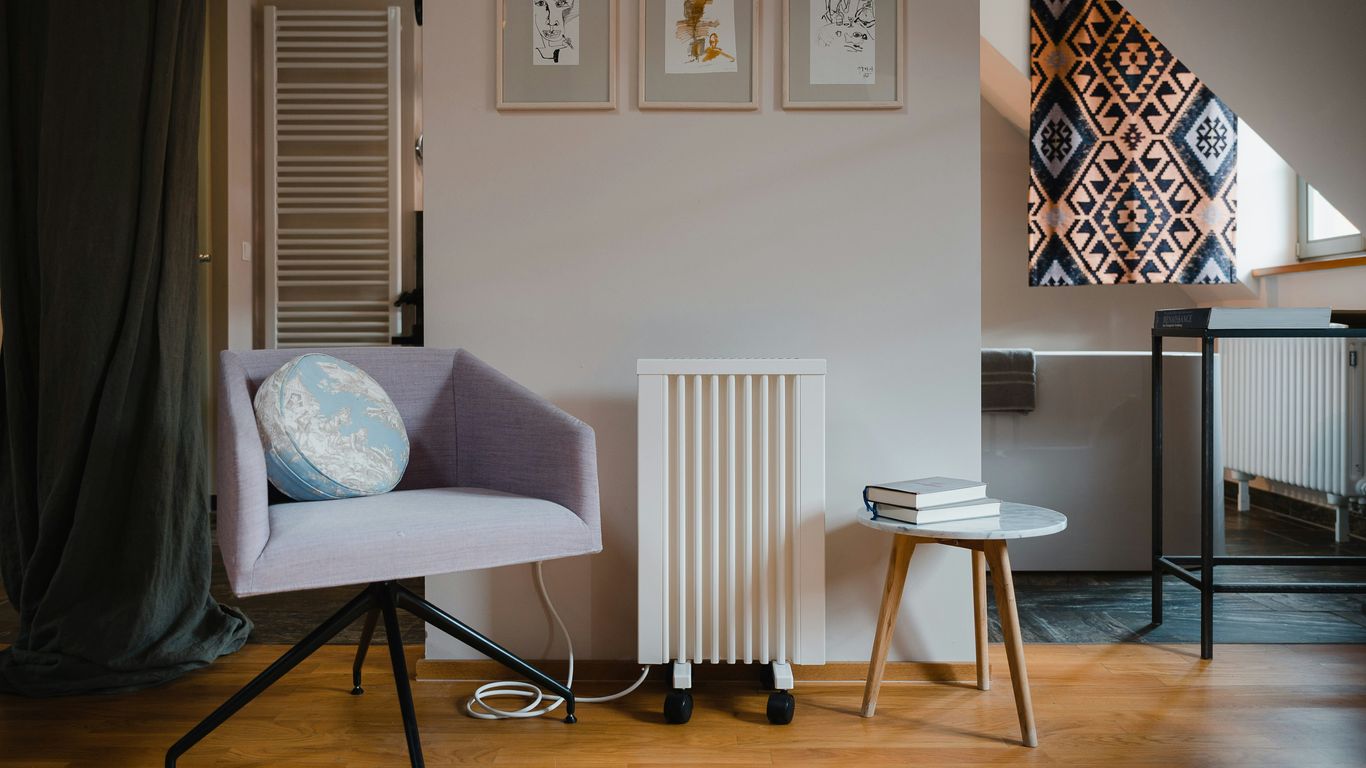
When the air in your Singapore home feels thick and sticky, it’s a clear sign that humidity levels are too high. While air conditioning helps, dedicated dehumidifying devices can offer more targeted moisture removal. These gadgets are designed specifically to pull water vapor out of the air, making your living space more comfortable and helping to prevent common issues like mold and mildew.
Electric Dehumidifiers
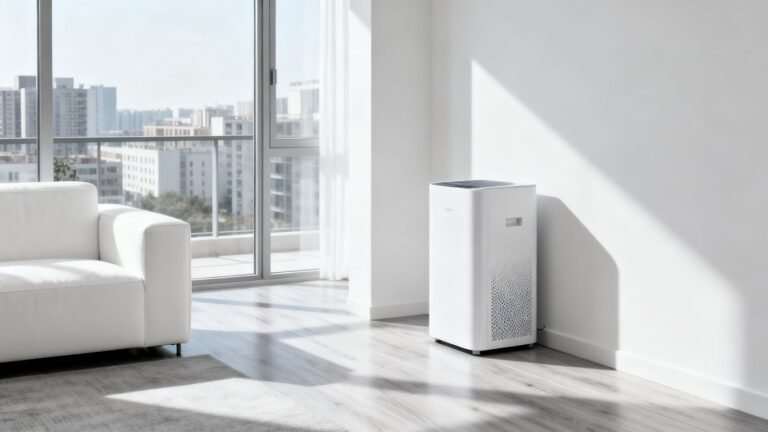
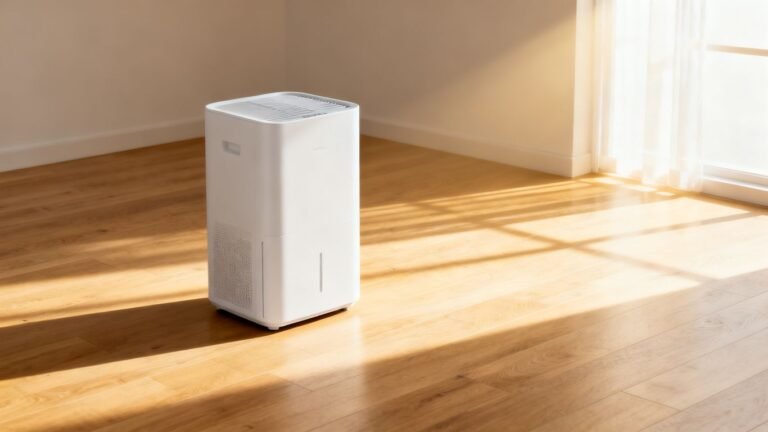
Electric dehumidifiers are powerful tools for tackling significant moisture problems. They work by drawing in moist air, passing it over a cold coil to condense the water, and then releasing drier air back into the room. The collected water is stored in a tank that needs to be emptied periodically, or some models offer a continuous drain option. These are generally best for larger rooms or areas with persistent dampness. When looking for Singapore home dehumidifier solutions, an electric unit can be a solid choice for serious humidity control.
- Capacity: Consider the size of the room you need to dehumidify. Larger tanks and higher moisture removal rates are better for bigger spaces.
- Features: Look for models with adjustable humidistats to set your desired humidity level, auto-shutoff when the tank is full, and energy-saving modes.
- Maintenance: Remember to clean the filter regularly and empty the water tank to keep the unit running efficiently.
Non-Electric Moisture Absorbers
For smaller spaces or as a supplementary measure, non-electric moisture absorbers are a simple and cost-effective option. These typically use desiccant materials, like silica gel or calcium chloride crystals, to attract and trap moisture from the air. They don’t require power and are often compact enough to place inside wardrobes, cupboards, or even cars. While they won’t tackle a whole room’s humidity like an electric unit, they are great for preventing dampness in confined areas. Some reusable options allow you to dry out the desiccant material when it’s saturated, making them an eco-friendly choice.
Dehumidifier and Air Purifier Combos
In a climate like Singapore’s, where humidity often goes hand-in-hand with airborne particles, a combined dehumidifier and air purifier can be a smart investment. These 2-in-1 units tackle both excess moisture and common allergens like dust, pollen, and pet dander. This dual action helps create a healthier indoor environment by preventing mold growth while also cleaning the air you breathe. It’s a space-saving and often more economical solution than running two separate appliances. These integrated systems are becoming increasingly popular as effective Singapore home dehumidifier solutions.
Managing indoor humidity is key to preventing a host of problems, from musty odors and damaged belongings to potential health issues related to mold and dust mites. Employing the right devices can make a significant difference in your home’s comfort and air quality.
Enhance Air Circulation
Good airflow is key to managing humidity. When air stagnates, moisture has more time to build up, making your room feel damp and uncomfortable. Improving circulation helps to move this moist air out and bring drier air in.
Strategic Fan Placement
Fans are your best friend when it comes to moving air around. Don’t just turn them on and forget about them; think about where you place them. Ceiling fans are great for general circulation, but a strategically placed portable fan can make a big difference. Try positioning a fan near a window, pointing outwards, especially during times when the outside air is drier than inside. This can help push humid indoor air out. Alternatively, place a fan in a corner to help break up stagnant air pockets. Even a small improvement in airflow can prevent that sticky, heavy feeling.
Open Windows When Appropriate
While Singapore’s climate is often humid, there are times when opening windows can actually help. If the air outside is cooler and less humid than inside, opening windows and doors can create a natural cross-breeze. This is particularly effective in the early morning or late evening. However, be mindful of the weather; on very rainy or extremely humid days, opening windows might let more moisture in. It’s a balancing act, and using a humidity meter can help you decide the best course of action.
It’s important to remember that ventilation isn’t just about letting air in and out; it’s about creating a dynamic environment where stale, moist air is constantly being replaced. This process is vital for preventing the conditions that allow mold and mildew to thrive.
Here are a few tips for effective fan use:
- Ceiling Fans: Ensure they are set to rotate counter-clockwise in the summer to push air downwards, creating a cooling breeze.
- Portable Fans: Place them in areas where you spend the most time or where air feels particularly stagnant.
- Window Fans: Use them to either draw fresh air in or push stale air out, depending on the outside conditions.
- Combine with AC: Using fans alongside your air conditioner can help circulate the cool, dry air more effectively, potentially allowing you to set your thermostat a little higher and save energy.
Manage Indoor Moisture Sources
Many everyday activities can add a surprising amount of moisture to the air in your home. Understanding these sources is key to managing humidity levels and preventing issues like condensation and mold growth in Singapore homes. Being mindful of how you dry clothes, care for plants, and handle water can make a big difference.
Dry Laundry Outdoors
Drying clothes indoors, especially in a humid climate like Singapore’s, releases a lot of water vapor into the air. This can significantly raise indoor humidity. Whenever possible, hang your laundry outside to dry. If you absolutely must dry clothes inside, using a clothes dryer that vents to the outside is a better option. If neither is possible, consider using an electric dehumidifier in the room where you’re drying clothes to help manage the excess moisture.
Limit Houseplants
While plants are great for air quality in dry environments, they can contribute to humidity indoors because they release a lot of water vapor through transpiration. If you have many houseplants, especially in smaller rooms, they might be adding more moisture than you realize. For a more humid environment, consider swapping some of your real plants for artificial ones. This way, you can still enjoy the greenery without the added humidity.
Address Leaks Promptly
Leaks, no matter how small, can be a major source of excess moisture. Regularly check plumbing, roofs, and areas around sinks, bathtubs, and showers for any signs of leaks. Don’t forget to inspect your home’s foundation as well. Promptly repairing any leaks is one of the best ways to control moisture indoors and prevent more serious water damage and the potential for mold to start growing. Proper home waterproofing can also help prevent moisture from seeping in.
A family of three can produce around 12 liters of water vapor daily just from normal activities. This constant addition of moisture needs to be managed to keep your home comfortable and healthy.
Here are some common moisture-producing activities to be aware of:
- Cooking: Boiling water releases steam. Always try to cover pots and pans when cooking.
- Bathing/Showering: Long, hot showers are significant contributors to indoor humidity. Use exhaust fans if you have them.
- Breathing and Sweating: Even without specific activities, people naturally release moisture into the air.
Addressing these sources is a proactive step towards maintaining a drier, more comfortable living space and is vital for preventing musty smells and potential health issues associated with high humidity.
Monitor Humidity Levels
Understanding the moisture content in your home is the first step to effectively combat high humidity in tropical climates. Without knowing the current levels, it’s hard to tell if your efforts are making a difference. Paying attention to these numbers helps you make informed decisions about managing your indoor environment.
Use a Humidity Meter
A simple tool called a hygrometer, or humidity meter, is your best friend for this. These devices measure the relative humidity in the air, usually as a percentage. They are relatively inexpensive and can be found online or at hardware stores. Placing a few of these around your home, especially in areas prone to dampness like bathrooms, kitchens, and basements, will give you a clear picture of where the problems lie. For instance, you might find one room consistently reads higher than others, indicating a specific issue to address there. Many modern air conditioners also have built-in humidity sensors, but a dedicated meter offers more precise readings for specific spots. It’s a good idea to keep one handy to monitor indoor humidity levels.
Recognize Signs of High Humidity
Even without a meter, your senses can often tell you when humidity is too high. Look out for these common indicators:
- Condensation: Water droplets forming on windows, mirrors, or cold surfaces like pipes.
- Musty Odors: A persistent damp or mildew smell, especially in closets or less-ventilated areas.
- Mold or Mildew Growth: Visible patches of black, green, or white fuzzy growth on walls, ceilings, or fabrics.
- Sticky Feeling: Surfaces, and even the air itself, might feel clammy or sticky to the touch.
- Warping Materials: Wooden furniture, doors, or even structural elements might start to warp or swell.
If you notice several of these signs, it’s a strong signal that your home’s humidity is too high. Addressing these issues promptly can prevent more significant problems down the line, like structural damage or health concerns related to mold exposure. Keeping your home comfortable and healthy is key, and knowing when to act is part of that process. For those living in Singapore, where humidity is naturally high, these signs are particularly important to watch for. You can find useful tools to help manage moisture in smaller spaces, like disposable dehumidifiers.
High humidity can do more than just make your home feel uncomfortable; it can also be a breeding ground for mold and dust mites, which can trigger allergies and respiratory issues. Regularly checking your home’s moisture levels is a proactive way to safeguard your health and preserve your living space. Understanding the humidity levels in tropical Singapore can help you tailor your approach.
Optimize Your Living Space
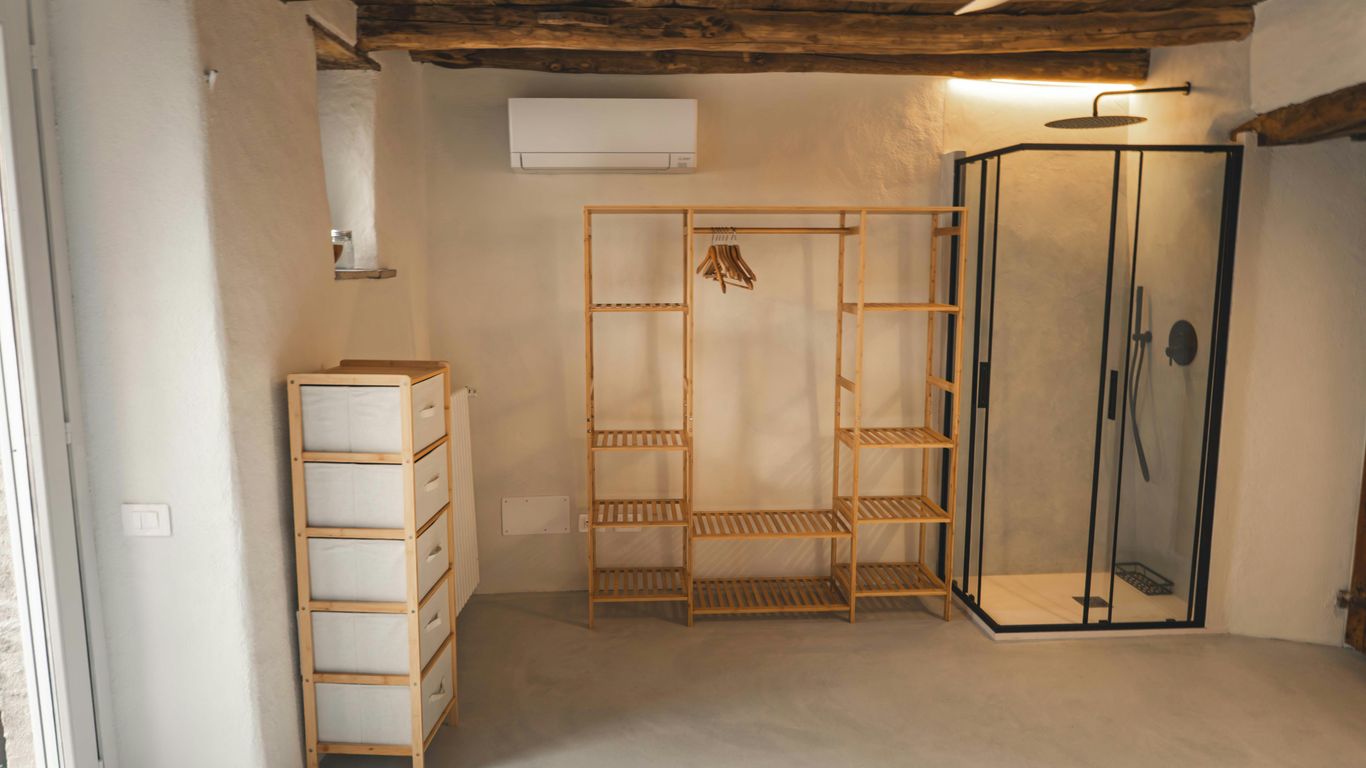
Making smart choices about your home’s structure and how you use it can really help keep humidity in check. It’s not just about the devices you use, but also about how your home itself handles moisture.
Improve Insulation
Good insulation acts like a barrier, helping to keep your home’s temperature more stable. In a place like Singapore, where it’s warm and humid, this means that warm, moist air from outside has a harder time getting in and condensing on cooler surfaces inside your home. Think of it like wearing a good jacket on a cold day – it keeps the outside out. Proper insulation in walls, attics, and even basements can make a noticeable difference in preventing that clammy feeling.
Waterproof Your Home
Leaks are a sneaky source of excess moisture. It’s a good idea to regularly check around sinks, bathtubs, showers, and especially your home’s foundation for any signs of water. Don’t forget to look at your plumbing and roof too. Fixing even small leaks promptly can stop moisture from building up and causing bigger problems down the line. Taking steps to waterproof your home can prevent a lot of these issues before they start, contributing to a drier indoor environment. This is a key step in controlling indoor humidity.
Addressing structural issues like leaks and poor insulation is a long-term strategy that pays off by creating a more naturally comfortable and less damp living space. It’s about building a home that works with you to manage moisture, rather than against you.
Here are some areas to focus on:
- Check for leaks: Regularly inspect plumbing, roofs, and foundations.
- Seal gaps: Pay attention to areas where moisture might seep in, like around windows and doors.
- Ventilation in wet areas: Ensure bathrooms and kitchens have proper exhaust fans that vent outside.
- Consider basement waterproofing: If you have a basement, ensure it’s properly sealed against ground moisture.
Consider Specialized Solutions
Sometimes, the usual methods like air conditioning and fans aren’t quite enough to tackle Singapore’s persistent humidity. That’s where a few more specialized approaches can really make a difference. These options might seem a bit niche, but they can be surprisingly effective for specific problems.
Solar and Glass Protection Films
Think about the windows in your home. Direct sunlight beaming through them can significantly increase the indoor temperature and, consequently, the humidity. Applying solar and glass protection films can help. These films work by reflecting a good portion of the sun’s heat and UV rays before they even enter your room. This not only helps keep the space cooler but also reduces the workload on your air conditioning system, indirectly helping with humidity control. It’s a bit like giving your windows a reflective shield against the tropical sun. Many homeowners find that installing these films makes a noticeable difference in their home’s overall comfort level, especially during the hottest parts of the day.
Activated Charcoal for Odor and Moisture
Activated charcoal is a fantastic natural material that’s great at absorbing moisture and odors. You’ve probably seen those little bags of charcoal you can put in shoes or closets. They work on the same principle for larger spaces. These charcoal absorbers are porous and have a huge surface area, allowing them to trap water molecules from the air. They’re particularly useful for smaller, enclosed areas like wardrobes, cabinets, or even drawers where moisture can get trapped and lead to musty smells. Unlike electric dehumidifiers, they don’t require power and are very low maintenance. You can often reactivate them by placing them in sunlight for a few hours, making them a sustainable option for managing dampness and keeping things smelling fresh. They’re a simple, passive way to combat that lingering damp smell that can plague even well-ventilated homes in a tropical climate.
Maintain Wardrobe Dryness
Singapore’s climate can be tough on your clothes and belongings, especially in enclosed spaces like wardrobes. High humidity can lead to musty smells and even mold growth, damaging your favorite items. Fortunately, there are several straightforward ways to keep your wardrobe dry and your clothes fresh.
Wardrobe Moisture Control
Keeping your wardrobe dry is about more than just preventing mold; it’s about preserving the quality of your clothes. Here are some practical tips for dry air in Singapore that you can implement:
- Ventilation is Key: Don’t pack your wardrobe too tightly. Clothes need a little space to breathe. If possible, leave the wardrobe doors slightly ajar when you’re home, especially on drier days. This allows for better air circulation.
- Use Moisture Absorbers: Small, non-electric moisture absorbers are fantastic for wardrobes. Products like silica gel packets or calcium chloride crystals can soak up excess moisture. You can find these readily available online or in home goods stores. Replace or recharge them as directed.
- Consider a Small Dehumidifier: For larger wardrobes or if you notice persistent dampness, a compact electric dehumidifier designed for small spaces can be a game-changer. These can be placed inside or near the wardrobe to actively remove moisture from the air.
- Regular Cleaning: Dust and lint can trap moisture. Regularly empty your wardrobe and give it a good clean. Wipe down shelves and the interior walls with a dry cloth.
Preventing Musty Smells
Musty smells are a clear sign of excess moisture and potential mold or mildew. Tackling the source of the dampness is the first step, but here are additional measures:
- Air Out Clothes: Before storing clothes, especially those worn on humid days, ensure they are completely dry. If you’ve had to dry laundry indoors, make sure it’s thoroughly dry before putting it away. Consider using moisture absorber packs in drawers and closets.
- Natural Deodorizers: Activated charcoal or baking soda in open containers can help absorb odors. Cedarwood blocks or sachets are also popular for their pleasant scent and natural moth-repelling properties.
- Sunlight and Air: Whenever possible, take items like blankets, cushions, or even clothes you don’t wear often out into the sun and fresh air for a few hours. Sunlight is a natural disinfectant and helps to air things out.
Managing wardrobe dryness in Singapore requires consistent effort. It’s a battle against the constant humidity, but by implementing these simple strategies, you can significantly reduce the risk of dampness, musty smells, and damage to your clothing and personal items. Think of it as a small investment in keeping your belongings in good condition for longer.
For more advanced solutions to protect your belongings from moisture, exploring options like wardrobe mold prevention can provide further insights.
Keep your clothes dry and fresh! Dealing with dampness in your wardrobe is a common problem, but it doesn’t have to be a hassle. We have simple solutions to help you prevent mold and musty smells. Visit our website today to learn more about keeping your clothes in top shape and explore our range of products designed for a dry and comfortable home.
Conclusion
Tackling humidity in Singapore doesn’t have to be a constant battle. By understanding the sources of moisture and employing a mix of air conditioning, dehumidifying devices, and smart habits, you can create a more comfortable and healthier living space. Remember, consistent monitoring and adjustments are key to keeping your room dry and pleasant, no matter the weather outside. A well-managed environment means less worry about mold and a more enjoyable home.
Frequently Asked Questions
Why is my room always so damp in Singapore?
Singapore has a tropical climate, meaning it’s naturally warm and very humid most of the year. This high moisture in the air gets trapped inside homes, especially if there isn’t enough airflow, making rooms feel damp and sticky.
Is using the aircon’s ‘Dry Mode’ better than ‘Cool Mode’ for humidity?
Yes, ‘Dry Mode’ is specifically designed to remove moisture from the air. While ‘Cool Mode’ also reduces humidity, its main job is to lower the temperature. Dry Mode focuses on taking out water vapor, making the air feel less sticky without making it too cold.
How often should I use a dehumidifier?
It really depends on how humid it is. If you notice condensation on windows, a musty smell, or things feeling sticky, it’s a good time to use it. Many people use them daily during certain seasons or on rainy days. You can also use a humidity meter to know for sure.
Can I just open my windows to reduce humidity?
Sometimes, yes! If the air outside is drier than inside, opening windows can help. However, in Singapore, the outside air is often very humid, so opening windows might actually bring more moisture into your room. It’s best to check the humidity outside before deciding.
Do houseplants make my room more humid?
Yes, plants release water vapor as part of their natural process. While they’re great for air quality in dry places, if your room already has too much moisture, too many plants can add to the problem. You might consider reducing the number of plants or using artificial ones.
What’s a good humidity level for my room?
The best range for comfort and health is usually between 40% and 60%. When humidity goes much higher, like the 70-90% common in Singapore, it can feel uncomfortable and encourage mold growth. Aiming to get it below 60% makes a big difference.
How can I stop my wardrobe from smelling musty?
Musty smells often come from trapped moisture. Try placing moisture absorbers (like silica gel packs or charcoal bags) inside your wardrobe. Make sure clothes are completely dry before storing them, and occasionally air out the wardrobe by leaving the doors open for a bit.
Are there simple ways to reduce moisture without buying a machine?
Absolutely! Simple things like drying clothes outdoors whenever possible, fixing any leaks quickly, and using fans to keep air moving all help. Non-electric moisture absorbers, which you can buy online or in stores, are also a good option for smaller spaces like closets.