
Key Takeaways
Transitioning from high-heat tumble dryers to efficient dehumidification transforms indoor laundry care. By managing moisture levels precisely, you can protect fabrics while keeping utility costs significantly lower.
- Use a dedicated laundry setting for optimal airflow and moisture extraction.
- Keep doors and windows closed to create a controlled environment.
- Select a model with an active swing louver for even coverage.
- Place your drying rack strategically for maximum exposure to air.
- Monitor drying progress to conserve energy once clothes are dry.
How a clothes dehumidifier accelerates evaporation
Accelerating laundry drying relies on physics—specifically, how effectively the surrounding air can absorb trapped moisture from wet textiles. When moisture levels remain high in a confined room, air becomes saturated, halting the drying process. An appliance like the Aerofy DualCore 20 addresses this by actively drawing damp, heavy air into its system, removing the moisture, and circulating dry air back into the room.
The role of relative humidity in drying
Relative humidity acts as a brake on evaporation. If the air in your drying room is already damp, it has little capacity to hold more water, meaning your clothes will feel clammy for hours. A machine pulling moisture out lowers the humidity, forcing the fibers in your laundry to release their water molecules into the dryer, faster and more consistently.
Temperature versus airflow: finding the perfect balance
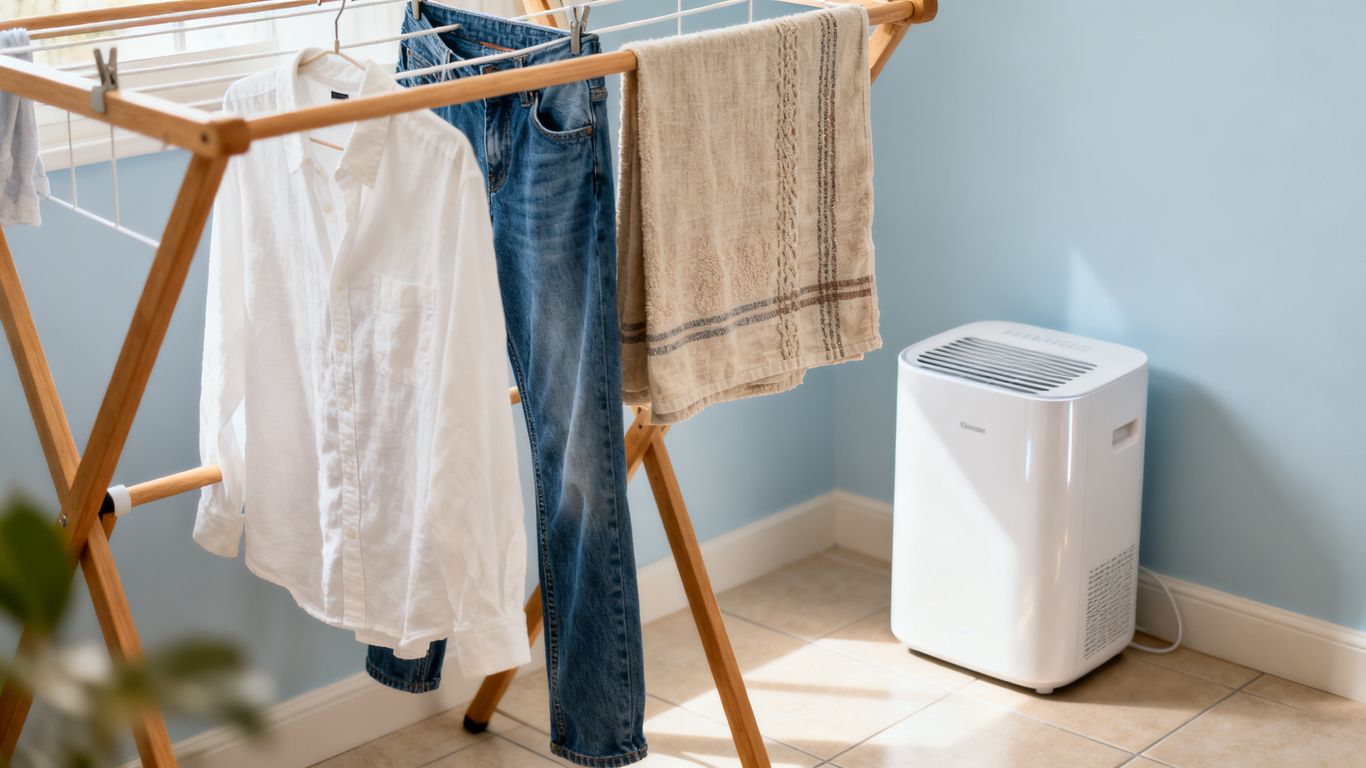
Finding the sweet spot between heat and air movement is crucial for efficiency. While heat helps, excessive temperatures often damage fibers. Instead, steady, consistent airflow ensures that the humidity levels stays uniform throughout the room, which is why an efficient rotary compressor system is so effective. It keeps the air moving and dry, preventing localized damp spots.
Why dehumidifying is gentler than heat-based drying
High-heat drying often leads to premature garment wear, shrinking, and damaged elastic. By prioritizing moisture extraction rather than intense heat, a clothe dehumidifier allows you to dry delicate items like silk and wool without the degradation caused by aggressive tumbling.
Optimizing the room environment for fast drying
Creating a closed-loop environment is the most direct way to get your laundry dry within few hours. By isolating the space, the machine works only on the target air volume, turning the process into a highly streamlined operation for your household.
Choosing an enclosed space for maximum efficiency
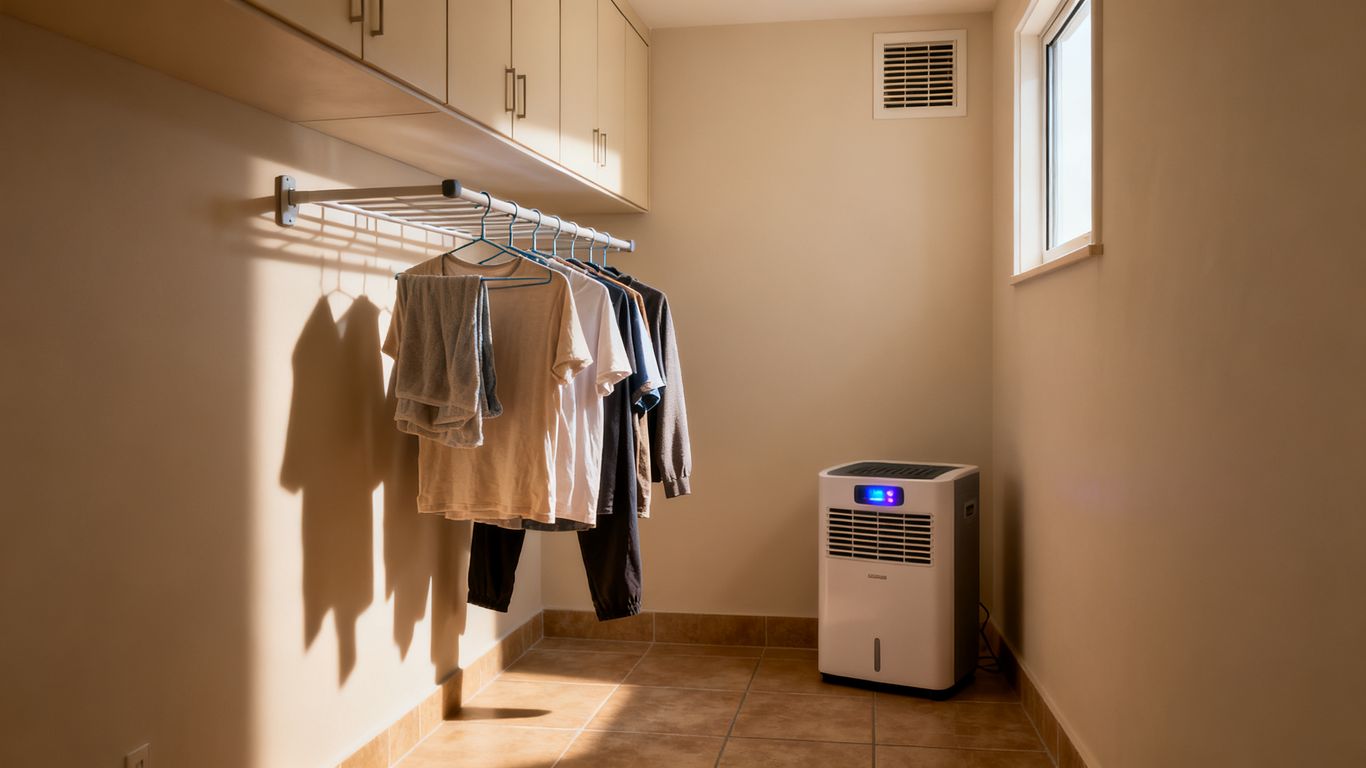
Selecting a smaller, tighter space makes a massive difference in speed. A small laundry room or utility closet works better than a large living room because the machine saturates the space with dry air almost immediately. A professional-grade unit like the Aerofy DualCore 20 is built to handle such environments, maintaining consistency whether you are dealing with a light load of activewear or a heavy batch of winter towels.
Keeping doors and windows shut during operation
Leaving a window open defeats the purpose of the dehumidifier entirely. It draws in fresh, moisture-heavy air from outside, forcing the unit to work harder and longer. Keeping the door closed ensures the unit reaches its target relative humidity percentage rapidly, creating the ideal conditions for evaporation.
Strategic clothing placement for improved airflow
Arranging your clothes correctly allows the air to touch every surface of the fabric. You should avoid overlapping items or bunching them together on the rack. The following table illustrates how spacing impacts drying throughput.
| Item Type | Spacing Recommendation | Expected Drying Relative Change |
|---|---|---|
| Thick Denim | 10 cm apart | +25% Speed |
| Lightweight Synthetics | 5 cm apart | +15% Speed |
| Towels | High clearance | +35% Speed |
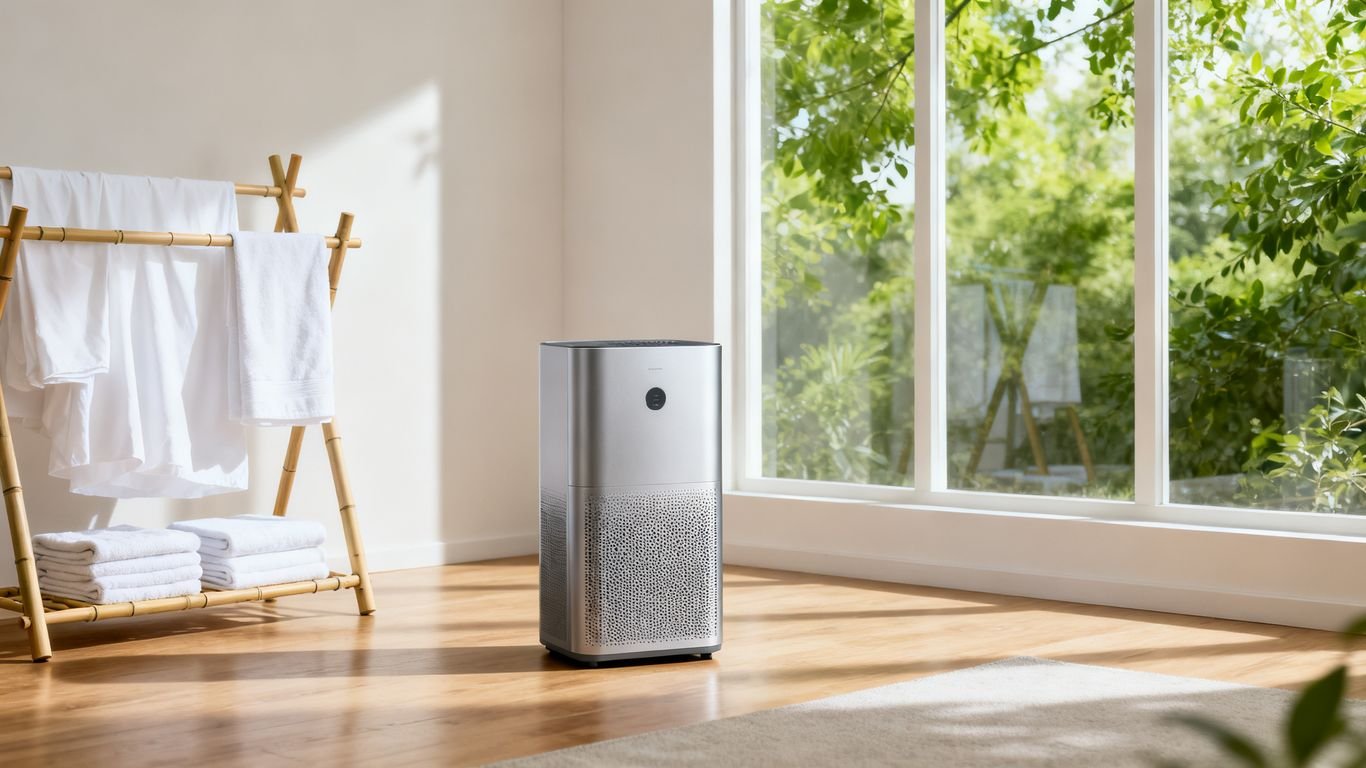
After ensuring your garments are spaced according to the table above, you should position the drying rack centrally in front of the dehumidifier exhaust vents for the best coverage.
Key features to consider when buying a laundry dehumidifier
When shopping for a unit, specific technical capabilities define its success as a laundry companion. You want features that handle the heavy water extraction cycle while remaining energy-efficient for long runs.
Compressor versus desiccant models for laundry use
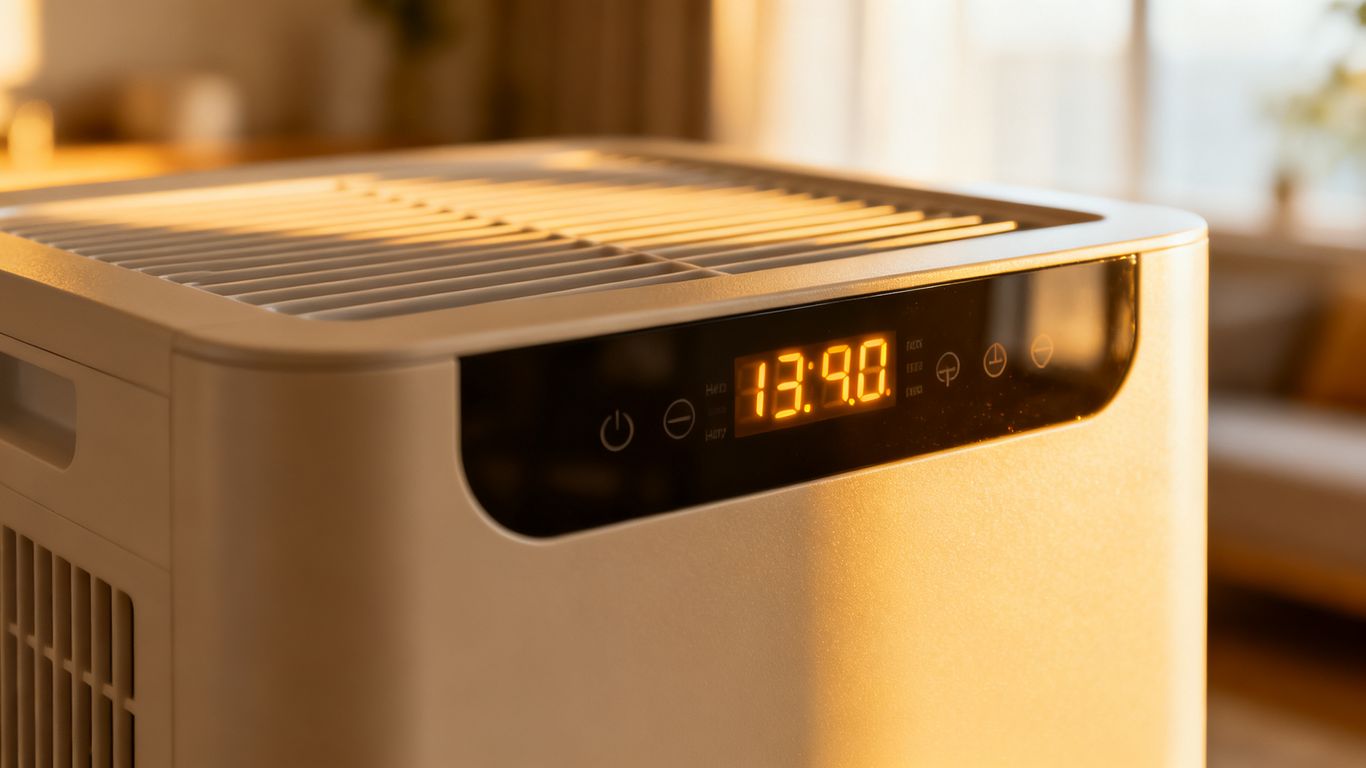
Most tropical-focused environments benefit from compressor-based systems. These are incredibly effective at pulling moisture out of warm air, matching the climate requirements of Singapore residents who need consistent reliability. Desiccant models exist, but professional choices usually favor compressor systems for their higher efficiency under high-moisture loads.
Importance of a dedicated laundry mode
Machines equipped with a dedicated laundry mode, like those engineered by Aerofy, adjust their fan speed and intensity to dry items as quickly as possible. This setting often forces the unit to bypass standard power-saving sensors to focus entirely on continuous moisture removal.
Auto-swing louvers for even airflow distribution
Auto-swing louvers automatically move back and forth to ensure no part of the room remains stagnant. This prevents uneven drying where some items are bone-dry while others stay damp, ensuring the entire laundry rack dries at an identical pace.
Calculating the cost savings versus a tumble dryer
Comparing electricity usage often reveals drastic differences in long-term operational expenses. Tumble dryers are energy intensive, while modern units built for humidity control are designed for low wattage longevity.
Analyzing electricity consumption patterns
| Appliance Type | Operation Type | KWh Consumption Est |
|---|---|---|
| Tumble Dryer | Intense Heat | 3.0 – 5.0 kWh |
| Standard Dehumidifier | Continuous | 0.3 – 0.5 kWh |
| Advanced Dehumidifier | Efficient Pulse | 0.2 – 0.4 kWh |
By monitoring your usage against these estimates, you can see how Aerofy technology minimizes your footprint. A typical cycle with an efficient unit costs a fraction of the energy spent on spinning clothes in heat.
Reducing the wear and tear on delicate garments
Because the drying process is gradual, you are effectively extending the life of your wardrobe. Heat ruins fibers over time, but gentle air-dry cycles allow you to keep your favorite items looking newer for longer, which is a major hidden saving in your clothing budget.
Long-term savings on utility bills and appliance maintenance
Investing in a high-quality machine pays for itself through utility bill reductions and lower depreciation costs on your home’s structure. You avoid the cost of repairing paint or structural damage caused by mold, which often plagues homes that lack proper humidity control.
Scenario Time
Imagine you just finished a heavy laundry load on a rainy Sunday in Singapore. You have limited space and need your clothes dry for work by Monday morning. If you leave them in the living room, they stay damp for two days. By moving the rack to a small bathroom, closing the door, and running your unit, you reduce the workload on your home and ensure your gym gear is ready within six hours.
Common mistakes to avoid when drying clothes indoors
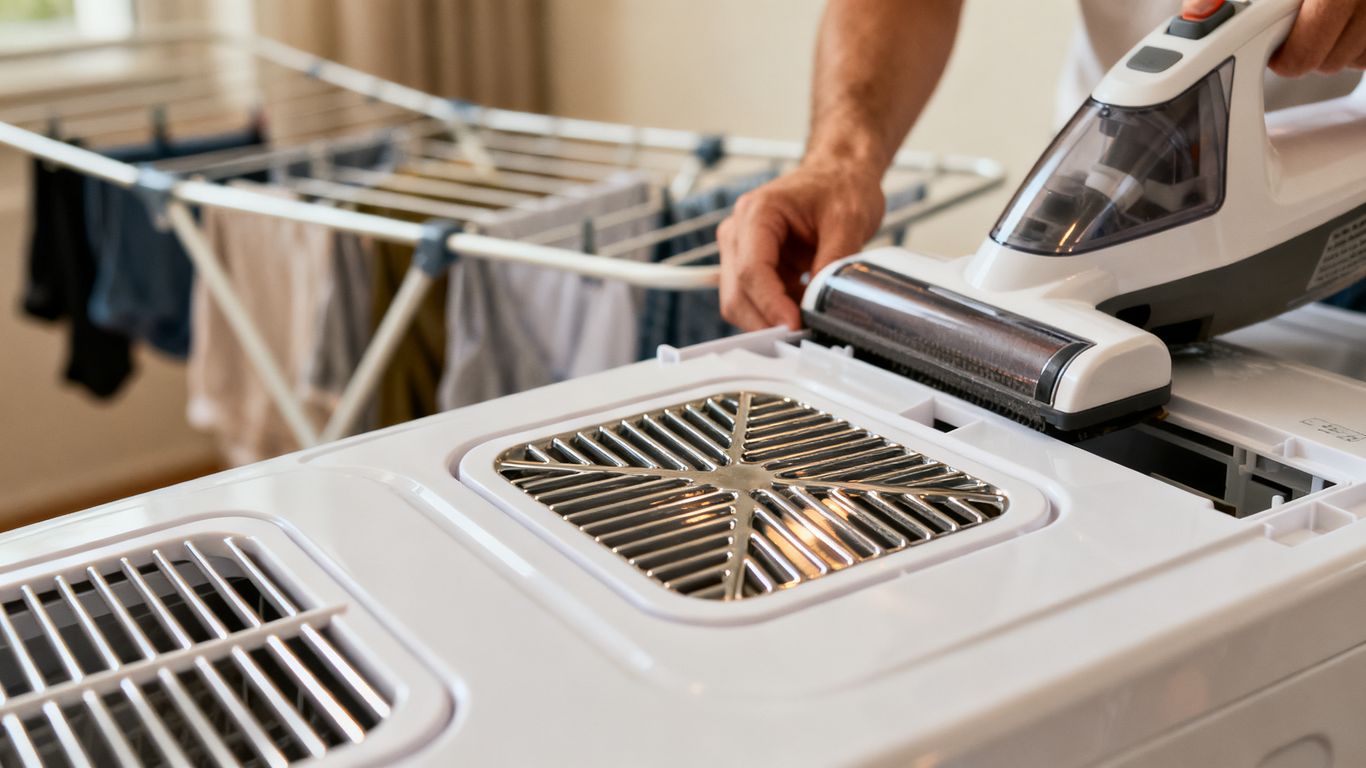
Even with the best appliance, common habits can stifle performance. Focus on these simple adjustments to keep your process smooth and efficient.
Overloading the drying rack and inhibiting circulation
Putting too many clothes in one spot is a primary reason for slow drying. When air cannot circulate between the garments, trapped moisture persists, forcing the dehumidifier to run for extended hours, wasting energy. Ensure there is enough vertical space for air to travel freely through the fabric.
Failing to set the correct humidity target level
Many users forget to adjust their target humidity, leaving the machine in comfort mode (often 60%) instead of a lower target. For laundry, you want to push ambient humidity lower, around 40-50%, to create the steepest possible moisture gradient for the air to pull from your wet clothes.
Ignoring the need for occasional room ventilation
While your unit works best in a closed room, you should ventilate the space periodically after the laundry is finished. This lets stagnant air escape and brings in oxygen, which keeps the laundry smell fresh and healthy for everyone in the home.
Conclusion
Utilizing a dehumidifier for your laundry is a practical, efficient, and fabric-safe solution that fundamentally improves how you maintain your home, and by following these steps, you can ensure your clothes dry faster and cheaper every single week.
Frequently Asked Questions
How often should I check the water tank?
You should check the tank daily during a heavy drying cycle to ensure the machine doesn’t shut off, as modern units pause automatically once the tank reaches its capacity limit.
Is it safe to leave the device running unattended?
Yes, most modern units are designed for safe, unattended operation, but you should always place the unit on a flat, stable surface away from direct contact with heavy, dripping wet clothing.
How do I stop musty odors on laundry?
Musty odors occur when laundry stays damp for too long, so ensuring your device lowers the relative humidity quickly and maintains active airflow throughout the entire drying cycle will naturally eliminate odor-causing bacteria.
Can I use the unit in a carpeted room?
While you can use it on carpet, it is always better to place the unit on a hard, level floor surface like tile or wood to prevent issues with air intake and to keep the appliance more stable.
Is the air blown out by the dehumidifier harmful?
No, the air exhausted by these appliances is dry and filtered, effectively cleaner than the air it initially pulled into the unit, providing a benefit for those with respiratory sensitivities.
Does the external temperature outside affect the drying time?
Yes, colder external temperatures can slow down the internal cycle of a compressor, but if you keep the room doors and windows shut, the machine creates its own thermal environment to continue functioning efficiently.
What should I do if the unit makes too much noise?
Check if the unit is on a level surface, as vibrations are common when the compressor cycles on, and ensure that the air intake grills are clear of any dust or lint buildup that might be straining the motor.