
Key Takeaways
Maintaining proper humidity levels is essential for comfort and property preservation in any home environment. By understanding how equipment functions and managing it correctly, you can create a much healthier living space.
- Whole-home systems provide consistent moisture control across every room.
- Proper sizing depends on square footage and regional humidity levels.
- Regular maintenance of filters and drain lines extends the device lifespan.
- Integrated controls prevent mold, dust mites, and structural decay effectively.
- Energy-efficient operation reduces utility costs while maintaining optimal climate standards.
Understanding the basics of a house dehumidifier
Modern humidity control relies on complex mechanical cycles that pull excess water from the air. When you install a house dehumidifier, the system draws moist air over cold cooling coils, causing water vapor to condense into a liquid collected in a tank or directed into a floor drain. This process continuously lowers the ambient moisture until the desired set point is reached.
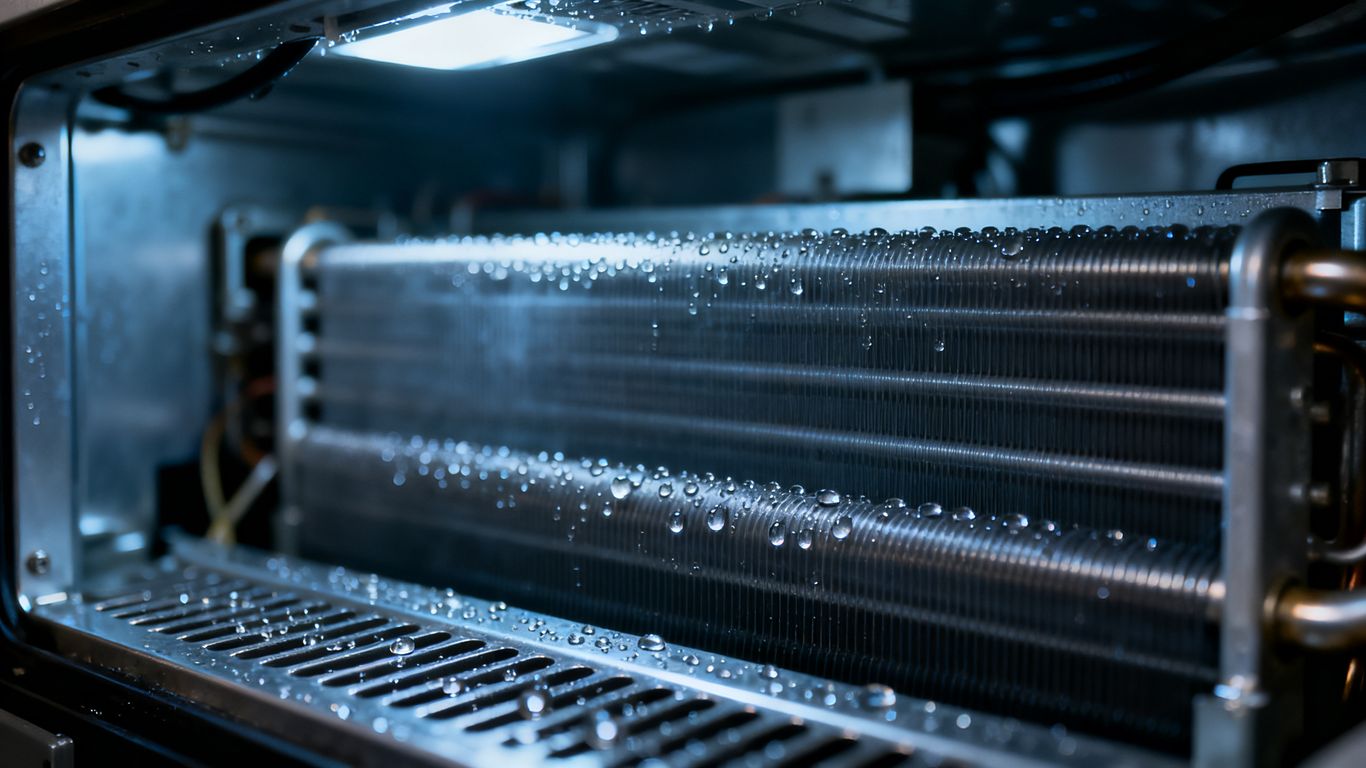
How dehumidification works in a home environment
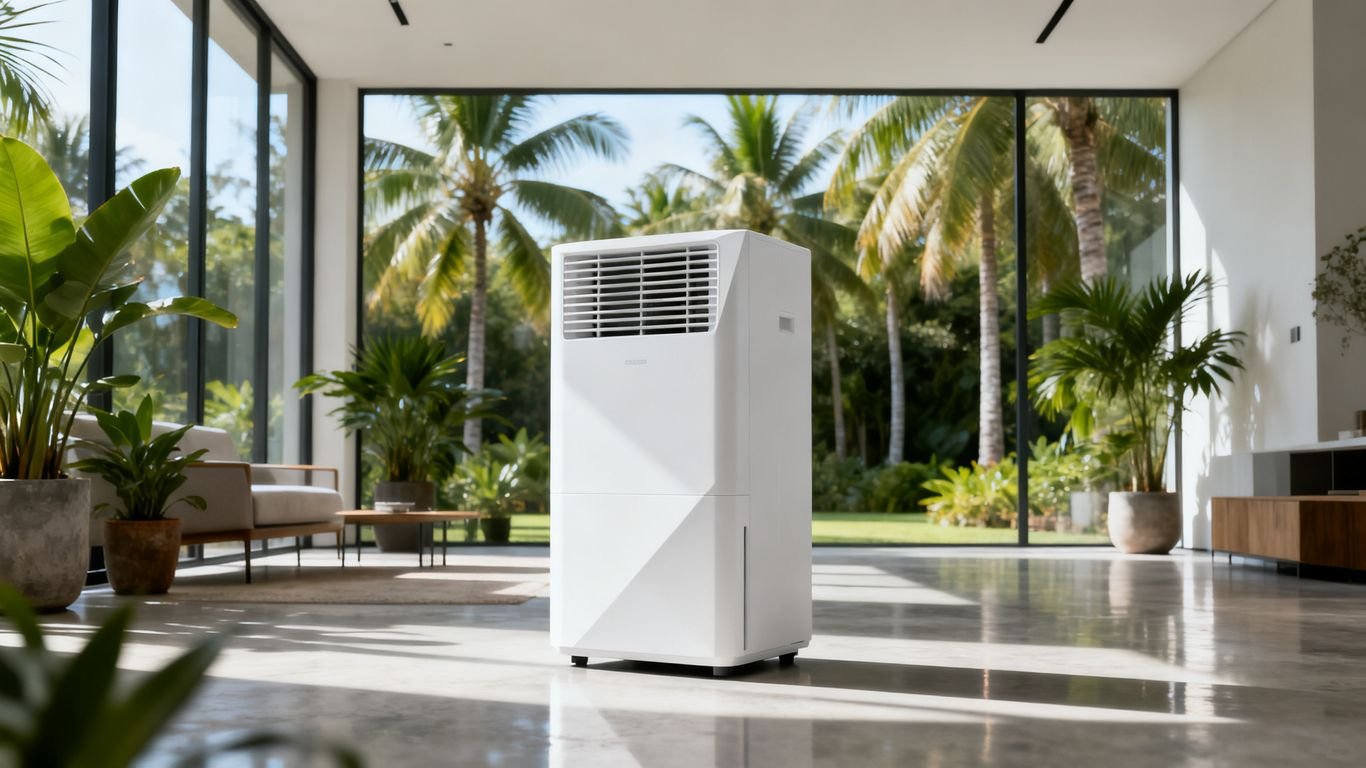
At the core of the process, your device functions by managing the dew point of your indoor air. As moist air passes over the refrigeration coils, the temperature drops rapidly, forcing humidity to convert into liquid form. This is particularly impressive when using a device like the Aerofy DualCore 20, which integrates effective moisture extraction with air purification technology. Much like how you might Master the art of tea brewing, proper operation depends on paying attention to every detail of the setup.
Key differences between portable and whole-house units
Portable units excel at providing localized moisture control for specific rooms, such as a damp basement or a laundry area. These standalone appliances are ideal for renters or homeowners who need flexibility and easy setup without permanent installation. In contrast, whole-house systems connect directly to your central HVAC network to treat air throughout the entire structure. While a portable model might require frequent tank emptying, a whole-house unit provides a permanent, automated solution for comprehensive climate stability.
Signs your home needs a dehumidifier
Visual cues like peeling wallpaper, condensation on window glass, or a consistent mildew smell are common indicators that your air is too damp. You may also notice that your clothes feel slightly damp even after drying, or that your wooden furniture seems to swell during peak summer months. If you experience chronic allergy symptoms or see dark spots appearing on ceiling corners, it is time to address the moisture levels. High humidity is a common issue that Aerofy aims to solve through advanced engineering built for the tropics.
Benefits of installing a whole-house dehumidifier
Integrating a central moisture control system changes the daily experience of living in your home by ensuring steady climate conditions. Unlike standard air conditioning which only treats humidity indirectly, these dedicated units provide precision. Installing one can lead to improved overall air quality and long-term protection for your most valuable assets.

Managing indoor humidity levels for health
Excessively damp environments create breeding grounds for dust mites and mold spores that aggravate respiratory conditions. By keeping indoor air within the recommended 30 to 50 percent range, you successfully inhibit the growth of these biological irritants. Lowering the overall moisture content makes the air feel crisper and significantly more breathable for everyone residing in the home.
Protecting structural integrity and property
Moisture is a silent factor in structural damage, often causing rot in floor joists or warping of hardwood flooring over time. A whole-house system acts as a barrier against this decay, stabilizing the moisture content in your home’s framing and drywall. Protecting these materials preserves the value of your property while preventing costly repairs caused by water infiltration or high ambient humidity.
Improving efficiency of air conditioning systems
When a dehumidifier takes on the heavy lifting of moisture removal, your primary air conditioner can focus exclusively on temperature control. Because dry air cools much faster than humid air, your cooling system runs for shorter cycles and faces less mechanical stress. This synergy is exactly why units designed in Singapore by specialists excel at balancing thermal comfort with efficient moisture management.
Scenario Time
Imagine a family living in a region with constant seasonal rains. They keep their air conditioner set at a standard temperature, but the rooms still feel sticky and heavy, leading them to constantly turn the thermostat down. By adding a dehumidifier, they allow the AC to stop acting as a primary dehumidifier. The indoor climate instantly stabilizes, the air feels cleaner, and their monthly utility bills drop because the AC runs less frequently without needing to battle through excessive latent heat.
Factors to consider before buying a house dehumidifier
Selecting the right equipment requires a cold, hard look at your home’s physical footprint and local environment. You must choose a unit that can match the moisture load of your space without running continuously and wasting power.
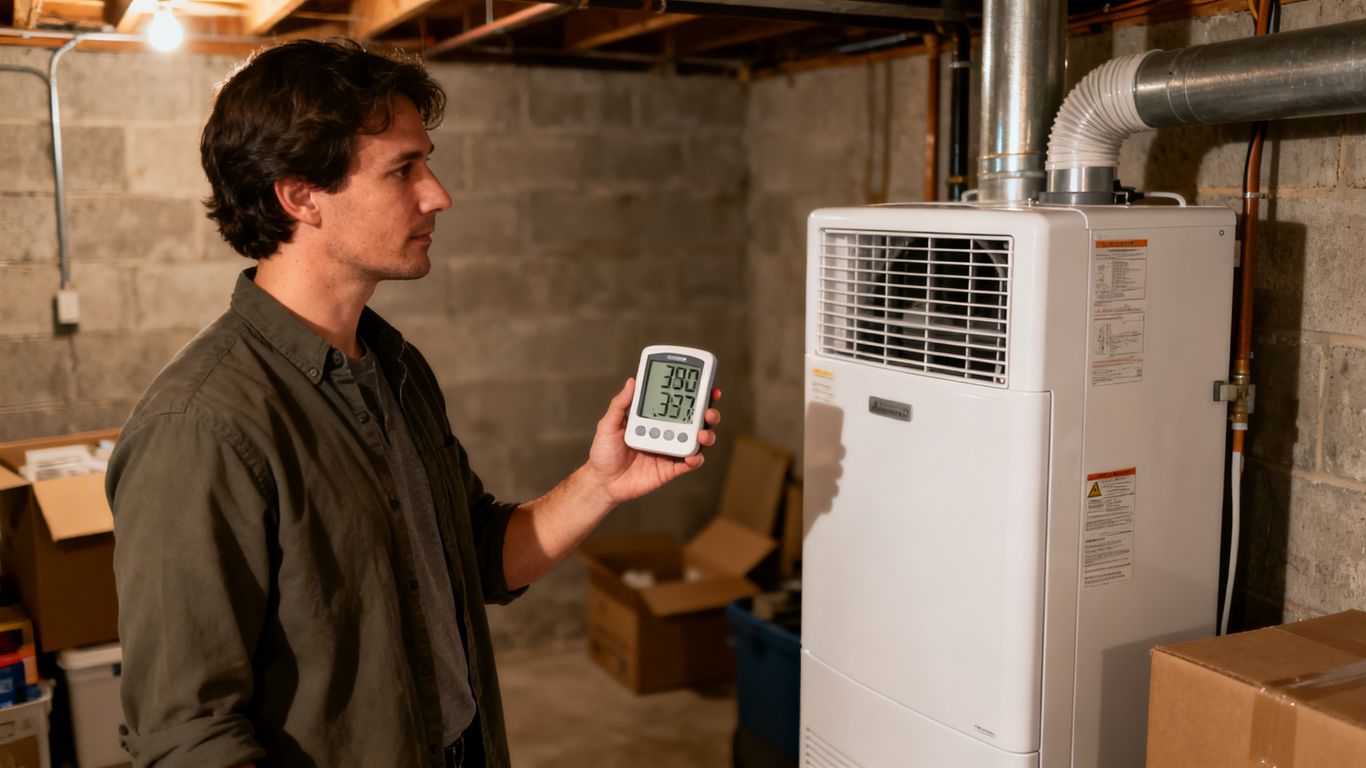
Calculating the total square footage of your home
Before picking a model, you must accurately determine the total air volume that needs processing. High ceilings or an open-floor concept drastically increase the capacity required, while compartmentalized homes may need specific ducting strategies. Ensuring your system size matches your home footprint is the most critical first step.
Assessing humidity zones and regional climate needs
Different geographical regions place different demands on your equipment. A home located near the coast will experience significantly higher moisture influx than one located in a high-desert region. Assessing your local yearly humidity averages helps you decide the baseline capacity needed for comfort.
Determining appropriate moisture removal capacity
Capacity is measured in pints per day, representing how much water the system can extract in a twenty-four-hour period. Use this guide to determine what you likely need for your household based on typical dampness levels.
| Typical Home Size | Moisture Removal Capacity | Humidity Severity |
|---|---|---|
| Under 1,500 sq ft | 30-50 Pints | Moderate |
| 1,500 – 2,500 sq ft | 60-80 Pints | High |
| Over 2,500 sq ft | 90+ Pints | Extreme |
After assessing your needs, you can browse available options to buy now to secure your comfort.
Energy efficiency ratings and operating costs
Always examine the energy star ratings of your potential appliance. High-efficiency models use advanced compressors that consume less electricity while maintaining the same removal rates. A smart investment in a well-engineered appliance usually pays for itself through lower energy bills within a few years of operation.
Installation requirements and professional considerations
Strategic installation turns your appliance into an invisible but effective part of your home structure. You need to ensure the system has adequate clearance for airflow and proper access to drainage paths for collected moisture.
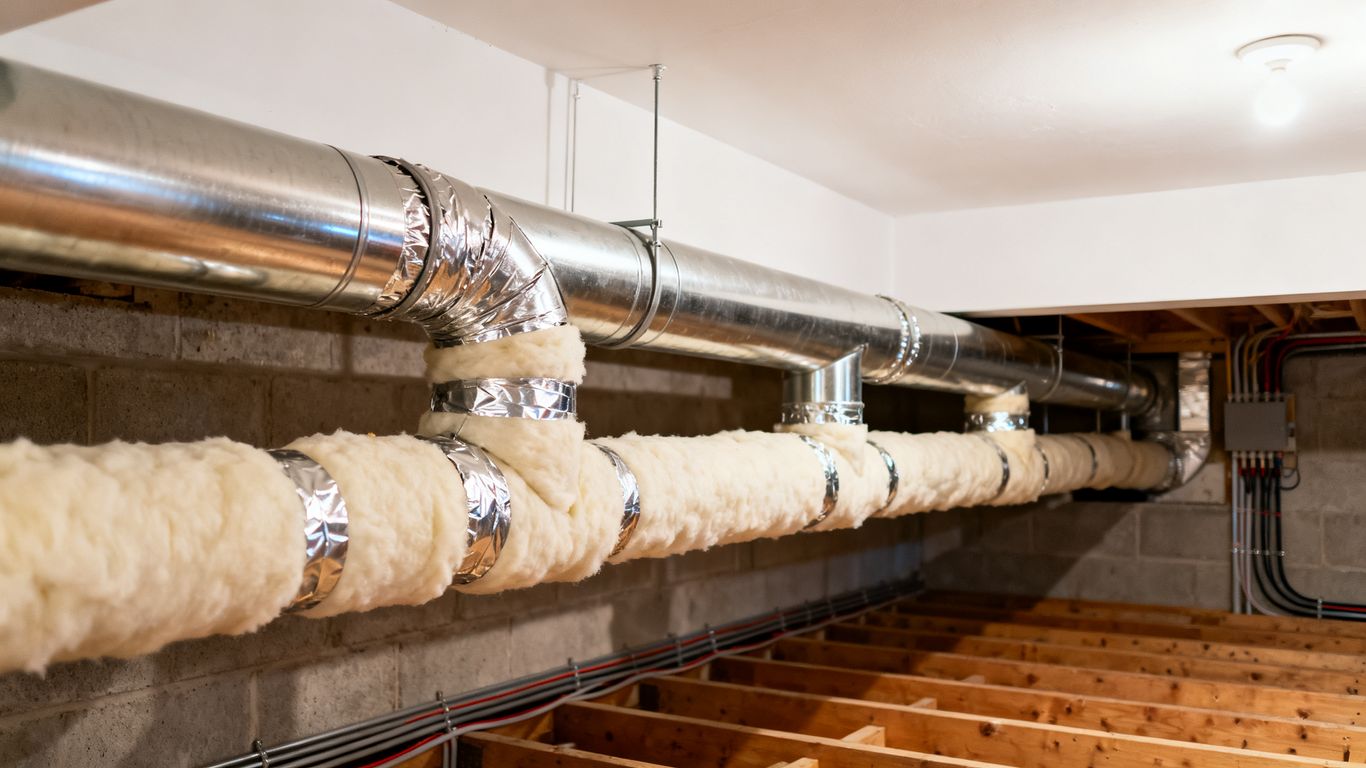
Integrating with existing HVAC ductwork
Most high-capacity systems connect directly to your supply and return ducts, allowing treated air to circulate via your existing fans. This setup ensures that every corner of the house benefits from the drier air stream immediately. Professional installers will often check your duct seal quality to ensure that no air is lost during the exchange process.
Choosing the optimal location for equipment placement
Placement should be in a central area that allows for easy service access while remaining close to a dedicated electrical circuit. Avoid placing units where they will cause noise disturbances in quiet zones like bedrooms. Proper central placement encourages balanced airflow across the entire home, which is essential for consistent performance.
Electrical demands and circuit requirements
Whole-home systems often draw significantly more power than standard appliances like toasters or vacuums. Before installation, check your electrical panel to ensure you have an available breaker that can handle the load. Many models require a dedicated circuit to operate reliably without flickering lights or tripping other household breakers during heavy load cycles.
Deciding between DIY and professional installation
While some portable units are simple plug-and-play jobs, whole-home systems require ductwork modifications and potentially heavy-duty wiring. Hiring a certified HVAC professional ensures the connection is airtight and complies with local building codes.
- Professionals accurately calibrate the system for your specific duct size.
- Expert installation minimizes gaps that lead to energy loss.
- Certified contractors provide warranty support for their work.
- You avoid potential electrical accidents by using a qualified expert.
Investing in professional installation saves significant time and prevents ongoing configuration errors.
Maintenance tips to extend the life of your device
Your dehumidifier is a workhorse that needs regular attention to maintain its peak performance year after year. Neglecting common tasks will eventually reduce efficiency and potentially cause the unit to work harder than necessary.
Developing a schedule for filter cleaning and replacement
Filters trap dust and allergens that would otherwise clog internal cooling coils and reduce airflow. Check your manufacturer’s recommendation, but generally, you should inspect these components every two months. Simply vacuuming the screen or rinsing it with warm water often restores optimal air passage performance.
Inspecting drainage lines and preventing clogs
Over time, dust and minerals can build up in drainage pipes and cause water to overflow back into the unit housing. Pouring a small amount of vinegar through the line during routine checks helps keep these passages clear and free of debris. Always verify that water is flowing freely to the exterior or your designated drain location.
Troubleshooting common operational errors
If your unit stops pulling water, the first check should always be the level switch in the collection bucket or the status of your drainage pump. Often, a simple error code on the control panel indicates that an internal sensor has been tripped due to a minor blockage. Powering the machine down for ten minutes can sometimes reset a jammed control board, though mechanical issues may require a technician.
Seasonal checks for optimal humidity control
At the start of the humid season, run a full diagnostic cycle to test your fans and compressor. Ensure that the humidistat is still providing accurate readings compared to a separate room thermometer. Making these small adjustments before the peak summer heat hits ensures your system is ready for the work ahead.
Conclusion
Choosing the right dehumidifier for your home requires careful planning and a commitment to maintenance, but the reward is a healthier, more comfortable living space protected from the damaging effects of excess moisture.
Frequently Asked Questions
Can a dehumidifier replace my air conditioner?
No, they serve very different purposes; a dehumidifier is designed exclusively for moisture removal, while an air conditioner focuses on lowering room temperatures.
What is the ideal indoor humidity level?
Most health organizations recommend keeping your home between 30 and 50 percent relative humidity to inhibit mold and dust mites.
How often should I empty the water tank?
This depends entirely on the size of the tank and the ambient moisture levels in your home, though many units can be set to run continuously with a direct drain hose.
Does running a dehumidifier make a room warmer?
Yes, the process releases a small amount of heat as a byproduct of the compressor working, which is standard for all mechanical refrigeration-based dehumidification units.
Can I run my dehumidifier 24/7?
Most modern units are designed to run constantly, but you should ensure the device has an automatic humidistat so it can cycle off once the target levels are met.
What causes a musty smell in my device?
Musty odors are usually the result of standing water in the tank or trapped debris in the filter, so regular cleaning is the best way to prevent them.
Are whole-house units noisier than portable ones?
Usually not, because the machinery is typically installed in an attic, basement, or utility room, moving the noise away from your primary living spaces.