Key Takeaways
Optimal environmental regulation remains a critical pillar for any modern scientific research facility. Adhering to strict moisture limits ensures the longevity of delicate instrumentation and the accuracy of sensitive findings.
- Precise control of atmospheric moisture levels prevents widespread electronic failure in laboratory equipment.
- Industrial-grade dehumidification systems provide the necessary capacity to handle continuous, high-volume air treatment.
- Regular maintenance schedules are essential to keep humidity-regulating hardware within operational parameters.
- Balancing energy expenditure with moisture removal rates is a fundamental challenge in facility engineering.
- Deploying localized systems alongside central HVAC integration improves environmental stability within specific research zones.
Understanding the role of humidity control in professional labs
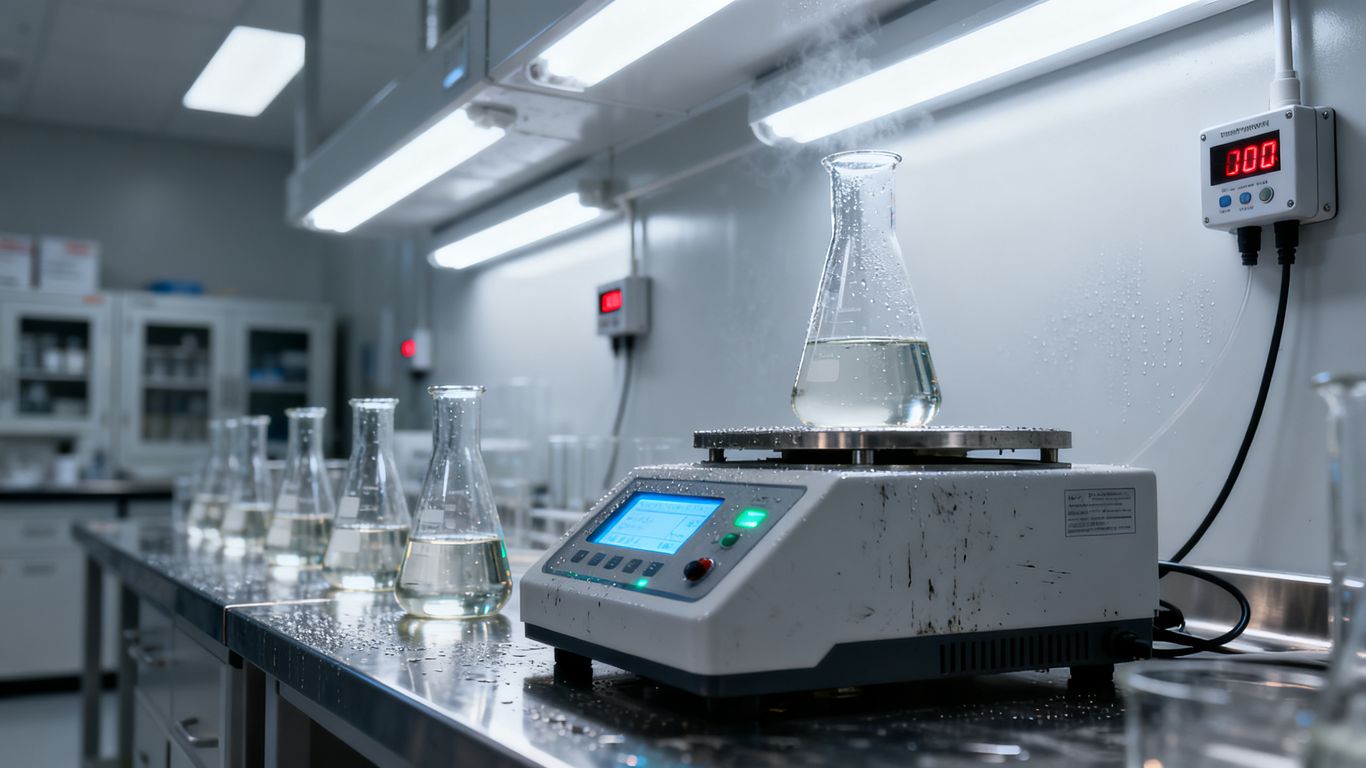
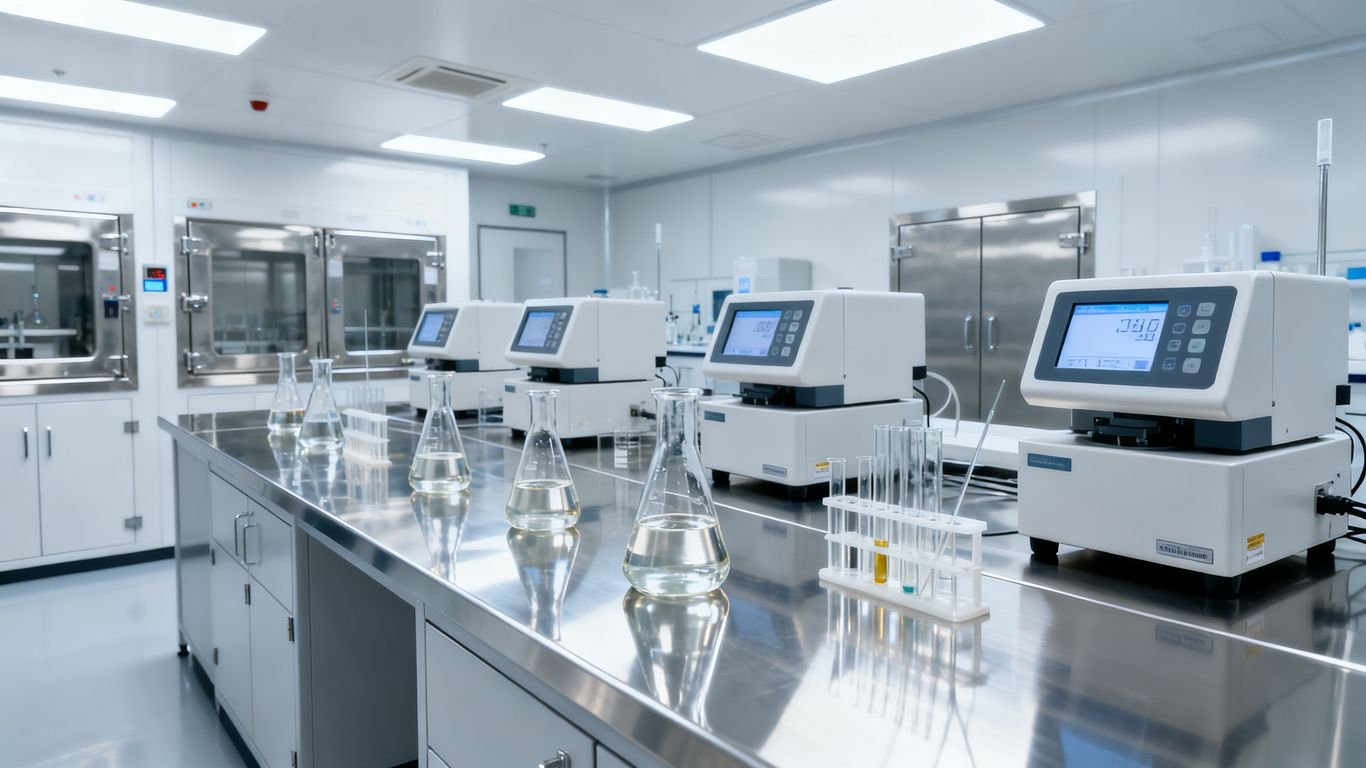
Maintaining the correct atmospheric conditions is not merely a matter of comfort but a vital necessity for safeguarding experimental assets. In professional research settings, excessive moisture serves as a catalyst for chemical drift and degradation, undermining the validity of long-term studies. By focusing on site-specific humidity management, facilities protect their investments and ensure reproducibility across all experimental phases.
Preventing equipment corrosion and electronic failure
High ambient humidity levels create an environment where oxidation occurs rapidly on critical circuitry. When microscopic condensation develops on printed circuit boards, the probability of unexpected shorts and long-term electronic failure increases significantly. Engineers must prioritize environmental monitoring strategies to keep hardware interiors free from the detrimental effects of airborne moisture.
Maintaining consistent chemical sample integrity
Many reagents and sensitive chemical compounds react negatively to fluctuations in local moisture levels, which can alter solution concentrations unexpectedly. Laboratories often rely on the expertise found in moisture control guides to ensure that shelf-stable materials remain in their intended states. Ensuring tight control over ambient humidity prevents crystallization and moisture absorption in hygroscopic powders during storage.
Meeting strict regulatory standards for biological storage
Biological samples require specific air conditions to prevent the degradation of protein structures and cellular integrity during storage. While labs manage these systems, they often encounter challenges similar to the complexity of global infrastructure, such as the global landscape of drug law enforcement which underscores how rigorous standards must be maintained across different institutional scales. Precise air management remains the cornerstone of compliance in these sensitive environments.
Reducing the growth of mold and opportunistic aero-contaminants
Uncontrolled dampness creates ideal conditions for microbial growth, which poses a substantial risk to sterile workflows and patient safety in connected facilities. Preventing these hazards often involves the use of high-efficiency filtration, an area where the DualCore 20 from Aerofy excels by combining dehumidification with air purification. Removing moisture at the source significantly lowers the background noise of spores and other aero-contaminants.
Essential features for laboratory-grade dehumidification
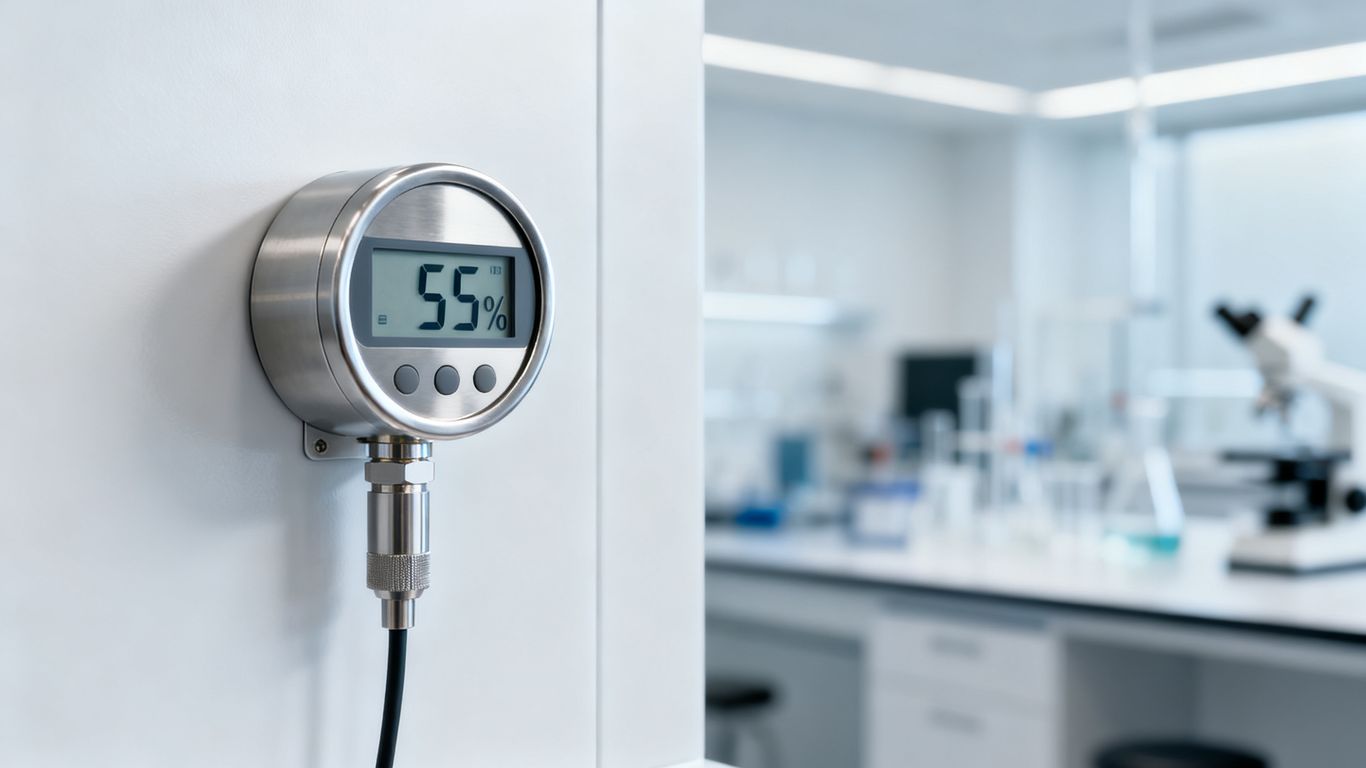
Professional laboratories require hardware that goes beyond standard home units, emphasizing granular control and operational transparency. These machines must be capable of processing large volumes of air while maintaining a setpoint that prevents the introduction of external variance. Through sophisticated engineering, such as the R290 refrigerant cooling cycles utilized in specialized systems, labs can achieve the internal stability required for high-stakes research.
Advanced filtration systems for air purity
Modern laboratories demand integrated systems that strip pollutants out of the air simultaneously with moisture extraction. By employing HEPA-grade materials, these systems prevent the movement of microscopic particles through the facility’s ventilation network during the drying process.
Precision humidity sensors and remote digital monitoring
Automation is a critical requirement for any laboratory manager seeking to maintain consistent environmental benchmarks 24/7. Monitoring units now feature digital hygrostats that enable researchers to track shifts in real-time, receiving alerts at the first sign of deviation. The integration of these sensors is a core capability of systems like the DualCore 20.
Automated continuous drainage vs. large reservoir systems
Facilities must decide between manual maintenance of reservoirs or the installation of permanent drainage lines to handle condensate. The choice often depends on the specific site requirements, as summarized in the comparison below:
| Feature | Continuous Drainage | Reservoir-Based |
|---|---|---|
| Daily Labor | Zero (Low maintenance) | High (Manual emptying) |
| Risk of Spills | Minimal | High (Overflow risk) |
| Facility Impact | Permanent piping needed | Flexible placement |
This table illustrates why industrial-grade setups usually favor continuous drainage to ensure consistent uptime without human intervention.
Low-noise operations for undisturbed research environments
Researchers require a quiet environment to maintain focus during complex tasks, meaning that loud fan noise is highly discouraged. Designers prioritize rotary compressors that provide steady pressure without the typical vibrations found in entry-level appliance designs.
Evaluating hOmeLabs dehumidifiers for light lab and residential use
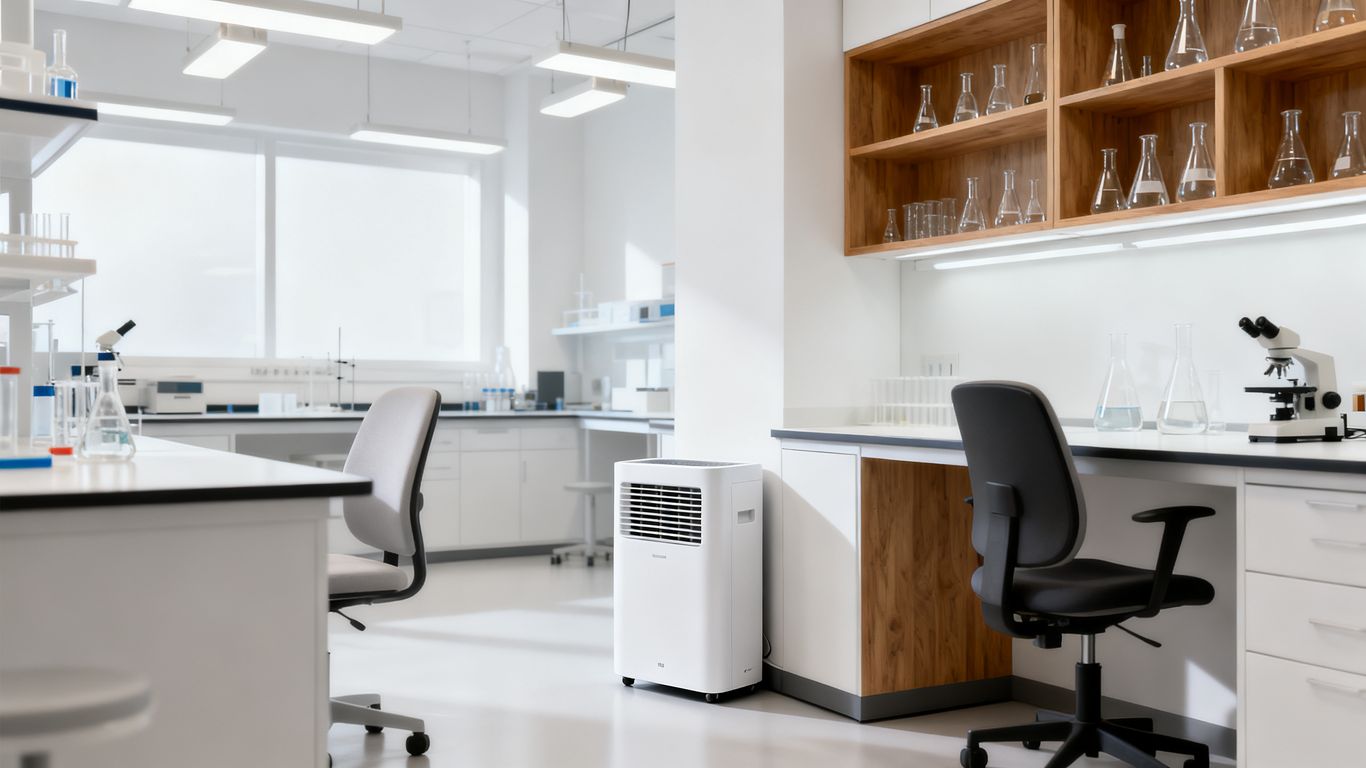
When exploring smaller footprints or pilot studies, smaller-capacity units often fill a specific gap where industrial systems are overkill. These models bring accessibility to moisture control, providing a range of functionality that fits easily into limited laboratory bench space or specialized accessory rooms. Researchers often consult a knitting needle sizing guide as a metaphor for matching the right tool to the task, just as one must match the correct dehumidifier capacity to their specific lab square footage.
Overview of hOmeLabs performance specifications
These units are generally engineered to address moderate dampness in residential or small office environments through high-velocity fans. Performance metrics frequently highlight their speed in establishing comfortable air conditions in spaces under 1,500 square feet.
Balancing energy efficiency with daily moisture removal rates
Energy consumption remains a constant concern for facilities attempting to optimize operational costs while running multiple drying units. Researchers should assess how these devices handle energy-per-pint metrics to ensure their budget remains within limits.
Portability and space-saving design for small research areas
Small footprints allow for rapid redeployment to areas showing temporary spikes in humidity, such as after cleaning cycles. This versatility is essential for labs that lack centralized HVAC climate control for their equipment storage closets.
Limitations of residential-grade units in high-demand settings
Residential machines are not designed for the 24/7, high-volume duty cycles that laboratory environments impose. Because they prioritize cost and portability, internal components can suffer from accelerated fatigue when tasked with continuous moisture remediation in professional settings.
Specialized industrial solutions for climate-controlled laboratories
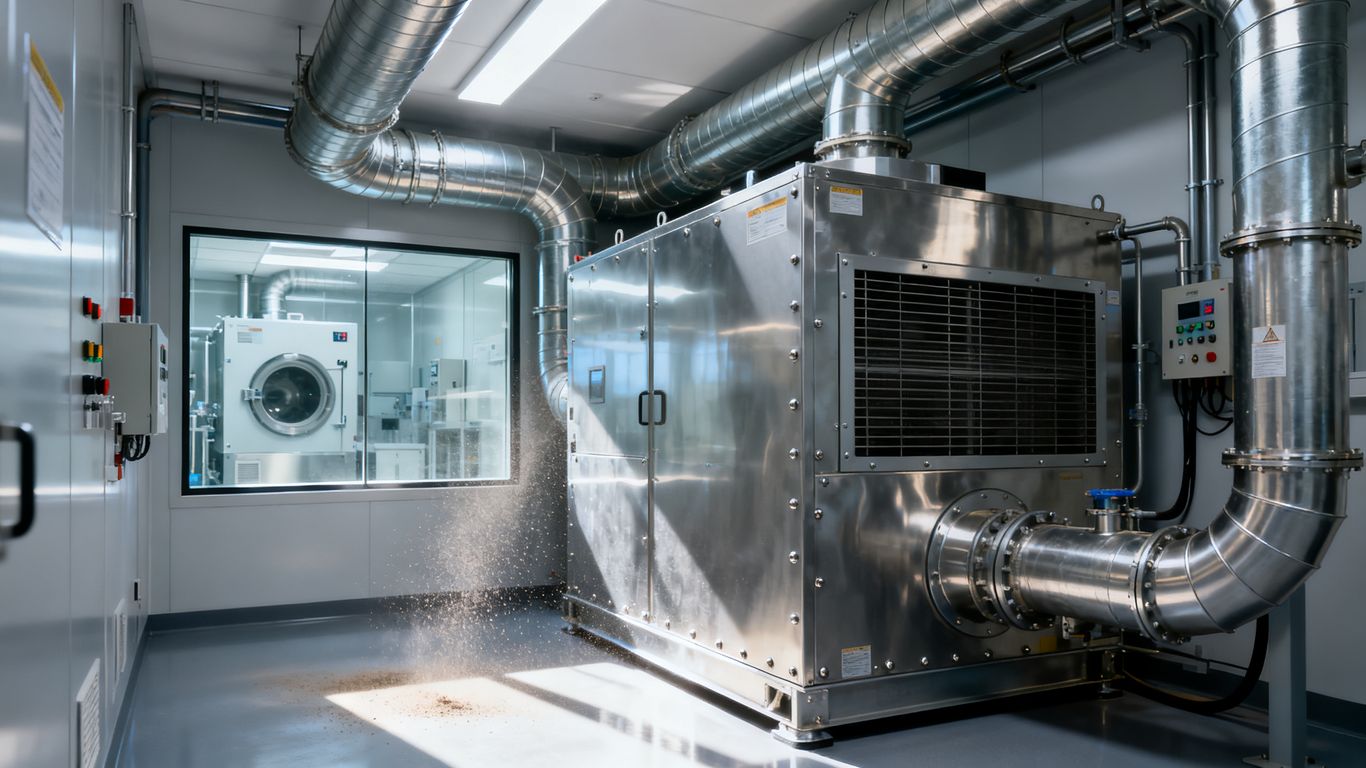
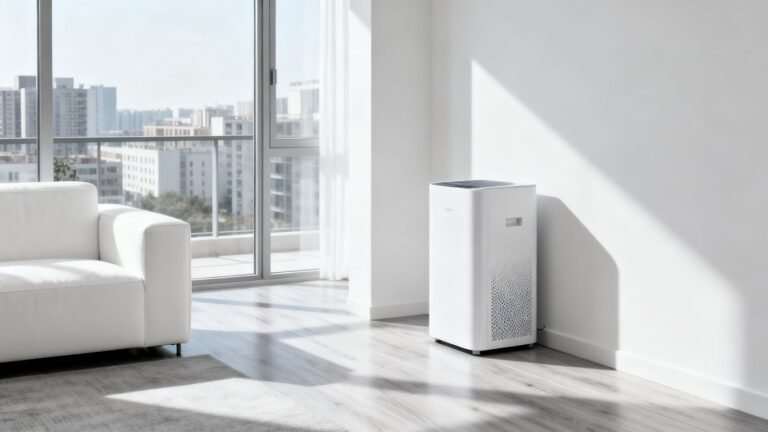
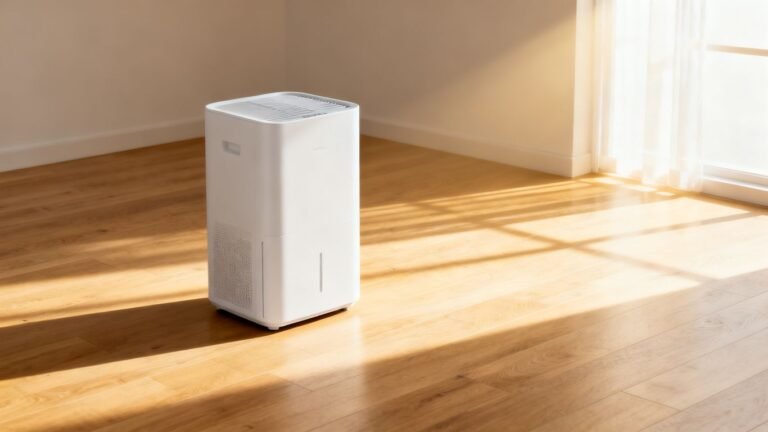
Large-scale environments require robust, purpose-built systems that function reliably under demanding, non-stop conditions. These industrial solutions are designed for flexibility and longevity, often functioning as part of an integrated, building-wide environmental management strategy. Aerofy has established a reputation as being ‘Designed in Singapore,’ which translates to creating products built for the tropics, effectively managing the unique moisture challenges of high-humidity regions through advanced desiccant technology.
Differences between desiccant and refrigerant dehumidifier technology
Understanding the core mechanics is vital for choosing the right system for the space temperature, as shown in this list:
- Refrigerant cycles rely on condensing moisture across cold evaporator coils.
- Desiccant cycles leverage moisture-absorbing materials that are regenerated by internal heaters.
- Refrigerant systems lose efficiency in colder environments where frosting becomes a significant risk.
- Desiccant solutions thrive in low-temperature conditions where standard compressors reach their design boundaries.
These operational differences mean that facility managers must select hardware based on the environment they are protecting.
Integration with centralized HVAC and climate control systems
Seamless interoperability ensures that dehumidification acts in concert with existing cooling and heating nodes. This synchronization prevents the conflicting operation of systems, where a chiller might be fighting against a room-heating dehumidifier.
Scalability strategies for large-volume cleanroom facilities
For cleanrooms, modularity is essential so that maintenance on one unit does not result in total climate failure. Strategic placement of multiple, smaller-capacity industrial units ensures redundant protection for the entire research site.
Compliance with safety and environmental protocols for moisture sensitive tech
Safety standards require that all electronics be shielded from high ambient humidity and dust, which requires specialized enclosure design. Industrial hardware must meet strict electrical and environmental standards, ensuring that operation within the facility does not introduce electrical hazards to nearby sensitive research apparatus.
Maintenance protocols for long-term dehumidifier performance
Maintaining the performance of these essential systems requires a structured, proactive approach to hardware care. Routine checks act as the primary defense against systemic failure, ensuring that internal sensors remain calibrated and airflow paths remain clear. By establishing a rigid service cadence, labs can extend the lifecycle of their equipment well beyond expectations.
Best practices for routine filter inspection and replacement
A clogged air filter is the most common cause of reduced moisture removal efficiency and increased electrical strain. Labs should inspect filters regularly, replacing them at the first sign of particulate buildup to maintain optimal flow.
Cleaning evaporator coils to maintain peak operational efficiency
Evaporator coils are where the magic happens, but they act as magnets for dust and mold that can hinder condensation. Technicians should schedule periodic cleaning using approved laboratory chemicals that do not leave behind toxic residues.
Troubleshooting common sensor malfunctions and calibration issues
Digital sensors require regular verification against a certified hygrometer to ensure their reading of humidity levels is still accurate. Drift is common, and proactive calibration saves labs from the unintended consequences of operating in uncontrolled humidity.
Professional servicing schedules for mission-critical hardware
Annual or bi-annual professional servicing should be treated as an essential operational expense for critical lab assets. Trained technicians can inspect the integrity of the refrigerant lines, check compressor performance, and verify that all electronic safety monitors are functioning within factory thresholds.
Comparing laboratory standards to residential dehumidification
Laboratory environments set a much higher bar for precision and reliability than domestic settings. Comparing these two domains reveals the necessity for industrial hardware that can handle the nuance of continuous operational stability without deviation.
Differentiating between consumer-grade and industrial hardware
Consumer devices are built for variable duty intervals and lower moisture loads. Conversely, industrial equipment features heavy-duty compressors and, in some cases, redundant systems that allow for constant usage in sensitive environments.
Impact of airflow velocity on ambient humidity reduction
Airflow management is key to ensuring that every corner of a laboratory maintains a uniform moisture level without microclimates. Professional systems use variable-speed fans to manage how quickly air cycles through the room, ensuring consistency.
Comparative analysis of long-term operational costs
While industrial units carry a higher initial investment, they are fundamentally cheaper over the long term due to fewer repairs and higher energy efficiency. Assessing the total cost of ownership rather than the sticker price results in better facility planning.
Establishing safety guidelines for sensitive research environments
Safety reaches its peak when humidity management is automated and monitored by redundant systems. Lab protocols should always include baseline humidity limits, alerting staff immediately if conditions stray from the required range.
Conclusion
Maintaining the right atmospheric moisture levels is an essential step in ensuring total reliability in any scientific facility. By selecting the right technology and adhering to diligent maintenance schedules, laboratories can provide a stable home for their most sensitive research and equipment.
Frequently Asked Questions
Does high humidity negatively affect electronic components?
Yes, excessive airborne moisture can lead to rapid corrosion of non-protected circuit boards and increase the risk of short circuits in high-sensitivity lab hardware.
What are the main benefits of using desiccant technology in labs?
Desiccant technology is uniquely effective in dry or low-temperature environments where standard compressor-based units might fail or require frequent defrost cycles.
How often should air filters in a dehumidifier be replaced?
Frequency depends on the air quality of the environment, but a general laboratory best practice is to check filter status monthly and replace it entirely every three to six months.
Can a dehumidifier serve the same role as an air conditioner?
While both devices influence local air quality, a dehumidifier specifically targets moisture removal, whereas an air conditioner prioritizes temperature control through cycle-based cooling.
What is the ideal relative humidity for most laboratory environments?
Most research facilities aim for an relative humidity range of 30% to 50% to prevent both the risks of mold, microbial growth, and the degradation of sensitive sample materials.
Are there specific guidelines for installing drainage systems in labs?
Industrial drainage must be installed with gravity flow in mind, and all connections should be sealed properly to prevent the potential for bio-contaminant entry.
Why is digital monitoring better than manual hygrometry?
Digital systems provide continuous, real-time data and can be integrated into facility-wide alerts, whereas manual methods are prone to user error and lack the consistent tracking needed for compliance.
Need help choosing the right unit?
If you want to buy now for your facility, reach out to our team of engineering experts today. We are ready to help you navigate our specialized range of moisture control solutions tailored for your environment.