Key Takeaways
Maintaining the right environment in your closet is essential for protecting your garments. Follow these core takeaways to ensure your clothing investment lasts for years.
- Monitor your closet humidity levels using a reliable hygrometer to catch spikes before damage occurs.
- Choose a built in wardrobe dehumidifier that matches your specific closet volume for maximum efficiency.
- Avoid overcrowding clothes to allow for consistent airflow and prevent pockets of stagnant, humid air.
- Integrate modern solutions like negative ion generators to neutralize odors and inhibit microscopic mold growth.
- Perform simple monthly maintenance, such as dust removal and filter cleaning, to keep your equipment running smoothly.
Why your wardrobe needs a dehumidifier
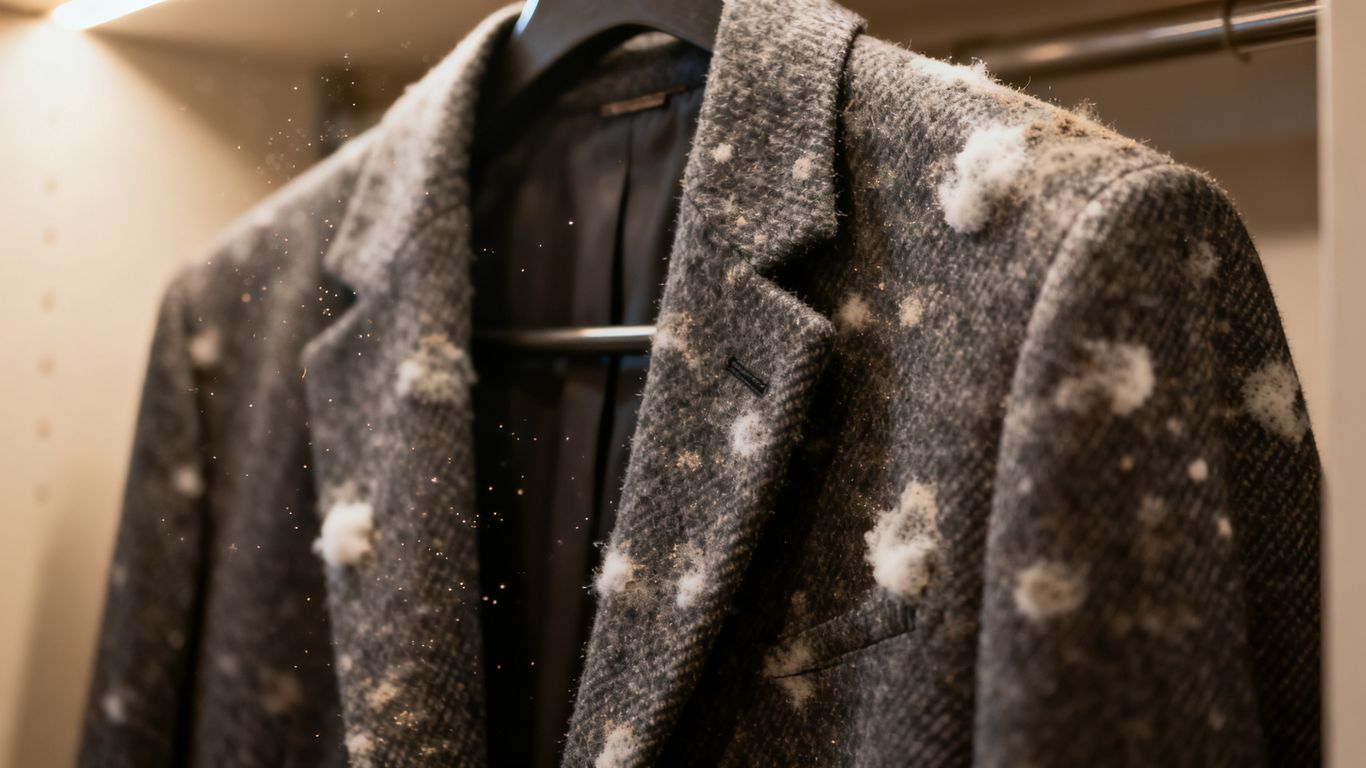
Detecting common signs of moisture damage
It happens to the best of us; you pull out a favorite piece of clothing, only to find a faint, musty smell or an unexplained white speck on the fabric. Frequent wardrobe checks are essential because dampness rarely announces itself through loud warnings. Instead, it manifests in subtle ways that indicate your closet environment is beginning to struggle with excessive environmental moisture.
The hidden impact of humidity on fabrics
Natural fibers like wool, silk, and high-quality cotton act like sponges in humid climates, absorbing ambient moisture that breaks down their structural integrity over time. When your closet lacks proper ventilation, these fabrics can weaken, losing their luxurious feel and becoming prone to irreversible staining. This is precisely why Aerofy designs engineering that addresses these specific atmospheric burdens rather than just treating the visible mold.
Health risks of mold growth in small, enclosed spaces
Mold spores thrive in dark, restricted airflow areas where moisture naturally settles. Breathing in these spores every time you open your closet doors presents a legitimate health concern, as trapped allergens can irritate your respiratory system daily. Ensuring consistent, low-humidity storage is not just about garment care; it is fundamentally about your indoor air quality.
Types of wardrobe moisture control solutions
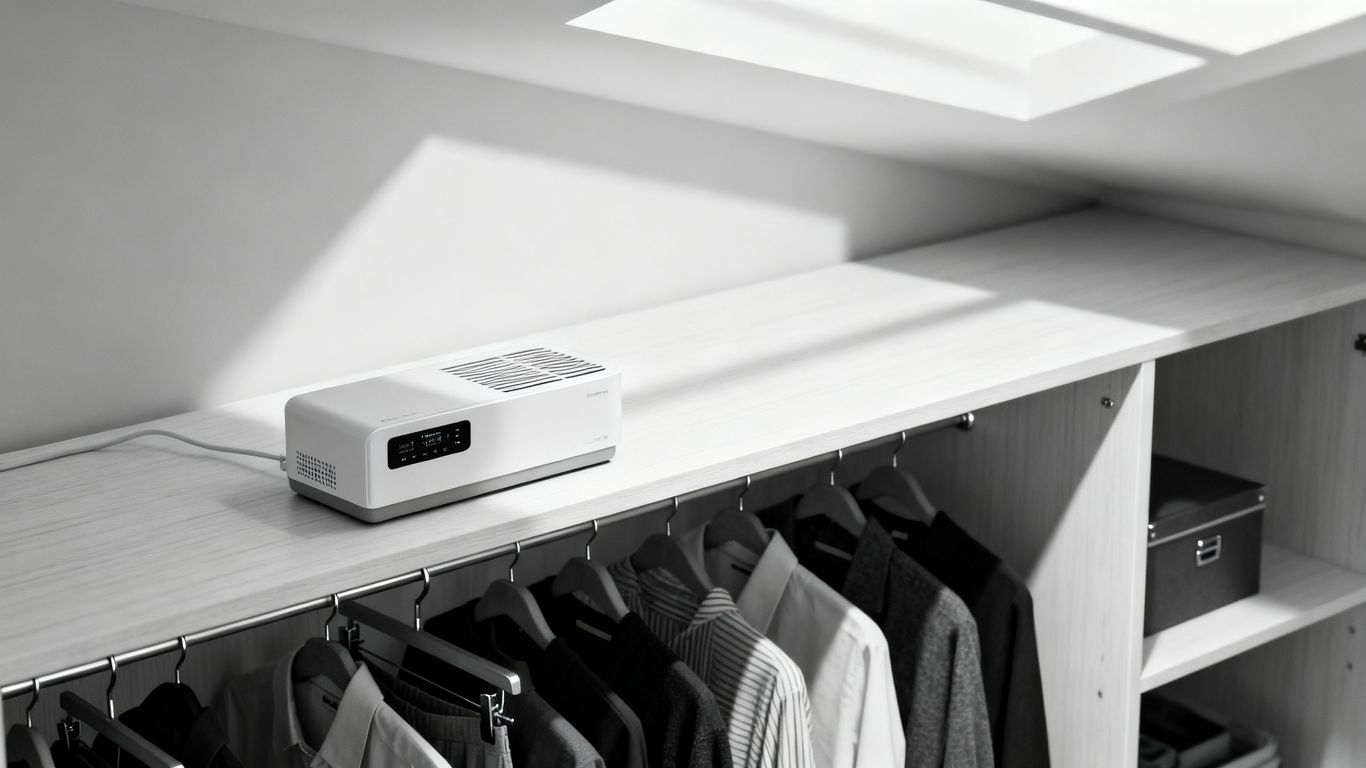
Heated dehumidifier rods explained
These devices function by gentle convection, raising the temperature inside the wardrobe slightly to prevent condensation from taking hold on cold surfaces. They are a popular entry-level choice because they require very little physical footprint, acting as a background guard against localized dampness without needing a tank to drain.
Desiccant moisture absorbers vs. electronic units
Choosing between simple chemical absorbers and permanent electronic devices often comes down to the frequency of care you are willing to provide. While chemical packs are disposable, AIRDRY offers technology that maintains constant performance without the need for constant replenishment or messy liquid draining.
Professional smart dehumidification systems
For those who prioritize performance, Aerify provides an integrated approach that connects dehumidification with air purification. These systems move beyond passive heating and use active air circulation to process the space consistently, ensuring that every corner of your built-in storage remains at a safe moisture percentage regardless of the weather outside.
How to install your built-in dehumidifier
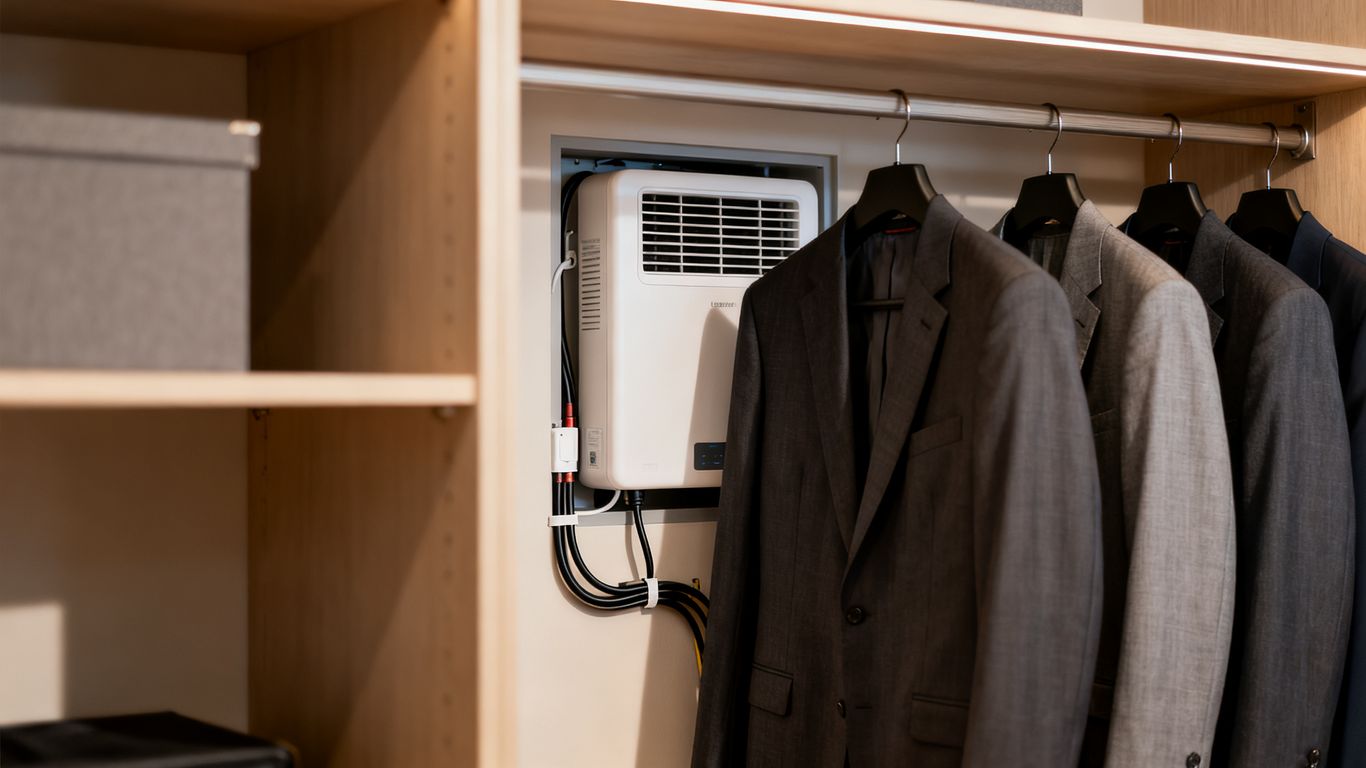
Assessing power availability and outlet access
Before you commit to a specific unit, carefully map out where your electrical source meets the wardrobe cabinetry. Most high-performance built in wardrobe dehumidifier models require a dedicated outlet, and you should ensure that the cabling can be routed discreetly behind your partition panels without cluttering your organization space.
Positioning devices for optimal airflow efficiency
Ideally, place your equipment on the floor of the wardrobe or in a low-clearance position where it can draw air effectively. Proper placement prevents the circulation from being "choked" by dense layers of hanging coats, allowing the moisture-regulating technology to work across the entire volume of your storage space.
Safety considerations for electrical appliances in closets
When treating a small area with electrical heat or active fans, heat dissipation must be managed strictly according to the manufacturer’s manual. Never tuck a heater directly against delicate fabrics, and always verify that your unit includes automatic shut-off safety features to prevent overheating in enclosed, non-ventilated conditions.
Comparing common dehumidification technologies
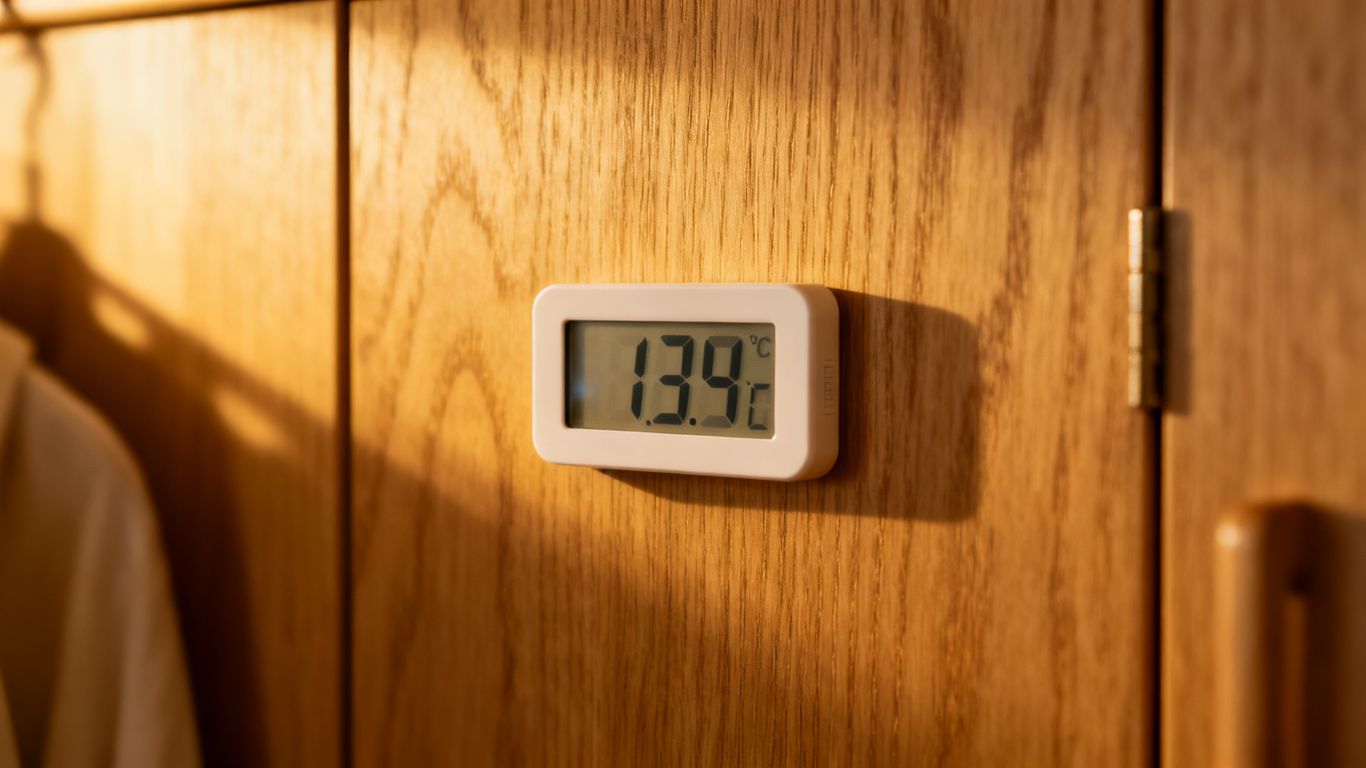
Evaluating power consumption and long-term costs
When looking at the total cost of ownership, it is vital to reconcile the power draw of the unit with its duration of operation. Modern electronic solutions tend to be more efficient than they were a decade ago, often costing significantly less in electricity than the potential cost of replacing mildewed garments.
| Technology Type | Best Usage Scenario | Main Benefit |
|---|---|---|
| Thermal Rods | Small, tight closets | Silent operation |
| Desiccant Packs | Seasonal storage | Zero power use |
| Electronic Systems | Frequent access spaces | Active air cleaning |
These technologies offer different trade-offs, summarized in the table above, allowing you to match your specific need for power versus effort to your home environment.
Noise level comparisons for sleeping environments
Because many main bedroom wardrobes operate near sleeping areas, noise levels are a critical factor for many homeowners. Quiet operation remains a top priority, and newer integrated solutions are engineered to run at near-silent decibel levels compared to older compressor-heavy designs.
Longevity and general maintenance requirements
Maintaining the long-term effectiveness of your setup does not have to be a multi-step chore. If you follow these maintenance requirements, your system will remain reliable:
- Wipe down the unit exterior once a month with a soft, dry cloth to prevent dust accumulation.
- Inspect the air intake vents regularly to ensure that no lint or fabric fibers are restricting airflow.
- Verify the sensor accuracy by comparing your internal unit reading against a separate portable hygrometer annually.
Following these simple habits ensures that your electronic damp-prevention investment continues to provide professional-grade humidity control for years.
Managing wardrobe humidity levels for longevity
Determining the ideal humidity percentage for clothing
Clothing and leather goods are happiest in a relatively stable climate, generally between 45% and 55% relative humidity. Staying in this sweet spot allows fabrics to retain just enough natural moisture to remain flexible, while keeping levels low enough to prevent mold growth and the structural breakdown caused by dampness.
Using hygrometers to track effectiveness
Place the sensing device in various spots within your closet to understand how moisture moves through the space. Sometimes you will find surprising differences between the back wall and the front door, which justifies moving your dehumidification unit for better coverage.
Complementary habits for preventing moisture buildup
Even with the best technology installed, it is good practice to leave the closet doors cracked open for a few hours each week if the air in the room itself is relatively dry. This practice, combined with a modern built in wardrobe dehumidifier, does wonders for keeping your wardrobe feeling fresh.
Conclusion
Safeguarding your wardrobe is entirely achievable with the right combination of active technology and sensible storage habits. By selecting an appropriate unit and monitoring the environment consistently, you can prevent damage before it starts and enjoy a fresh, clean feeling for every garment you own.
Frequently Asked Questions
Is it normal for my built in wardrobe dehumidifier to feel warm during operation?
Yes, most electronic or rod-style dehumidifiers work by slightly heating the air to change its moisture-holding capacity, which is a normal part of their performance.
How often should I check on my closet humidity levels?
Initially, check them daily for a week to understand the baseline, then switch to a weekly check unless you live in a particularly erratic, humid climate.
Does high humidity cause only mold or are there other issues?
Excess moisture can also cause fabric yellowing, strange odors, rusting on metal hangers, and can accelerate the decay of glues used in shoe construction.
Can I use a regular room dehumidifier inside my closet?
Portable room units are generally too large and lack the safety shielding required for the confined, flammable nature of a clothes-filled wardrobe.
What happens if the humidity drops too low?
If the air becomes excessively dry, natural fibers may become brittle and lose their softness, but this is a rare occurrence in consistently tropical regions.
Do I need special installation materials for my dehumidifier?
Most modern units come with the necessary mounting brackets and hardware, though you should check the manufacturer guidelines for wiring safety before mounting them permanently.
Should I turn my dehumidifier off when away from home?
No, the best protection comes from 24/7 operation, which maintains a stable environment and prevents the "start-stop" fluctuations that allow mold to settle in.