Key Takeaways
Choosing between moisture control options is essential for maintaining comfort and protecting home furnishings in humid regions. This guide outlines the differences and practical applications of these appliances.
- Air conditioning dry mode provides mild humidity reduction primarily in tandem with cooling.
- Dedicated dehumidifiers offer precision control to maintain specific humidity percentages.
- Climate and room use dictate which appliance best serves your specific living environment.
- Maintenance requirements vary significantly between units, impacting daily long-term operation.
- Integrating a specialized system can prevent issues like mold and musty odors effectively.
Understanding the basics of moisture removal
Residents in the tropics often encounter internal humidity levels that exceed comfort thresholds, requiring a targeted response. While modern cooling systems offer versatile settings, understanding their fundamental roles is key to optimizing your home atmosphere. Moisture management is not just about temperature; it is about preventing the growth of mold and the degradation of indoor air quality.
How air conditioner dry mode functions
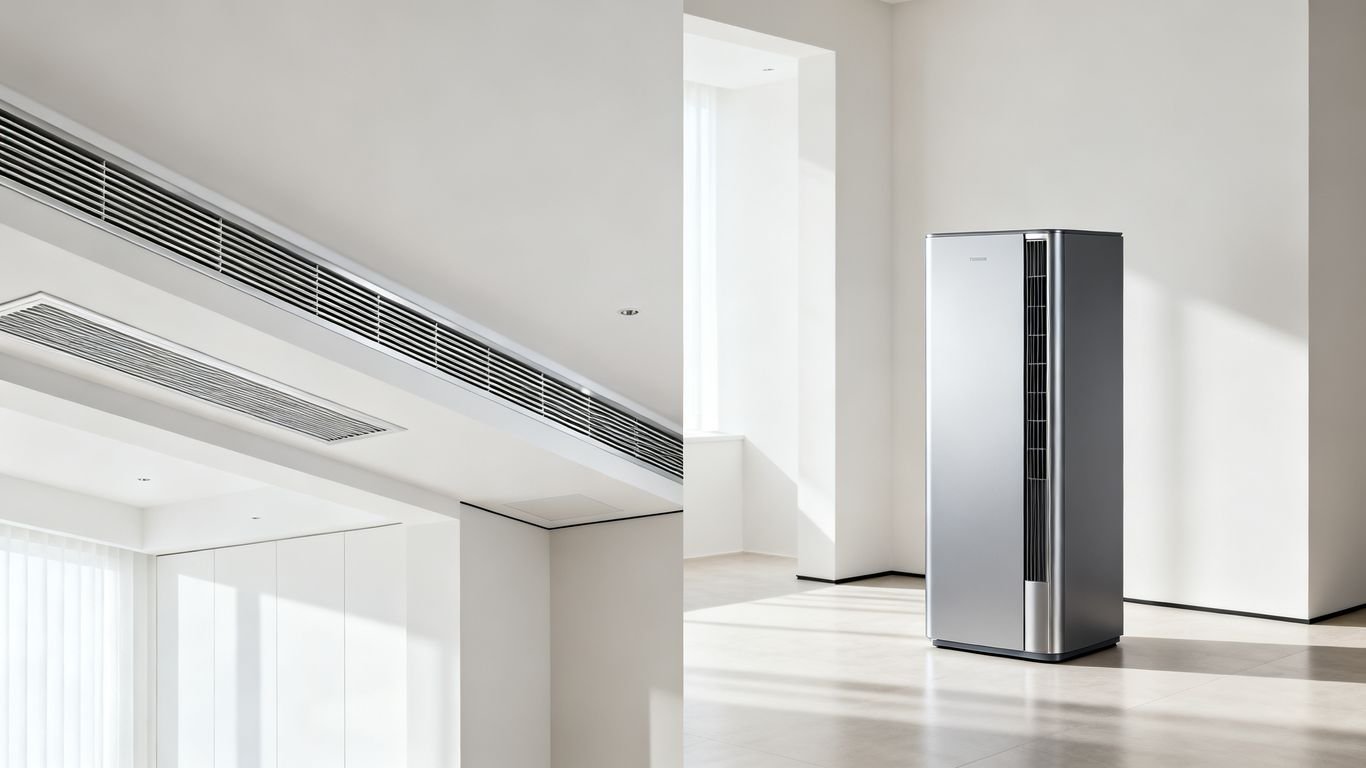
Dry mode removes humidity by passing ambient air over the cooling coil, where excess moisture condensates and exits through the external drainage system. This configuration is often a secondary feature in air conditioner’s dehumidifier mode settings, designed to extract water without the intense, continuous blast of standard cooling. It is useful for moderate days when the temperature is pleasant but the air feels weighed down.
The operational mechanism of a standalone dehumidifier
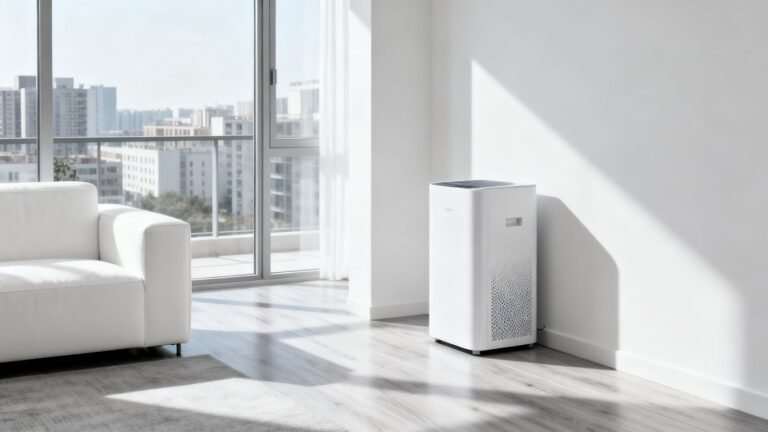
Dedicated appliances, such as the Aerofy DualCore 20, rely on a specialized refrigeration cycle that precisely targets airborne water content regardless of whether the room requires cooling. By pulling air through a series of coils, these units condense vapor and collect it safely in a reservoir or direct-drain hose. Their design ensures that you can maintain target humidity levels consistently without forcing the room into an overly chilled state.
Critical differences in cooling performance
While both systems engage a compressor, their impact on room temperature diverges significantly because their primary objectives are distinct. Dedicated units focus entirely on moisture extraction, whereas air conditioning units treat dehumidification as an incidental product of their cooling primary process.
| Feature | AC Dry Mode | Standalone Dehumidifier |
|---|---|---|
| Cooling Effect | Significant | Minimal to None |
| Humidity Control | Variable/Incidental | Precise/Targeted |
| Application | Temporary Relief | Continuous Maintenance |
- AC Dry Mode is effective for short-duration comfort during the day.
- Standalone units excel at preventing mold growth in storage spaces.
- The Aerofy DualCore 20 uses a rotary compressor to maximize efficiency and noise control.
- Standalone systems operate independently of the primary cooling load.
After balancing these factors, residents can determine if they need a single-room solution or a more robust, whole-house approach.
Efficiency and energy consumption comparison
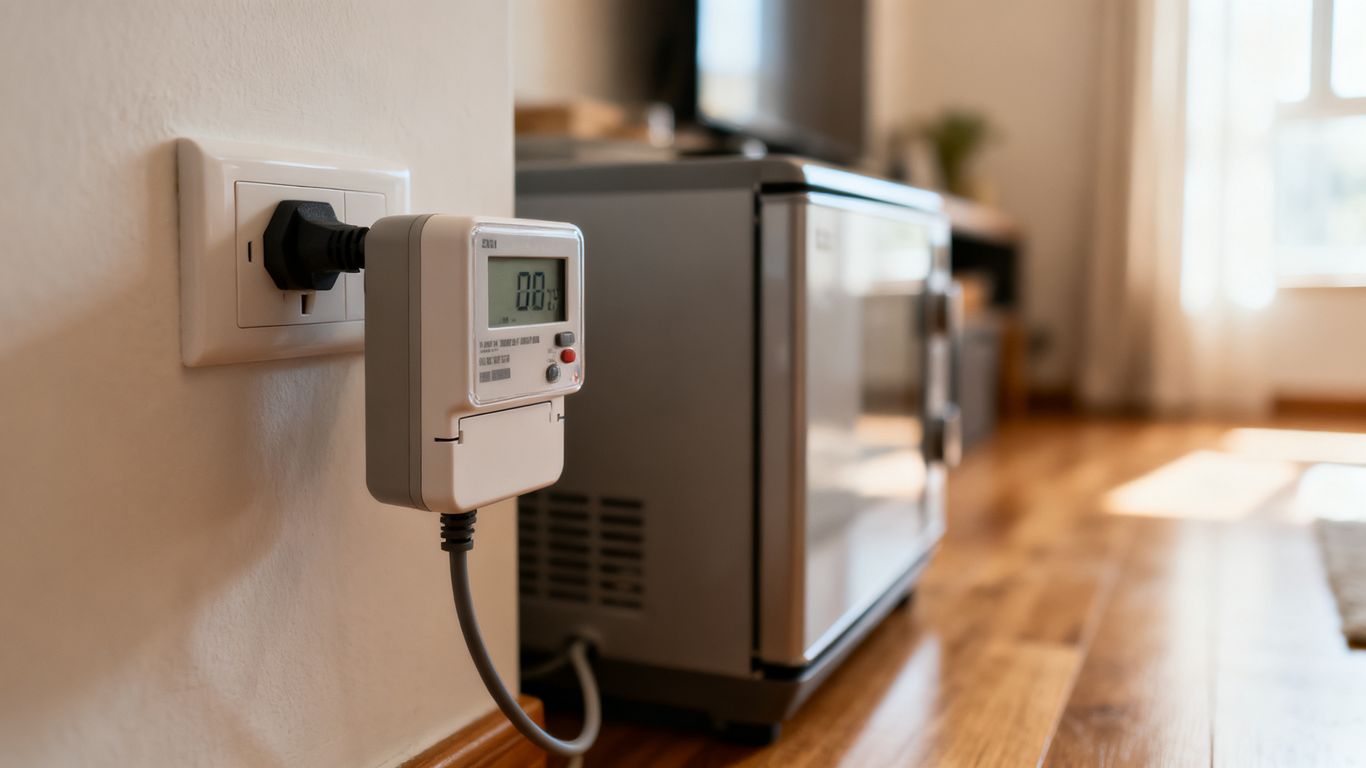
Energy expenditure is a primary concern for homeowners, especially when running appliances throughout the year. Comparing how these units draw power helps in formulating a strategy that balances comfort with utility costs. Understanding the interplay between air movement and compressor activity, as found in energy-saving dehumidifiers or cooling systems, can lead to smarter daily usage.
Assessing power usage for long-term operation
When a unit runs in dry mode, it is effectively tied to the air conditioner’s entire system draw, which can involve larger motors and higher voltages than a standalone unit. Conversely, a dedicated dehumidifier is optimized solely for water extraction, offering a more focused approach to power consumption over long intervals. Assessing your hourly energy usage helps dictate whether these appliances should be limited to peak humidity times.
Impact of ambient temperature on energy expenditure
Ambient temperature plays a significant role in how efficiently an appliance performs its task. On extremely hot days, a standard air conditioner struggles to manage moisture and temperature concurrently, leading to excessive energy drain. A targeted unit avoids this by ignoring the thermal load, staying efficient by focusing strictly on the humidity percentage.
Best practices for minimizing electricity bills
Strategic placement and consistent maintenance of your air filters can dramatically lower the energy required for moisture extraction. By ensuring airflow is never obstructed, you permit the compressor to work within its design parameters rather than struggling. This focus on engineering efficiency is essential, whether you are trying to relax or managing household repairs with professionals like Hung Right Doors, LLC.
Performance in different climates and seasons

Tropical climates present unique challenges, with high moisture levels persisting even during cooler evening transition periods. Adaptability is the key to creating a healthy environment, especially in spaces where visibility or odor points to high moisture buildup.
Handling high humidity in tropical environments
In regions like Singapore, the humidity remains high year-round, making the ability to control it a necessity. The Aerofy DualCore 20 is engineered specifically for these conditions, prioritizing air quality and consistent humidity extraction. For those living in persistent rain cycles, AC Dry Mode might offer quick floor-drying relief, but cannot match the depth of a dedicated unit.
Suitability for cool, damp basements or winter conditions
When the ambient temperature drops, traditional AC systems become less effective and potentially damaging due to condensation buildup on the coils. Standalone units are much more suitable for these areas because they do not rely on the same thermodynamic variables to pull moisture from the air.
Managing indoor air quality during seasonal transitions
💡 Scenario Time: Imagine setting up a cozy room for a weekend of entertainment. You bring in your favorite materials, perhaps enjoying a session with Fire OG, but you notice that the air feels heavy and the surfaces remain slightly damp. By turning on a dedicated dehumidifier, you transform the climate, ensuring the space feels crisp and clean, allowing for a better overall experience.
Key features and maintenance requirements
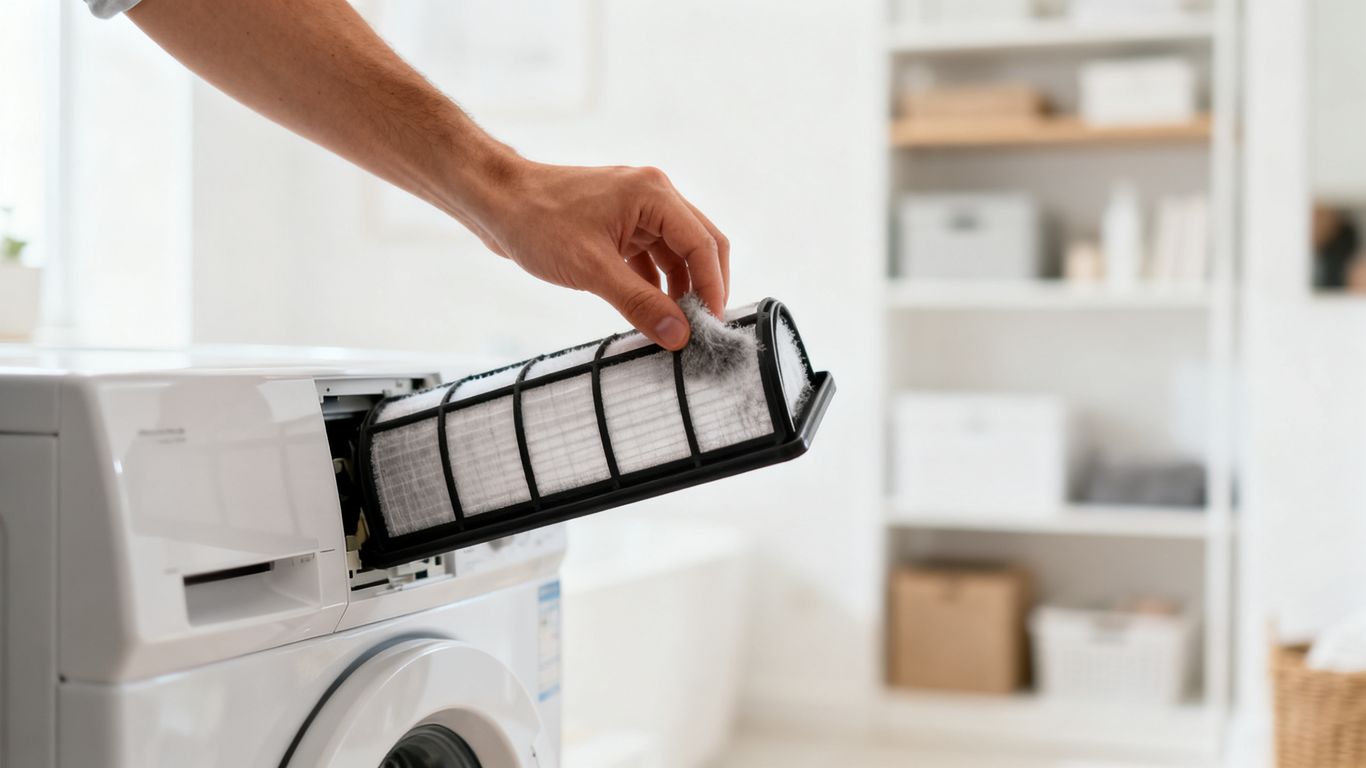
Maintenance is not just about longevity; it is about ensuring your appliance continues to handle the moisture effectively. Both systems have distinct physical requirements that users must account for during installation and daily upkeep.
Portability and installation needs
Standalone units offer significant flexibility, allowing you to move them between rooms or place them directly in high-risk areas like closets or laundry rooms. In contrast, an air conditioner is permanently installed, limiting your ability to address localized dampness in specific corners of the home.
Filter cleaning and drainage system differences
Keeping filters clear is critical for the unit to maintain proper airflow and energy efficiency. While AC filters are typically accessed within the wall or ceiling unit, dehumidifier filters are generally smaller and more accessible, requiring frequent cleaning to remove dust that builds up during constant extraction.
Noise level comparisons during nighttime use
Standalone dehumidifiers can often produce consistent, rhythmic noise during operation, which might be disruptive in low-volume areas. Newer models focus on quieter operation, but compared to the refined output of a modern, well-installed cooling system, the acoustic profile remains a factor worth considering for bedroom placement.
Decision factors for choosing the right appliance
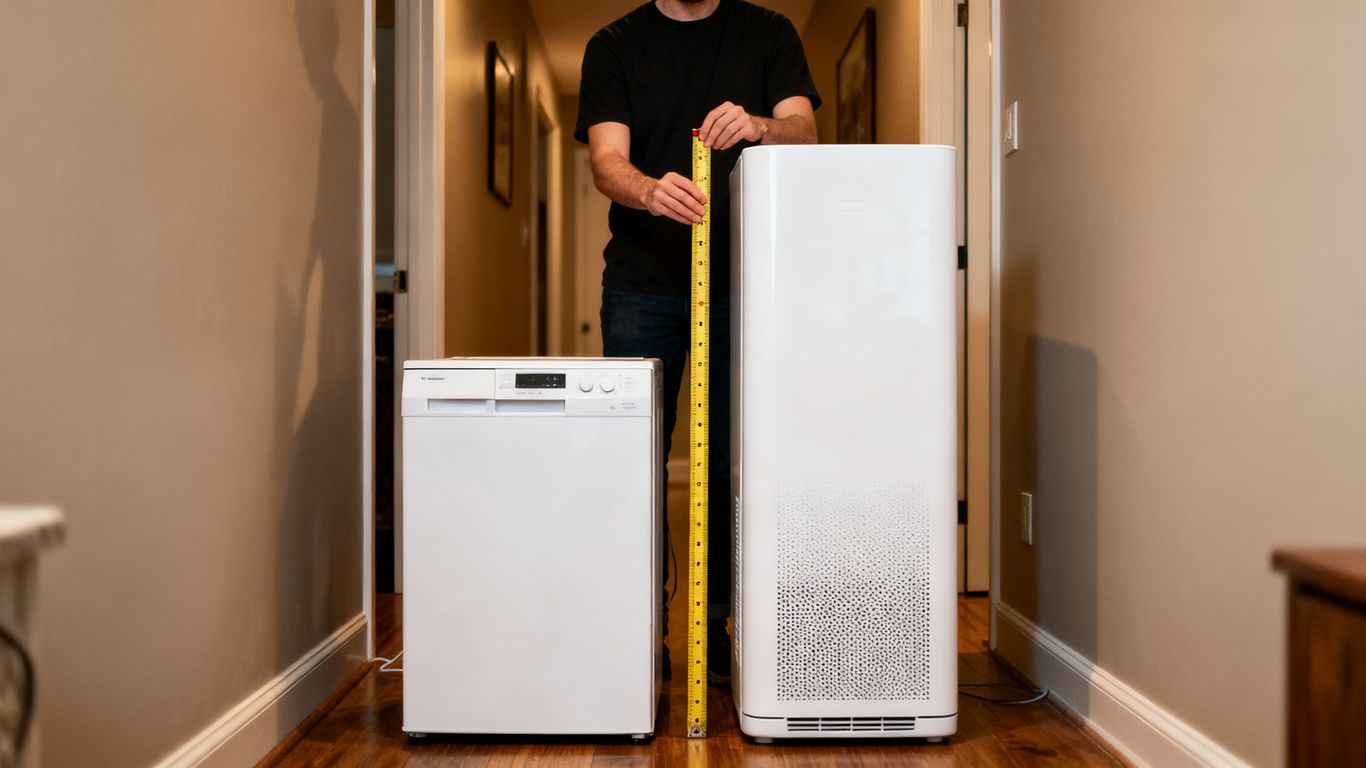
Choosing the correct appliance involves weighing your environmental needs against your desire for a set-it-and-forget-it solution. Modern homes benefit from strategic combinations, as the effectiveness of your choice depends on whether you have a persistent moisture problem or a temporary discomfort issue.
Matching capacity to room size
Capacity refers to the amount of water a unit can remove per day. Failure to match this capacity to your square footage results in an appliance that constantly struggles, wasting energy while failing to reach your target humidity goals.
Budget considerations including upfront and recurring costs
While an air conditioner is a significant investment for any household, it should already be present in tropical homes. A dehumidifier represents a separate purchase but can save money on cooling bills by potentially allowing you to set the room temperature higher while maintaining a comfortable, less humid feel.
Scenarios where both appliances are necessary
In many cases, the combination is best; the AC handles the temperature during the height of the heat, while the dehumidifier manages the humidity during the long, damp transition periods. This dual approach ensures your home remains a sanctuary regardless of sudden weather changes.
Conclusion
Selecting the right moisture solution depends on your specific lifestyle and the demands of your local climate. By understanding the functional gap between basic dry modes and specialized units, you can effectively protect your home from humidity-related damage while maximizing your daily comfort.
Frequently Asked Questions
Does running a dehumidifier make a room warmer?
Yes, the process of removing moisture releases heat, which can lead to a slight increase in ambient room temperature.
Which appliance is better for preventing mold?
Dehumidifiers are generally superior because they can operate independently of temperature and maintain a consistently low humidity level.
Can I run my dehumidifier all the time?
Most modern units are designed for continuous operation, provided they have a drainage system setup that manages the collected water.
Do I need a dehumidifier if I have air conditioning?
It depends on whether your climate keeps you comfortable without needing extreme cooling during high humidity periods.
How often should I clean the filter?
Ideally, clean your filters every two to four weeks depending on the level of dust in your home and how frequently the unit operates.
Can a dehumidifier replace an air conditioner?
No, a dehumidifier cannot lower the temperature of a room, which is crucial for comfort in extremely hot climates.
What is the ideal humidity level for a home?
Maintaining a level between 30 and 50 percent is generally recommended to prevent both mold and overly dry, uncomfortable air.