Key Takeaways
Understanding how your household machines handle power is essential for maintaining a comfortable living space without driving up utility bills. These points summarize the core aspects of managing your home’s moisture control efficiency.
- Larger capacity units naturally require more power during active operation periods.
- Maintaining specific humidity setpoints prevents the unit from overworking unnecessarily.
- Clean filters ensure efficient airflow, directly reducing the strain on your appliance’s motor.
- Energy Star certification provides a reliable benchmark for comparing long-term operating costs.
- Proper room placement allows for effective moisture extraction with fewer operating hours required.
Factors affecting dehumidifier energy consumption
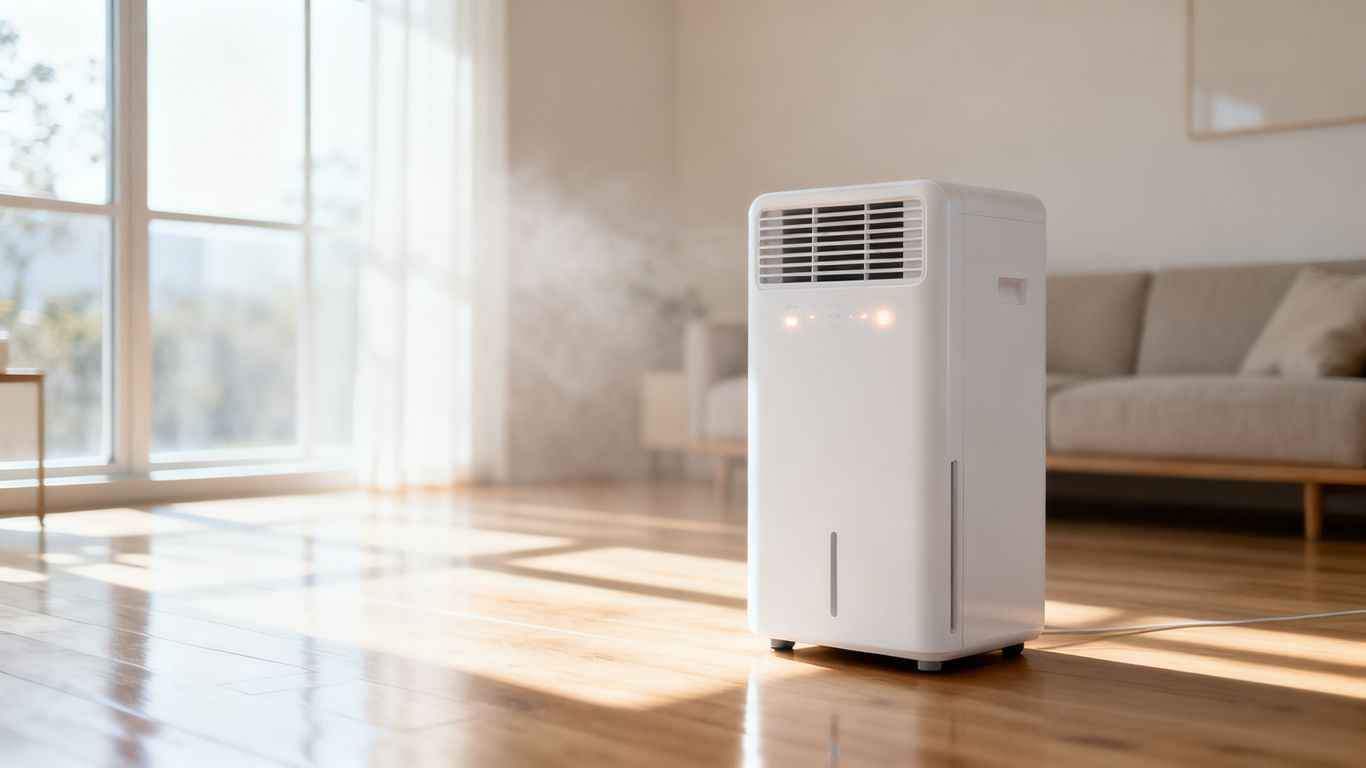
Running a dehumidifier is a standard approach to combating excess moisture in tropical climates, but users often wonder about the variables that impact overall electricity usage. Several physical and operational factors dictate how hard the unit works to maintain safe indoor conditions, including ambient moisture loads, the quality of your home’s thermal envelope, and the specific technology integrated into the device.
Size and capacity of the unit
The physical size and moisture removal capacity of an appliance are the primary drivers of its energy draw. Choosing a unit that is too small for a space may cause it to run continuously, whereas a properly sized dehumidifier reaches its setpoint faster, allowing for more frequent rest cycles and lower total intake over time.
Humidity levels and setpoints
Setting a target humidity level that is overly aggressive, such as aiming for 30% when 50% is sufficient for comfort, increases power consumption substantially. When the target is set too low, the compressor runs significantly longer as it strives to pull every remaining molecule of moisture from the saturated air.
Ambient air temperature
Temperature fluctuations directly alter the efficiency of the refrigeration cycle within your unit. In warmer environments, the device must expend more energy to achieve consistent condensation compared to cooler, more moderate conditions where moisture naturally reaches the dew point with less mechanical cooling required.
Maintenance and filter cleanliness
Neglected maintenance often acts as a silent energy thief, forcing a unit to work harder than necessary. Keeping your air intake clear is paramount for efficient operation, especially when dealing with devices that incorporate advanced HEPA filtration.
| Maintenance Task | Frequency | Impact on Efficiency |
|---|---|---|
| Filter Vacuuming | Bi-weekly | Improved Airflow |
| Water Tank Emptying | Daily | Prevents Shutdowns |
| Coil Inspection | Monthly | Prevents Overheating |
Regularly addressing these maintenance tasks ensures that the air moves freely through the unit, which in turn optimizes energy expenditure over the lifespan of your appliance.
How to calculate your dehumidifier’s electrical costs
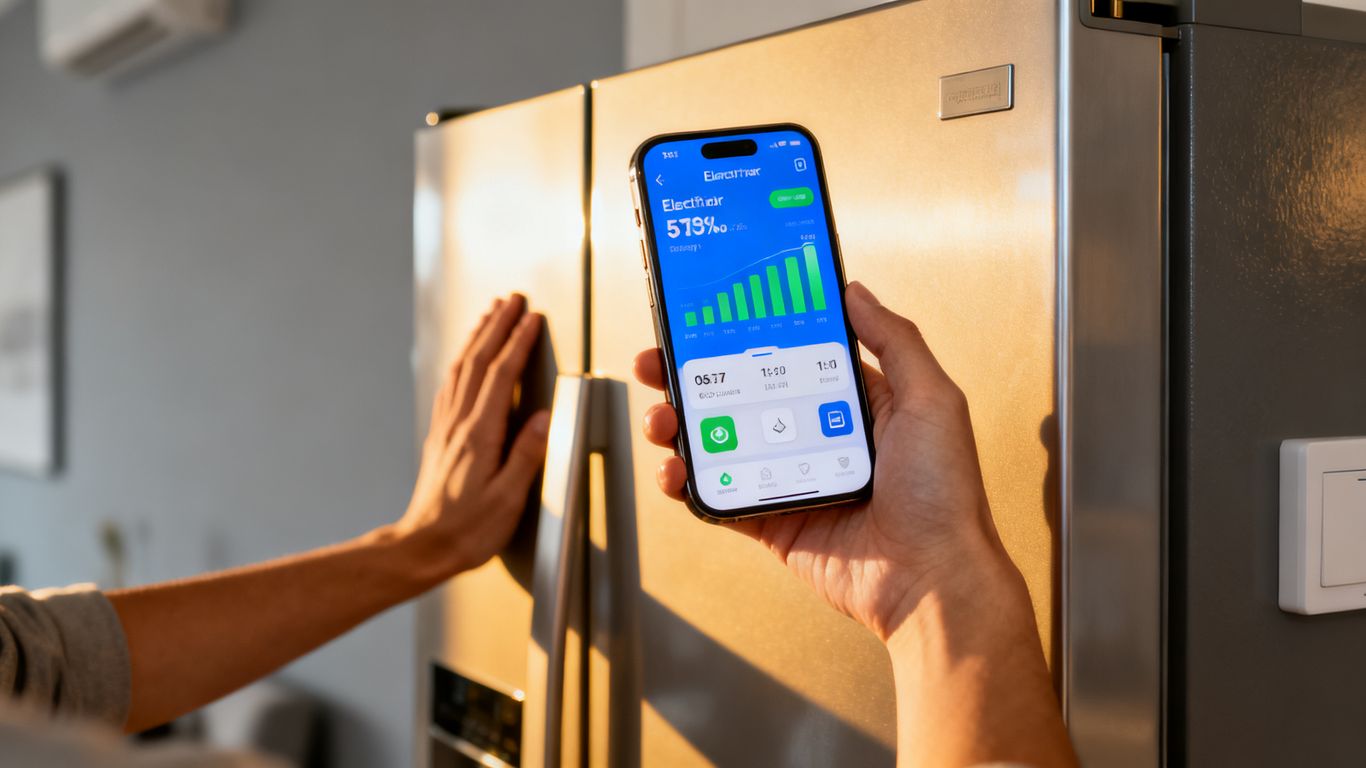
Calculating exact expenses related to your moisture control strategy is straightforward once you have the right baseline data. By understanding the wattage rating and how many hours your device runs, you can easily derive a monthly cost estimate tailored to your local electricity utility rates.
Determining wattage from the unit label
Every device features a manufacturer label typically found on the back or bottom, detailing the peak wattage. While this indicates the absolute maximum draw, many modern DualCore 20 units use variable power stages to operate more efficiently during standard cycles.
Factoring in daily usage hours
Estimating electricity costs requires a clear picture of your daily habits. If you use your machine only during the rainy season or specifically for drying laundry, your consumption profile will differ vastly from someone running a unit 24/7 to combat chronic dampness.
Using local electricity rates
Electricity rates vary significantly depending on your service provider and local grid policies. Plugging your device’s hourly wattage into an energy calculator using your per-kilowatt-hour rate is the most precise way to determine how much you are spending to keep your air dry.
Estimating monthly and seasonal costs
When calculating projected costs, remember to account for periodic rest cycles triggered by the device’s internal humidistat. Managing these factors helps you maximize your investment in a capable appliance designed for humid environments.
Energy Star certification and standards
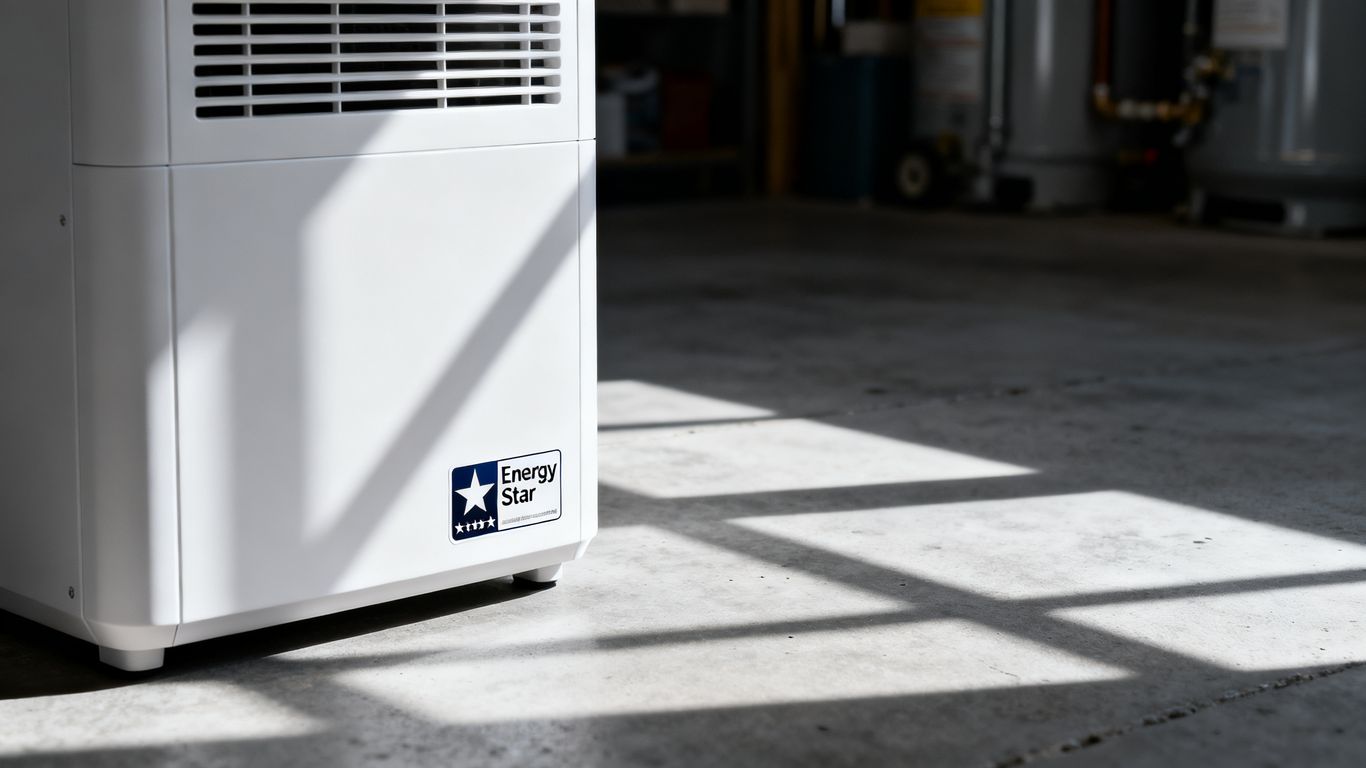
Selecting an efficient unit often begins with looking for standard seals of approval that guarantee a certain level of engineering excellence. These certifications indicate that the appliance has been tested against rigorous benchmarks for its ability to remove water efficiently without excessive electrical waste.
What the Energy Star label signifies
This label denotes that an appliance meets specific data requirements regarding its efficiency in converting electricity into moisture removal. For consumers, it is an easy way to verify that a product meets efficiency ratings suitable for long-term usage.
Efficiency requirements for different unit sizes
Standards are scaled based on the unit’s moisture removal capacity, measured in pints per day. Smaller, portable devices have different thresholds than whole-house systems, ensuring that power limits remain proportional to the workload the unit is expected to handle.
Comparing certified vs. non-certified models
Certified models frequently feature better-tuned compressors and more efficient fan motors compared to non-certified variants. While initial costs for professional-grade units might be slightly higher, the long-term utility bill savings often prove that these units are superior in terms of overall energy efficiency over time.
Interpreting the EnergyGuide label
The EnergyGuide label provides a standardized estimate of usage costs based on typical operating scenarios. Comparing these labels helps you see the broader picture, distinguishing between high-draw industrial machines and optimized residential solutions.
Strategies for optimizing dehumidifier performance
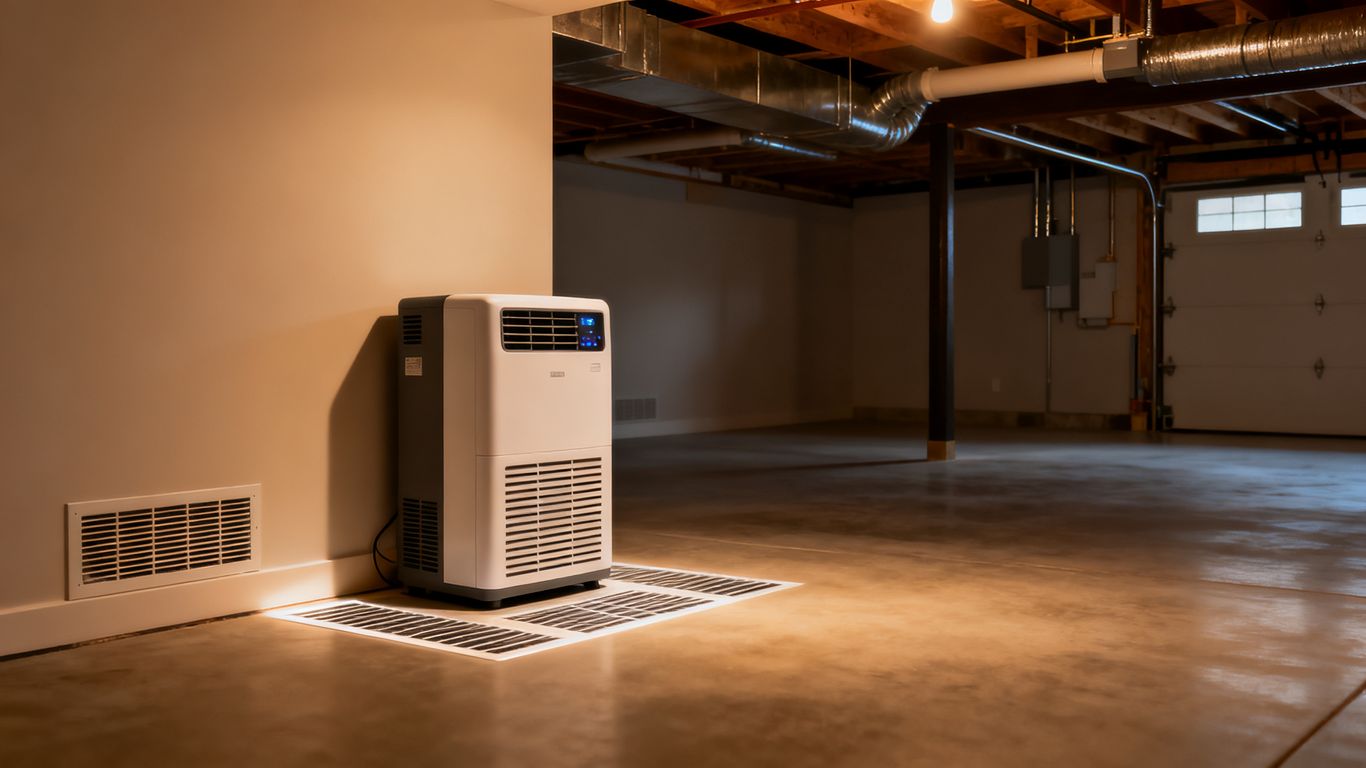
Maximizing your device’s performance does not always require advanced technical knowledge, but rather a few strategic changes to your home setup. Proper positioning and environment management go a long way in ensuring your home moisture control system operates at its peak potential.
Optimal placement for air circulation
Placing your device at least six inches away from walls is essential for proper exhaust and intake circulation. Good placement prevents the unit from re-circulating the dry air it just produced, which would cause an artificial rise in humidity sensors and unnecessary extra cycles.
Using dedicated timers and external hygrostats
Smart timers allow you to schedule operation during off-peak hours or times when moisture levels naturally spike. Many homeowners discover that using an external hygrometer provides more accurate readings than relying on a unit’s built-in sensor, helping you monitor humidity levels with greater precision.
Proper ventilation in damp basement areas
Basements often suffer from stagnant air, making them prime spots for moisture buildup. Improving mechanical or natural ventilation limits the moisture influx before it reaches your dehumidification device, easing the workload for your equipment.
Sealing leaks to prevent outside moisture intake
Common moisture issues frequently stem from air leaks around windows or doors that invite warm, humid air into your conditioned space. To address this, consider these items during your cleanup:
- Apply weather stripping to drafty windows.
- Insulate gaps around basement pipes or entries.
- Install sweeps for exterior doors.
- Monitor your home’s thermal boundary during dry spells.
Proactively sealing your living area makes the work of your dehumidifier much easier, as it no longer needs to battle the constant influx of outside humidity.
Comparing dehumidifier types by energy profile
Understanding the technology inside your box is just as important as where you plug it in. Different cooling architectures affect how electricity is used, which impacts the total cost of operating your appliance in unique climates.
Refrigerant-based compressor units
These machines function similarly to residential refrigerators, using an R290 refrigerant to cool coils and condense water vapor. They excel in warm, humid regions like Singapore because their efficiency is highest when ambient temperatures are elevated.
Desiccant-based dehumidifier technology
Desiccant units rely on a moisture-absorbing material rather than a compressor system. While they are quieter, they are often less effective for large-scale moisture removal in the tropical environments where they might otherwise be used, and they tend to use more power for the heater assembly.
Whole-house versus portable system efficiency
Efficiency is all about matching the device to the space’s needs. A whole-home dehumidifier is highly effective for large footprints, whereas portable units are better suited for specific problematic rooms, provided you select a model sized for the exact moisture load of the area.
Evaluating power consumption vs. moisture removal rates
The most important metric is how many pints of moisture the unit removes per kilowatt-hour of electricity. A highly effective machine prioritizes this ratio, ensuring that it finishes a cycle efficiently before entering standby, rather than idling at lower power levels for extended durations.
Conclusion
Managing your dehumidifier’s energy footprint is a simple process once you account for your specific climate needs, the size of your space, and the operational habits you establish over time. By selecting an efficient unit and ensuring it is positioned correctly, you can effectively maintain a healthy, dry environment in your home while keeping your electricity costs predictable.
Frequently Asked Questions
Does running a dehumidifier continuously cost a lot?
Running a unit continuously is generally more energy-efficient than cycling it on and off, as the compressor does not need to overcome the startup load every time. Modern units with internal hygrostats will automatically enter standby mode once they hit your target, saving electricity in the long run.
Is an Energy Star unit always the cheapest to run?
While Energy Star status is a great indicator of efficiency, the final cost also depends on the local electricity rate and how often the unit runs. Certified models are designed to use less power during operation, which typically translates to lower monthly bills compared to non-certified units over the same duration.
How does room temperature affect electricity usage?
Compressor-based dehumidifiers are designed to function best in warmer temperatures. In very cold environments, the internal coils can frost over, causing the unit to work harder or engage a defrost cycle, which increases the total amount of energy used.
Does a 50-pint unit use more electricity than a 20-pint unit?
A unit with higher moisture removal capacity will typically have a more powerful compressor and fan, resulting in higher instant power consumption. However, these larger units can often remove the excess moisture from a larger space much faster, potentially leading to similar overall energy usage over time.
Can I use a timer to save on energy costs?
Yes, using a timer can be an effective way to manage your energy consumption, particularly if you have specific periods of the day when electricity rates are lower. Ensuring the unit only runs when you need it most helps maintain a balance between performance and economy.
Should I turn my dehumidifier off when I leave the house?
If you want to maintain a consistent humidity level to prevent potential mold growth, it is best to let the built-in sensor control the operation rather than manually turning it off. If you are away for an extended period, adjusting the setpoint slightly higher can save energy while continuing to protect your home from excess humidity.
Are desiccant dehumidifiers more energy efficient?
Desiccant models use heat to release the moisture from the absorbent material, which can be energy-intensive if run constantly. They are generally more efficient in very cold settings but typically consume more power than compressor models in the warm, humid conditions commonly found in tropical climates.