Key Takeaways
Optimizing humidity control is essential for maintaining a healthy home, especially in humid regions. This guide outlines how to select and effectively use a reliable moisture management solution.
- Understand the chemical differences between common desiccants like silica gel and calcium chloride.
- Prioritize refillable units to maximize cost-efficiency and minimize your environmental footprint.
- Follow specific placement rules to ensure consistent airflow and avoid saturating surfaces.
- Balance moisture absorption capacity with the volume of your room for peak performance.
- Maintain consistent performance by checking saturation indicators and managing refills regularly.
Understanding how a refillable dehumidifier works
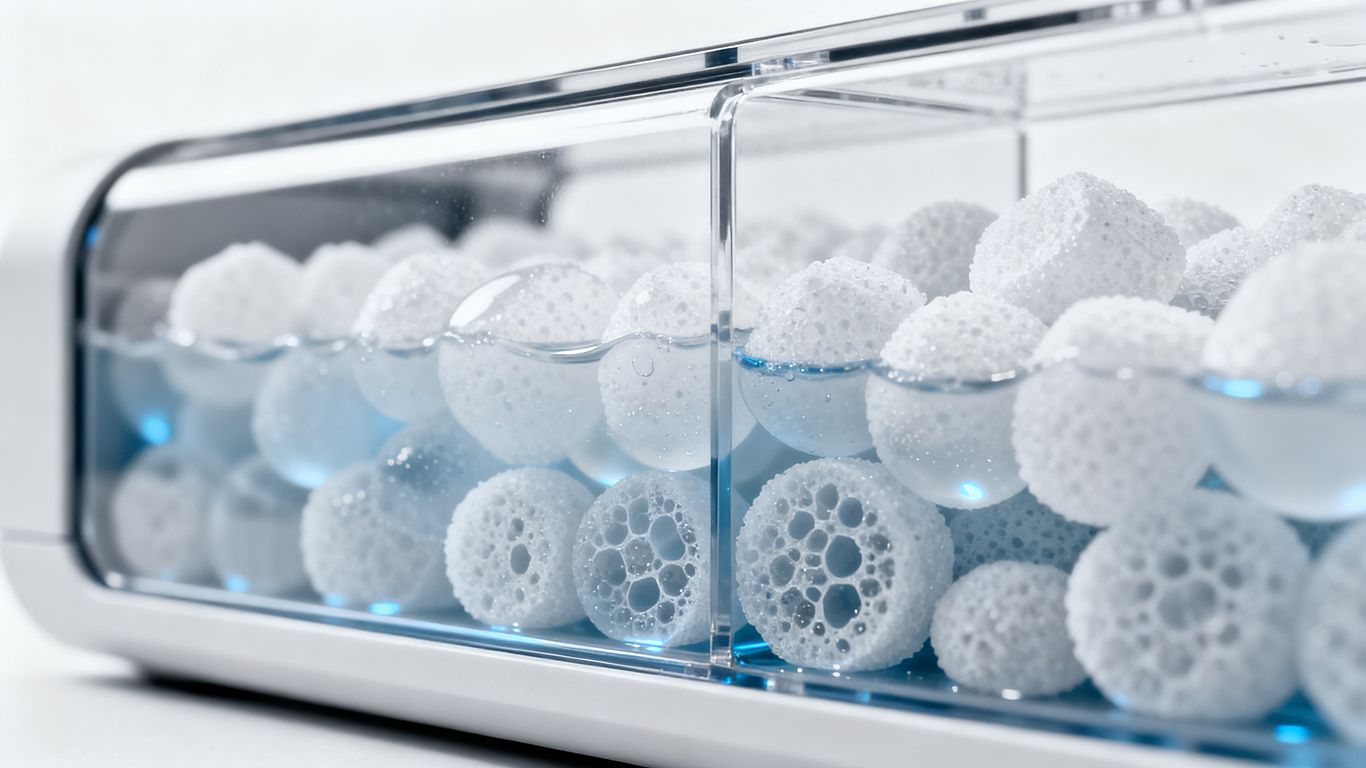
At its core, moisture control relies on the simple process of adsorption. When excess humidity is present, these devices use specialized materials to pull water vapor from the air, effectively locking it away until the medium needs servicing. Understanding these mechanics is vital for anyone who has struggled with dampness in tropical climates where standard ventilation often falls short.
The science of desiccant absorption
Desiccant materials work by creating a favorable surface for water molecules to bond to, effectively trapping humidity within the granular structure of the medium. For homeowners in humid environments, this process provides a non-electric, passive way to regulate environments that might otherwise become breeding grounds for mold and mildew. While your DualCore 20 dehumidifier offers active, automated power, passive desiccant units serve as the perfect secondary support for confined storage areas.
Differentiating between silica gel and calcium chloride
Choosing the right medium depends largely on the intended environment and your need for durability. Silica gel is typically used for its ability to be recharged via heat, making it a favorite for long-term climate control in sensitive storage boxes. Conversely, calcium chloride is a powerful hygroscopic salt that dissolves as it collects moisture, turning into a brine, which is highly effective for rapid absorption in larger containers.
When to replace the moisture-absorbing medium
Keeping track of your desiccant’s status ensures you are never caught with a depleted unit when humidity is at its peak. Indicators—often changing from blue to pink or white—provide a visual signal that the medium has reached its maximum absorption capacity. By monitoring these changes, you ensure your space stays protected throughout the changing seasons and prevents damage to your keepsakes, ensuring your clothes stay fresh for your next intimate wedding ceremony.
Benefits of choosing a refillable design
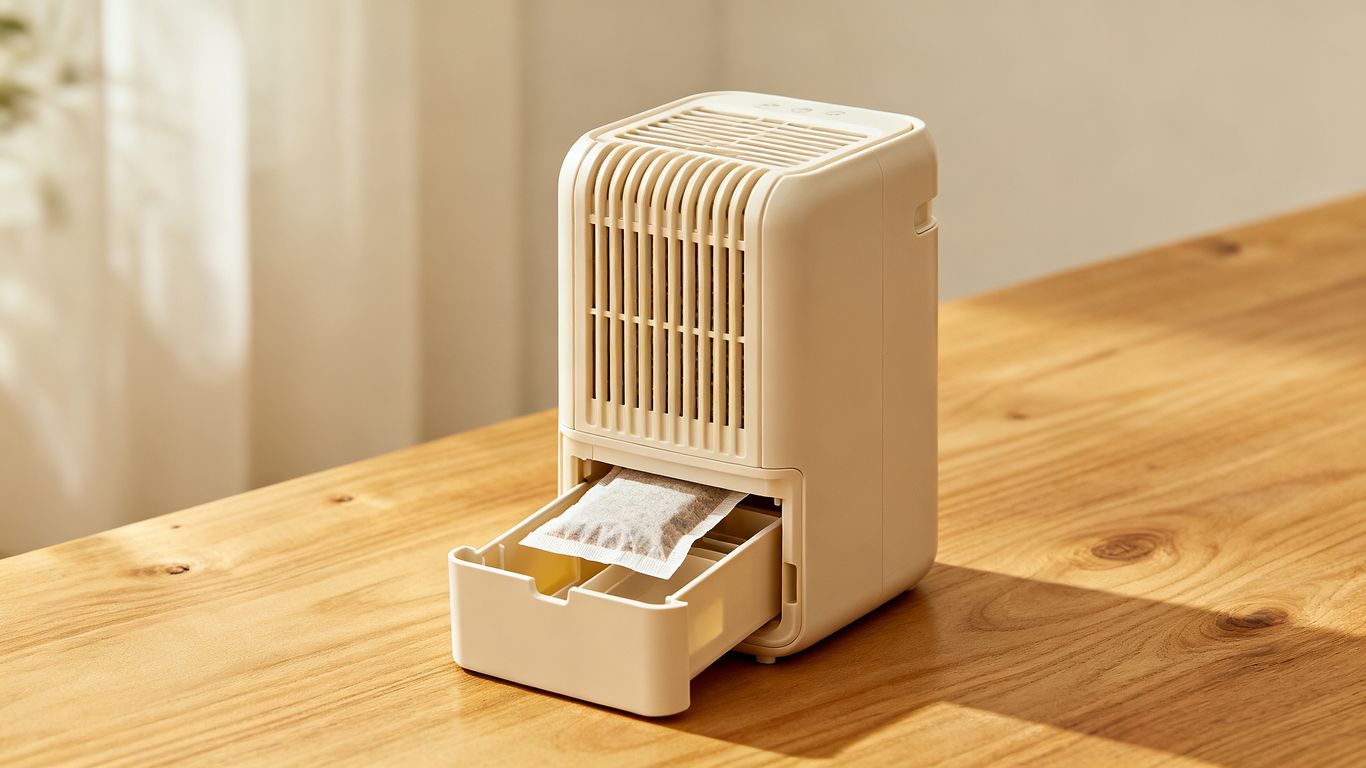
Swapping single-use plastics for durable, refillable systems is a significant step toward a more sustainable household. These units offer the same reliability as disposable counterparts but reduce the volume of waste sent to landfills significantly over time. For those of us living in high-humidity areas, switching to a system designed for longevity is both a practical and ethical upgrade.
Reducing single-use plastic waste
Every year, households discard countless plastic boxes meant for single-use moisture absorption. By Choosing a robust, refillable design—much like Aerofy recommends for maintaining stable indoor climates—you eliminate the need for constant purchase cycles. This shift directly supports local sustainability goals and keeps your utility cabinets clear of unnecessary clutter.
Long-term cost savings compared to disposables
While the upfront cost for a high-quality refillable housing might feel higher, the per-refill cost is often a fraction of what you would pay for wholesale boxes. When you aggregate these savings over several years, the investment in a sturdy, reusable container becomes obvious. The following table provides a comparison of long-term costs associated with different types of moisture control:
| Feature | Disposable Units | Refillable Units | Reusable Beads |
|---|---|---|---|
| Initial Cost | Low | Moderate | High |
| Refill Cost | High | Low | Negligible |
| Waste Produced | Frequent | Minimal | None |
By selecting a long-term solution, you stop paying for the plastic housing repeatedly and only invest in the actual desiccant material, allowing for a much better return on investment.
Customizing moisture absorption capacity for specific spaces
Refillable systems allow you to adjust the amount of desiccant based on the severity of the dampness in a specific area. If you are preparing a storage area for sensitive documentation or examining your dog’s preferences using the Doginburgh Inventory, you might find that certain small spaces require more focused capacity than others. This flexibility is a hallmark of Aerofy engineering principles, ensuring that your climate management is never overkill nor underpowered.
Essential features to look for when shopping
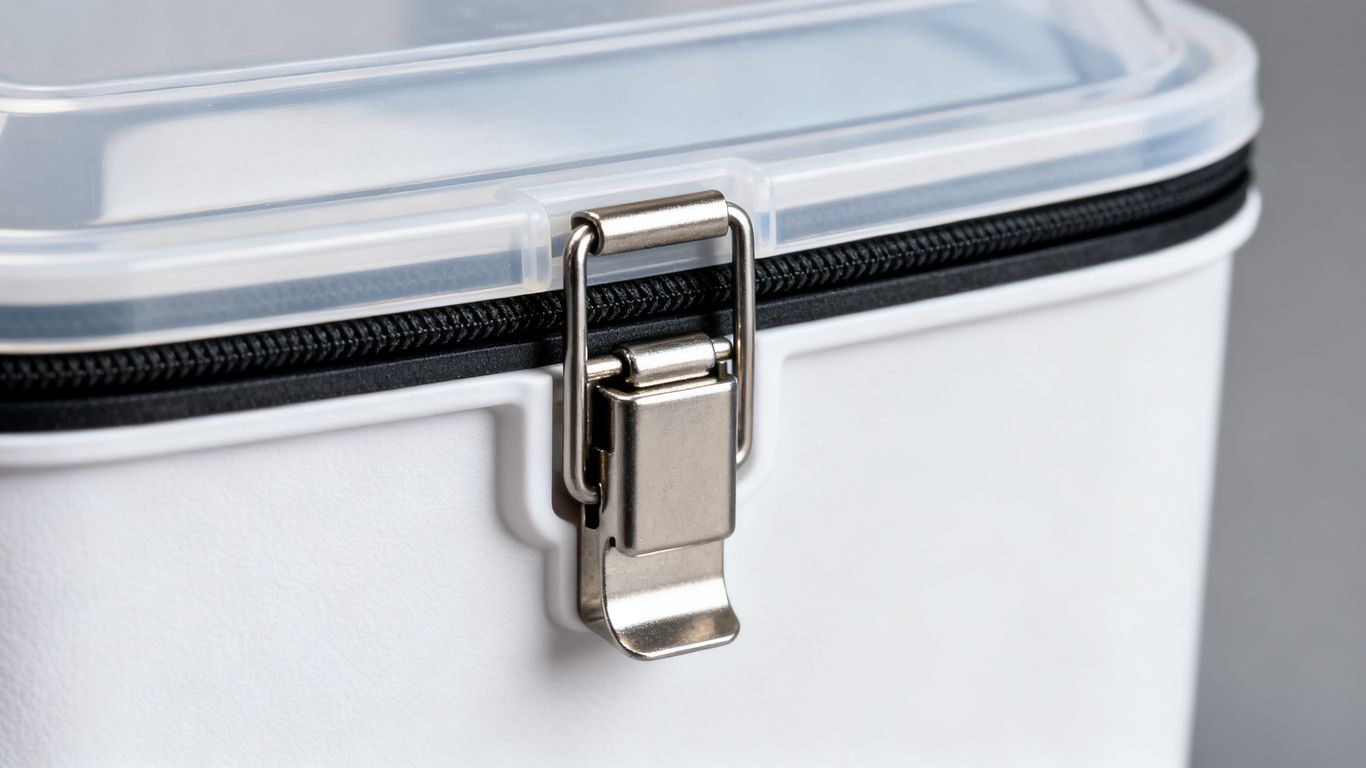
Finding the right device often comes down to the subtle details in hardware build quality and safety features. You need a container that can manage the chemical process of moisture locking without sacrificing the integrity of the room’s aesthetics or safety.
Container durability and airtight sealing
Durability is the primary factor that dictates whether your device will last through years of intense humidity. You want an airtight seal because it ensures that all airflow is directed through the desiccant rather than leaking around the edges of the box. High-quality designs use reliable latches and resilient seals, preventing accidental spills while keeping the interior desiccant isolated from external saturation.
Spill-proof design features for enclosed spaces
When choosing a unit for closets or vehicles, look for internal barriers that manage the collected brine if using chemical salts. These features ensure that even if the unit is knocked over, the caustic liquid remains contained inside the secondary reservoir. Our list below summarizes the must-have features for any high-quality unit:
- Secure, locking lids that resist accidental opening.
- High-impact plastic construction for longevity.
- Dedicated internal reservoir for captured liquids.
- Transparent window for checking saturation levels.
- Ergonomic handles for safe and easy transport.
These features are crucial, as they prevent potential damage to the surfaces beneath your device in confined areas.
Size versus room volume requirements
Match your unit to the square footage of your space to ensure maximum efficiency. A small pocket unit will struggle to keep a wardrobe dry if the room volume is significantly higher than its rating. Taking the time to calculate your volume ensures that you aren’t fighting a losing battle against the ambient moisture in your home.
Best practices for placement and maintenance
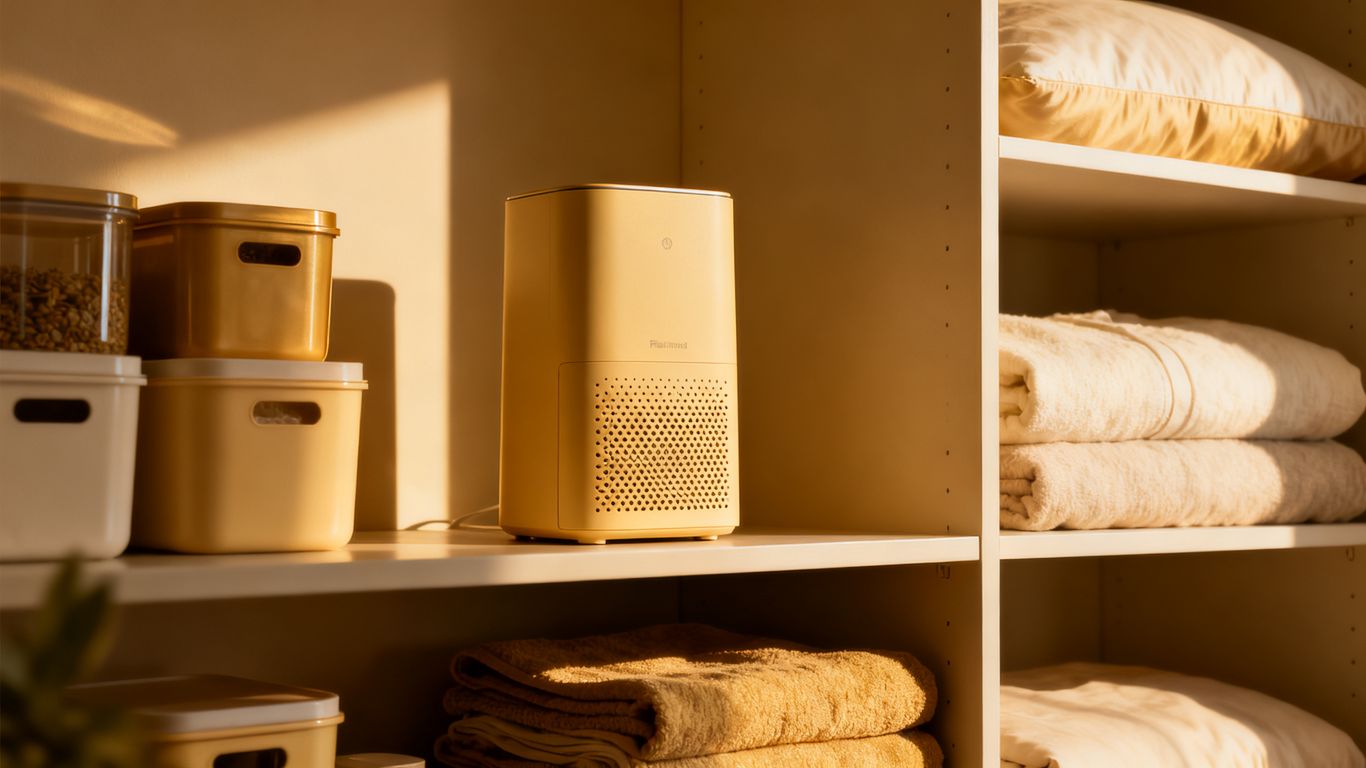
Positioning your dehumidifier correctly is perhaps the most overlooked aspect of effective moisture control. Proper placement allows the unit to process air effectively, while maintenance keeps it running at its peak potential for years to come. This is the stage where you transform a simple appliance into an integrated part of your home environment.
Optimizing airflow around the container
For best results, keep your device away from corners or crowded storage corners where the air might become stagnant. You should aim for a spot that is centrally located in the area you want to dry out, as this maximizes the surface area of air that touches the desiccant. Even when using Aerofy systems, ensuring there is a natural flow of air around the unit helps it reach its full moisture-trapping potential much faster.
Identifying visual signs of saturation
Regular visual inspections should be a part of your monthly routine to ensure you are catching saturation before it becomes a problem. The most effective units use color-changing beads that clearly indicate the state of the desiccant. Once these beads begin to change color, it is essentially a sign that the device has completed its current operational cycle and requires a refresh.
Proper disposal and handling of used refill packs
Always follow the manufacturer’s directions regarding disposal, especially if your device uses chemical salt-based refills that turn into liquid. Disposing of the collected liquid down a standard drain followed by plenty of water is typically the safe standard, but always verify this against local guidelines to avoid environmental impact.
Common applications for moisture control
Effective dehumidification is about identifying where moisture does the most damage in your daily life. Small, consistent efforts in high-risk areas can prevent long-term structural or item-specific damage, saving you money on future replacements.
Protecting closets and seasonal clothing storage
Closets are notorious for trapping moisture, leading to that distinct, unwelcome musty odor on clothes. By placing a small, unobtrusive unit in the corner of your closet, you create a controlled micro-climate that preserves the fibers of your garments, preventing them from developing mildew despite high outside humidity.
Preventing dampness in vehicle interiors
Car upholstery can absorb moisture during rainy months, leading to fogged windows and damp smelling interiors. A small, non-tip unit secured under a seat can prevent this buildup, keeping your vehicle air clear. This is particularly helpful for residents in tropical cities where humidity fluctuates wildly during rainy seasons.
Managing humidity in kitchen cupboards and pantries
Kitchen pantries often harbor hidden moisture near walls that are connected to the exterior of the house. Keeping your dry goods and pantry items in a controlled environment prevents clumping and mold. Integrating moisture control here keeps your ingredients fresh and your cabinets free from the common signs of dampness.
Troubleshooting effectiveness issues
Sometimes a unit might not perform as expected, which usually stems from external environmental variables rather than a faulty unit design. Understanding these common hurdles allows you to troubleshoot the issue quickly and restore performance.
Why the desiccant stops changing color
If the color indicator stops shifting despite high humidity, it is usually a sign that the desiccant has become contaminated with dust or oils, which blocks the adsorption site. Cleaning the unit and ensuring it isn’t placed near dusty areas typically resolves this. If the issue persists, the medium may have expired and require a total refresh.
Assessing room size and ambient humidity limitations
If your room is too large, the device simply cannot keep up with the ambient water vapor infiltration rate. Check if you have left doors or windows open, as this allows more humid air in than the device can potentially process. Ensuring that windows are sealed and doors are shut during high-humidity periods will make a noticeable difference in how your units perform.
Addressing external airflow interference
External vents, exhaust fans, or even strong drafts from air conditioning units can pull air away from your moisture absorber before it has a chance to work. If you notice your unit is struggling, try shifting it to a more stable location away from direct air output or heavy foot traffic that could be disrupting the airflow in that zone.
Conclusion
By understanding the fundamentals of moisture control, you can take charge of your home’s indoor climate with confidence. Investing in a quality refillable solution manages humidity effectively, protects your most valued belongings, and serves as a sustainable, practical upgrade for any household in a tropical climate.
Frequently Asked Questions
Can a refillable dehumidifier replace a powered electric unit?
No, these units are best suited for smaller, confined spaces rather than large open-concept rooms where an electric machine with a compressor is necessary.
How often will I need to swap out the desiccant?
Replacement frequency depends entirely on the ambient humidity levels in your region, so check the color indicator on your device at least once a month.
Are these devices safe to use around food?
Yes, provided the container is properly sealed and you ensure that the chemical medium never makes direct contact with food or spices.
Can I use these units in the bathroom?
They work well in bathrooms to mitigate dampness after showering, but note that the high concentration of water vapor in a bathroom may cause the medium to saturate faster.
Will these units eliminate existing mold?
They help prevent new mold by controlling humidity, but they cannot clean or remove existing mold colonies; you must treat the affected surface first.
Is it normal for the desiccant to release water?
Calcium chloride units are designed to turn into a brine liquid as they absorb moisture, so seeing liquid in the bottom is a sign they are working correctly.
How do I safely dispose of the liquid byproduct?
Most salt-based desiccant byproducts can be flushed down a drain with plenty of water, though you should always check the label on your specific refill pack for disposal advice.